Discover strange facts about insects and arachnids: spiders, beetles, butterflies, ants, bees, mantises, dragonflies, scorpions, and the tiny creatures that
Insects and arachnids make up the vast majority of animal life on Earth. With over a million described species and millions more awaiting discovery, they inhabit every continent and nearly every ecological niche. From the depths of caves to the canopy of rainforests, these arthropods shape the world in ways that most people never notice.
Bees and butterflies pollinate the crops we depend on. Ants engineer soil and recycle nutrients. Spiders keep pest populations in check without a single drop of pesticide. Beetles break down dead wood and return it to the earth. Without these small creatures, terrestrial ecosystems as we know them would collapse within decades.
Our expert-written articles explore the biology, behavior, and conservation of insects and arachnids. Whether you are curious about the architecture of a spider web, the chemical warfare of bombardier beetles, or the staggering intelligence of honeybee colonies, you will find well-researched, clearly written coverage here.
Discover strange facts about butterflies: monarch migrations, painted ladies, swallowtails, glasswings, and the metamorphic insects whose wing scales create iridescent patterns.
7 articlesDiscover strange facts about beetles: rhinoceros beetles, stag beetles, fireflies, bombardiers, dung beetles, and the most diverse animal order with 400,000+ named species.
12 articlesDiscover strange facts about ants: leafcutters, fire ants, army ants, carpenter ants, bullet ants, and the supercolonial farmers whose collective intelligence rivals neural networks.
7 articlesDiscover strange facts about bees: honey bees, bumblebees, carpenter bees, sweat bees, stingless bees, and the pollinators whose waggle dance encodes geographic information like a map.
6 articlesDiscover strange facts about spiders: tarantulas, black widows, wolf spiders, jumping spiders, orb weavers, and the eight-legged hunters whose silk is stronger than steel by weight.
14 articlesDiscover strange facts about dragonflies and damselflies: 360-million-year-old aerial predators with 30,000-facet eyes and 95% kill rates, the most lethal hunters in the insect world.
5 articlesDiscover strange facts about mantises: praying mantises, orchid mantises, Asian giants, and the ambush predators with rotating heads, raptorial forelegs, and decapitating mating habits.
6 articlesDiscover strange facts about moths: silkworm moths, atlas moths, hawk moths, luna moths, and the night-flying lepidopterans whose pheromone trails span kilometres of forest air.
5 articlesDiscover strange facts about scorpions: deathstalkers, emperor scorpions, fattail scorpions, and the UV-glowing arachnids whose venom is the most expensive liquid in the world.
6 articlesDiscover strange facts about termites: soldier-mound builders, fungus farmers, and the eusocial insects whose 9-metre cathedrals climate-control entire colonies in African savannas.
6 articlesDiscover strange facts about insect adaptation: cryptic camouflage, mimicry, antifreeze blood, suspended animation, and the evolutionary superpowers that helped insects dominate every habitat.
3 articlesDiscover strange facts about the deadliest insects: mosquitoes, kissing bugs, tsetse flies, Africanized bees, and the species responsible for more human deaths than every large predator combined.
6 articlesDiscover strange facts about social insects: ant supercolonies, honey bee hives, termite mounds, paper wasp nests, and the eusocial species whose collective behavior built modern ecosystems.
1 articlesDiscover strange facts about tardigrades (water bears): microscopic eight-legged extremophiles that survive radiation, vacuum, boiling water, and freezing near absolute zero.
1 articles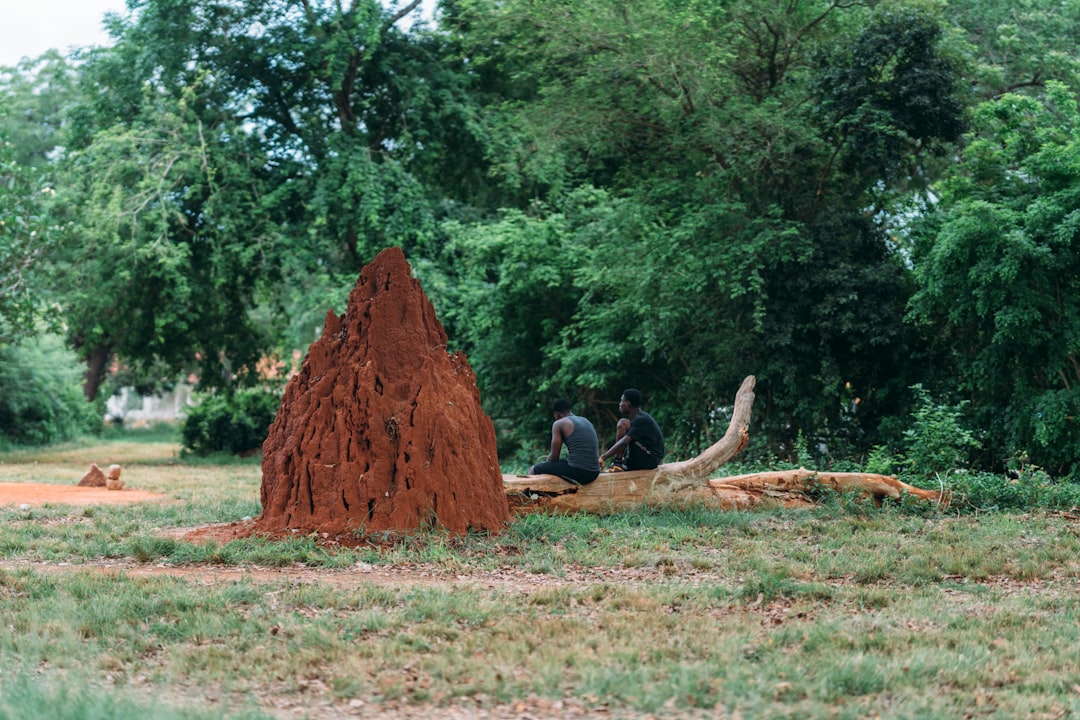
Termite mounds are natural climate-control systems built by tiny insects. Learn how their ventilation keeps colonies cool and protects their fungus gardens.
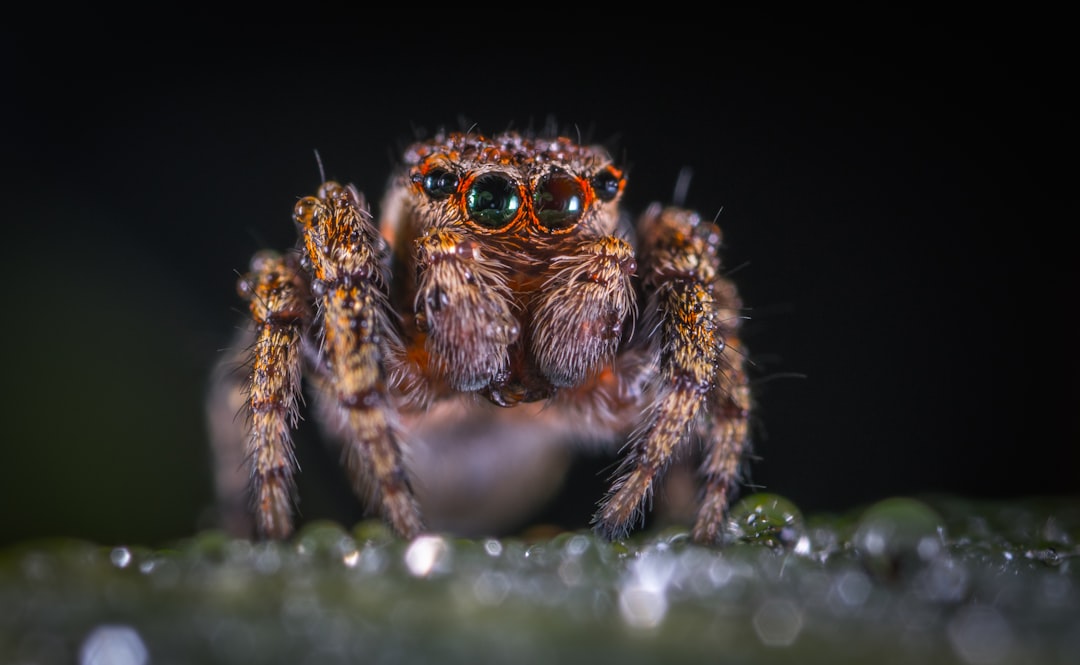
Discover the vibrant courtship dances and unique traits of the peacock spider.
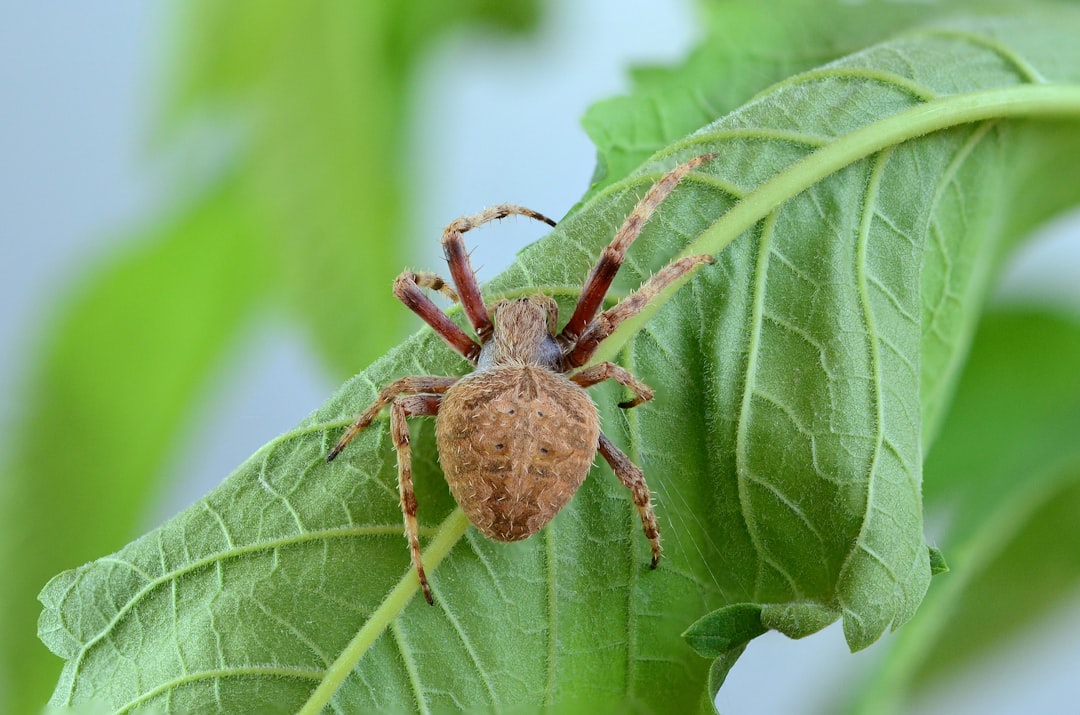
Meet the giant huntsman spider, the largest spider by leg span. Learn about its cave home in Laos, its fast hunting style, and why it is harmless to humans.
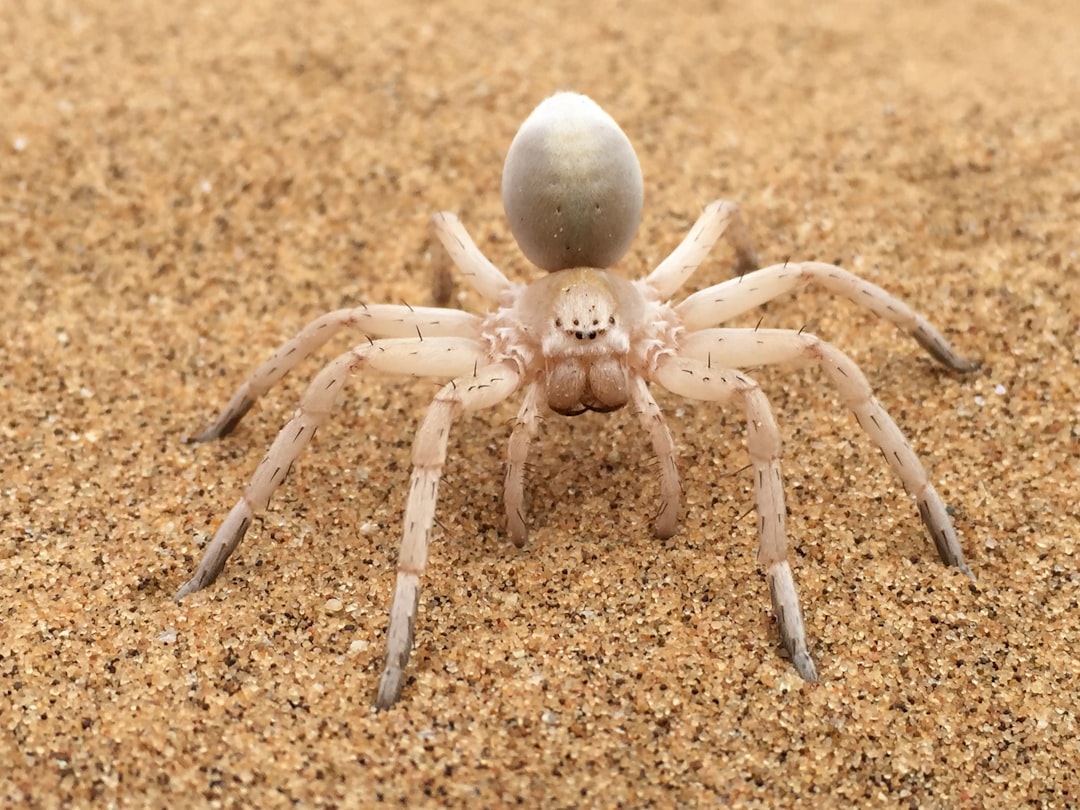
Explore the Goliath birdeater's size, habitat, and unique lifestyle in the Amazon rainforest.
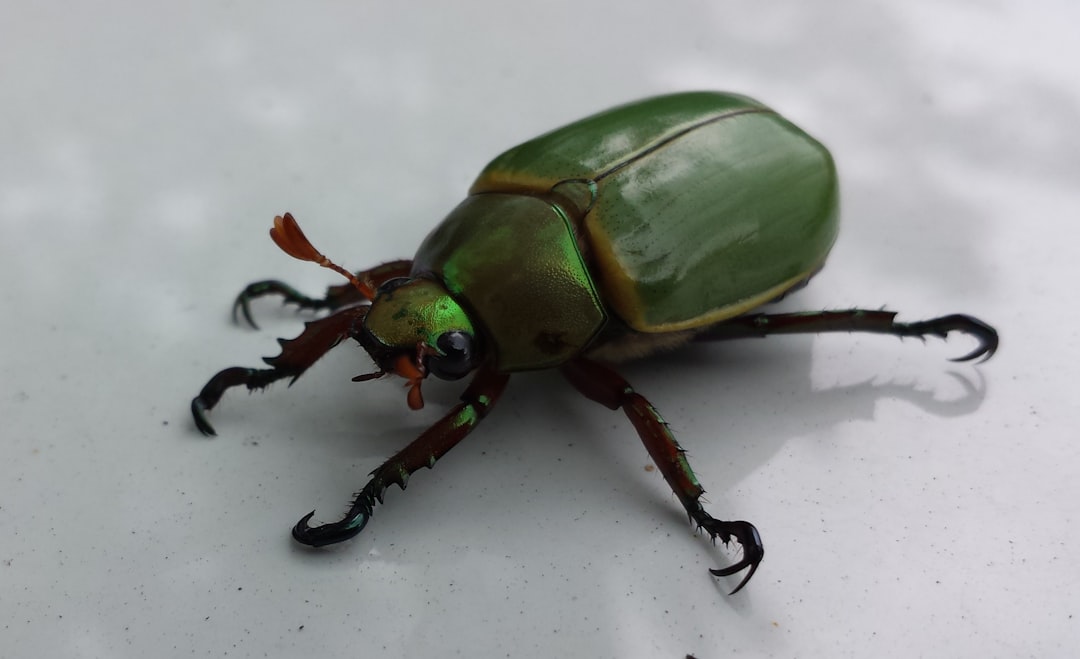
Titan Beetle (Titanus giganteus) is the world's largest beetle by body length, reaching 17 cm. Discover its rainforest habitat, mandible strength, and biology.
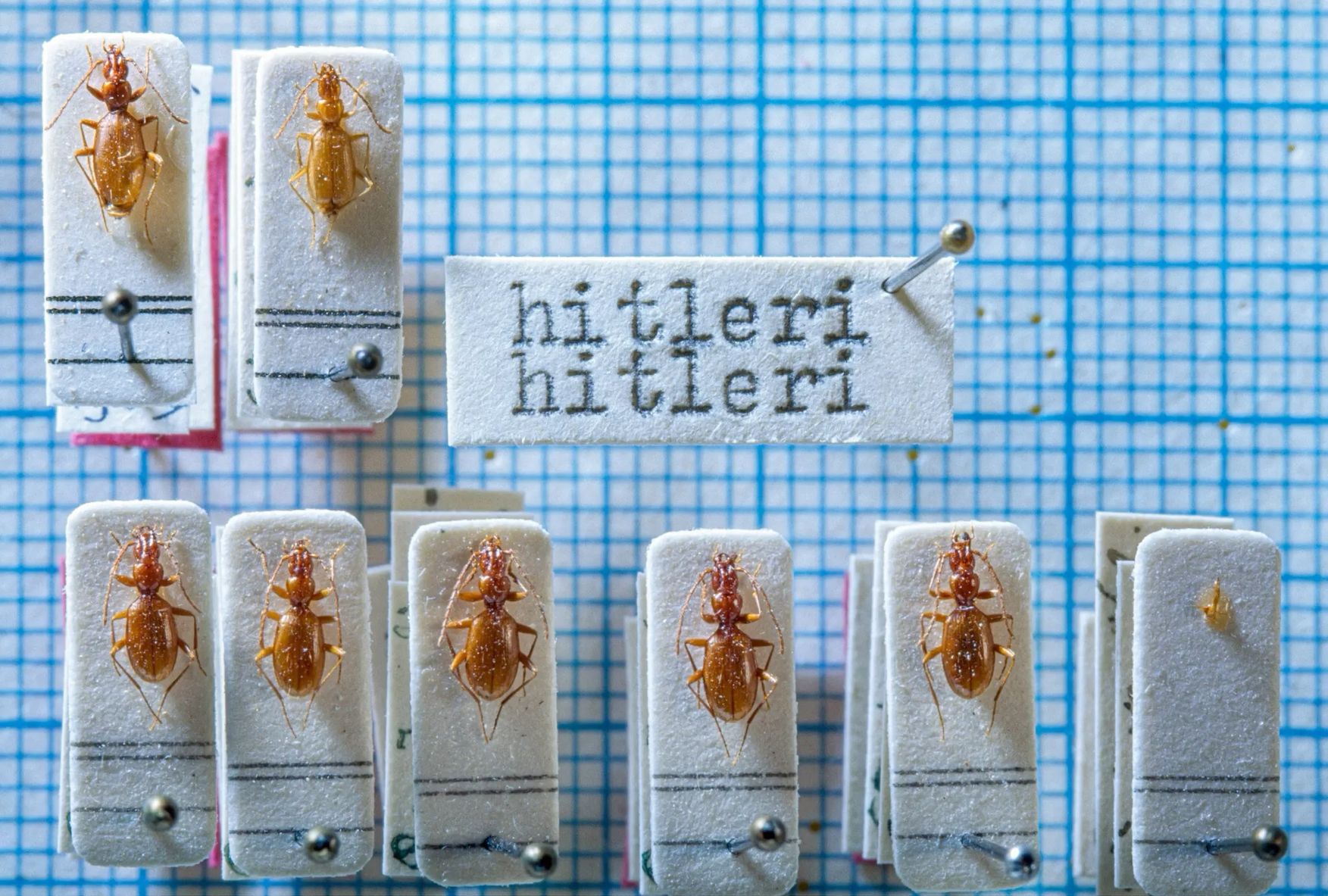
Discover Anophthalmus hitleri, the blind cave beetle of Slovenia. Learn about its unique adaptations, endangered status, and the conservation challenges it faces.
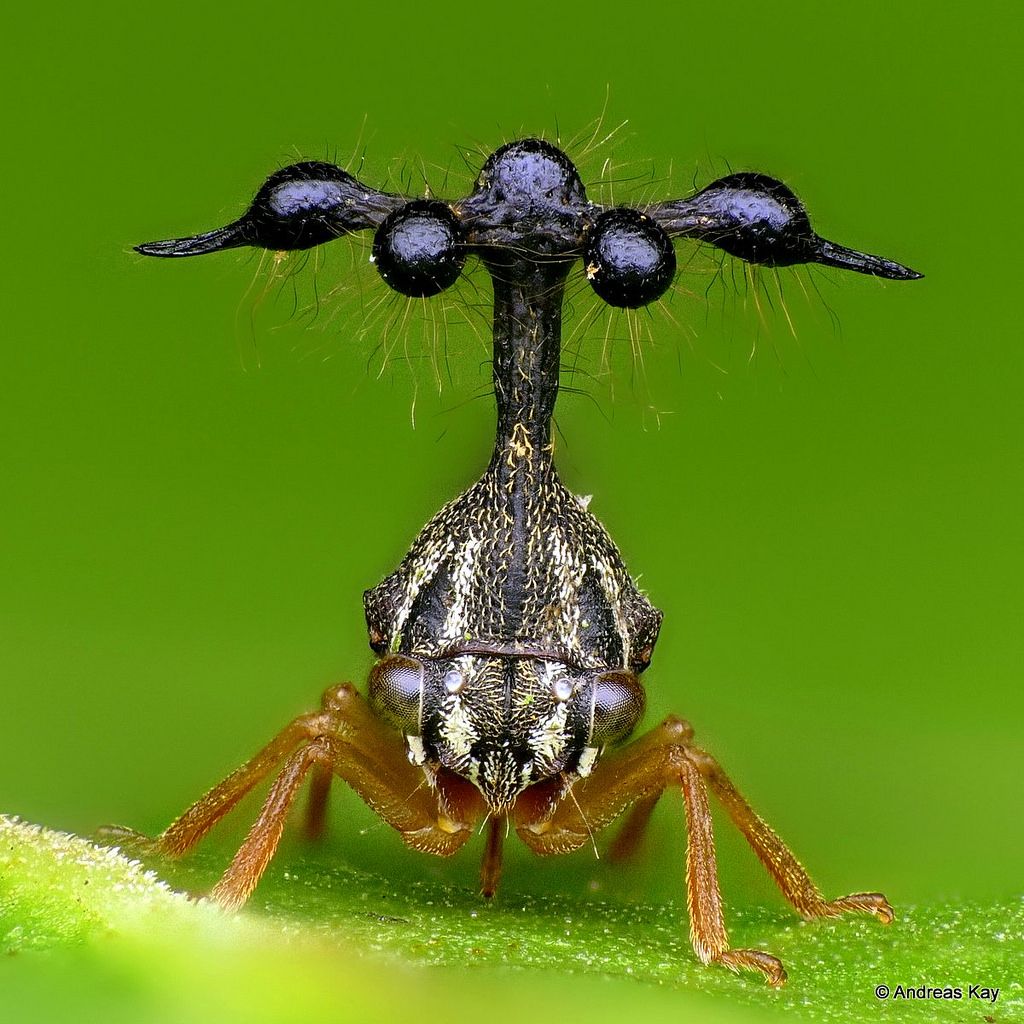
Explore the bizarre world of Bocydium globulare, the Brazilian treehopper. Discover its unique globular appendages, adaptations, life cycle, and ecological role.
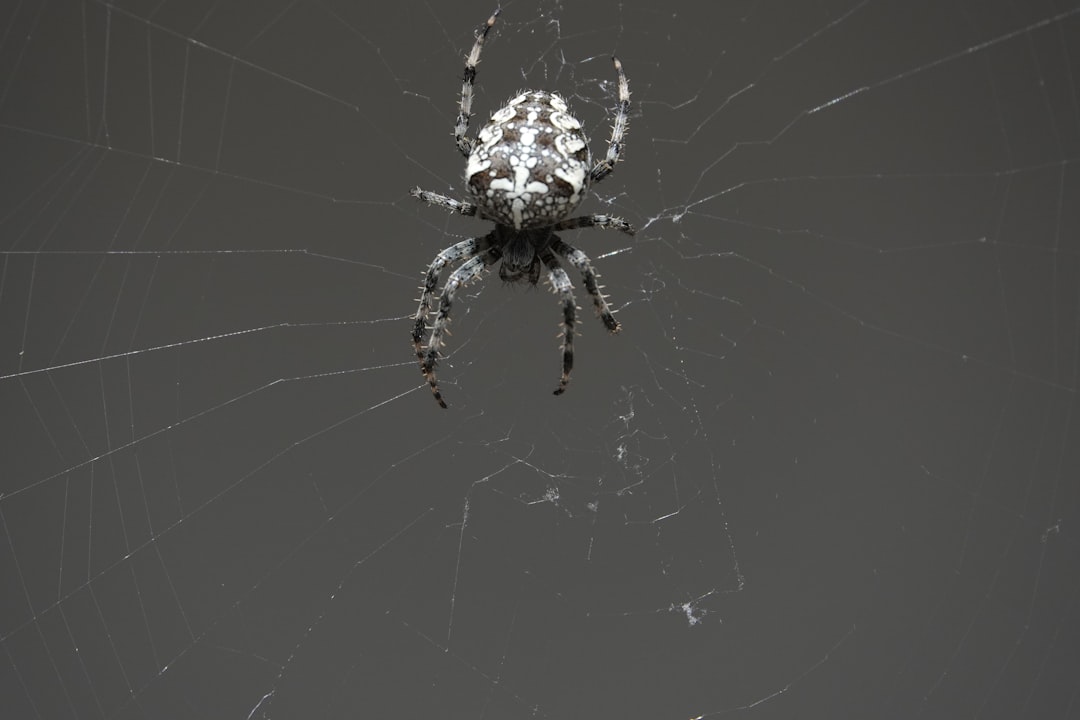
Discover the mirror spider (Thwaitesia): a dazzling orb-weaver with reflective, sequined spots. Learn about its anatomy, habitat, camouflage, and ecological role.
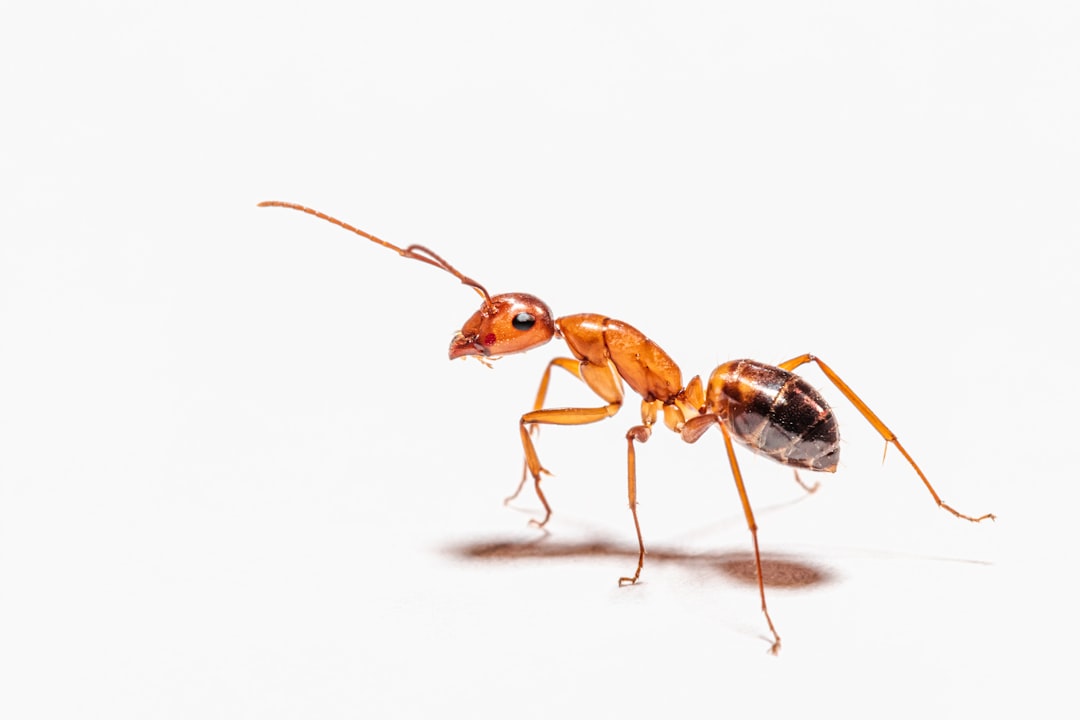
Discover the fascinating world of honeypot ants, their living larders, unique adaptations, ecological roles, and survival strategies in desert environments.
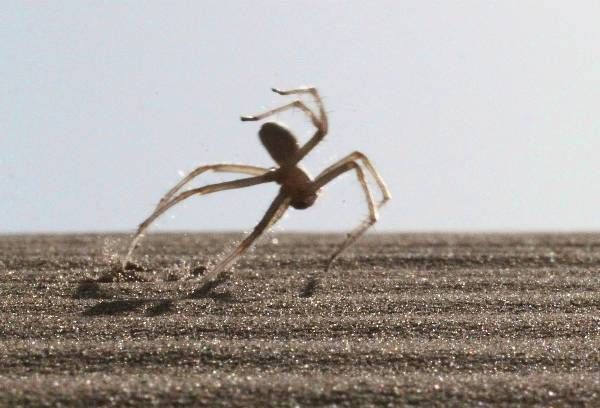
Discover the Moroccan flic-flac spider (Cebrennus rechenbergi), a unique desert arachnid famed for its cartwheeling escape. Explore its biology, habitat, and remarkable adaptations.
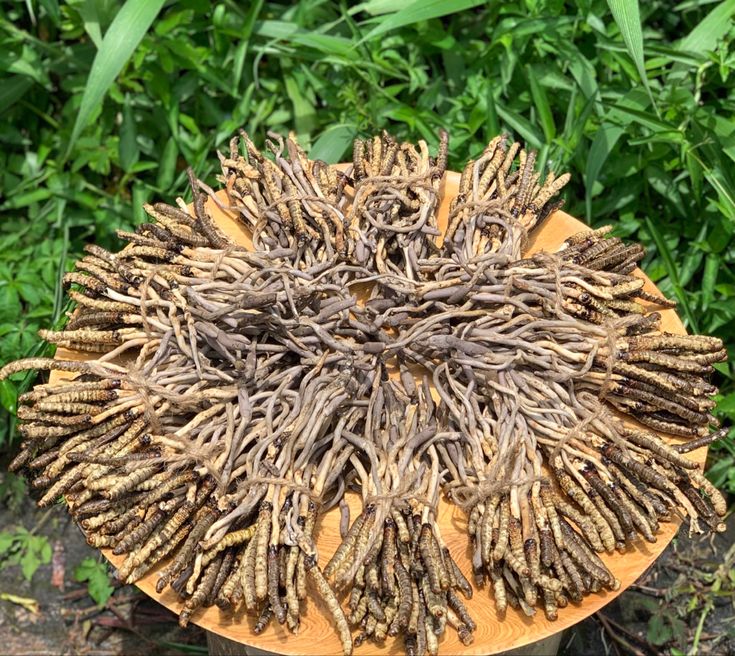
Discover the science behind Cordyceps unilateralis, the real zombie-ant fungus. Explore its life cycle, host manipulation, ecological role, and evolutionary impact.
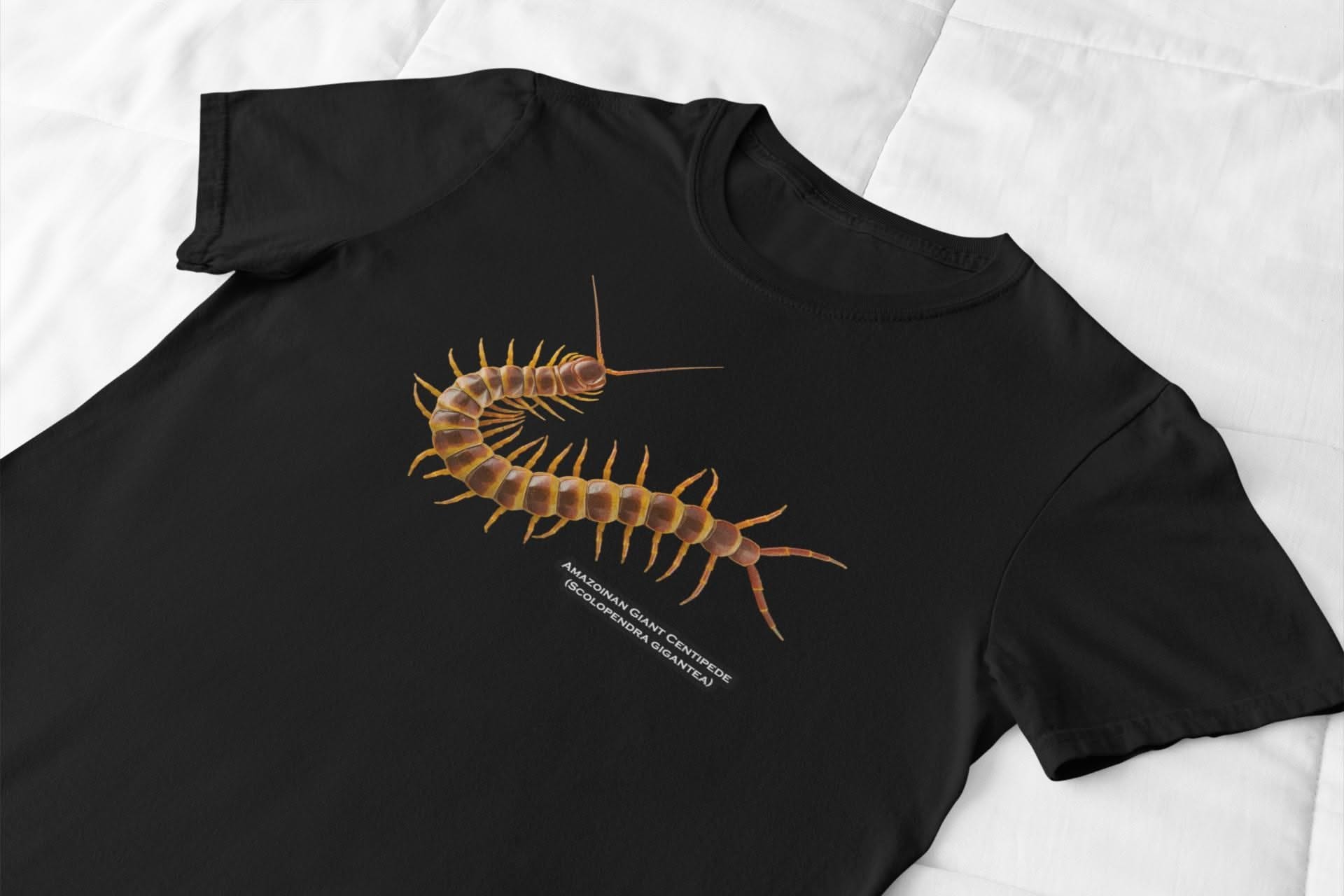
Discover the Amazonian giant centipede (Scolopendra gigantea), the world’s largest venomous centipede. Explore its biology, venom, habitat, and ecological importance.
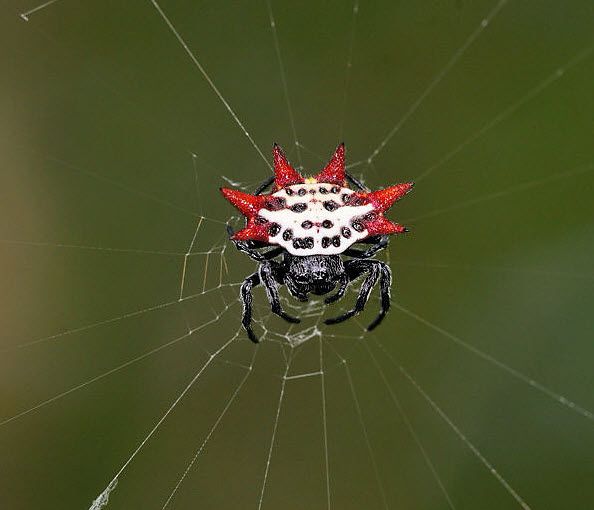
Discover the star spider (Gasteracantha), also known as the spiny orb-weaver. Learn about its unique appearance, web-building, ecology, and importance in nature.
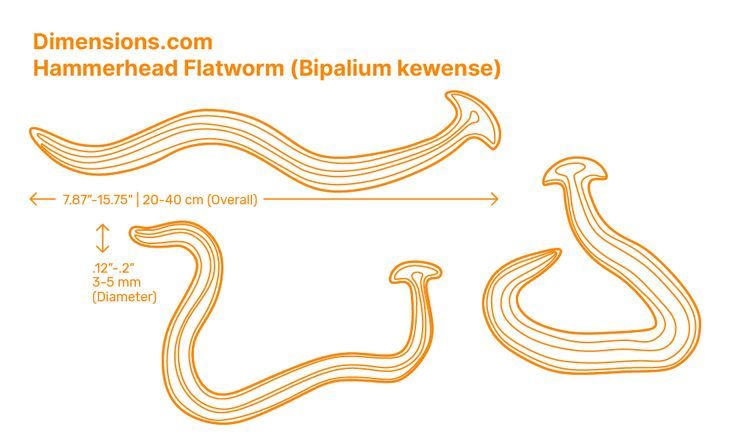
Discover the hammerhead flatworm, the world's largest land flatworm. Learn about its biology, invasive spread, tetrodotoxin, ecological impact, and control methods.
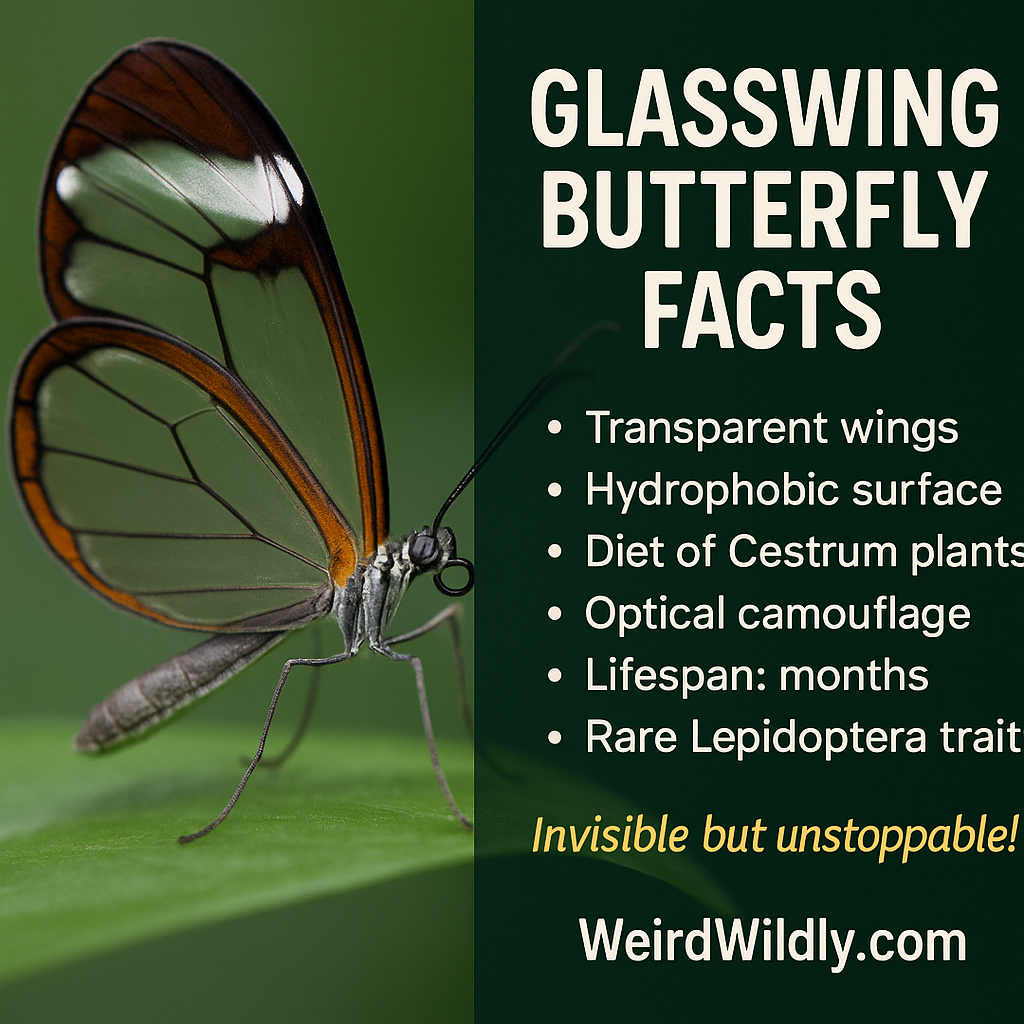
Discover the glasswing butterfly (Greta oto), famous for its transparent wings. Explore its anatomy, ecology, defense strategies, and significance in science and culture.
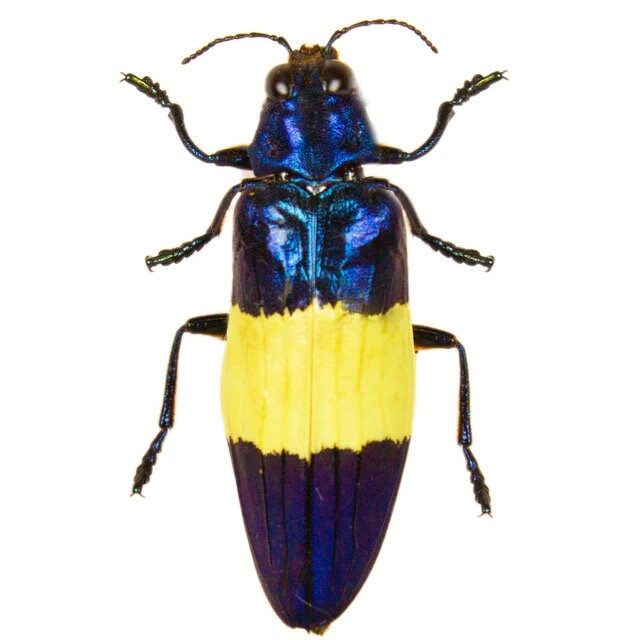
Bombardier Beetle (Brachinus crepitans) fires boiling chemical jets at 100°C. Learn how this insect's explosive defence mechanism works and where it lives.
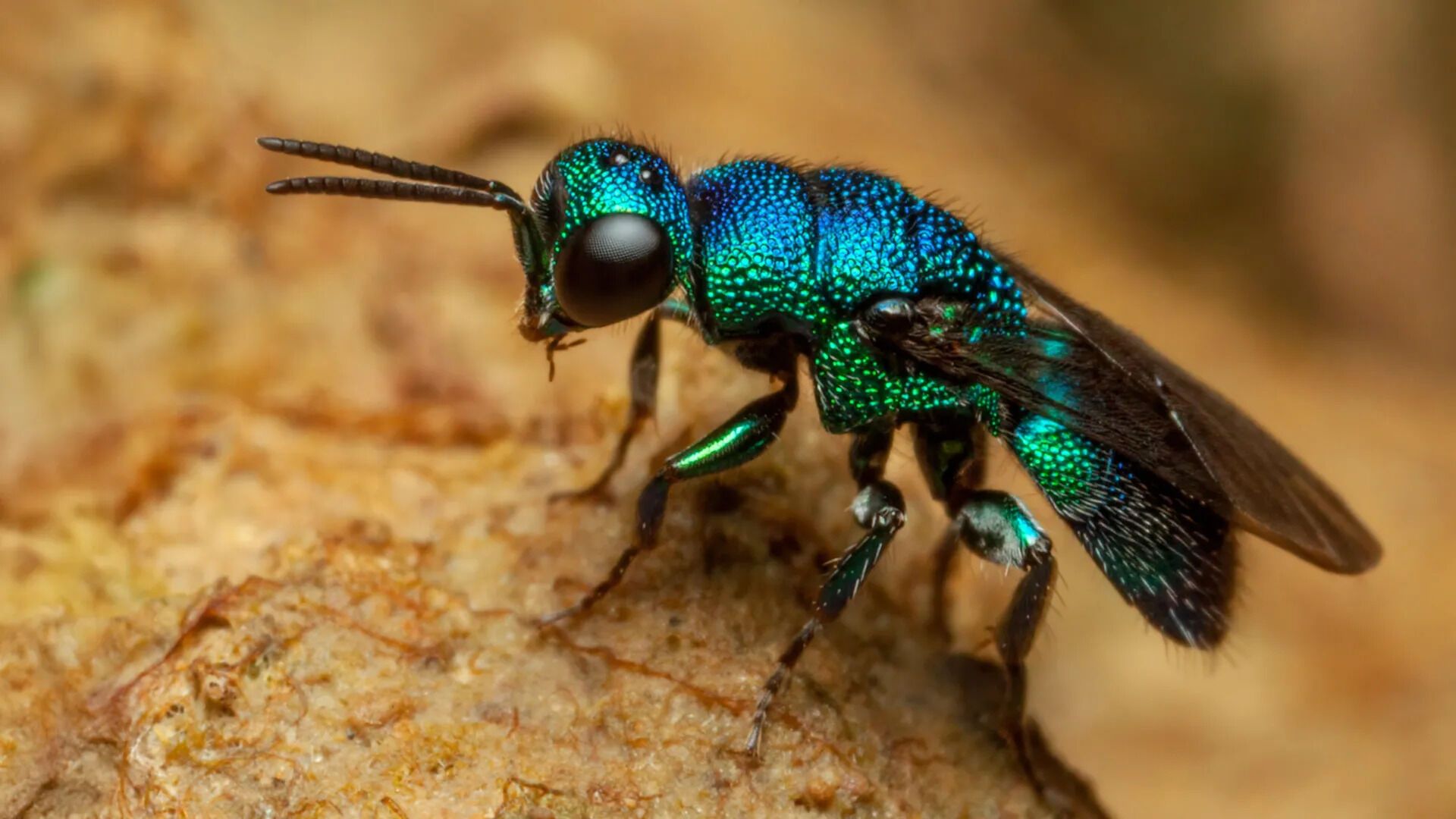
Discover the jewel wasp (Ampulex compressa): the parasitoid insect that turns cockroaches into zombies through precise neurobiological manipulation. Explore its life cycle, evolutionary arms race, and impact on science.
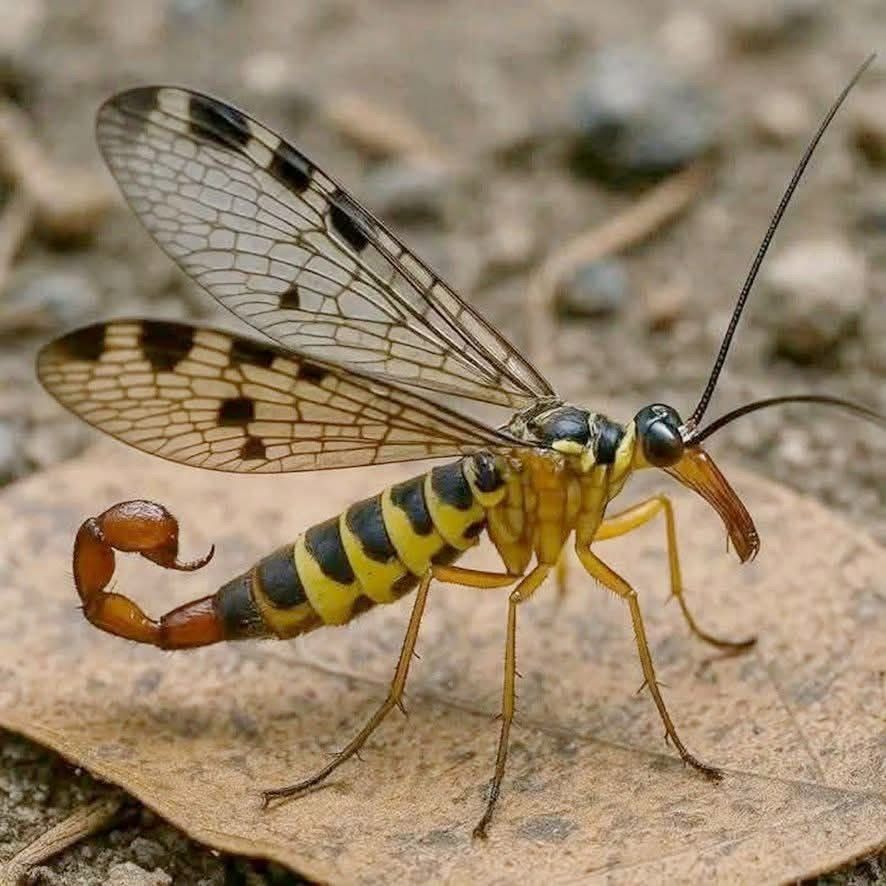
Explore the common scorpionfly (Panorpa communis): anatomy, adaptations, life cycle, ecological role, and conservation, with expert insights and authoritative references.
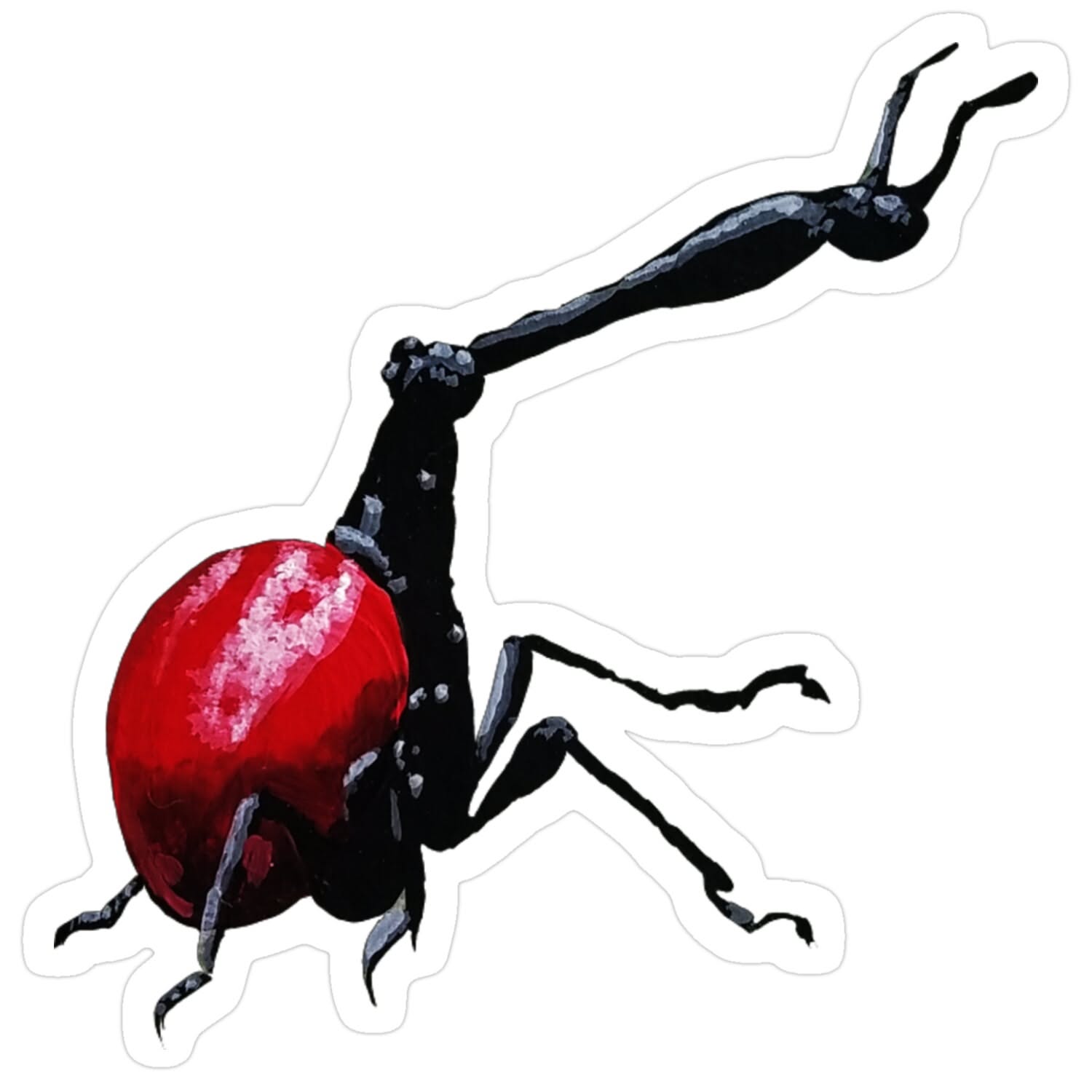
Discover the giraffe weevil (Trachelophorus giraffa), Madagascar’s unique long-necked beetle. Explore its anatomy, behavior, ecology, and conservation status.
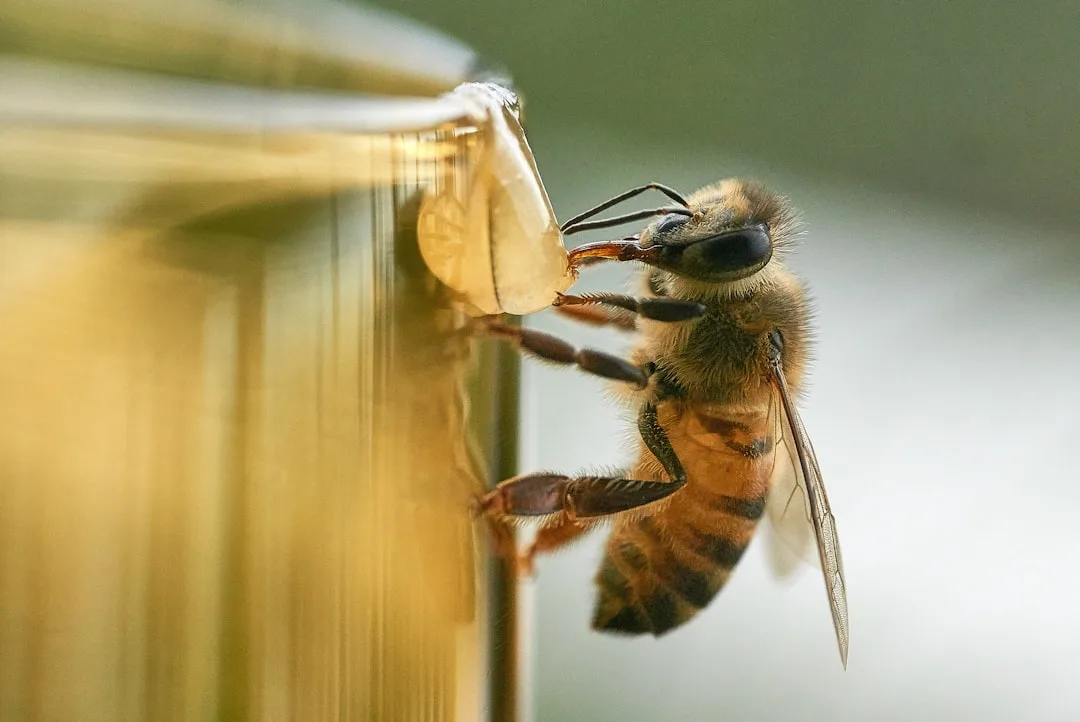
Complete guide to the honey bee (Apis mellifera): colony structure, waggle dance, pollination, honey production, lifespan, colony collapse, and the strange biology that makes a bee hive work.
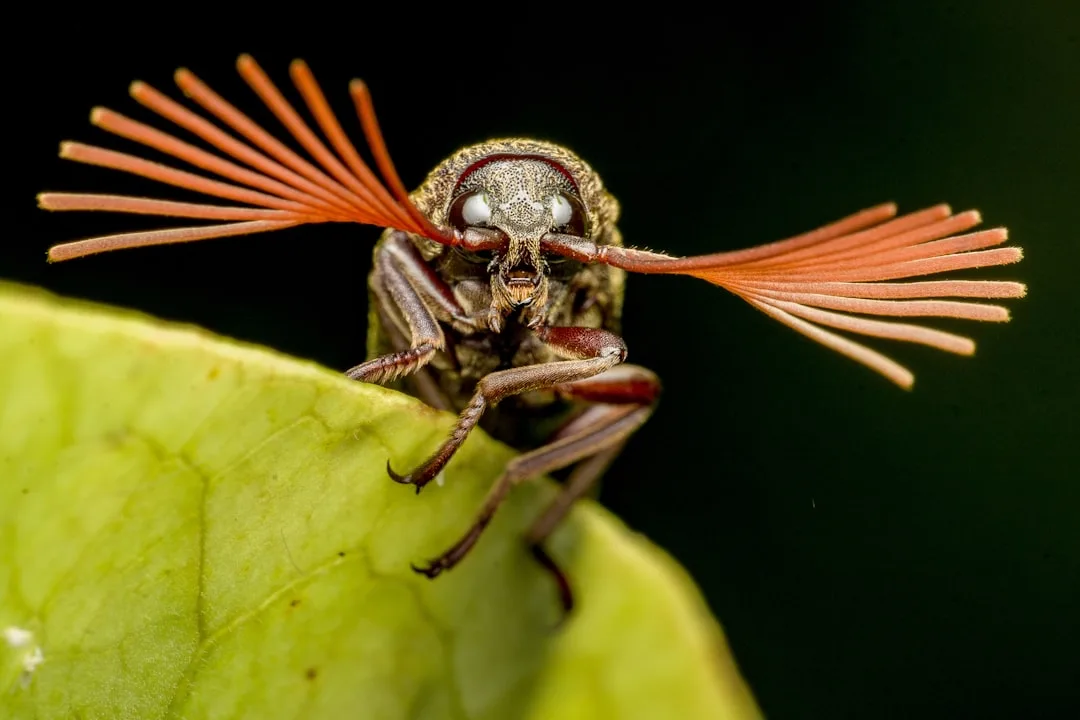
Expert guide to the most extraordinary insect abilities on Earth. Covers the bombardier beetle's chemical cannon, mantis shrimp strike, ant collective strength, cockroach radiation resistance, dung beetle celestial navigation, and flea jumping mechanics.
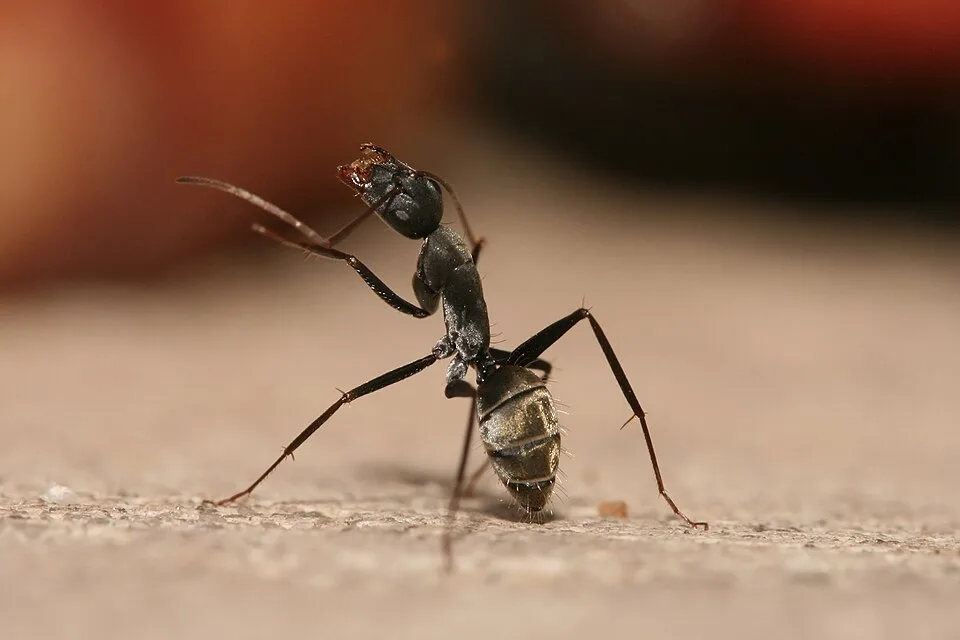
Explore the extraordinary world of ants, from 22,000 species and 20 quadrillion individuals to supercolonies spanning continents. Expert-written guide covering leafcutter ant farming, army ant bivouacs, fire ant rafts, weaver ant architecture, bullet ant rituals, trap-jaw mechanics, pheromone commun
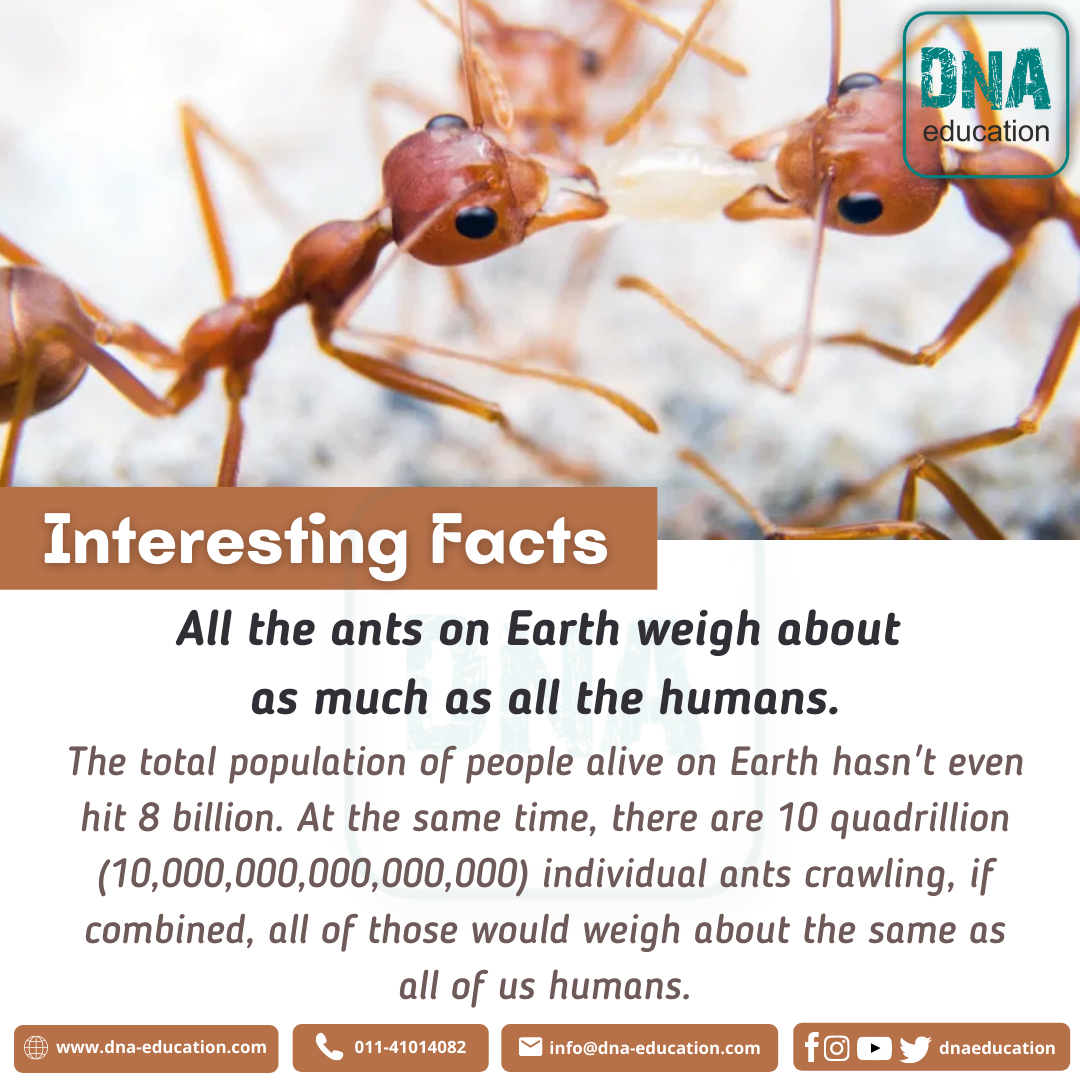
All ants on Earth combined weigh as much as all wild mammals. Expert guide to the 20 quadrillion ants and what their biomass means for ecosystems.
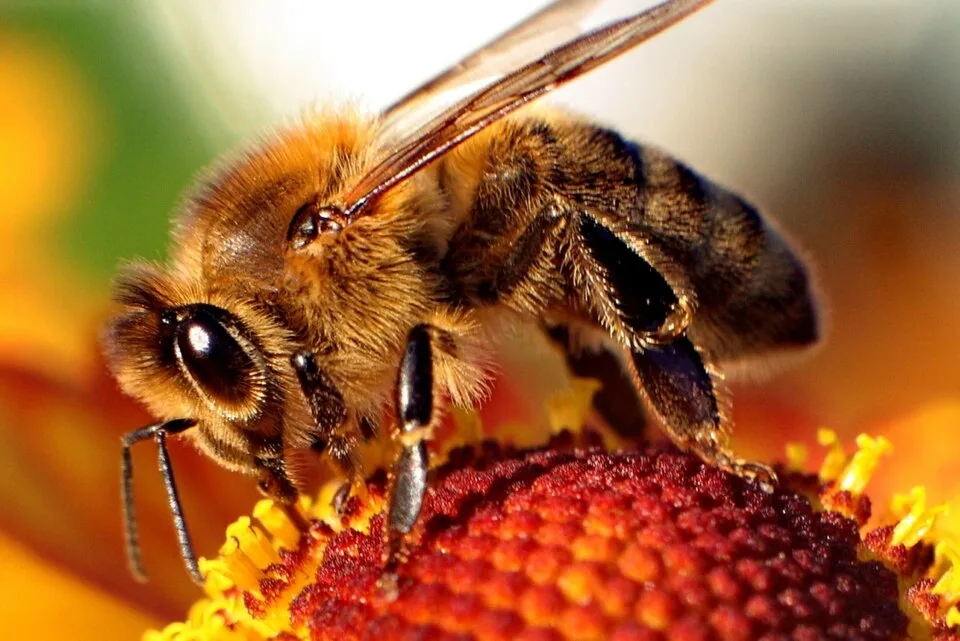
Explore the extraordinary world of bees and wasps, from the honeybee waggle dance and colony collapse disorder to killer bees, mason bees, and parasitoid wasps. Expert-written guide covering 20,000+ species, hive architecture, pollination economics, and the science behind these essential insects.
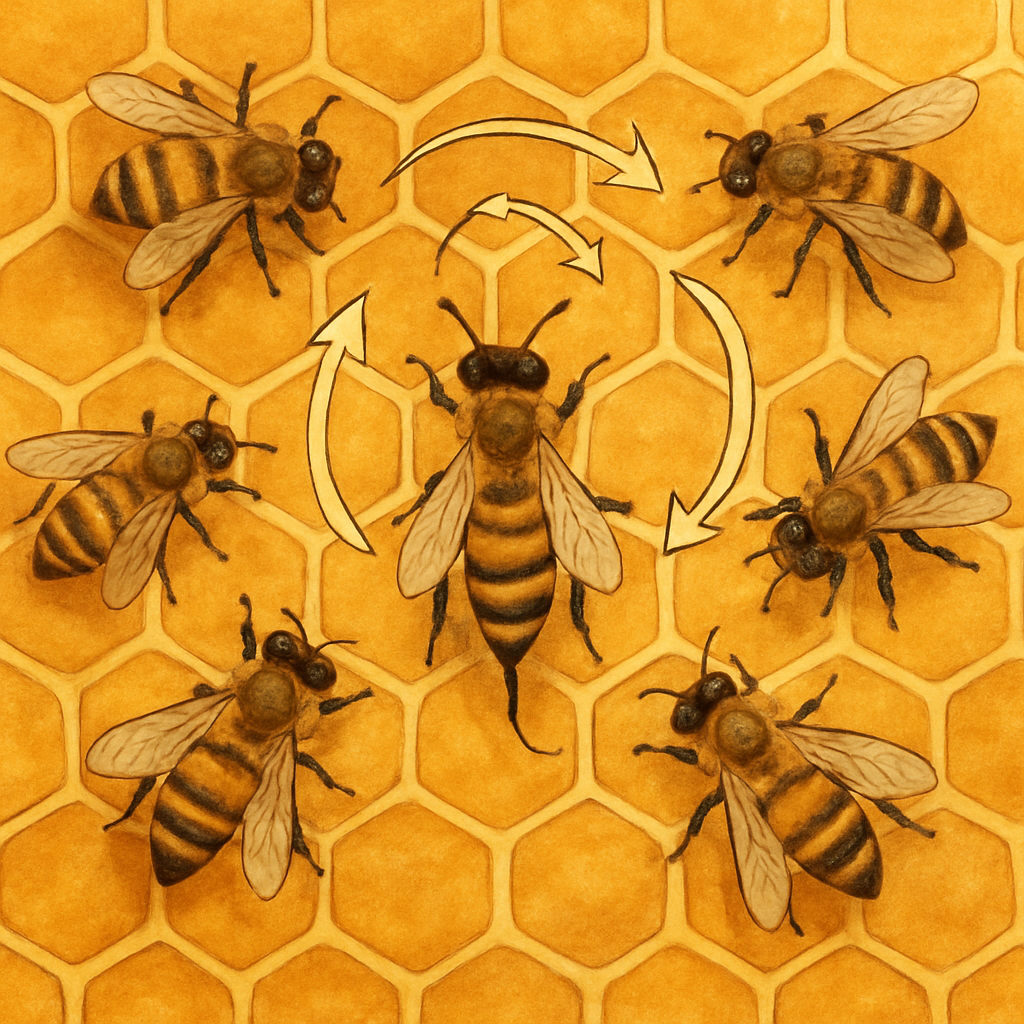
Honeybees tell each other where to find food using dance. Expert guide to the waggle dance, how it encodes information, and why it rivals human language.
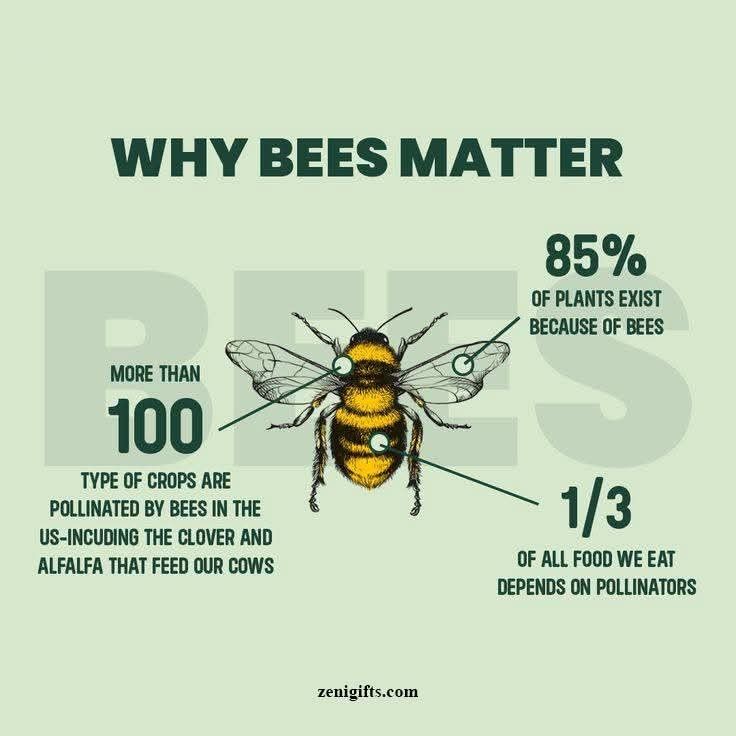
Why are bees dying globally? Expert guide to colony collapse disorder, the real causes behind pollinator decline, and why human food security depends on bees.
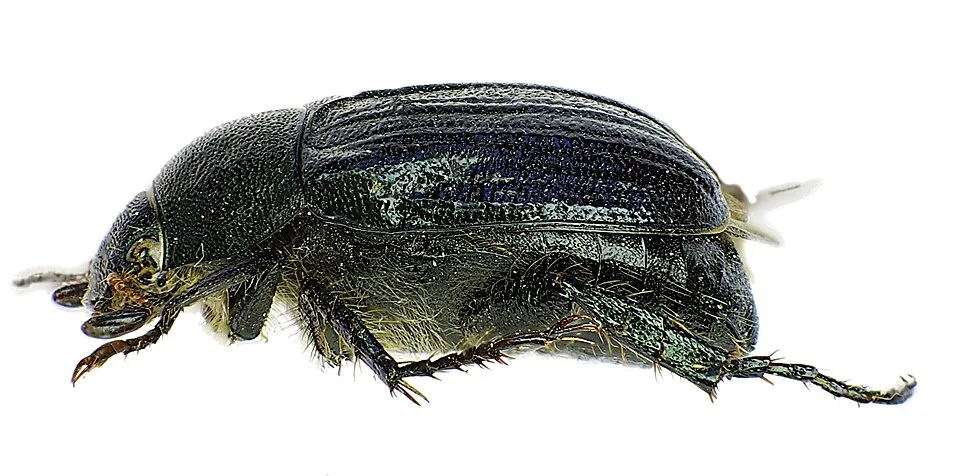
Explore the astonishing world of beetles, from dung beetles navigating by starlight to firefly bioluminescence and bombardier beetle chemical warfare. Expert-written guide covering 400,000+ species, ecology, behavior, and the science behind Earth's most successful animal order.
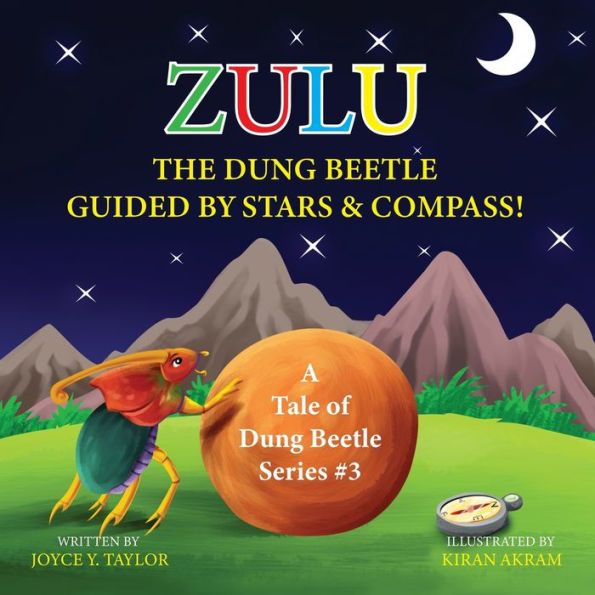
Dung beetles navigate using the Milky Way galaxy and can roll balls 50x their body weight. Expert guide to these remarkable insects and their unique abilities.
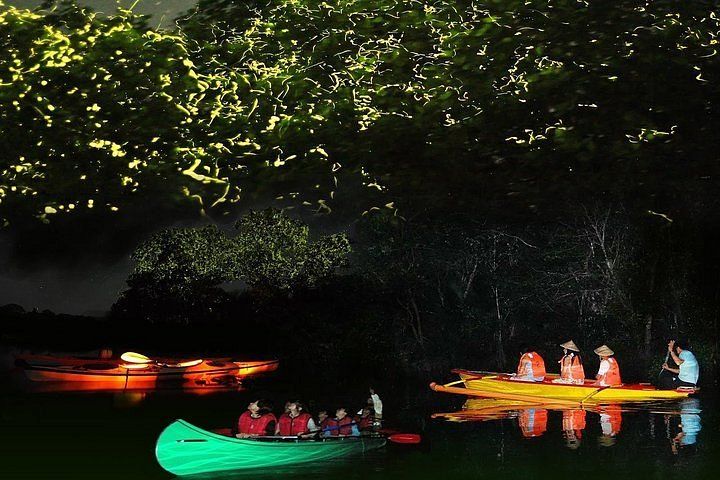
Fireflies produce cold light with 100% efficiency using luciferin chemistry. Expert guide to firefly bioluminescence, mating signals, and why populations are declining.
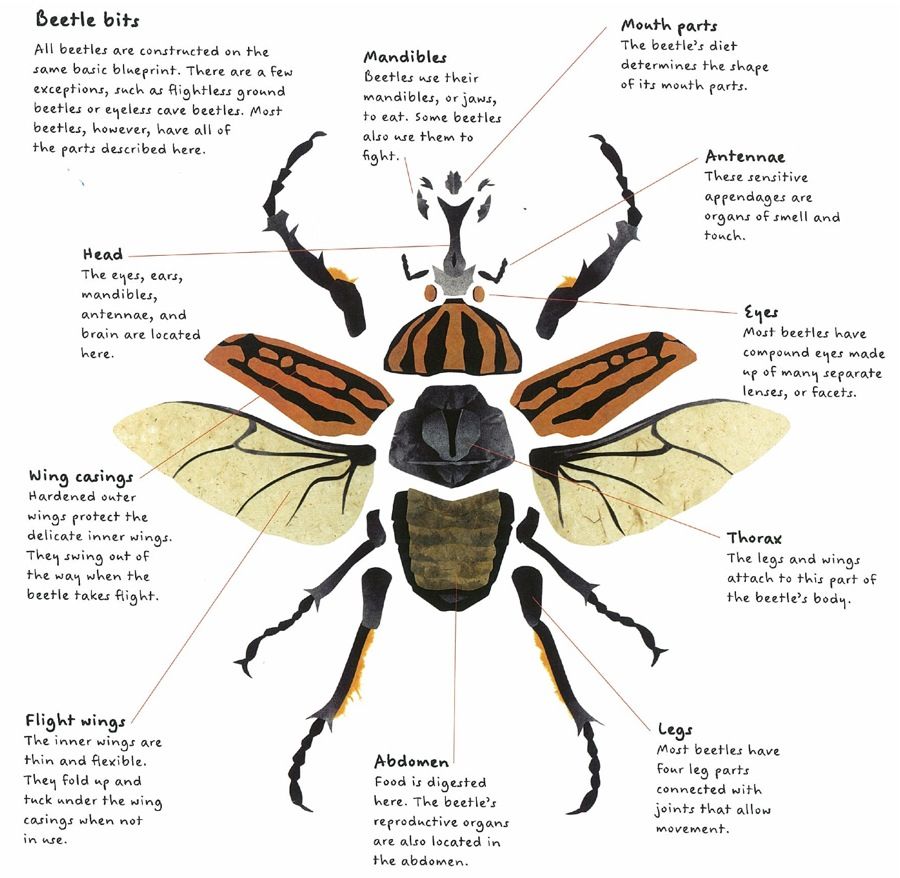
There are 400,000+ beetle species - more than any other animal group. Expert guide to why beetles dominate biodiversity and what makes them so successful.
Scientists have described roughly 1 million insect species so far, but estimates of the true total range from 5.5 million to over 10 million. Beetles alone account for about 400,000 known species, making Coleoptera the largest order in the animal kingdom. New species are described at a rate of about 7,000 per year, meaning most insects alive today have never been formally catalogued.
Bee populations are declining due to a combination of factors that researchers call the four Ps: pesticides (especially neonicotinoids that impair navigation and immunity), parasites (the Varroa destructor mite devastates honeybee colonies), pathogens (viral and fungal diseases spread rapidly in weakened hives), and poor nutrition caused by habitat loss and monoculture farming that reduces floral diversity.
Climate change compounds these stressors by disrupting the timing between flower blooms and bee emergence.
Spiders produce silk in specialized abdominal glands called spinnerets. Inside these glands, large proteins called spidroins are stored as a liquid solution. As the spider pulls the liquid through a narrow duct, changes in pH, ion concentration, and physical shearing force cause the proteins to align and solidify into a fiber that is, pound for pound, stronger than steel and more elastic than nylon.
Most spiders have multiple types of silk glands, each producing a different silk for webs, egg sacs, draglines, or prey wrapping.
The horned dung beetle (Onthophagus taurus) holds the record as the strongest insect relative to its body weight. Laboratory tests have shown it can pull 1,141 times its own body weight, the equivalent of a human pulling six double-decker buses. This extraordinary strength evolved through sexual selection: males use their horns to fight rivals inside tunnels for access to females, and only the strongest males reproduce successfully.
The question remains scientifically debated. Insects possess nociceptors, sensory neurons that detect harmful stimuli, and they exhibit protective behaviors such as limping after leg injury or avoiding locations where they previously received a shock. However, whether these responses constitute the subjective experience of pain or are purely reflexive remains unresolved.
Recent research on fruit flies and bees suggests more complex processing than simple reflexes, but consensus on insect sentience has not been reached.
Ants are among the most successful animals on Earth because of eusociality: a division of labor where queens reproduce, workers forage and build, and soldiers defend. This cooperative structure lets a colony function like a superorganism that can exploit resources far more efficiently than any solitary insect.
Combined with chemical communication through pheromones, the ability to farm fungi and herd aphids, and adaptability to nearly every terrestrial habitat, ants have colonized every continent except Antarctica and make up an estimated 15 to 20 percent of terrestrial animal biomass.
The Brazilian wandering spider (Phoneutria) is widely regarded as the most dangerous spider to humans. Unlike most spiders that avoid contact, wandering spiders are aggressive, highly venomous, and often found in populated areas, sometimes hiding in banana shipments. Their venom contains a potent neurotoxin that can cause severe pain, paralysis, and in rare untreated cases, death.
The Sydney funnel-web spider (Atrax robustus) is another contender, with venom that is particularly lethal to primates, though effective antivenoms have made fatalities rare in Australia since 1981.
