Science-backed feeding guides for dogs and cats: safe and toxic foods, portion sizes by weight, raw diets, wet vs dry food, puppy and kitten schedules, and
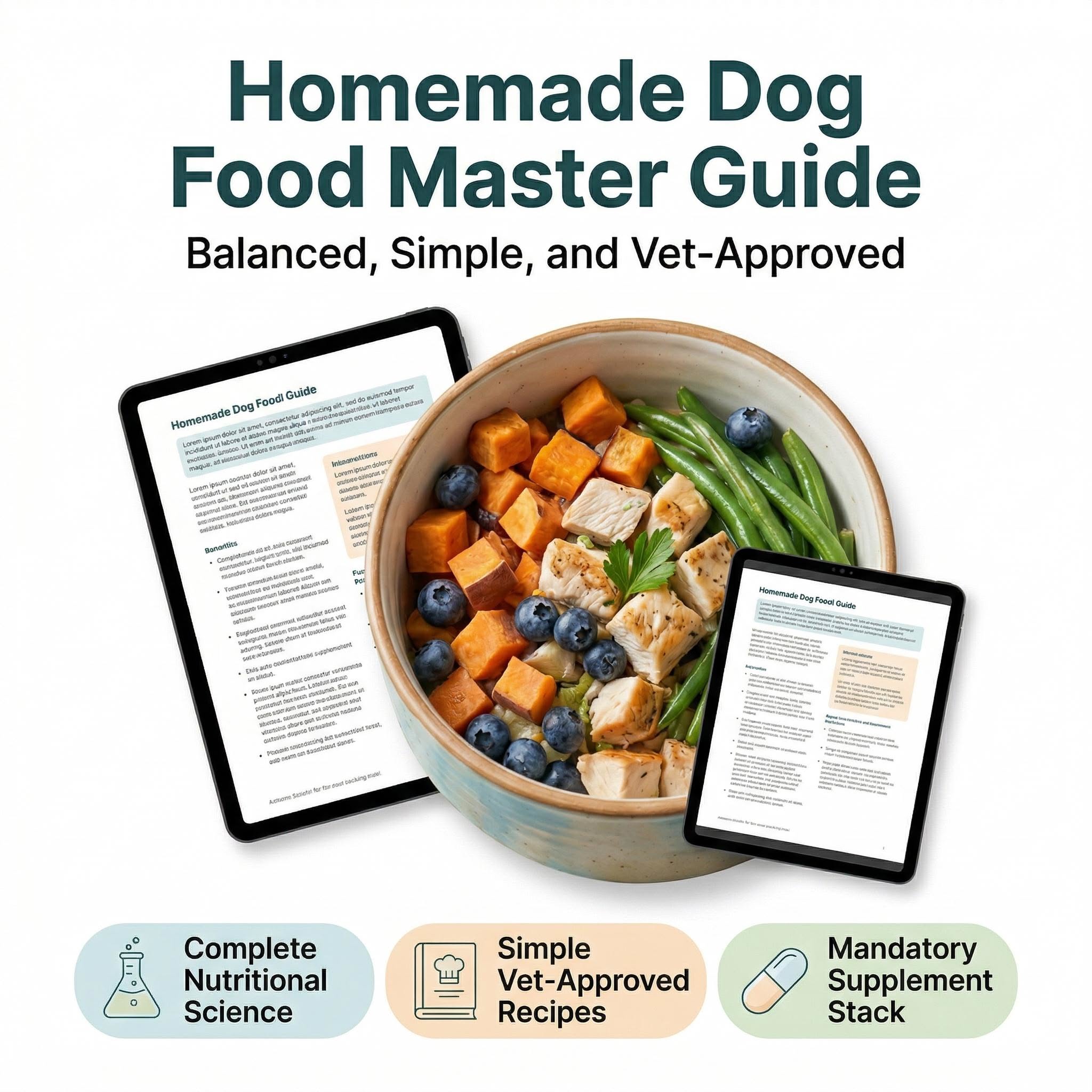
Dogs are natural scavengers, and their digestive systems can tolerate a wider range of foods than many other domestic animals. However, "wider range" does not mean "anything a human eats." Several common human foods are genuinely dangerous to dogs, some can cause acute kidney failure, neurological

Understanding what cats can and cannot eat requires understanding something fundamental about their biology: cats are obligate carnivores. Unlike dogs, which are omnivores capable of meeting many nutritional needs from plant sources, cats have evolved as strict meat-eaters. Over millions of years of

The wet food versus dry food debate is one of the most frequently asked questions in companion animal nutrition, and the honest answer is that neither format is universally superior. Both can provide complete, balanced nutrition. Both have meaningful advantages and real limitations. The best choice

The question of wet versus dry food is more consequential for cats than for dogs, and the answer leans more clearly in one direction. While both formats can provide complete and balanced nutrition, the unique physiology of cats, particularly their evolutionarily adapted low thirst drive, creates a

Every dog ages. The rate at which they age, and the nutritional implications of that ageing, varies enormously by body size, a phenomenon that makes "senior dog nutrition" a considerably more complex topic than a single recommendation can capture. A Great Dane may be geriatric at six years old. A C
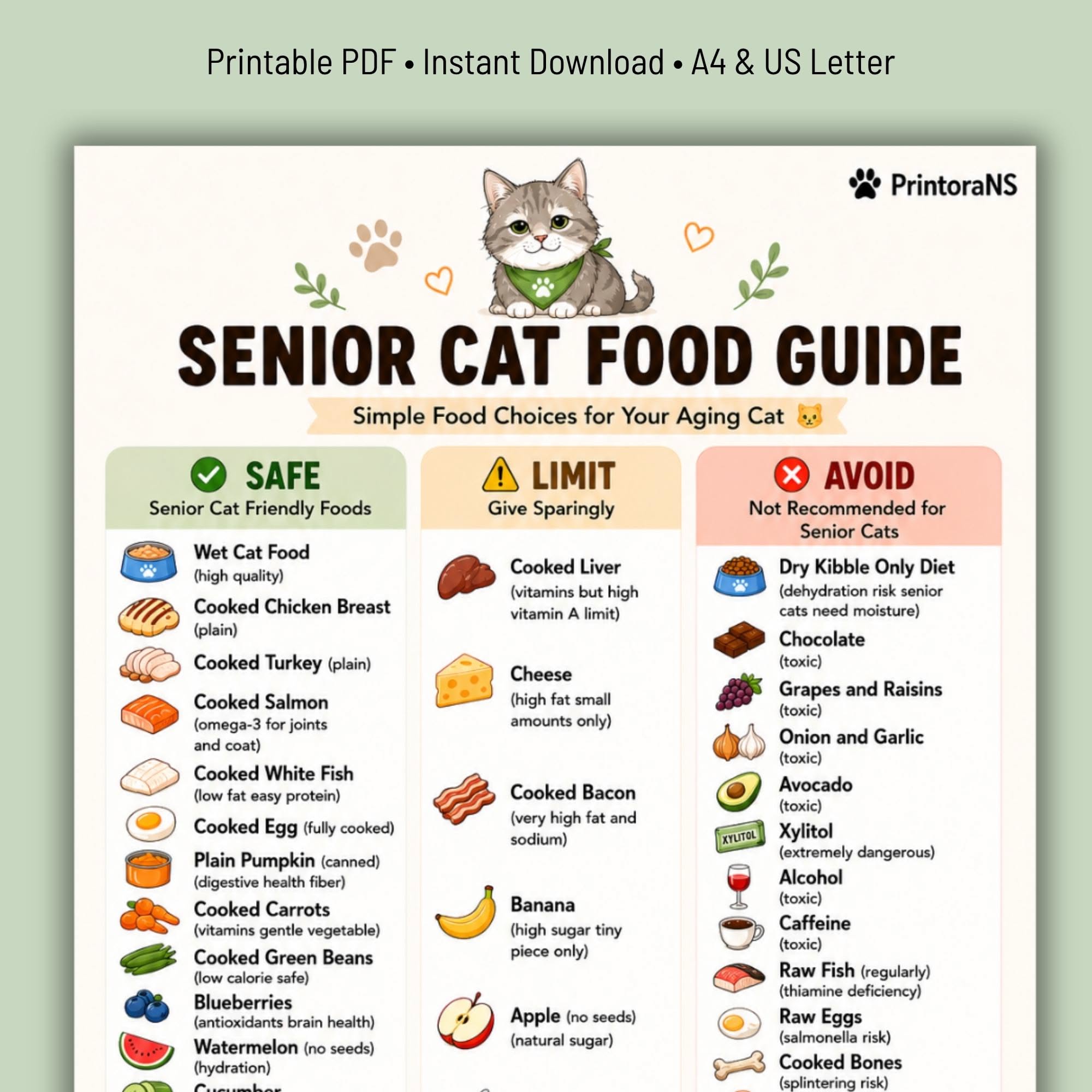
Cats age differently from most mammals. A cat at seven years old looks and behaves much like a cat at two. A cat at thirteen may show no obvious signs of the complex physiological changes occurring inside its body. This deceptive vitality is part of what makes senior cat nutrition so challenging: th

Few topics in canine nutrition generate more passionate debate than the raw diet. Proponents argue that feeding dogs uncooked meat, bones, and organs is the most natural and biologically appropriate choice available. Critics, including most veterinary medical organisations, point to real documented
Cats occupy a biologically unique position among domestic animals. Unlike dogs, which are classified as omnivores capable of meeting their nutritional needs from plant and animal sources alike, cats are obligate carnivores. This means that several nutrients critical to feline health, taurine, arach
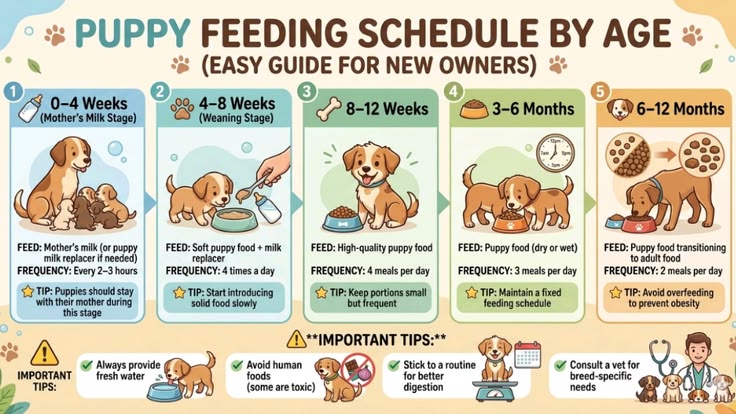
Getting a puppy's feeding schedule right is one of the most consequential things a new dog owner can do. A puppy's first year of life involves the most rapid growth and development it will ever experience. The nutritional foundation laid during this period directly influences skeletal density, muscl
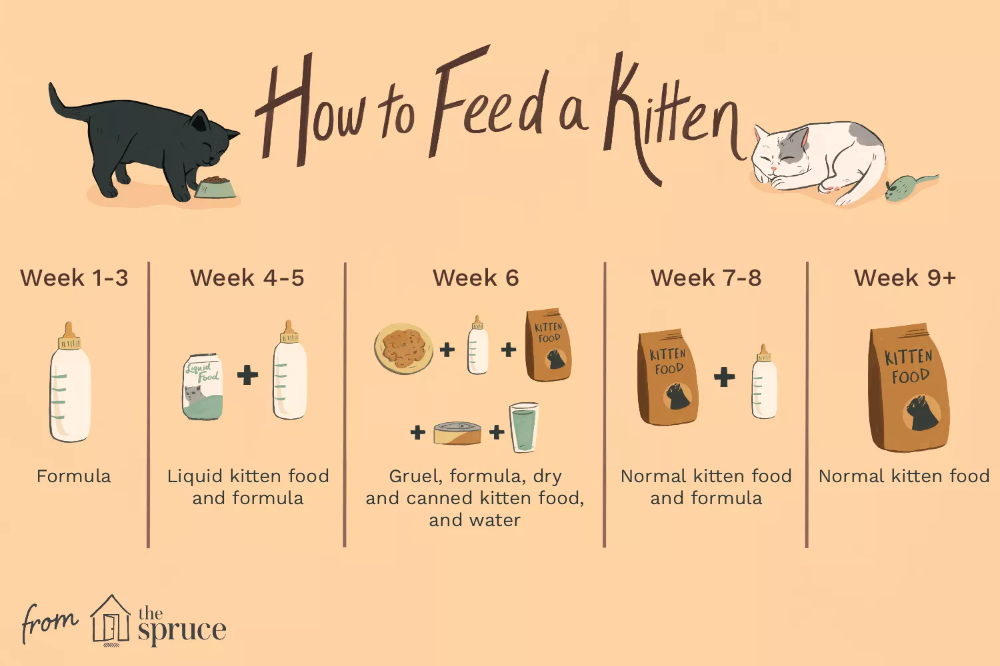
Kittens are born completely dependent on their mother and grow into self-sufficient predators capable of eating whole prey within weeks. This rapid developmental arc places enormous nutritional demands on the young cat's body. A kitten needs approximately twice the calories per kilogram of body weig

One of the most common mistakes dog owners make is feeding the wrong amount, and most of the time, that means feeding too much. Obesity is the most prevalent nutritional disease in companion dogs in the United States. Studies by the Association for Pet Obesity Prevention consistently find that more

Obesity is the single most common nutritional disease in pet cats in the United States. According to annual survey data from the Association for Pet Obesity Prevention, more than 59% of cats in veterinary clinical settings are classified as overweight or obese. This is not merely an aesthetic issue
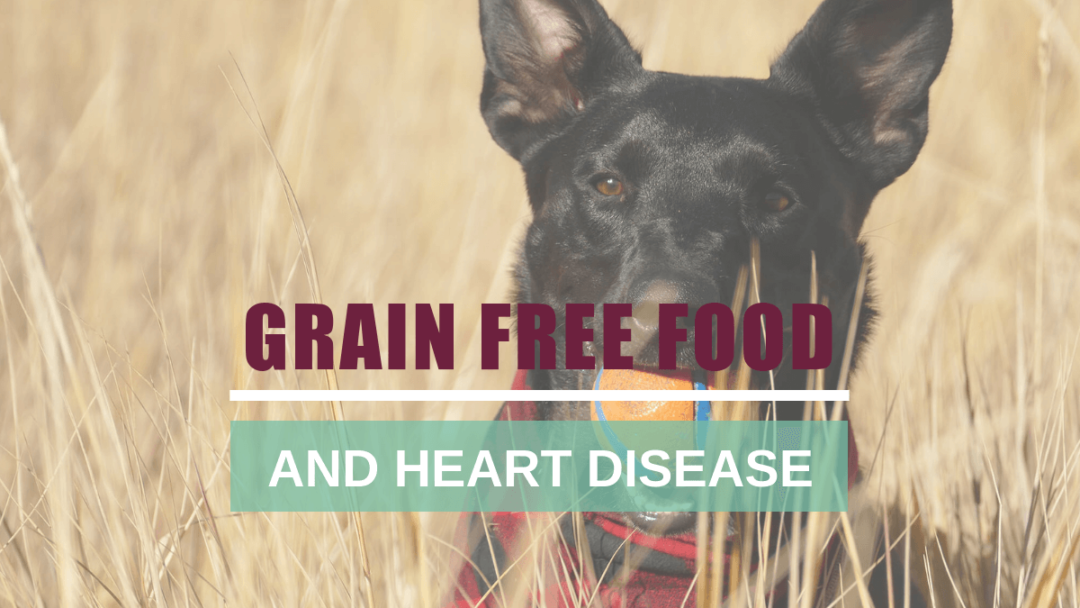
Grain-free dog food has been one of the most significant commercial trends in pet nutrition over the past fifteen years. At its peak, grain-free products accounted for more than 40% of all premium dog food sales in the United States. Marketing positioned these products as more natural, closer to a d
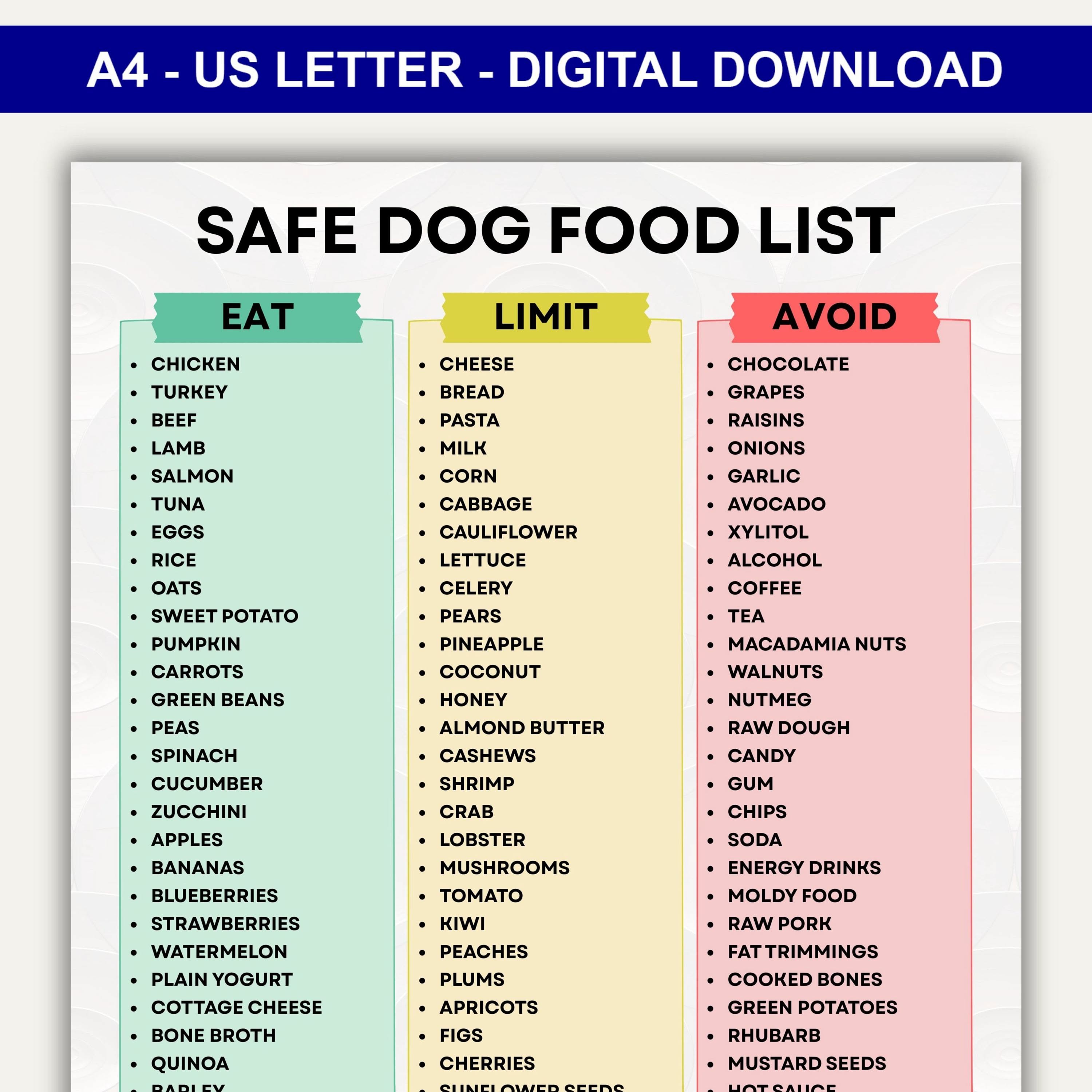
Emergency contacts, save these now: - ASPCA Animal Poison Control Center: 888-426-4435 (24 hours a day, 7 days a week; per-incident fee may apply) - Pet Poison Helpline: 855-764-7661 (24/7; fee may apply) - Your local emergency veterinary hospital (find it before an emergency) If your dog has eaten

Emergency contacts, save these now: - ASPCA Animal Poison Control Center: 888-426-4435 (24 hours a day, 7 days a week; per-incident fee may apply) - Pet Poison Helpline: 855-764-7661 (24/7; fee may apply) - Your local emergency veterinary hospital Do not wait for symptoms before calling. Many cat t
