Discover strange facts about bears: grizzlies, polar bears, pandas, sun bears, sloth bears, spectacled bears, and all eight living bear species across the
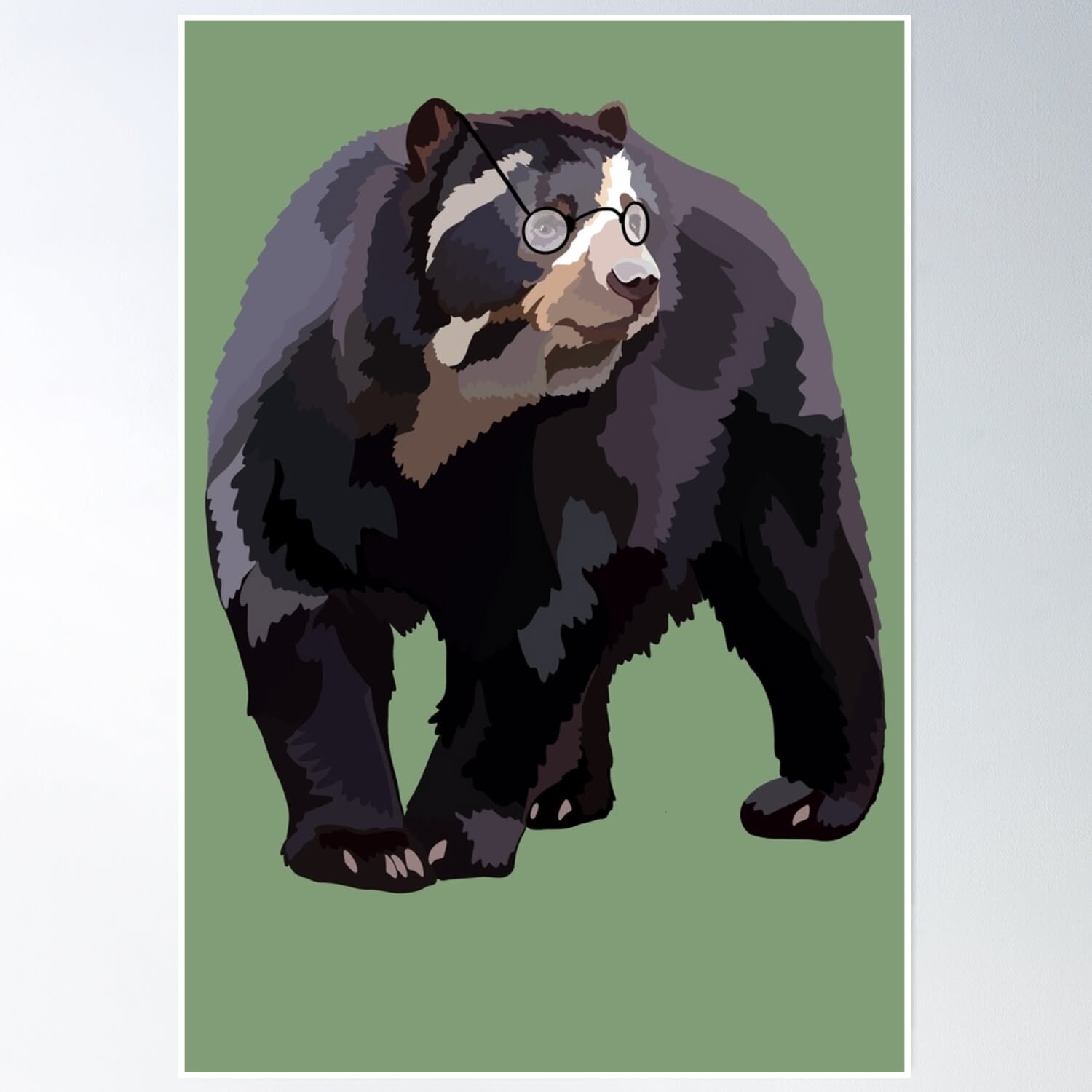
Spectacled bears earn their name from cream eye markings, unique to each individual. The genetics, the function, and why researchers use them as fingerprints.
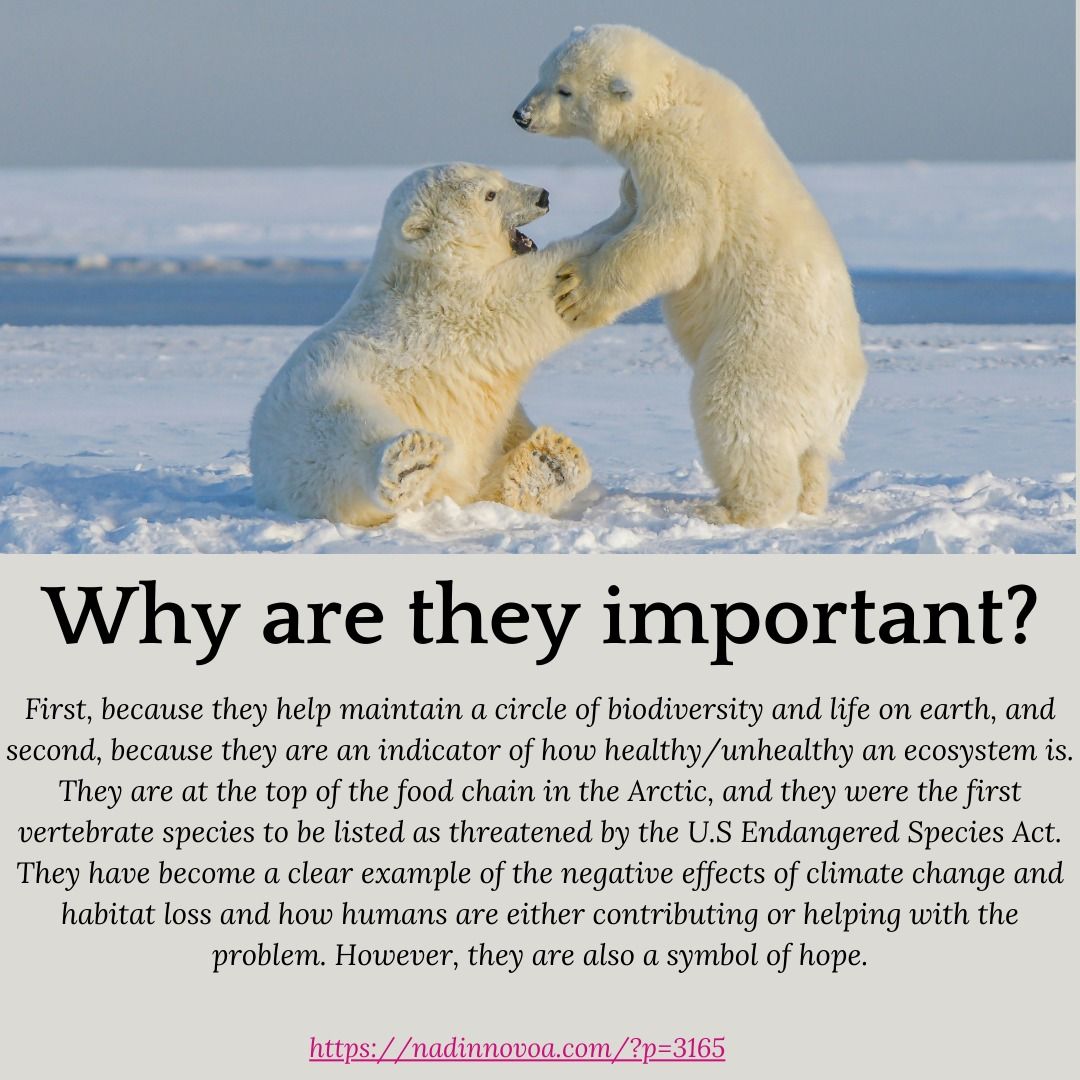
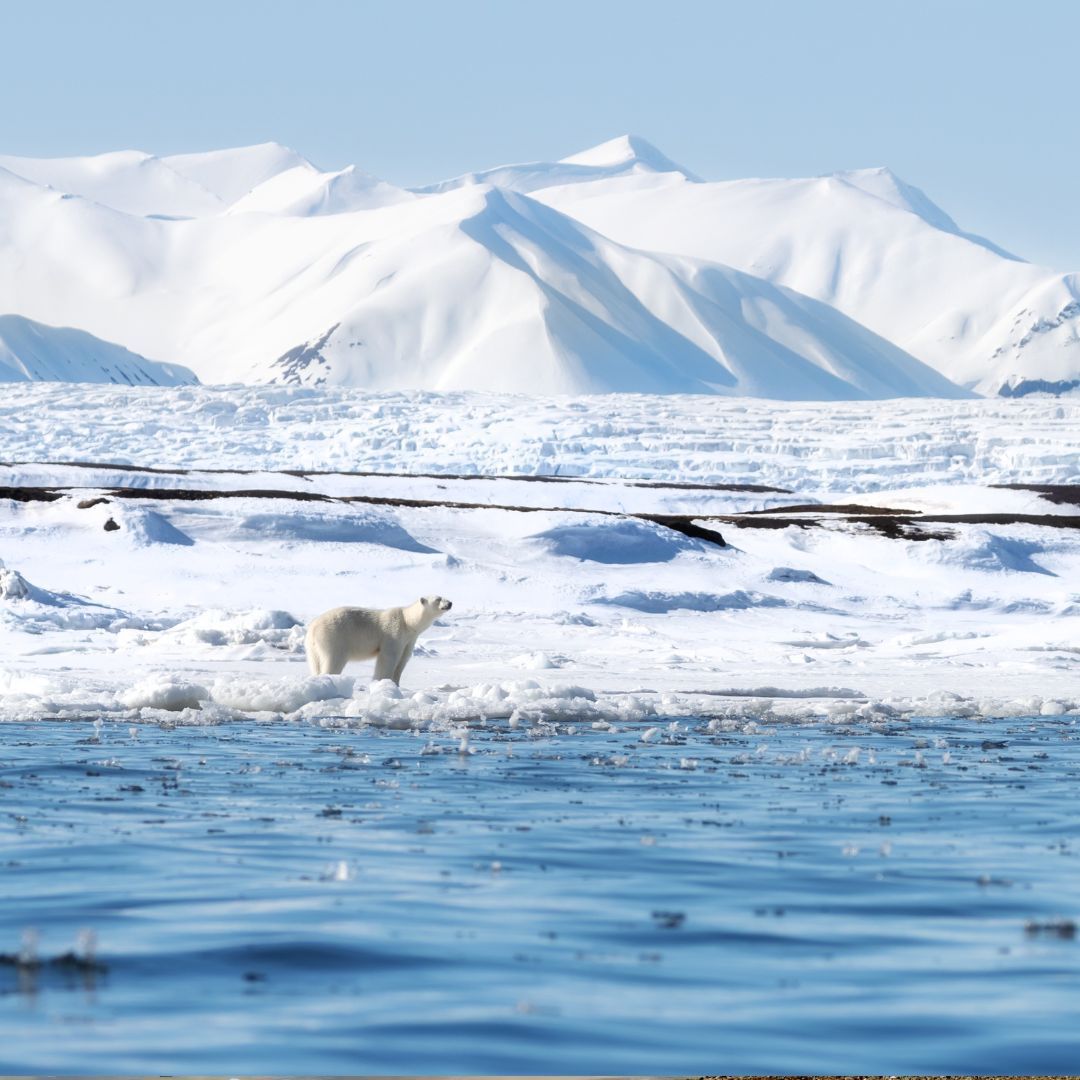
Polar bears are Vulnerable under IUCN. Sea ice has lost 40% since 1979. Projections show 2/3 of the global population gone by 2050 without deep emission cuts.
Polar bears eat 2 kg of seal blubber daily, hunting ringed and bearded seals on sea ice. Full breakdown of diet, hunting methods, and summer fallback foods.
Polar bears are legally marine mammals. One tagged female swam 687 km without stopping. The science of how they do it and why such swims are now common.
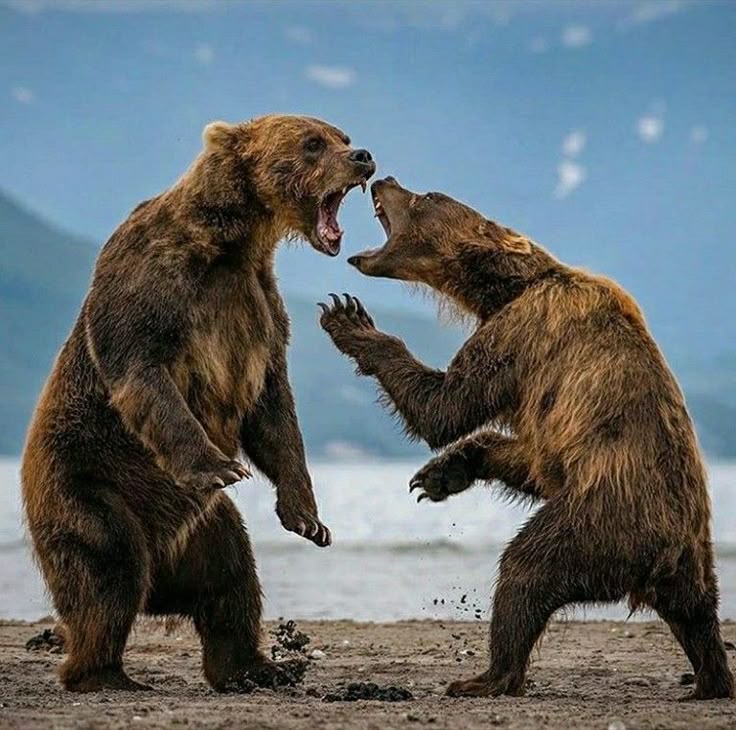
Polar bears live in five Arctic nations across 19 subpopulations. Current estimate: 22,000-31,000. Regional breakdown, trends, and why they skip the North Pole.
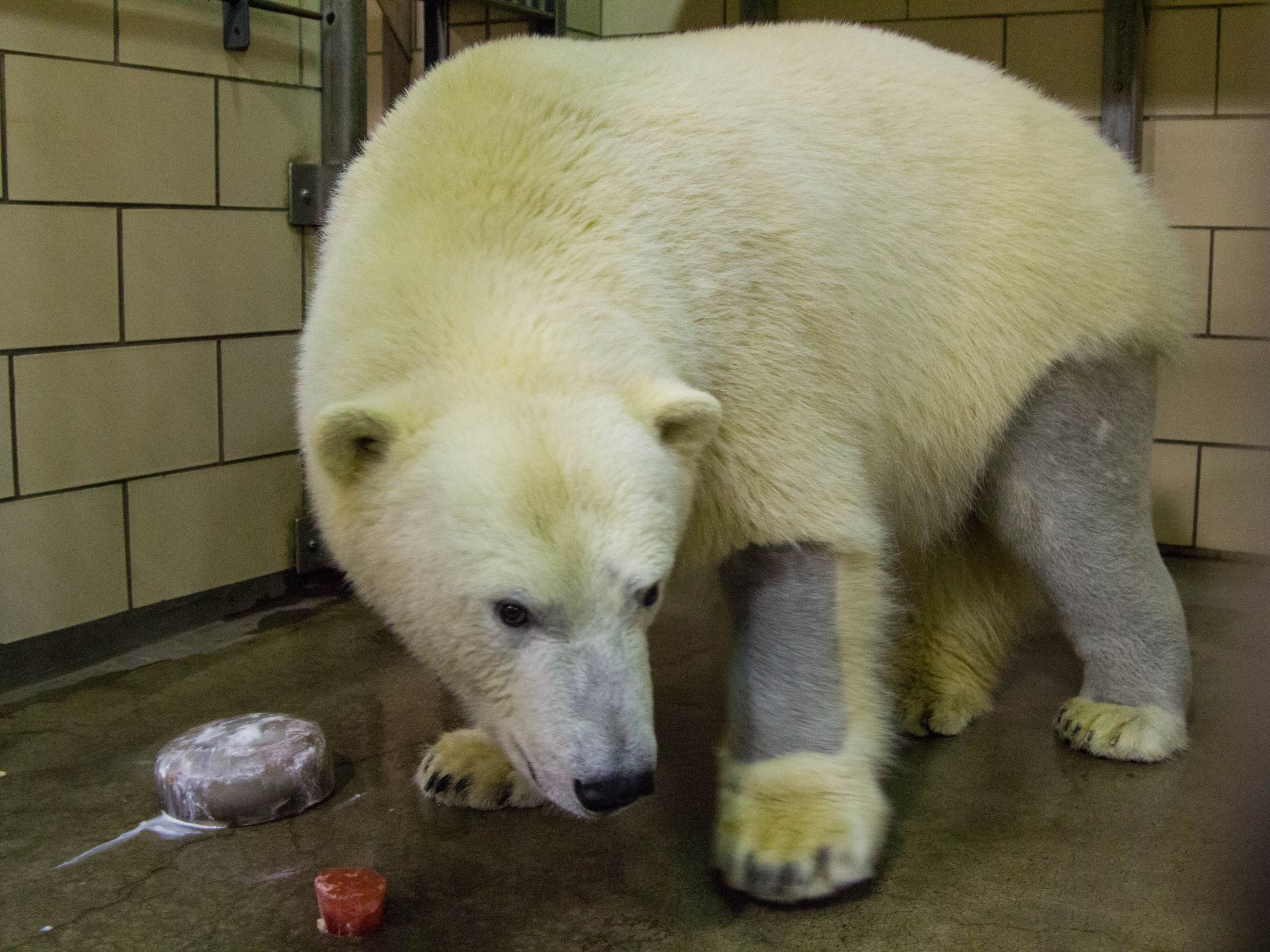
Polar bear fur is transparent, not white. Their skin is jet black. The physics of how they stay warm and why the fibre-optic fur myth was debunked.
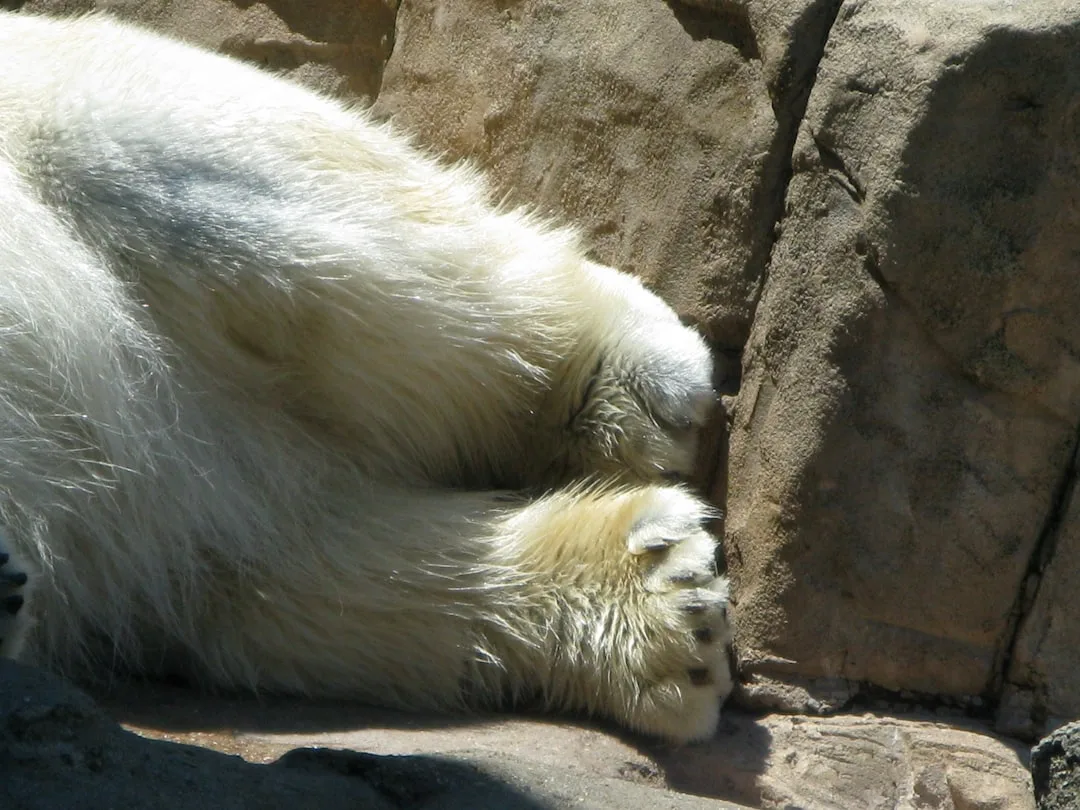
Polar bear cubs are born at 500-700 g inside a snow den while their mother has fasted for months. Here is how they survive the first Arctic year.
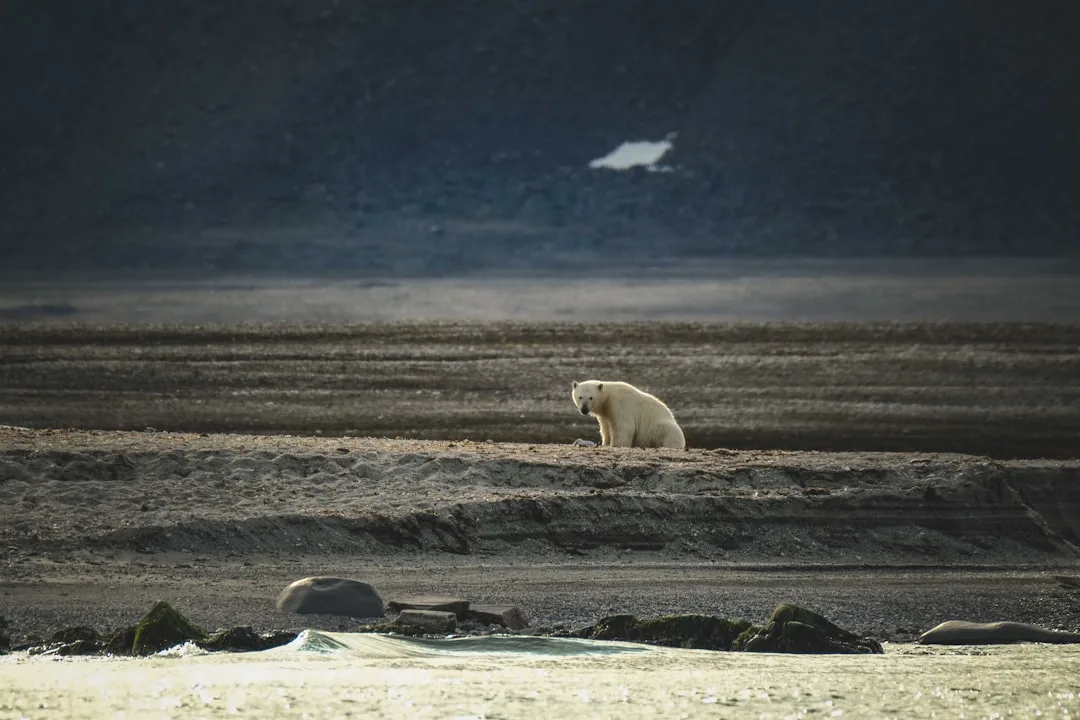
Everything about the polar bear: size, habitat, diet, hunting, reproduction, conservation, and the strange facts that make Ursus maritimus the planet's largest land carnivore.
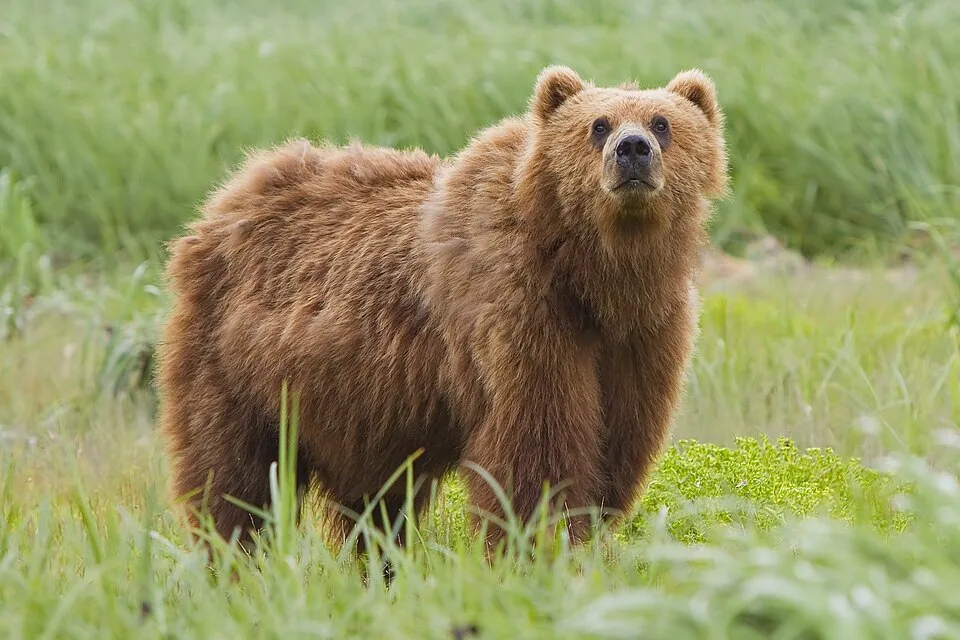
An expert-written guide to all 8 bear species worldwide. Covers grizzly strength, polar bear hunting, panda conservation, hibernation science, bear intelligence, and human-bear coexistence strategies across 4 continents.
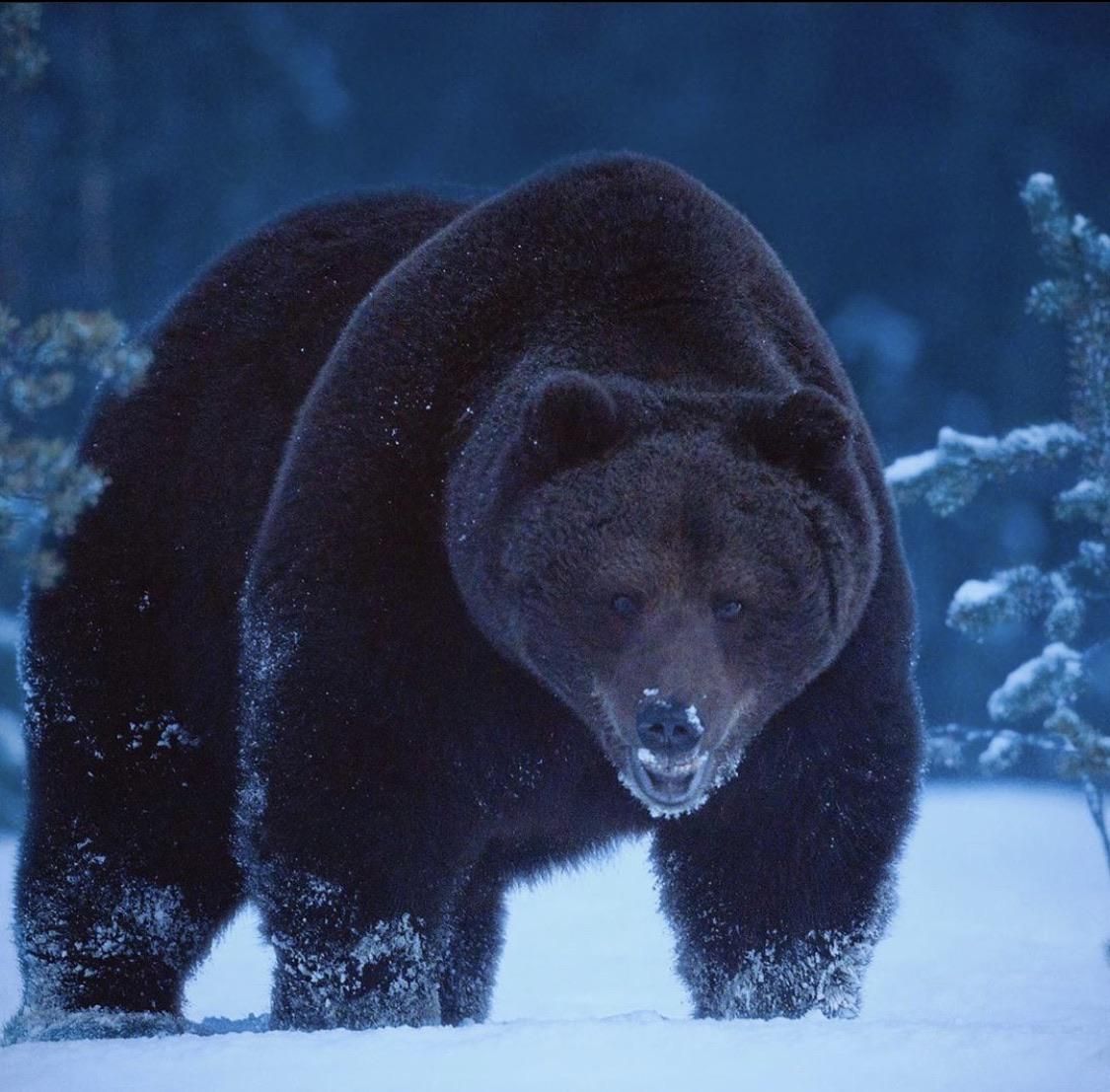
Grizzly bears reach 360 kg and have 1,250 PSI bite force. Expert guide to these apex predators, their hunting, and how to survive an encounter.
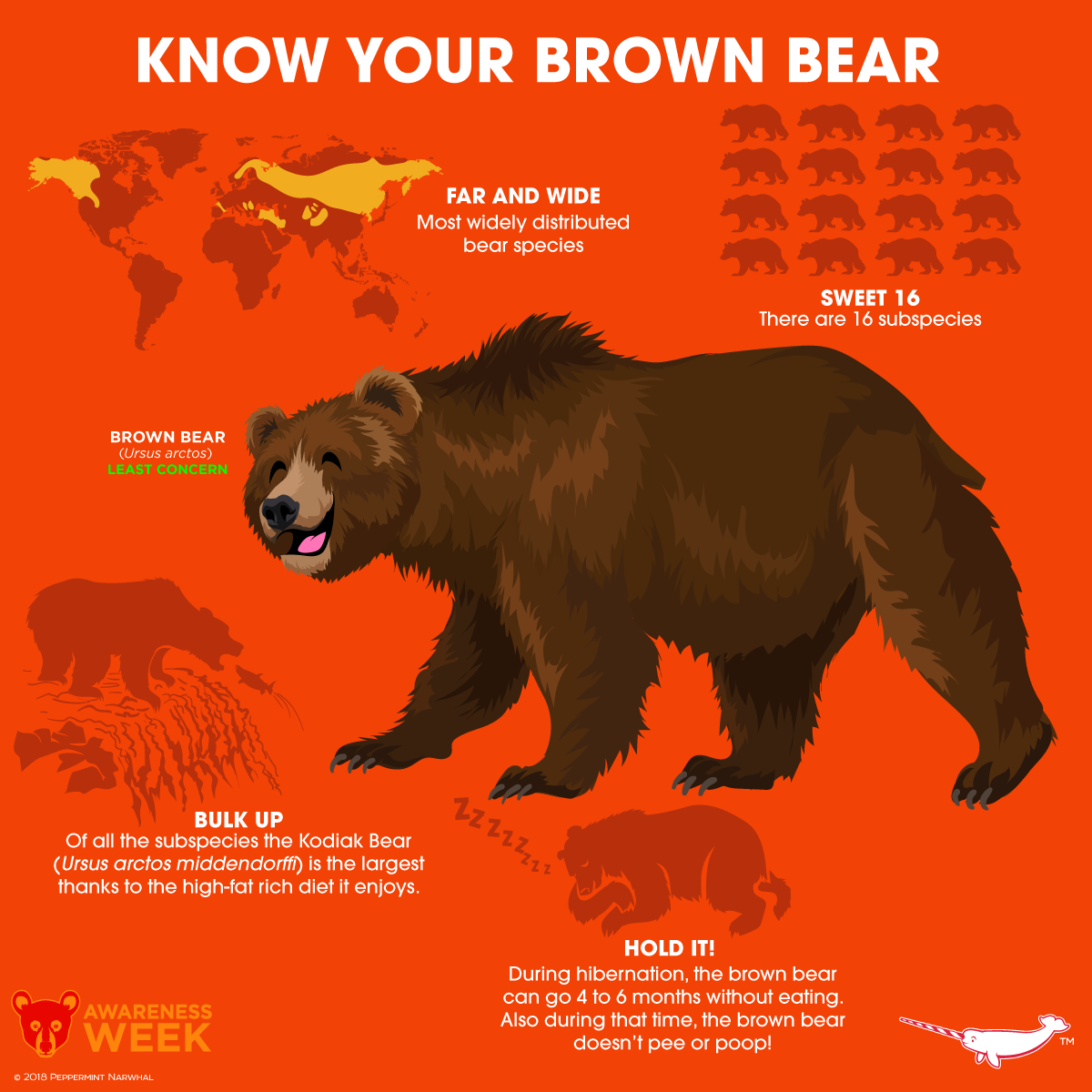
Bears survive 6 months without eating, drinking, or eliminating waste. Expert guide to the biology of bear hibernation and how it could revolutionize human medicine.
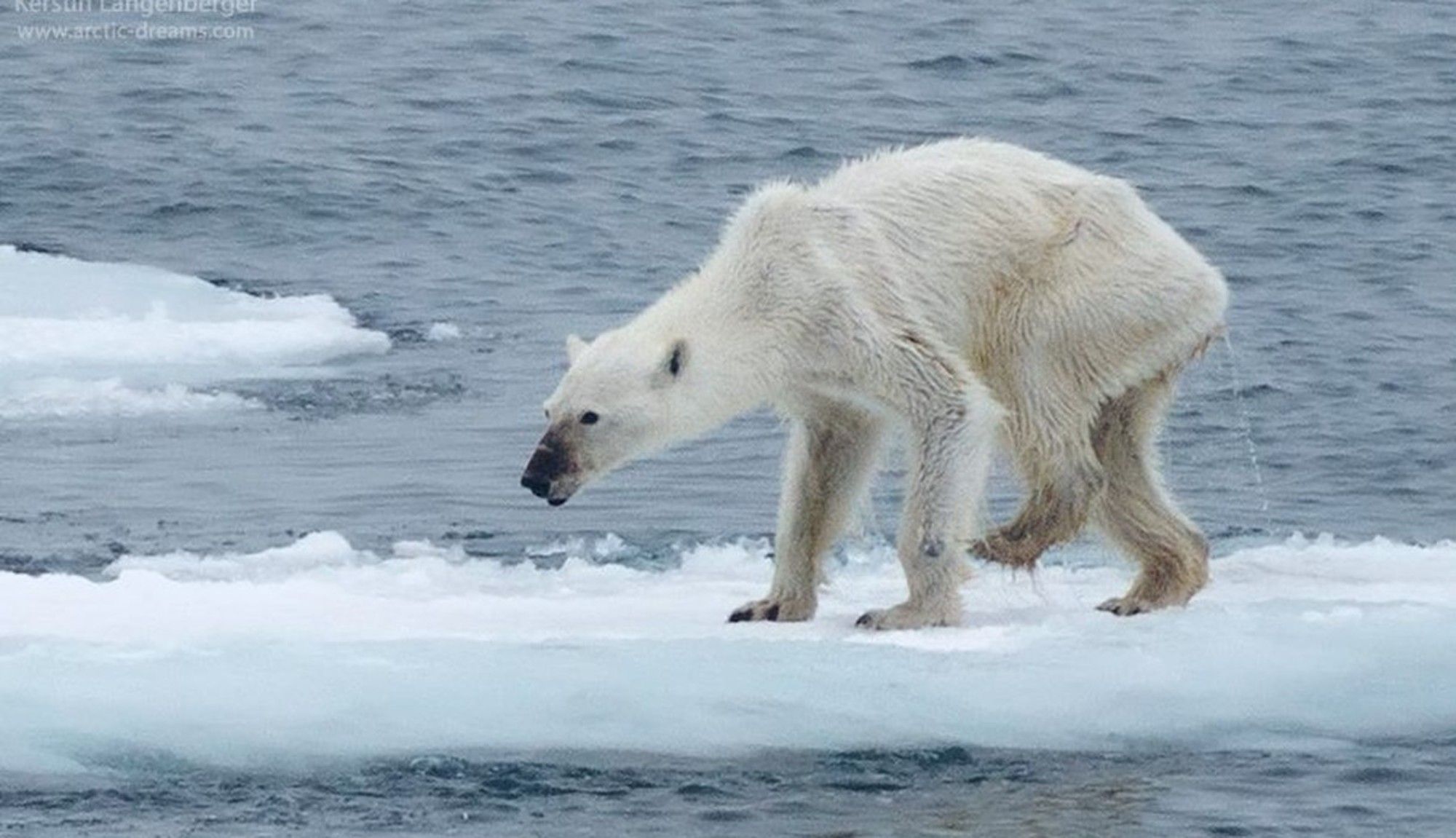
Polar bears are the largest land carnivores and face extinction from climate change. Expert guide to how they survive -40 C and why sea ice is critical.
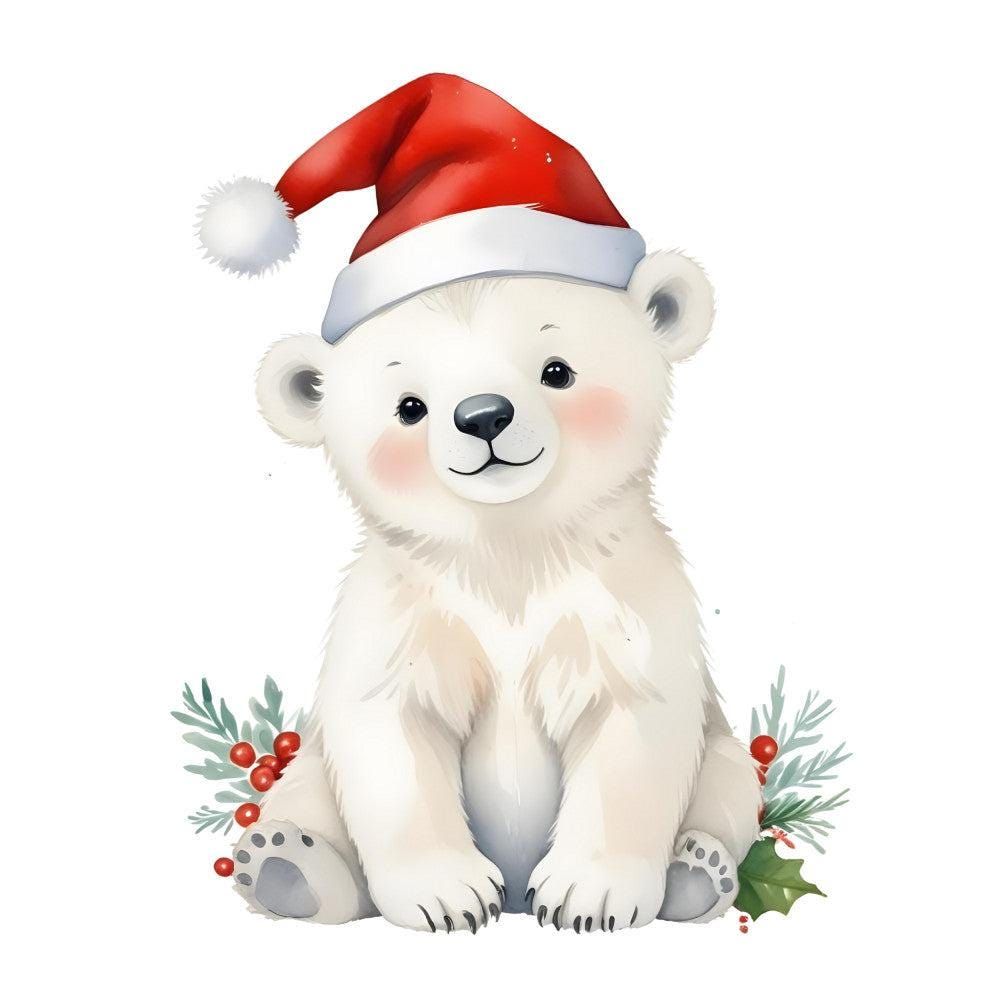
Polar bear vs grizzly bear: size, strength, diet, habitat, and the wild pizzly bear hybrids produced as climate change forces their ranges to overlap.
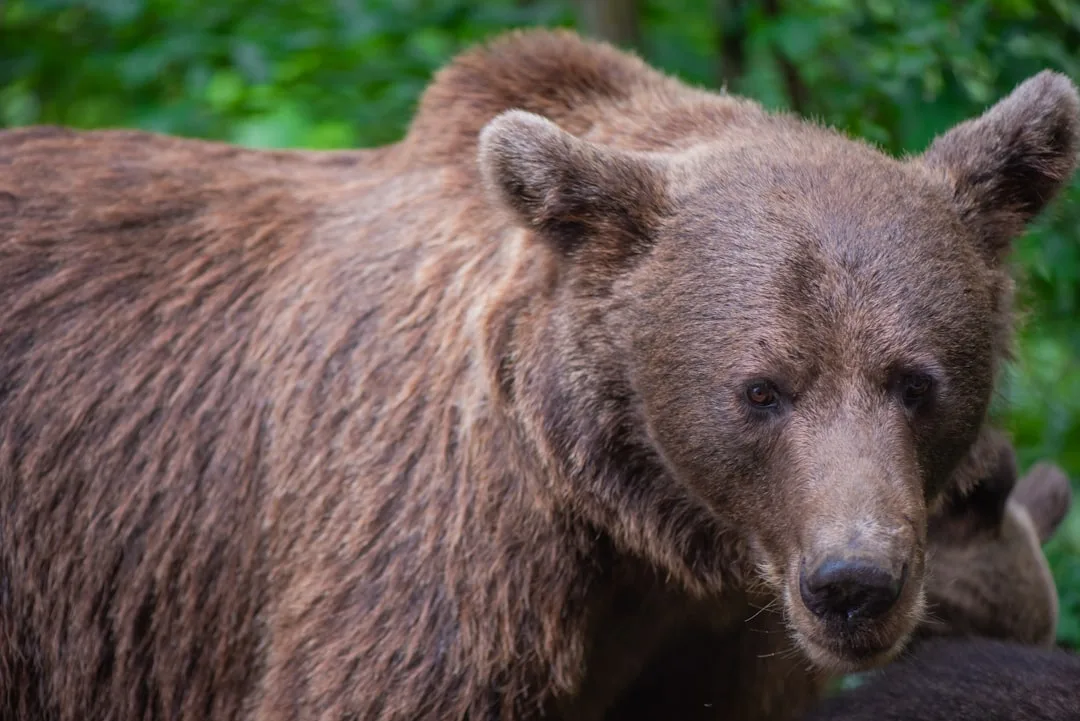
Everything about the brown bear: size, subspecies, habitat, diet, hibernation, reproduction, conservation, and the strange facts that make Ursus arctos the most widely distributed bear on Earth.
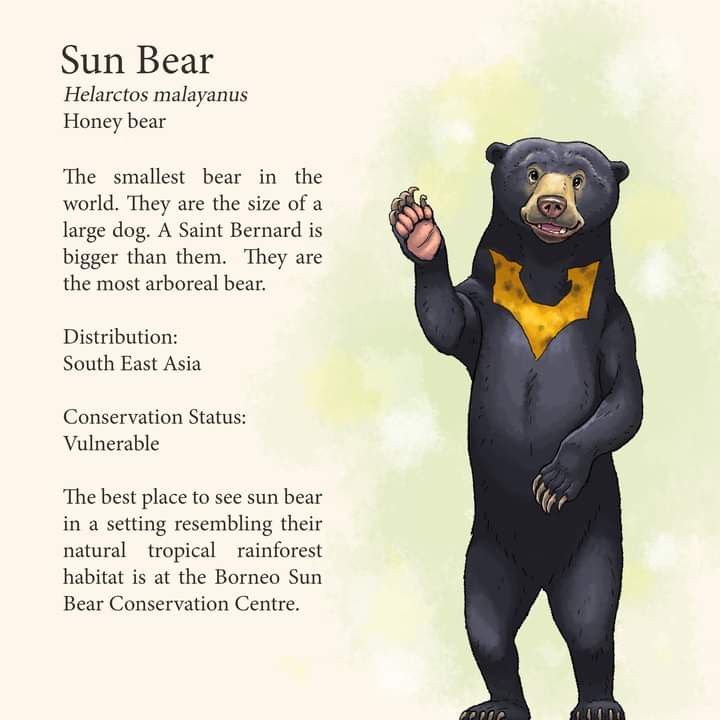
Everything about the sun bear: size, habitat, diet, climbing behaviour, chest patch, tongue, reproduction, and the strange facts that make Helarctos malayanus the world's smallest bear.
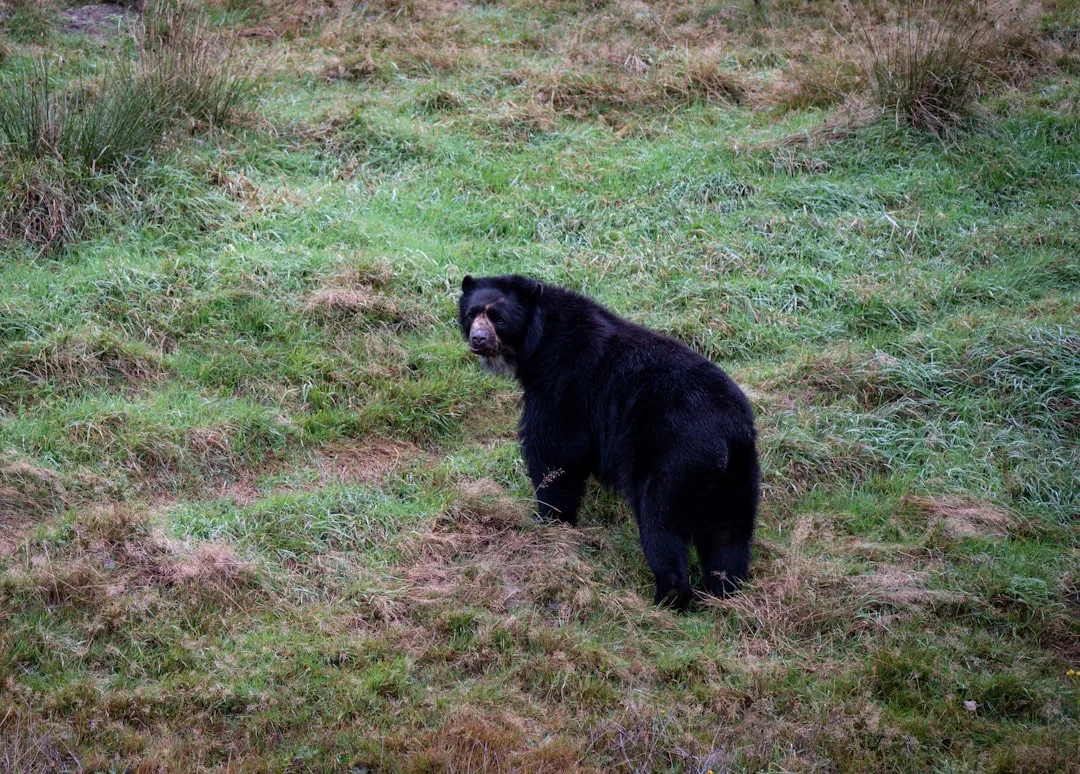
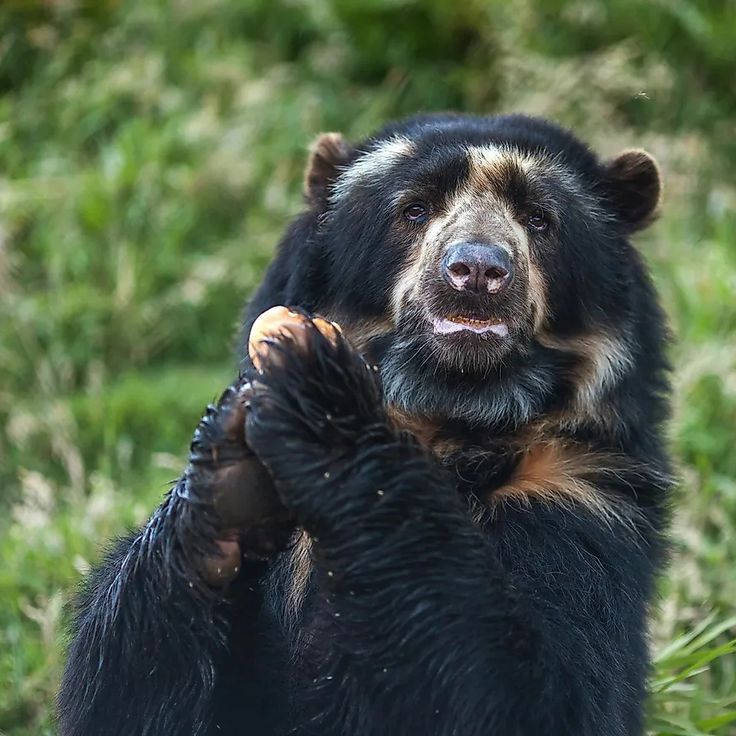
Everything about the spectacled bear: size, Andean habitat, herbivorous diet, tree platforms, reproduction, and the strange facts that make Tremarctos ornatus South America's only bear and the last surviving short-faced bear.
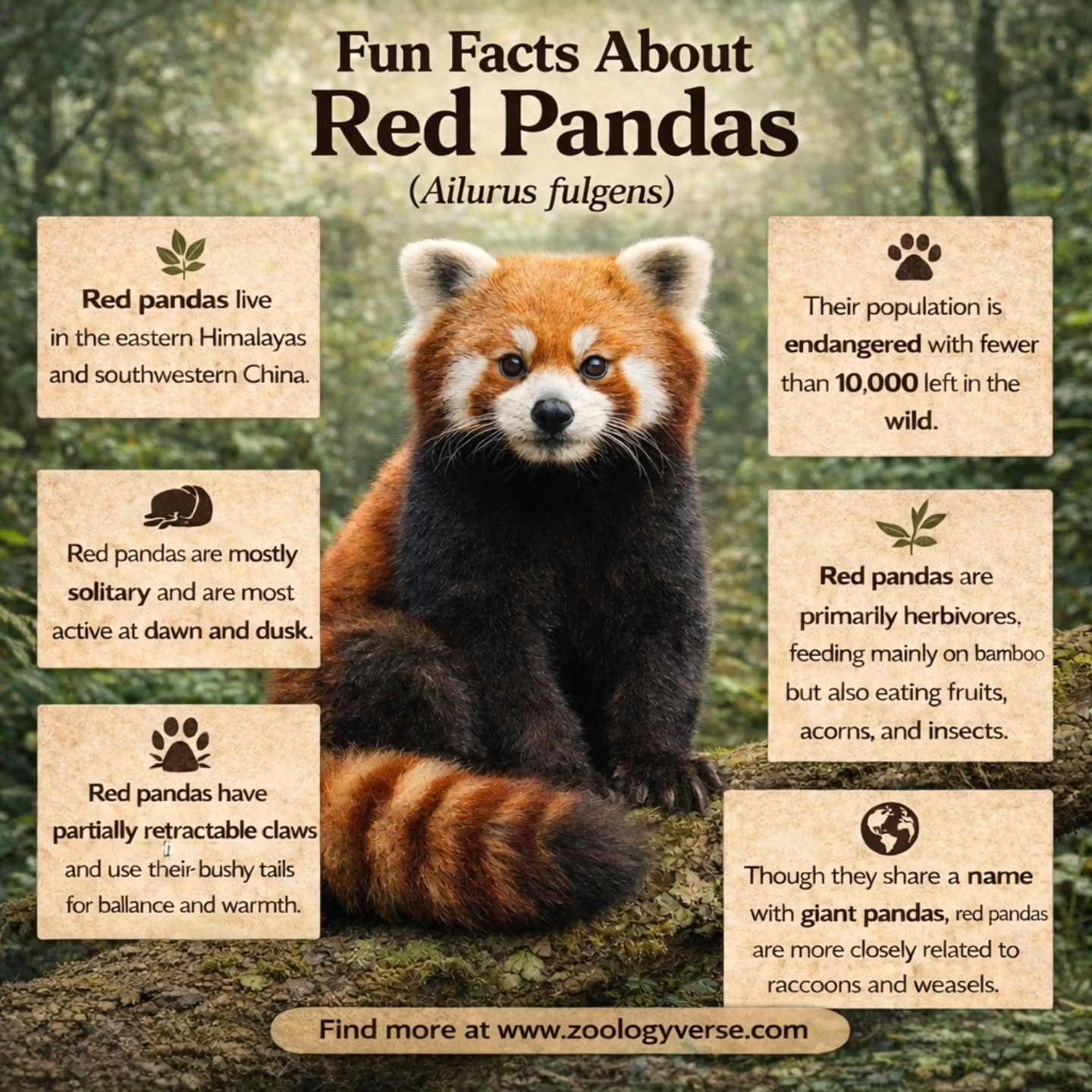
Everything about the red panda: size, habitat, bamboo diet, pseudo-thumb, conservation, and the strange facts that make Ailurus fulgens the sole living member of family Ailuridae.
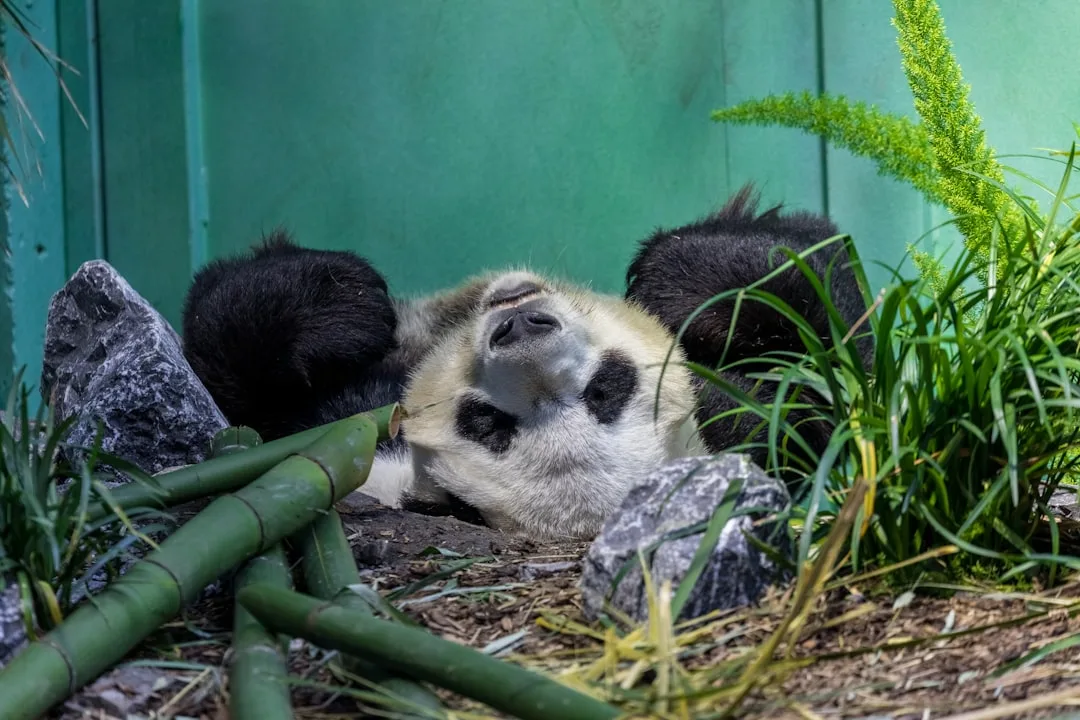
Everything about the giant panda: bamboo diet, pseudo thumb, mountain habitat, reproduction, conservation success, and the strange facts that make Ailuropoda melanoleuca one of the world's most iconic mammals.
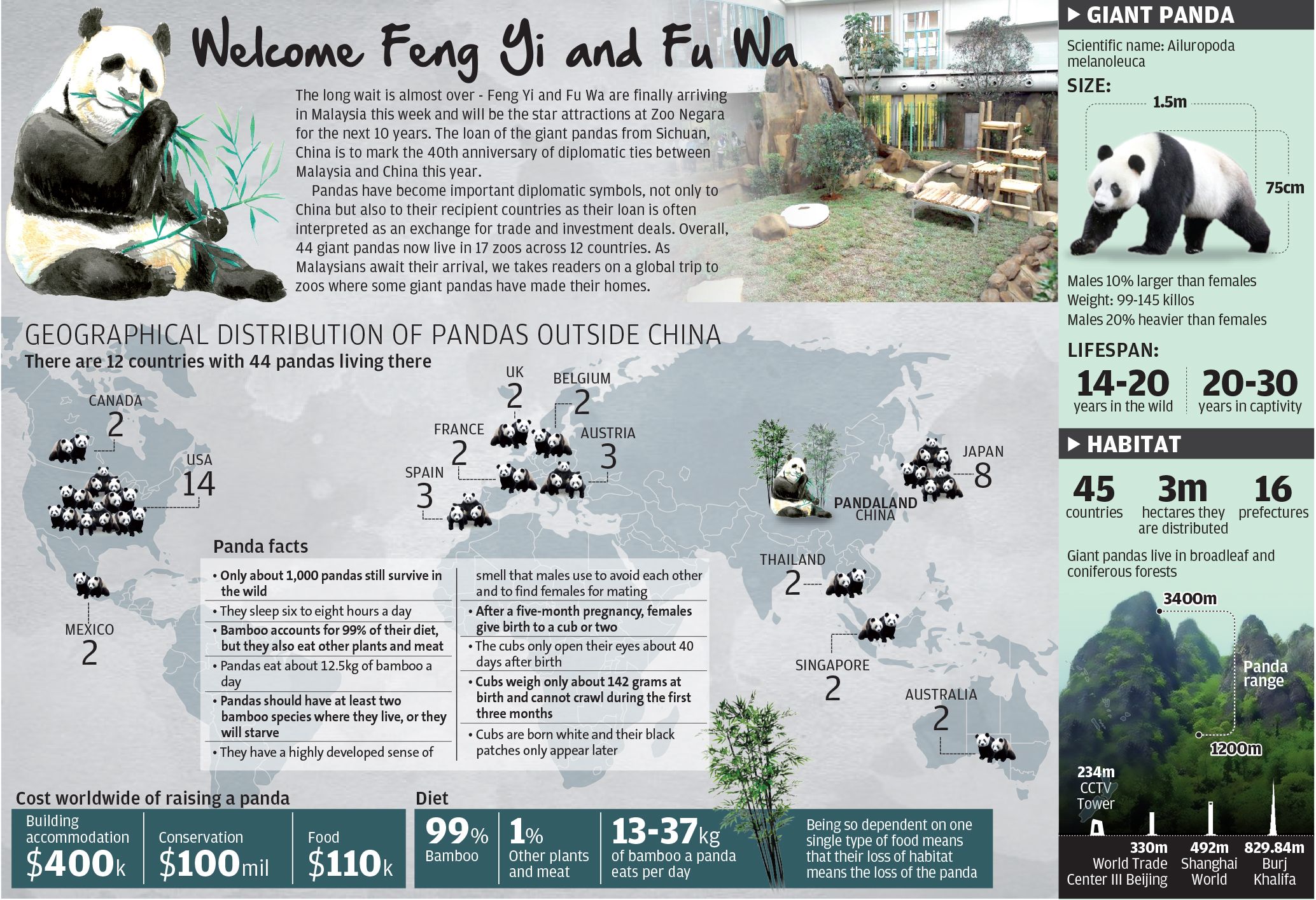
Wild polar bears live 25-30 years, rarely longer. Captive bears reach 40+. Mortality drivers, cub survival, and what climate stress does to the curve.
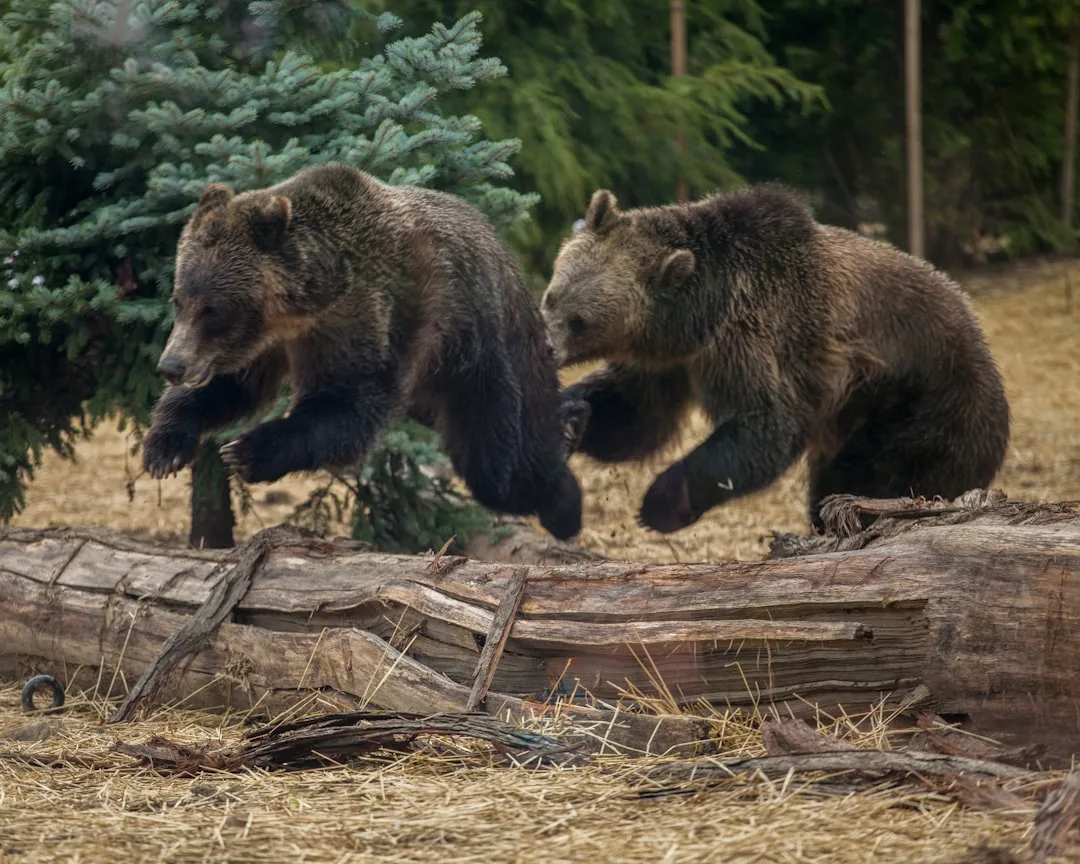
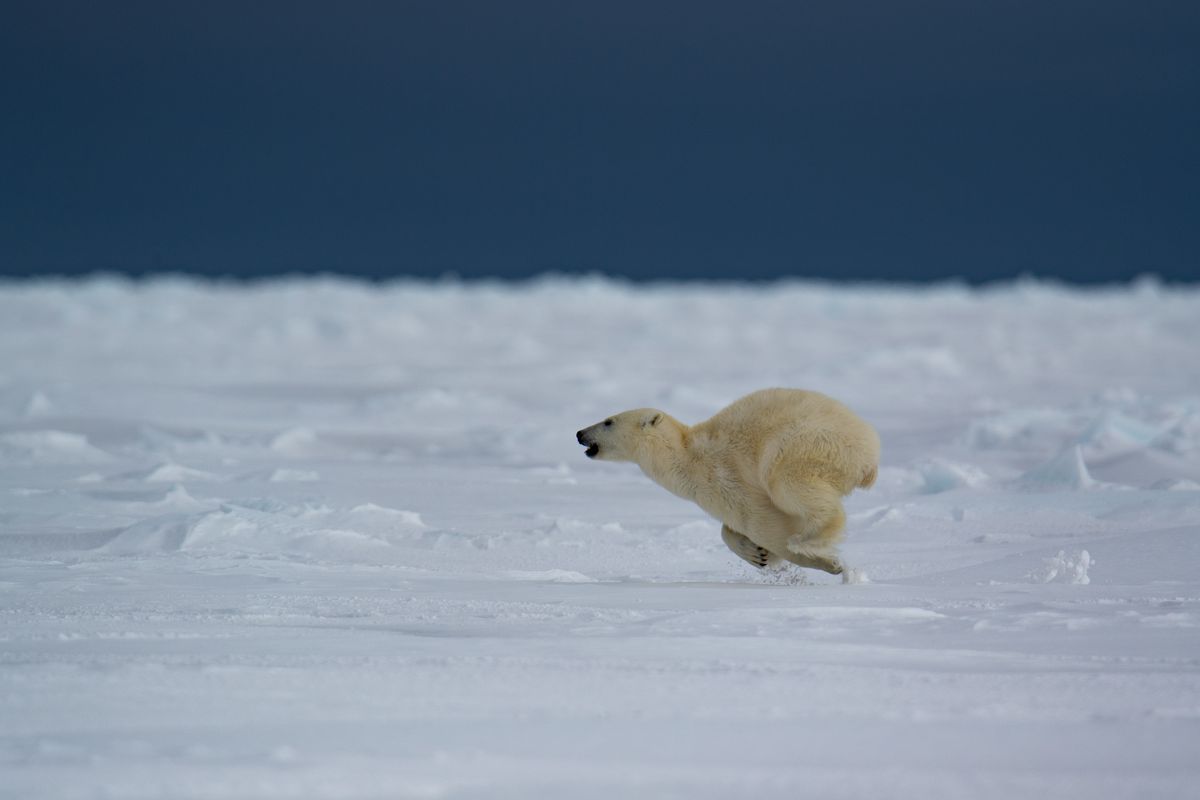
Polar bear speed: 40 km/h sprint, 10 km/h swimming, and the 687 km continuous-swim record. Why they overheat in seconds, and how they hunt despite it.
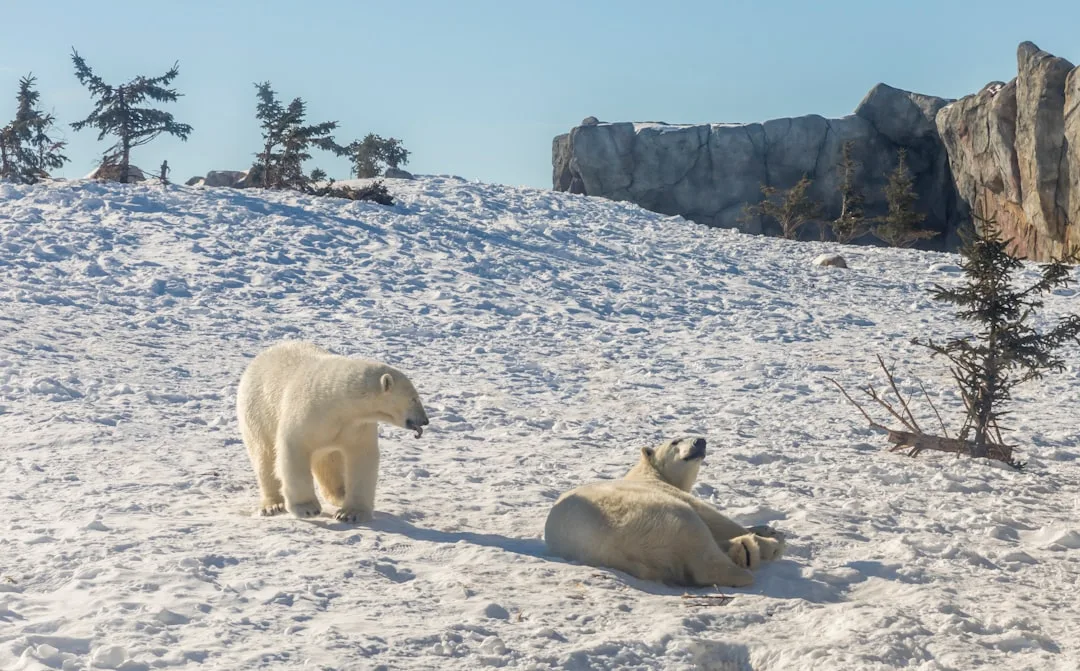
Polar bears attacked humans 73 times between 1870 and 2014, killing 20. The numbers, case files, and deterrents used in the Arctic today.
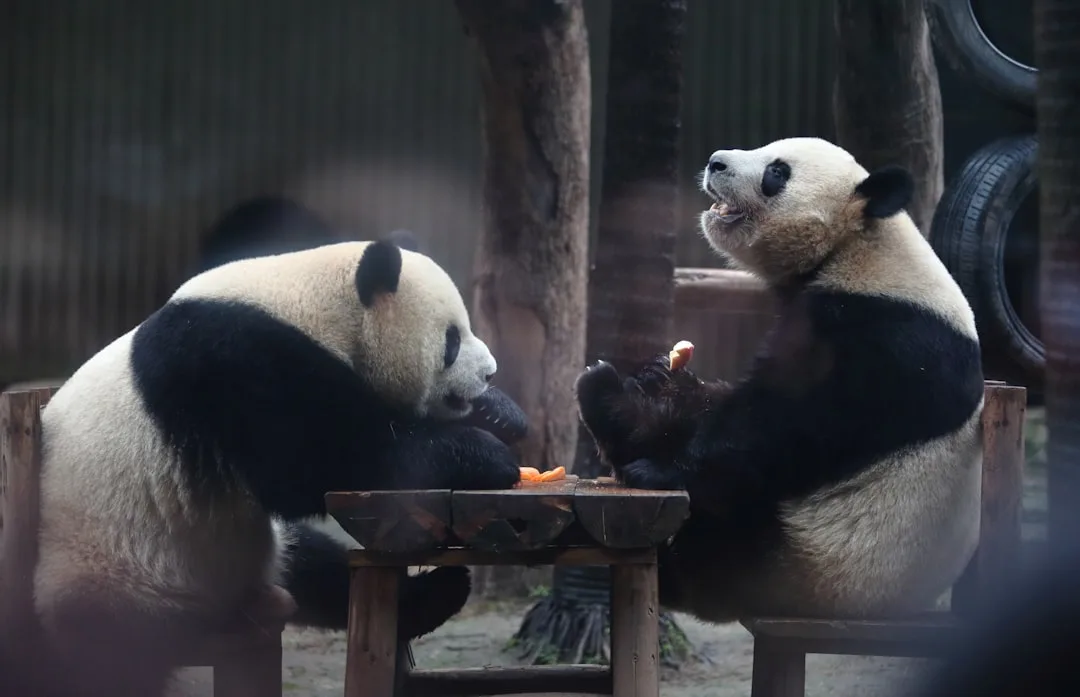
Pandas have a carnivore's gut but eat 12-38 kg of bamboo daily. A TAS1R1 pseudogene killed their umami taste 4.2 million years ago. The science explains why.
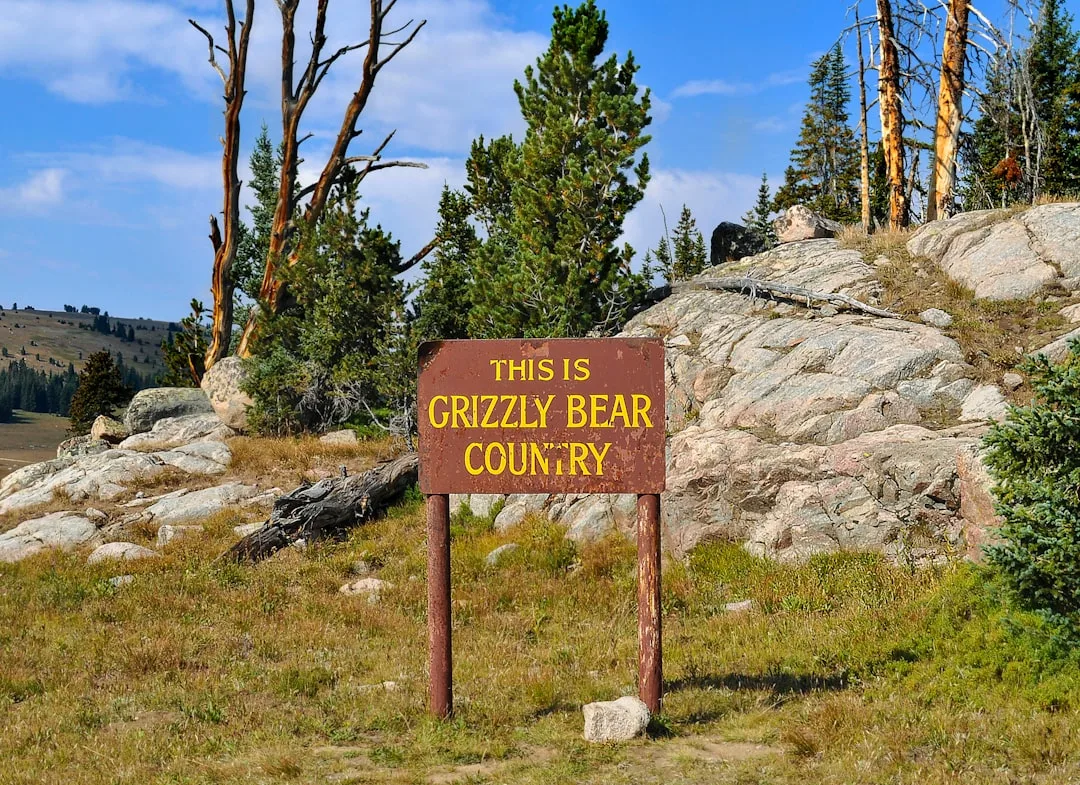
Alaska has ~30,000 grizzlies. Canada ~20,000. The Lower 48 holds only ~2,000 across 6 recovery ecosystems. Full range breakdown with maps and trends.
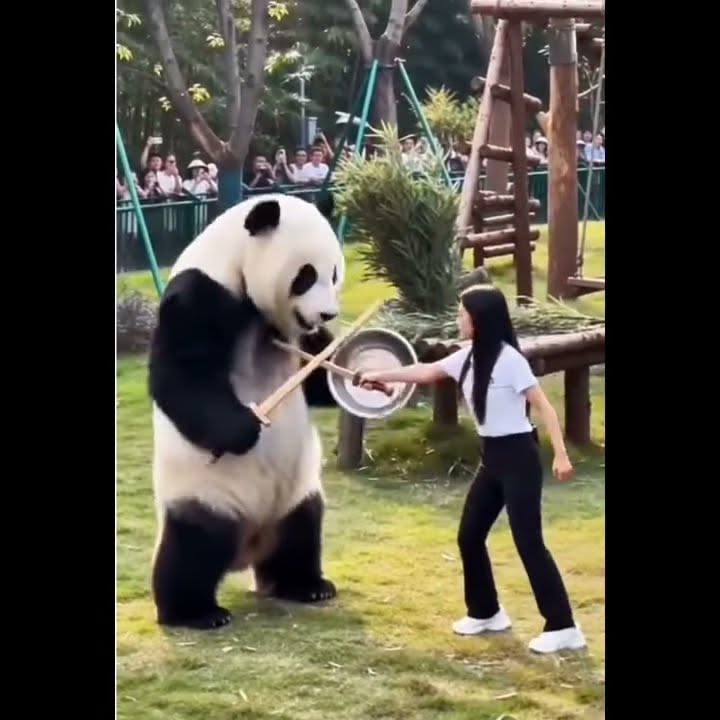
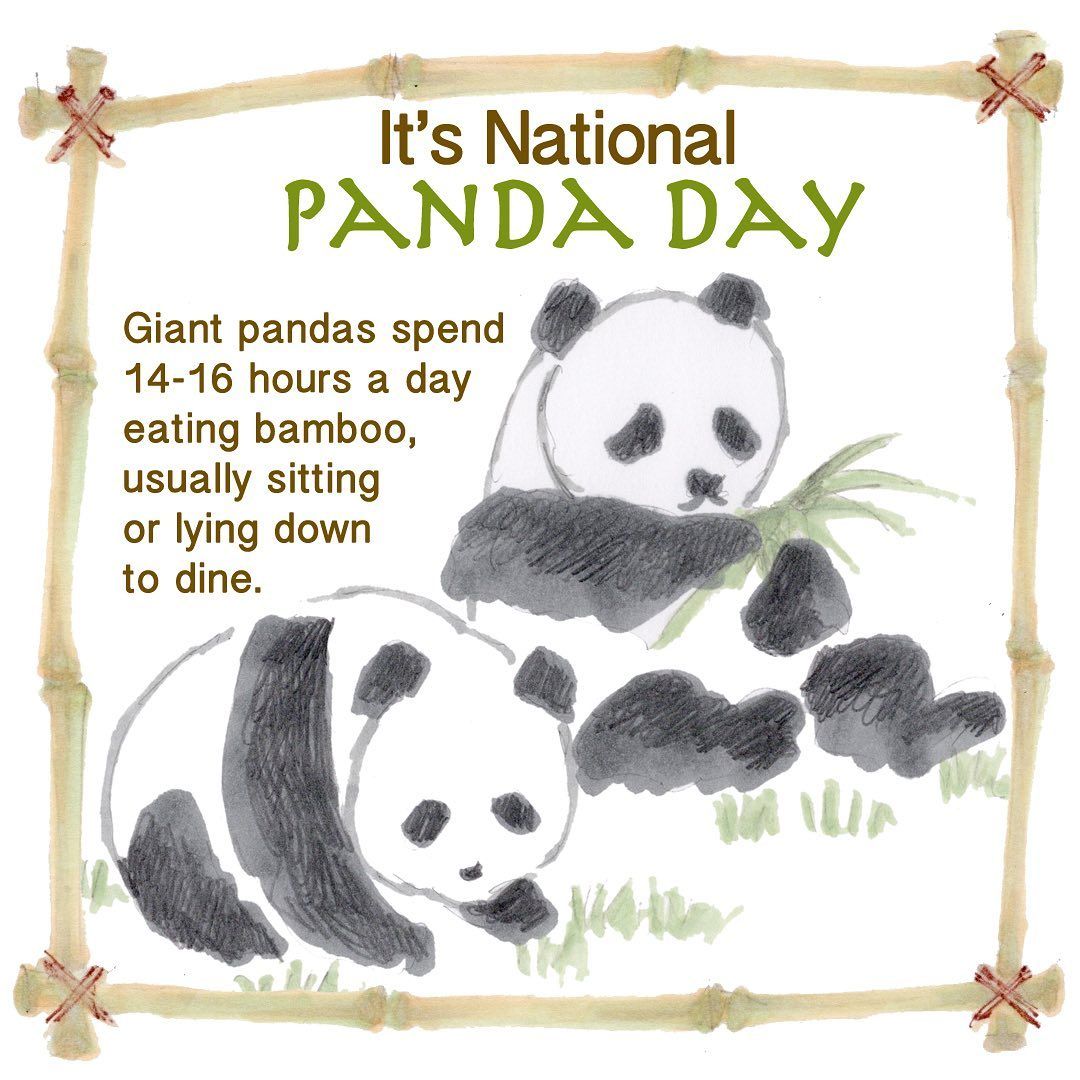
Pandas eat 14 hours, sleep 4, rest between. The daily routine, scent marking with handstands, and why they are solitary outside of mating season.
Grizzly bears are opportunistic omnivores, eating salmon, berries, roots, moths, and ungulate calves. Here is their seasonal diet and hyperphagia cycle.

Brown bears eat 80% plants: berries, nuts, roots. Coastal Alaskan bears gorge on 40 kg of salmon per day. Full diet by region, season, and subspecies.
Panda females ovulate once a year for 24-72 hours. The breeding challenge, AI breakthroughs, and why captive survival jumped from 10% to 90%.
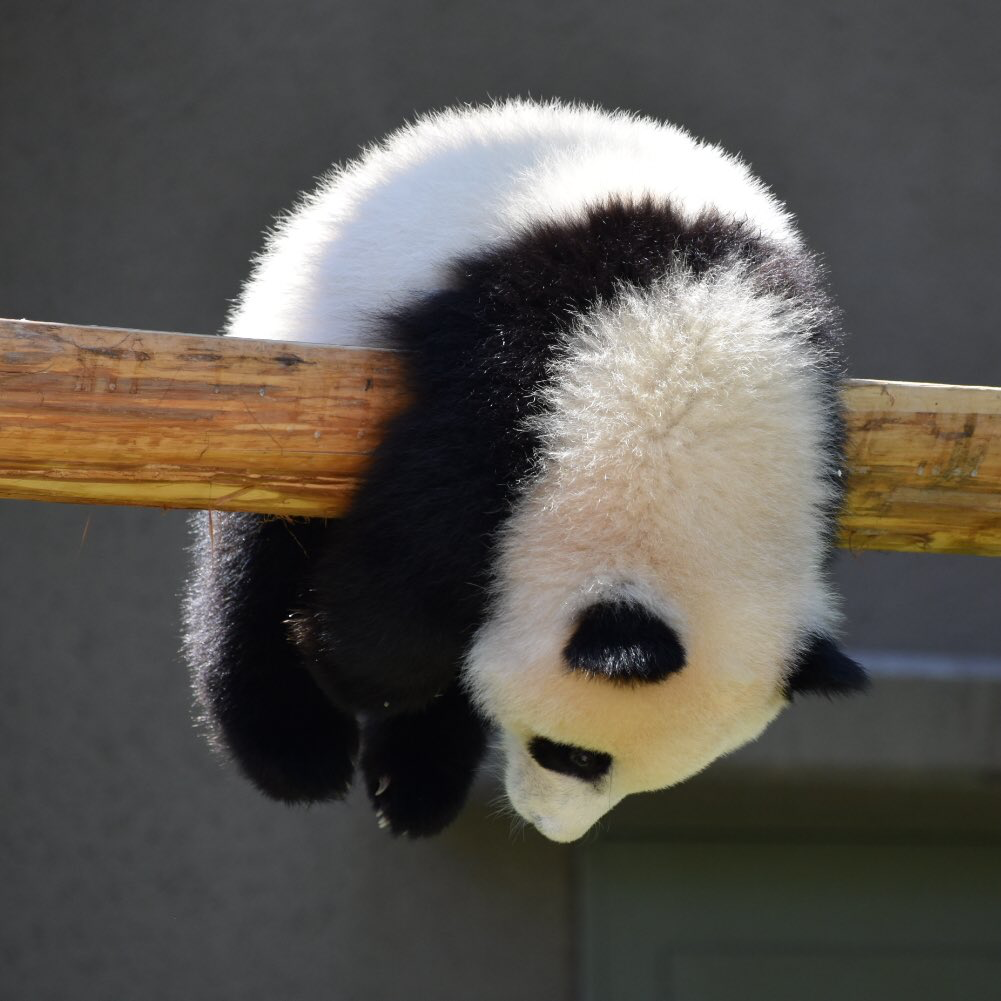
Panda cubs weigh 85-130 g at birth, one of the smallest mother-to-cub ratios in mammals. Here is how they grow from pink blind newborn to independent adult.
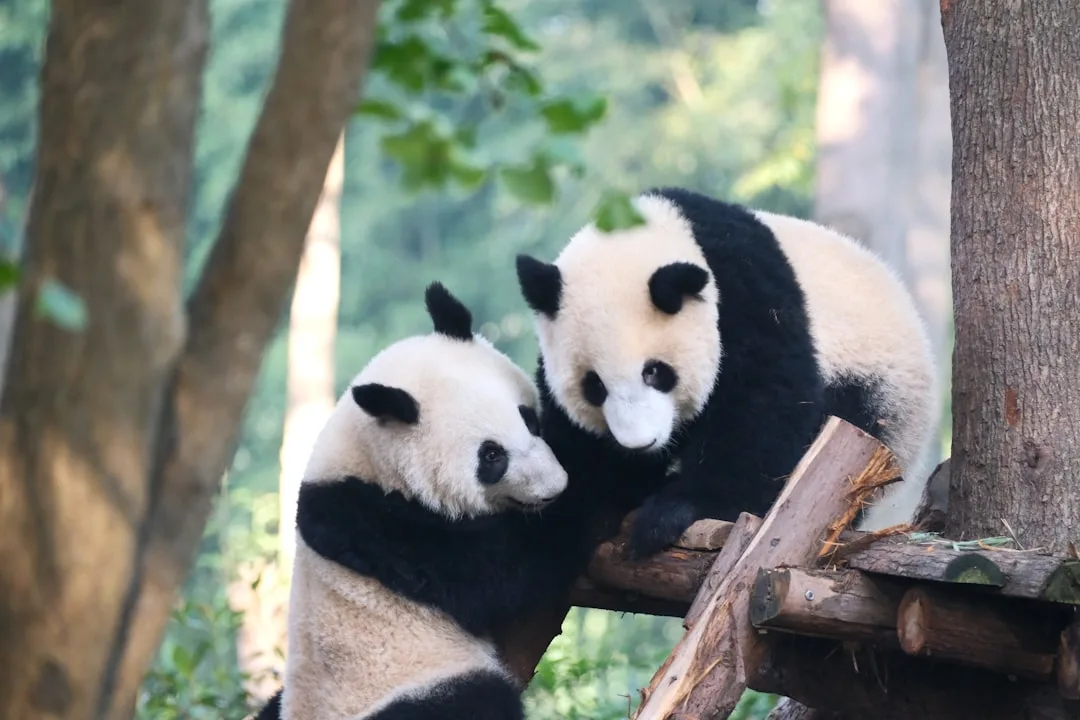
Giant pandas recovered from 1,100 to 1,864 through 67 reserves, a logging ban, captive breeding breakthroughs, and the China-WWF partnership.
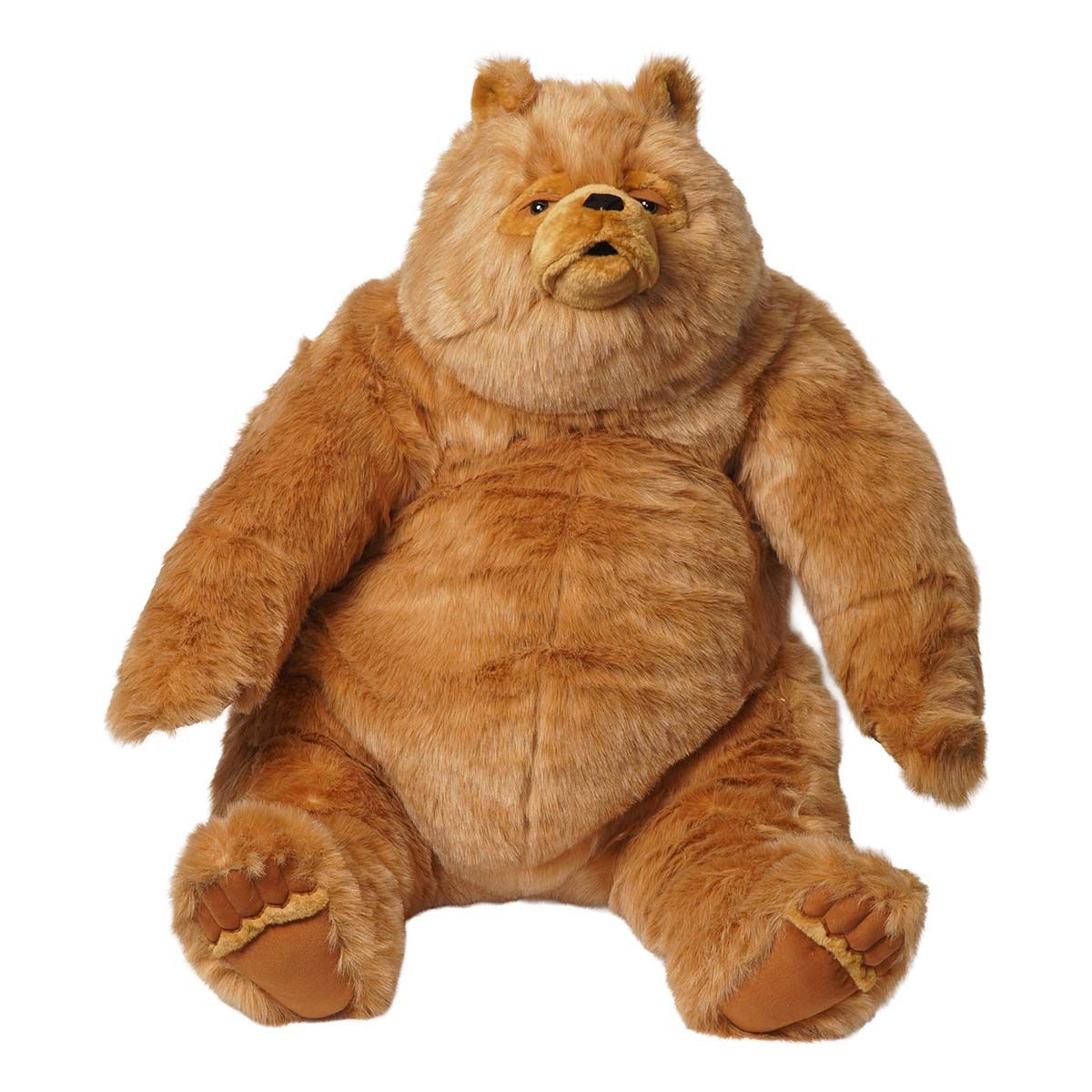
Kodiak bears average 270-630 kg, with record specimens past 750 kg. Isolated on Alaskan islands 12,000 years, salmon runs built the world's biggest brown bear.
Bear spray works 98% of the time. Play dead for defensive attacks, fight back for predatory. Full survival protocol with cases, ranges, and data.
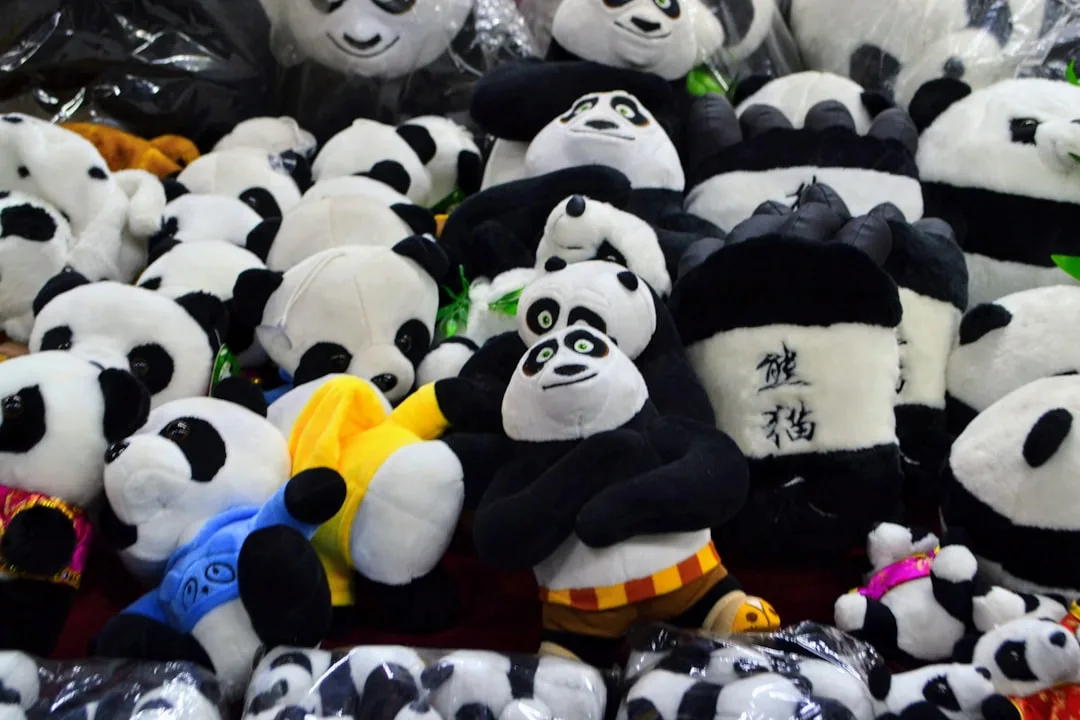
Wild giant panda population: 1,864 as of the 4th National Survey, with ~600 more in captivity. How the numbers have changed and which subpopulations are at risk.
Grizzly bears sprint at 56 km/h (35 mph), faster than Usain Bolt. The biomechanics, burst distance, and why climbing a tree is not the answer.
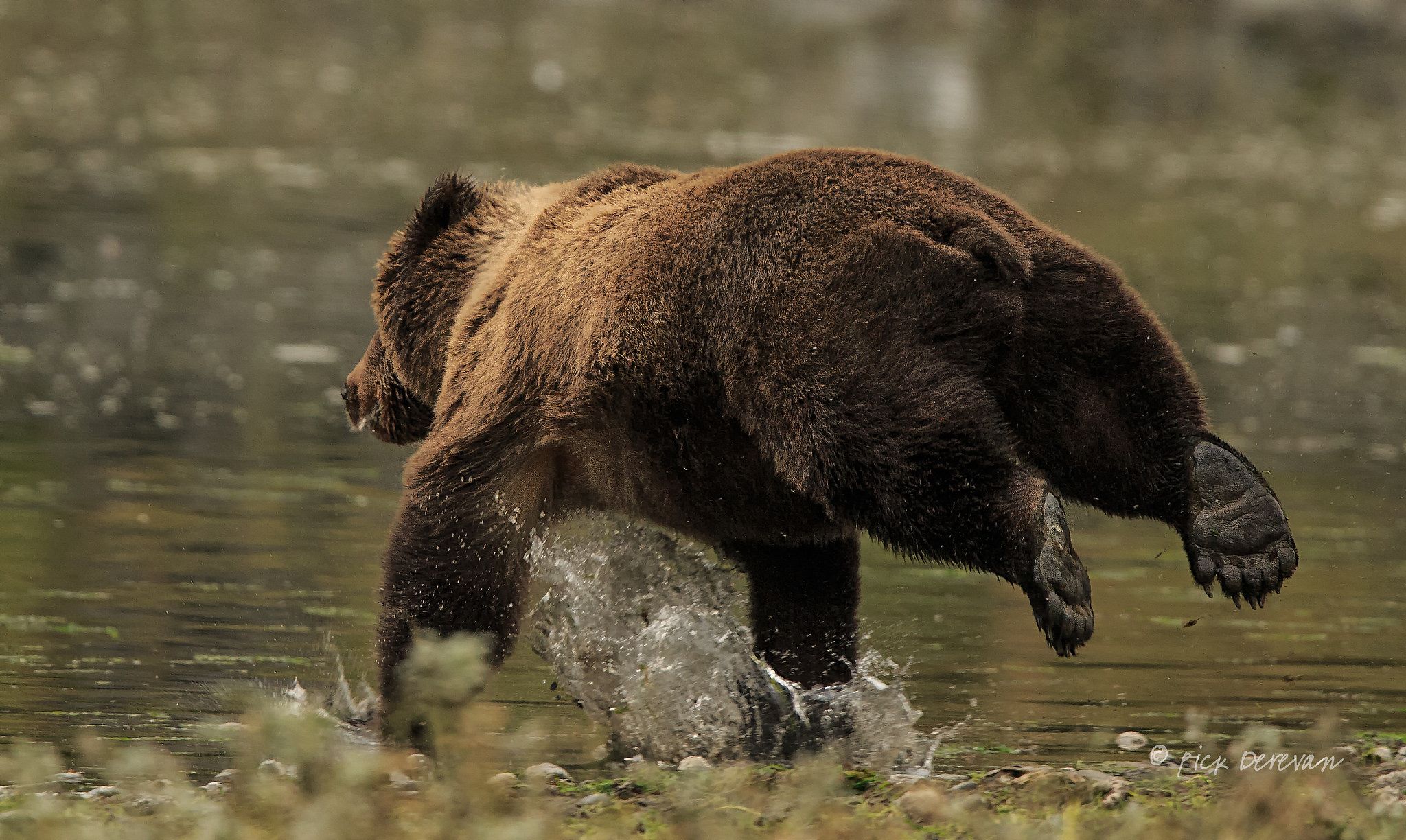
Brown bears sprint 48-56 km/h. A 600 kg Kodiak gallops faster than an Olympic sprinter. The biomechanics, limits, and what that means for humans in bear country.
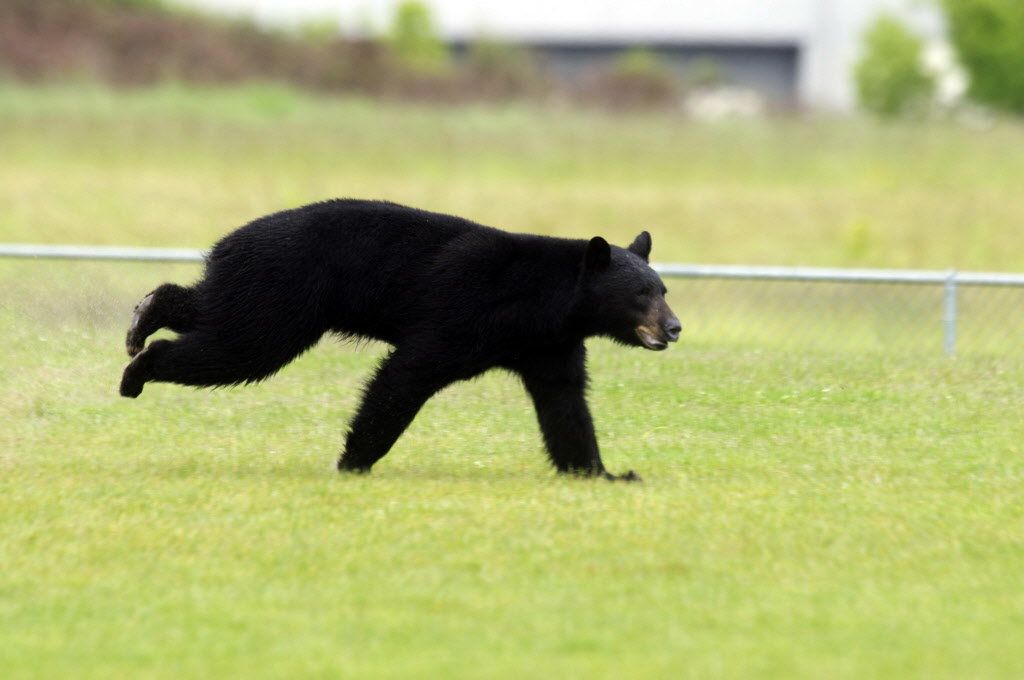
Pandas extract only 17% of bamboo calories and have 40% lower metabolism than similar-sized mammals. How evolution built a bear that lives like a sloth.
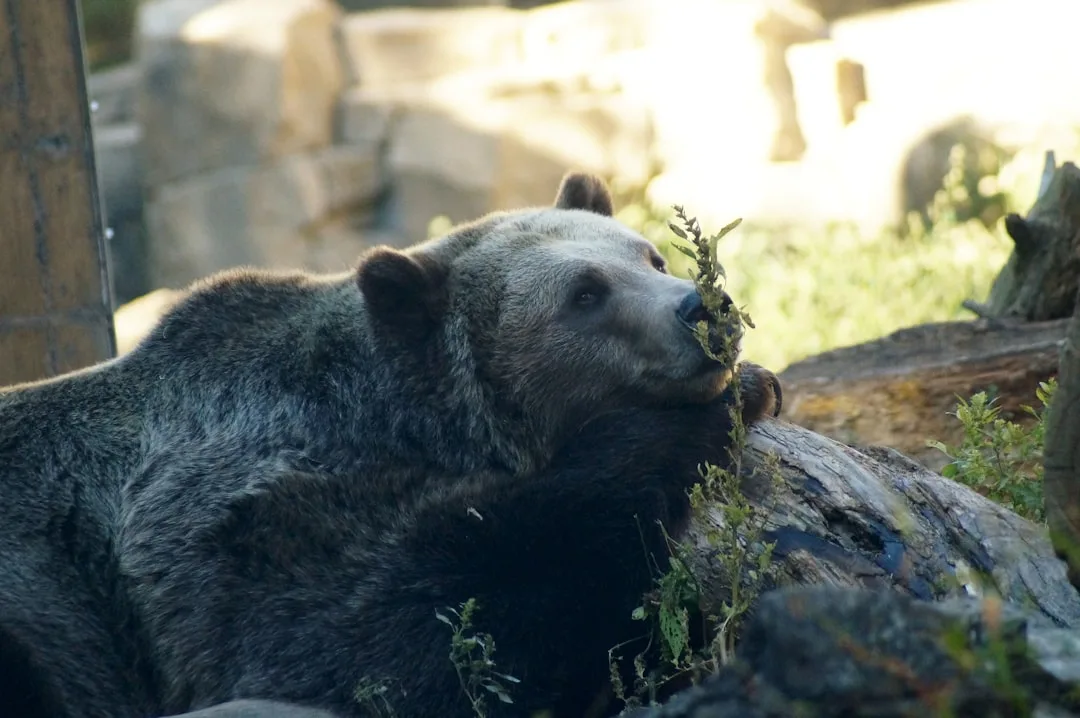
Male grizzly bears weigh 180-360 kg and stand 2.4 m on hind legs. Full size data, record holders, and how grizzlies compare with polar and Kodiak bears.
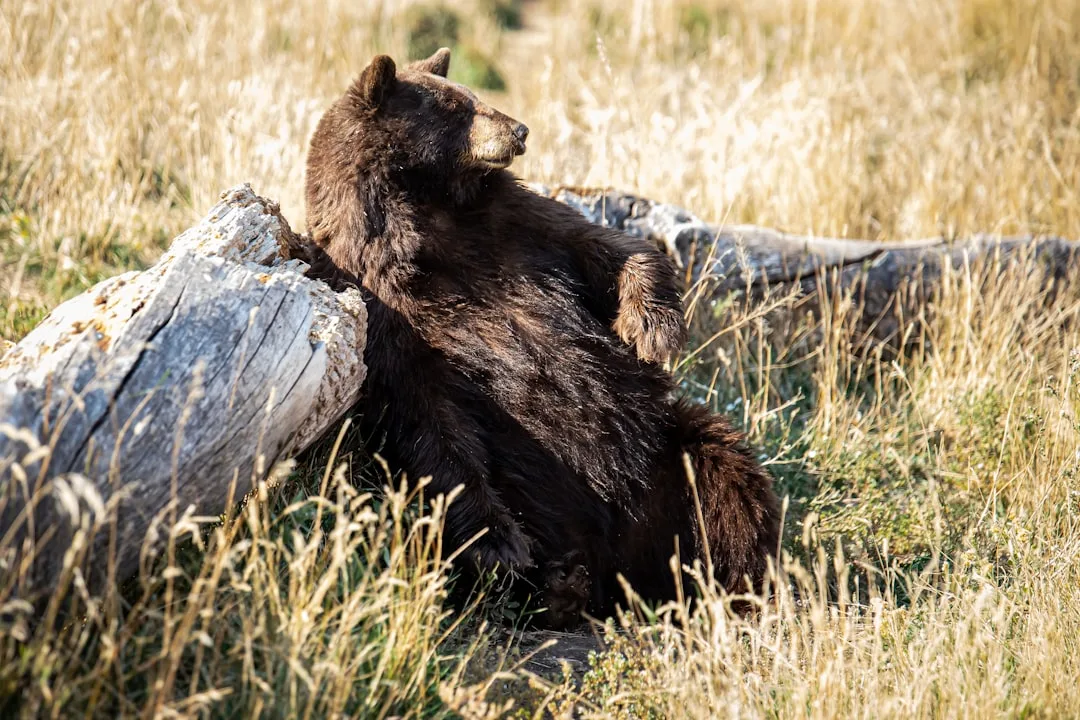
Brown bears range from 100 kg Gobi bears to 750 kg Kodiaks. Full size breakdown by subspecies, region, and diet, with the biggest specimens on record.
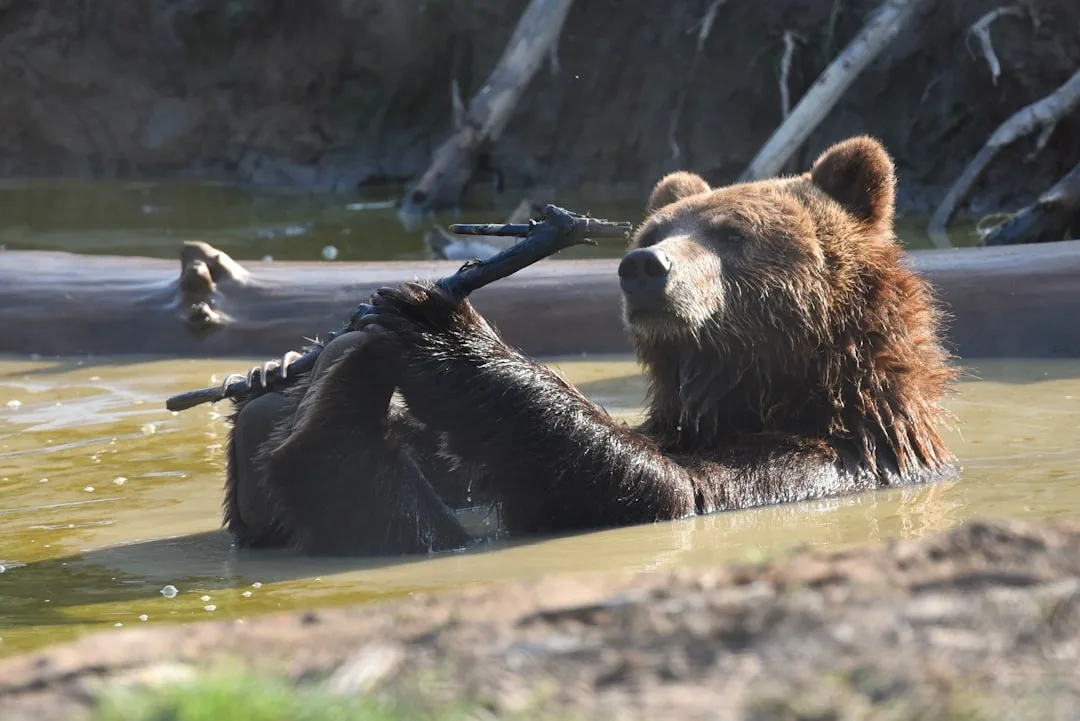
Kodiak bears are brown bears too, but isolated on Kodiak Island for 12,000 years they grew to 600+ kg on salmon-rich diets. How they differ from interior grizzlies.
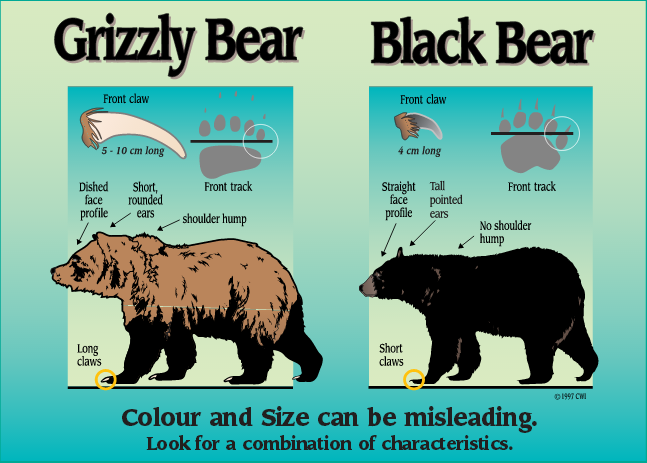
Grizzly vs black bear: shoulder hump, claw length, face profile, size, and attack behavior. How to identify each species and survive the encounter.
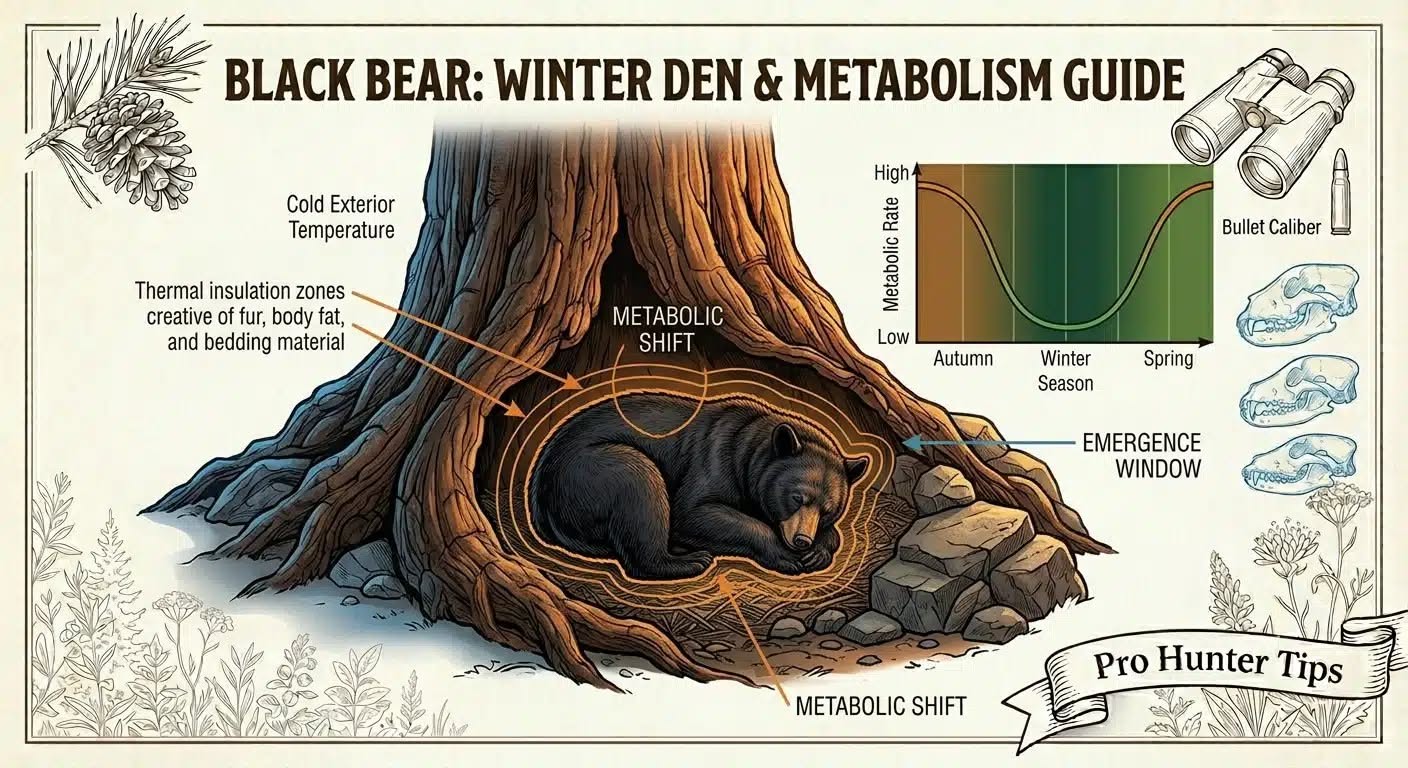
Grizzly bears hibernate 4-7 months, dropping heart rate to 8-19 bpm while females give birth mid-sleep. The physiology, the den, and climate disruption.
Grizzly cubs weigh 400-500 g at birth inside a winter den. The first 3 years of life, the mother-cub bond, and why male infanticide shapes family survival.
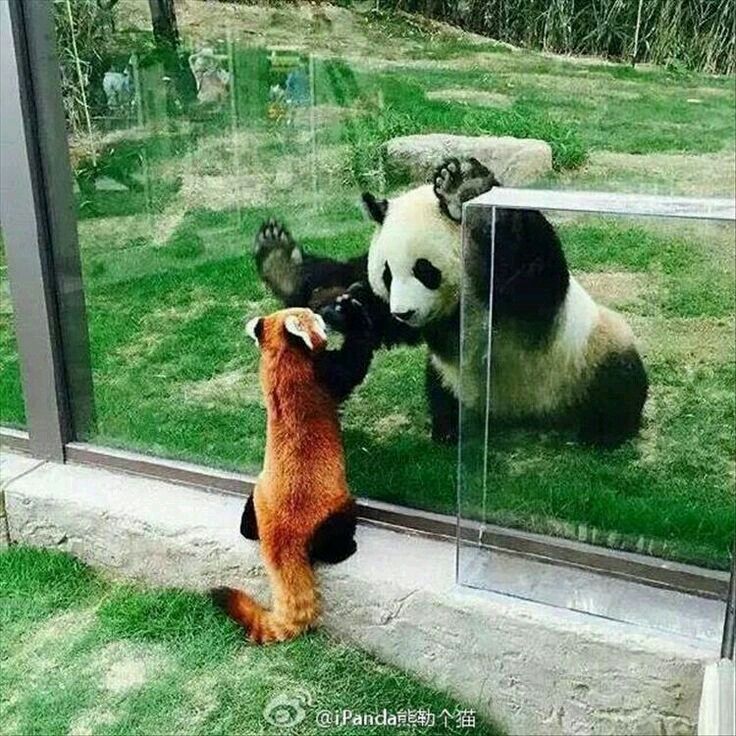
Giant pandas are bears; red pandas are in their own family closer to weasels. Convergent bamboo evolution, pseudo-thumbs, and the shared name explained.
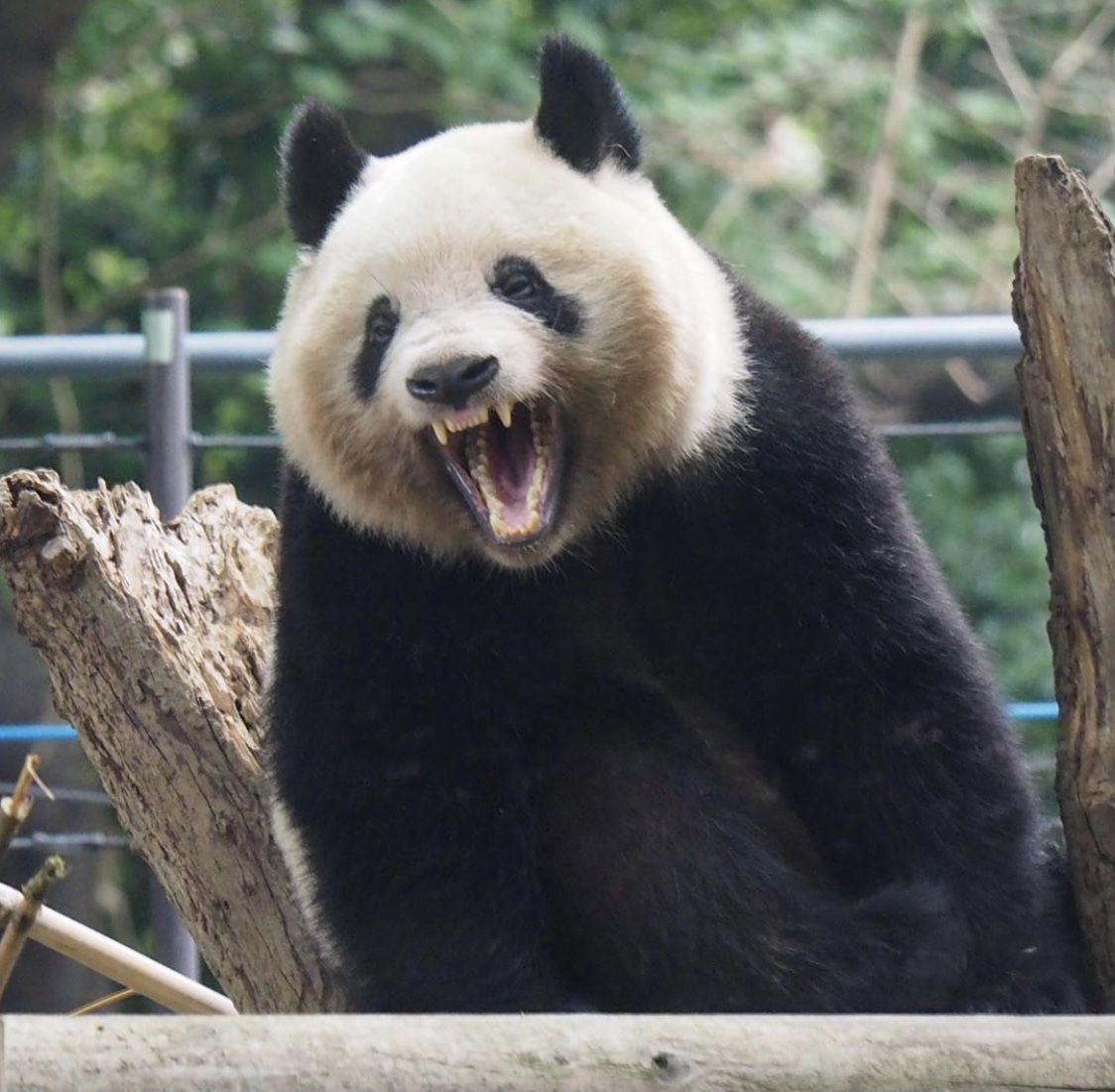
Giant pandas and Asiatic black bears share Chinese forests but occupy different niches. Size, diet, behavior, and range overlap explained.
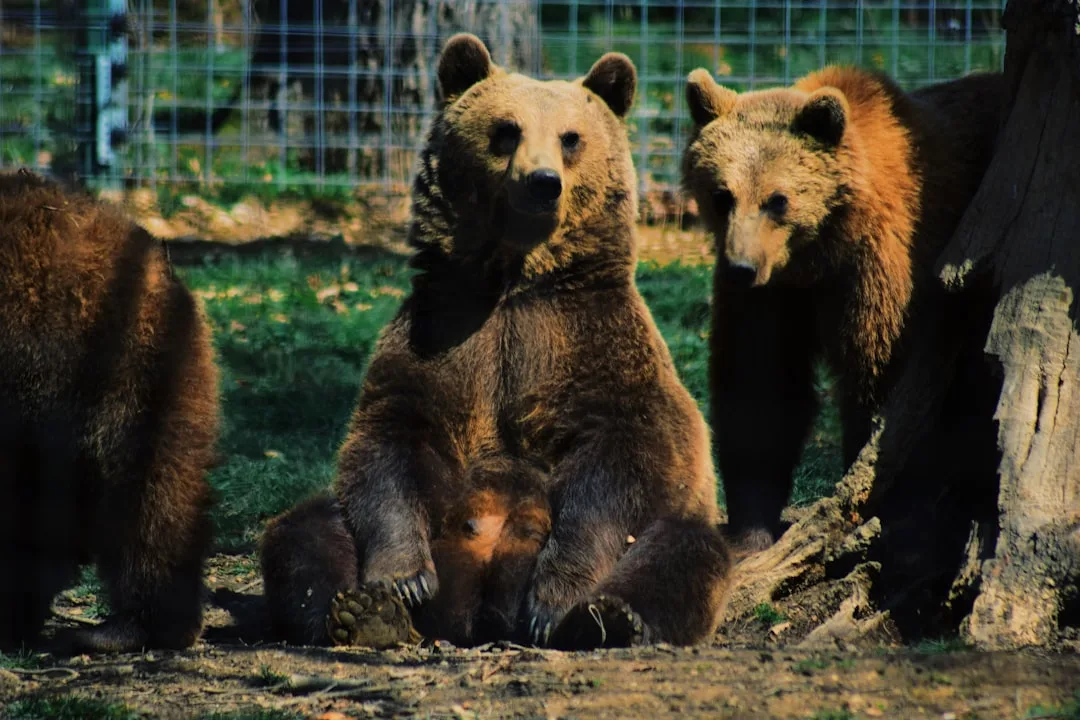
Romania holds 6,000+ brown bears, Europe's largest population. Full breakdown of brown bear range across 22 European countries with current numbers and trends.
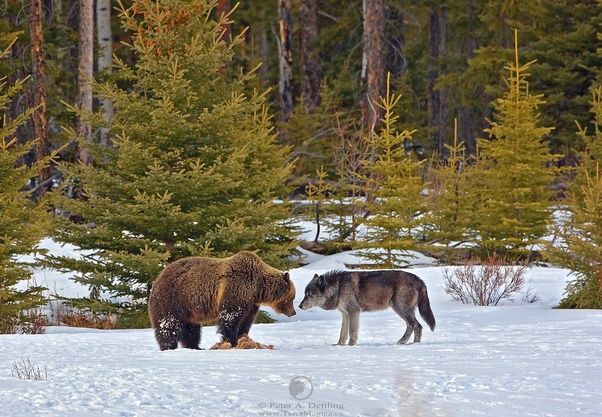
Every grizzly IS a brown bear, but not every brown bear is a grizzly. Untangling the taxonomy, regional names, and why coastal bears are bigger than inland.
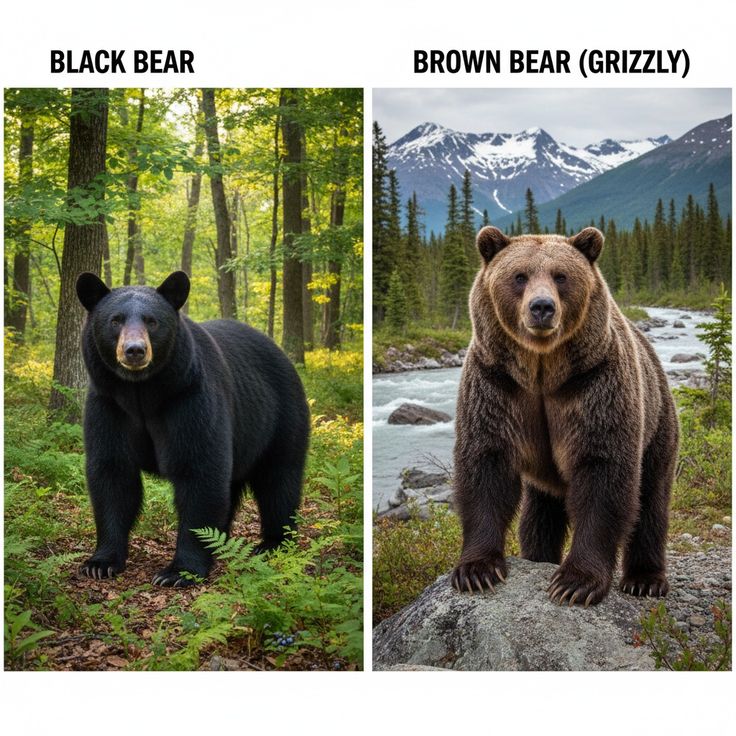
Every brown bear on Earth is Ursus arctos, but subspecies range from 750 kg Kodiaks to 30 surviving Gobi bears. The full taxonomy, minus the obsolete names.
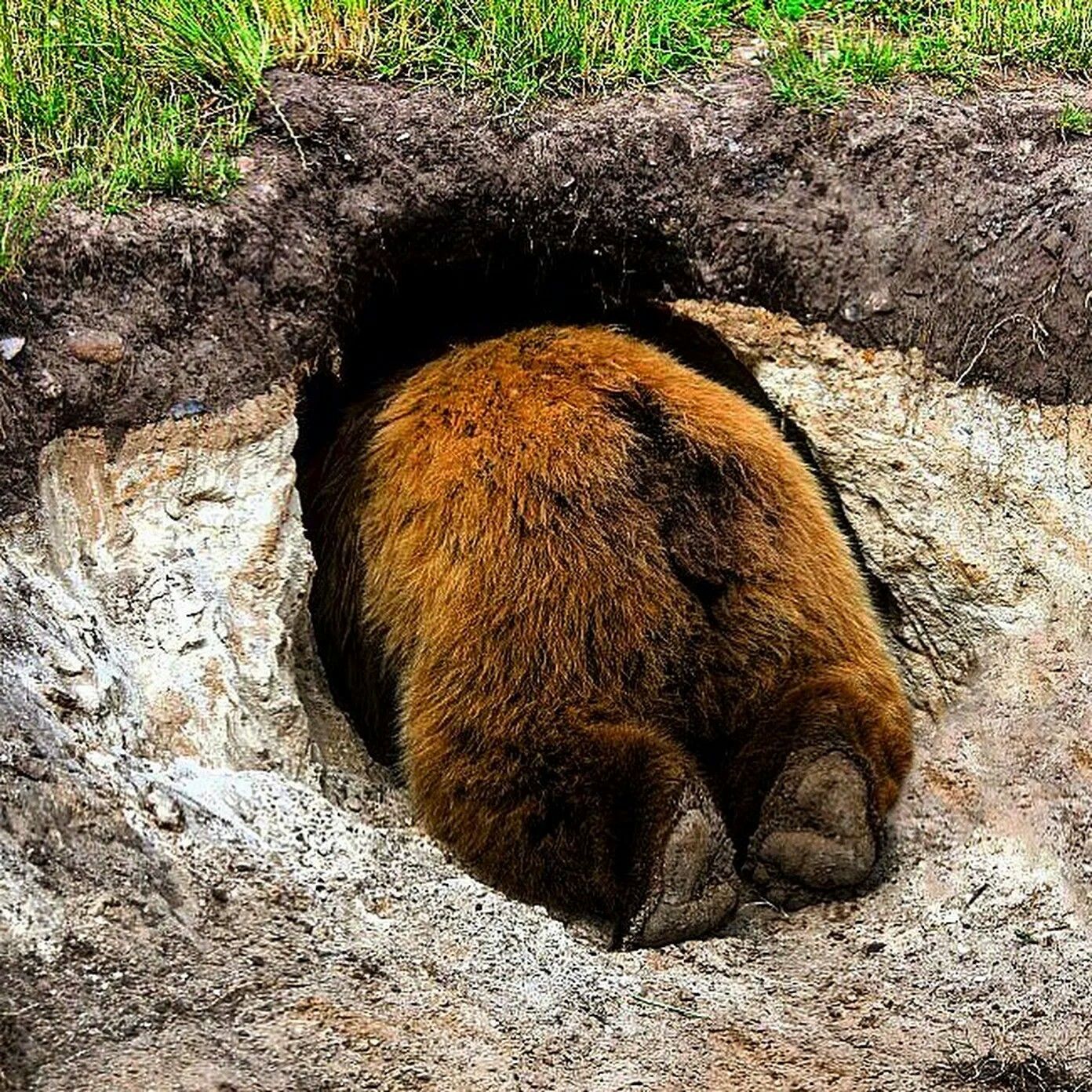
Scandinavian brown bears hibernate 6-7 months; Romanian bears 4-5. Heart rate drops to 8 bpm, females give birth mid-sleep. Physiology, dens, climate effects.
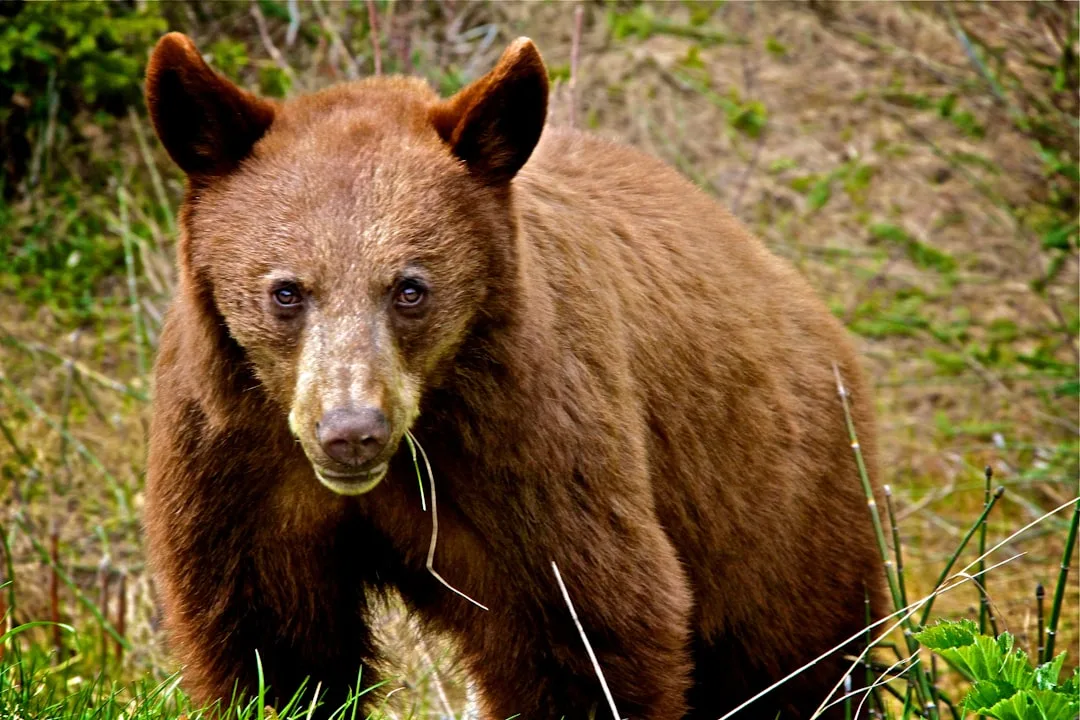
Brown bear cubs weigh 350-500 g at birth mid-hibernation. The mother-cub bond, infanticide risk from boars, and how maternal care shapes survival.
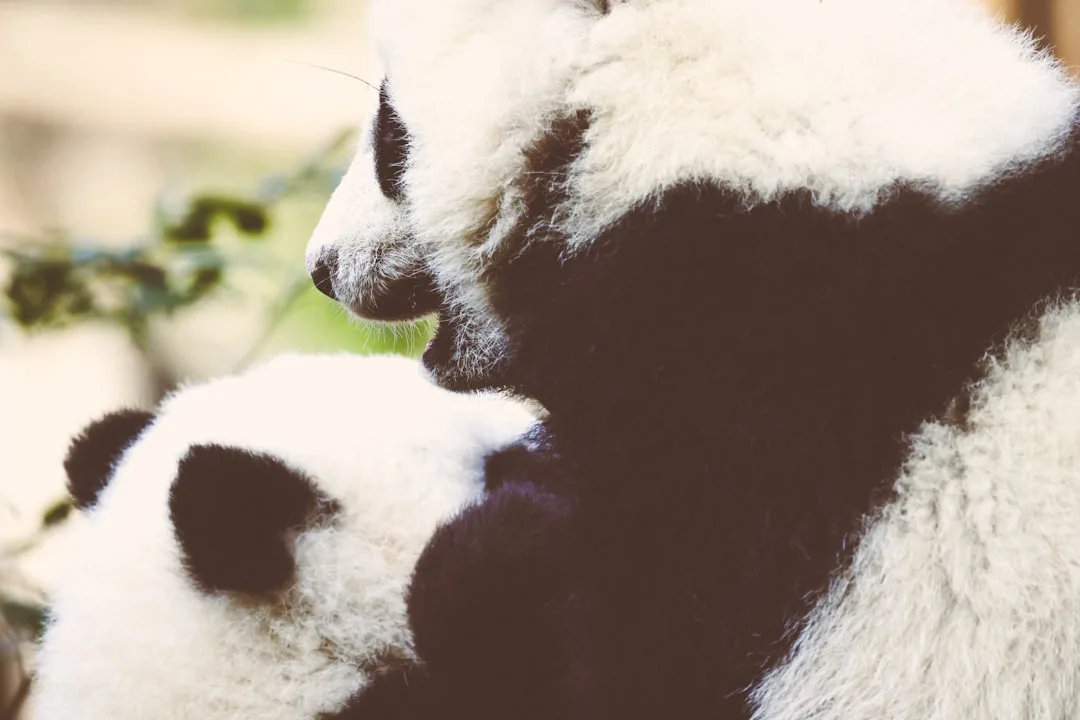
Yes, giant pandas are bears. The 100-year debate ended with DNA evidence placing them firmly in Ursidae. Red pandas however are a different family altogether.
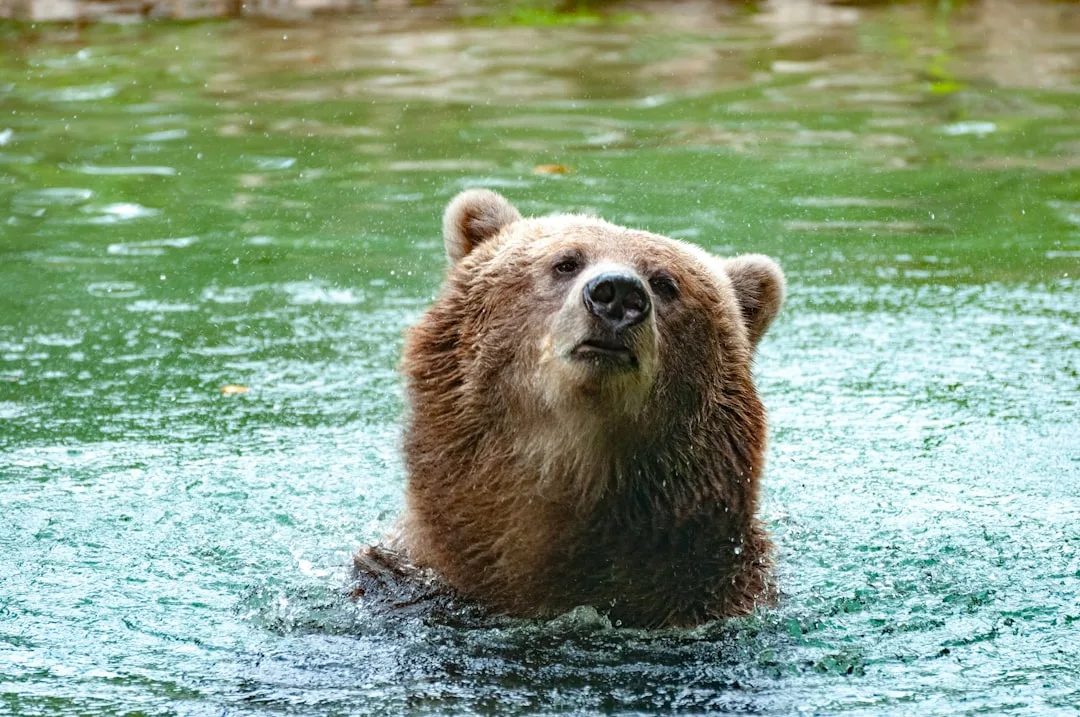
Grizzly bear attacks by the numbers, why bear spray beats firearms, and protocols for surviving an encounter. Real data, real cases, no hype.
