

fish
Painted Frogfish: Nature's Fastest Striker
Uncover the facts about giant squids, their size, and why they remain shrouded in mystery and myth.
Discover strange facts about marine life: sharks, whales, octopuses, jellyfish, deep-sea creatures, coral reefs, and the bizarre animals hiding in the world's
The ocean covers more than 70 percent of our planet, yet we have explored less of the deep sea than the surface of Mars. Beneath the waves lies a world of staggering diversity, from apex predators like great white sharks patrolling coastal waters to translucent creatures drifting through the midnight zone where sunlight never reaches.
Every year, marine biologists discover hundreds of new species, reminding us how much remains unknown about life in the sea.
This collection brings together expert articles on the full spectrum of marine life: sharks, rays, and ocean predators that have ruled the seas for hundreds of millions of years, whales and marine mammals whose intelligence and social structures rival our own, deep sea organisms that thrive under pressures that would crush steel, and coral reef ecosystems that support a quarter of all marine species despite covering less than one percent of the ocean floor.
What you will find: In-depth articles on marine biology, ocean ecology, and the remarkable adaptations that allow creatures to survive in every corner of the sea, from sunlit shallows to hydrothermal vents thousands of meters below the surface.
Discover strange facts about sharks: great whites, hammerheads, tiger sharks, bull sharks, makos, whale sharks, and the apex predators that have hunted oceans for 400 million years.
16 articlesDiscover strange facts about whales and dolphins: blue whales, orcas, sperm whales, narwhals, bottlenose dolphins, belugas, and the intelligent marine mammals of every ocean.
14 articlesDiscover strange facts about octopuses: giant Pacific, common, blue-ringed, dumbo, and mimic octopuses, the eight-armed cephalopods with three hearts, blue blood, and alien intelligence.
6 articlesDiscover strange facts about coral reefs: pillar corals, staghorn corals, Great Barrier Reef ecosystems, and the underwater cities that support 25% of all marine species.
8 articlesDiscover strange facts about deep-sea creatures: anglerfish, vampire squid, giant isopods, hatchetfish, and the bizarre bioluminescent animals from the ocean's darkest trenches.
25 articlesDiscover strange facts about jellyfish: box jellyfish, lion's mane, immortal jellyfish, sea wasps, and the brainless ancient drifters that sting, glow, and sometimes never die.
12 articlesDiscover strange facts about sea turtles: leatherbacks, greens, hawksbills, loggerheads, and olive ridleys, the ancient mariners that navigate thousands of kilometres using Earth's magnetic field.
5 articlesDiscover strange facts about fish: archerfish, electric eels, ocean sunfish, pufferfish, sailfish, seahorses, and the most diverse vertebrate group on the planet.
18 articlesDiscover strange facts about crustaceans: mantis shrimp, coconut crabs, lobsters, hermit crabs, krill, barnacles, and the armored sea life with the most bizarre eyes and punches in nature.
10 articlesDiscover strange facts about rays: manta rays, stingrays, electric rays, eagle rays, and the cartilaginous fish that glide through oceans like underwater birds.
6 articlesDiscover strange facts about cephalopods: octopuses, squids, cuttlefish, nautiluses, and the most intelligent invertebrates on Earth, with camouflage, ink, and 360-degree vision.
13 articlesDiscover strange facts about whales: blue whales, humpbacks, sperm whales, bowheads, fin whales, and the largest animals ever to live, with songs that travel oceans.
2 articlesUncover the facts about giant squids, their size, and why they remain shrouded in mystery and myth.
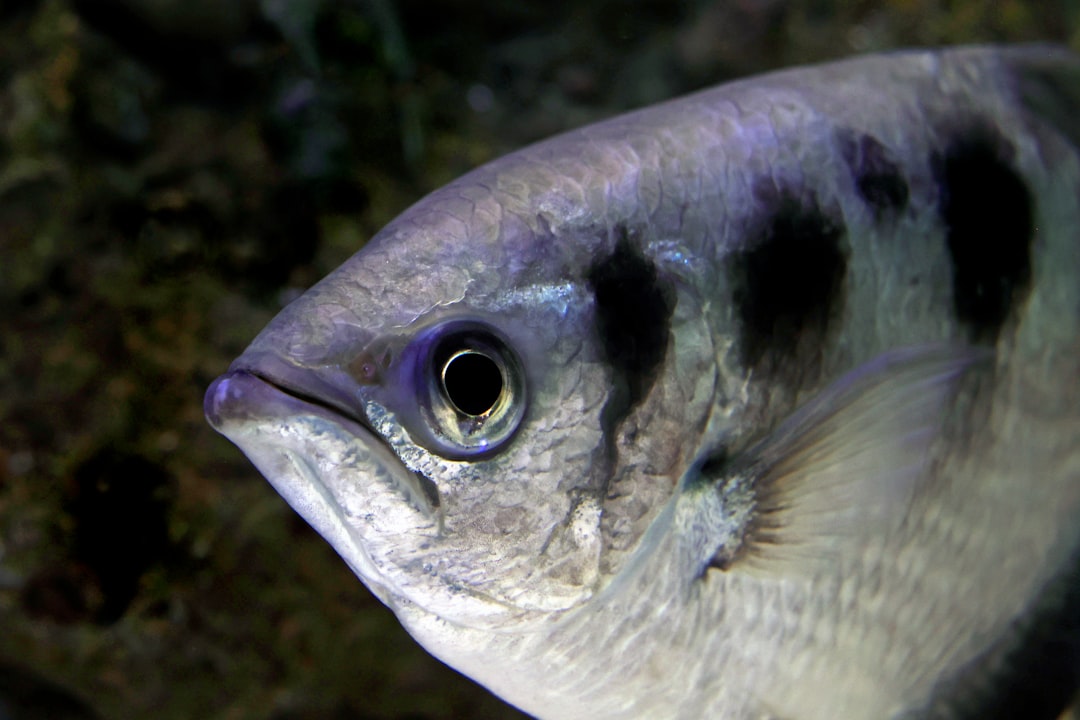
The archerfish spits jets of water to knock insects off branches up to 3 metres away. Discover the physics, neuroscience, and ecology of Toxotes jaculatrix.
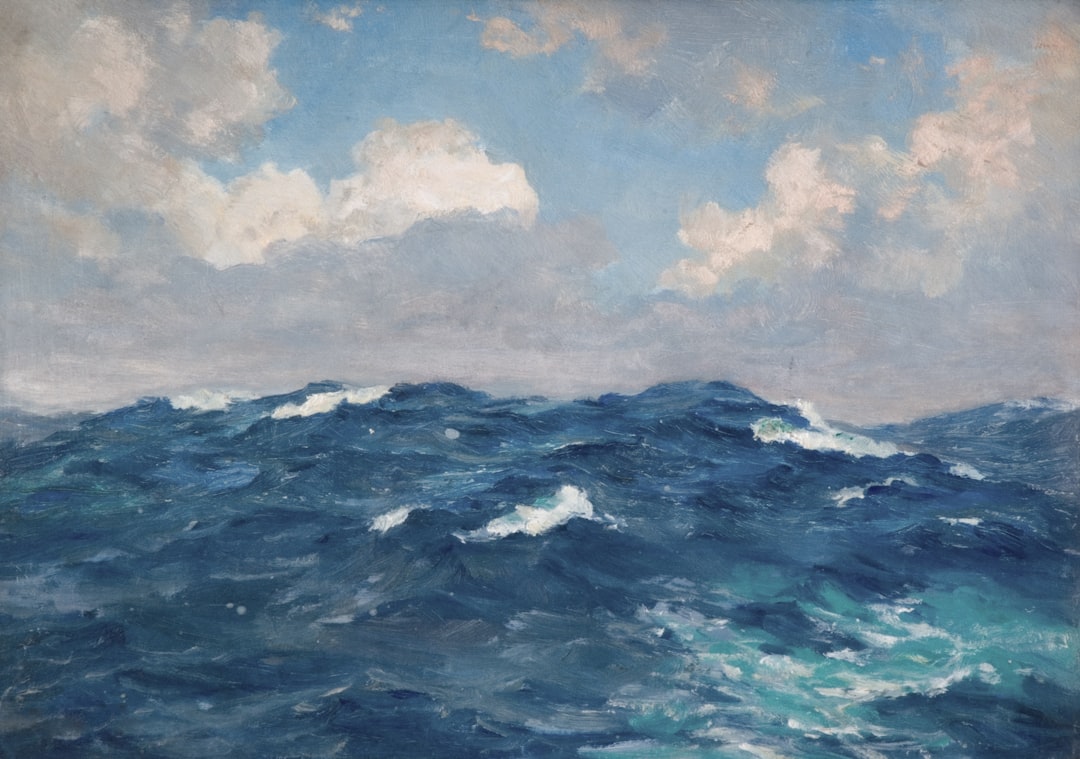
Discover the painted frogfish's incredible hunting techniques and vibrant color-changing abilities.
Corals, giant clams, sacoglossan sea slugs and the spotted salamander all convert sunlight into food, none of them unaided.
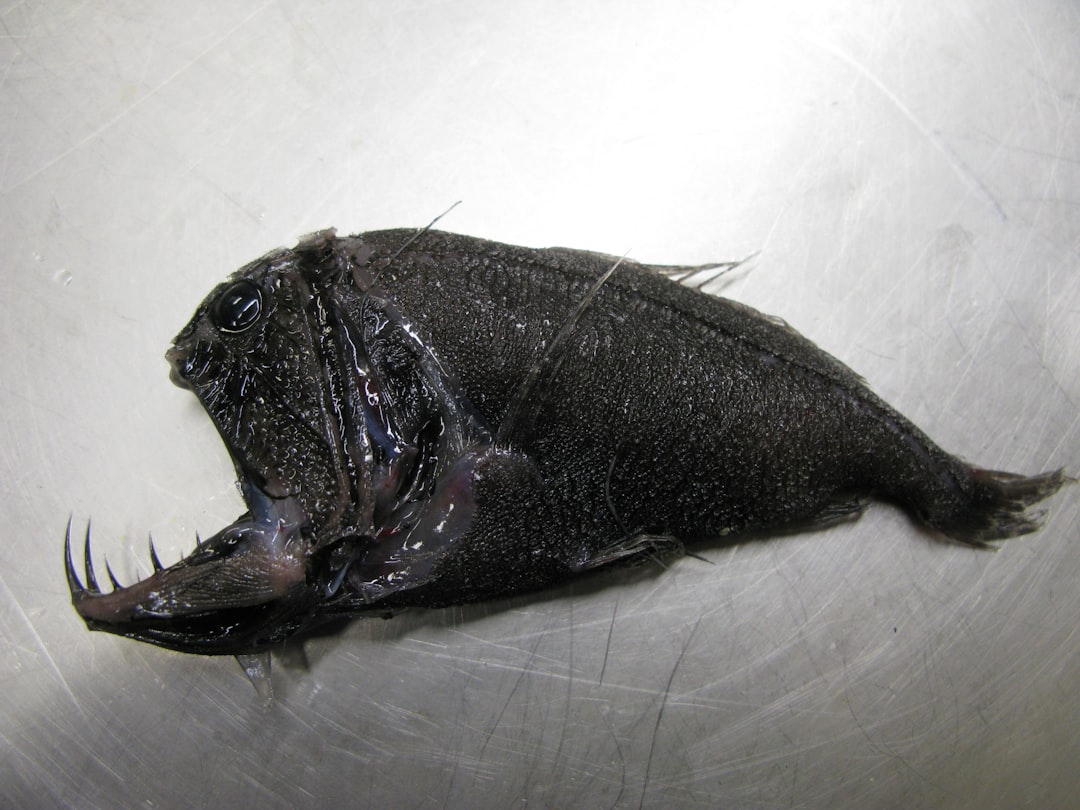
Explore the fascinating world of the viperfish, a deep-sea predator with fang-like teeth and bioluminescence. Learn about its anatomy, hunting, and ecological role.
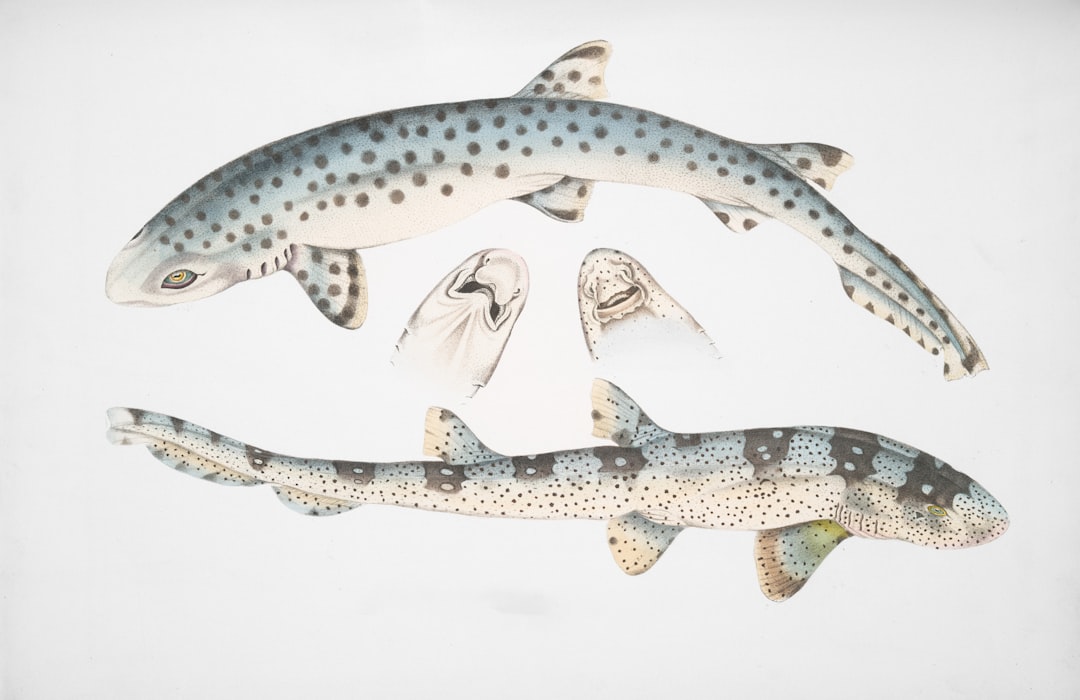
Discover the spotted handfish (Brachionichthys hirsutus), a rare Tasmanian fish that walks on its fins. Explore its unique biology, behavior, conservation, and future.
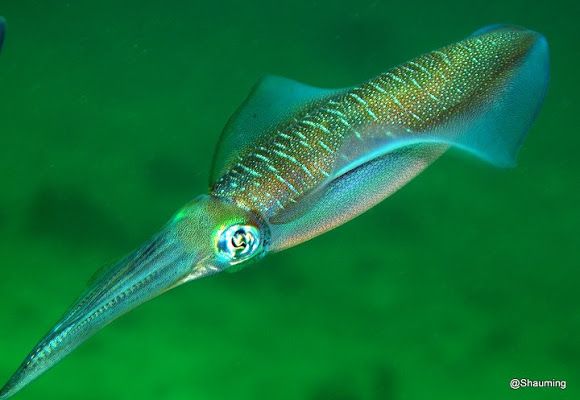
Discover the mysterious bigfin squid (Magnapinna), the deep-sea cephalopod with elbow-like arms. Explore its anatomy, habitat, behavior, and ongoing scientific mysteries.
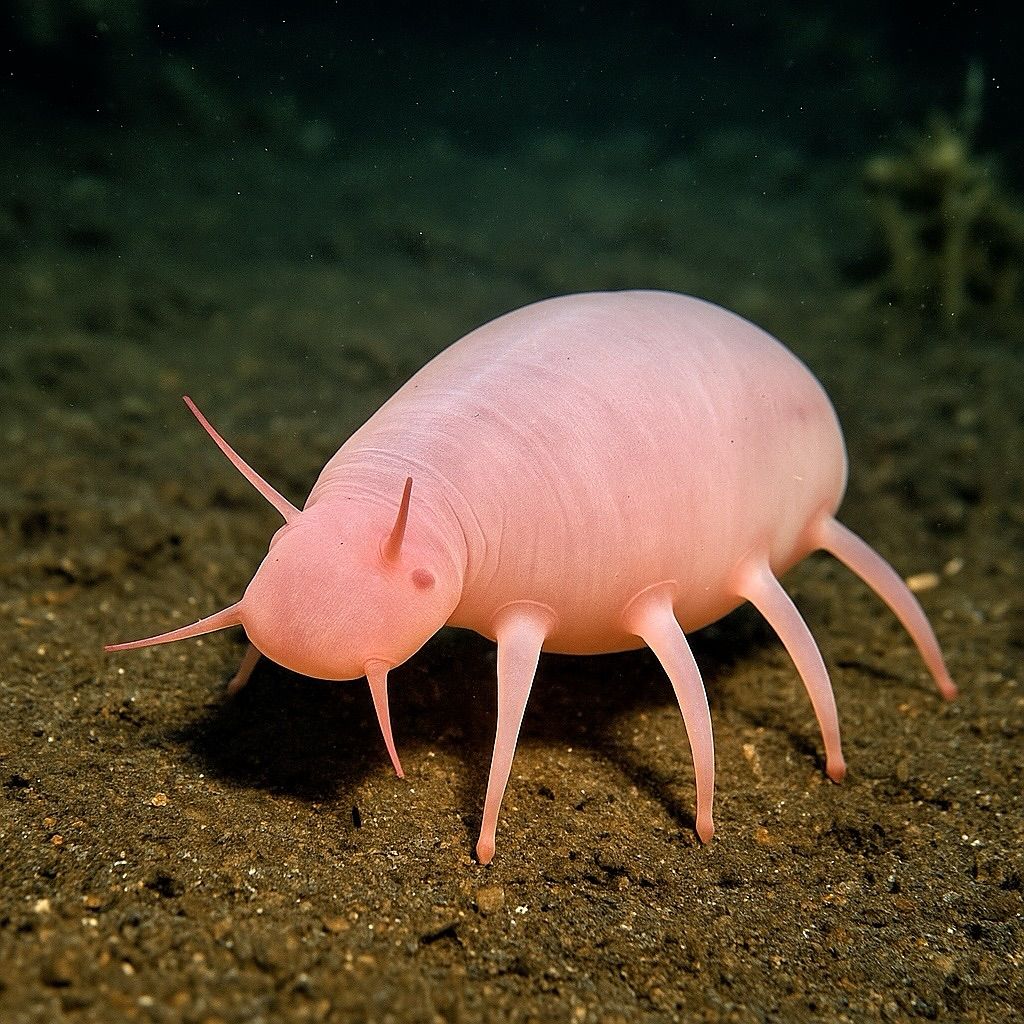
Discover the fascinating sea pig (Scotoplanes), a deep-sea cucumber that 'walks' across the abyssal plain. Explore its anatomy, habitat, role, and unique adaptations.
Discover Edwardsiella andrillae, the Antarctic ice anemone that thrives in frozen environments beneath the Ross Ice Shelf. Explore its adaptations, ecology, and significance.
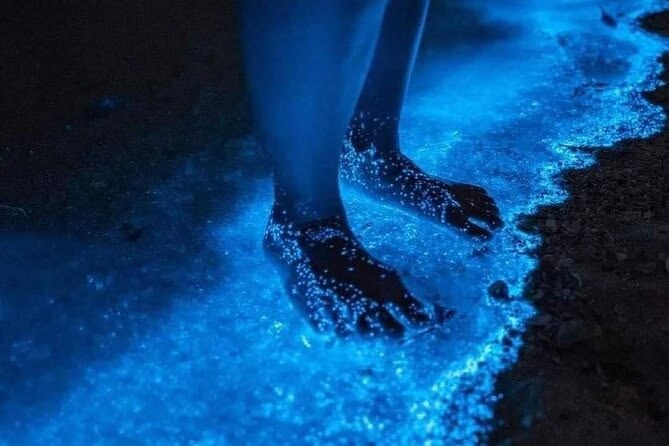
Discover Glaucus atlanticus, the blue dragon sea slug: its unique adaptations, feeding on Portuguese man o’ war, defense mechanisms, life cycle, and ecological role.
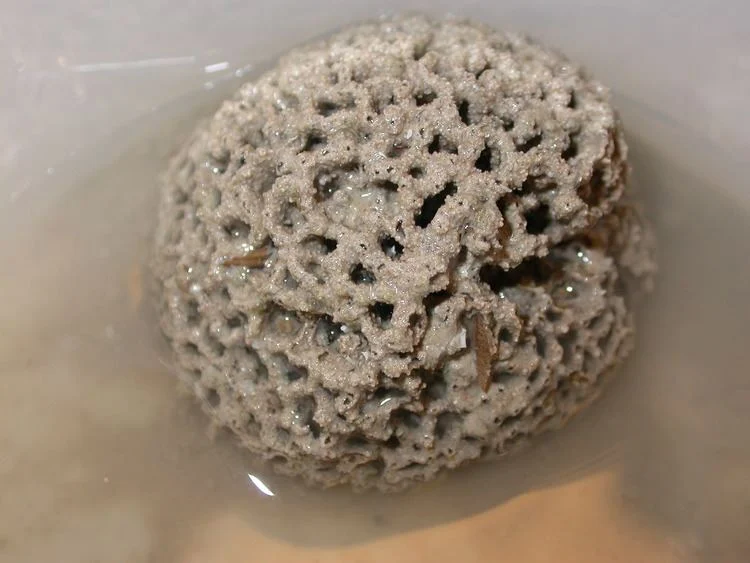
Discover Syringammina fragilissima, the giant single-celled xenophyophore of the deep sea. Explore its biology, ecology, adaptations, and scientific significance.
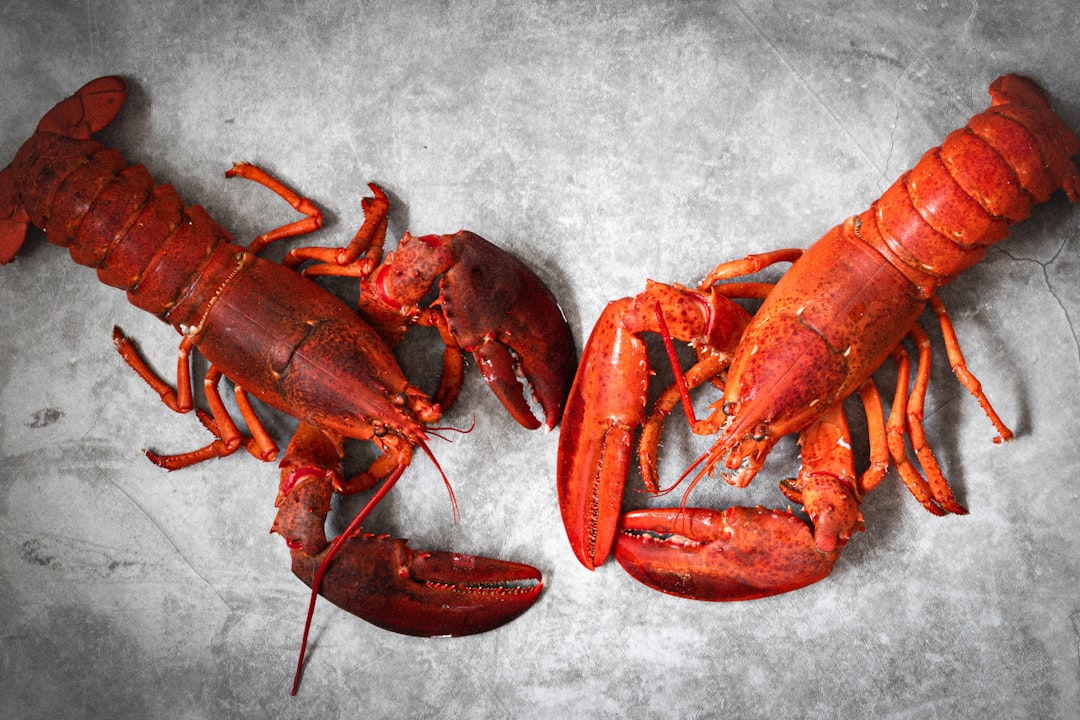
Are lobsters immortal? Explore the science behind lobster aging, telomerase, and the myth of biological immortality. Learn what really limits lobster lifespan.
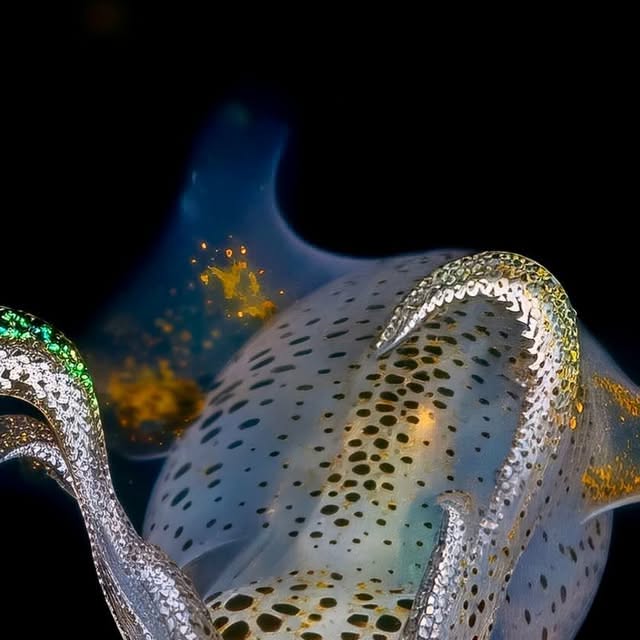
Discover Promachoteuthis sulcus, the deep-sea squid famous for its human-like teeth. Explore its discovery, anatomy, habitat, and the mysteries of this rare cephalopod.
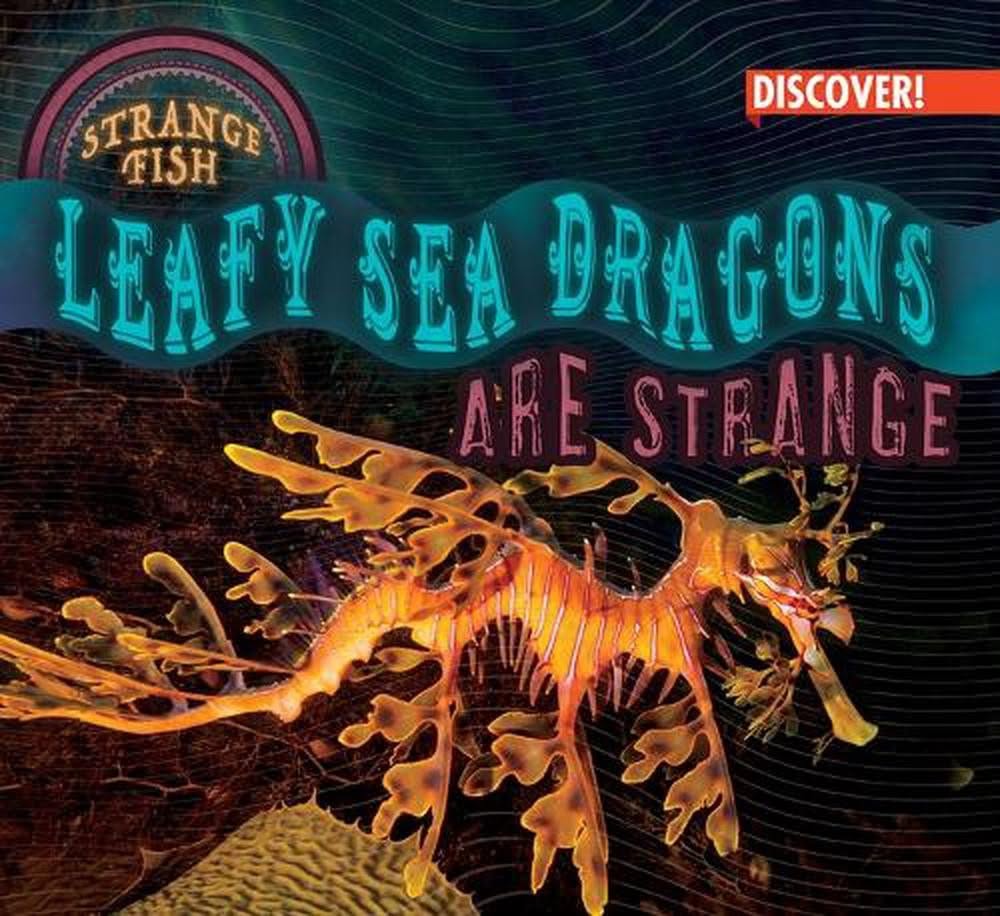
Discover the leafy sea dragon (Phycodurus eques), an Australian marine fish famed for its camouflage, unique adaptations, and vital role in marine ecosystems.
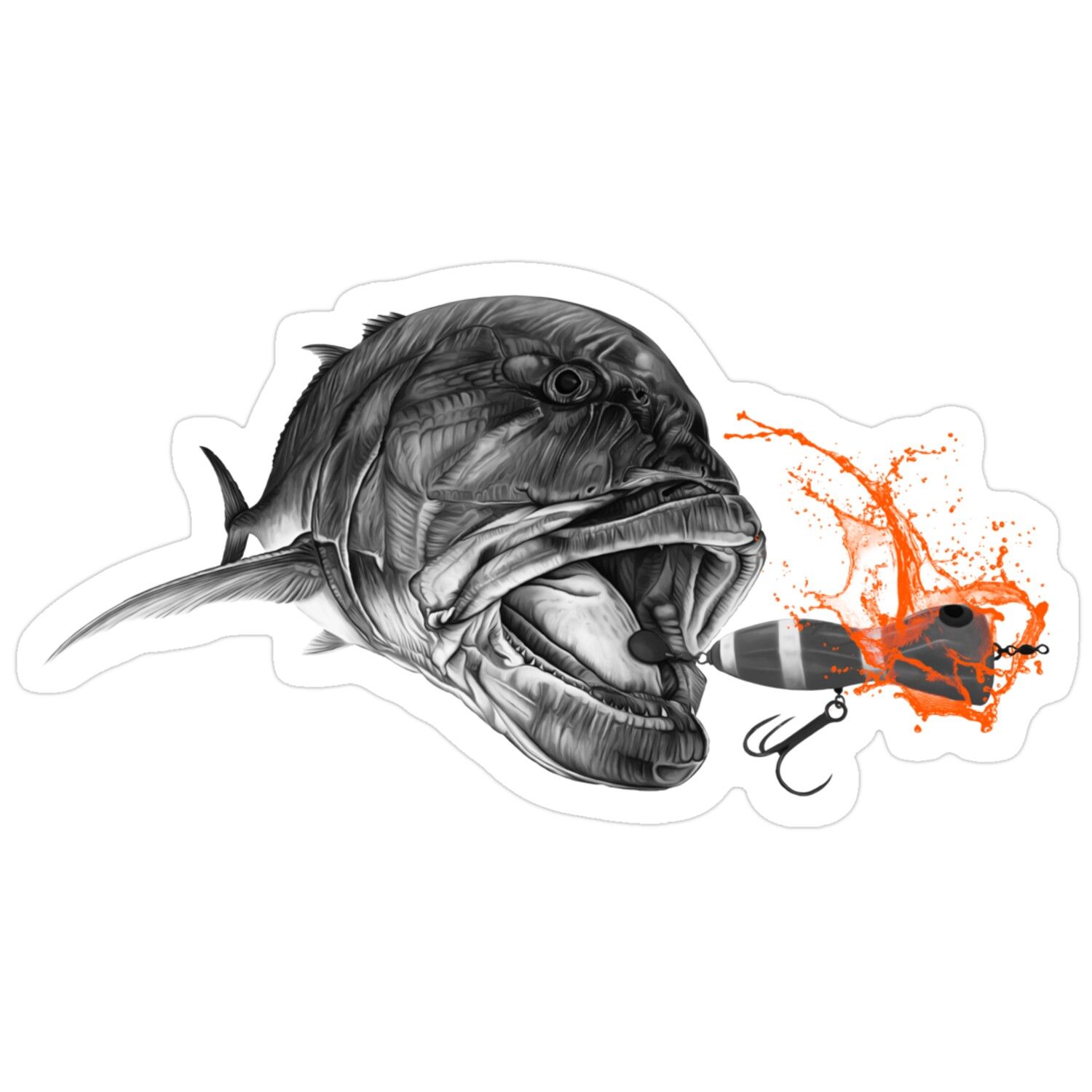
Explore the giant grenadier (Albatrossia pectoralis), a deep-sea rattail fish of the North Pacific. Discover its biology, ecological role, adaptations, and conservation.
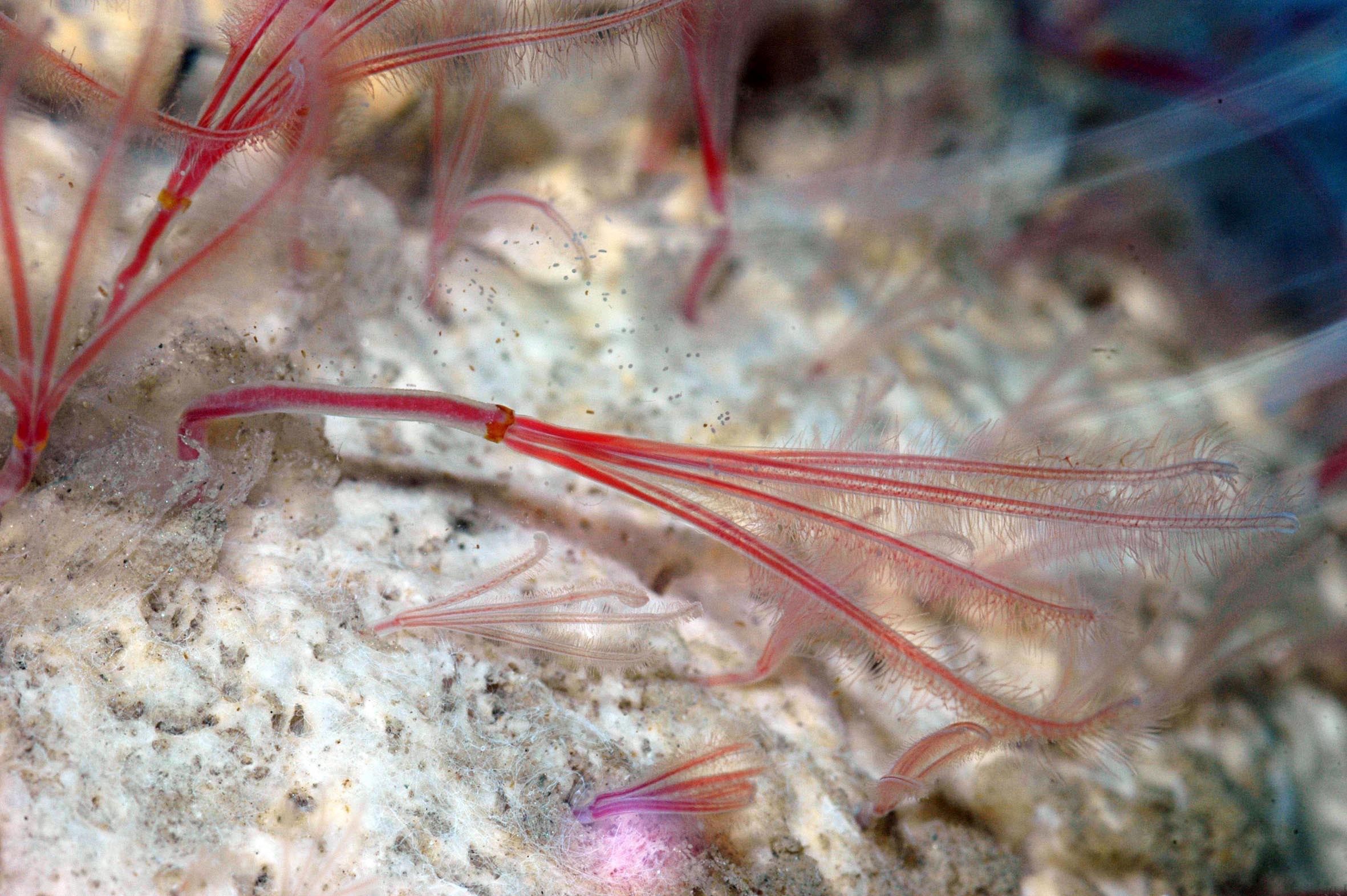
Discover Osedax, the bone-eating zombie worms of the deep sea. Learn about their unique biology, ecological role in whale falls, symbiotic bacteria, and evolutionary history.
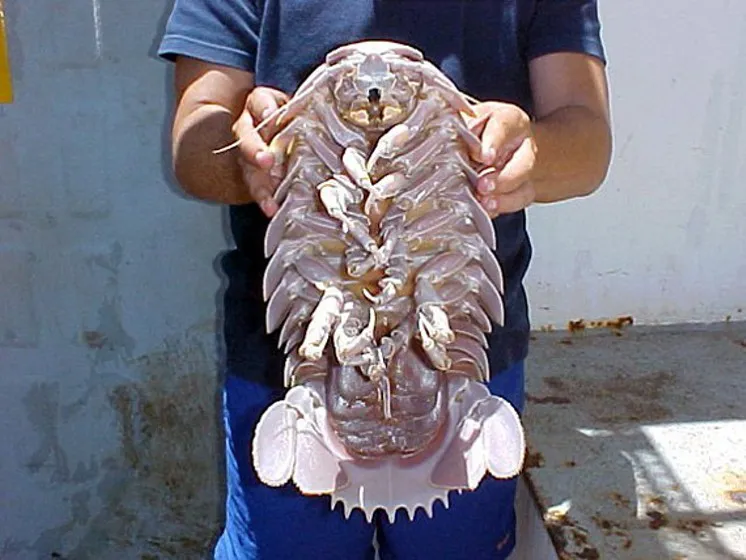
Discover the tongue-eating louse (Cymothoa exigua), a parasitic isopod that replaces fish tongues. Explore its life cycle, impact, and unique biology.
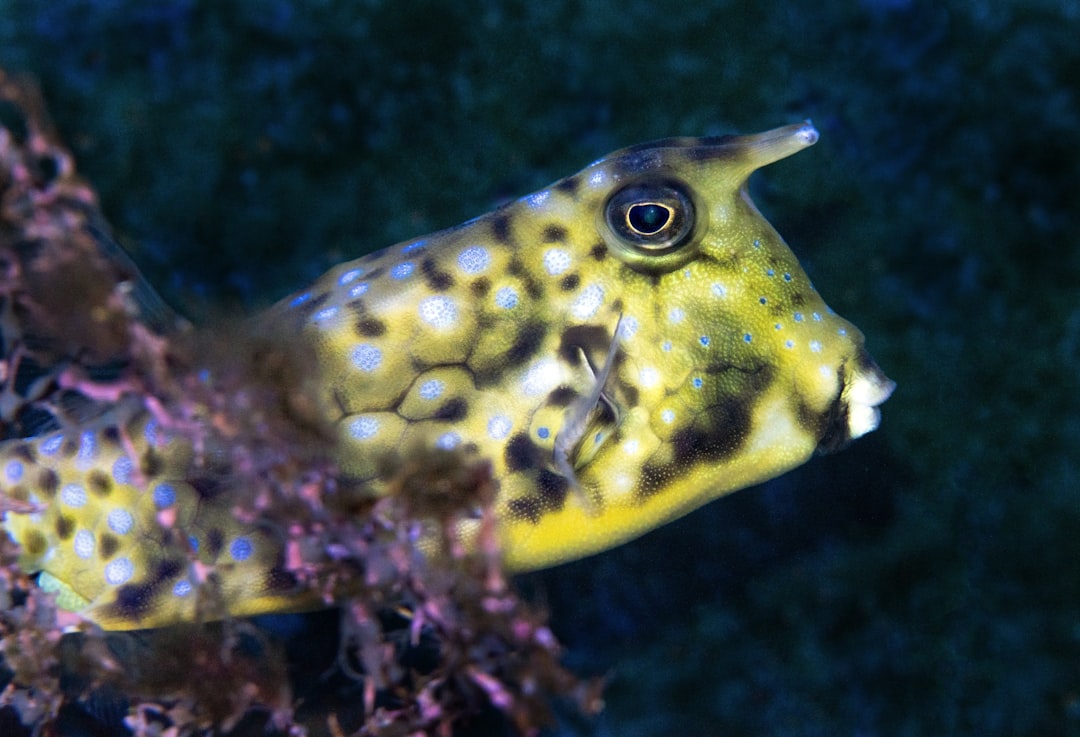
Discover the yellow boxfish (Ostracion cubicus), a cube-shaped reef fish known for its bright color, unique defenses, and vital role in coral reef ecosystems.
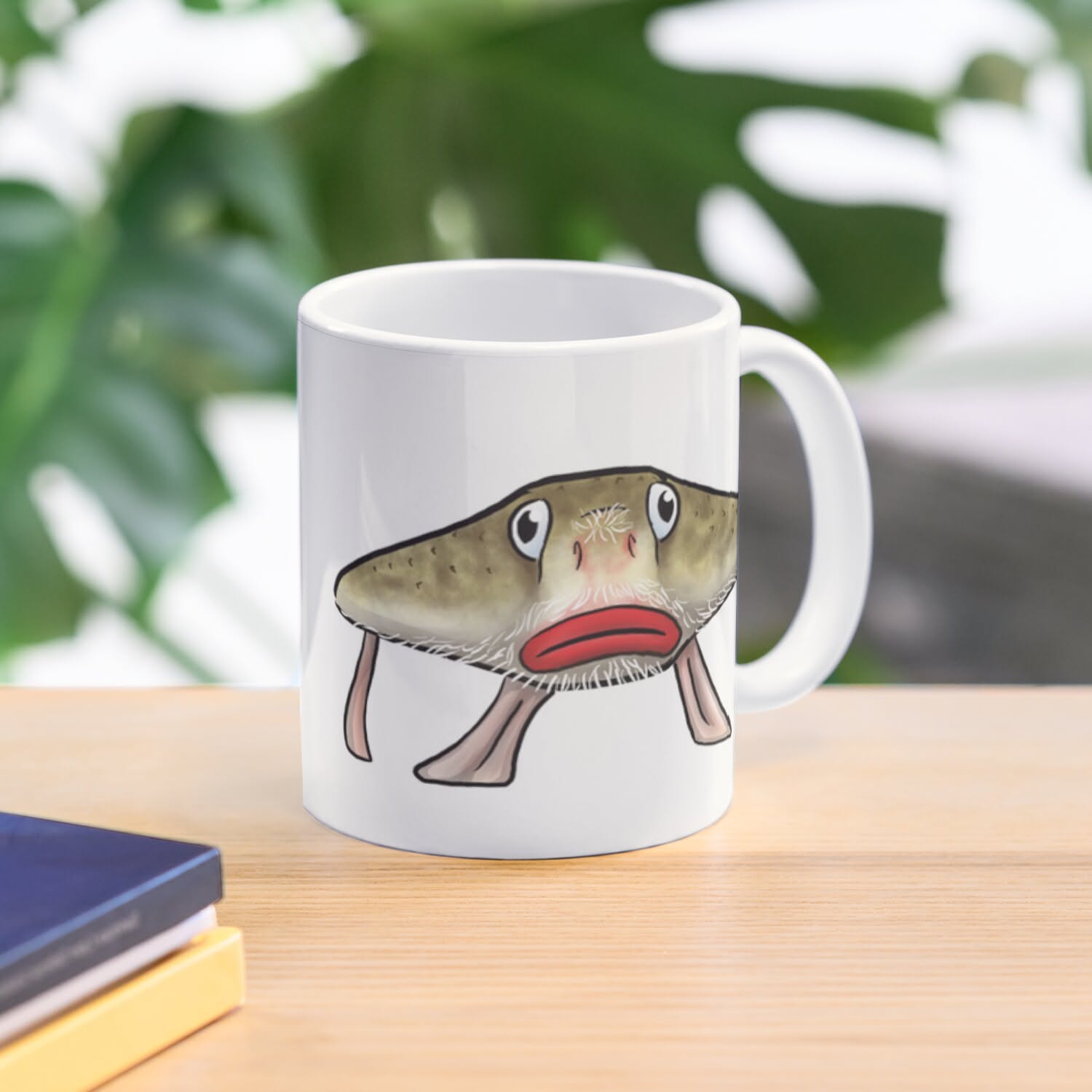
Discover the red-lipped batfish of the Galapagos: its unique appearance, walking behavior, anatomy, diet, evolutionary significance, and conservation status.
Blue-ringed octopuses weigh just 28g but carry enough tetrodotoxin to kill 26 humans. Expert guide to one of the deadliest marine animals on Earth.
Coconut octopuses carry coconut shells for shelter and walk bipedally across sandy bottoms. Expert guide to octopus tool use and why it's so remarkable.
Colossal squid weigh 500kg with the largest eyes of any animal. Expert guide to the Antarctic giant that's actually bigger than the famous giant squid.
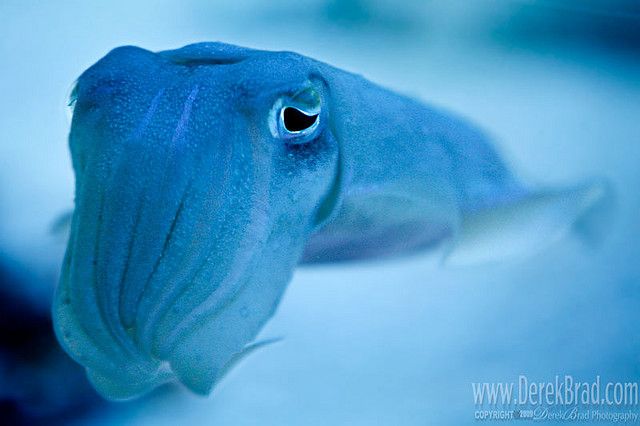
Cuttlefish change color faster than any animal despite being completely colorblind. Expert guide to how they see and why their chromatophores are unique.
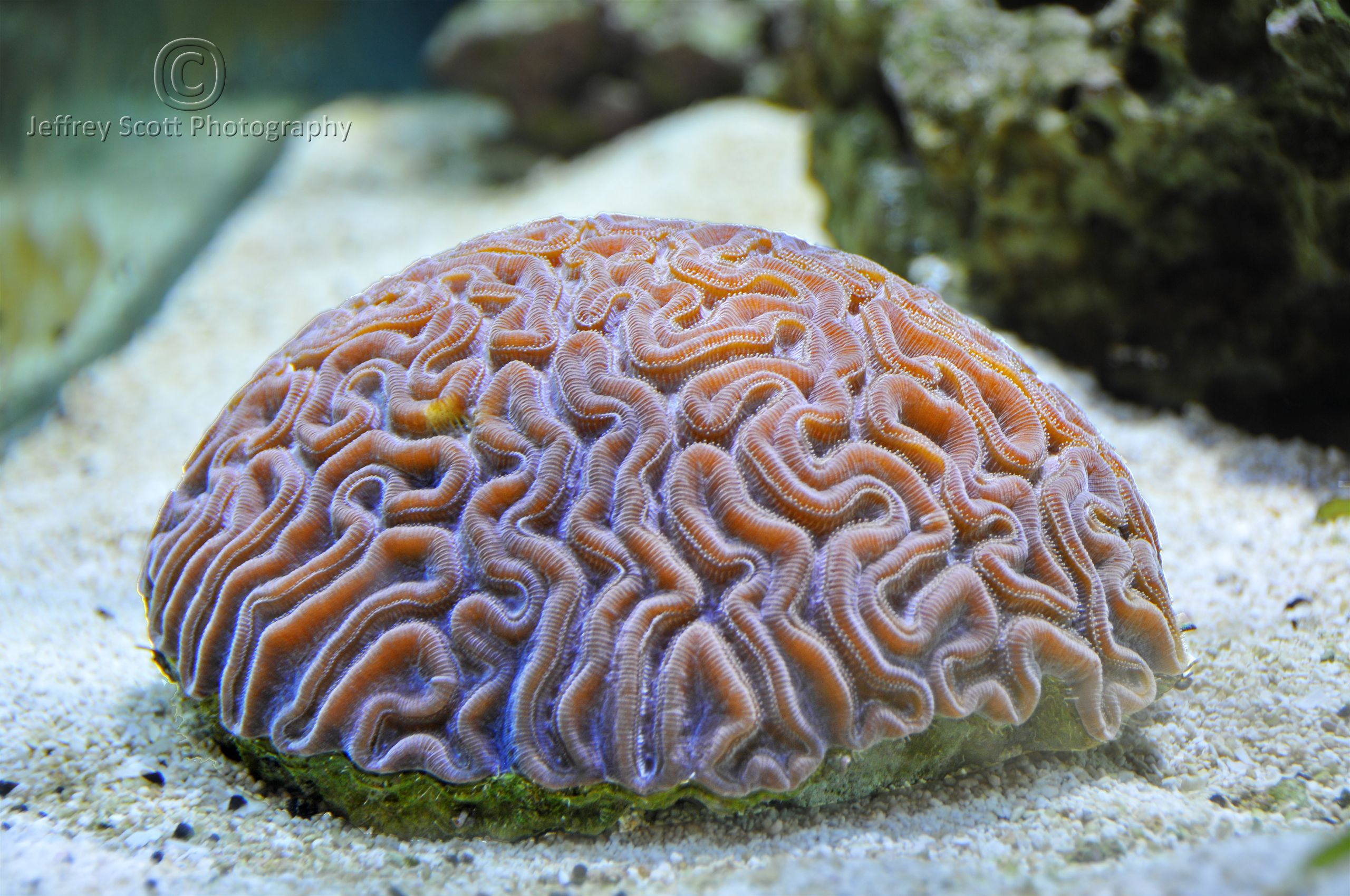
Firefly squid gather in millions each spring in Toyama Bay, producing spectacular blue bioluminescent displays. Expert guide to nature's light show.
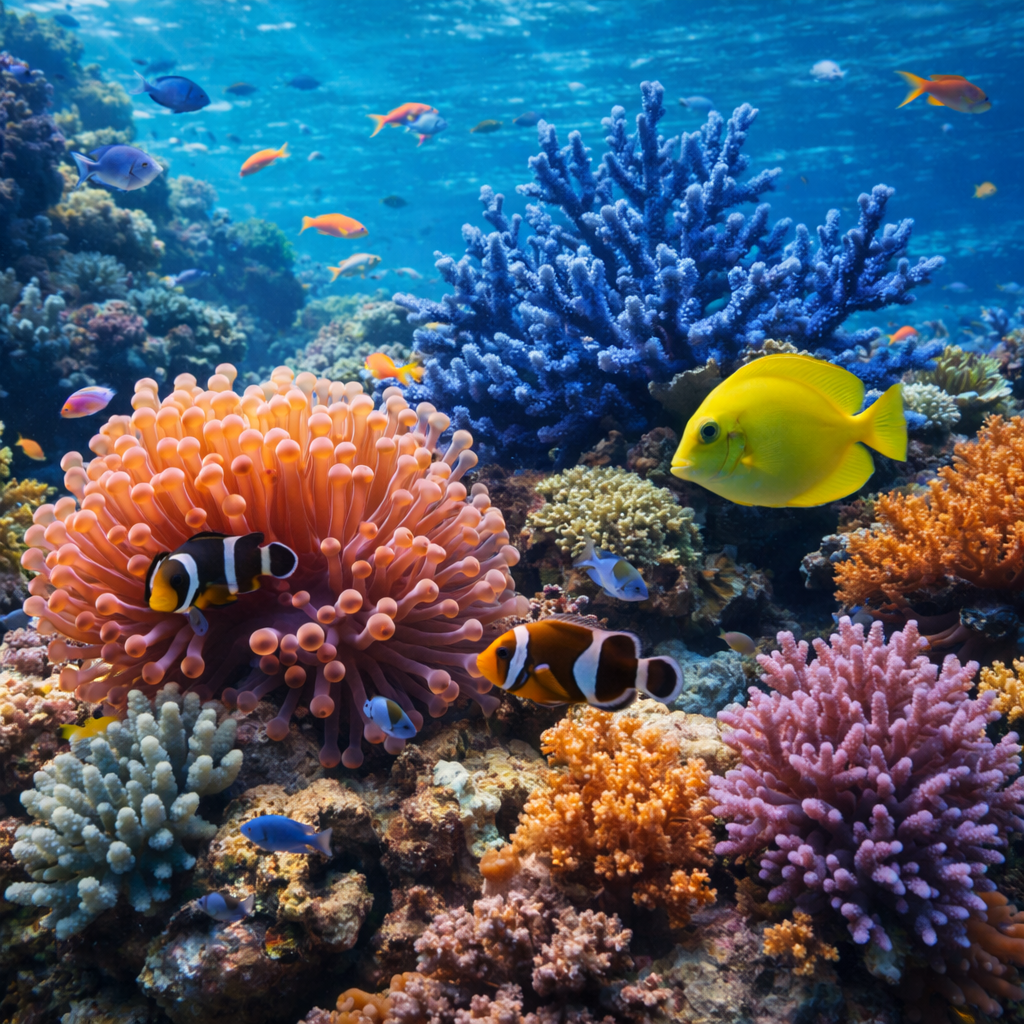
Flamboyant cuttlefish walk on the seafloor and flash bright colors as warnings. Expert guide to the only toxic cuttlefish and why they're so unusual.
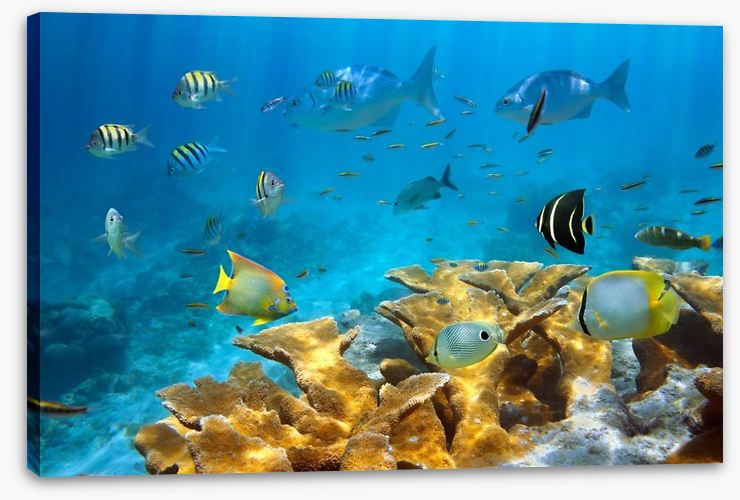
Giant squid reach 13 meters and have the largest eyes of any animal. Expert guide to the real kraken, why they remained mythical until 2004, and their deep sea life.
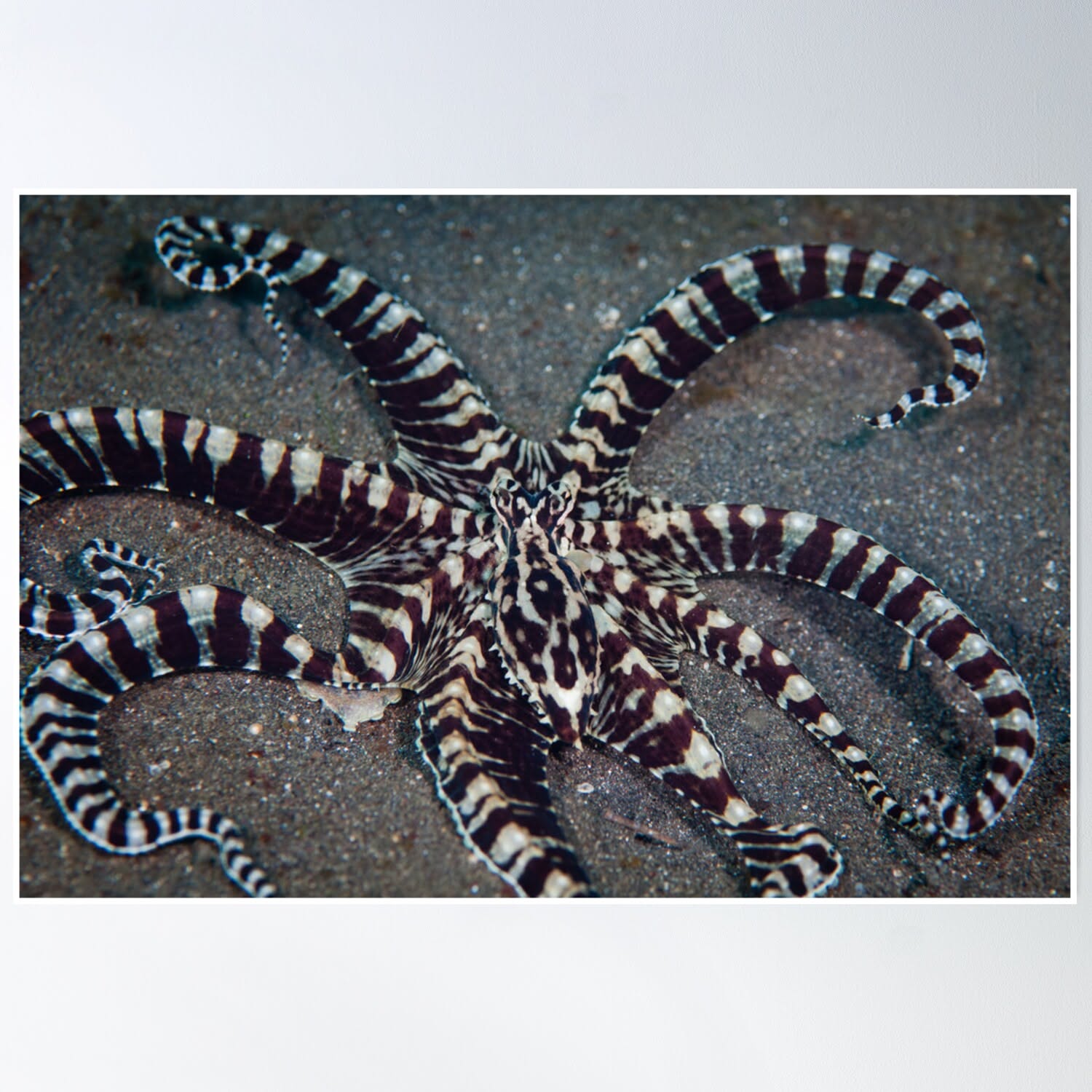
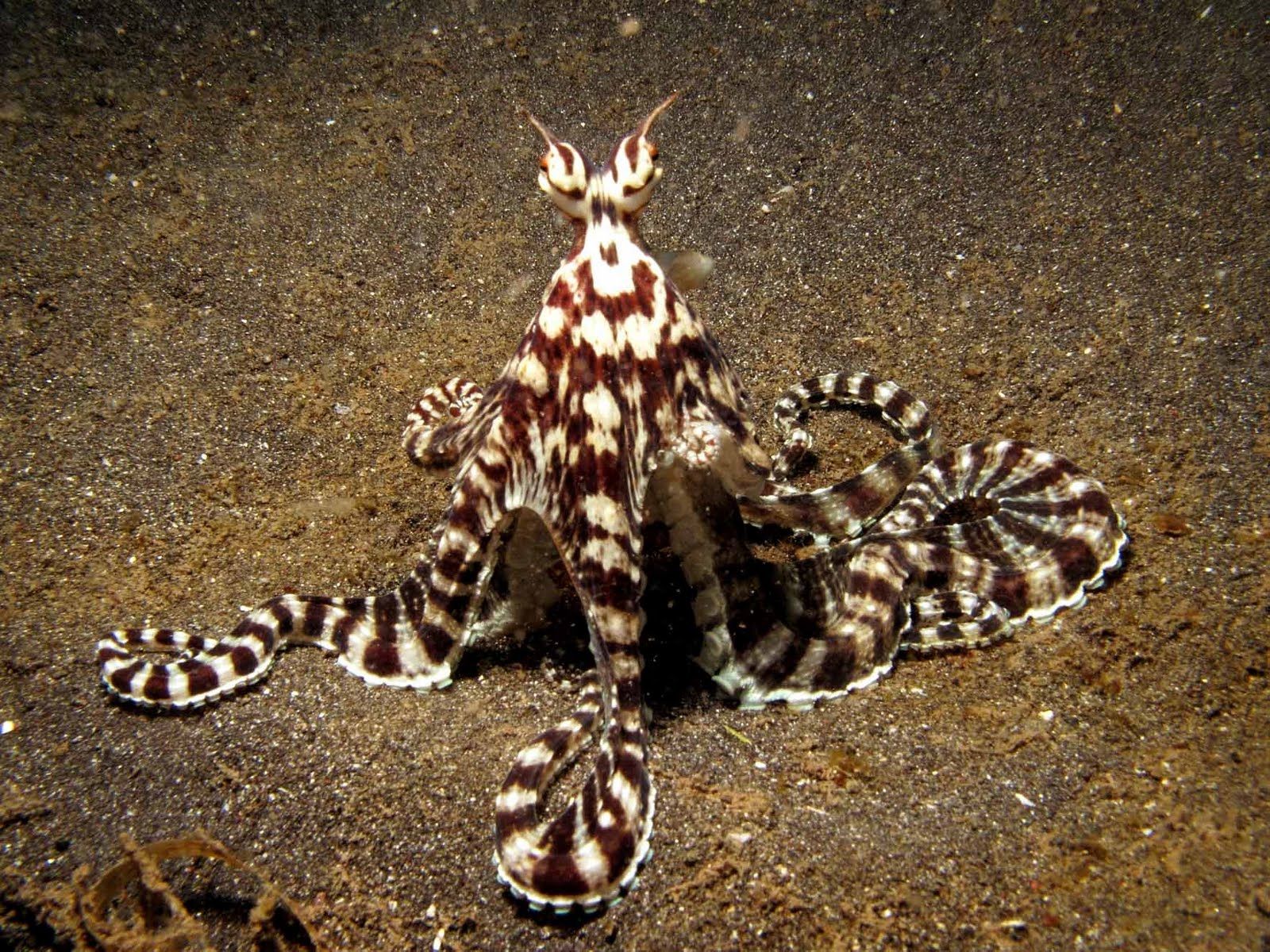
The mimic octopus impersonates flounders, sea snakes, lionfish, and more on demand. Expert guide to the most convincing animal mimic ever discovered.
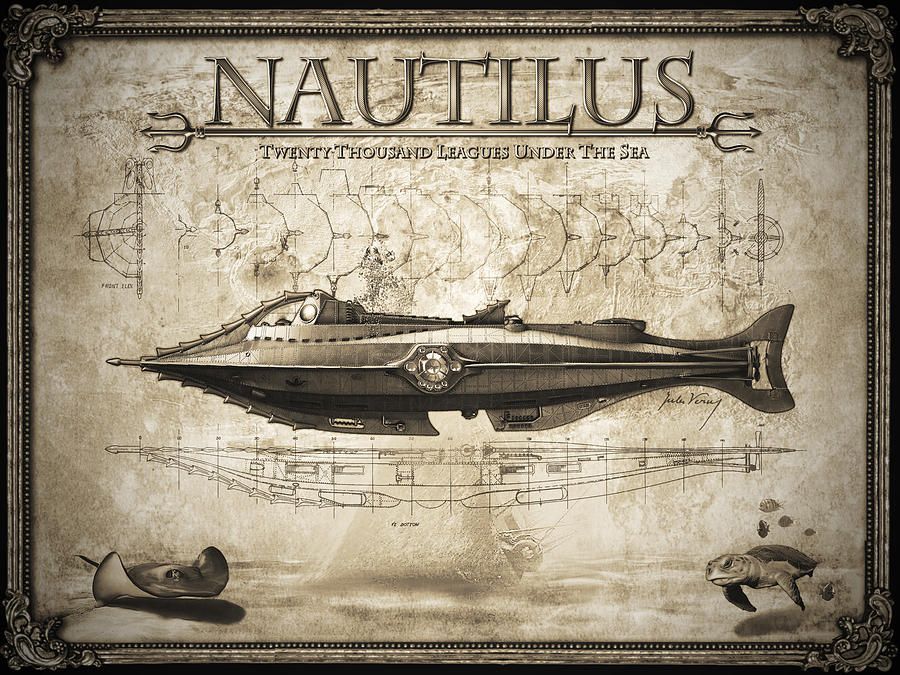
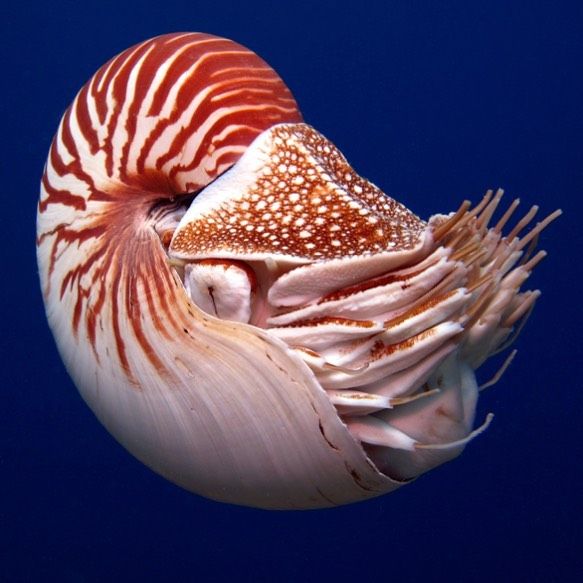
Nautiluses have existed essentially unchanged for 500 million years, predating dinosaurs. Expert guide to the last shelled cephalopods and their ancient lineage.
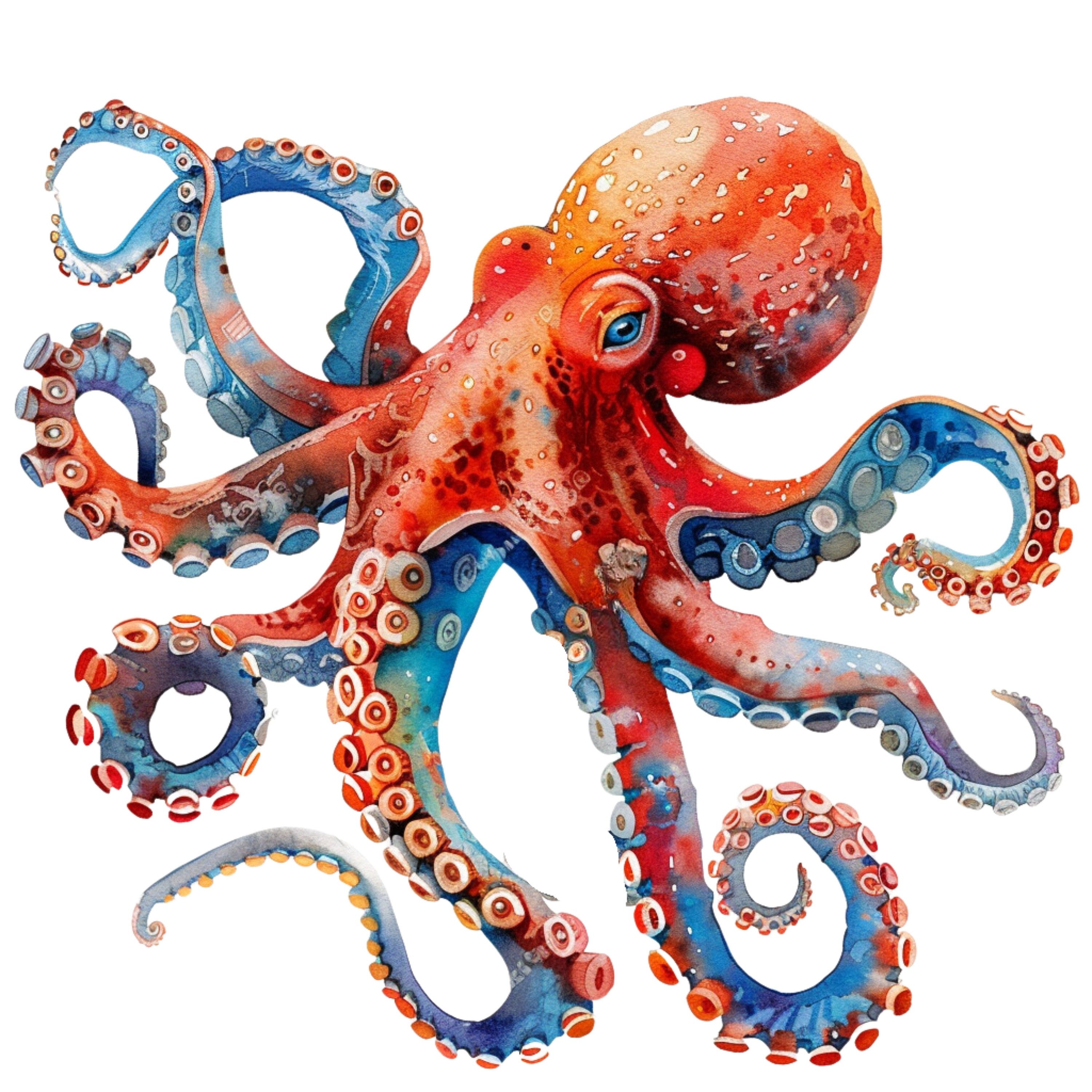
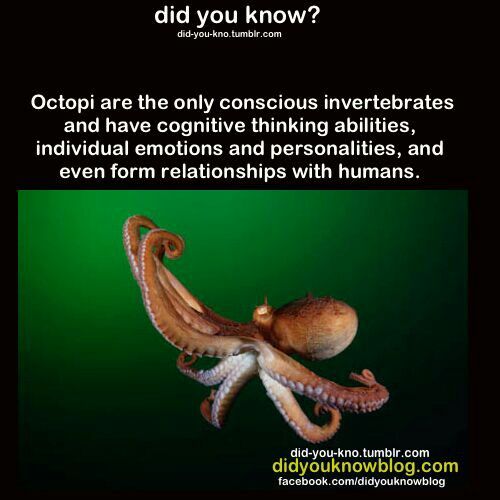
Expert analysis of octopus cognition covering tool use, maze solving, jar opening, camouflage decisions, distributed nervous systems, memory, play behavior, and documented escape feats from aquariums worldwide.
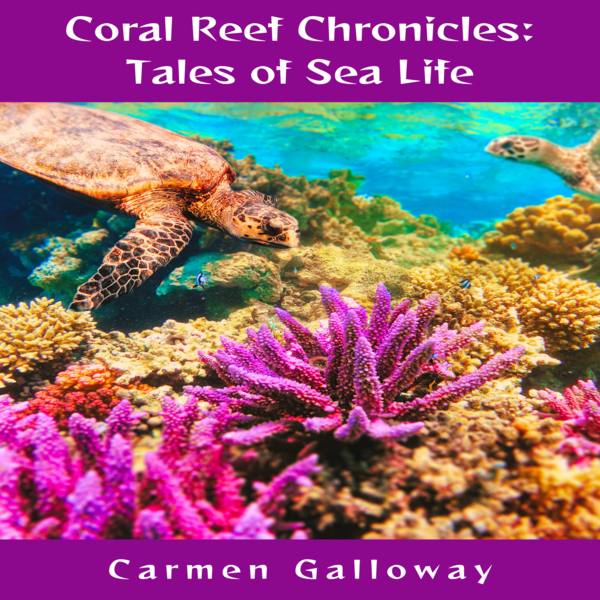
Explore coral reefs, Earth's most biodiverse marine ecosystems. From symbiotic algae to mass bleaching events, learn how reefs work and why they are disappearing.
The deepest part of the ocean is the Challenger Deep in the Mariana Trench, reaching nearly 11,000 meters below the surface. Life at these extreme depths includes xenophyophores, amphipods, polychaete worms, and various species of snailfish. These organisms survive crushing pressures exceeding 1,000 atmospheres using specialized proteins and cell membranes adapted to extreme compression.
Microbial life thrives even at the very bottom, feeding on organic matter that sinks from the surface.
Sharks possess an extraordinary array of sensory systems that work together across different distances. At long range, they detect low-frequency vibrations through their lateral line system and can smell blood diluted to one part per million. At mid-range, their hearing detects the thrashing of injured fish.
At close range, electroreceptors called ampullae of Lorenzini detect the faint electrical fields generated by muscle contractions and heartbeats, allowing sharks to strike accurately even in complete darkness.
Octopuses have three hearts because their copper-based blood (hemocyanin) is far less efficient at carrying oxygen than mammalian hemoglobin. Two branchial hearts pump blood through the gills to pick up oxygen, while a single systemic heart circulates oxygenated blood to the rest of the body. This three-heart system compensates for the low oxygen-carrying capacity of their blood.
The systemic heart stops beating when an octopus swims, which is why they prefer crawling.
The blue whale is the largest animal that has ever lived on Earth, surpassing even the largest dinosaurs. Adults can reach lengths of 30 meters and weigh up to 200 tonnes. Their hearts are roughly the size of a small car and beat only about 8-10 times per minute during a dive.
Blue whales achieve this enormous size thanks to the buoyancy of water and the abundance of krill, a single blue whale can consume up to 4 tonnes of krill per day during feeding season.
Deep sea creatures survive extreme pressure through several key adaptations. Their cell membranes contain high levels of unsaturated fats that remain flexible under compression. Many deep sea fish lack swim bladders and instead use lipids for buoyancy. Their proteins are stabilized by piezolytes, particularly trimethylamine N-oxide (TMAO), which counteracts the distorting effects of pressure on protein structure.
Their bodies are largely composed of water, which is nearly incompressible, so pressure is equalized throughout their tissues.
Coral reefs face multiple compounding threats. Rising ocean temperatures cause coral bleaching, where stressed corals expel the symbiotic algae that provide them with food and color. Ocean acidification reduces the availability of calcium carbonate that corals need to build their skeletons.
Localized threats include agricultural runoff, overfishing that removes herbivorous fish needed to control algae, destructive fishing practices, and coastal development. Scientists estimate that 14 percent of the world's coral was lost between 2009 and 2018.
One species, Turritopsis dohrnii (the immortal jellyfish), can theoretically live indefinitely through a process called transdifferentiation. When stressed, injured, or aging, this jellyfish can revert its adult medusa form back to its juvenile polyp stage, essentially restarting its life cycle. However, this does not make it truly immortal in practice, individuals still die from predation, disease, and environmental changes.
No specimen has been observed cycling indefinitely in the wild.