
Research
Lowland Streaked Tenrec: The Mammal That Stridulates
A small Madagascan insectivore with yellow warning quills and a communication method borrowed from insects.
Discover strange facts about the world's mammals: bears, big cats, elephants, primates, marine mammals, and the bizarre creatures that share our warm-blooded
Mammals are among the most diverse and adaptable animals on the planet, inhabiting every continent and nearly every ecosystem from the deepest oceans to the highest mountains. With over 6,400 known species, they range from the blue whale weighing 200 tons to the bumblebee bat that fits in the palm of your hand.
What unites them is a shared set of traits: warm blood, hair or fur, mammary glands, and a level of parental care that is unmatched in the animal kingdom.
This collection covers the full spectrum of mammalian life: apex predators like lions, tigers, and wolves, marine mammals including whales, dolphins, and seals, primates from gorillas to lemurs, and lesser-known species with extraordinary adaptations that challenge what we think we know about warm-blooded creatures. Each article is researched and written by wildlife experts with field experience.
What you will find: In-depth species profiles, behavioral analysis, habitat breakdowns, conservation status updates, and the latest scientific discoveries about the mammals that share our world.
Discover strange facts about big cats: lions, tigers, leopards, jaguars, cheetahs, snow leopards, and the apex predators that rule the savanna and jungle.
15 articlesDiscover strange facts about bears: grizzlies, polar bears, pandas, sun bears, sloth bears, spectacled bears, and all eight living bear species across the globe.
81 articlesDiscover strange facts about wolves, foxes, coyotes, jackals, African wild dogs, dingoes, and the pack-hunting canines that shaped human civilization.
9 articlesDiscover strange facts about elephants: African bush, African forest, and Asian elephants, their memory, social bonds, intelligence, and the fight against extinction.
8 articlesDiscover strange facts about primates: chimpanzees, gorillas, orangutans, bonobos, baboons, lemurs, and the apes and monkeys that share our evolutionary roots.
9 articlesDiscover strange facts about marine mammals: whales, dolphins, seals, sea lions, walruses, manatees, and sea otters, the warm-blooded giants of the ocean.
9 articlesDiscover strange facts about marsupials: kangaroos, koalas, wombats, opossums, Tasmanian devils, sugar gliders, and the pouched mammals of Australia and the Americas.
11 articlesDiscover strange facts about bats: vampire bats, fruit bats, flying foxes, echolocating microbats, and the only mammals on Earth capable of true powered flight.
8 articlesDiscover strange facts about rodents: capybaras, beavers, porcupines, naked mole-rats, squirrels, and the gnawing mammals that make up 40% of all mammal species.
8 articlesDiscover strange facts about hoofed mammals: deer, moose, bison, rhinos, hippos, giraffes, and the ungulates that dominate plains and forests on every continent.
14 articlesDiscover strange facts about animal intelligence in mammals: tool use, self-awareness, language, problem solving, and how scientists measure cognition in dolphins, apes, elephants, and more.
3 articlesDiscover strange facts about apex mammal predators: the largest, fastest, and most lethal hunters on land and at sea, ranked by bite force, kill rate, and ecological power.
9 articlesDiscover strange facts behind the wildlife research methods used to study mammals: tracking collars, camera traps, scat DNA, acoustic monitoring, and field protocols.
4 articlesDiscover strange facts about sloths: two-toed and three-toed sloths, their algae-covered fur, ultra-slow metabolism, weekly bathroom trips, and rainforest survival strategies.
3 articlesDiscover strange facts about pangolins: the only mammals covered in keratin scales, their ant-eating tongues, and why they are the most trafficked animals on Earth.
2 articlesDiscover strange facts about monotremes: platypuses and echidnas, the only egg-laying mammals on Earth, with venom spurs, electroreception, and unique reproduction.
3 articlesA small Madagascan insectivore with yellow warning quills and a communication method borrowed from insects.

Discover the okapi, the shy rainforest relative of the giraffe. Learn about its zebra-striped legs, long tongue, Congo habitat, and conservation status.
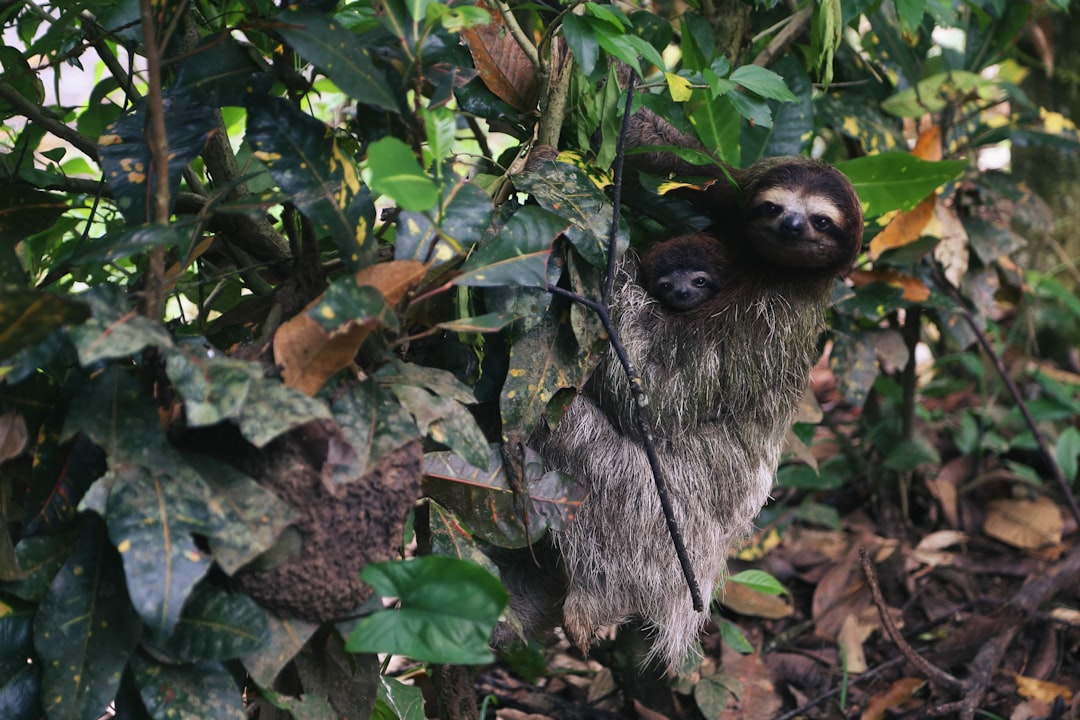
The endangered pygmy three-toed sloth is limited to a small island, making its survival critical for conservation efforts.
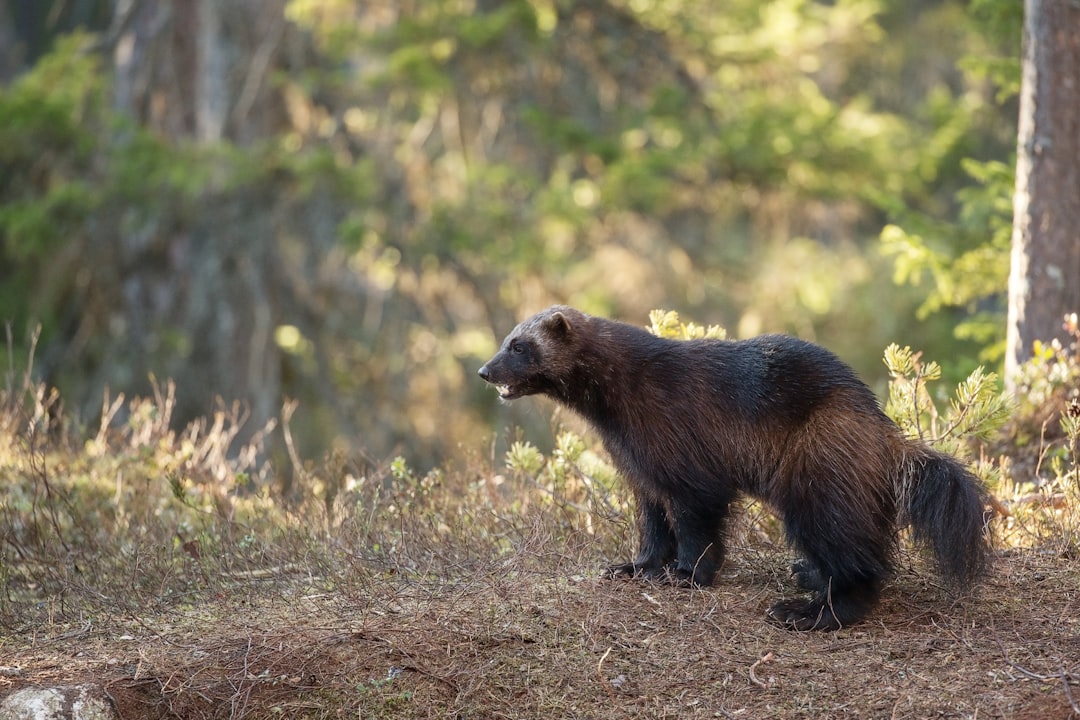
Wolverines are fierce predators, capable of outmatching larger animals while traversing harsh Arctic terrains.
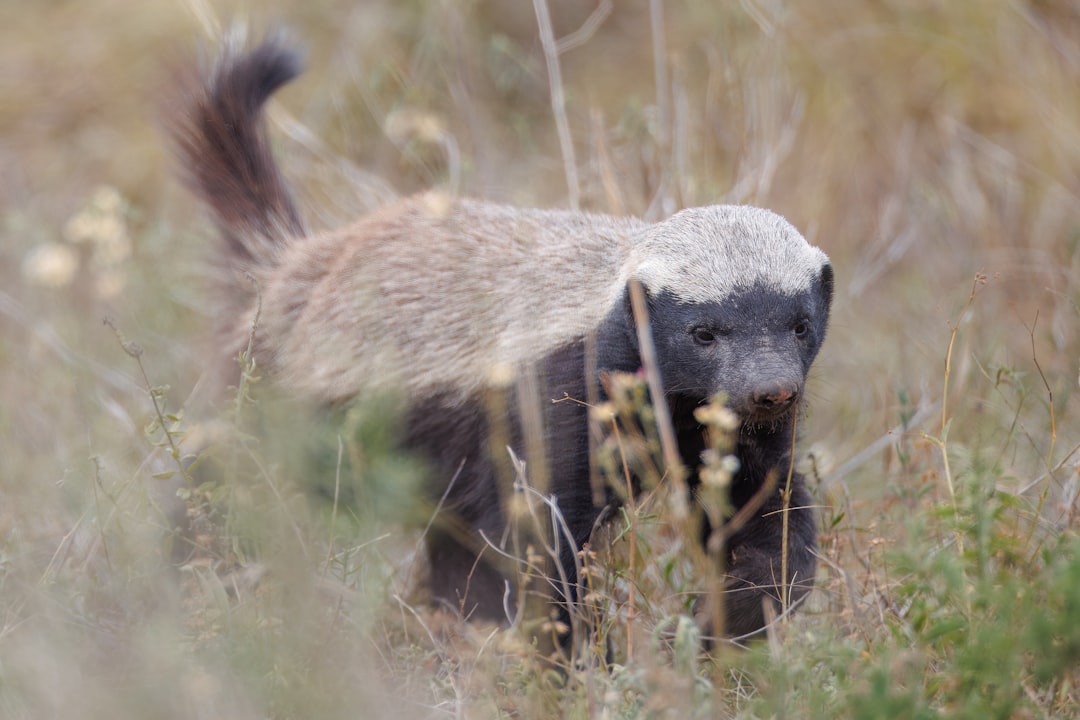
Honey Badger is known for its fearless nature and ability to confront much larger predators with remarkable resilience.
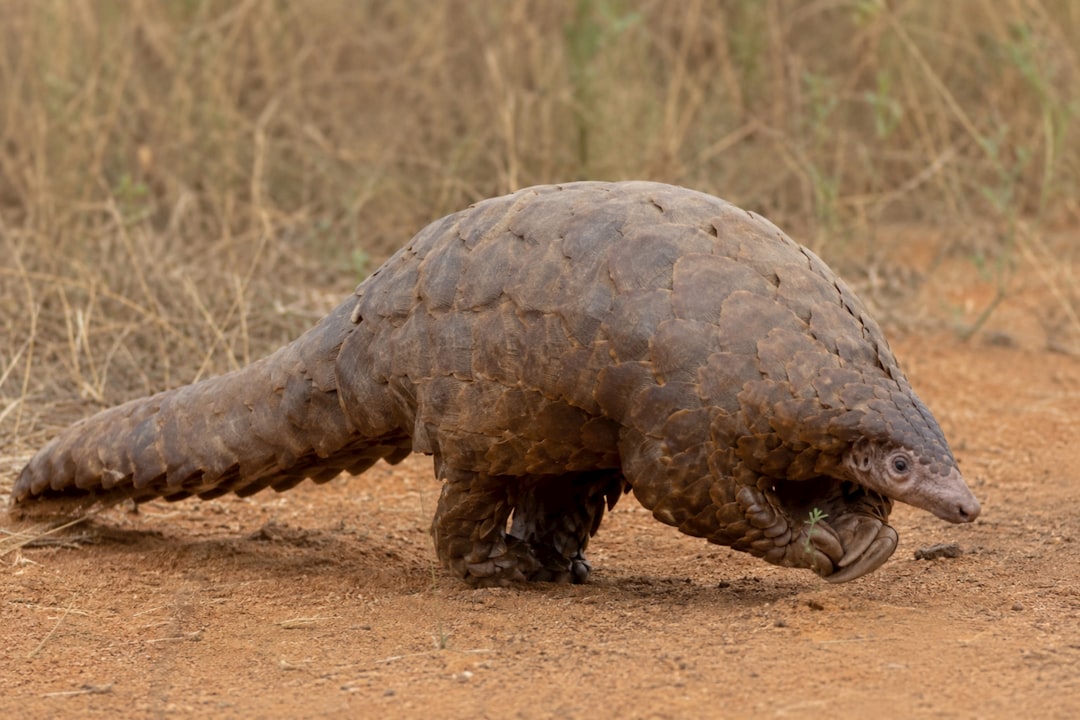
Sunda pangolins are the most trafficked mammals, characterized by their protective scales and unique feeding behaviors.

The short-beaked echidna is an egg-laying mammal with unique adaptations, including sensory abilities for hunting insects.
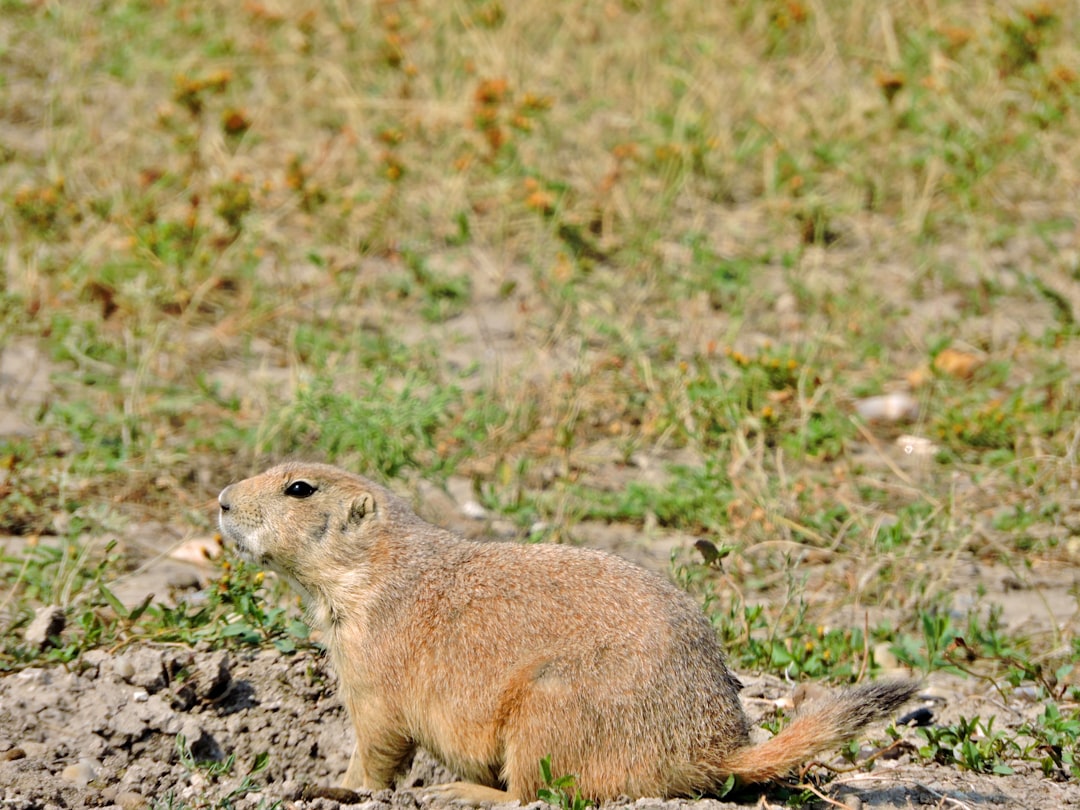
Explore the attributes of the Spotted-Tail Quoll, Australia's largest carnivorous marsupial.
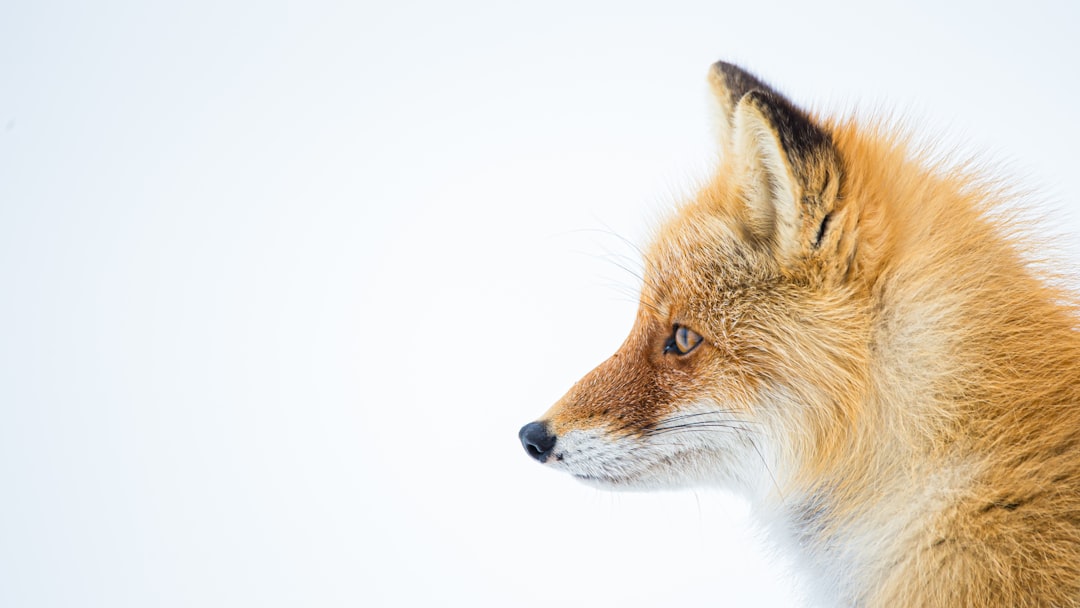
Meet the fennec fox, the smallest fox on Earth. Learn how its huge ears, furred feet, and water-thrifty body help it survive the Sahara desert.
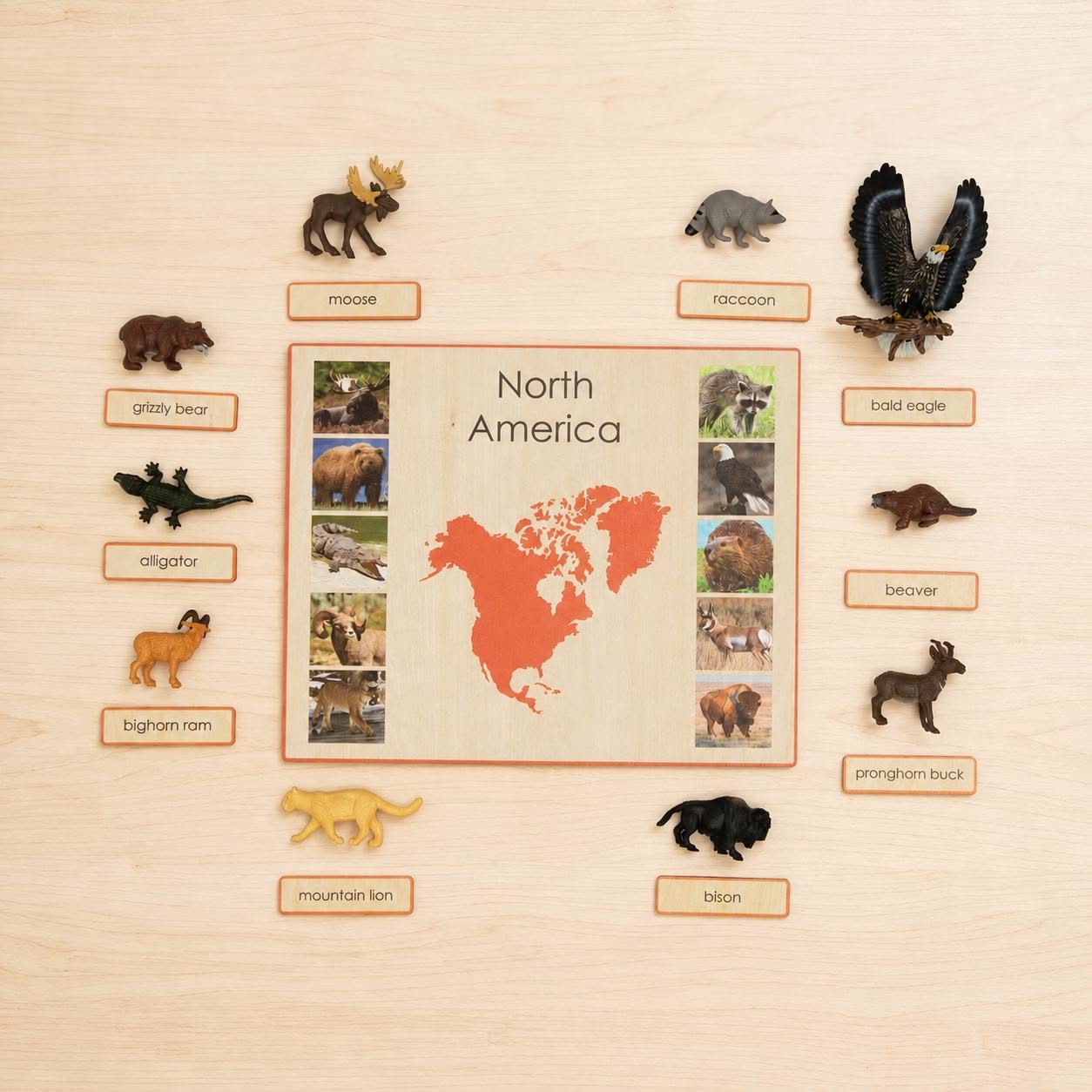
Learn how animals are classified into kingdom, phylum, class, and order. Explore taxonomy, Linnaean hierarchy, and how classification reveals animal diversity.
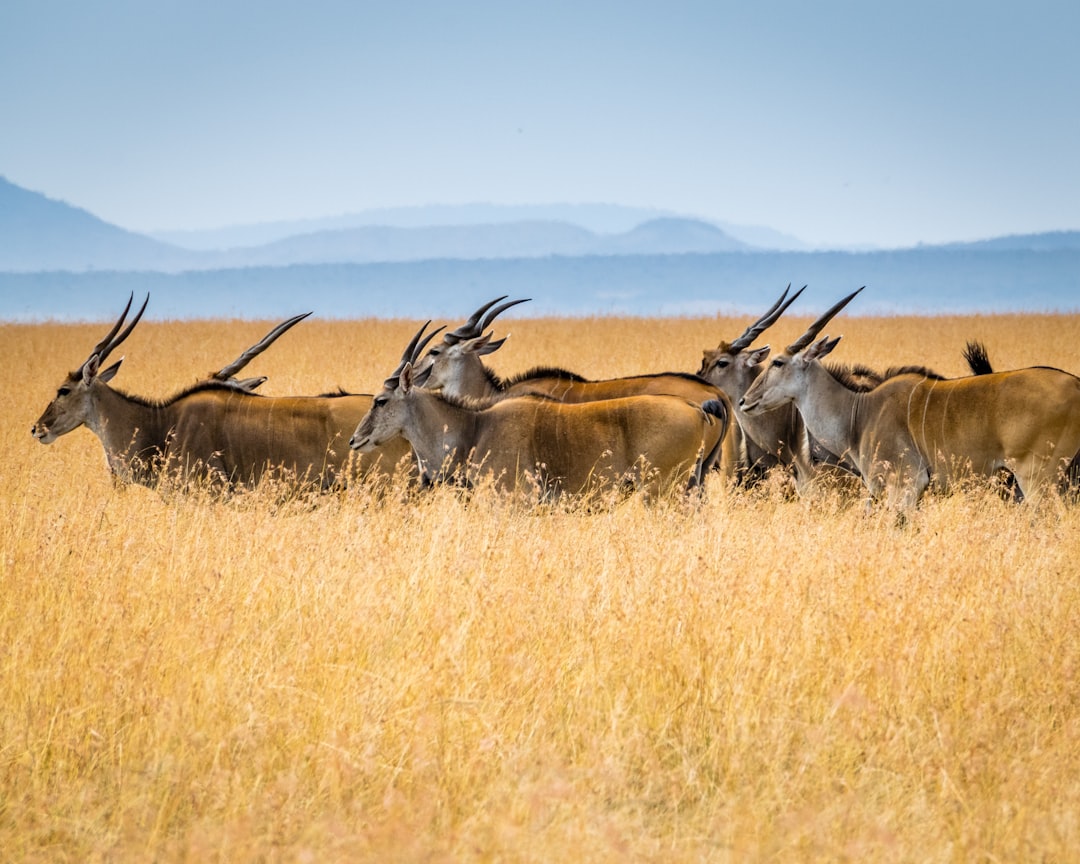
Discover the saiga antelope, a critically endangered steppe species with a unique trunk-like nose. Explore its biology, habitat, threats, and conservation.
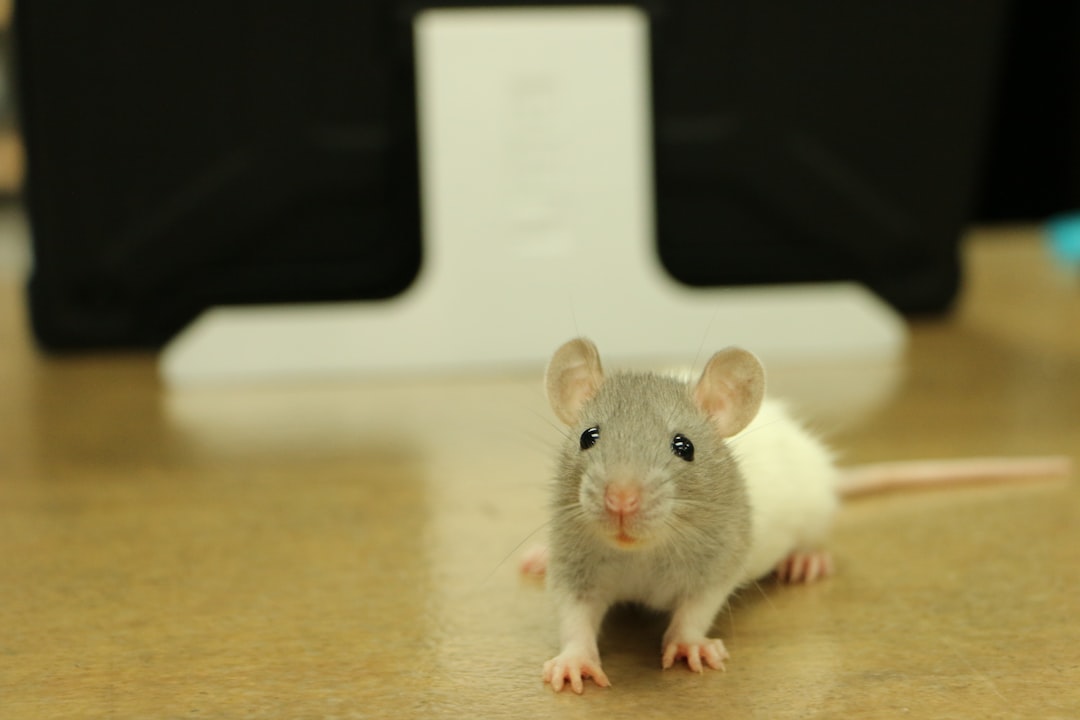
Explore the rare phenomenon of electroreception in mammals, focusing on the platypus and echidnas. Learn about mechanisms, evolution, and ecological roles.
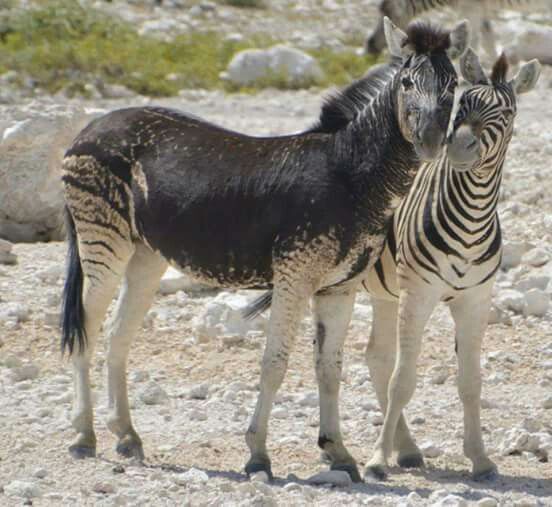
Explore the world of zebroids, zebra hybrids like zorses and zonkeys. Learn about their genetics, traits, history, ethical debates, and conservation implications.
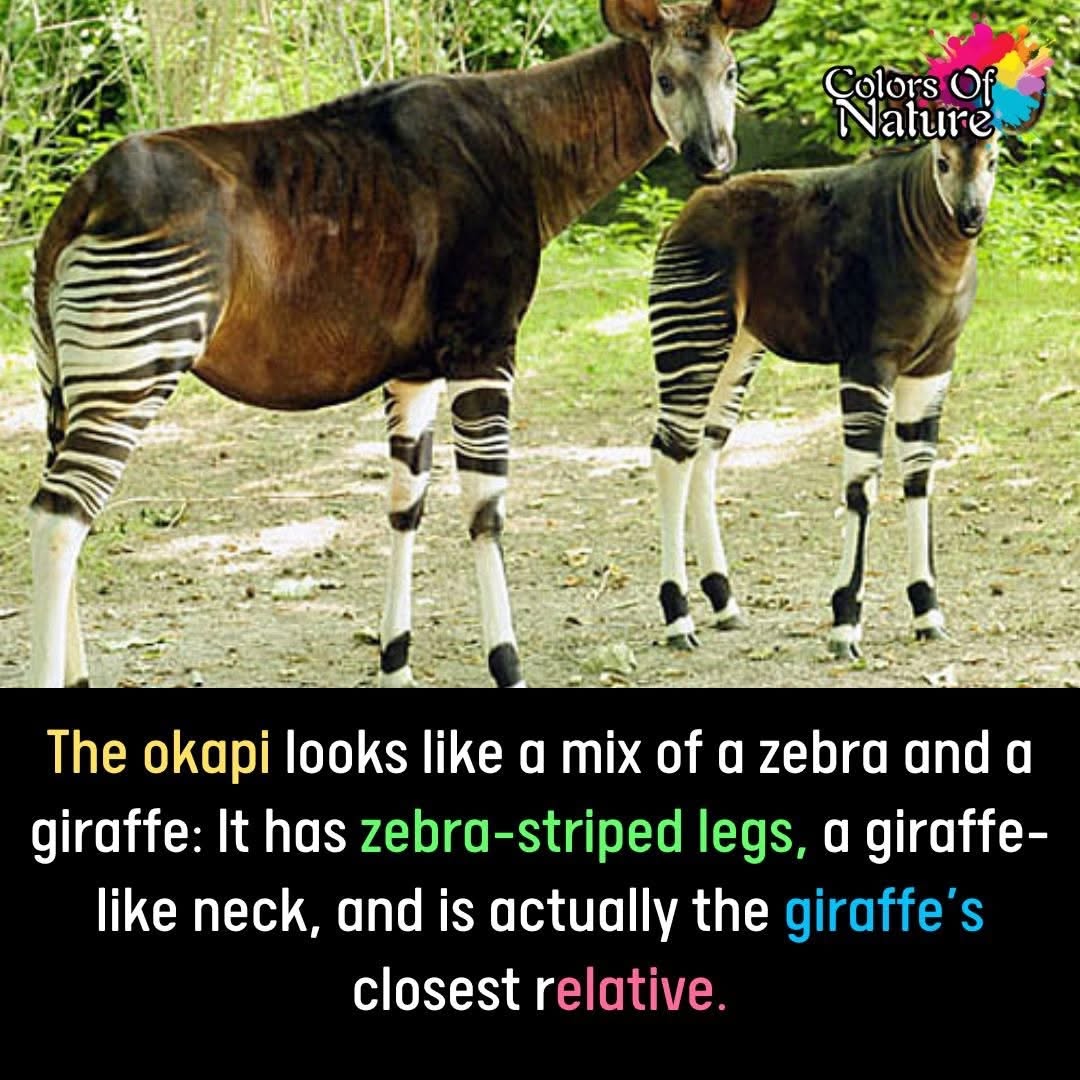
Discover the okapi, the elusive forest giraffe of the Congo. Learn about its unique adaptations, habitat, behavior, conservation status, and ecological role.
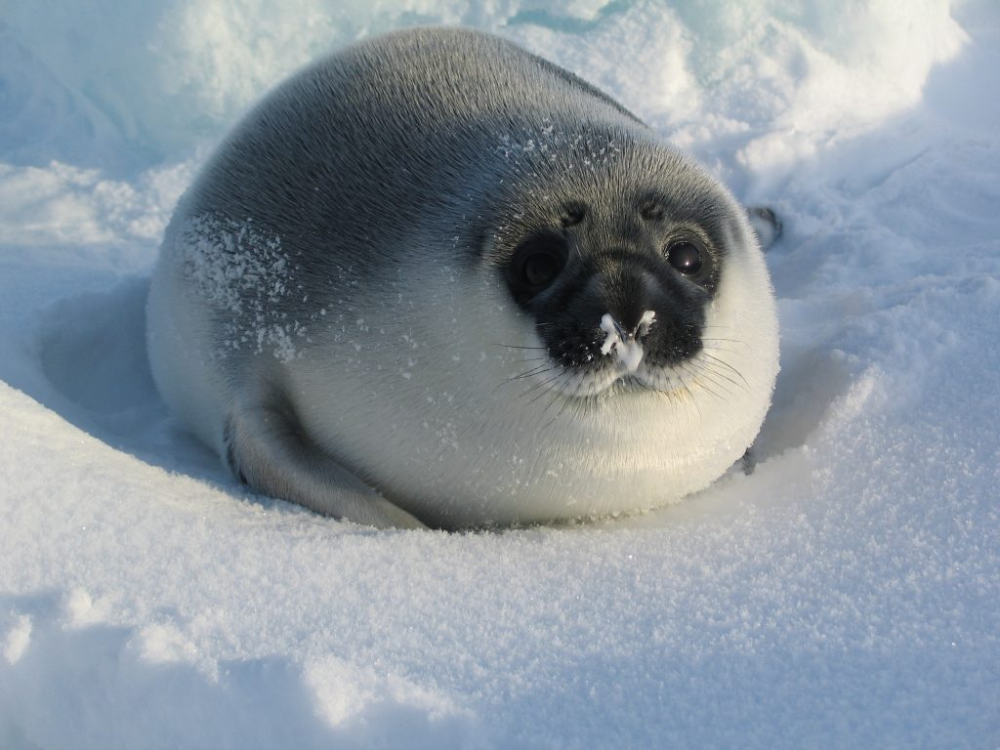
Discover the hooded seal (Cystophora cristata), the Arctic marine mammal famous for its inflatable nose balloon. Explore its anatomy, behavior, habitat, and conservation.
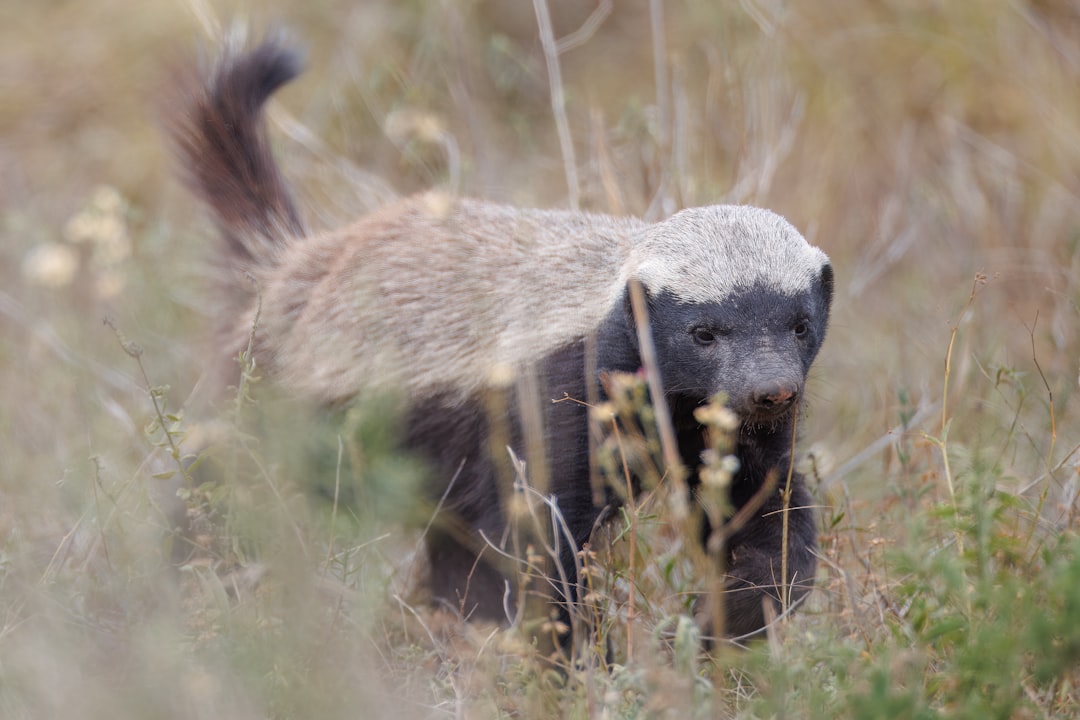
Discover the fearless honey badger (Mellivora capensis): its escape artistry, venom resistance, anatomy, behavior, and role as a top predator in the wild.
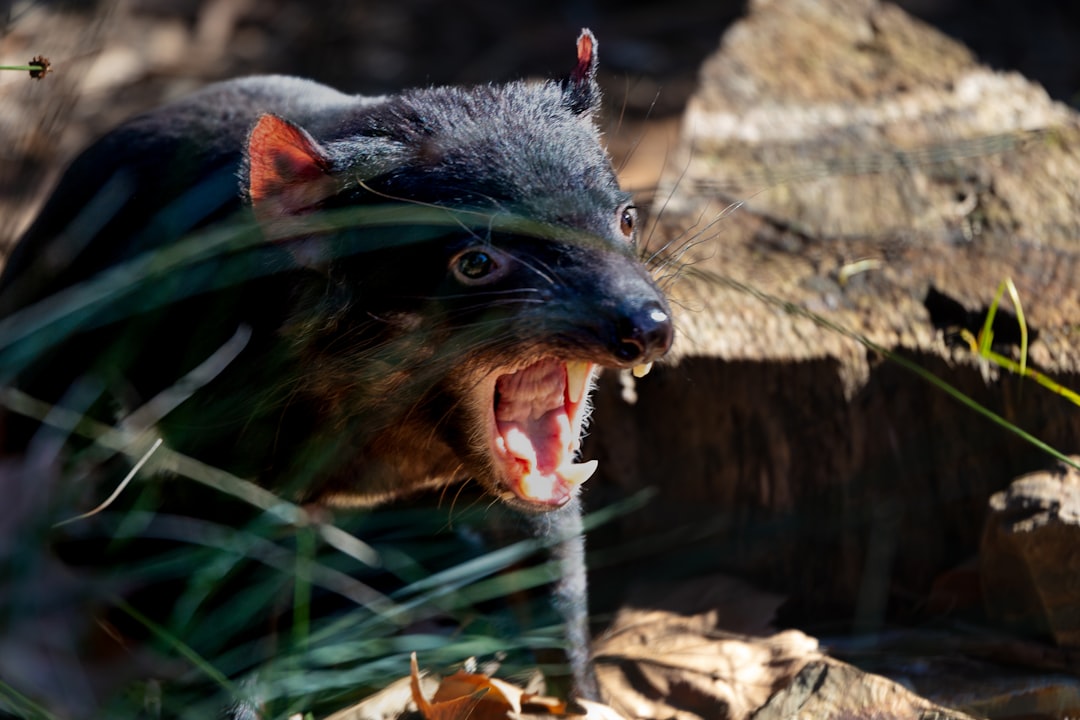
Explore the most unusual animal fights and defenses in the wild, from chemical warfare to armor and mimicry. Discover how wildlife combat shapes evolution and survival.

Discover the Belgian Blue cattle breed: genetics, double muscling, myostatin mutation, meat quality, animal welfare, and global impact on beef production.
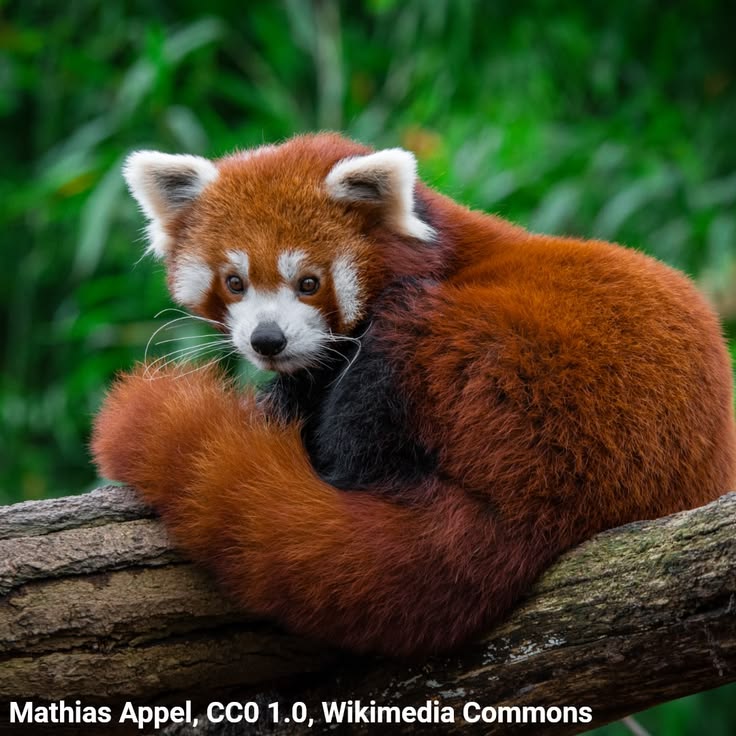
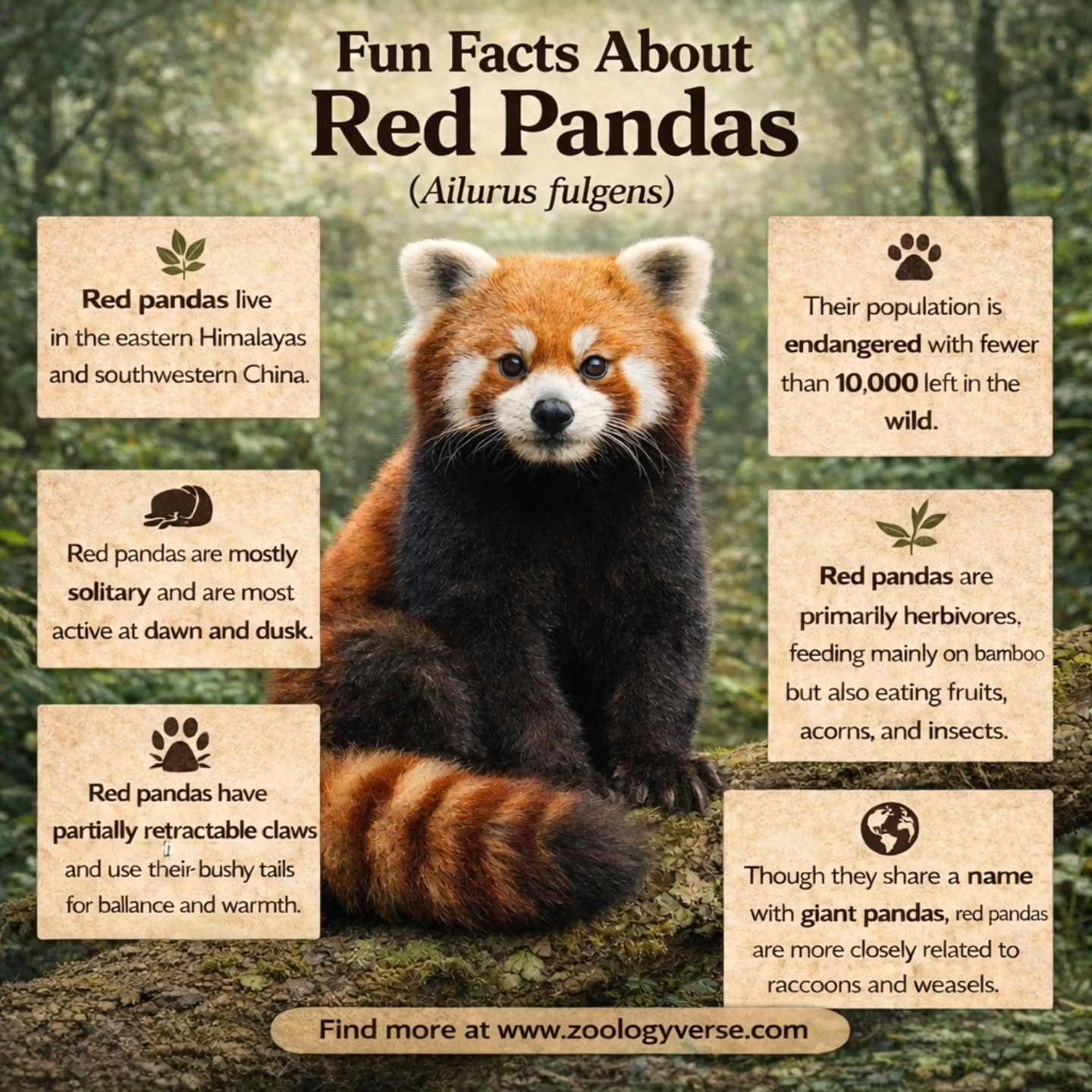
Discover the red panda (Ailurus fulgens): its unique adaptations, bamboo diet, Himalayan habitat, evolutionary history, and the urgent conservation efforts to protect this endangered predator.

Discover the emperor tamarin, a small Amazonian monkey known for its iconic mustache, social behavior, and unique adaptations. Explore its habitat, diet, and conservation.
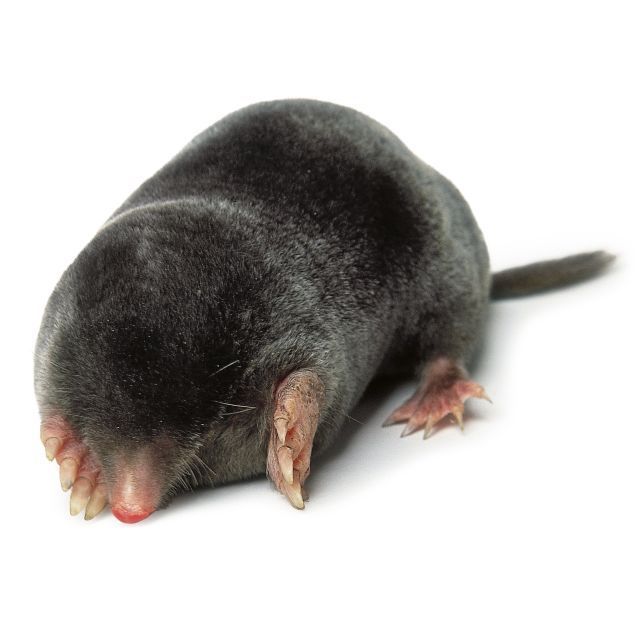
Discover the star-nosed mole, nature's fastest forager. Explore its unique anatomy, sensory abilities, habitat, and ecological importance in this in-depth guide.
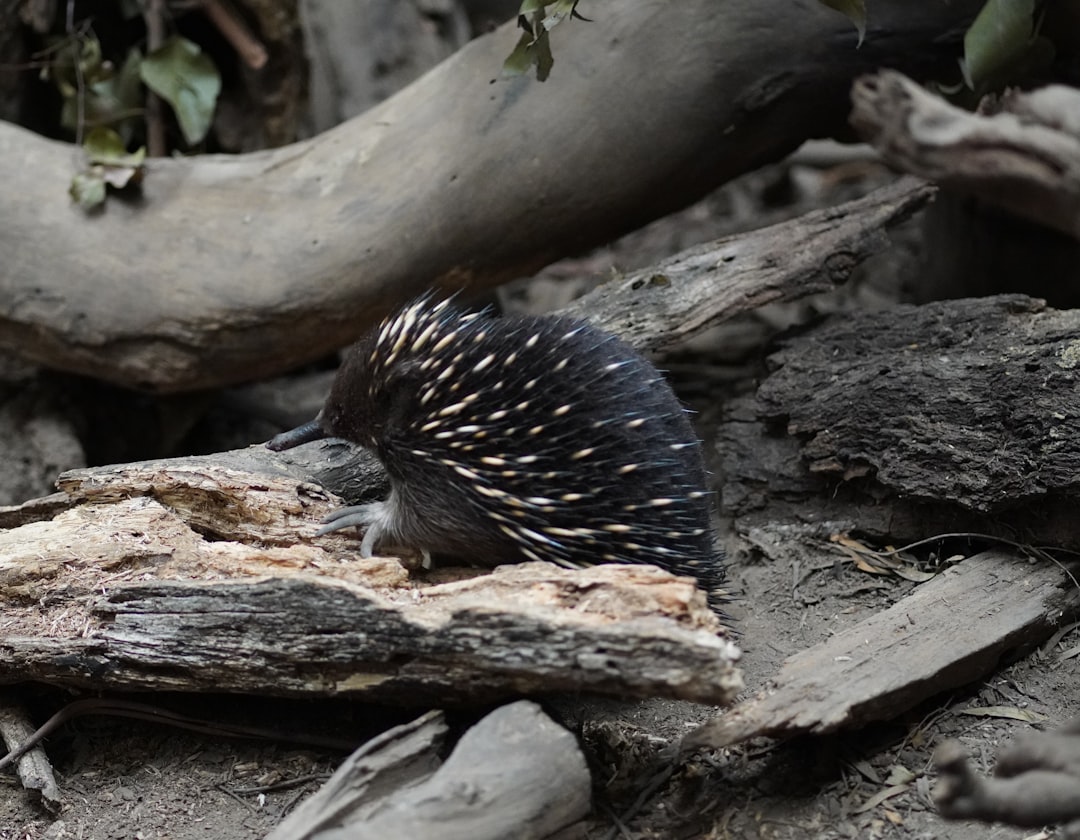
Discover the echidna, a spiny egg-laying mammal with unique adaptations, electroreception, and evolutionary significance. Explore its biology, behavior, and conservation.

Discover Kitti's hog-nosed bat, the world's smallest mammal. Explore its unique biology, habitat, evolutionary adaptations, and conservation status in Southeast Asia.
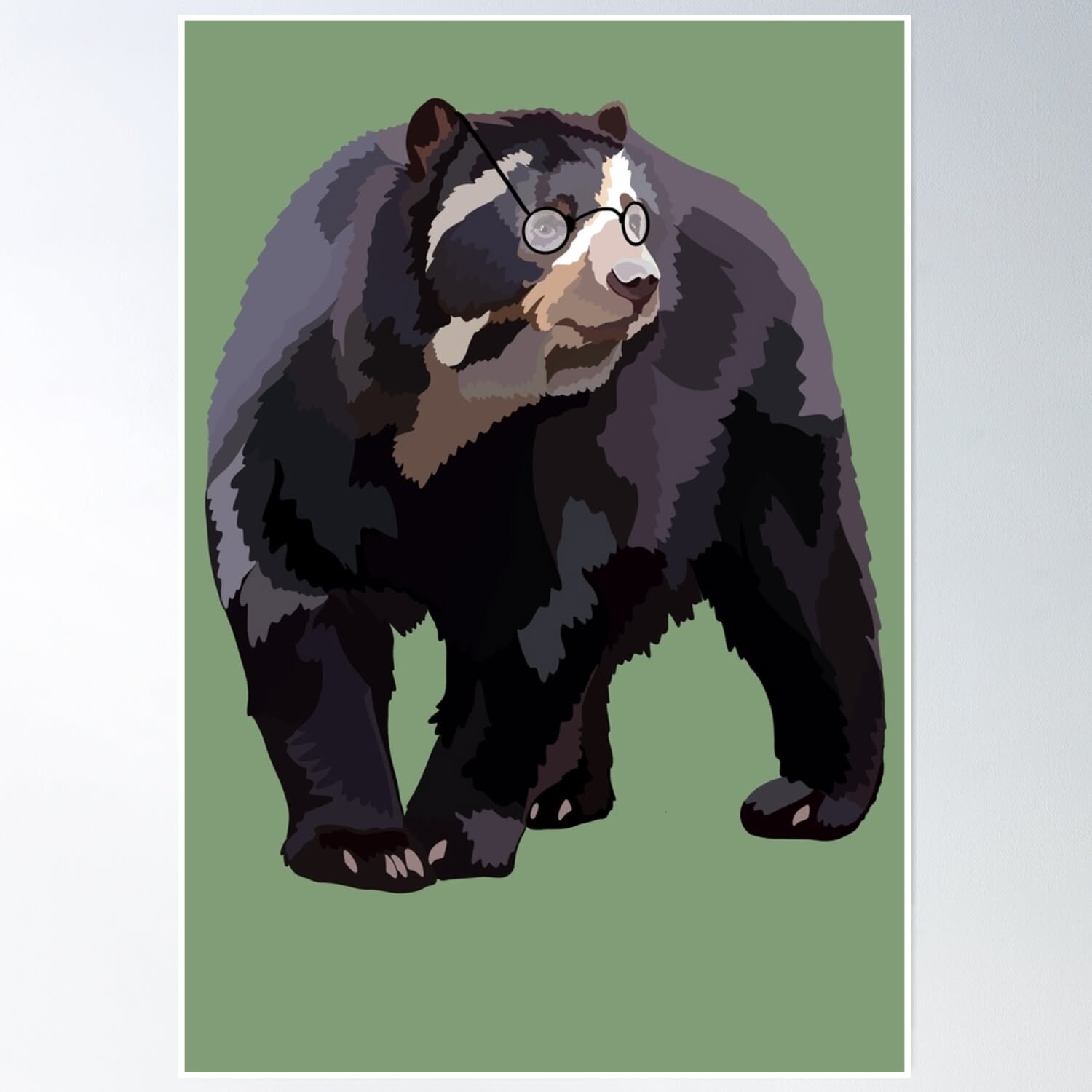
Spectacled bears earn their name from cream eye markings, unique to each individual. The genetics, the function, and why researchers use them as fingerprints.
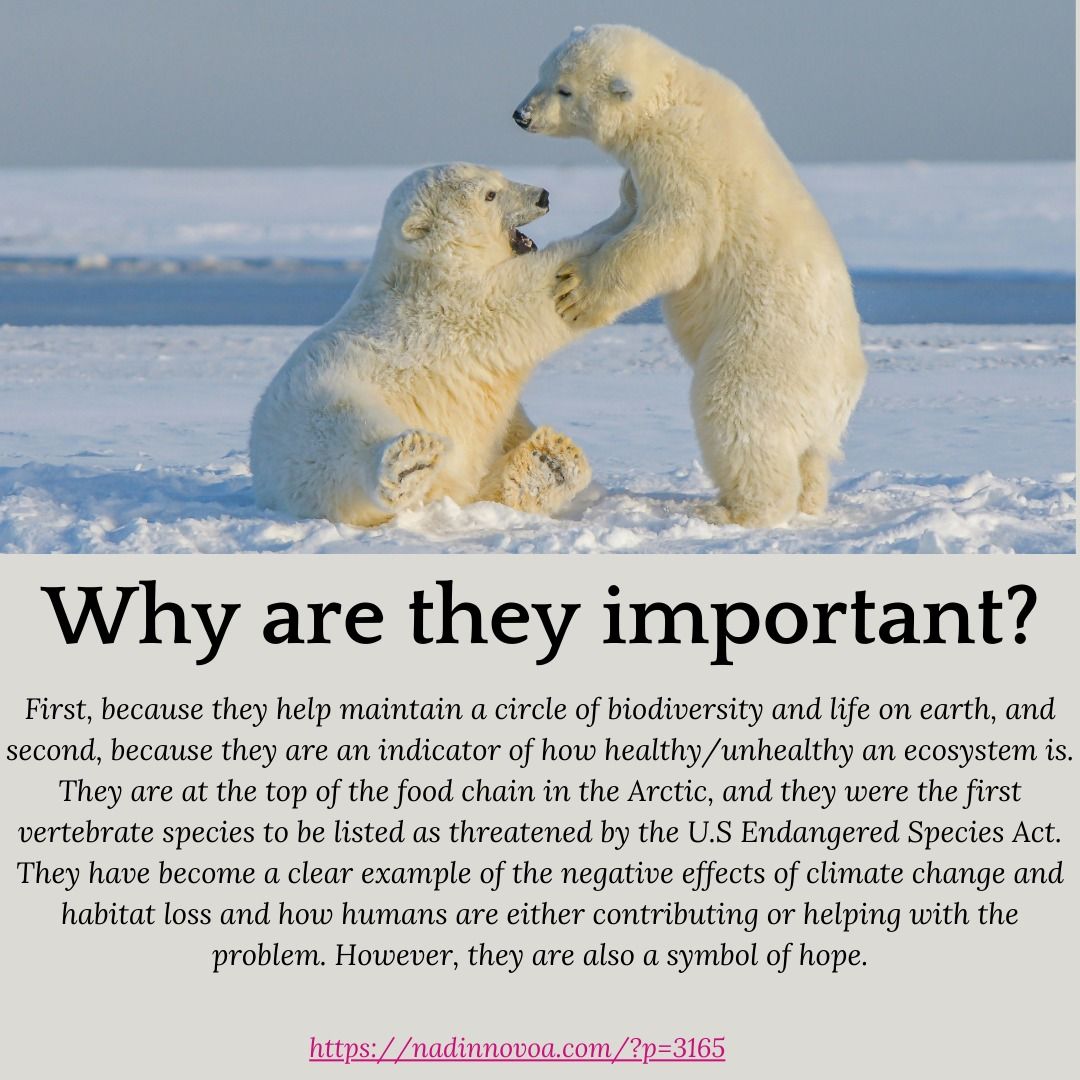
Polar bears are Vulnerable under IUCN. Sea ice has lost 40% since 1979. Projections show 2/3 of the global population gone by 2050 without deep emission cuts.

Polar bears eat 2 kg of seal blubber daily, hunting ringed and bearded seals on sea ice. Full breakdown of diet, hunting methods, and summer fallback foods.
Polar bears are legally marine mammals. One tagged female swam 687 km without stopping. The science of how they do it and why such swims are now common.
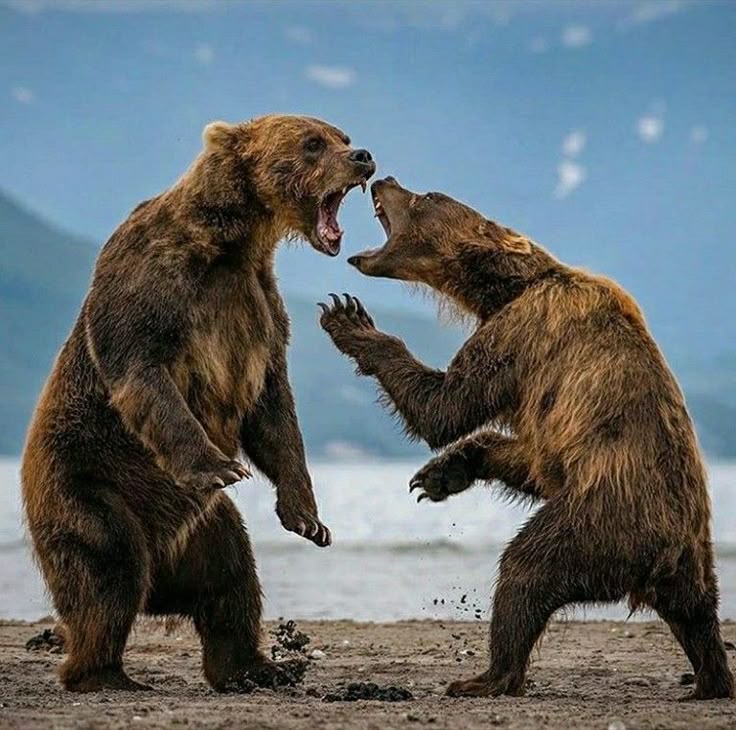
Polar bears live in five Arctic nations across 19 subpopulations. Current estimate: 22,000-31,000. Regional breakdown, trends, and why they skip the North Pole.
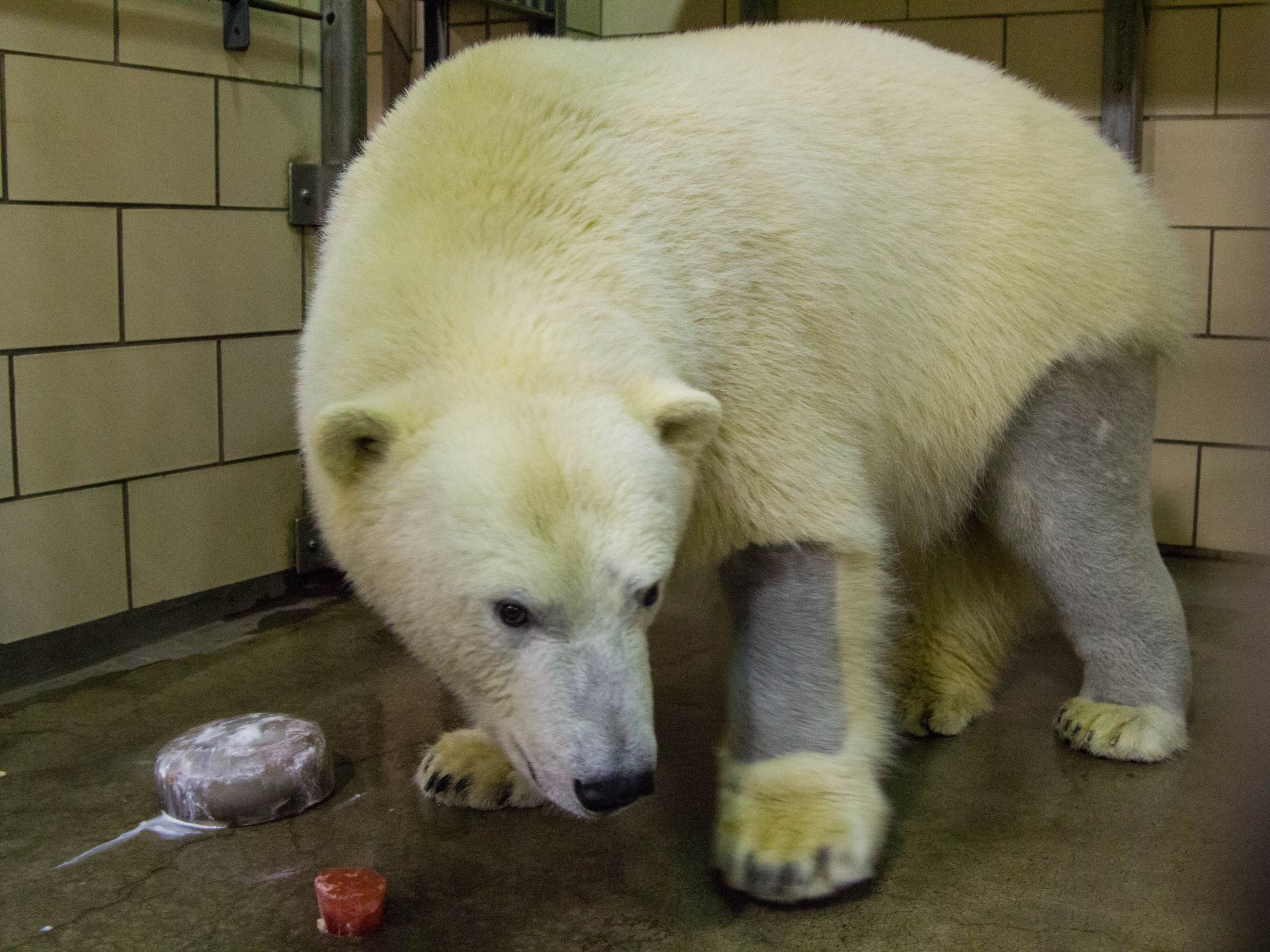
Polar bear fur is transparent, not white. Their skin is jet black. The physics of how they stay warm and why the fibre-optic fur myth was debunked.
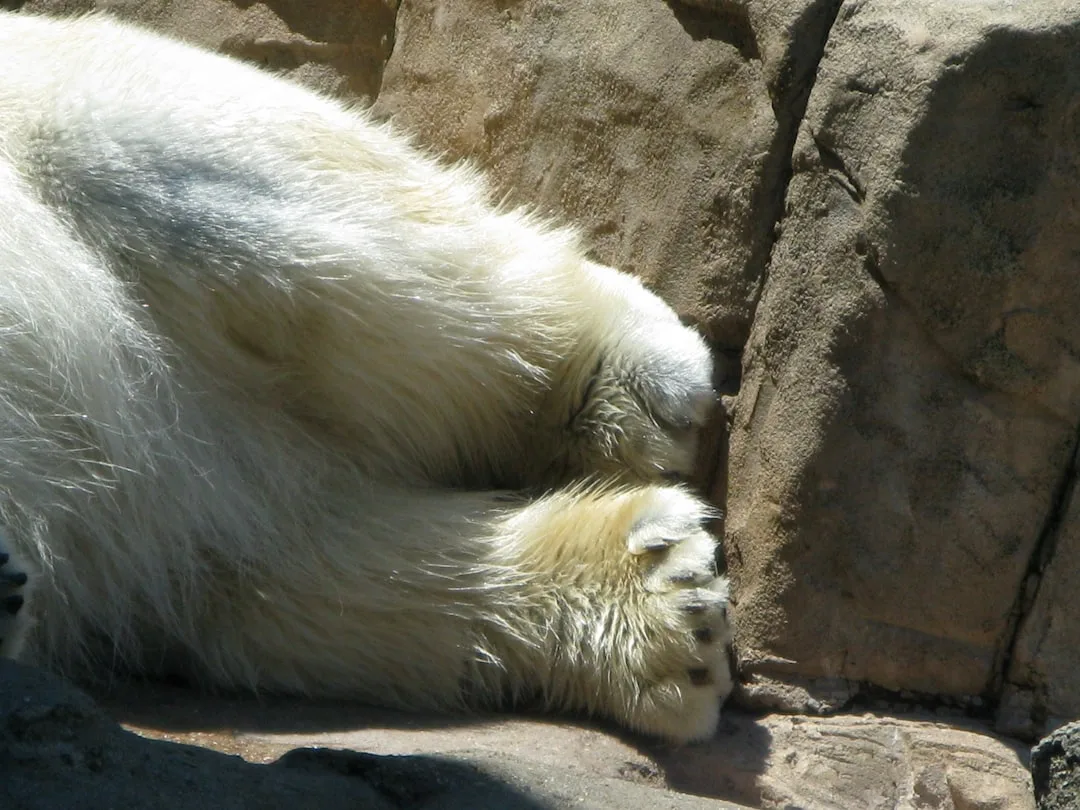
Polar bear cubs are born at 500-700 g inside a snow den while their mother has fasted for months. Here is how they survive the first Arctic year.
The cheetah holds the title of fastest land mammal, reaching speeds of up to 70 mph (112 km/h) in short bursts covering distances up to 500 meters. Their lightweight frame, long legs, flexible spine, and semi-retractable claws give them extraordinary acceleration, going from 0 to 60 mph in roughly three seconds. However, cheetahs can only maintain top speed for about 20-30 seconds before they overheat and must rest.
Their speed comes at a cost: cheetahs are relatively fragile compared to other big cats and often lose kills to larger predators like lions and hyenas.
Whales communicate using a complex system of vocalizations including clicks, whistles, and songs that can travel hundreds of miles through the ocean. Humpback whales are famous for their elaborate songs, which can last up to 20 minutes and are repeated for hours. These songs evolve over time and are shared across populations, with males in the same region singing nearly identical versions.
Toothed whales like sperm whales use echolocation clicks arranged in patterns called codas, which function almost like dialects unique to specific social groups. Recent research suggests some whale species may have naming conventions, using specific click patterns to identify individual pod members.
Elephants possess the largest brain of any land animal, weighing about 11 pounds, with a highly developed hippocampus and temporal lobe regions associated with memory and emotional processing. Their exceptional memory serves critical survival functions: matriarchs remember the locations of water sources across vast distances, recall migration routes used decades earlier, and recognize hundreds of individual elephants even after years of separation.
Studies have shown that elephant families led by older matriarchs with more extensive memories have higher survival rates during droughts. This long-term memory extends to threats as well, with elephants avoiding areas where family members were killed even generations later.
The blue whale is the largest mammal ever to have lived on Earth, surpassing even the largest dinosaurs. Adult blue whales can reach lengths of up to 100 feet (30 meters) and weigh as much as 200 tons, with their hearts alone weighing roughly 400 pounds. A blue whale calf is born already measuring about 25 feet long and gains approximately 200 pounds per day during its first year of life.
Despite their enormous size, blue whales feed almost exclusively on tiny krill, consuming up to 6 tons per day during peak feeding season. Their tongues alone can weigh as much as an elephant.
Most bat species navigate in complete darkness using echolocation, a biological sonar system in which they emit high-frequency sound pulses through their mouths or noses and listen for the returning echoes. By analyzing the time delay, frequency shift, and intensity of returning echoes, bats can build a detailed three-dimensional map of their surroundings accurate enough to detect objects as thin as a human hair.
Some species can emit up to 200 calls per second when closing in on prey. Different bat species have evolved distinct call frequencies to avoid interfering with one another in shared habitats. Fruit bats, which are generally larger, rely primarily on excellent night vision and a strong sense of smell rather than echolocation.
Venomous mammals are rare but fascinating exceptions to the general rule that venom is found mainly in reptiles and insects. The platypus is the most well-known example: males have venomous spurs on their hind legs that deliver a painful toxin potent enough to incapacitate a dog, likely used in competition with other males during mating season.
Several species of shrews, including the Eurasian water shrew and the northern short-tailed shrew, produce venomous saliva that helps them subdue prey larger than themselves. Slow lorises are the only known venomous primates, producing a toxin from glands on their elbows that they mix with saliva for a venomous bite.
Scientists believe mammalian venom evolved independently multiple times, serving purposes ranging from predation to defense to mating competition.
Marsupials are distinguished from placental mammals primarily by their reproductive strategy: they give birth to relatively undeveloped young that continue growing outside the womb, typically inside a pouch called a marsupium. A newborn kangaroo, for example, is only about the size of a jellybean and must crawl from the birth canal to the mother's pouch entirely on its own, where it attaches to a teat and continues developing for several months.
This approach means shorter pregnancies but longer periods of pouch-based care. Marsupials also have distinct skeletal features including epipubic bones that support the pouch. Today, marsupials are found primarily in Australia and the Americas, with Australia's geographic isolation allowing them to diversify into ecological niches filled by placental mammals on other continents.