Everything about dogs: behavior, training, health, nutrition, lifespan, intelligence, and the science behind the world's most popular pet, from puppies to

Dogs tilt their heads primarily to better locate the source and direction of a sound by aligning one ear more directly with the sound wave. Research published in 2021 in Animal Cognition also found that dogs tilt their heads when processing meaningful words, suggesting the behavior is connected to a
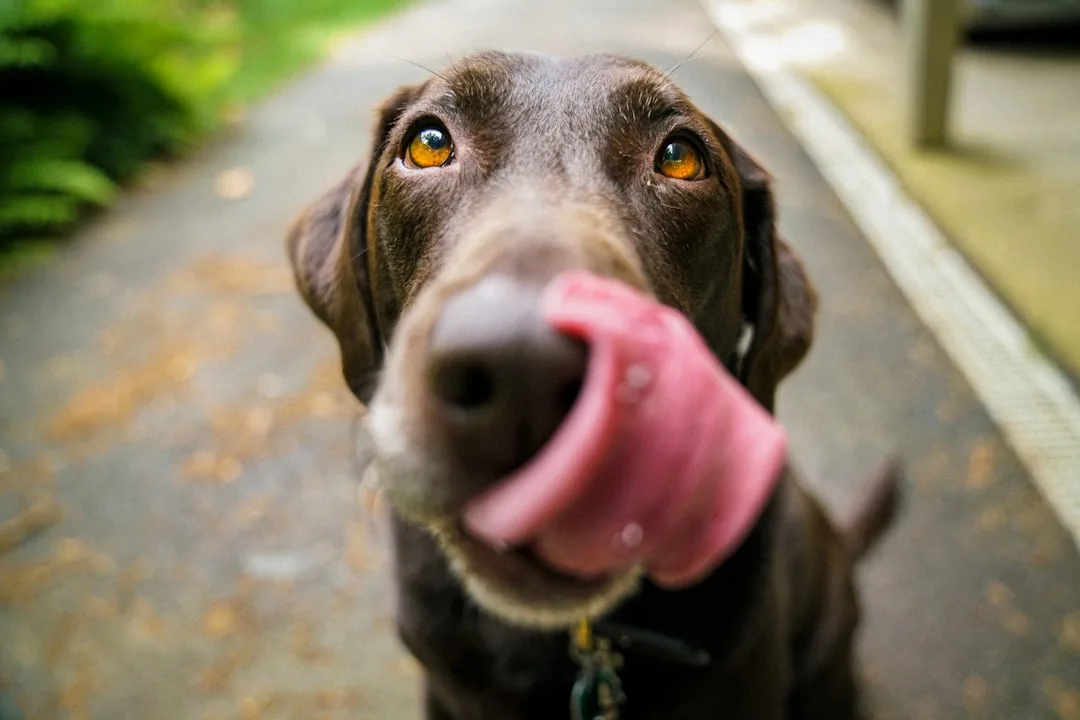
Dogs lick people primarily as a form of communication and social bonding derived from wolf ancestry, where licking signals submission, affection, and greeting. The behavior also releases feel-good endorphins for the dog, and humans' salty skin provides a sensory reward. Understanding the different c

Dogs howl as a form of long-distance vocal communication, a behavior directly inherited from wolves that serves to signal location, reinforce social bonds, and mark territory. In domestic dogs, howling is triggered most commonly by certain sounds (sirens, music, other dogs), separation from owners,

Dogs eat grass for several reasons including instinctive grazing behavior, fiber supplementation, and in some cases nausea relief, but contrary to popular belief, grass eating is rarely a sign of illness. A peer-reviewed study found that 79 percent of dogs eat plants regularly, yet only 9 percent s
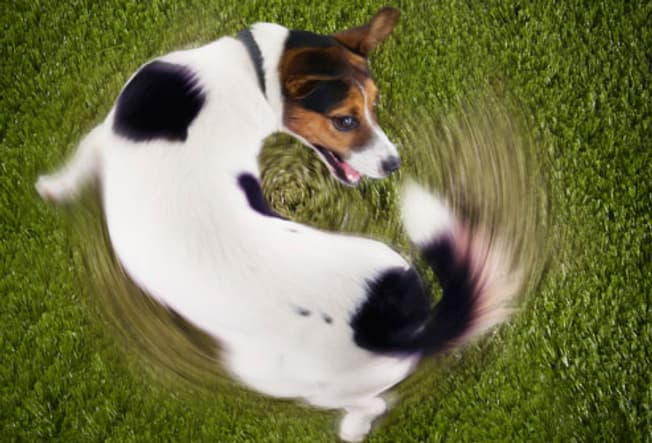
Dogs chase their tails for several reasons: as play behavior (especially in puppies), in response to irritation or physical discomfort at the tail base, out of boredom or under-stimulation, and in some cases as a manifestation of compulsive disorder. Distinguishing between normal, occasional tail-ch
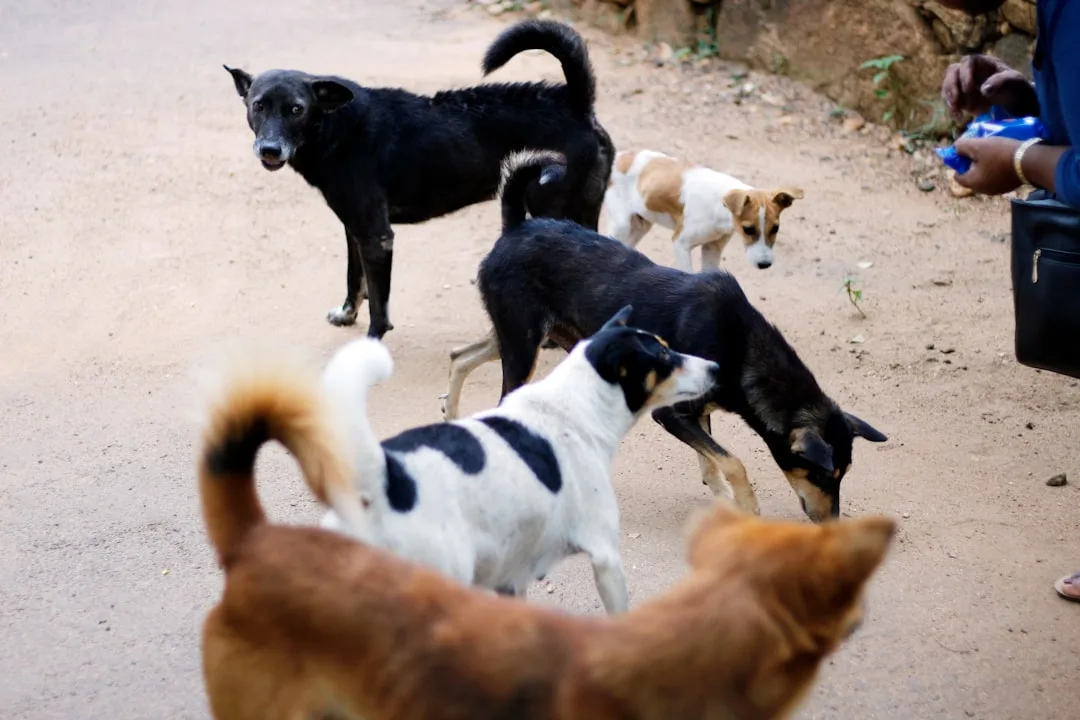
Dogs bury bones and other valued items as a food-caching behavior inherited from wild ancestors. In wolves and other wild canids, burying surplus food prevents competitors from stealing it and preserves the food's freshness in cooler soil. Modern domestic dogs retain this hardwired impulse even when

Knowing when to take a dog to the veterinarian immediately versus scheduling a routine appointment versus monitoring at home is one of the most important skills a dog owner can develop. Certain signs indicate life-threatening emergencies where every minute counts. Others indicate conditions that nee
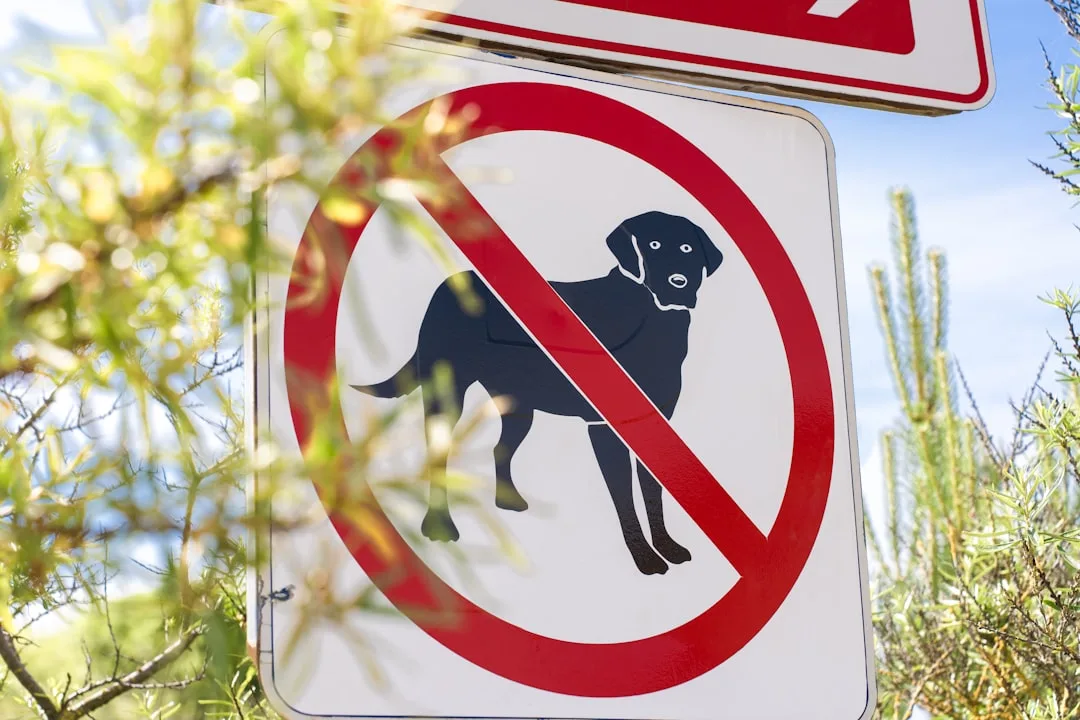
A healthy dog has clear, bright eyes with no discharge; pink, odorless ears with no wax buildup; clean teeth with no excessive tartar or inflamed gums; a glossy coat with no bald patches or excessive shedding; ribs that are easily felt but not visually prominent; formed brown stools; pale yellow uri
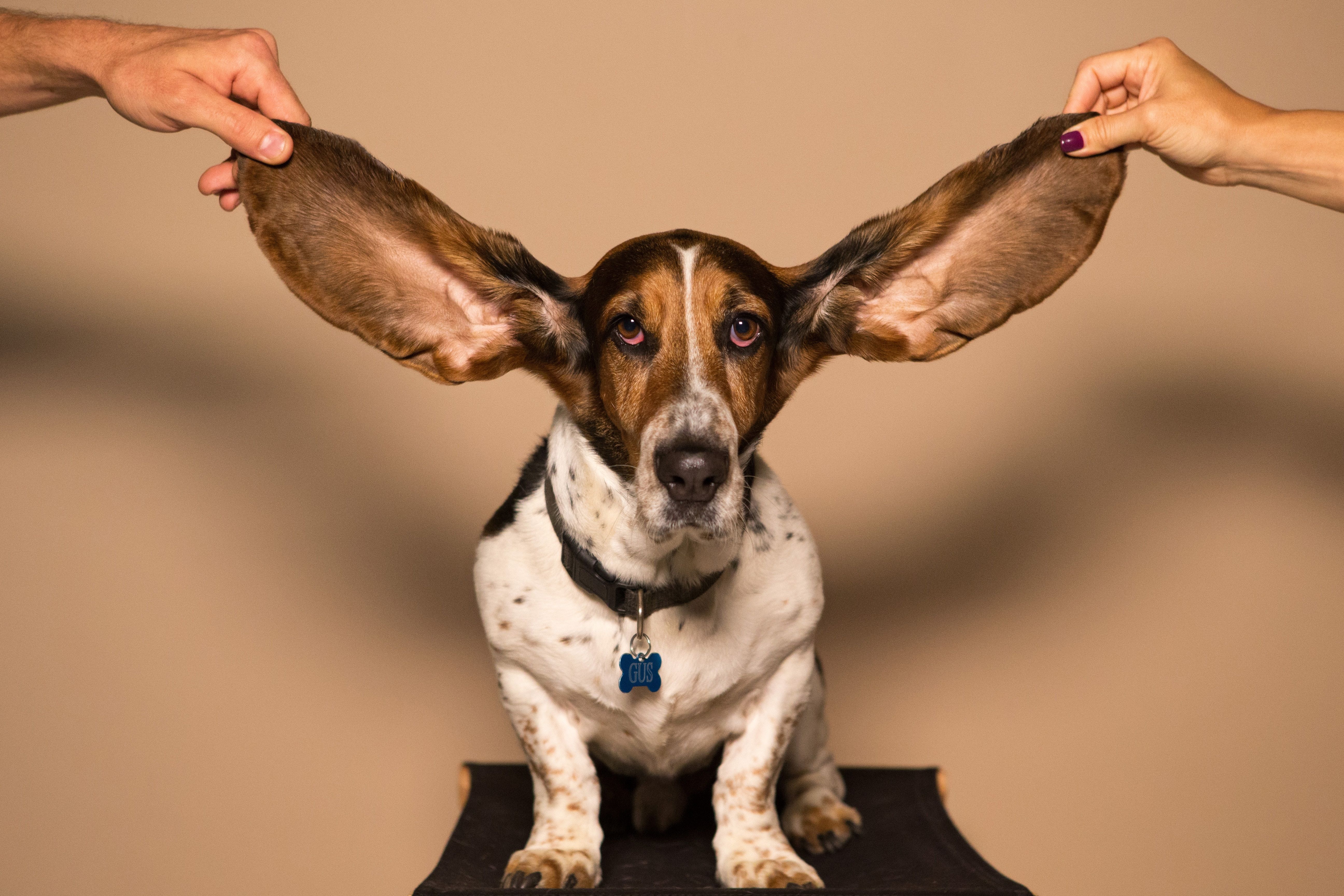
Dogs hear approximately four times better than humans in terms of sensitivity and can detect frequencies up to 65,000 Hz, compared to the human upper limit of approximately 20,000 Hz. They can also hear sounds from roughly four times the distance at which humans detect the same sound. This superior
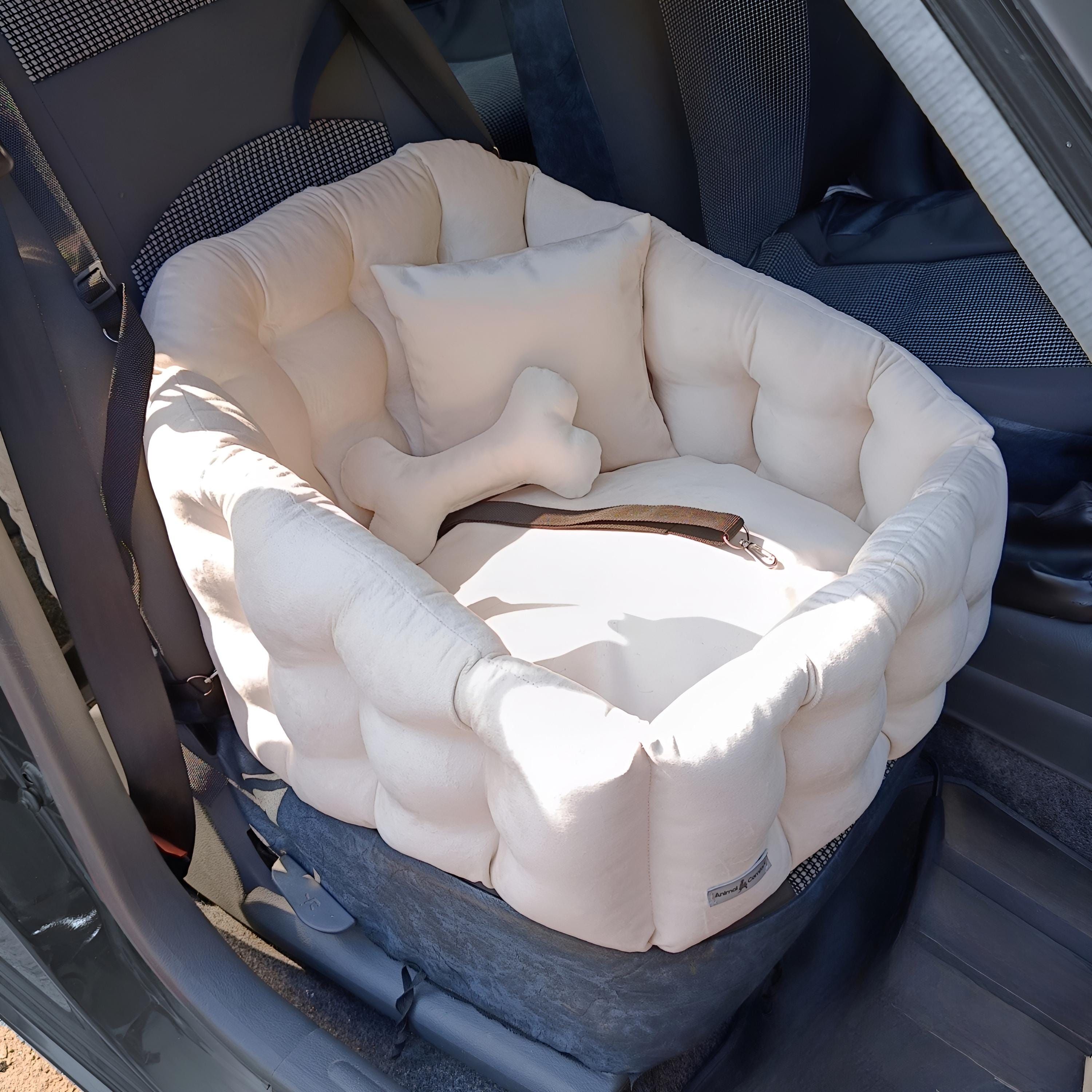
The most important period for puppy training is the socialization window between 3 and 14 weeks of age, when the puppy's brain is maximally receptive to forming lasting associations with people, animals, environments, and experiences. Start with name recognition, then build to sit, come, leave it, d

Stopping excessive dog barking requires identifying the specific cause of the barking first, because different barking types require fundamentally different management strategies. The four most common causes, alert barking, demand barking, anxiety barking, and attention-seeking barking, all look s
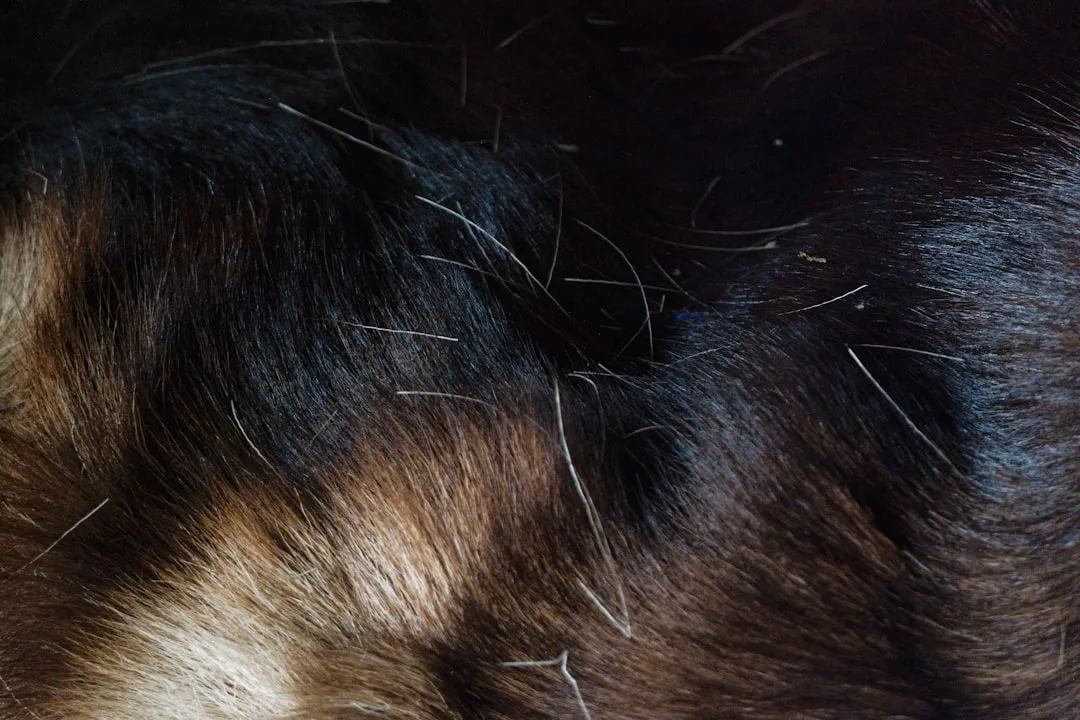
Fleas and ticks are the most common external parasites affecting dogs and are not merely a nuisance, both carry significant disease risk. Fleas transmit tapeworms and cause flea allergy dermatitis, while ticks transmit Lyme disease, Rocky Mountain spotted fever, ehrlichiosis, and anaplasmosis. Earl
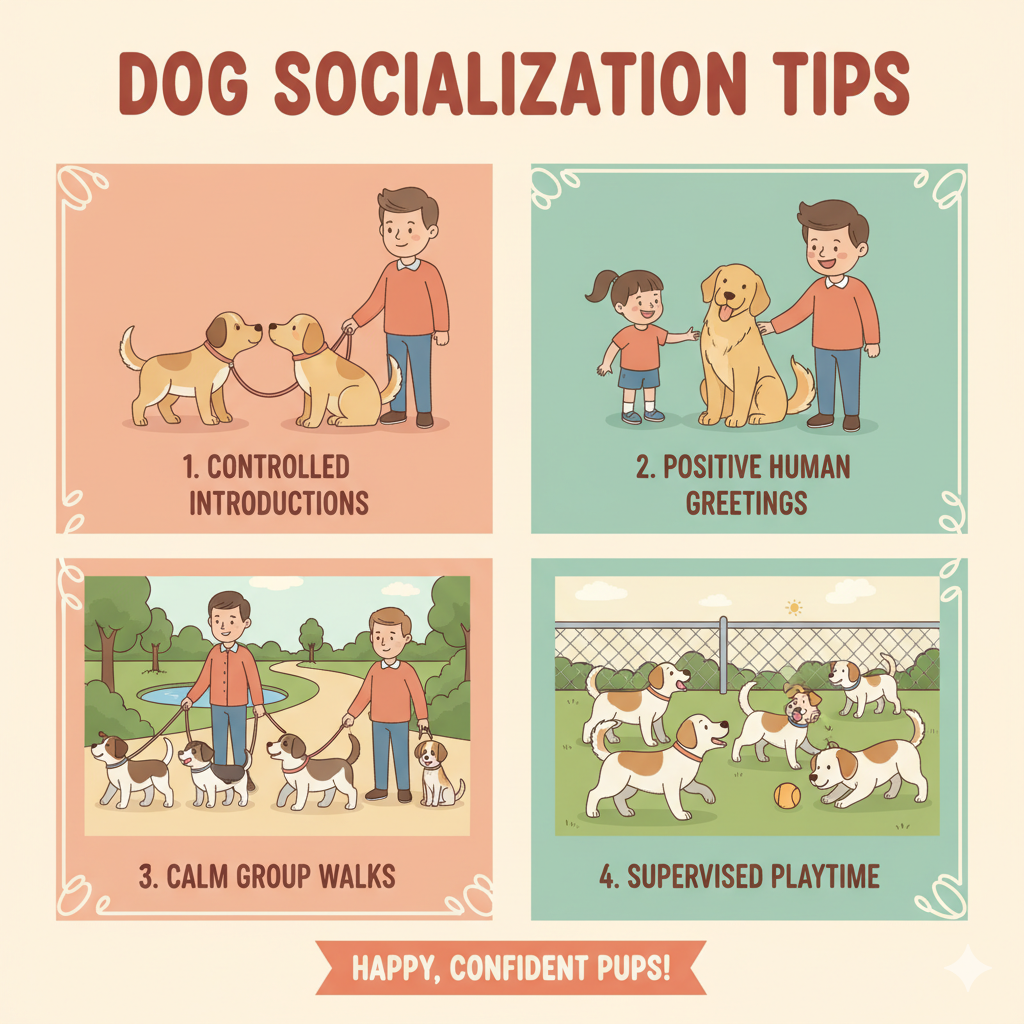
Dog socialization means systematically exposing a dog to a wide variety of people, animals, environments, sounds, and experiences in ways that build positive or neutral associations. The most critical socialization period is between 3 and 14 weeks of age, when the brain is specifically primed to for
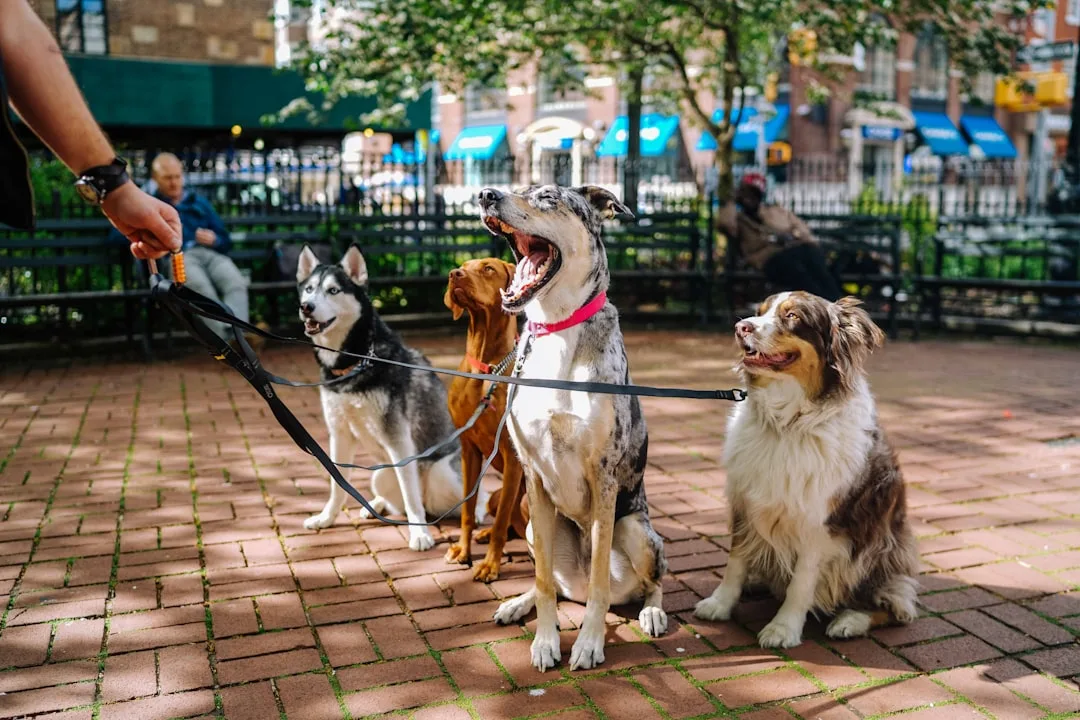
Leash training teaches a dog to walk on a loose leash without pulling, lunging, or lagging. The goal is a relaxed walk with slack in the leash at all times. Leash manners are one of the most practical and one of the most commonly neglected training skills, an untrained pulling dog makes walks miser
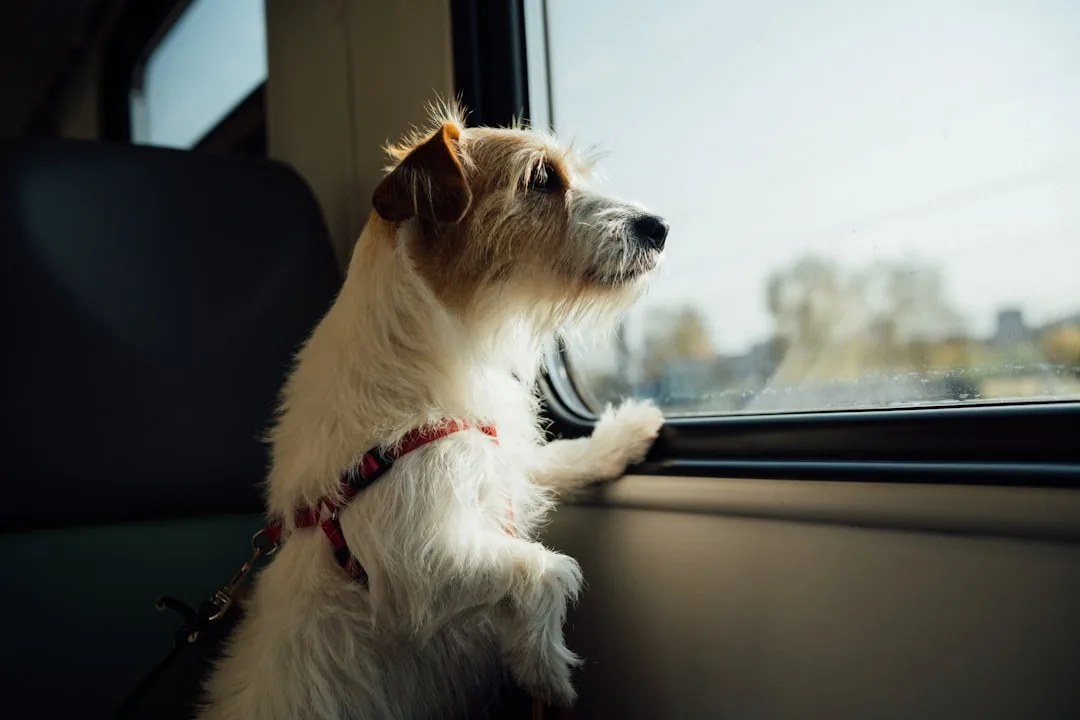
House training a dog means teaching it to eliminate only in designated outdoor areas or specific indoor spots. Consistent success requires three elements: a predictable schedule that anticipates when the dog needs to eliminate, immediate access to the correct location at those times, and positive re

Dogs demonstrate intelligence comparable to a 2 to 2.5-year-old human child in terms of vocabulary comprehension, spatial reasoning, and social cognition. The Border Collie named Chaser learned the names of over 1,000 individual objects, the largest verified vocabulary of any non-human animal. But

Dogs live an average of 10 to 13 years, though lifespan varies enormously by breed size: small breeds routinely reach 14 to 16 years, while giant breeds often live only 6 to 8 years. The single strongest predictor of a dog's lifespan is body size, and understanding this relationship along with other

The fastest dog breed, the Greyhound, can reach speeds of 45 miles per hour (72 km/h), making it the fastest land animal over short distances relative to its size. Average dogs run at 15 to 20 miles per hour (24 to 32 km/h). Speed varies enormously by breed, body structure, limb length, muscle fiber

Dogs can detect odors at concentrations roughly 100,000 times lower than humans can, the equivalent of smelling one teaspoon of sugar dissolved in a million gallons of water. Documented detection distances range from several hundred yards in ideal outdoor conditions to miles for trained tracking do

Dogs see the world with dichromatic vision; they perceive two primary color ranges (blue and yellow) rather than the three color ranges (blue, green, red) that humans use. Their visual acuity is approximately 20/75, meaning what a human can read at 75 feet, a dog must be 20 feet away to resolve cle
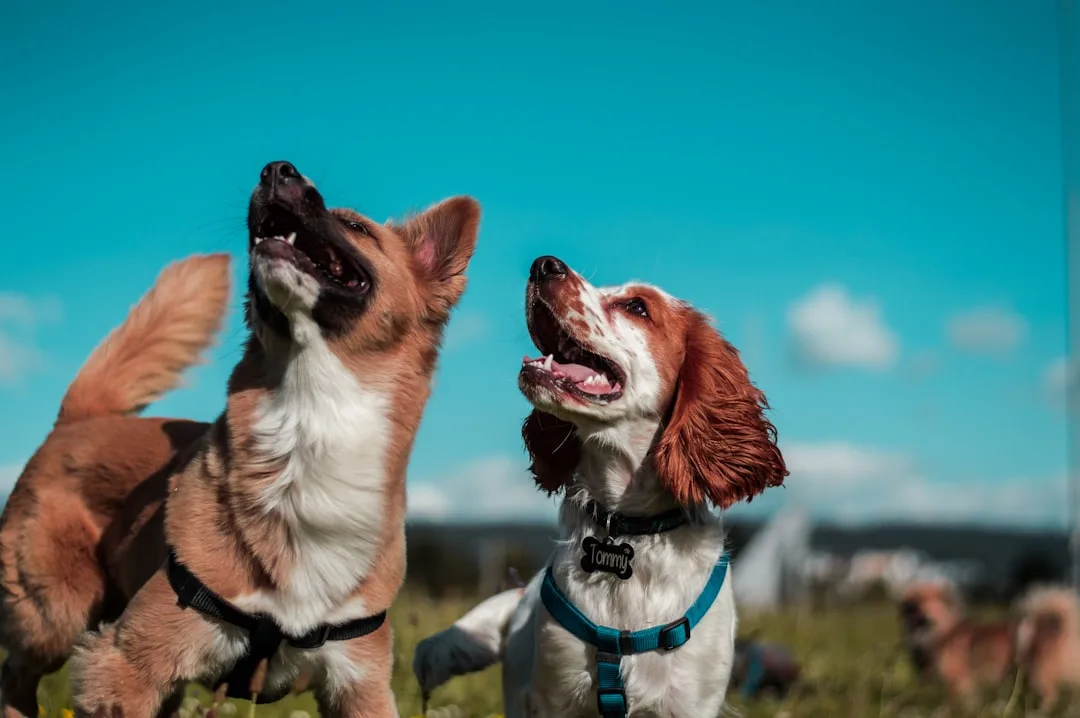
Dogs communicate through three primary channels: vocalizations (barking, growling, whining, howling), body language (posture, tail position, ear orientation, facial expression), and scent marking (urine, anal gland secretions, pheromones). While human communication is predominantly verbal, dogs rely
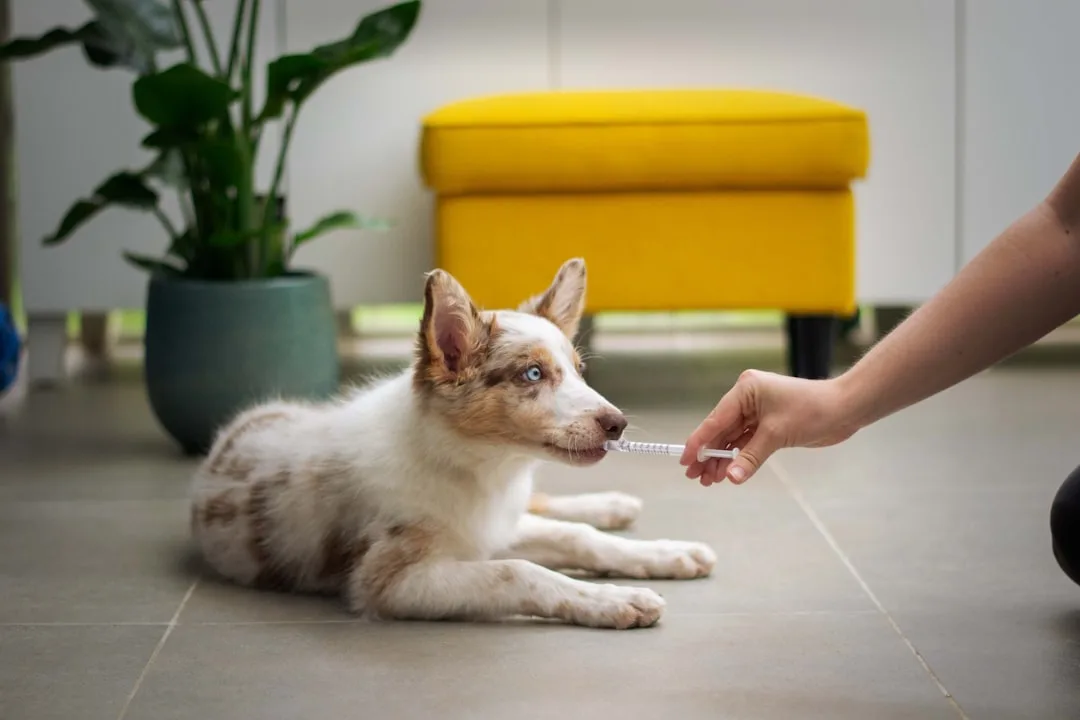
The standard dog vaccination protocol consists of core vaccines (recommended for all dogs) and non-core vaccines (recommended based on individual risk). Core vaccines include the DHPP combination (Distemper, Hepatitis/Adenovirus, Parvovirus, Parainfluenza) and Rabies. The puppy series begins at 8 we

Dogs can read human emotional expressions, discriminate between positive and negative emotional states, and show behavioral responses that align with empathic concern. Multiple peer-reviewed studies have demonstrated that dogs use both visual (facial expression) and auditory (vocal tone) cues to ide

Dogs experience a range of common illnesses, from minor infections and parasites to serious conditions like parvovirus and cancer. Recognizing the symptoms of the most prevalent dog illnesses allows owners to seek timely veterinary care, which frequently determines outcome severity. This guide cover
Dogs do not reliably pass the mirror self-recognition test used to assess self-awareness in animals, but this does not mean dogs lack self-awareness. The mirror test is a visually based assessment in an animal that is primarily olfactory. When an adapted version of self-recognition testing uses scen

The best dogs for first-time owners are forgiving of training inconsistencies, highly motivated by positive reinforcement, not prone to extreme behavioral challenges, and adaptable to various living situations. First-time owners typically underestimate the time, cost, and complexity of dog ownership
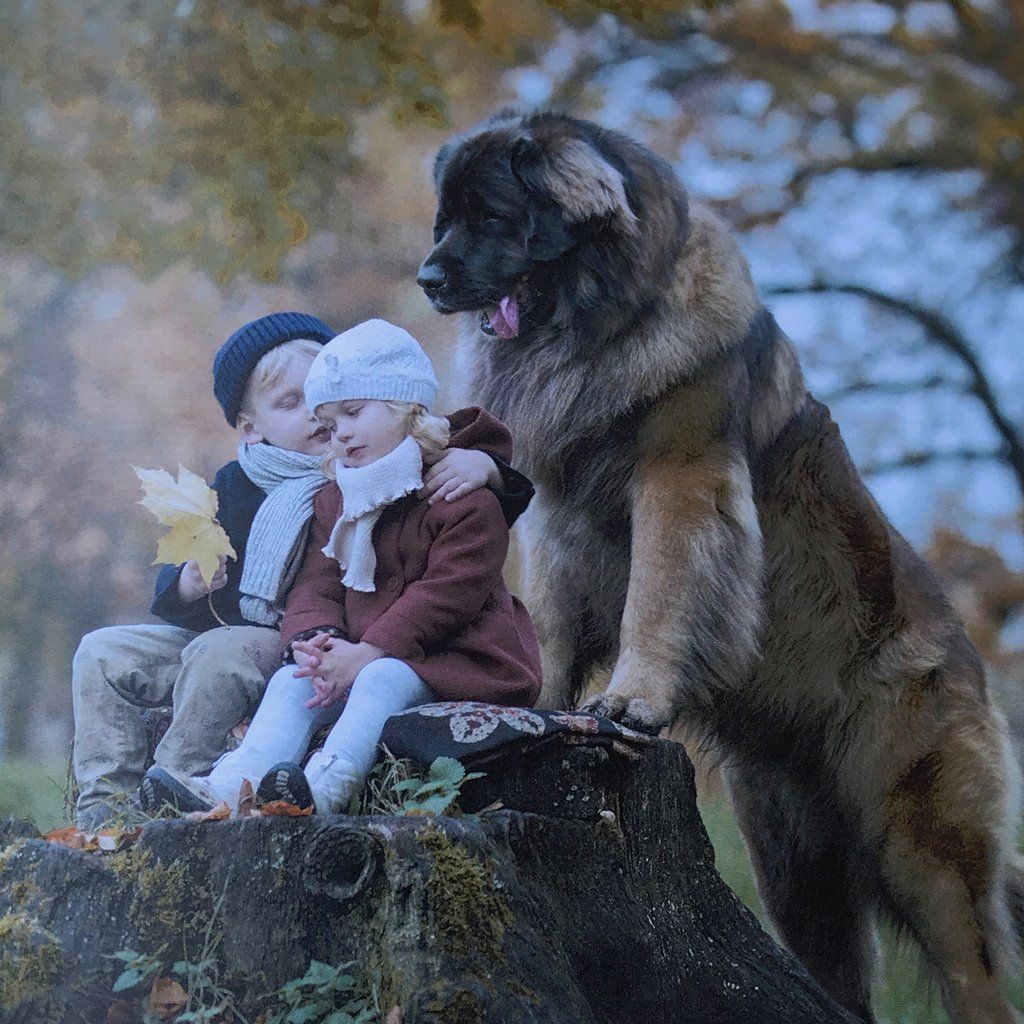
The best family dogs combine patient temperament, tolerance of unpredictable child behavior, appropriate size and energy match for the family's lifestyle, and trainability. No breed is universally safe or guaranteed, individual dog temperament, training quality, and the quality of adult supervision
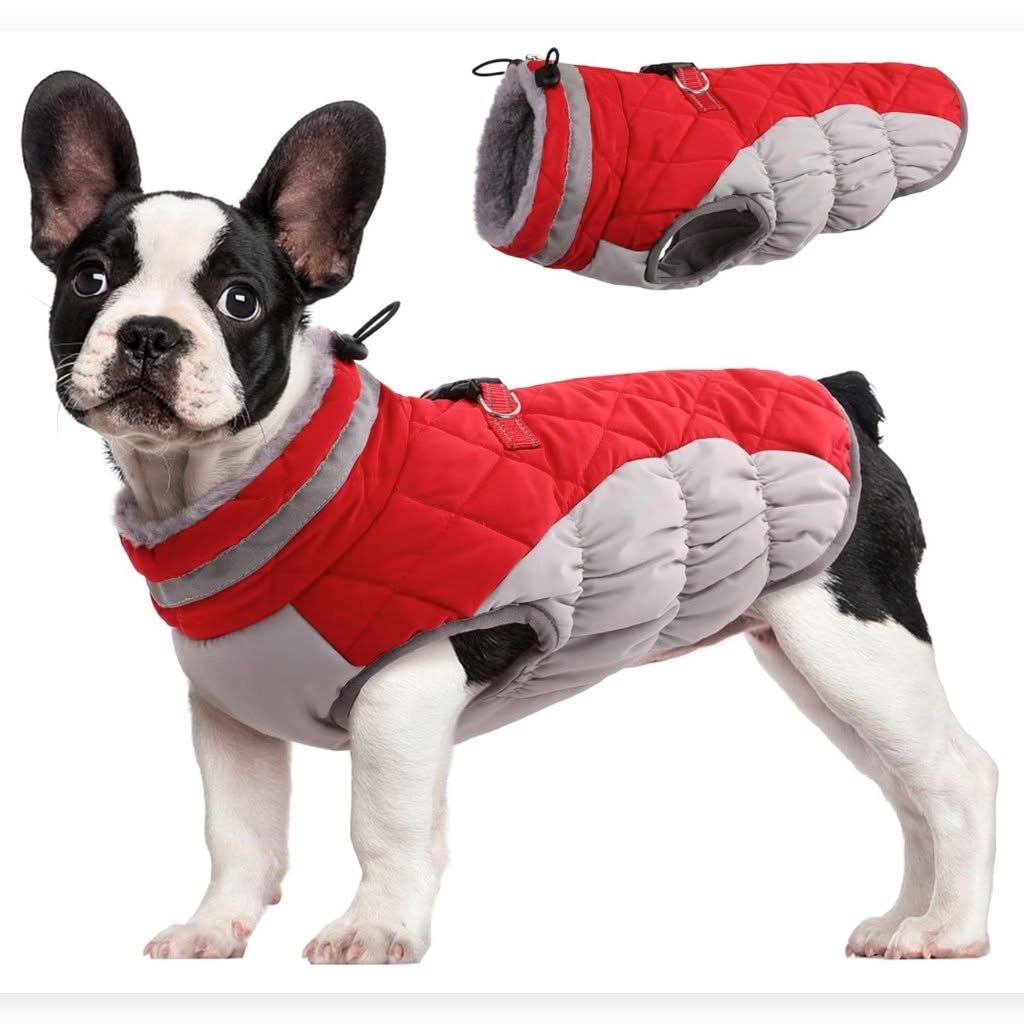
The best dogs for cold weather are breeds that evolved in arctic or subarctic environments, with thick double coats, cold-weather metabolic adaptations, and high physical endurance. Siberian Huskies, Alaskan Malamutes, Bernese Mountain Dogs, and similar breeds are physiologically built for cold. Con

The best apartment dogs combine low-to-moderate exercise needs, manageable noise levels, adaptable temperament, and a comfortable small-space lifestyle. Size alone does not determine apartment suitability, many large breeds are far better apartment dogs than smaller, high-energy terriers. The key f
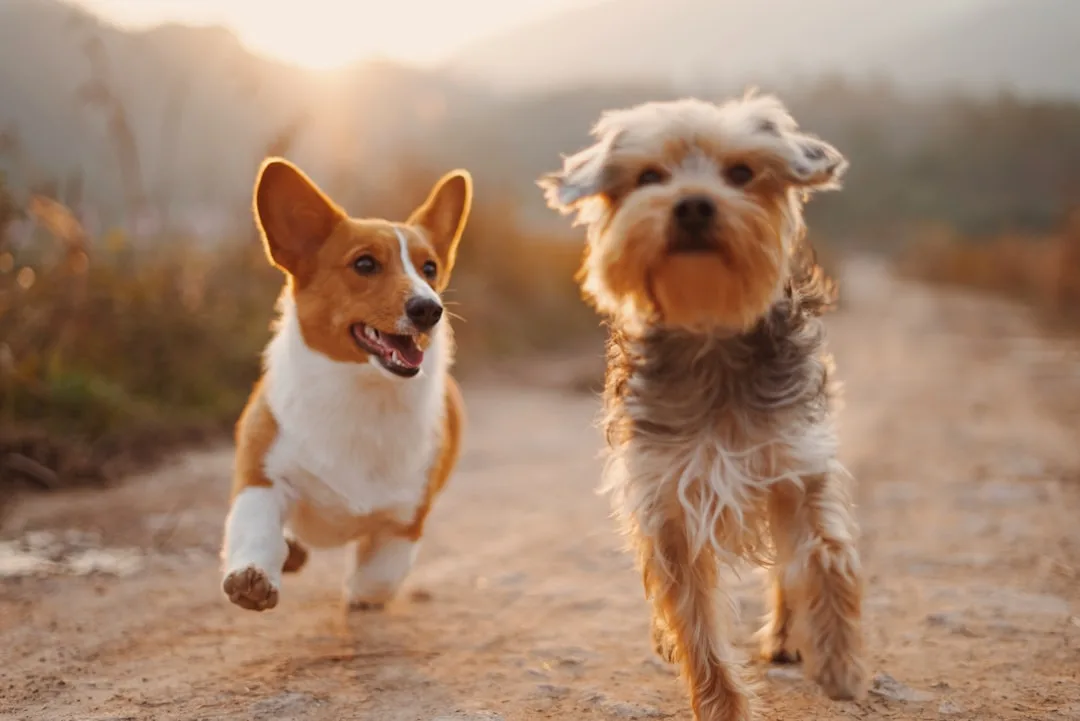
No dog breed is truly hypoallergenic, all dogs produce the primary allergen (Can f 1, a protein primarily found in dog saliva and skin secretions), and all shed some dander. However, certain breeds produce significantly less airborne allergen and cause substantially fewer allergic reactions in sens
