

Pet Health Care
Janus Cats: The Truth About Two-Faced Kittens
Discover the science, history, and care of Janus cats, two-faced kittens with diprosopus. Explore genetics, health challenges, ethics, and famous cases.
Expert guides on dogs, cats, and pet care: breed profiles, health, nutrition, training, and the science behind the animals that share our homes.
Dogs and cats are the two most popular companion animals on Earth, with an estimated 900 million dogs and 600 million cats living alongside humans worldwide. Yet for all the time we spend with them, the science behind their behavior, health, and needs is often misunderstood. This collection brings together expert-written profiles, care guides, and research-backed health articles for everyone from first-time owners to experienced breeders.
Every breed profile covers the traits that actually matter: temperament with data from behavioral studies, health predispositions backed by veterinary literature, grooming requirements, exercise needs, trainability, and suitability for different living situations. Long-tail guides on specific health problems and training challenges go deeper than any breed overview can.
What you will find here: In-depth dog and cat breed profiles, general behavior and care articles, feeding science, health guides, and training resources, all written by veterinary and animal-behavior professionals, with citations to peer-reviewed literature and guidance from the AVMA, ASPCA, and AKC.
In-depth profiles of 60+ dog breeds: Labrador Retriever, Golden Retriever, German Shepherd, French Bulldog, Poodle, Beagle, and dozens more, with health, temperament, and care data.
69 articlesDetailed profiles of 50+ cat breeds: Maine Coon, Persian, Ragdoll, Siamese, Bengal, British Shorthair, Sphynx, and more, with health, personality, and grooming guides.
45 articlesEverything about dogs: behavior, training, health, nutrition, lifespan, intelligence, and the science behind the world's most popular pet, from puppies to seniors.
30 articlesEverything about cats: behavior, communication, health, training, lifespan, and the fascinating science behind the world's most independent and popular pet.
20 articlesScience-backed feeding guides for dogs and cats: safe and toxic foods, portion sizes by weight, raw diets, wet vs dry food, puppy and kitten schedules, and senior nutrition.
15 articlesComplete pet health guides: spaying and neutering, dental care, grooming, nail trimming, exercise needs by breed, and enrichment activities for dogs and cats at home.
12 articlesDiscover the science, history, and care of Janus cats, two-faced kittens with diprosopus. Explore genetics, health challenges, ethics, and famous cases.

Discover the science behind cyclopia in animals, the causes of one-eyed kittens, and why this rare birth defect occurs. Learn about genetics, risks, and animal welfare.

Exercise is a physical necessity for dogs and cats, not an optional enrichment activity. Insufficient physical activity is a documented cause of obesity, behavioural problems, anxiety, destructive behaviour, and reduced lifespan. Equally important, and more often overlooked, is cognitive enrichmen

Microchipping is the most reliable permanent identification method available for dogs and cats. Unlike collars, which break or fall off, and tattoos, which fade and become illegible, a microchip is a passive radio-frequency identification (RFID) device that lasts the lifetime of the animal and can b
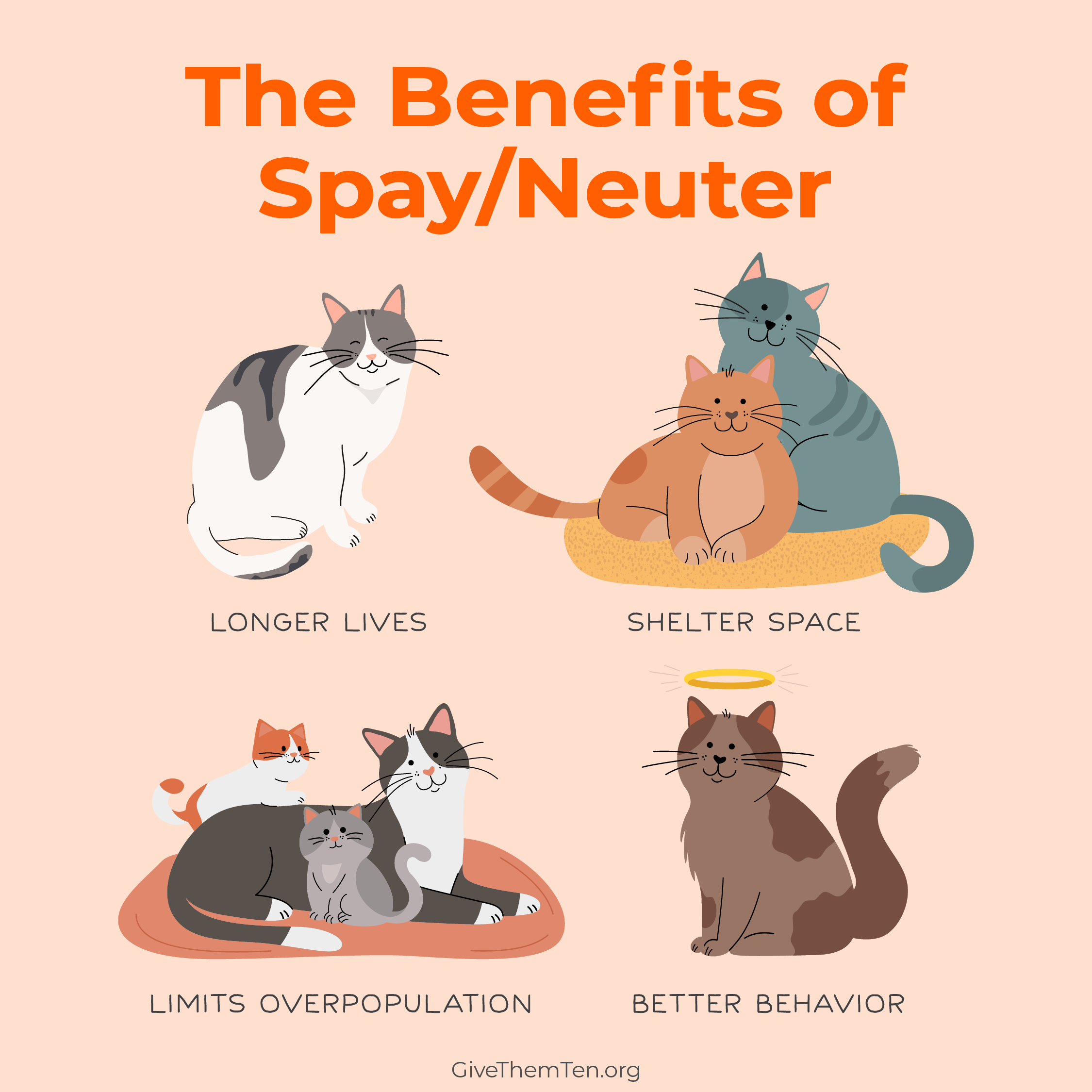
Spaying and neutering are the most commonly performed elective surgical procedures in veterinary medicine. In the United States alone, approximately 4 million dogs and cats are spayed or neutered each year. The procedures, ovariohysterectomy (spay) for females and orchiectomy (neuter) for males, i

Nail trimming is among the most commonly avoided dog care tasks. Surveys of dog owners consistently show that nail trimming is rated more stressful than bathing, ear cleaning, and many other grooming tasks, for both the owner and the dog. Yet overgrown nails cause real physical problems: altered gai

The indoor vs. outdoor cat debate is not evenly balanced by evidence. Outdoor cats face mortality rates dramatically higher than indoor cats. A widely cited 2013 study in Nature Communications by Loss et al. estimated that free-roaming cats kill between 1.3 and 4 billion birds annually in the United

Professional grooming is a significant recurring cost for dog owners, average costs range from $30 for a small breed bath and brush to over $100 for a large breed full groom, repeated every 6-12 weeks. Beyond cost, many dogs experience stress at grooming facilities, particularly if they have not be
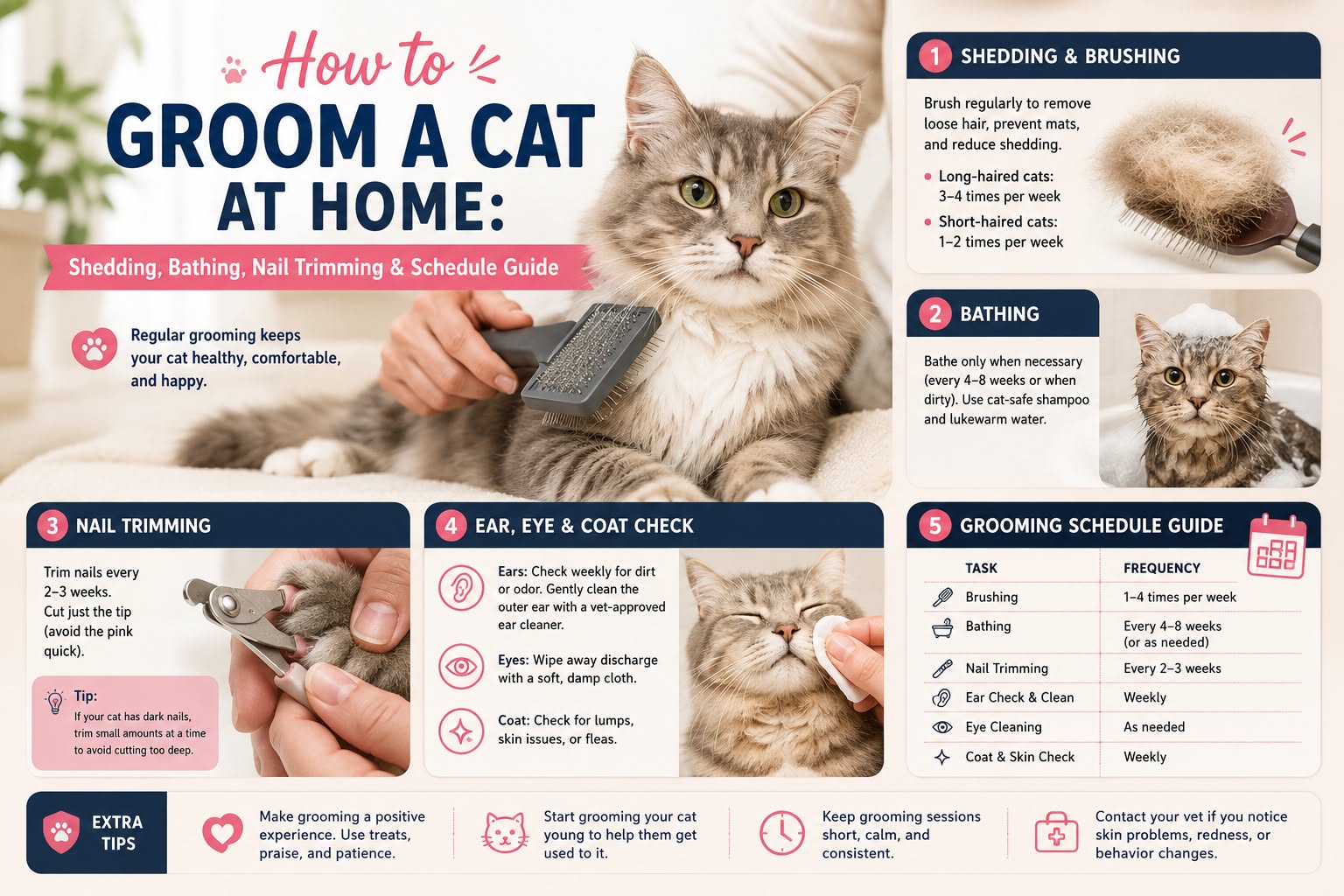
Cats are self-grooming animals that spend an estimated 30-50% of their waking hours on self-maintenance. Their barbed tongues remove loose fur, debris, and external parasites with remarkable efficiency. This natural behaviour leads many owners to assume cats need no help, an assumption that fails l

Intestinal parasites are among the most common health problems in dogs and cats worldwide. The Centers for Disease Control and Prevention (CDC) estimates that 34% of dogs in the United States have at least one intestinal parasite at any given time. Cats and dogs acquire parasitic infections through
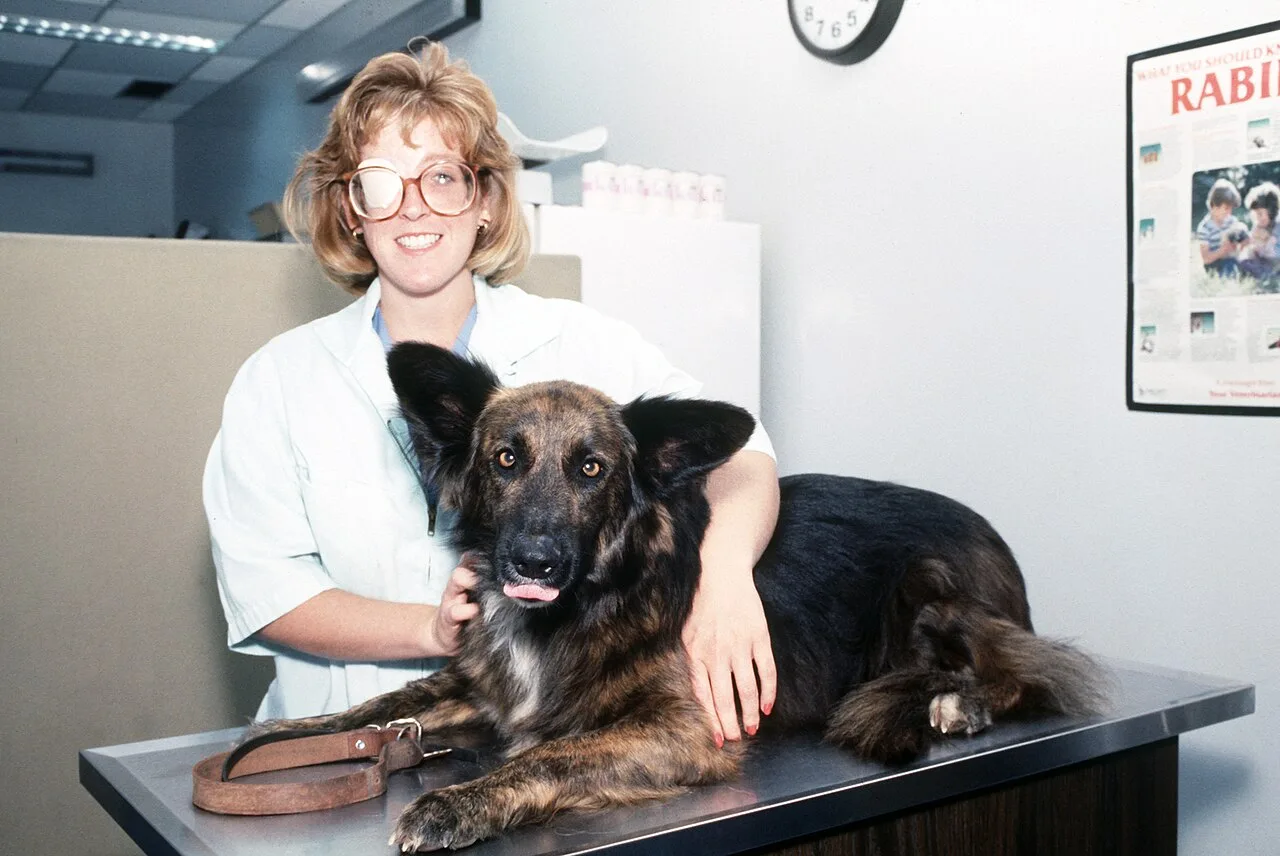
Periodontal disease is the most prevalent health condition in dogs. The American Veterinary Medical Association (AVMA) estimates that by age three, 80% of dogs show some degree of periodontal disease. By age seven, the proportion climbs to over 90%. Despite its prevalence, periodontal disease is lar

Dental disease is the most common health problem in adult cats. The American Association of Feline Practitioners (AAFP) estimates that 50-90% of cats over age 4 have some form of dental disease, with the prevalence increasing with age. Unlike many conditions that require diagnostic testing to detect

Dogs are natural scavengers, and their digestive systems can tolerate a wider range of foods than many other domestic animals. However, "wider range" does not mean "anything a human eats." Several common human foods are genuinely dangerous to dogs, some can cause acute kidney failure, neurological

Understanding what cats can and cannot eat requires understanding something fundamental about their biology: cats are obligate carnivores. Unlike dogs, which are omnivores capable of meeting many nutritional needs from plant sources, cats have evolved as strict meat-eaters. Over millions of years of

The wet food versus dry food debate is one of the most frequently asked questions in companion animal nutrition, and the honest answer is that neither format is universally superior. Both can provide complete, balanced nutrition. Both have meaningful advantages and real limitations. The best choice

The question of wet versus dry food is more consequential for cats than for dogs, and the answer leans more clearly in one direction. While both formats can provide complete and balanced nutrition, the unique physiology of cats, particularly their evolutionarily adapted low thirst drive, creates a

Every dog ages. The rate at which they age, and the nutritional implications of that ageing, varies enormously by body size, a phenomenon that makes "senior dog nutrition" a considerably more complex topic than a single recommendation can capture. A Great Dane may be geriatric at six years old. A C
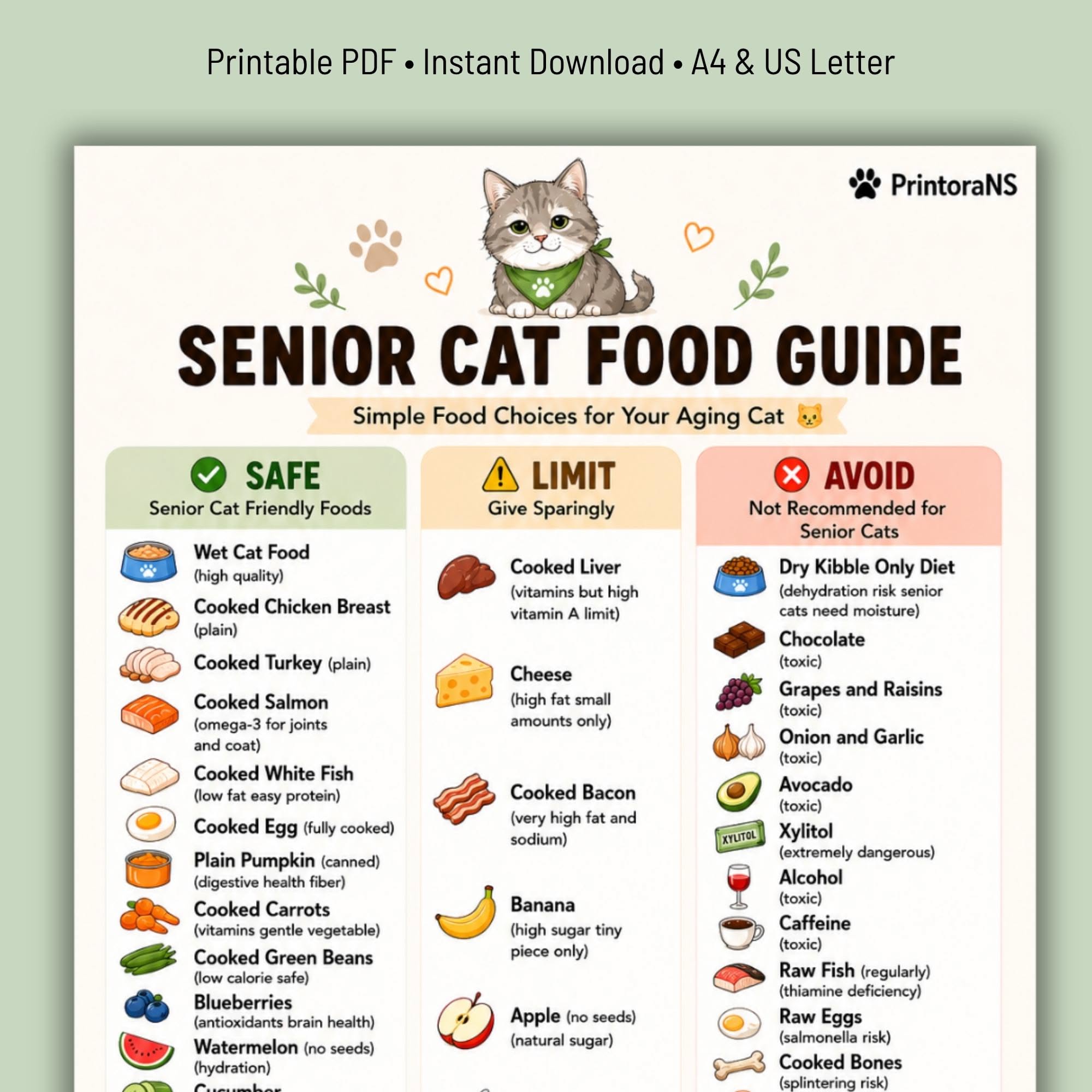
Cats age differently from most mammals. A cat at seven years old looks and behaves much like a cat at two. A cat at thirteen may show no obvious signs of the complex physiological changes occurring inside its body. This deceptive vitality is part of what makes senior cat nutrition so challenging: th

Few topics in canine nutrition generate more passionate debate than the raw diet. Proponents argue that feeding dogs uncooked meat, bones, and organs is the most natural and biologically appropriate choice available. Critics, including most veterinary medical organisations, point to real documented

Cats occupy a biologically unique position among domestic animals. Unlike dogs, which are classified as omnivores capable of meeting their nutritional needs from plant and animal sources alike, cats are obligate carnivores. This means that several nutrients critical to feline health, taurine, arach

Getting a puppy's feeding schedule right is one of the most consequential things a new dog owner can do. A puppy's first year of life involves the most rapid growth and development it will ever experience. The nutritional foundation laid during this period directly influences skeletal density, muscl
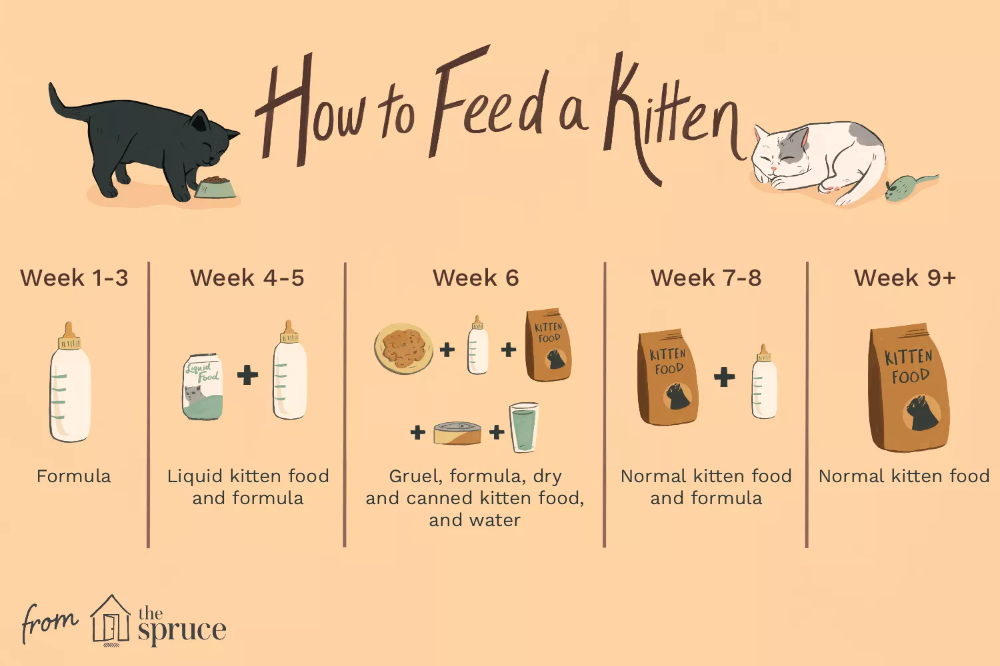
Kittens are born completely dependent on their mother and grow into self-sufficient predators capable of eating whole prey within weeks. This rapid developmental arc places enormous nutritional demands on the young cat's body. A kitten needs approximately twice the calories per kilogram of body weig

One of the most common mistakes dog owners make is feeding the wrong amount, and most of the time, that means feeding too much. Obesity is the most prevalent nutritional disease in companion dogs in the United States. Studies by the Association for Pet Obesity Prevention consistently find that more

Obesity is the single most common nutritional disease in pet cats in the United States. According to annual survey data from the Association for Pet Obesity Prevention, more than 59% of cats in veterinary clinical settings are classified as overweight or obese. This is not merely an aesthetic issue
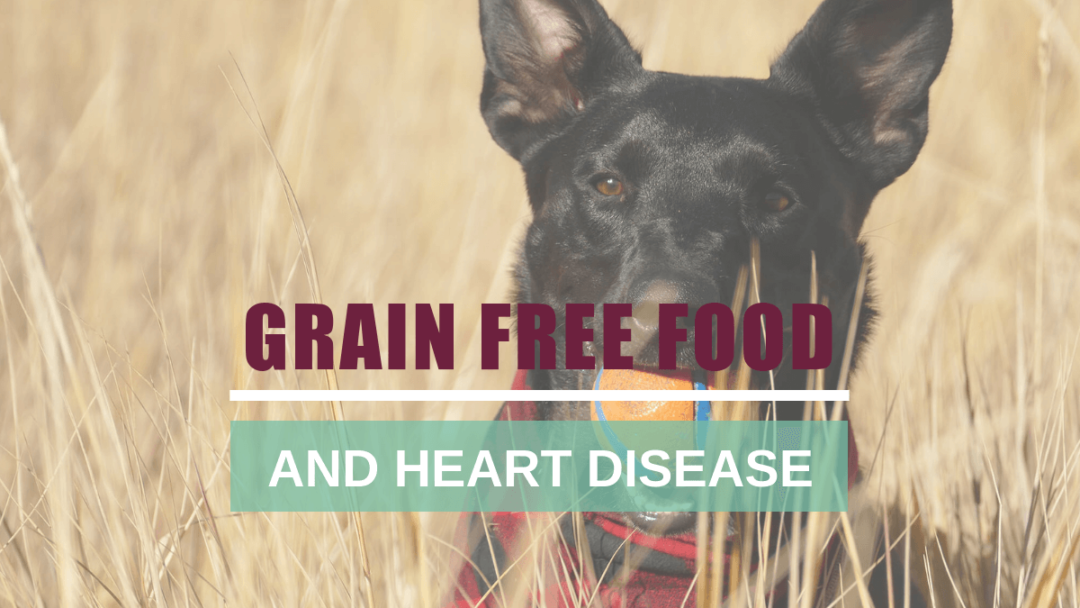
Grain-free dog food has been one of the most significant commercial trends in pet nutrition over the past fifteen years. At its peak, grain-free products accounted for more than 40% of all premium dog food sales in the United States. Marketing positioned these products as more natural, closer to a d
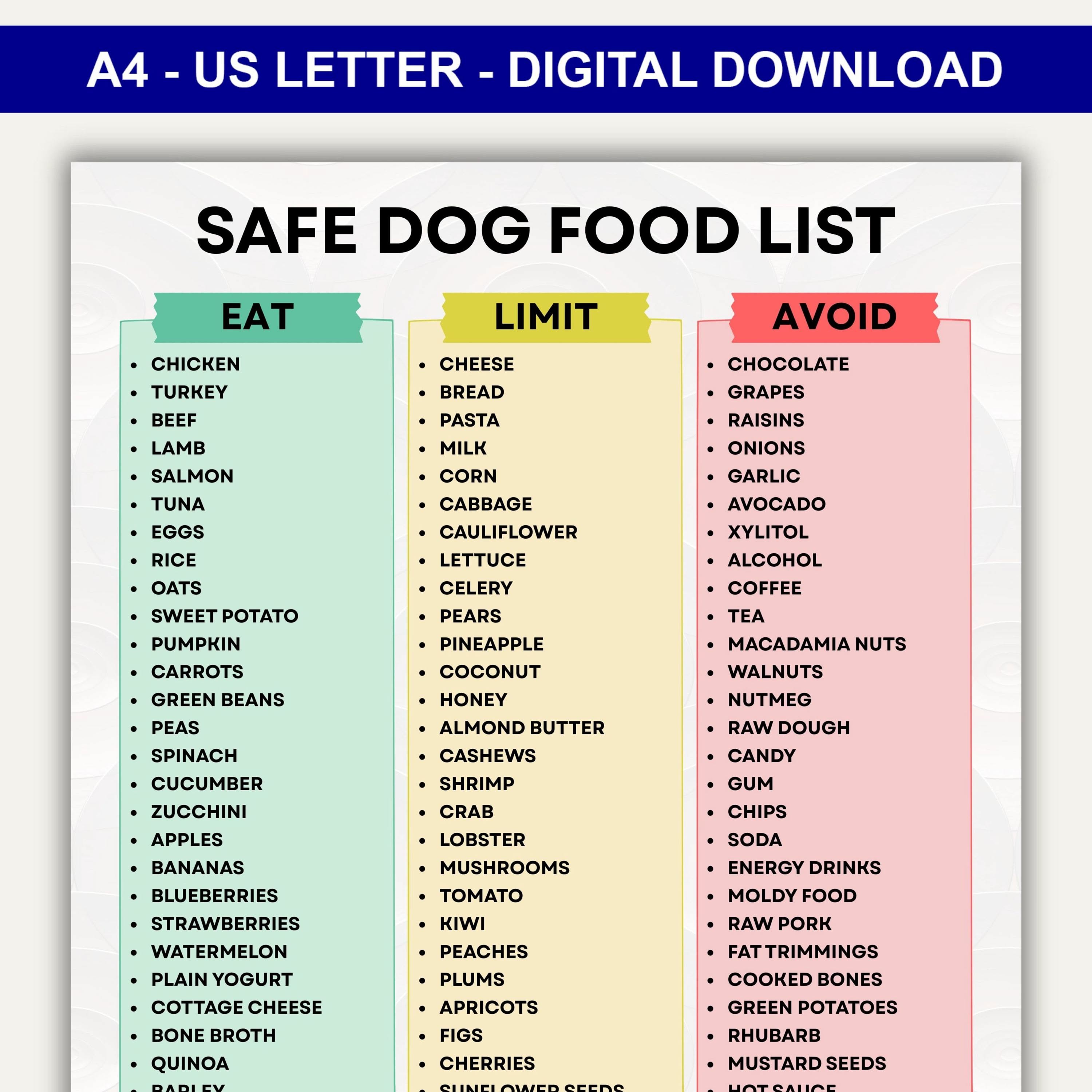
Emergency contacts, save these now: - ASPCA Animal Poison Control Center: 888-426-4435 (24 hours a day, 7 days a week; per-incident fee may apply) - Pet Poison Helpline: 855-764-7661 (24/7; fee may apply) - Your local emergency veterinary hospital (find it before an emergency) If your dog has eaten

Emergency contacts, save these now: - ASPCA Animal Poison Control Center: 888-426-4435 (24 hours a day, 7 days a week; per-incident fee may apply) - Pet Poison Helpline: 855-764-7661 (24/7; fee may apply) - Your local emergency veterinary hospital Do not wait for symptoms before calling. Many cat t

The Turkish Van is an ancient breed from one of the world's oldest continuously inhabited regions, the Van Lake area of eastern Turkey, and it carries one of the most immediately distinctive descriptions in all of domestic cat breeding: the Swimming Cat. Unlike virtually all other domestic cat bre
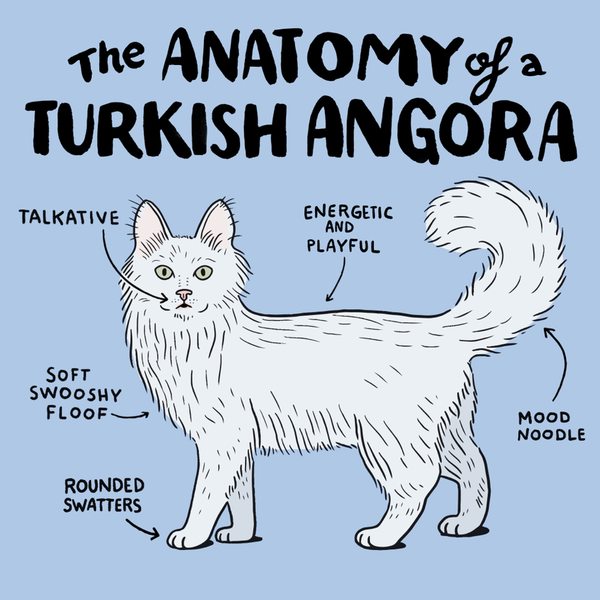
The Turkish Angora is one of the oldest naturally occurring cat breeds in documented history, originating in the Ankara region of Turkey, known in earlier centuries as Angora, from which both the cat breed and the angora fiber (from Angora rabbits and goats from the same region) take their names. L

The Tonkinese is a deliberately created hybrid breed developed in Canada in the 1960s by crossing Siamese and Burmese cats with the intention of producing a cat that balanced the best qualities of both parent breeds. The result is a medium-sized, muscular cat with an aqua-eyed mink coat pattern that
The French Bulldog has topped AKC registration charts in the United States in recent years, but globally the Labrador Retriever has been among the most popular breeds for decades. The Golden Retriever and German Shepherd consistently rank in the top five worldwide. Popularity rankings vary by country: Shiba Inus lead in Japan, Border Collies are beloved in Australia, and Siberian Huskies rank highly in northern Europe.
Overall, the Labrador Retriever remains one of the most widely owned dogs across North America, the UK, and Australia combined.
The average domestic cat lives 12 to 18 years, with indoor cats typically outliving outdoor cats by several years due to reduced exposure to traffic, predators, and infectious disease. Some breeds are notably long-lived: Siamese and Burmese cats frequently reach 16 to 20 years. The oldest verified cat on record was Creme Puff, a female tabby mix from Austin, Texas, who lived to 38 years and 3 days.
Diet quality, veterinary care, spay/neuter status, and genetics all influence lifespan substantially.
Several common human foods are dangerous or lethal to dogs. Grapes and raisins can cause acute kidney failure even in small amounts. Xylitol, an artificial sweetener found in sugarless gum and some peanut butters, causes a life-threatening drop in blood sugar. Chocolate contains theobromine, which dogs metabolise slowly; dark chocolate is the most dangerous. Onions and garlic damage red blood cells. Macadamia nuts cause vomiting and weakness.
Alcohol and caffeine are toxic in any amount. If a dog ingests any of these, contact a veterinarian immediately.
Neither is objectively better; the right pet depends entirely on your lifestyle, living situation, and what you want from the relationship. Dogs require daily exercise, training, and social interaction, making them better suited for active owners with outdoor access and consistent schedules.
Cats are more independent, require less daily time investment, and adapt well to apartment living and irregular schedules, but still need environmental enrichment and veterinary care. Research consistently shows both dogs and cats provide measurable health benefits to owners, including lower blood pressure, reduced cortisol levels, and decreased loneliness.
Healthy adult dogs and cats should see a veterinarian at least once a year for a wellness exam, vaccinations, parasite prevention, and dental assessment. Puppies and kittens need more frequent visits in their first year for their vaccination series. Senior pets (7+ years for most breeds) benefit from biannual checkups.
Seek immediate care if your pet shows difficulty breathing, collapse, seizures, suspected poisoning, inability to urinate, or any sudden severe behavioural change.
The best diet meets AAFCO nutritional standards for the animal's life stage, is appropriate for the individual's breed, size, age, and health status, and is fed in the correct quantity to maintain healthy body weight. For most dogs and cats, a high-quality commercial food from a reputable manufacturer is appropriate. Raw diets carry increased risks of bacterial contamination and nutritional imbalance unless carefully formulated.
The AVMA recommends consulting a board-certified veterinary nutritionist before switching to any home-prepared or raw diet.