
Lizards
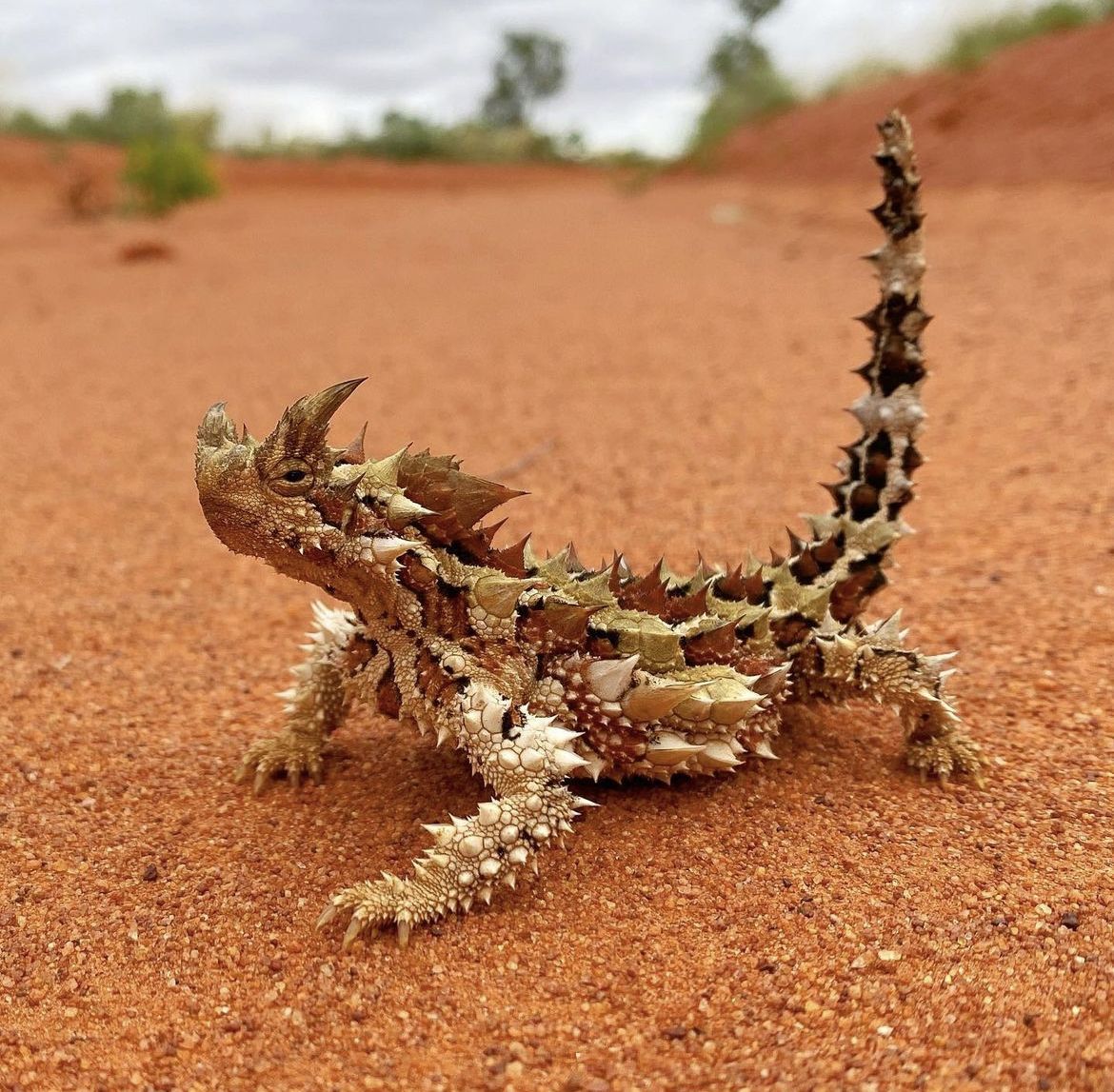
Thorny Dragon: The Desert Lizard That Drinks Through Its Skin
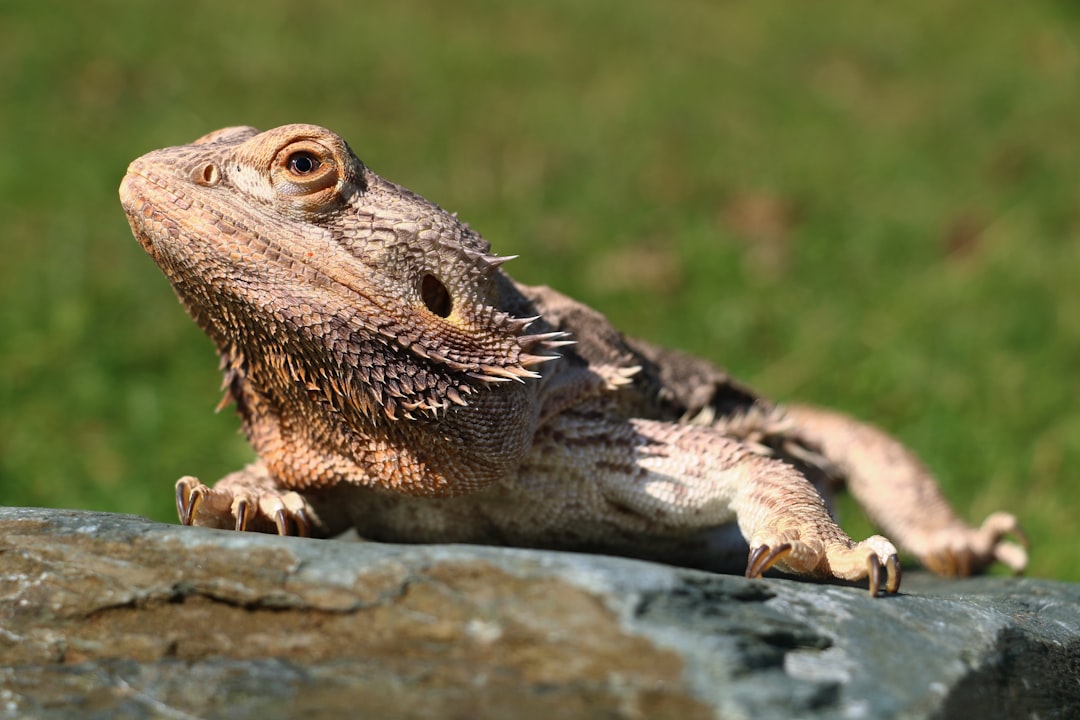
Discover the thorny dragon (Moloch horridus), the Australian desert lizard that drinks through its skin. Explore its unique adaptations, habitat, diet, and survival.
Discover strange facts about reptiles and amphibians: snakes, lizards, crocodilians, turtles, frogs, salamanders, and the venomous, scaled, and shelled
Reptiles and amphibians represent some of the oldest and most resilient vertebrate lineages on Earth. Crocodilians have remained virtually unchanged for over 80 million years. Tuataras carry a body plan that predates the dinosaurs. Sea turtles navigate entire ocean basins using the planet's magnetic field.
From the king cobra's neurotoxic venom to the axolotl's ability to regenerate entire limbs, these animals challenge our assumptions about what cold-blooded life can achieve.
This collection covers the full spectrum of reptile and amphibian biology: venomous snakes and the evolution of their toxin arsenals, crocodilians and their surprisingly complex social behavior, lizards from tiny geckos to the Komodo dragon, turtles and tortoises with lifespans that dwarf our own, and the frogs, salamanders, and caecilians whose permeable skin makes them the most sensitive barometers of environmental health on the planet.
What you will find: Expert-written articles on reptile and amphibian behavior, evolution, conservation, and the science behind their most remarkable adaptations. Every piece is researched, fact-checked, and written to give you a genuine understanding of these extraordinary animals.
Discover strange facts about snakes: cobras, vipers, pythons, anacondas, mambas, rattlesnakes, and the legless predators that hunt across every continent except Antarctica.
6 articlesDiscover strange facts about lizards: Komodo dragons, geckos, iguanas, monitor lizards, chameleons, and the scaled reptiles that range from finger-sized to 3 metres long.
9 articlesDiscover strange facts about crocodilians: saltwater crocodiles, Nile crocodiles, alligators, caimans, gharials, and the living dinosaurs that have ruled rivers for 200 million years.
8 articlesDiscover strange facts about turtles: Galapagos giants, snapping turtles, painted turtles, alligator snappers, and the shelled survivors that predate the dinosaurs.
6 articlesDiscover strange facts about chameleons: panther chameleons, veiled, Parson's, pygmy, and the Madagascan masters of color change, independent eyes, and ballistic tongues.
6 articlesDiscover strange facts about geckos: tokay, leopard, day, crested, and the wall-climbing lizards whose toe pads inspired entire fields of nanotech adhesion research.
6 articlesDiscover strange facts about monitor lizards: Komodo dragons, water monitors, Nile monitors, perenties, savannah monitors, and the giant predatory lizards of the Old World tropics.
6 articlesDiscover strange facts about venomous reptiles: inland taipans, Gila monsters, Mexican beaded lizards, and the snakes and lizards whose venom kills, paralyzes, or digests prey from inside.
5 articlesDiscover strange facts about frogs and toads: poison dart frogs, glass frogs, red-eyed tree frogs, cane toads, and the amphibians that breathe through skin and signal climate health.
10 articlesDiscover strange facts about salamanders: axolotls, fire salamanders, hellbenders, newts, and the amphibians that regenerate limbs, organs, and even parts of their brains.
6 articlesDiscover strange facts about the world's most venomous snakes: inland taipans, king cobras, black mambas, sea snakes, and species ranked by LD50 toxicity.
2 articlesDiscover the thorny dragon (Moloch horridus), the Australian desert lizard that drinks through its skin. Explore its unique adaptations, habitat, diet, and survival.
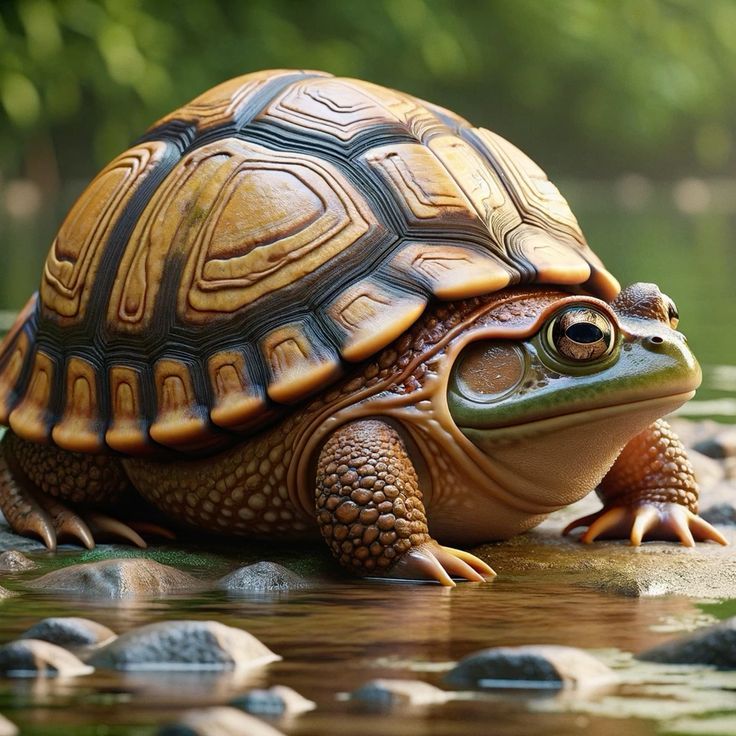
Discover the turtle frog (Myobatrachus gouldii), an Australian burrowing frog with a turtle-like appearance, unique termite-based diet, and remarkable adaptations.
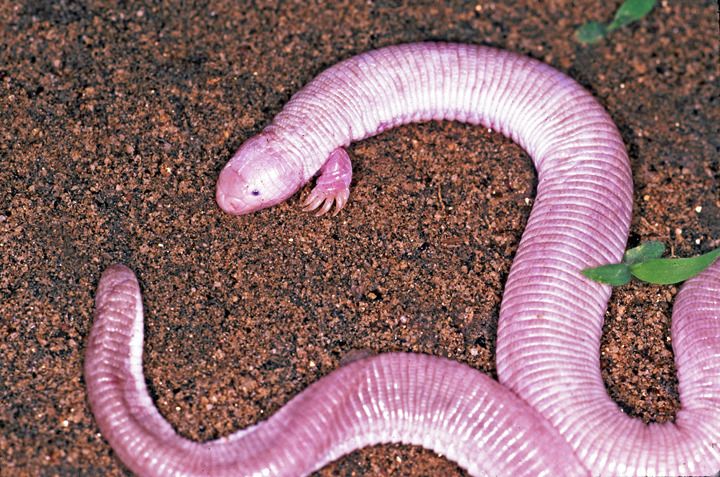
Discover the Mexican mole lizard (ajolote), a unique two-legged burrowing reptile from Baja California. Explore its biology, behavior, adaptations, and conservation.
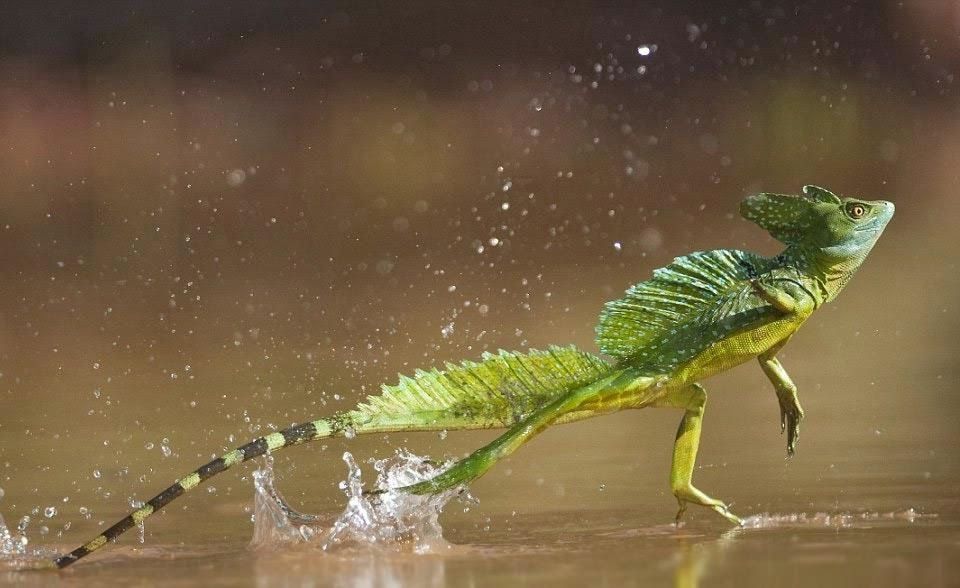
Discover the Jesus Christ lizard (common basilisk), famous for running on water. Explore its anatomy, habitat, diet, behavior, and conservation status in detail.
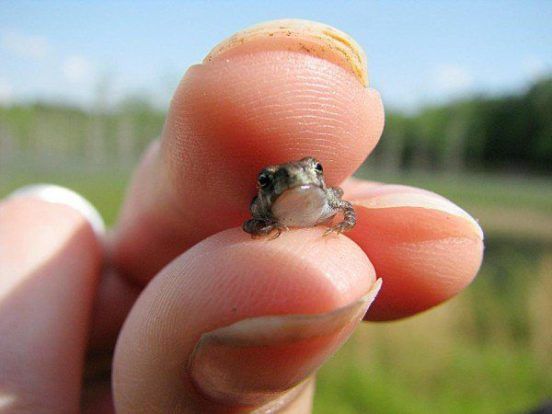
Discover Paedophryne amauensis, the world's smallest frog and vertebrate, found in Papua New Guinea. Explore its unique adaptations, habitat, and evolutionary significance.
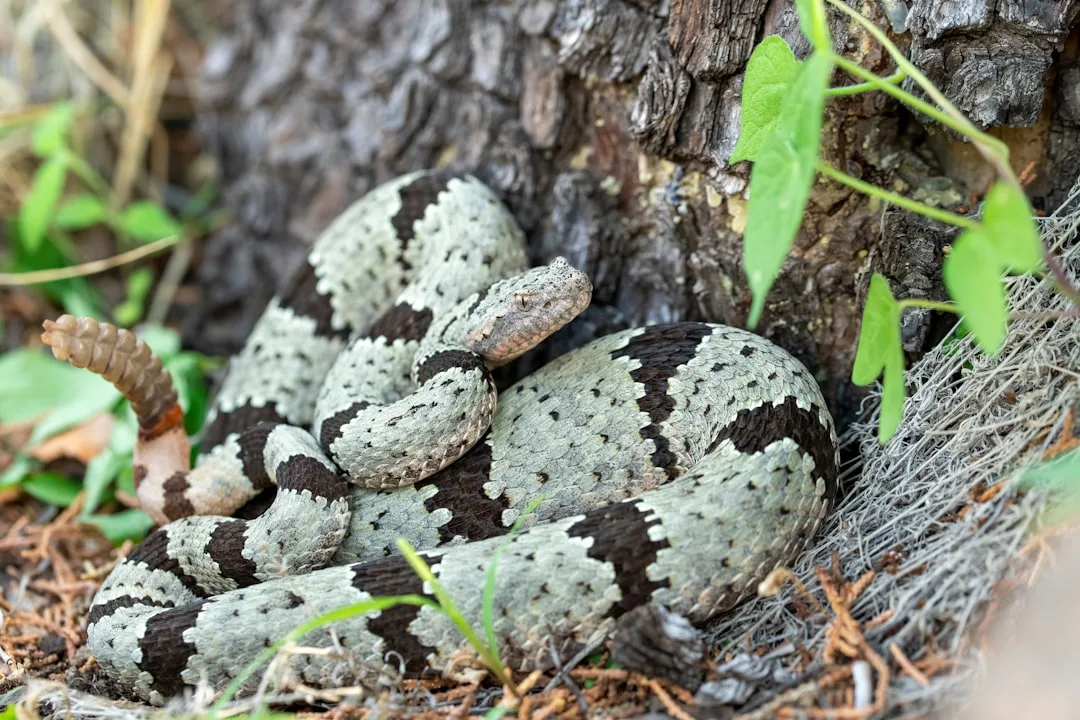
Everything about the rattlesnake: size, habitat, the rattle, pit organs, venom, reproduction, conservation, and the strange facts that make Crotalus the most distinctive pit viper genus in the Americas.
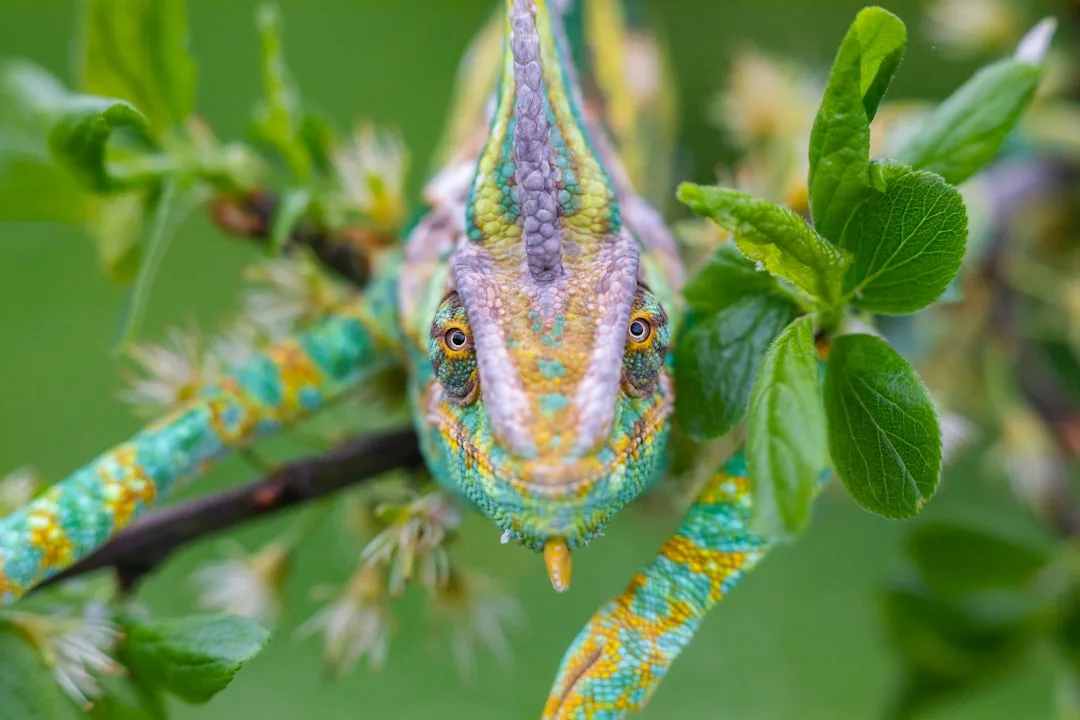
Discover the science behind chameleon color change, ballistic tongue projection, and independent eye movement. Expert-written guide covering 200+ species, nanocrystal skin mechanics, the tiny Brookesia nana, and the myths debunked by modern research.
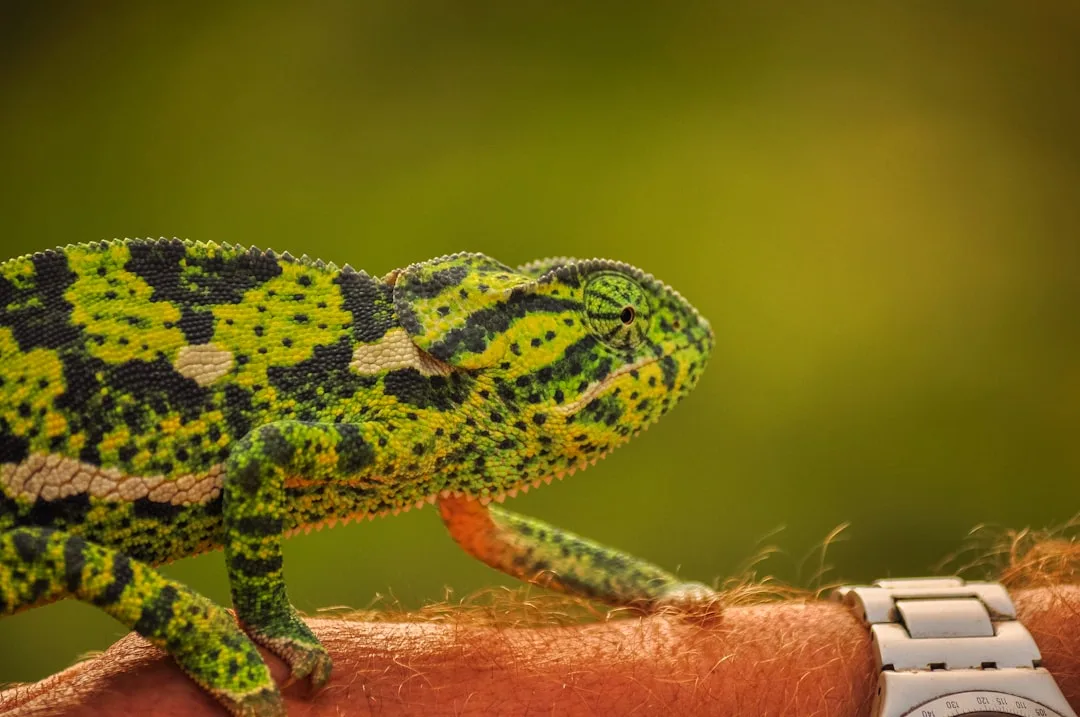
Chameleons change color by rearranging nanocrystals in their skin, not through pigment. Expert guide to the science of chameleon color change and why they do it.
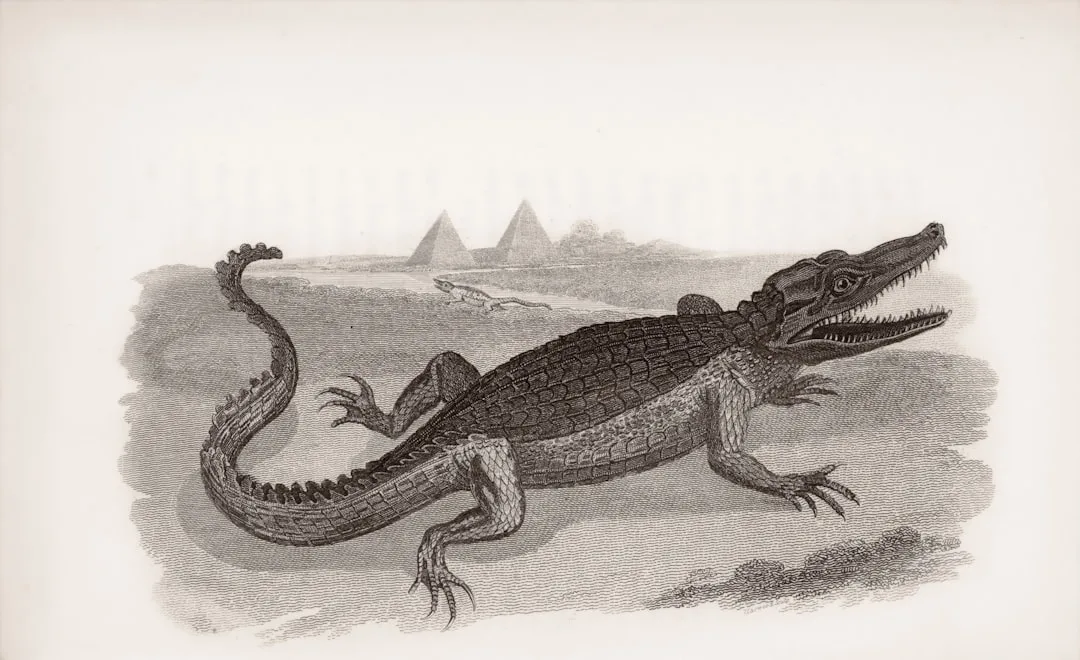
Crocodile vs alligator - the real differences in snout shape, bite force, habitat, size, and aggression between the two most famous living reptiles.
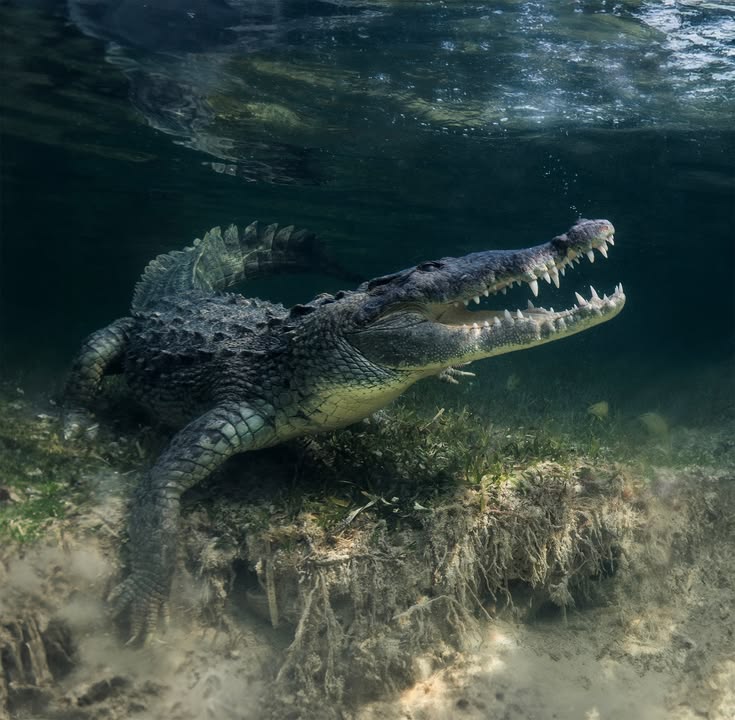
Explore the world of crocodilians, from saltwater crocodiles with 3,700 psi bite force to critically endangered gharials. Expert-written guide covering 240 million years of evolution, species profiles, behavior, parenting, and conservation.
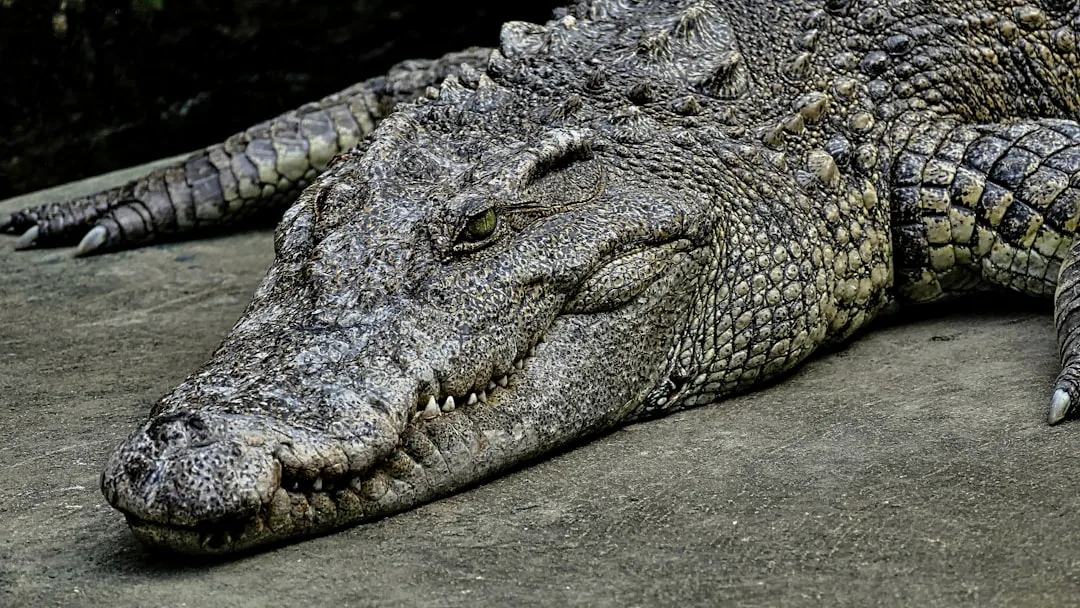
Nile crocodiles kill more humans than any other animal except hippos. Expert guide to Africa's deadliest reptile, their hunting strategy, and survival.
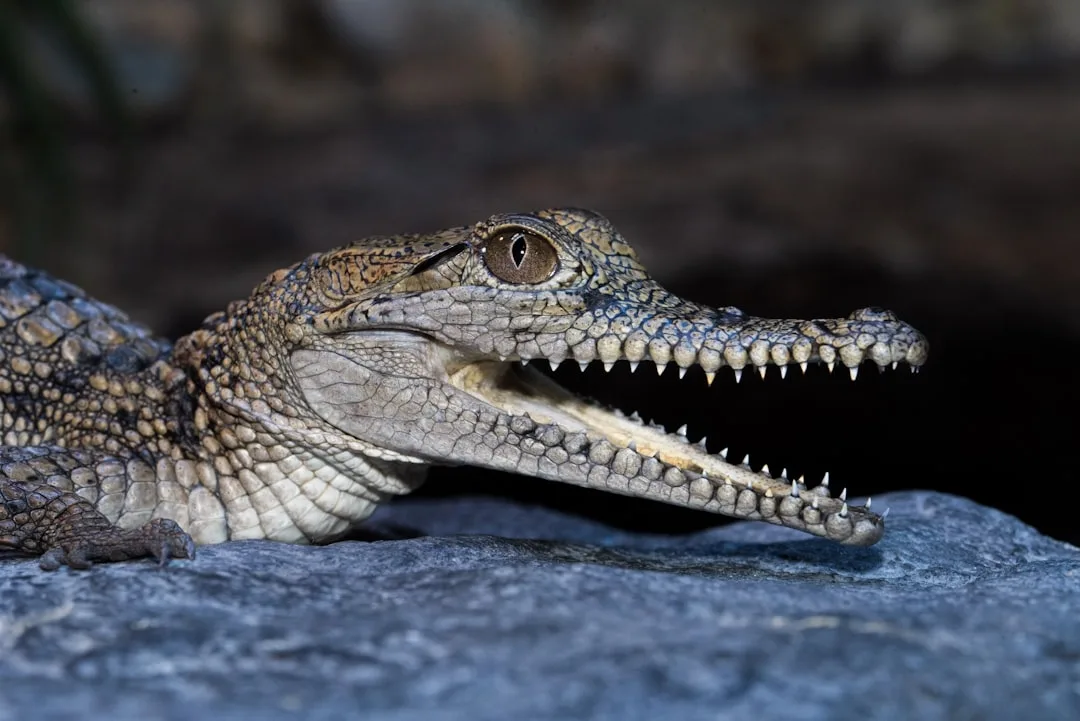
Expert profile of the saltwater crocodile, the world's largest living reptile, with verified size records, bite force data, hunting biomechanics, range across the Indo-Pacific, Australian population recovery, and human conflict statistics.
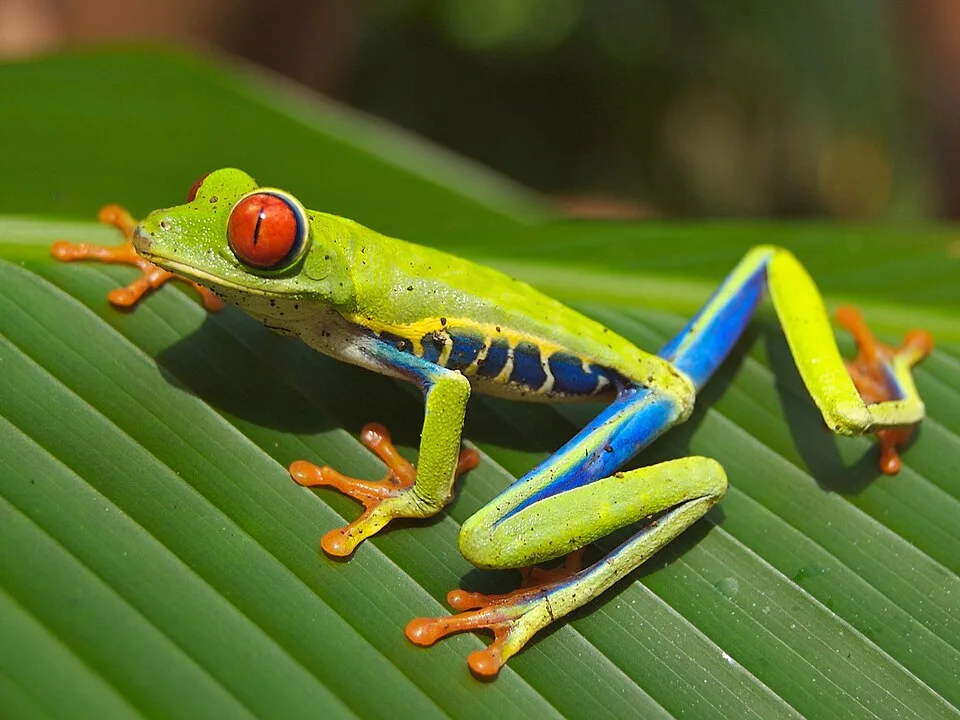
Discover the extraordinary world of frogs and toads, from poison dart frogs to glass frogs, and learn why these amphibians are disappearing faster than any other vertebrate group on Earth.
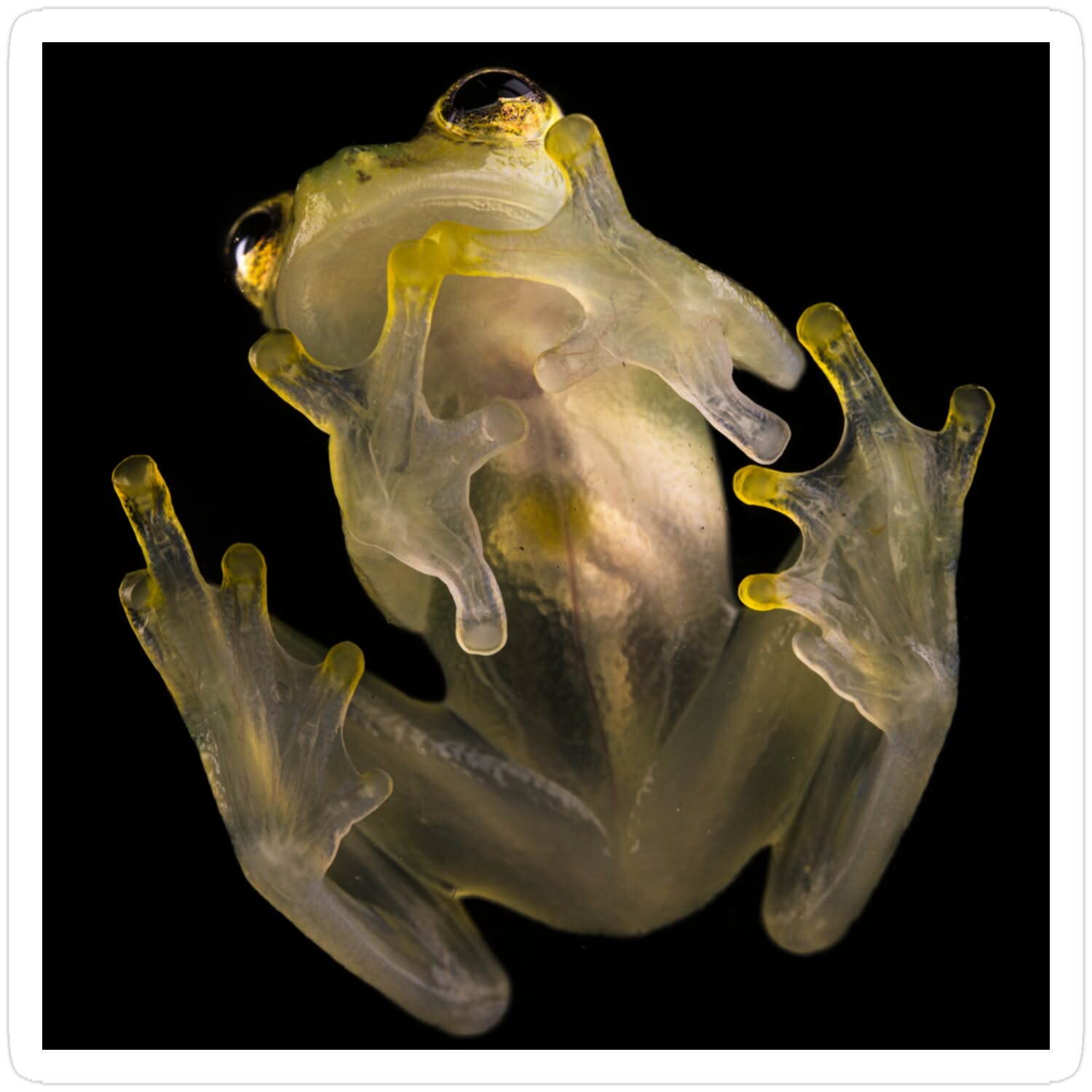
Glass frogs have transparent bellies revealing their beating hearts. Expert guide to these tropical amphibians and how they achieve see-through skin.
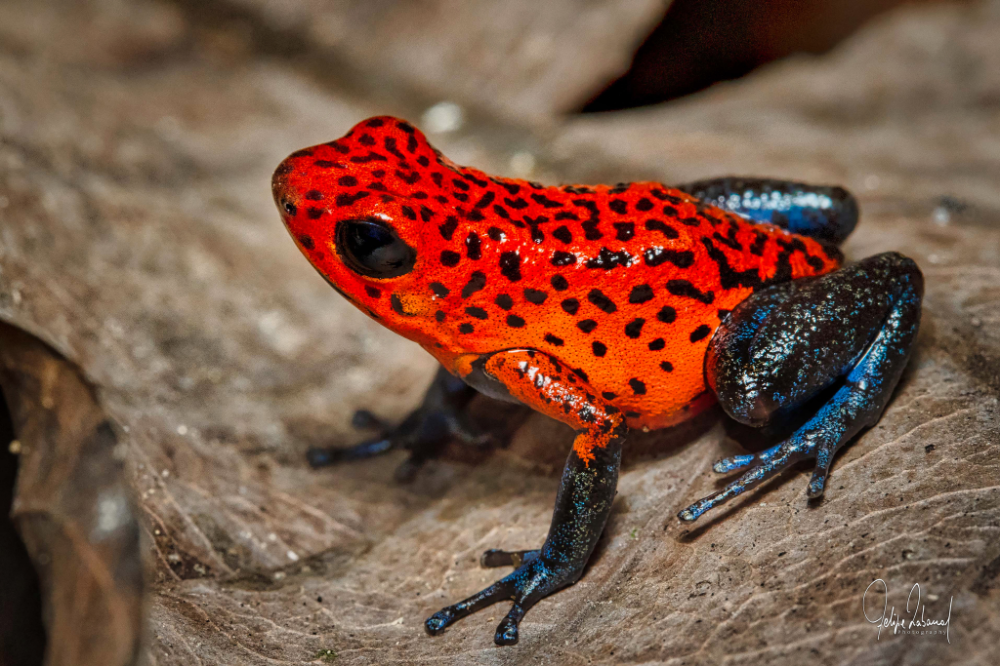
Poison dart frogs contain toxins that can kill 10 humans per frog. Expert guide to why they're colorful, where their poison comes from, and why captive frogs are harmless.
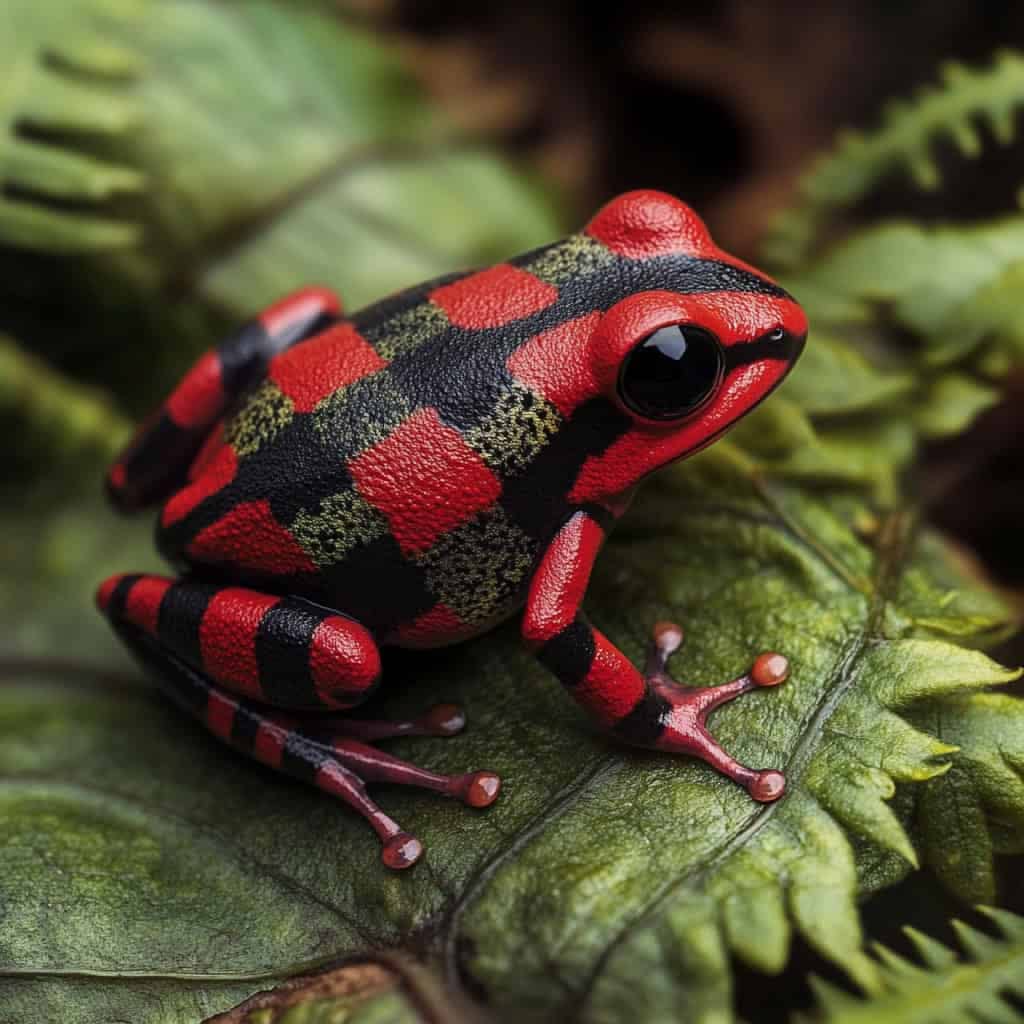
Golden poison frogs carry enough toxin to kill 10 humans. Expert guide to poison dart frogs, their lethal skin secretions, and how they get their poison.
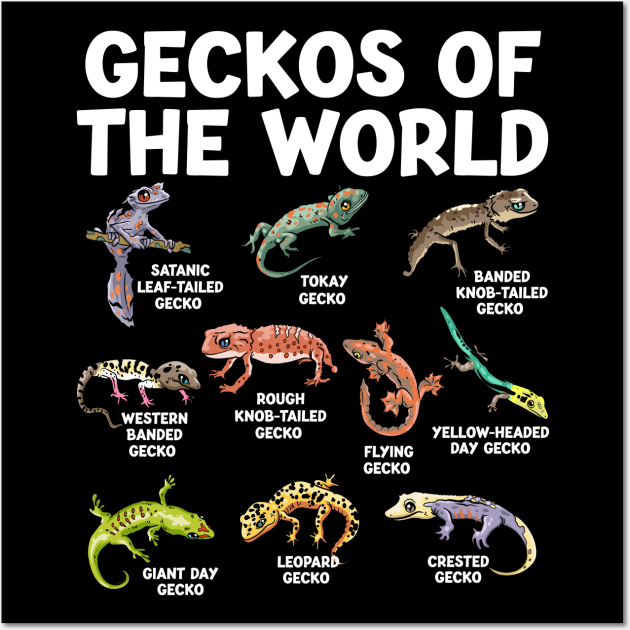
Discover the extraordinary world of geckos, from the van der Waals adhesion science behind their wall-climbing ability to the rediscovery of crested geckos in 1994. Expert-written guide covering 1,500+ species, biomimicry breakthroughs, and the remarkable biology of these vocal, self-cleaning reptil
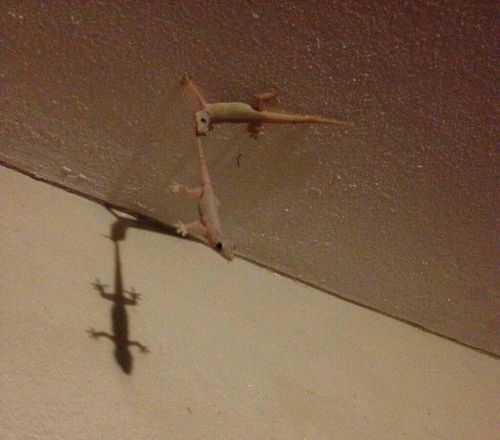
Geckos climb smooth glass upside down using quantum forces. Expert guide to how gecko feet work and why engineers want to copy them for robots and tape.
Komodo dragons reach 3 meters long and kill with venom, not just bacteria. Expert guide to the world's largest lizard and how it hunts prey much larger than itself.
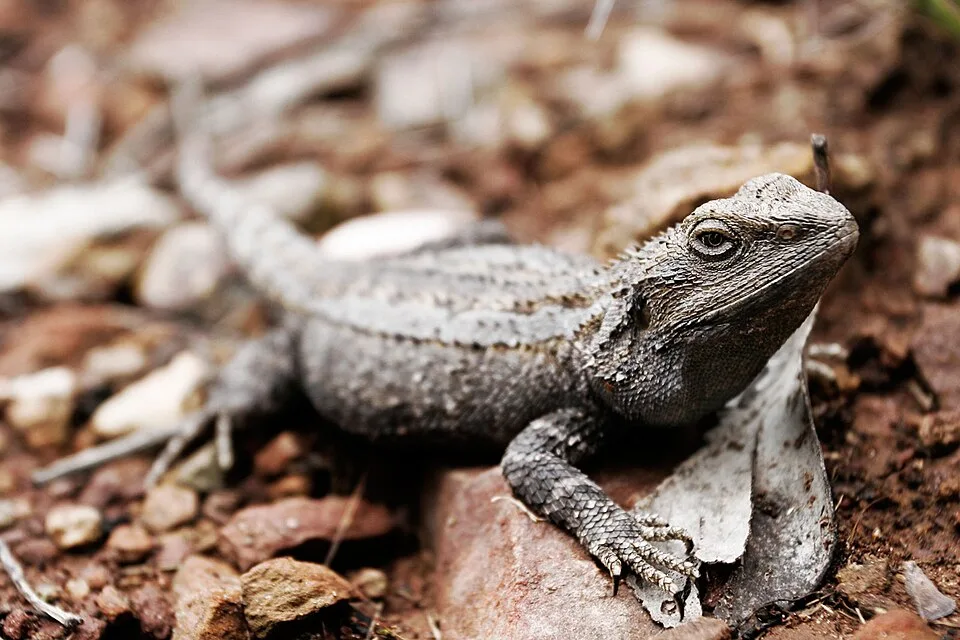
Explore the extraordinary world of lizards, from Komodo dragon venom and gecko wall-climbing physics to marine iguanas, blood-squirting horned lizards, and the science of tail regeneration. Expert-written guide covering diversity, behavior, and survival strategies across 7,000+ species.
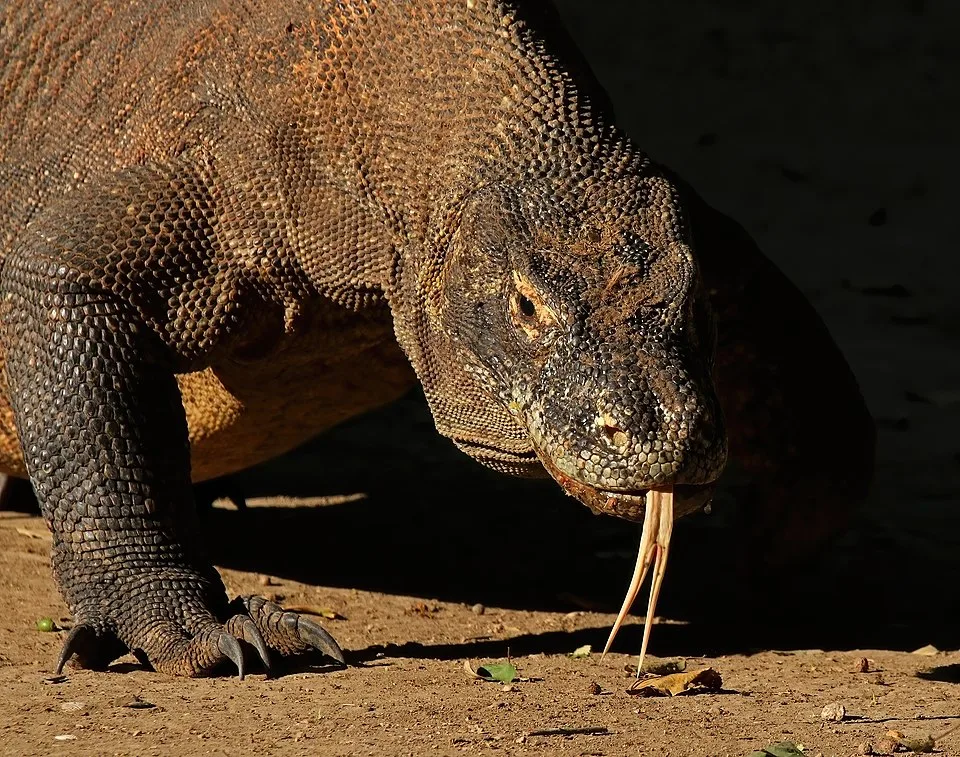
Komodo dragons use venom, not bacteria, to kill prey. Expert guide to the world's largest lizard, its hunting tactics, and why it dominates the Indonesian islands.
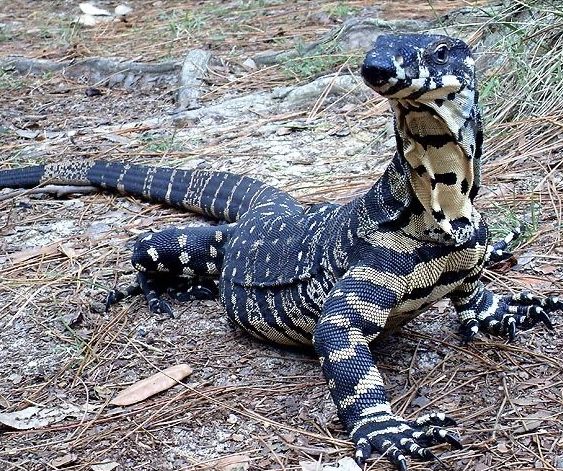
Discover monitor lizards - the most intelligent reptiles on Earth. Expert-written guide covering Komodo dragons, water monitors, Nile monitor cognition, perenties, crocodile monitors, venom research, and conservation across 80+ species in genus Varanus.
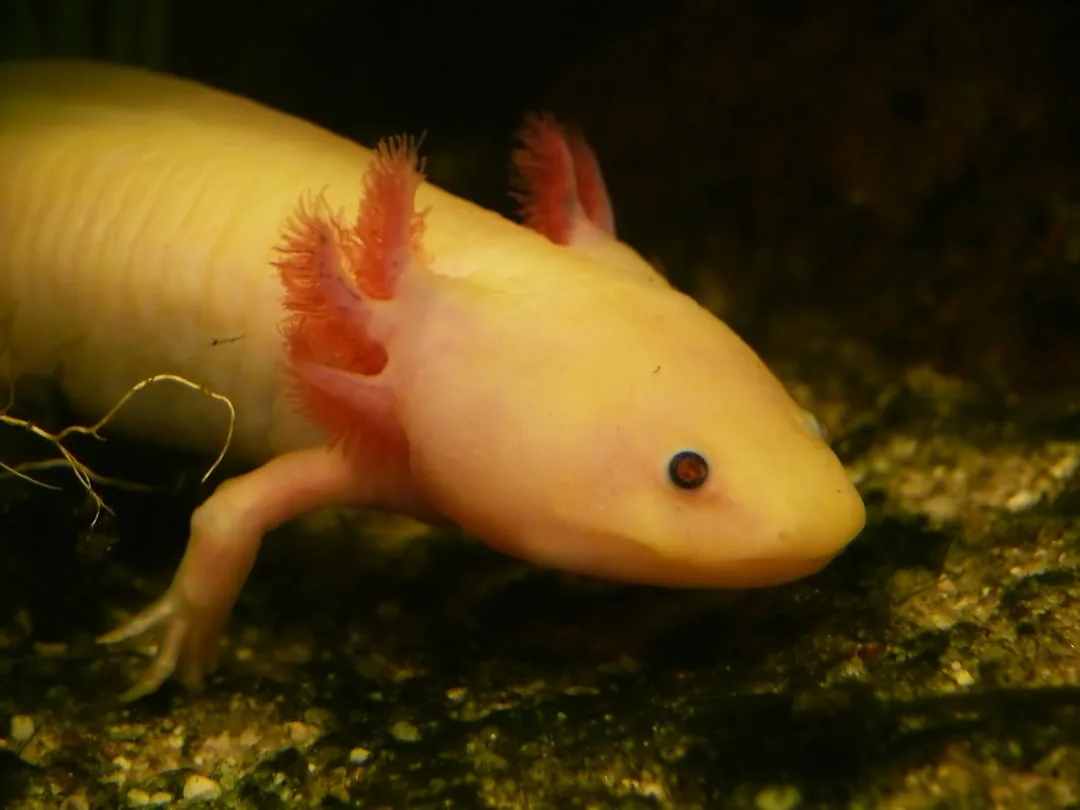
Axolotls regenerate limbs, heart tissue, and parts of their brain with no scarring. Expert guide to how this salamander cheats biology and what it means for medicine.
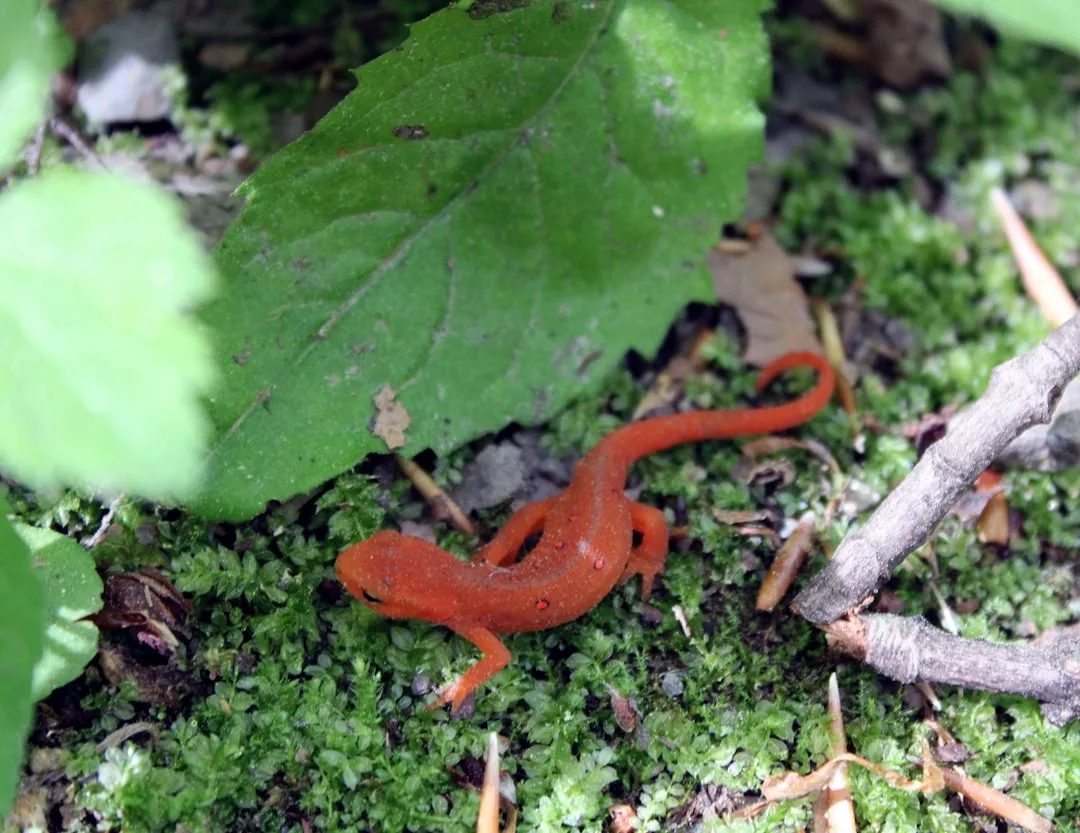
Explore the remarkable world of salamanders and newts, from axolotls that regrow entire limbs and organs to giant salamanders reaching 1.8 meters, and discover how regeneration science could transform human medicine.
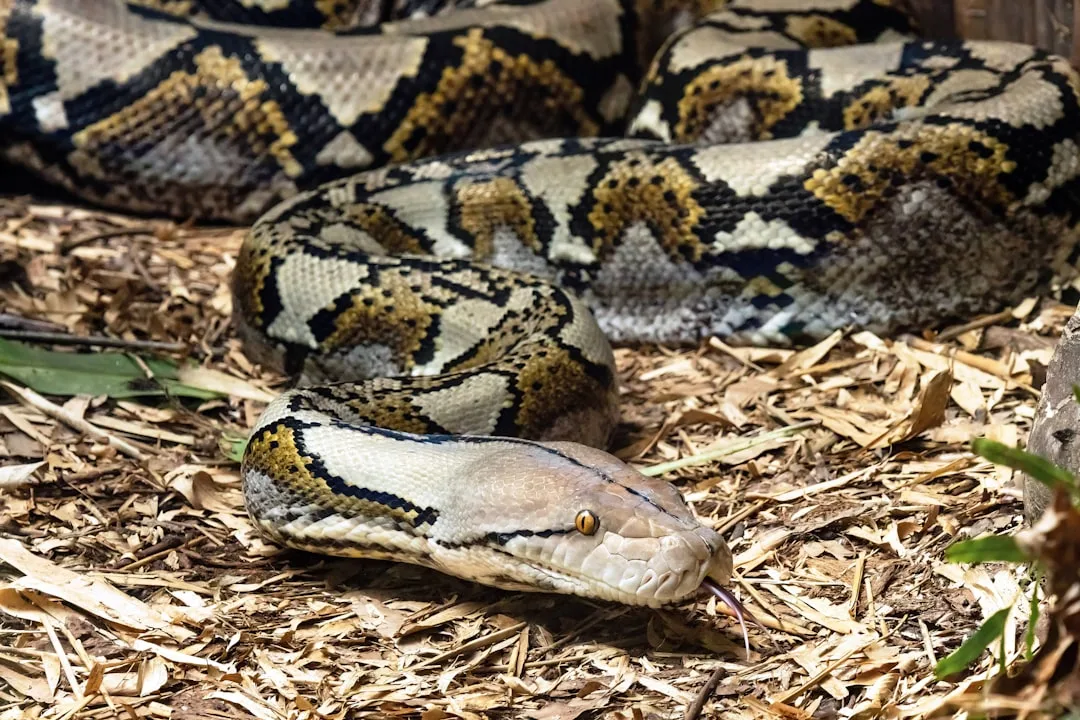
What is the largest snake in the world? Green anaconda vs reticulated python compared by length, weight, and what actually lives in the wild today.
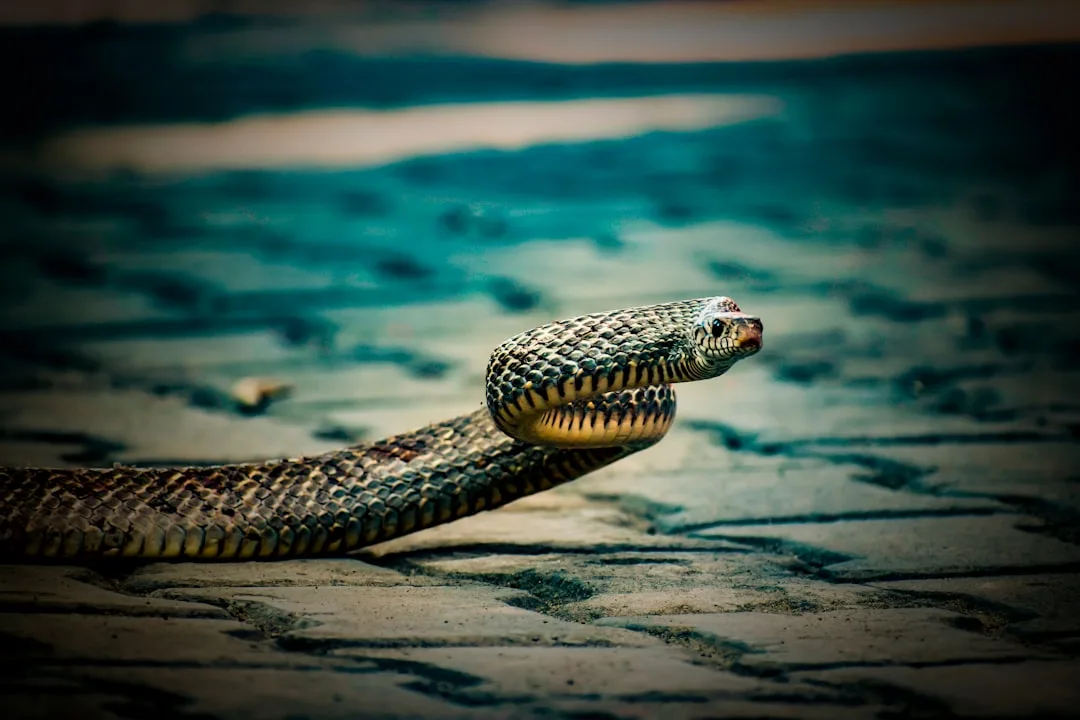
Explore the extraordinary world of snakes, from deadly king cobras and black mambas to massive reticulated pythons and anacondas. Expert-written guide covering venom science, anatomy, behavior, and the global snakebite crisis affecting millions each year.
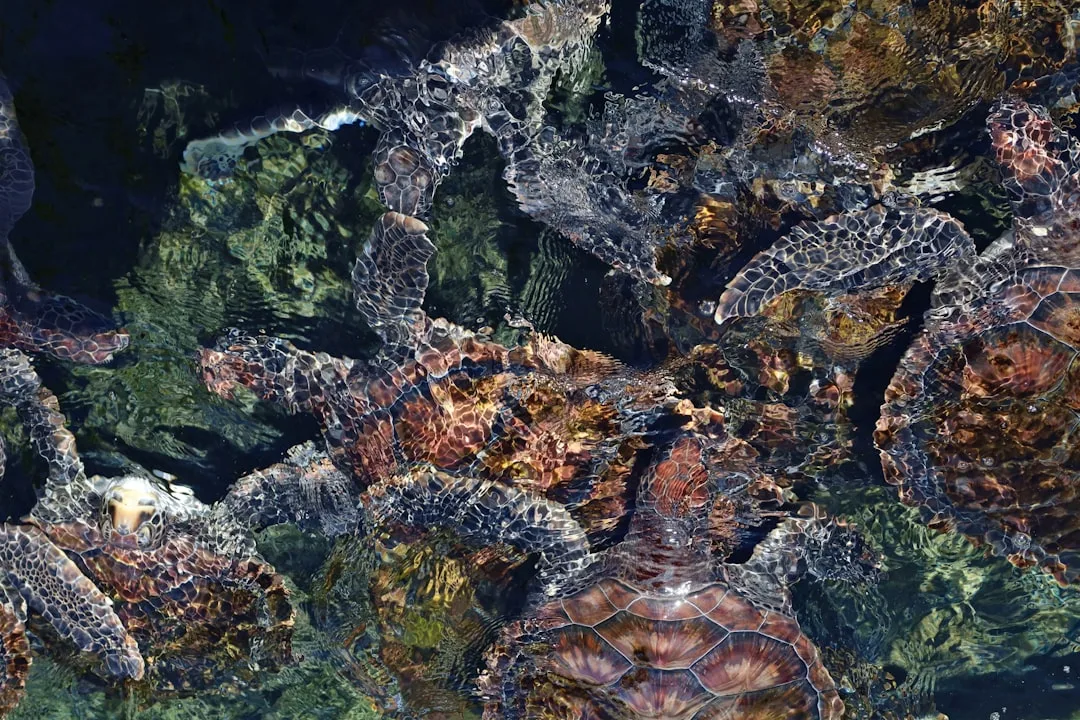
Sea turtles return to their birth beaches across thousands of kilometers using Earth's magnetic field. Expert guide to the most remarkable navigation in the animal kingdom.
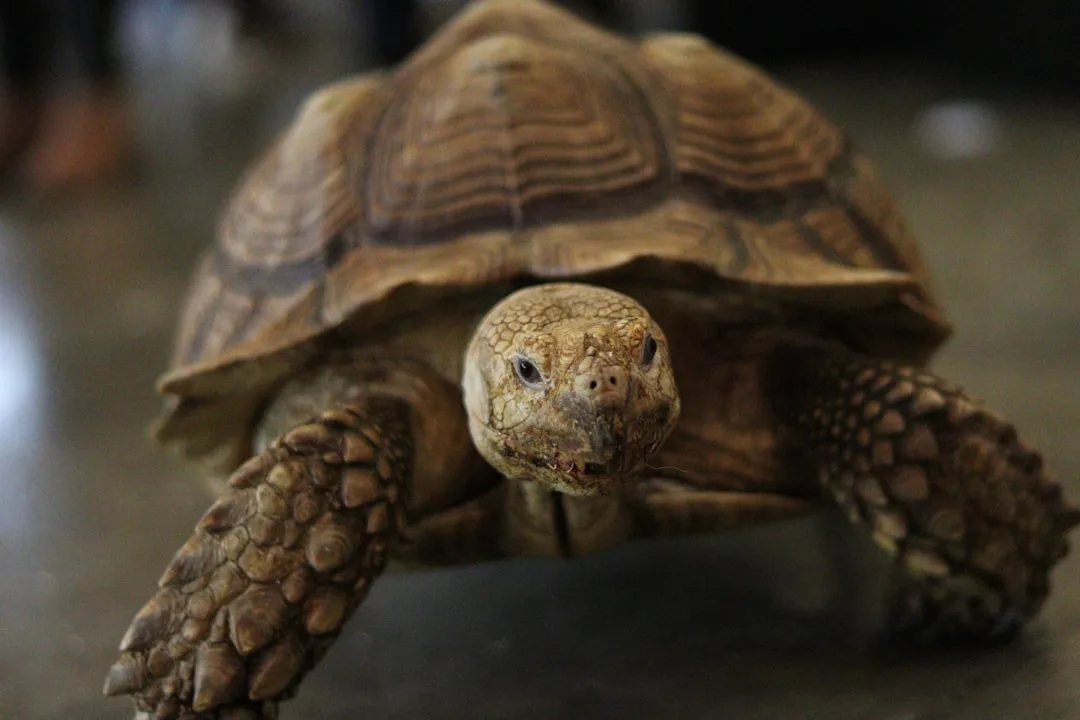
Explore the remarkable world of turtles and tortoises, from their 220-million-year evolutionary history to magnetic ocean navigation, record-breaking lifespans, and the conservation threats they face today.
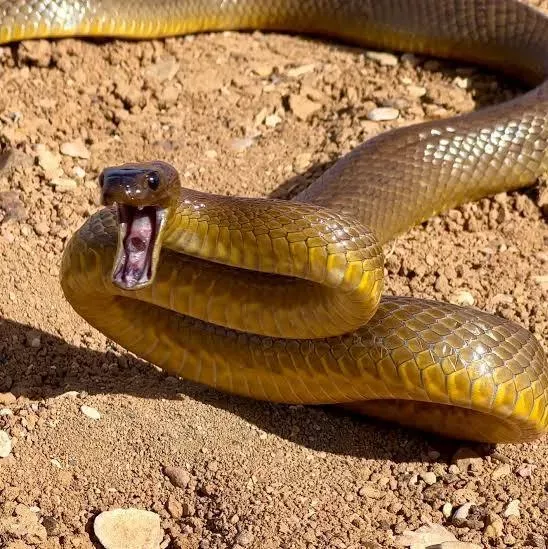
The inland taipan has venom 50 times more toxic than a cobra's. Expert guide to the world's most venomous snake - LD50, bite effects, habitat, and survival rate.
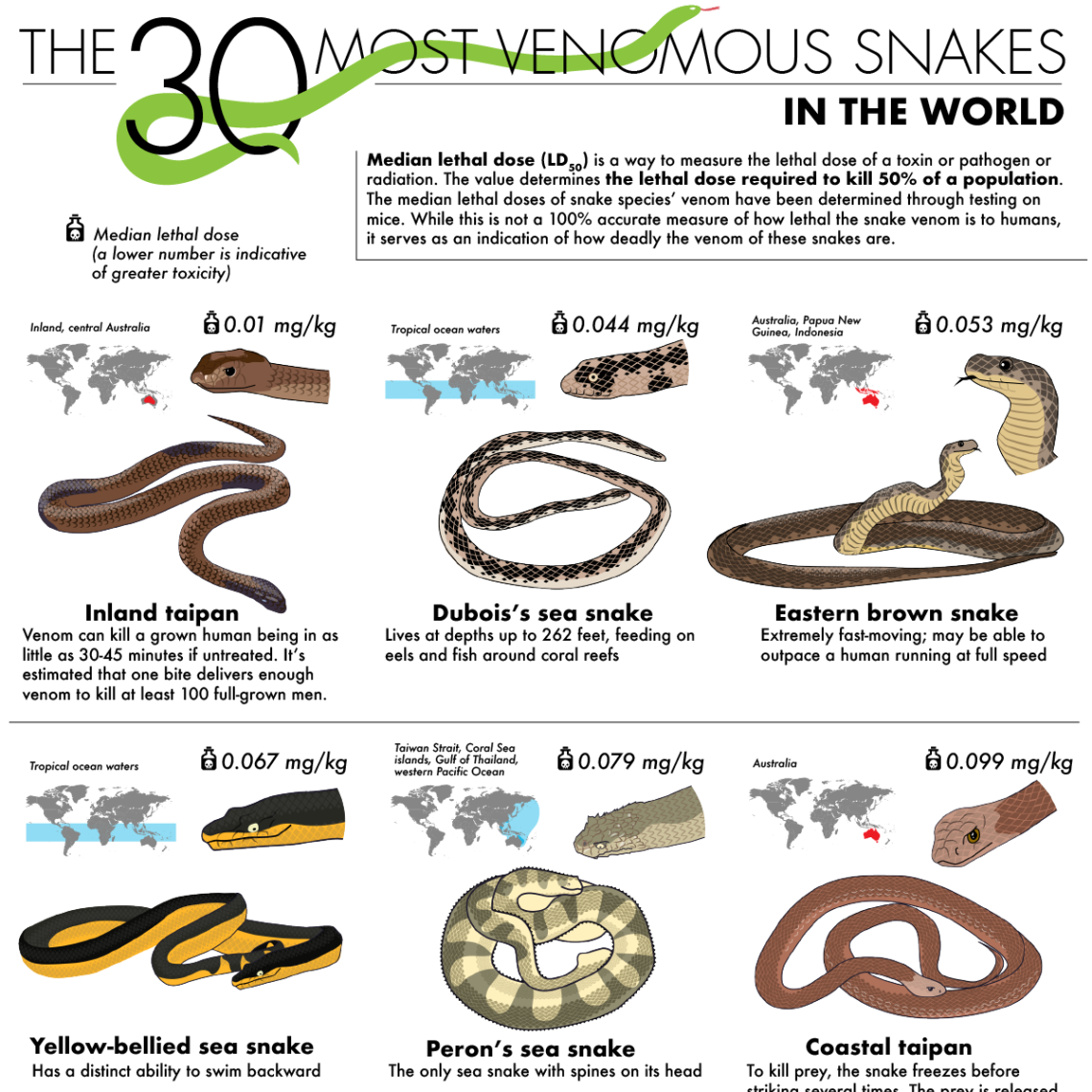
Expert ranking of the world's most venomous snakes by subcutaneous LD50 data. Covers inland taipan, eastern brown snake, blue krait, black mamba, king cobra venom composition, delivery mechanisms, geographic distribution, and human fatality statistics.
The inland taipan of central Australia holds the record for the most toxic venom of any land snake. A single bite delivers enough venom to kill roughly 100 adult humans. Despite this potency, the inland taipan is reclusive and rarely encounters people, so actual human deaths from this species are extremely rare. The coastal taipan and eastern brown snake cause far more fatalities in practice because they live closer to populated areas.
Chameleons change color by manipulating specialized cells called iridophores beneath their skin. These cells contain nanocrystals arranged in a lattice, and when the chameleon relaxes or excites these cells, the spacing between nanocrystals shifts, reflecting different wavelengths of light.
Chameleons primarily change color for social signaling, thermoregulation, and emotional expression rather than camouflage, though the effect can incidentally help them blend into surroundings.
The saltwater crocodile is the largest living reptile, with males regularly exceeding 5 meters in length and weighing over 1,000 kilograms. The largest confirmed individual measured 6.17 meters. Saltwater crocodiles inhabit coastal and brackish waters across Southeast Asia, northern Australia, and the eastern coast of India. They are apex predators capable of taking down large prey including water buffalo and sharks.
Frogs face a global extinction crisis driven by multiple converging threats. The chytrid fungus Batrachochytrium dendrobatidis has devastated amphibian populations on every continent, wiping out entire species in Central America and Australia. Habitat destruction, climate change, pesticide contamination, and UV radiation compound the damage.
Scientists estimate that over 40 percent of amphibian species are now threatened with extinction, making them the most endangered vertebrate class on Earth.
Reptiles possess basic emotional states including fear, stress, pleasure, and curiosity, though they lack the complex social emotions seen in mammals. Research has shown that reptiles can experience positive states during basking, feeding, and environmental enrichment. Some species, particularly monitor lizards and certain tortoises, demonstrate individual recognition and behavioral flexibility that suggests a richer inner life than traditionally assumed.
However, reptile brains lack the neocortical structures associated with the layered emotional processing found in mammals and birds.
Sea turtles navigate vast oceanic distances using a combination of the Earth's magnetic field, ocean currents, chemical cues, and possibly celestial navigation. Hatchlings imprint on the unique magnetic signature of their natal beach and use this geomagnetic map to return decades later to lay their own eggs.
Studies have shown that loggerhead turtles can detect both the intensity and the inclination angle of the magnetic field, giving them a biological GPS. They also use wave direction, water temperature gradients, and chemical signatures dissolved in ocean water to fine-tune their routes.
The distinction is about delivery method. Venomous animals inject toxins through a bite, sting, or spine, such as snakes, scorpions, and cone snails. Poisonous animals carry toxins that are harmful when touched or ingested, such as poison dart frogs and certain newts. A coral snake is venomous because it delivers toxin through fangs, while a poison dart frog is poisonous because its skin secretions are toxic to anything that eats or handles it.
Some rare animals, like the Asian tiger keelback snake, are both venomous and poisonous.