Everything about cats: behavior, communication, health, training, lifespan, and the fascinating science behind the world's most independent and popular pet.

Cats stare for a range of reasons that vary significantly depending on context: they may be assessing a potential threat, communicating interest or affection, tracking prey movement, seeking food or attention, or engaged in a dominance exchange with another animal. Unlike humans, for whom a prolonge

Adult domestic cats sleep between 12 and 16 hours per day on average, with some individuals, particularly kittens and older cats, sleeping up to 20 hours. This striking figure is not the result of laziness or boredom but of fundamental feline physiology: cats are obligate carnivore ambush hunters
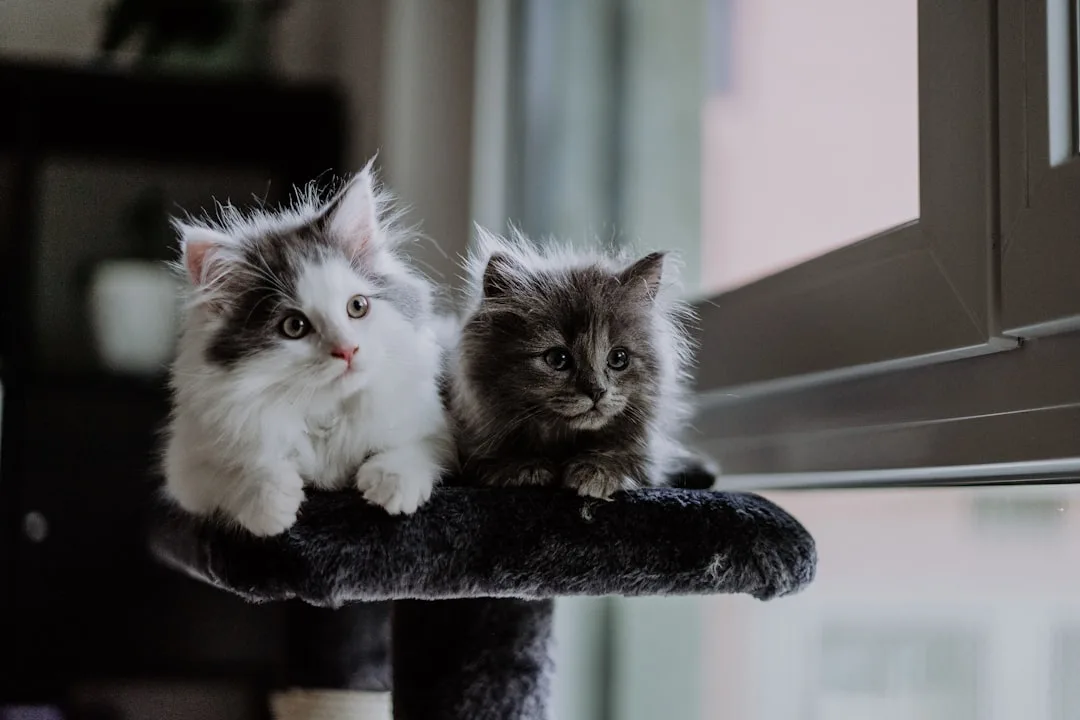
Cats scratch surfaces as a fundamental, multi-purpose behaviour that serves claw maintenance, scent communication, visual territory marking, and full-body muscle stretching. Scratching is not destructive mischief; it is a biologically driven need that every domestic cat will express regardless of w
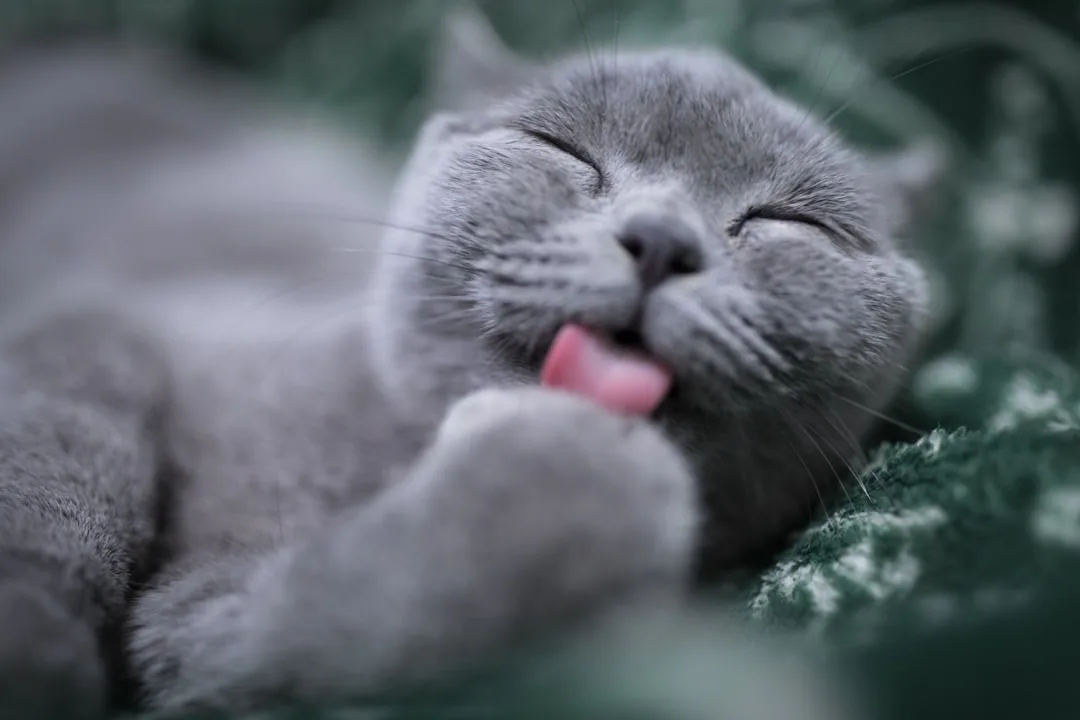
Cats purr by rapidly dilating and constricting the glottis, the part of the larynx surrounding the vocal cords, during both inhalation and exhalation, producing a continuous vibration at frequencies between 25 and 150 Hz. Purring signals contentment in many situations, but cats also purr when inju

Cats meow almost exclusively to communicate with humans, not with other cats. Adult cats essentially do not meow at one another; the behavior evolved specifically as a communication channel targeted at people. Kittens meow to their mothers, but this vocalization largely disappears as they mature un

Cats knocking objects off tables, shelves, and countertops is one of the most frequently reported and most puzzling domestic cat behaviors. A cat will walk deliberately to an object, make eye contact with its owner, and then push it over the edge with one measured paw, sometimes apparently confirmi
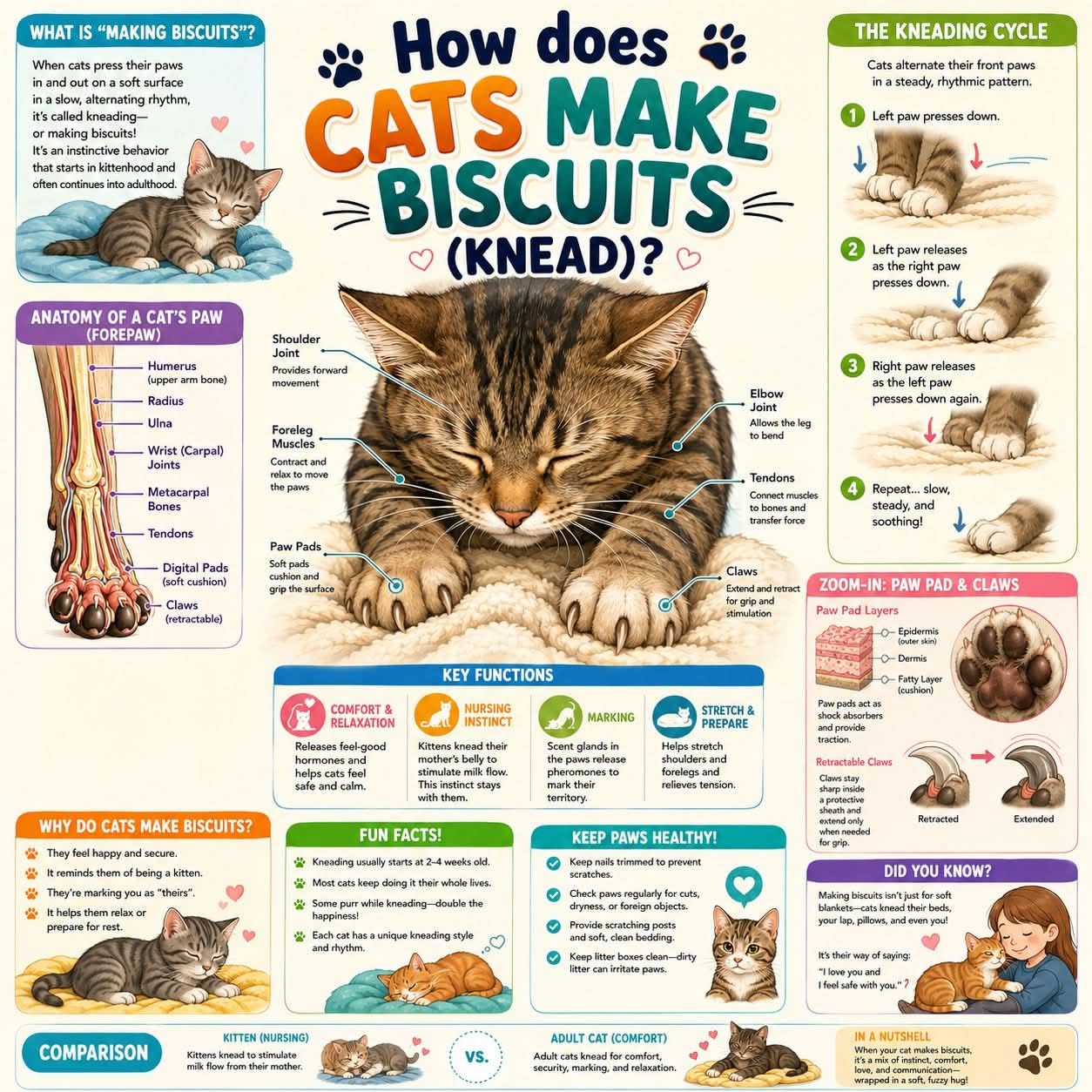
Cats knead, pushing their paws rhythmically against soft surfaces in an alternating left-right motion, because the behavior originates in kittenhood nursing, when kittens knead their mother's mammary glands to stimulate milk flow. In adult cats, the behavior is retained as a comfort reflex neurolo
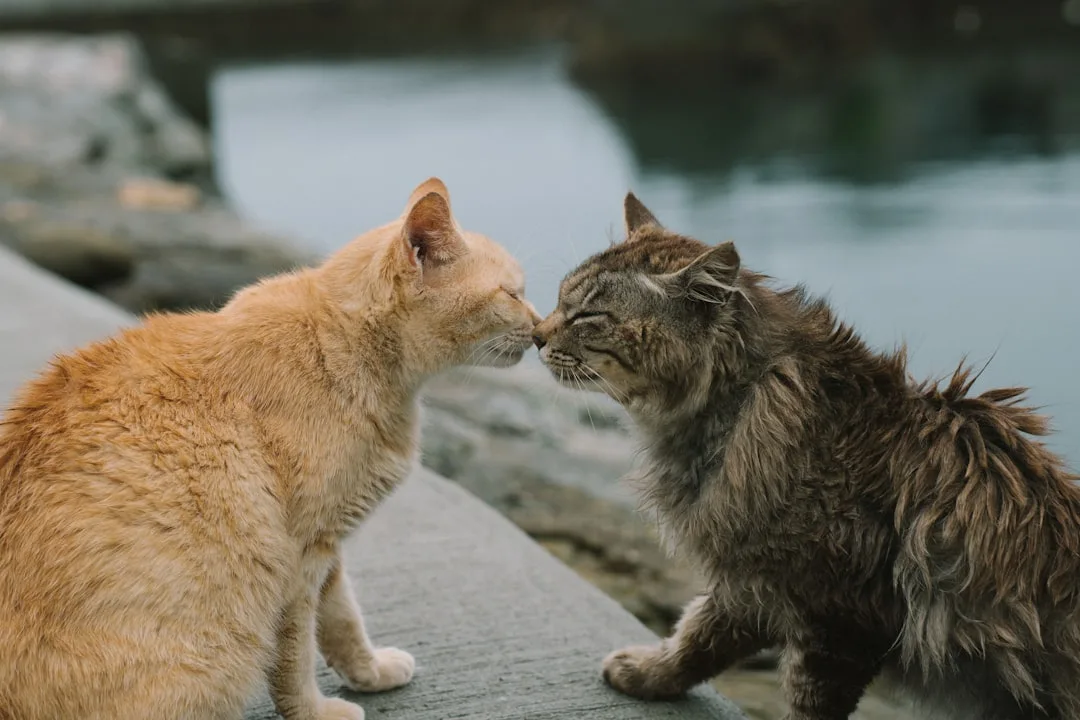
Most domestic cats avoid water because they descend from the African wildcat (Felis lybica), a desert-dwelling species that evolved in arid environments where water immersion was rare and offered no survival advantage. Wet fur is heavy, impairs thermoregulation, and takes hours to dry, practical pr
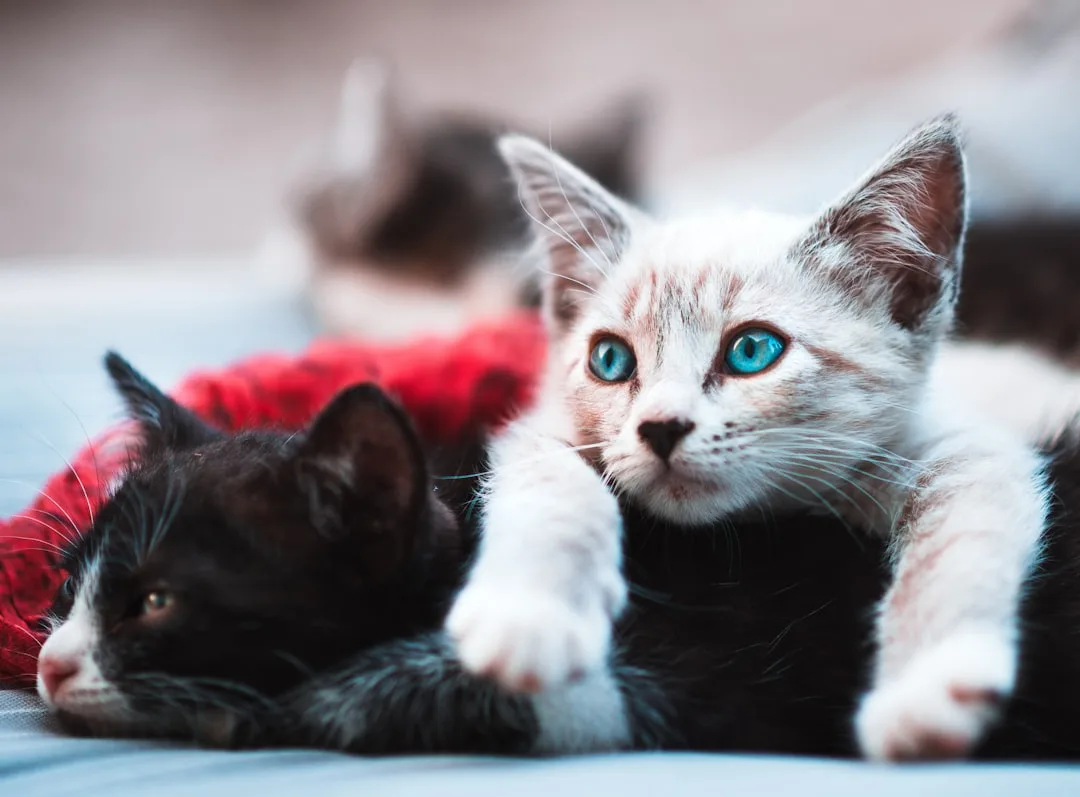
Cats bring dead animals home because they are hardwired hunters whose instincts do not align with the domestic arrangement in which food is provided in a bowl. The behaviour reflects predatory drive, possible social learning impulses, and territory-related food caching instincts, not gratitude, spi

A healthy cat has bright, clear eyes without discharge, pink firm gums, a glossy coat with no bald patches, palpable ribs under a thin layer of fat, a visible waist when viewed from above, formed stools, and a normal energy level for its age. Recognizing these baseline signs, and the deviations tha
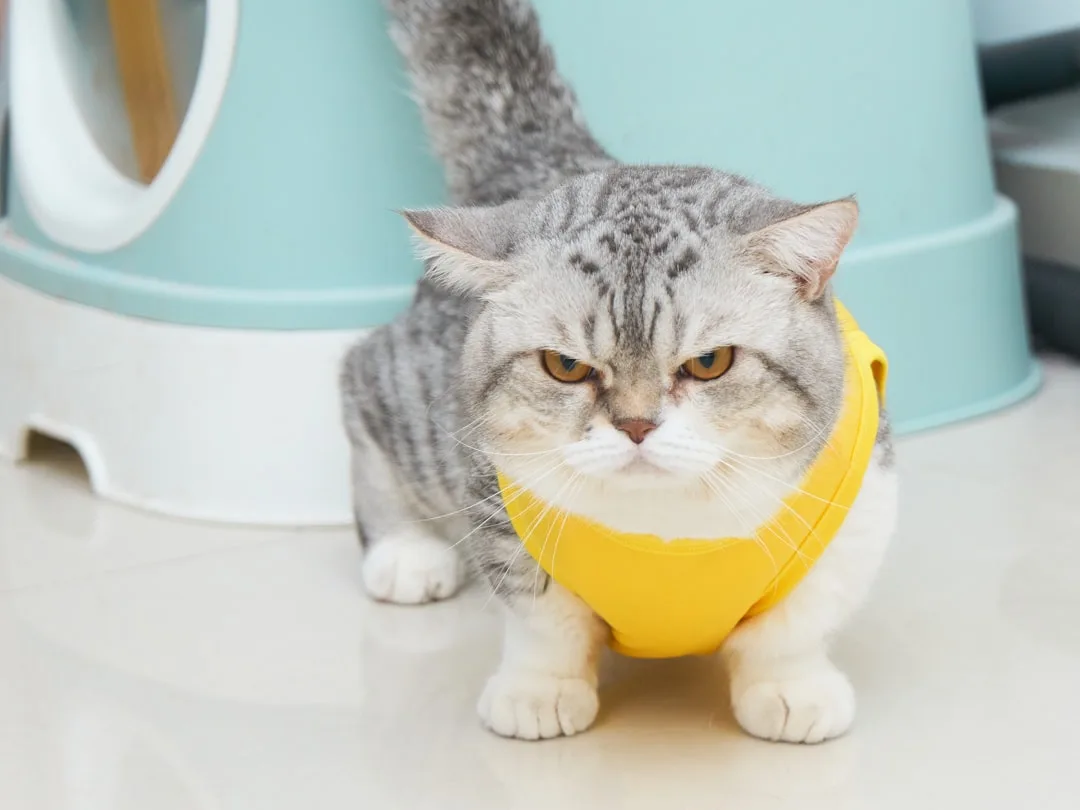
Most kittens learn litter box use naturally from their mothers and need only to be placed in the box at key times, after meals and after waking, to reinforce the habit. Kittens raised without a mother can be litter trained starting at 3 to 4 weeks of age using a shallow box with unscented clumping

Cats demonstrate intelligence roughly equivalent to a 6- to 9-month-old human infant in object permanence tasks, can recognize their own name from similar words, count small quantities, and learn by observation. They are harder to test than dogs because they lack the social motivation to perform for
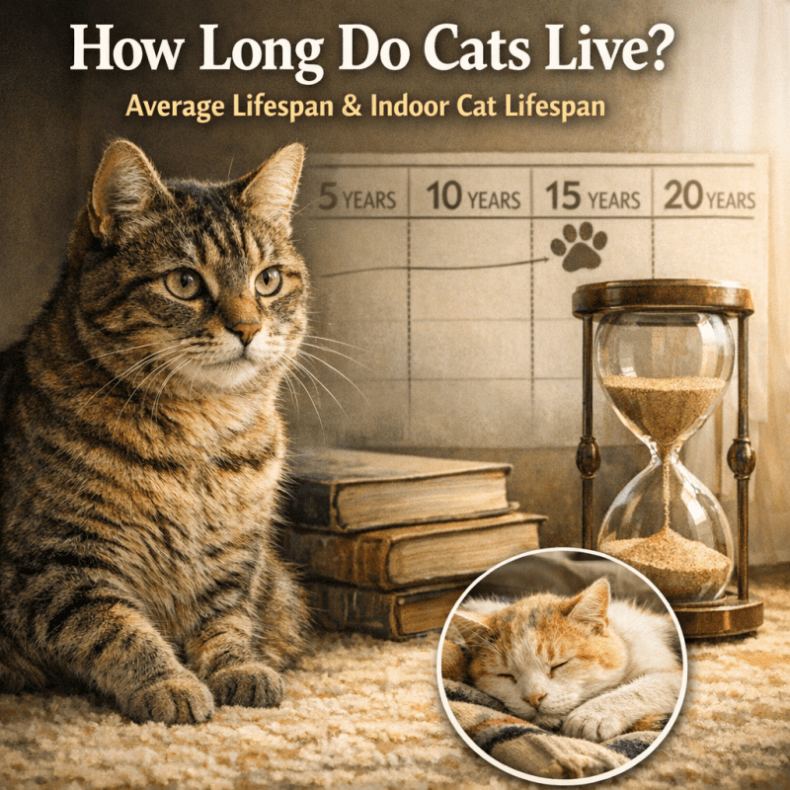
Domestic cats live an average of 12 to 18 years, with indoor cats typically outliving outdoor cats by a decade or more. The oldest reliably documented cat in history, Creme Puff of Austin, Texas, lived 38 years and 3 days. Understanding what drives feline longevity, and what cuts it short, can mea
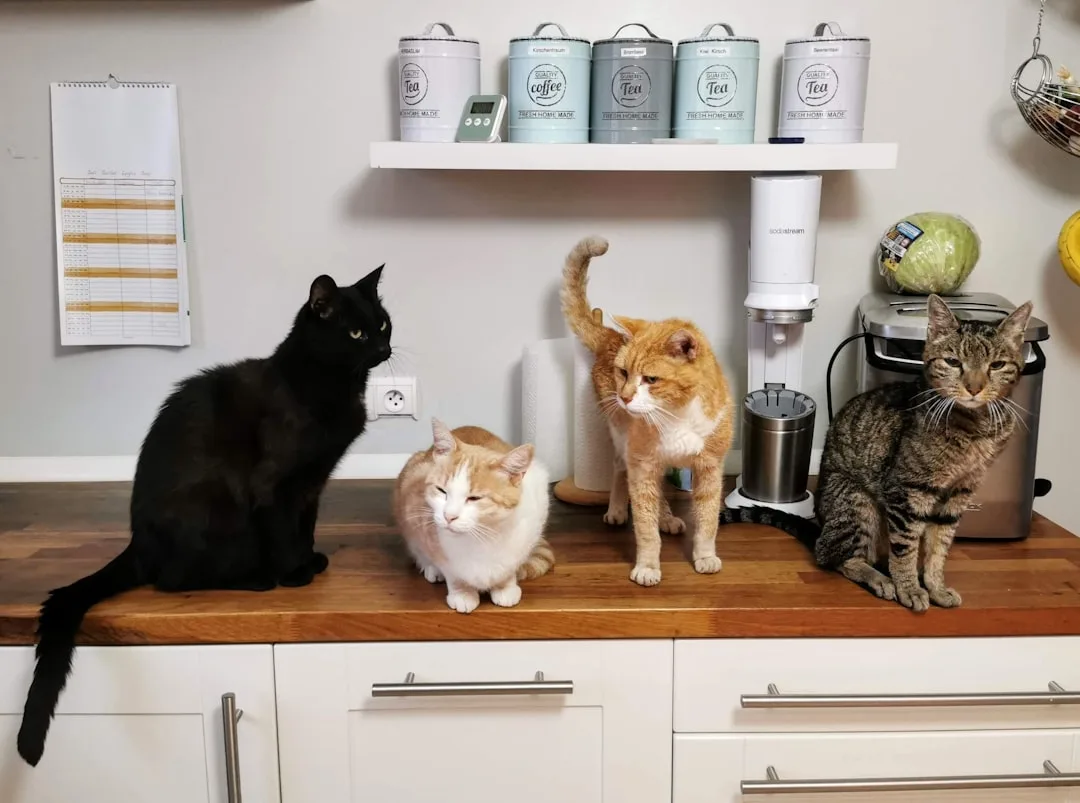
The average domestic cat can jump approximately 5 to 6 times its own body height from a standing position, typically 1.5 to 1.8 meters (about 5 to 6 feet). To put this in human perspective, this is equivalent to a person 1.8 meters tall leaping 9 to 10 meters straight up without a running start. Th
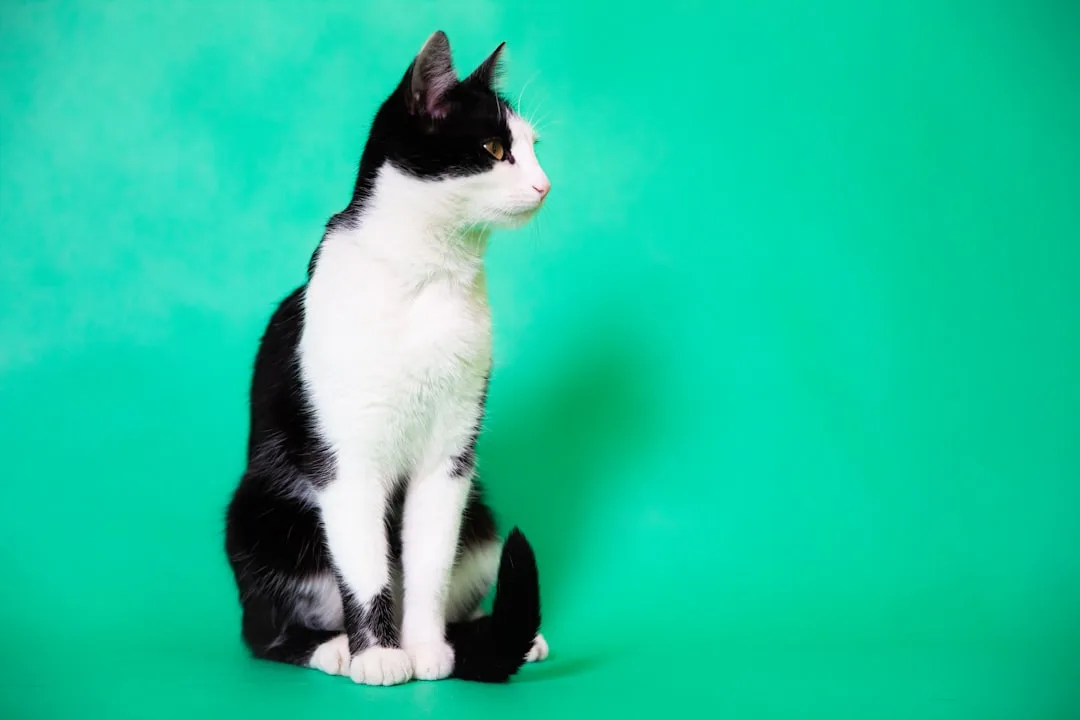
Cats have a reputation for aloofness that their behavior does not entirely support. Decades of research into cat-human relationships and feline social behavior have documented a rich repertoire of affiliative signals, behaviors cats use to express trust, attachment, and positive regard toward speci
Cats can see in light levels approximately six times lower than what humans need to see, not because they have supernatural vision, but because of several anatomical adaptations: a much higher density of rod photoreceptors in the retina, a reflective layer called the tapetum lucidum that bounces li

Cats communicate through an unusually rich and multi-channel system that includes vocalisation, body posture and movement, facial expression, scent marking, and tactile behaviour. Remarkably, most of this system is directed at other species, particularly humans, rather than at other cats. Adult ca
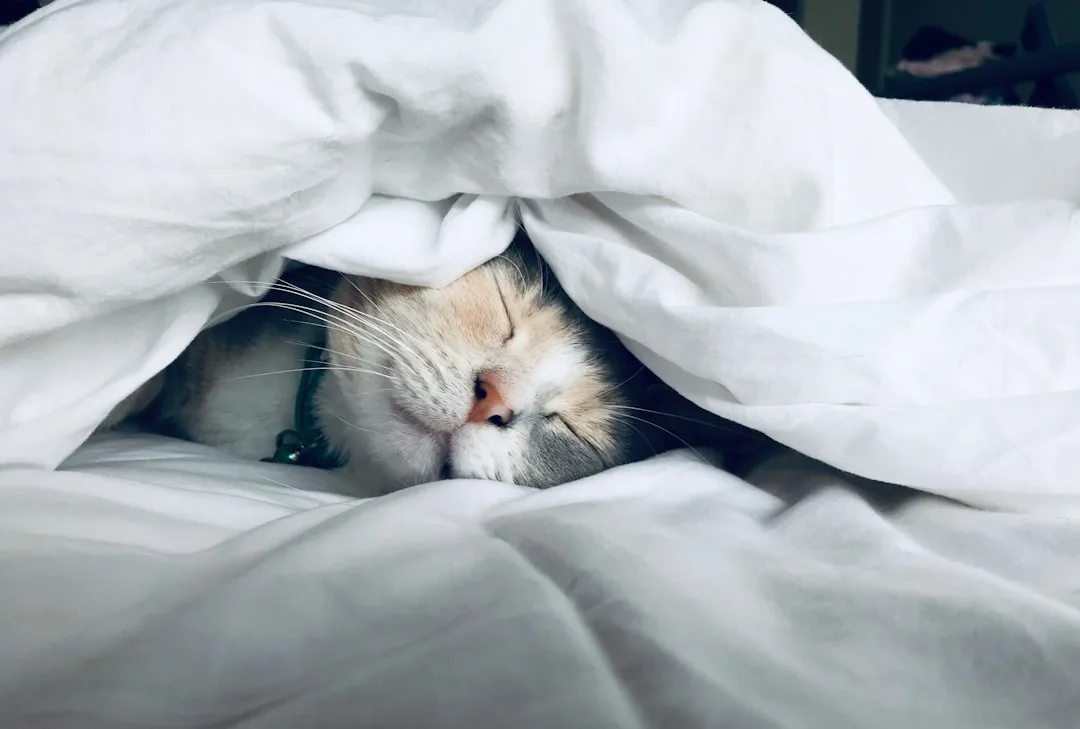
Cats spend between 12 and 16 hours asleep each day, and research into feline sleep architecture confirms that they pass through the same two major sleep stages as humans: slow-wave sleep and rapid eye movement (REM) sleep. Because dreaming in humans is most strongly associated with REM sleep, and be
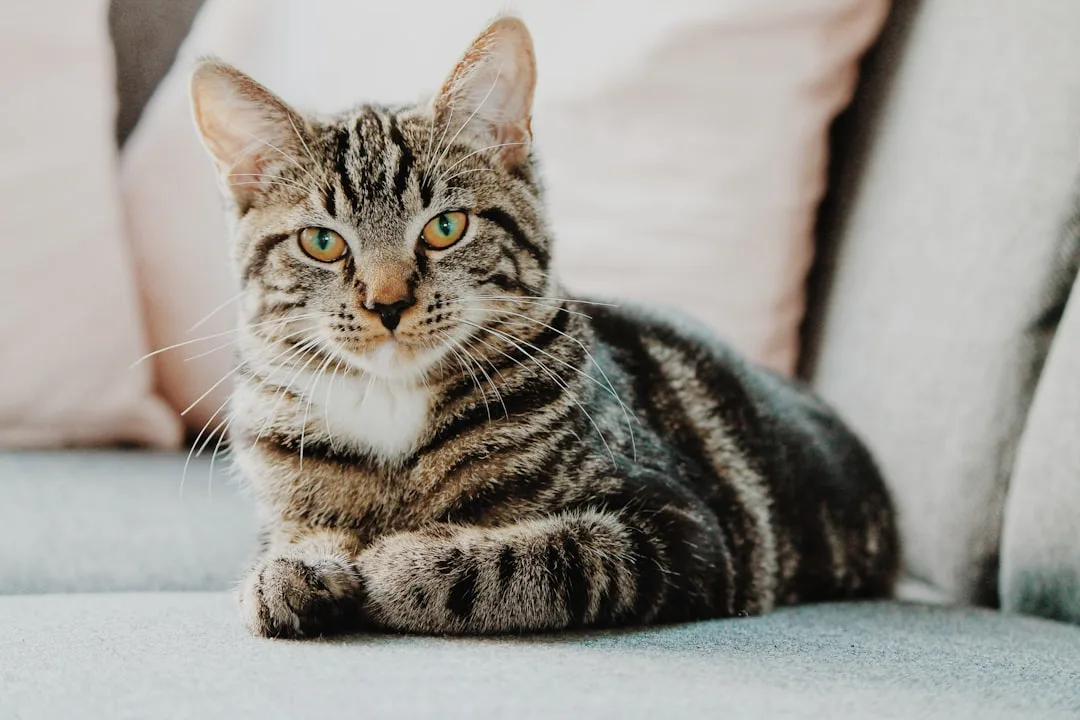
Not all cats are equally suited to apartment living. The right cat for a small indoor space is one whose temperament, activity level, vocalization patterns, social needs, and space requirements align with what an apartment can provide. Choosing a breed or individual well-matched to apartment life si
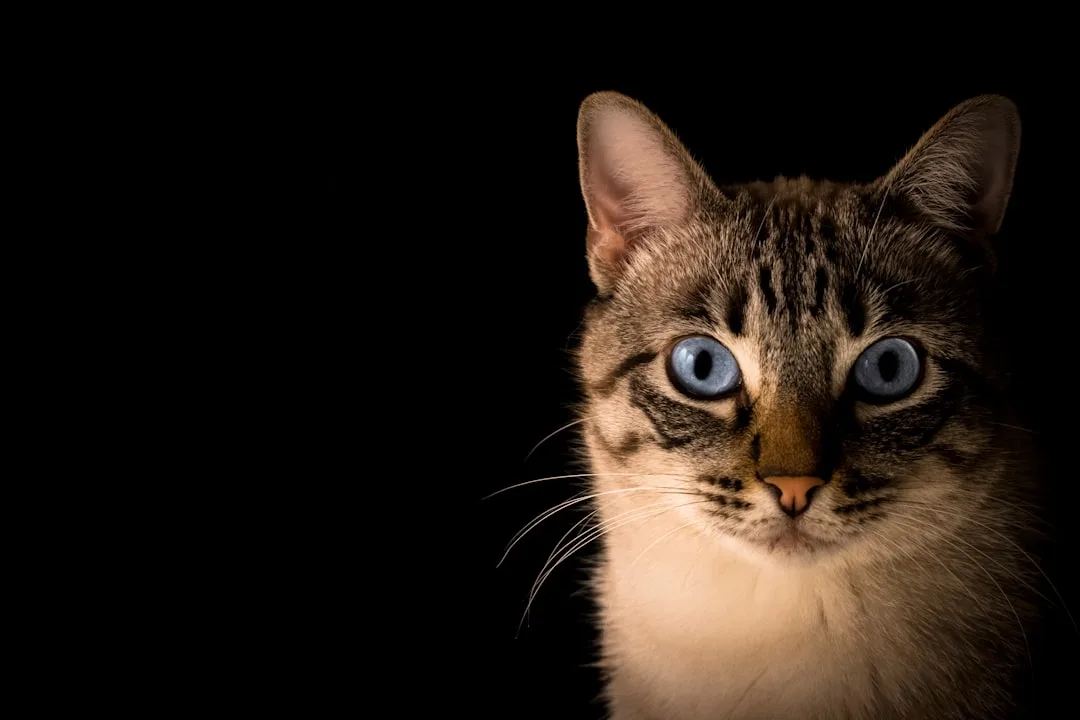
Cats are not nocturnal; they are crepuscular, meaning their peak activity periods occur at dawn and dusk rather than through the night or the day. This distinction matters both for understanding cat behaviour and for managing the common owner complaint of cats being disruptive during sleeping hours
