
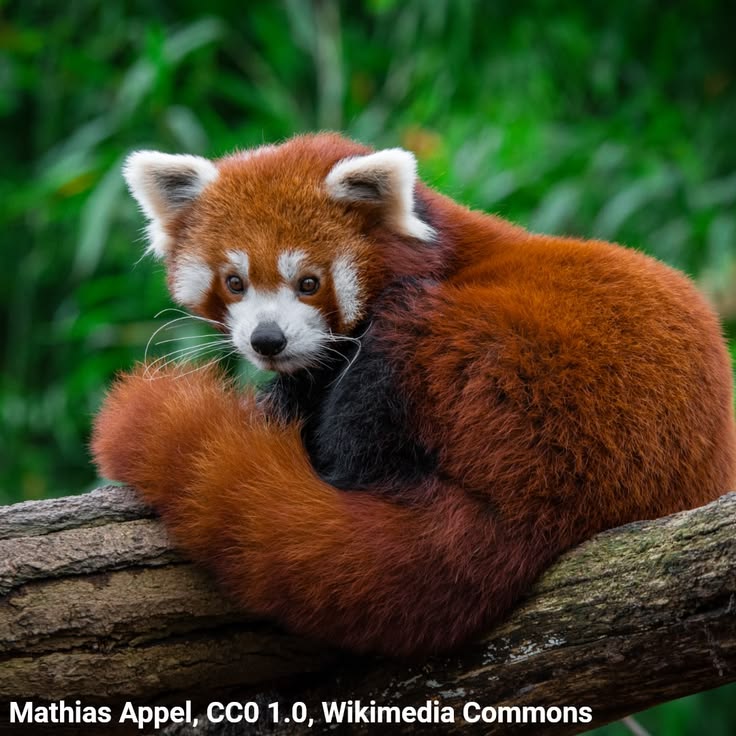
Quick Answer: The red panda (Ailurus fulgens), also known as the firefox, is a small, arboreal mammal native to the eastern Himalayas and southwestern China. Despite its name, the red panda is not closely related to the giant panda. It is primarily a bamboo eater but is classified as a predator due to its order (Carnivora) and its opportunistic diet. The red panda is currently listed as Endangered due to habitat loss and fragmentation.
Red pandas have long fascinated biologists and wildlife enthusiasts with their unique blend of characteristics and elusive lifestyle. Their striking reddish-brown fur, bushy ringed tails, and expressive faces make them instantly recognizable, yet their secretive habits and remote forest habitats have kept much of their behavior shrouded in mystery.
The red panda occupies a niche high in the temperate forests of the Himalayas, where it spends much of its life in the trees, feeding primarily on bamboo but also consuming eggs, insects, and small mammals when available.
The evolutionary history of the red panda has been a subject of scientific debate for decades. For many years, taxonomists struggled to place the red panda within the mammalian family tree, as it shares features with both bears and raccoons. Recent genetic studies have clarified its position as the sole living member of the family Ailuridae, distinguishing it from both the giant panda and other carnivores.
This unique lineage, combined with its specialized diet and habitat, make the red panda an important species for understanding the biodiversity of the Himalayan region.
Conservation efforts for the red panda are complicated by its fragmented range and sensitivity to environmental changes. Deforestation, livestock grazing, and human encroachment continue to threaten its survival. The species is classified as Endangered by the IUCN Red List, highlighting the urgent need for habitat protection and international cooperation to ensure its future.
Taxonomy and Evolutionary History
The red panda is a small mammal scientifically known as Ailurus fulgens. It is the only extant species in the family Ailuridae, a lineage that diverged from other carnivores millions of years ago. Despite sharing its common name with the giant panda, the red panda is not closely related to bears or raccoons. Its evolutionary relationships have been clarified through molecular studies, which confirm its distinct status among carnivores (Britannica).
The confusion surrounding the red panda’s classification arose from its mosaic of physical traits. It has a bear-like face, raccoon-like ringed tail, and a diet that resembles that of the giant panda. Early taxonomists placed it variously with bears (Ursidae) and raccoons (Procyonidae).
However, genetic analysis has shown that the red panda’s closest relatives are extinct carnivorans, and it occupies its own unique family. This evolutionary isolation is reflected in both its anatomy and behavior.
Fossil evidence suggests that ancestral red pandas were once widespread across Eurasia, with several extinct species identified from the Miocene and Pliocene epochs. Over time, climatic changes and habitat shifts restricted their range to the cool, temperate forests of the Himalayas and southwestern China. The modern red panda is thus a relic of a once-diverse lineage, surviving in fragmented populations across its current range.
Key Insight: The red panda’s evolutionary distinctiveness makes it a critical species for understanding the diversification of carnivores in Asia.
The red panda’s unique evolutionary path has implications for conservation. As the only surviving member of its family, the loss of the red panda would mean the extinction of an entire branch of the mammalian tree. This underscores the importance of targeted conservation strategies that account for its genetic and ecological uniqueness.
Physical Characteristics and Adaptations
Red pandas possess a suite of physical adaptations that enable them to thrive in their arboreal, montane habitats. Adults typically weigh between 3 to 6.2 kilograms (7–14 pounds) and measure 50 to 64 centimeters (20–25 inches) in body length, with a tail adding another 28 to 59 centimeters (11–23 inches). Their dense, woolly fur provides insulation against cold mountain climates, while the reddish-brown coloration offers camouflage among moss and lichen-covered branches (Wikipedia).
One of the most distinctive features of the red panda is its false thumb, an extended wrist bone (radial sesamoid) that functions like an opposable digit. This adaptation, which it shares with the giant panda, allows the red panda to grasp bamboo stalks and climb with agility. The false thumb is a striking example of convergent evolution, where unrelated species develop similar solutions to environmental challenges.
The red panda’s face is marked by white tear tracks and a short, blunt muzzle. Its large, pointed ears enhance its hearing, while sharp, semi-retractable claws aid in climbing. The bushy, ringed tail serves multiple purposes: providing balance in the trees, acting as a blanket during cold weather, and serving as a visual signal during social interactions.
Their feet are covered with fur on the soles, which not only insulates against snow and ice but also improves grip on slippery branches. The red panda’s flexible ankles allow it to descend trees headfirst, a rare ability among arboreal mammals. These physical traits collectively equip the red panda for a life spent navigating the complex three-dimensional environment of the forest canopy.
Habitat and Geographic Distribution
Red pandas inhabit the temperate forests of the eastern Himalayas and parts of southwestern China. Their range includes Nepal, Bhutan, India (notably Sikkim, West Bengal, and Arunachal Pradesh), northern Myanmar, and the provinces of Sichuan and Yunnan in China. These forests are characterized by a mix of deciduous and coniferous trees, dense understory, and abundant bamboo, which forms the bulk of the red panda’s diet.
The preferred habitat of the red panda lies at elevations between 2,200 and 4,800 meters (7,200–15,700 feet). Within these altitudes, the climate is cool and moist, with frequent cloud cover and high humidity. The presence of old-growth trees with hollow trunks and dense foliage is essential for nesting, shelter, and escape from predators. Habitat selection is closely tied to the availability of bamboo, which fluctuates with altitude and forest type.
Key Takeaway: Fragmentation of forest habitats due to logging, agriculture, and development is a major threat to red panda populations.
Red pandas are highly sensitive to habitat disturbance. Even small-scale deforestation or conversion of forest to farmland can isolate populations, reduce genetic diversity, and increase vulnerability to extinction. Conservationists emphasize the need for habitat corridors that connect isolated forest patches, allowing for gene flow and seasonal movement.
The distribution of red pandas is patchy, with populations often separated by unsuitable terrain or human settlements. This fragmentation complicates conservation efforts, as isolated groups may not be able to recover from local declines. Protecting large, contiguous tracts of forest is therefore a priority for the long-term survival of the species (IUCN Red List).
Diet and Feeding Behavior
Although classified within the order Carnivora, the red panda is primarily a herbivore, with bamboo making up about 85-95% of its diet. The red panda consumes the young, tender leaves and shoots of several bamboo species, which are abundant in its native forests. Despite this specialization, the red panda’s digestive system is not highly efficient at extracting nutrients from cellulose, so it must eat large quantities to meet its energy needs.
In addition to bamboo, red pandas supplement their diet with seasonal foods such as berries, acorns, roots, lichens, and mushrooms. They also opportunistically consume eggs, insects, and small vertebrates, particularly during periods when bamboo is scarce. This dietary flexibility is essential for survival in environments where food availability can fluctuate dramatically.
Red pandas are solitary feeders, foraging mostly at dawn and dusk (crepuscular activity). They use their agile limbs and false thumb to manipulate bamboo stalks, stripping leaves with precise movements. Their slow metabolic rate and low-calorie diet mean they spend much of their time resting to conserve energy.
A comparison of the red panda’s dietary habits with other bamboo specialists reveals both similarities and differences:
| Species | Main Diet | Digestive Adaptation | Energy Strategy |
|---|---|---|---|
| Red Panda | Bamboo, plus fruits, eggs, insects | Simple carnivore gut, slow metabolism | Eat frequently, rest often |
| Giant Panda | Bamboo | Enlarged colon, slow metabolism | High intake, low activity |
| Bamboo Lemur | Bamboo, grass | Specialized gut bacteria | Selective feeding |
The reliance on bamboo makes red pandas vulnerable to habitat changes that affect bamboo growth. Mass flowering and die-off events, which occur periodically in bamboo species, can lead to food shortages and force red pandas to migrate or face starvation. Conservation strategies often include monitoring bamboo populations and protecting critical feeding areas.
Reproduction and Social Behavior
Red pandas are generally solitary outside of the breeding season, which occurs from January to March. During this period, both males and females communicate through vocalizations, scent marking, and body language to establish territories and attract mates. The red panda’s social interactions are subtle and often limited to brief encounters.
After a gestation period of about four months, females give birth to one to four cubs, usually in a tree hollow or rock crevice lined with moss and leaves. Cubs are born blind and helpless, relying entirely on their mother for warmth and nourishment. The mother is solely responsible for rearing the young, visiting them frequently to nurse and groom.
Cubs remain in the nest for approximately 90 days before venturing out. Juvenile red pandas learn climbing and foraging skills through observation and play. Independence is reached at around eight months, after which juveniles disperse to establish their own territories. Mortality rates among cubs can be high, especially in fragmented habitats where food scarcity and predation risk are elevated.
Key Insight: The red panda’s low reproductive rate and high cub mortality contribute to its vulnerability as an endangered species.
Social behavior in red pandas is largely dictated by resource availability and habitat structure. Scent marking with urine and anal gland secretions is the primary means of communication, allowing individuals to advertise territory boundaries and reproductive status. Aggressive encounters are rare but may occur when territories overlap or during competition for mates.
Conservation Status and Threats
The red panda is classified as Endangered on the IUCN Red List, with an estimated wild population of fewer than 10,000 mature individuals. The primary threats to its survival include habitat loss, fragmentation, poaching, and inbreeding depression. Deforestation for timber, agriculture, and infrastructure development continues to reduce and isolate suitable habitat.
Poaching for the illegal pet trade and traditional medicine further exacerbates population declines. Although the red panda is protected by national laws in all range countries, enforcement is often weak, and illegal activities persist. Inbreeding in small, isolated populations can lead to reduced genetic diversity, increasing susceptibility to disease and environmental changes.
Key Takeaway: Conservation of the red panda requires coordinated international efforts to protect habitat, enforce anti-poaching laws, and maintain genetic diversity.
Climate change presents an emerging threat by altering the distribution and productivity of bamboo forests. As temperatures rise and precipitation patterns shift, suitable habitat for both bamboo and red pandas may contract, forcing populations into even smaller refuges. Conservationists advocate for climate-resilient corridors and reforestation projects to mitigate these risks (Britannica).
Captive breeding programs and community-based conservation initiatives play a supporting role in red panda recovery. Zoos worldwide participate in breeding and reintroduction efforts, while local communities are engaged in habitat restoration and anti-poaching patrols. The long-term survival of the red panda depends on integrating these approaches with landscape-scale habitat protection.
Unique Behaviors and Communication
Red pandas exhibit a range of unique behaviors that reflect their adaptation to a solitary, arboreal lifestyle. One of the most notable is their use of the false thumb for grasping and manipulating bamboo, a trait shared only with the giant panda among carnivores. This adaptation enables precise feeding and efficient movement through the trees.
Vocalizations in red pandas are relatively limited but include a variety of whistles, squeals, and huff-quacks used during mating season or when threatened. Non-vocal communication is more prominent, with scent marking serving as the primary means of conveying information. Red pandas possess specialized scent glands on the base of the tail and between the footpads, which they use to mark territory and signal reproductive status.
Grooming is an important aspect of red panda behavior. After feeding, individuals often spend extended periods cleaning their fur with their tongue and forepaws. This not only maintains insulation but also helps reduce scent, making them less detectable to predators. Play behavior is common among juveniles and may serve as practice for climbing and foraging skills.
The red panda’s ability to descend trees headfirst, facilitated by flexible ankles and sharp claws, is a rare trait among mammals and enhances its arboreal agility.
Red pandas are mostly active during twilight hours, a pattern known as crepuscular activity. This reduces competition with diurnal and nocturnal species and minimizes exposure to predators. Their elusive nature and preference for dense canopy cover make direct observation challenging, contributing to the scarcity of detailed behavioral studies.
The Red Panda in Culture and Conservation Awareness
The red panda holds a special place in the folklore and culture of Himalayan peoples. In Nepal and Bhutan, it is known by local names such as hābre and bhalu biralo, and is often associated with mountain spirits and forest guardians. The animal’s image appears in traditional art and is sometimes invoked in conservation messaging to inspire local stewardship.
Internationally, the red panda has gained popularity as a symbol of wildlife conservation. Its charismatic appearance and endangered status have made it an ambassador species for forest protection campaigns. The red panda is the namesake of the popular web browser Mozilla Firefox, further cementing its status as a cultural icon (Wikipedia).
Environmental education programs frequently use the red panda to illustrate the importance of biodiversity and the interconnectedness of forest ecosystems. Zoos and wildlife organizations highlight red panda conservation in outreach materials, helping to raise funds and awareness for habitat protection. The global appeal of the red panda has contributed to increased support for conservation initiatives in its native range.
Comparing the Red Panda to Other Bamboo Specialists
The red panda is often compared to the giant panda due to their shared reliance on bamboo, yet these two species represent distinct evolutionary solutions to a similar ecological challenge. While both have evolved a false thumb for grasping bamboo, their digestive systems and feeding strategies differ significantly.
| Feature | Red Panda | Giant Panda |
|---|---|---|
| Taxonomic Family | Ailuridae | Ursidae |
| Body Size | 3–6.2 kg | 70–160 kg |
| Diet Composition | 85–95% bamboo, plus fruits, eggs, insects | 99% bamboo, occasional meat |
| Digestive System | Simple carnivore gut | Enlarged colon, herbivore-like adaptations |
| Activity Pattern | Crepuscular | Diurnal |
The red panda’s smaller size and more arboreal habits contrast with the giant panda’s terrestrial lifestyle. Other bamboo specialists, such as the bamboo lemur of Madagascar, have developed different anatomical and behavioral adaptations to exploit bamboo-rich environments. These comparisons highlight the diversity of evolutionary pathways that can arise in response to similar ecological pressures.
Future Prospects and the Role of Research
Continued research into red panda biology, genetics, and ecology is essential for effective conservation planning. Advances in non-invasive monitoring techniques, such as camera traps and genetic sampling from feces, have improved our understanding of population dynamics and habitat use. These tools enable scientists to track elusive individuals and assess the health of fragmented populations.
Key Insight: The survival of the red panda depends on integrating scientific research with community-based conservation and international policy.
Collaborative efforts between governments, NGOs, and local communities are yielding promising results in habitat restoration and anti-poaching enforcement. International agreements, such as the Convention on International Trade in Endangered Species (CITES), provide a legal framework for protecting red pandas from illegal trade. Ongoing studies of bamboo ecology and climate resilience will inform future habitat management strategies.
Public engagement and education remain vital for sustaining conservation momentum. By fostering a sense of connection between people and the red panda, conservationists can build support for policies that benefit not only this species but the entire Himalayan ecosystem.
The Red Panda’s Place in the Himalayan Ecosystem
The red panda plays a unique role in the Himalayan ecosystem as both a bamboo specialist and a prey species for larger carnivores such as snow leopards and martens. By feeding on bamboo and dispersing seeds through their droppings, red pandas contribute to forest regeneration and plant diversity. Their presence indicates the health of temperate forest habitats, making them an important indicator species for conservation monitoring.
Interactions between red pandas and other forest inhabitants, such as birds, small mammals, and insects, create a complex web of ecological relationships. The loss of red pandas from these systems could have cascading effects on forest structure and biodiversity. Protecting red pandas thus supports broader ecosystem resilience and the conservation of numerous co-occurring species.
The red panda’s ecological role extends beyond its own survival, influencing the structure and function of Himalayan forests.
Beyond the Numbers: The Enduring Significance of the Red Panda
Red pandas embody the intricate connections between species, habitats, and cultures in the Himalayas. Their evolutionary distinctiveness, specialized adaptations, and vulnerability to environmental change make them a focal point for conservation science and public awareness. Efforts to protect the red panda yield benefits that extend far beyond a single species, safeguarding the rich biodiversity and ecological integrity of some of the world’s most important forests.
The ongoing survival of the red panda depends on a combination of scientific research, habitat protection, and community engagement. By valuing the red panda not only for its charismatic appeal but also for its ecological and evolutionary significance, conservationists can inspire lasting stewardship of the Himalayan landscape.
For those interested in learning more about the diversity of mammalian predators, the evolution of bamboo specialists, or the challenges of conserving endangered species in fragmented habitats, the story of the red panda offers a compelling entry point into the wonders of wildlife science.
Frequently Asked Questions
Why is the red panda called a 'false carnivore'?
The red panda belongs to the order Carnivora but eats mostly bamboo, making it a ‘false carnivore’ due to its herbivorous diet.
How does the red panda's false thumb work?
The red panda’s false thumb is an enlarged wrist bone that helps it grasp bamboo and climb trees efficiently.
Are red pandas related to giant pandas?
Red pandas and giant pandas are not closely related; red pandas belong to their own family, Ailuridae.
What is the main threat to red pandas in the wild?
Habitat loss and fragmentation from deforestation and human encroachment are the main threats to wild red pandas.
Can red pandas be kept as pets?
Red pandas are wild animals and are protected by law; keeping them as pets is illegal and harmful to their survival.
How long do red pandas live in the wild?
Red pandas typically live 8 to 10 years in the wild, though some may reach up to 15 years.
What role do red pandas play in their ecosystem?
Red pandas help maintain forest health by dispersing seeds and serving as indicators of ecosystem integrity.