
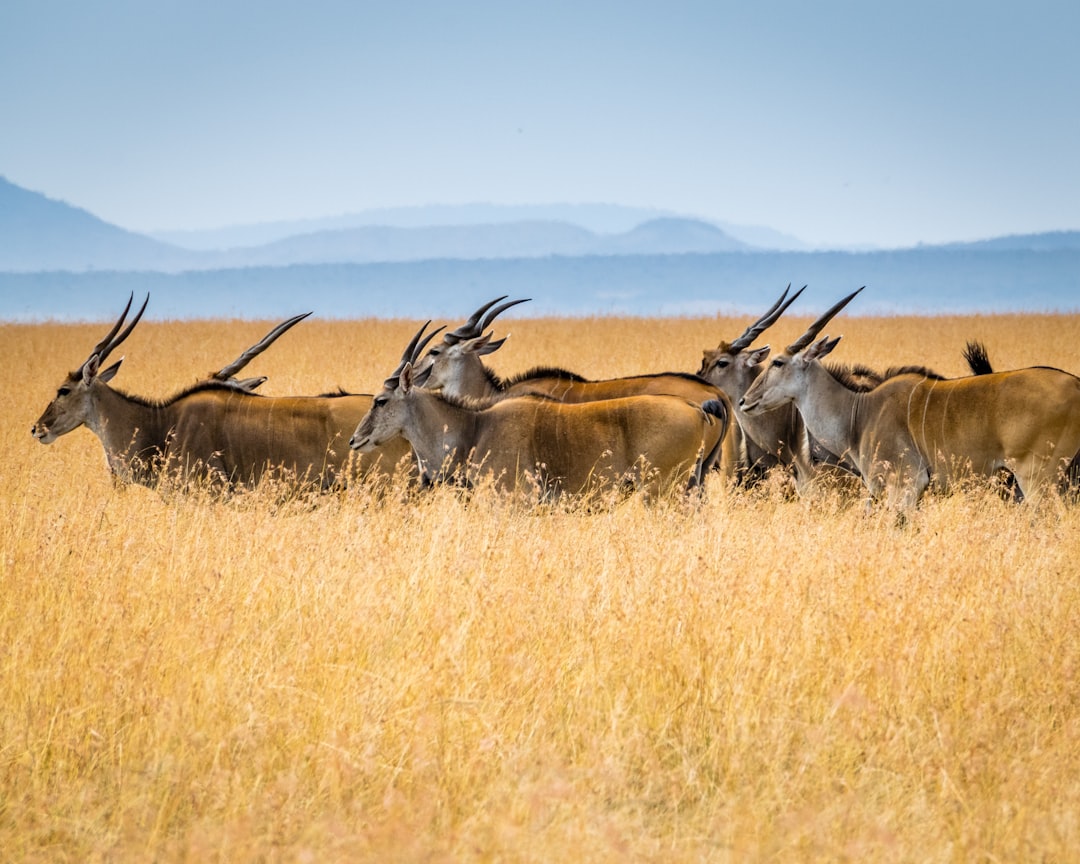
Quick Answer: The saiga antelope (Saiga tatarica) is a critically endangered steppe-dwelling ungulate recognized for its distinctive, trunk-like nose. Native to Central Asia, this unique antelope plays a vital role in grassland ecosystems but faces severe threats from poaching and habitat loss. Conservation efforts are underway to protect remaining populations, yet the species remains at high risk of extinction due to ongoing environmental and human pressures.
The saiga antelope stands out among the world’s hoofed mammals for its unusual appearance and remarkable ecological story. Native to the vast grasslands of Eurasia, the saiga’s most striking feature is its bulbous, flexible nose, which resembles a short trunk. This adaptation is not merely cosmetic; it serves crucial physiological functions that help the animal survive in the harsh, dusty environments of the steppe.
The saiga’s population has experienced dramatic fluctuations, with catastrophic declines in recent decades due to human activity and disease outbreaks.
Once roaming in immense herds across the Eurasian steppe, the saiga antelope now exists in fragmented populations, primarily in Kazakhstan, Russia, Mongolia, and Uzbekistan. The species’ vulnerability is heightened by its specialized habitat requirements and migratory behavior. Conservationists and scientists have raised alarms about the saiga’s future, emphasizing its role as an indicator of steppe ecosystem health.
The animal’s plight has drawn international attention, making it a symbol of the urgent need for wildlife protection in Central Asia.
Distinctive Anatomy: The Saiga’s Trunk-Like Nose
The most iconic feature of the saiga antelope is its large, downward-facing, trunk-like nose. This structure is known as a proboscis, and it sets the saiga apart from all other antelope species. The proboscis is soft, flexible, and covered with short fur, giving the animal its unmistakable profile. Unlike the rigid snouts of most ungulates, the saiga’s nose can move slightly and expands during certain activities, such as running or sniffing.
The proboscis plays a vital role in the saiga’s survival. During the hot, dusty summers of the steppe, the nose acts as a natural air filter, trapping dust and cooling the air before it reaches the lungs. In winter, the structure helps warm frigid air, reducing the risk of respiratory stress.
This adaptation is a direct response to the extreme temperature fluctuations and airborne particles common in the saiga’s natural habitat. The nose’s internal structure is lined with mucous membranes and complex folds, further enhancing its filtering and thermoregulatory capabilities.
Key Insight: The saiga’s nose is a specialized evolutionary adaptation, providing both filtration and temperature regulation in a challenging environment.
The unique anatomy of the saiga antelope has attracted scientific interest for decades. Comparative studies with other antelope species reveal that no other member of the Bovidae family possesses such a pronounced nasal structure. This makes the saiga a valuable subject for evolutionary biology and adaptation research.
The animal’s appearance is so distinctive that it is instantly recognizable, even in silhouette, and has been depicted in ancient cave art, indicating its longstanding presence in Eurasian culture. For more detailed anatomical information, see the Britannica entry on saiga antelope.
Taxonomy and Evolutionary History
Saiga tatarica is the only extant species in the genus Saiga, within the family Bovidae. The saiga’s evolutionary lineage diverged from other antelopes millions of years ago, resulting in its unique physical and ecological characteristics. Fossil evidence shows that saigas once ranged much farther west, including parts of Europe during the Pleistocene epoch.
The saiga’s ancestors adapted to open grasslands and cold, arid environments, which likely drove the development of their specialized nose. Genetic studies indicate that the species has low genetic diversity, a consequence of historical population bottlenecks and recent declines. This genetic vulnerability increases the risk of disease outbreaks and reduces the species’ resilience to environmental changes.
Saiga antelopes are closely related to other Eurasian antelopes, but their evolutionary path is distinct. The genus Saiga once included multiple species, but only Saiga tatarica survives today. The species’ current distribution reflects both natural range contraction and human-induced fragmentation.
The saiga’s evolutionary history is a testament to the dynamic changes in Eurasian ecosystems over millennia. For a comprehensive overview of the species’ taxonomy, refer to the Wikipedia page on Saiga antelope.
Key Takeaway: The saiga’s evolutionary history is marked by adaptation to extreme environments and repeated population bottlenecks, shaping its present-day vulnerability.
Habitat and Range: Life on the Eurasian Steppe
The saiga antelope inhabits the vast grasslands and semi-deserts of Central Asia. Its primary range includes Kazakhstan, Russia’s Kalmykia region, Mongolia, and Uzbekistan. These regions are characterized by open steppe, sparse vegetation, and dramatic seasonal climate swings. The saiga’s preference for flat, treeless landscapes allows it to detect predators from a distance and migrate efficiently in search of food and water.
Steppe ecosystems are defined by their extreme temperature variations, with scorching summers and freezing winters. The saiga’s migratory behavior is a direct response to these conditions. Large herds move seasonally, covering hundreds of kilometers to access grazing areas and calving grounds. Migration is essential for avoiding deep snow in winter and finding fresh vegetation in spring and summer.
This nomadic lifestyle exposes the saiga to numerous threats, including habitat fragmentation from roads, fences, and agricultural expansion.
The saiga’s current range is only a fraction of its historical distribution. Human activities, such as overgrazing by livestock and conversion of steppe to farmland, have reduced available habitat. Protected areas have been established in some regions, but enforcement and funding remain inconsistent. The saiga’s survival depends on the preservation of large, connected steppe landscapes. For more on steppe ecology, see the Encyclopedia Britannica entry on steppe.
| Region | Current Population Estimate | Key Threats |
|---|---|---|
| Kazakhstan | 800,000+ | Poaching, disease, habitat loss |
| Russia (Kalmykia) | 5,000-7,000 | Habitat fragmentation, poaching |
| Mongolia | <10,000 | Harsh winters, isolation |
| Uzbekistan | ,000 | Small population, poaching |
Behavior and Social Structure
The saiga antelope exhibits complex social behaviors shaped by its migratory and herd-living lifestyle. During most of the year, saigas form large mixed-sex herds that can number in the tens of thousands. These aggregations provide safety in numbers, making it harder for predators such as wolves and foxes to single out individuals. Herd size fluctuates seasonally, with the largest groups forming during migration and calving.
Male saigas are easily distinguished by their slightly larger size and prominent, lyre-shaped horns. During the breeding season, known as the rut, males become highly territorial and gather harems of females. Intense competition leads to dramatic fights, with males using their horns to establish dominance. Only the strongest males secure mating opportunities, resulting in a skewed sex ratio and high male mortality after the rut.
Female saigas give birth in large nurseries called “calving grounds,” where hundreds or thousands of females congregate to deliver and nurse their young. This synchronized birthing strategy reduces the risk of predation on vulnerable calves. Calves are able to stand and run within hours of birth, an adaptation critical for survival in open landscapes.
The social structure of saiga herds is fluid, with individuals joining and leaving groups frequently based on resource availability and environmental conditions.
Behavioral Note: The saiga’s herd dynamics and synchronized calving are key survival strategies in the predator-rich steppe environment.
Diet and Ecological Role
Saiga antelopes are herbivorous grazers, feeding primarily on a variety of grasses, herbs, and shrubs found in the steppe. Their diet shifts seasonally, with a preference for green shoots and forbs in spring and summer, and tougher, dried vegetation in winter. The saiga’s digestive system is adapted to process fibrous, low-nutrient plants, allowing it to thrive where other ungulates might struggle.
The saiga plays a crucial role in steppe ecosystems as a keystone species. By grazing on dominant grasses, saigas help maintain plant diversity and prevent overgrowth, which benefits other wildlife and reduces the risk of wildfires. Their migratory movements also aid in seed dispersal and nutrient cycling across vast areas. The decline of saiga populations has led to observable changes in steppe vegetation and ecosystem function.
Saigas must compete with domestic livestock for food, especially in areas where grazing pressure is intense. Overgrazing by sheep, goats, and cattle can degrade steppe habitats, reducing food availability for wild herbivores. The ecological balance of the steppe depends on sustainable land management and the protection of native species like the saiga. For more on grassland ecology, consult the University of California Museum of Paleontology’s grassland overview.
Reproduction and Life Cycle
The reproductive cycle of the saiga antelope is finely tuned to the demands of the steppe environment. The breeding season occurs in late autumn or early winter, when males compete for access to females in dramatic rutting displays. Females typically give birth in May or June, after a gestation period of about five months. Most females produce twins, although single births are not uncommon.
Calving takes place in open areas, where large groups of females gather to reduce predation risk. Newborn calves are well-camouflaged and remain hidden for the first few days of life. Rapid growth is essential; within a week, calves can keep up with the herd. Weaning occurs after one to two months, and young saigas reach sexual maturity by the age of one to two years.
Reproductive Adaptation: The saiga’s synchronized birthing and rapid calf development are evolutionary responses to high predation and environmental unpredictability.
The species’ high reproductive rate is offset by significant mortality, especially among males after the rut and among calves during harsh winters or disease outbreaks. The life expectancy of a wild saiga is generally 6-10 years, though few individuals reach old age due to natural and anthropogenic threats.
Threats and Conservation Status
The saiga antelope is classified as Critically Endangered on the IUCN Red List. The primary threats to the species are poaching for horns (used in traditional medicine), habitat loss, disease, and climate-related events. Poaching escalated dramatically after the collapse of the Soviet Union, causing population crashes of over 95% in some regions.
Disease outbreaks, such as pasteurellosis and foot-and-mouth disease, have caused catastrophic die-offs, sometimes killing over half the population in a single season. Habitat fragmentation from infrastructure development further isolates populations, making recovery more difficult. Conservation efforts include anti-poaching patrols, community education, and the establishment of protected areas. International cooperation is essential, as saiga migrations cross national borders.
| Threat | Impact on Saiga |
|---|---|
| Poaching | Population collapse, skewed sex ratio |
| Disease | Mass mortality events |
| Habitat loss | Reduced range, isolated populations |
| Climate change | Increased droughts, harsh winters |
Conservation Warning: Without sustained intervention, the saiga antelope faces a high risk of extinction in the wild.
Cultural Significance and Human Interactions
The saiga antelope has been an important figure in the cultures of Central Asia for thousands of years. Ancient petroglyphs and cave paintings depict saigas, highlighting their role in prehistoric human societies. The animal’s horns have long been valued in traditional Chinese medicine, driving demand and contributing to illegal hunting.
Modern conservation campaigns often use the saiga as a flagship species to raise awareness about steppe conservation. Local communities in Kazakhstan and Mongolia are increasingly involved in saiga protection, recognizing the animal’s ecological and cultural value. Education and alternative livelihood programs aim to reduce poaching by providing economic incentives for conservation.
Human activities remain a double-edged sword for the saiga. While poaching and habitat conversion threaten the species, community-based conservation offers hope for recovery. The saiga’s plight has inspired international collaborations, such as the Convention on Migratory Species’ Memorandum of Understanding for saiga conservation. For more on the cultural and medicinal uses of saiga horns, see the Wikipedia entry on saiga antelope.
Disease Outbreaks and Population Fluctuations
Saiga populations are highly susceptible to disease outbreaks, which can cause sudden and massive declines. The most notorious event occurred when pasteurellosis, a bacterial infection, wiped out over 200,000 saigas in a matter of weeks. Such events are exacerbated by the species’ low genetic diversity and large, dense herds, which facilitate rapid disease transmission.
Climate change may increase the frequency and severity of disease outbreaks by altering steppe conditions and stressing saiga populations. Warmer, wetter springs have been linked to higher rates of bacterial infections. Conservationists are working to monitor saiga health and develop rapid-response strategies to contain outbreaks. However, the unpredictable nature of these events makes long-term planning challenging.
Population Risk: Disease outbreaks remain one of the most significant and unpredictable threats to saiga survival, highlighting the need for robust monitoring and rapid intervention.
The Future of the Saiga Antelope
Despite ongoing threats, recent years have seen some signs of recovery in saiga populations, particularly in Kazakhstan where anti-poaching measures and habitat protection have been strengthened. The resilience of the species is evident in its ability to rebound quickly when conditions improve. However, the risk of future declines remains high unless conservation efforts are maintained and expanded.
International cooperation is critical for the saiga’s future, given its migratory nature and transboundary range. Conservation strategies must address not only poaching and habitat loss but also emerging challenges such as climate change and disease. Public awareness and support are essential for securing funding and political will for saiga protection.
The saiga antelope serves as a powerful symbol of the fragility and interconnectedness of steppe ecosystems. Its survival will depend on a combination of scientific research, community engagement, and international policy. For more information on global conservation efforts, consult the IUCN Red List and Britannica.
Saiga Antelope: A Living Relic of the Steppe
The saiga antelope’s story is one of remarkable adaptation, dramatic decline, and ongoing hope. Its trunk-like nose, migratory lifestyle, and ecological role make it a standout among the world’s ungulates. As a living relic of the ancient steppe, the saiga reminds us of the delicate balance between wildlife and human activity. Preserving this species is not only an ecological imperative but also a testament to the value of biodiversity and the resilience of nature.
Continued research, international collaboration, and community involvement are essential to ensure the saiga’s survival. The fate of the saiga antelope will serve as a measure of humanity’s commitment to protecting the world’s most unique and vulnerable wildlife.
Frequently Asked Questions
Why does the saiga antelope have a trunk-like nose?
The saiga’s trunk-like nose filters dust and regulates air temperature, helping it survive in the harsh, dusty, and extreme climates of the Eurasian steppe.
How many saiga antelopes are left in the wild?
Current estimates suggest there are around 800,000 saiga antelopes in Kazakhstan, with much smaller populations in Russia, Mongolia, and Uzbekistan.
Are saiga antelope horns used in traditional medicine?
Yes, saiga horns are highly valued in traditional Chinese medicine, driving illegal poaching and contributing to the species’ critically endangered status.
What are the main threats to saiga antelope survival?
The main threats are poaching for horns, habitat loss, disease outbreaks, and climate-related events such as severe winters and droughts.
Can saiga antelope populations recover?
Saiga populations can recover quickly with strong protection, but ongoing threats mean sustained conservation efforts are essential for long-term survival.
Where can I see saiga antelopes in the wild?
Saiga antelopes are most commonly found in Kazakhstan’s protected steppe reserves, though sightings are possible in parts of Russia, Mongolia, and Uzbekistan.