
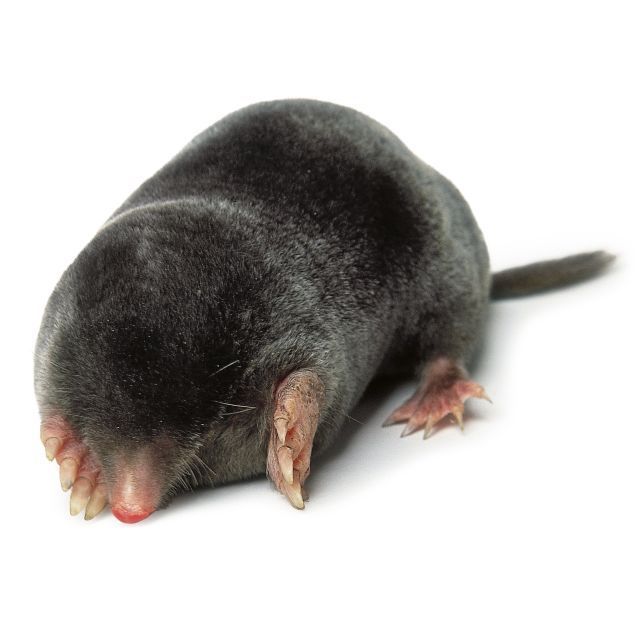
Quick Answer: The star-nosed mole (Condylura cristata) is a small, semi-aquatic mammal native to eastern North America, recognized for its unique star-shaped nose equipped with over 22 fleshy appendages. This extraordinary structure, packed with Eimer organs, enables the star-nosed mole to be the fastest forager among mammals, detecting and consuming prey in as little as 120 milliseconds. Its tactile star provides unparalleled sensory perception in dark, subterranean, and aquatic environments.
The star-nosed mole stands out as one of the most distinctive mammals in the animal kingdom. Its most remarkable feature, a star-shaped structure at the tip of its snout, serves as a sophisticated touch organ, setting it apart from all other mole species. This tactile star is not only visually striking but also functionally advanced, allowing the mole to thrive in environments where vision is limited or absent.
The star-nosed mole’s adaptations have fascinated scientists and naturalists for decades, prompting extensive research into its sensory biology, foraging strategies, and evolutionary history.
Living primarily in wet lowland areas, marshes, and along the edges of streams and ponds, the star-nosed mole has developed a suite of adaptations for both terrestrial and aquatic life. Its dense, waterproof fur, large paddle-like feet, and ability to swim underwater for extended periods make it a formidable predator in its niche. Despite its secretive lifestyle, the star-nosed mole plays a crucial role in ecosystem dynamics, influencing soil structure and invertebrate populations.
The star-nosed mole’s reputation as the fastest forager among mammals is well-earned. Observations have shown that it can identify and consume small prey items with astonishing speed, a feat unmatched by any other mammal. This rapid foraging is made possible by the intricate network of sensory organs embedded within its star, which provide detailed information about the environment and potential food sources.
The combination of anatomical specialization and behavioral agility makes the star-nosed mole a unique subject of scientific inquiry.
Anatomy and Distinctive Features of the Star-Nosed Mole
The star-nosed mole is a small mammal, typically measuring 15–20 centimeters in length and weighing between 40–85 grams. Its most iconic feature is the star-shaped structure at the tip of its nose, composed of 22 soft, pink, fleshy appendages. These appendages, known as rays, are arranged in a symmetrical pattern and are covered with thousands of sensory structures called Eimer organs.
The star is highly mobile, capable of rapid movement and manipulation, which allows the mole to investigate its surroundings with remarkable precision.
The body of the star-nosed mole is adapted for a subterranean and aquatic lifestyle. Dense, velvety fur repels water and dirt, while the forelimbs are broad and spade-like, ideal for digging through soil and silt. The hind feet are larger and more paddle-shaped than those of other moles, enhancing the animal’s swimming ability. Small, inconspicuous eyes and ears reflect the mole’s reliance on tactile and olfactory senses rather than vision or hearing.
Key Insight: The star-nosed mole’s tactile star contains over 25,000 Eimer organs, making it the most sensitive touch organ in the mammalian world.
The tail of the star-nosed mole is another notable feature. Thick and cylindrical, it serves as a fat storage organ, swelling during the winter months to provide energy reserves. This adaptation is crucial for survival in cold, resource-scarce environments. The tail also aids in balance and maneuverability, especially when the mole is swimming or navigating complex burrow systems.
A comparison of the star-nosed mole’s anatomy with other mole species highlights the extent of its specialization. While all moles possess adaptations for digging, only the star-nosed mole exhibits such a pronounced development of tactile sensory structures. This unique morphology underpins the animal’s extraordinary foraging abilities and ecological success.
| Feature | Star-Nosed Mole | Common Mole | Sensory Adaptation |
|---|---|---|---|
| Nose Structure | 22-rayed tactile star | Simple, pointed | Extreme tactile sense |
| Eimer Organs | ~25,000 | ~2,000 | Highly concentrated |
| Forelimbs | Broad, spade-like | Broad, spade-like | Digging |
| Hind Feet | Large, paddle-shaped | Small, not paddle-like | Swimming |
| Eyes | Tiny, nearly blind | Tiny, nearly blind | Vision reduced |
The star-nosed mole’s anatomical features are not merely curiosities; they are finely tuned adaptations that have evolved to meet the demands of a highly specialized lifestyle. The interplay between form and function in this species offers valuable insights into the processes of natural selection and evolutionary innovation.
The Tactile Star and Eimer Organs: Nature’s Sensory Masterpiece
At the heart of the star-nosed mole’s sensory prowess lies the tactile star, a structure unmatched in the animal kingdom. Each of the 22 rays is densely packed with Eimer organs, which are tiny, dome-shaped mechanoreceptors specialized for touch. These organs detect minute differences in texture, shape, and movement, allowing the mole to construct a detailed map of its environment purely through touch.
Eimer organs are unique to moles but reach their greatest complexity and density in the star-nosed mole. Each organ contains clusters of nerve endings that respond to mechanical stimuli. When the rays of the star brush against an object, the Eimer organs transmit signals to the brain, enabling rapid identification of prey or obstacles.
The star-nosed mole’s brain devotes a disproportionately large area to processing tactile information from the star, similar to the way primates’ brains process information from their hands.
Key Takeaway: The star-nosed mole can identify and reject inedible objects in as little as 8 milliseconds, a speed unrivaled among mammals.
The tactile star is not static; it is in constant motion as the mole explores its surroundings. High-speed video studies have revealed that the rays move independently and can be fanned out or retracted as needed. This flexibility allows the mole to probe crevices, sift through soil, and examine potential food items with extraordinary efficiency. The star acts as both a sensor and a manipulator, combining the functions of a nose, hand, and eye.
The evolutionary development of the tactile star represents a remarkable example of sensory specialization. While most mammals rely on vision or hearing to navigate and hunt, the star-nosed mole has shifted almost entirely to tactile perception. This adaptation has enabled the species to exploit ecological niches that are inaccessible to less specialized animals. For more on mammalian sensory adaptations, see the Britannica entry on tactile senses.
Foraging Behavior: The Fastest Mammalian Predator
The star-nosed mole is celebrated as the fastest forager among mammals, a title earned through its lightning-quick prey detection and consumption. In laboratory and field observations, star-nosed moles have been recorded identifying and consuming prey in as little as 120 milliseconds. This rapid foraging is essential in the mole’s wetland habitats, where competition for food is intense and prey items are often small and elusive.
The mole’s diet consists primarily of aquatic invertebrates, such as worms, insect larvae, and small crustaceans. It also consumes small fish, amphibians, and occasionally plant material. The tactile star allows the mole to detect prey hidden in mud, water, or leaf litter, even in complete darkness. Upon encountering a potential food item, the mole rapidly assesses its edibility using the Eimer organs before snapping it up with its teeth.
A typical foraging session involves the mole moving its star rapidly through the substrate, making brief, repeated contacts with objects. The speed and accuracy of this process are unparalleled in the animal kingdom. The mole can process up to 12 separate objects per second, distinguishing between edible and inedible items with near-perfect accuracy. This efficiency is vital for meeting the high metabolic demands of the species.
Key Fact: The star-nosed mole’s foraging speed is so great that it has been compared to the reaction times of predatory birds and even some insects.
Foraging strategies vary depending on habitat and season. In aquatic environments, the mole swims and dives with agility, using its star to search for prey along the bottom. In terrestrial settings, it tunnels through moist soil, employing the same tactile techniques to locate earthworms and other invertebrates.
The ability to forage effectively in both environments gives the star-nosed mole a significant ecological advantage. For a comprehensive overview of mole foraging, see the Wikipedia page on the star-nosed mole.
Aquatic Adaptations and Underwater Abilities
Unlike most moles, the star-nosed mole is highly adapted to an aquatic lifestyle. Its waterproof fur, large hind feet, and streamlined body enable it to swim with remarkable speed and agility. The mole can remain underwater for up to 30 seconds, during which it searches for prey using its sensitive star.
One of the most intriguing adaptations of the star-nosed mole is its ability to smell underwater. By exhaling tiny bubbles onto objects and then inhaling them back through the nose, the mole can detect chemical cues in the water. This behavior, known as bubble sniffing, is rare among mammals and allows the mole to combine tactile and olfactory information when hunting aquatic prey. For more on mammalian underwater olfaction, see the Smithsonian Magazine article on underwater smelling.
The mole’s swimming technique is efficient and coordinated. The large, paddle-like hind feet provide propulsion, while the tail acts as a rudder for steering. The eyes and ears are protected from water ingress, further emphasizing the animal’s reliance on touch and smell. The ability to exploit both terrestrial and aquatic food sources makes the star-nosed mole one of the most versatile predators in its ecosystem.
Notable Adaptation: The star-nosed mole is among the few mammals capable of foraging both on land and underwater with equal proficiency.
Seasonal changes influence the mole’s aquatic behavior. During periods of flooding or high water, the mole may spend more time swimming and less time tunneling. In winter, it can forage beneath ice, taking advantage of its waterproof coat and fat-storing tail. These adaptations ensure year-round access to food and contribute to the species’ resilience in variable environments.
Sensory Processing and Neural Specialization
The star-nosed mole’s extraordinary sensory abilities are underpinned by specialized neural architecture. The brain devotes a large proportion of its somatosensory cortex to processing input from the tactile star, a phenomenon known as cortical magnification. This arrangement is analogous to the way primates allocate extensive brain regions to processing information from the hands and fingers.
Neurophysiological studies have shown that the star-nosed mole can distinguish between different textures, shapes, and movements with remarkable precision. The Eimer organs transmit signals via the trigeminal nerve to the brain, where they are integrated and interpreted. The speed of this processing is critical for the mole’s rapid foraging behavior, enabling it to make split-second decisions about potential prey.
Key Insight: The star-nosed mole’s somatosensory cortex is organized into a detailed map corresponding to the layout of the tactile star, with each ray represented by a distinct neural region.
This neural specialization is a product of both evolutionary adaptation and developmental plasticity. Young moles exhibit a period of heightened sensitivity as the brain refines its connections based on sensory experience. The result is a system optimized for detecting and responding to tactile stimuli in complex, cluttered environments. For further reading on mammalian brain organization, see Britannica’s article on the brain.
The star-nosed mole’s sensory processing capabilities offer valuable insights into the evolution of specialized sensory systems. By studying this species, scientists gain a deeper understanding of how neural circuits can adapt to meet the demands of unique ecological niches.
Habitat, Distribution, and Ecological Role
The star-nosed mole is found primarily in eastern North America, ranging from southeastern Canada through the northeastern United States and as far south as Georgia. It inhabits a variety of wetland environments, including marshes, peatlands, wet meadows, and the banks of streams and ponds. The species prefers areas with soft, moist soil that facilitate burrowing and support abundant invertebrate prey.
Within its habitat, the star-nosed mole constructs elaborate tunnel systems. These tunnels often connect to underwater entrances, allowing the mole to move seamlessly between terrestrial and aquatic environments. The mole’s burrowing activity aerates the soil and promotes nutrient cycling, contributing to ecosystem health. By preying on invertebrates, the mole helps regulate populations of soil-dwelling organisms, maintaining ecological balance.
Ecological Impact: The star-nosed mole is a keystone species in wetland ecosystems, influencing both soil structure and invertebrate community dynamics.
The distribution of the star-nosed mole is influenced by factors such as soil moisture, food availability, and habitat disturbance. While the species is not currently considered threatened, habitat loss due to wetland drainage and development poses a potential risk.
Conservation efforts aimed at preserving wetland habitats are essential for maintaining healthy populations of the star-nosed mole. For distribution maps and conservation status, consult the IUCN Red List entry for Condylura cristata.
Evolutionary Origins and Phylogenetic Relationships
The evolutionary history of the star-nosed mole is a subject of ongoing scientific interest. Genetic and morphological analyses place the species within the family Talpidae, which includes all true moles. The star-nosed mole is the only member of its genus, Condylura, reflecting its unique adaptations and evolutionary trajectory.
Fossil evidence suggests that the star-nosed mole diverged from other moles several million years ago, likely in response to the availability of wetland habitats in North America. The development of the tactile star and associated neural specializations represent key innovations that enabled the species to exploit new ecological opportunities.
Comparative studies of mole species reveal a spectrum of sensory adaptations, with the star-nosed mole occupying the extreme end of tactile specialization.
Evolutionary Note: The star-nosed mole’s unique features are the result of both ancient divergence and recent adaptation to wetland environments.
Phylogenetic research has clarified the relationships among mole species, highlighting the distinctiveness of Condylura cristata. While most moles are strictly fossorial, the star-nosed mole’s combination of digging and swimming abilities sets it apart. Ongoing studies continue to shed light on the genetic and developmental mechanisms underlying its remarkable traits. For a detailed overview of mole evolution, see the Wikipedia page on Talpidae.
Reproduction, Life Cycle, and Behavior
The reproductive biology of the star-nosed mole is adapted to the seasonal rhythms of its wetland habitat. Breeding typically occurs in late winter or early spring, with females giving birth to litters of 4–7 young after a gestation period of about 45 days. The young are born blind and hairless, relying on the mother for warmth and nourishment.
Development is rapid, with the tactile star becoming functional within two weeks of birth. Juvenile moles begin foraging independently at around one month of age, at which point they disperse to establish their own territories. The lifespan of the star-nosed mole in the wild is estimated at 2–4 years, although some individuals may live longer under favorable conditions.
Social behavior in the star-nosed mole is not well understood, but the species is generally considered solitary outside of the breeding season. Communication likely involves a combination of tactile, olfactory, and possibly vocal signals, although the specifics remain a subject of research. The mole’s secretive habits and subterranean lifestyle make direct observation challenging, contributing to the ongoing mystery surrounding its behavior.
Conservation Status and Human Interactions
Currently, the star-nosed mole is classified as a species of Least Concern by the IUCN, reflecting its wide distribution and stable population trends. However, the species faces potential threats from habitat loss, pollution, and climate change, particularly in areas where wetlands are being drained or degraded. Conservation efforts focused on wetland preservation are critical for ensuring the long-term survival of the star-nosed mole and the many other species that depend on these habitats.
Human encounters with the star-nosed mole are rare due to its secretive nature and preference for remote wetlands. When encountered, the mole is sometimes mistaken for a pest, but its ecological benefits far outweigh any potential negative impacts. By controlling populations of soil-dwelling invertebrates and aerating the soil, the star-nosed mole provides valuable ecosystem services.
Conservation Perspective: Protecting wetland habitats not only safeguards the star-nosed mole but also supports biodiversity and ecosystem resilience on a broader scale.
Public education and outreach can help foster appreciation for this unique species and promote conservation-minded attitudes. Continued research into the biology and ecology of the star-nosed mole will further inform management strategies and highlight the importance of preserving the world’s wetlands.
The Star-Nosed Mole in Scientific Research and Popular Culture
The star-nosed mole has become an icon in both scientific circles and popular culture, celebrated for its extraordinary adaptations and peculiar appearance. Its unique sensory system has made it a model organism for research into touch perception, neural processing, and evolutionary biology. Studies of the star-nosed mole have contributed to broader understanding of mammalian sensory systems and the principles of neural specialization.
In popular media, the star-nosed mole is often featured in documentaries, nature books, and educational programs. Its bizarre appearance and rapid foraging behavior capture the imagination of audiences, serving as a gateway to discussions about biodiversity and adaptation. The species has also inspired artists, writers, and filmmakers, who draw on its unusual traits to explore themes of difference and survival.
The prominence of the star-nosed mole in scientific and public discourse underscores the value of curiosity-driven research. By studying such unique organisms, scientists gain insights that extend beyond the species itself, informing our understanding of evolution, ecology, and the diversity of life on Earth. For more on the role of unusual animals in science, see Britannica’s entry on animal adaptation.
Appreciating the Star-Nosed Mole’s Role in Nature
The star-nosed mole exemplifies the remarkable diversity and adaptability of life. Its highly specialized anatomy, rapid foraging abilities, and unique sensory system have enabled it to carve out a successful niche in challenging environments. As a keystone species, the star-nosed mole plays a vital role in maintaining the health and balance of wetland ecosystems.
Understanding the star-nosed mole’s biology offers valuable lessons about the interplay between form, function, and environment. The species demonstrates how evolutionary pressures can drive the development of extraordinary adaptations, resulting in organisms that are finely tuned to their ecological roles. The star-nosed mole’s story is a testament to the power of natural selection and the ongoing process of evolutionary innovation.
Final Thought: The star-nosed mole stands as a symbol of nature’s ingenuity, reminding us of the hidden wonders that await discovery beneath the surface of the natural world.
By appreciating and protecting species like the star-nosed mole, we contribute to the preservation of biodiversity and the resilience of ecosystems. Continued research and conservation efforts will ensure that future generations can marvel at this sensory marvel and the intricate web of life it inhabits.
Frequently Asked Questions
How does the star-nosed mole find food so quickly?
The star-nosed mole uses its star-shaped nose, packed with Eimer organs, to detect and identify prey in as little as 120 milliseconds, making it the fastest mammalian forager.
Can the star-nosed mole see or is it blind?
The star-nosed mole has tiny eyes and extremely poor vision, relying almost entirely on touch and smell for navigation and hunting.
Is the star-nosed mole endangered?
No, the star-nosed mole is not endangered. It is classified as Least Concern by the IUCN due to its wide distribution and stable population.
Where can star-nosed moles be found?
Star-nosed moles inhabit wetlands, marshes, and stream banks in eastern North America, from southeastern Canada to the northeastern United States.
How does the star-nosed mole smell underwater?
The star-nosed mole exhales air bubbles onto objects and re-inhales them, allowing it to detect scents underwater, a rare ability among mammals.
What do star-nosed moles eat?
Their diet consists mainly of aquatic invertebrates, worms, insect larvae, small fish, and amphibians, which they locate using their sensitive star.
How long do star-nosed moles live?
In the wild, star-nosed moles typically live 2–4 years, although some may survive longer under favorable conditions.
Why is the star-nosed mole important to its ecosystem?
The star-nosed mole helps aerate soil and control invertebrate populations, playing a key role in maintaining healthy wetland ecosystems.