
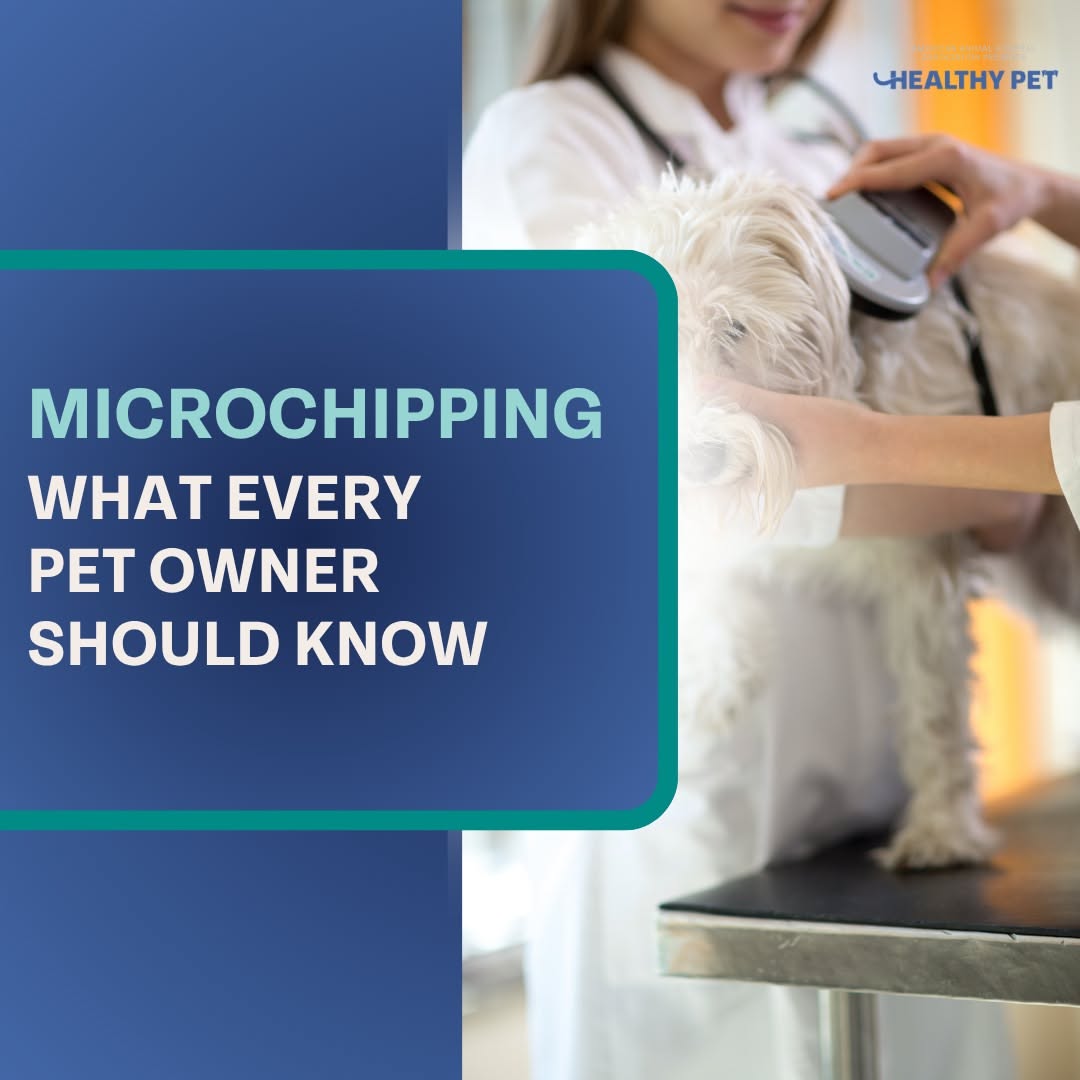
Microchipping pets is the most reliable permanent identification method available for dogs and cats. Unlike collars, which break or fall off, and tattoos, which fade and become illegible, a microchip is a passive radio-frequency identification (RFID) device that lasts the lifetime of the animal and can be read by any standard scanner worldwide.
The American Humane Association estimates that one in three pets goes missing during their lifetime. Without identification, only about 22% of lost dogs entering shelters are reunited with their owners. For microchipped dogs, that rate rises to 52%. For cats, the difference is even more dramatic: 2% of non-microchipped lost cats are reunited, compared to 38% of microchipped cats, according to a 2009 study in the Journal of the American Veterinary Medical Association.
This guide covers the technology, the implantation procedure, the registration system, how scanners work, and what owners must do to ensure a microchip actually results in reunion.
What a Microchip Is
A pet microchip is a passive RFID transponder encased in biocompatible glass, approximately the size of a grain of rice (about 12 mm long, 2 mm in diameter). It contains no battery and no moving parts.
When a scanner emits a specific radiofrequency signal, it activates the chip, which transmits back a unique alphanumeric code, the chip's identifier. This code is then looked up in a microchip registry database to find the owner's contact information.
What a microchip does NOT do:
- It is not a GPS tracker; it cannot locate a lost pet or report position
- It does not store medical information in most current systems
- It does not activate unless actively scanned
- It does not prevent theft
The chip is entirely passive. It only "works" when a scanner is present. Without a scanner, the chip is completely inert.
International Standards: ISO vs. Non-ISO Chips
There are two main chip standards used in the US market:
ISO 11784/11785 (134.2 kHz): The international standard, used in virtually all countries outside North America and mandated for international travel. 15-digit numeric code. Most new chips sold in the US are now ISO standard.
125 kHz chips: An older standard used extensively in the US before widespread ISO adoption. Still present in many previously chipped pets.
Why this matters: Not all scanners can read both standards. A pet chipped with a 125 kHz chip may not be read by a scanner that only reads ISO chips, and vice versa. "Universal" scanners can read both, but not all scanners in use at shelters and veterinary clinics are universal. This is a known problem in the US shelter system.
Current best practice: New pets should receive ISO-standard chips. Pets being microchipped for international travel must have an ISO-standard chip (or a chip-plus-tattoo combination in some countries). Ask your vet which standard the chip they use conforms to.
The Implantation Procedure
Microchip implantation is a quick, minimally invasive procedure performed at veterinary clinics, many shelters, and some pet stores and mobile clinics.
How it is done:
- The chip is loaded into a sterile, single-use implantation needle (a hypodermic-gauge needle slightly larger than those used for vaccines)
- The standard implantation site is the dorsal midline between the shoulder blades (interscapular region)
- The needle is inserted through the skin at this site and the chip deposited in subcutaneous tissue
- No incision, no sutures, no anaesthesia required for routine implantation
Pain level: Similar to a standard vaccination injection. The needle is larger than a standard vaccine needle and the moment of implantation produces a brief, sharp sensation. Most dogs and cats react minimally. The procedure takes under 30 seconds.
Age: Can be performed at any age, including puppies and kittens from 8 weeks. Many shelters microchip prior to adoption as standard practice.
Timing: Microchipping can be done at any routine veterinary visit. It is commonly done at the time of vaccination, the puppy or kitten wellness series, or during spay/neuter surgery.
Cost: $25-$75 at most veterinary clinics. Lower-cost microchipping events are periodically offered by shelters and pet advocacy organisations. The one-time fee includes the chip; registration fees (if any) are charged by the registry.
Chip Verification After Implantation
After implantation, the vet should scan the chip immediately to confirm it is reading correctly. The unique code that appears on the scanner should match the code printed on the chip documentation provided to you.
Keep all chip documentation, the chip code, the scanner reading, and the documentation from the registry, in your pet's health records. If you ever need to provide proof of chip identity (for travel, for retrieval from a shelter), you need the chip number.
The Registration System: The Critical Step Owners Miss
The microchip itself identifies your pet uniquely, but the chip number is meaningless without a database that links it to your contact information. This is the step that most commonly fails in lost pet recovery.
How registration works:
- Your vet implants the chip and gives you the chip number
- You register the chip number in a microchip database with your name, address, and phone number
- When a lost pet is scanned, the chip number is looked up in one or more databases
- The database returns your contact information to the shelter or clinic
The US fragmented registry problem: Unlike many countries (the UK has a mandatory single registry; many EU countries have national registries), the United States has no mandatory centralised microchip registry. Multiple competing private registries exist. A chip registered in Registry A will not be found by a lookup in Registry B unless there is database sharing.
Major US microchip registries:
- AKC Reunite (AKCreunite.org), largest US registry
- HomeAgain (homeagain.com)
- Found Animals (foundanimals.org), free registration
- PetLink (petlink.net)
- The Pet Network (thepetnetwork.com)
The solution: Register in a registry that participates in the AAHA (American Animal Hospital Association) Universal Pet Microchip Lookup Tool, available at lookup.aaha.org. This single search tool queries multiple participating registries simultaneously and is what most shelters and clinics in the US use.
Some chip manufacturers include one free registry with the chip; this is often a proprietary registry that may not participate in universal lookup. Register additionally with a major universal-lookup-participating registry.
International travel: For international travel, chip registration must be accessible to foreign authorities. Confirm your registry is ICAD (the international chip database) compatible or maintain a secondary registration in an internationally accessible database.
Keeping Registration Current: What Owners Must Actually Do
The most common reason a microchip fails to reunite a pet with its owner is outdated registration information. A chip with correct registration is useless if:
- The owner's phone number has changed
- The owner has moved
- The animal has been rehomed and the new owner never updated the registration
Every time you update your contact information:
- Log into your registry account and update your current phone number, address, and email
- If you have multiple registries, update all of them
- If you sell, rehome, or adopt out an animal, transfer the registration to the new owner, or ensure the new owner registers the chip with current information
When you adopt a pet:
- Ask for the chip number from the shelter or prior owner
- Look up the chip at lookup.aaha.org to see which registry it is registered in
- Contact that registry to update the owner information to your own
- Register additionally with a large participating registry (AKC Reunite, Found Animals)
What Happens When a Lost Microchipped Pet Is Scanned
The practical process in most US shelters:
- Found animal is taken to a shelter, animal control, or veterinary clinic
- Staff scan the animal with a handheld scanner
- The chip number is obtained and entered into the AAHA Universal Lookup Tool
- If the chip is registered with a participating database, the owner's contact information is returned
- The owner is contacted
If the chip is not in a participating database: Staff may call the chip manufacturer (the manufacturer is identifiable from the chip number format) to request owner information. Some manufacturers maintain their own databases and provide this service. This adds delay and works only if the manufacturer has up-to-date contact information.
If the chip is unregistered: There is no way to contact the owner, regardless of how current their phone number is. An unregistered chip is a permanent identifier of the pet's origin but provides no way to contact the owner.
Microchip Migration
In rare cases, microchips migrate from the implantation site between the shoulder blades to elsewhere in the body. Common migration sites include the shoulder, leg, or lower back. Migrated chips scan correctly but may be missed if a scanner is only applied to the interscapular region.
Standard practice in shelters is to scan the entire body of every found animal to account for migration. Some older shelters or rushed intake procedures may only scan the standard site. If your pet is ever found and a chip is not detected, request a full-body scan.
Are There Health Risks from Microchips?
The safety record of microchipping is excellent. A widely circulated concern about a link between microchips and cancer (sarcoma at the chip site) was based on rodent studies involving inbred strains injected with much larger implants than modern chips, not on epidemiological data from dogs and cats.
The British Small Animal Veterinary Association (BSAVA) and AVMA reviewed the available evidence and concluded that the risk of microchip-associated sarcoma in dogs and cats is extremely low, estimated at under 1 in 10,000 chipped animals, and causation has not been established even at that rate. The benefit of microchipping vastly outweighs any theoretical cancer risk.
Microchipping and Legal Requirements
United States: No federal law requires microchipping. Several states, cities, and jurisdictions have local ordinances requiring microchipping for dogs or cats, or as a condition of licensing. Check local ordinances.
United Kingdom: Microchipping has been mandatory for all dogs over 8 weeks old since 2016. Mandatory cat microchipping came into effect in June 2024.
European Union: National laws vary; most EU countries require microchipping with ISO chips for dogs and for international travel.
International travel: Dogs and cats entering most countries require a valid ISO microchip as the primary identification link to their vaccination and health records. A chip that does not read or is not ISO-compliant can result in an animal being denied entry or placed in quarantine.
References
Lord, L.K., et al. (2009). "Evaluation of microchips for permanent identification of dogs and cats." Journal of the American Veterinary Medical Association, 235(5), 569–573. https://doi.org/10.2460/javma.235.5.569
American Veterinary Medical Association. (2023). Microchipping of Animals. https://www.avma.org
British Small Animal Veterinary Association (BSAVA). (2017). Position Statement on Microchipping Safety.
American Animal Hospital Association. (2023). Universal Pet Microchip Lookup Tool. https://lookup.aaha.org
AAHA. (2023). Microchipping FAQ. https://www.aaha.org/pet-owner/pet-health-resources/microchipping/
Related reading:
- Dog Vaccination Schedule Explained
- Signs of a Healthy Dog
- How to Spay or Neuter Your Pet
- When to See a Vet for Your Dog
Frequently Asked Questions
Is a microchip a GPS tracker?
No. A pet microchip is a passive RFID transponder with no battery, no GPS capability, and no ability to report location. It only activates when a scanner emits a radiofrequency signal, returning a unique identifying code. That code must then be looked up in a database to find the owner’s contact information. A microchip is an identifier, not a tracking device.
How does a lost microchipped pet get returned to its owner?
A shelter or veterinary clinic scans the found animal with a handheld scanner. The chip number is entered into the AAHA Universal Pet Microchip Lookup Tool (lookup.aaha.org), which queries multiple participating registries simultaneously. If the chip is registered and the contact information is current, the owner’s phone number or email is returned and they are contacted. Outdated contact information or no registration means the owner cannot be reached.
How do I register my pet's microchip?
Enter the chip number in at least one major registry that participates in the AAHA Universal Lookup Tool. Recommended registries include AKC Reunite, HomeAgain, and Found Animals (free). The US has no single mandatory registry, so registration in a universal-lookup-participating database is the most important step. The chip manufacturer may also maintain a database, register there as well.
Does microchipping hurt?
The procedure causes brief, sharp discomfort similar to a vaccination injection. The needle is slightly larger than a standard vaccine needle, but the procedure takes under 30 seconds. No anaesthesia is required. Most dogs and cats react minimally. It can be performed at any routine veterinary visit or during spay/neuter surgery.
Can a microchip cause cancer in dogs or cats?
The risk is considered extremely low. The concern arose from rodent studies using large implants in inbred strains, not from epidemiological data in dogs and cats. The AVMA, BSAVA, and AAHA have reviewed the evidence and concluded the cancer risk is less than 1 in 10,000 chipped animals, with causation not established. The benefit of microchipping, significantly improved odds of lost pet recovery, vastly outweighs any theoretical risk.
What if I adopted a pet that was already microchipped?
Look up the chip number at lookup.aaha.org to identify the registry it is registered in. Contact that registry to update the owner information to your own. This transfer step is essential, if the previous owner’s contact information remains on record, you cannot be contacted if your pet is lost. Also register the chip with a large universal-lookup-participating registry as a backup.