
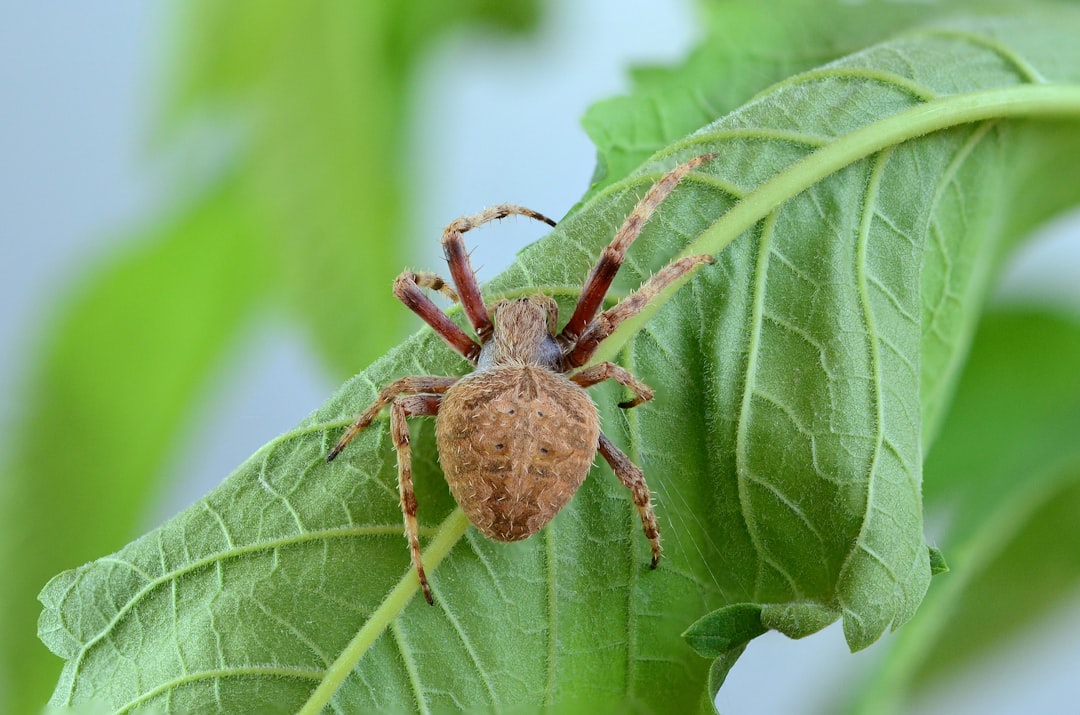
Few animals inspire as much instinctive unease as a large spider, and the giant huntsman spider (Heteropoda maxima) sits near the top of the list for sheer size. Discovered in the caves of Laos, this arachnid is considered the largest spider in the world by leg span, with legs that stretch remarkably wide.
Yet behind its intimidating appearance lies a fast, agile, and surprisingly non-threatening hunter. Understanding the giant huntsman reveals a great deal about how spiders live, hunt, and survive.
Size That Commands Attention
The giant huntsman spider earns its name honestly. While it is not the heaviest spider, that distinction belongs to certain bulky tarantulas, it boasts the greatest leg span of any known spider. Its long, sprawling legs extend outward in a flat, star-like arrangement that allows it to cover considerable ground and squeeze into tight spaces.
This flat body shape is a defining trait of huntsman spiders in general. Rather than being round and bulky, huntsmen are built low and wide, an adaptation that lets them slip beneath bark, into crevices, and through narrow gaps. In the case of the giant huntsman, which lives in caves, this body plan is ideal for navigating the cracks and passages of its underground home.
A Cave Dweller From Laos
The giant huntsman spider was described relatively recently, discovered in the cave systems of Laos in Southeast Asia. Cave environments are dark, stable, and often isolated, and creatures that live in them frequently develop distinctive traits. The giant huntsman appears well suited to this shadowy world, moving with speed and precision through its rocky habitat.
Life in caves also means the spider relies on senses other than vision for much of its hunting. Like other huntsman spiders, it is an active predator that does not build a web to catch prey. Instead, it roams and pounces, using speed and its sensitive legs to detect and capture insects and other small creatures.
How Huntsman Spiders Hunt
Huntsman spiders are ambush and pursuit predators. Unlike orb-weavers that spin elaborate webs and wait, huntsmen chase down their prey directly. They are famous for their speed and their ability to move sideways with a crab-like gait, which is why some huntsman species are also called giant crab spiders.
When hunting, a huntsman relies on its keen sense of touch and its quick reflexes. It detects the vibrations and movements of nearby prey, then strikes rapidly, seizing the victim with its legs and delivering a venomous bite to subdue it. This venom is used to immobilize insects and is not designed as a defense against large animals like humans.
Is the Giant Huntsman Dangerous to People?
Despite its alarming size, the giant huntsman spider poses little danger to humans. Huntsman spiders in general are not considered medically significant to people. Their venom is adapted for subduing insects, and while a bite may cause localized pain or discomfort, it is not regarded as dangerous.
In fact, huntsman spiders often benefit humans by preying on pest insects. They are shy animals that would much rather flee than fight, and their speed makes them more likely to dash away than to confront a person. The fear they inspire is largely a product of their size and rapid movements rather than any real threat they pose.
Giant Huntsman Compared to Other Large Spiders
Spider size can be measured in different ways, which is why several species compete for the title of largest. The table below outlines some general contrasts.
| Trait | Giant Huntsman | Goliath Birdeater | Huntsman (typical) |
|---|---|---|---|
| Largest by | Leg span | Body mass and bulk | Moderate span |
| Body build | Flat and wide | Heavy and round | Flat and wide |
| Web use | None, active hunter | None, ambush | None, active hunter |
| Habitat | Caves in Laos | South American rainforest | Varied worldwide |
| Danger to humans | Low | Low, but irritating hairs | Low |
This comparison highlights why the phrase largest spider can be ambiguous. The giant huntsman wins on leg span, while the goliath birdeater, a type of tarantula, wins on sheer mass. Both are impressive in their own way.
Life Cycle and Behavior
Like other spiders, the giant huntsman goes through a life cycle that begins with eggs. Female huntsman spiders produce egg sacs, and in many huntsman species the mother guards the eggs and may show a degree of care for her young after they hatch. The spiderlings disperse to begin independent lives, growing through a series of molts as they mature.
Huntsman spiders are generally solitary and secretive. They are most active when hunting and otherwise tend to remain hidden in crevices and sheltered spots. This retiring nature, combined with the remote cave habitat of the giant huntsman, means the species is not often encountered by people.
The Senses of a Hunter Without a Web
Spiders that do not rely on webs must sense their world in other ways, and huntsman spiders are exquisitely tuned for this. Their bodies and legs are covered in tiny sensory hairs that detect the faintest air currents and vibrations. When a nearby insect moves, these hairs pick up the disturbance, alerting the spider to the presence and location of potential prey. This gives the huntsman a kind of touch-based radar that works even in the dark passages of a cave.
Many huntsman spiders also have reasonably good vision for a spider, with multiple eyes that help them judge distance and detect movement. Combined with their remarkable speed, these senses make them highly effective at closing in on prey and seizing it before it can flee. In a lightless cave environment, where sight is of limited use, the giant huntsman’s reliance on touch and vibration becomes especially important, allowing it to navigate and hunt with confidence.
The Value of Spiders in Nature
It is easy to focus on fear when discussing large spiders, but it is worth remembering how valuable spiders are to ecosystems. As predators of insects, spiders help keep populations of flies, mosquitoes, and other small creatures in check.
A single spider can consume a considerable number of insects over its lifetime, and collectively, spiders are among the most important natural controllers of insect populations on the planet. The giant huntsman, hunting in its cave, plays this same role within its own ecosystem.
Appreciating spiders as beneficial predators rather than threats helps put animals like the giant huntsman in a fairer and more accurate light.
Appreciating a Misunderstood Giant
The giant huntsman spider is a striking example of how impressive and specialized spiders can be. Far from being a monster, it is a fast, efficient predator that plays a role in controlling insect populations and thriving in a challenging cave environment. Its record-setting leg span makes it a natural wonder, and its harmless nature toward humans invites a shift from fear to fascination.
In the giant huntsman, we find a reminder that even the largest and most startling spiders are simply well-adapted animals, quietly going about their lives in the hidden corners of the world.
Frequently Asked Questions
Is the giant huntsman the biggest spider in the world?
The giant huntsman spider is considered the largest spider in the world by leg span, with legs that stretch remarkably wide. However, it is not the heaviest spider. That title belongs to certain bulky tarantulas like the goliath birdeater, which have far more body mass. So the answer depends on how size is measured: the giant huntsman wins on leg span while tarantulas win on weight.
Where does the giant huntsman spider live?
The giant huntsman spider was discovered in the cave systems of Laos in Southeast Asia. Cave environments are dark, stable, and isolated, and the spider’s flat, wide body is well suited to navigating the cracks and passages of its underground home. It relies heavily on touch and speed rather than vision to hunt in these dim conditions. Because it lives in remote caves, it is rarely encountered by people.
Is the giant huntsman spider dangerous to humans?
Despite its intimidating size, the giant huntsman spider poses little danger to humans. Its venom is adapted for subduing insects, not defending against large animals, and a bite may cause only localized pain or discomfort. Huntsman spiders are shy and would rather flee than fight, using their speed to escape. They can even benefit people by preying on pest insects.
How do huntsman spiders catch prey without a web?
Huntsman spiders do not build webs to catch prey. Instead, they are active hunters that chase down and pounce on their targets. They rely on a keen sense of touch and quick reflexes to detect the movements of nearby insects, then strike rapidly to seize and subdue them with a venomous bite. Their speed and crab-like sideways movement make them efficient pursuit predators.