
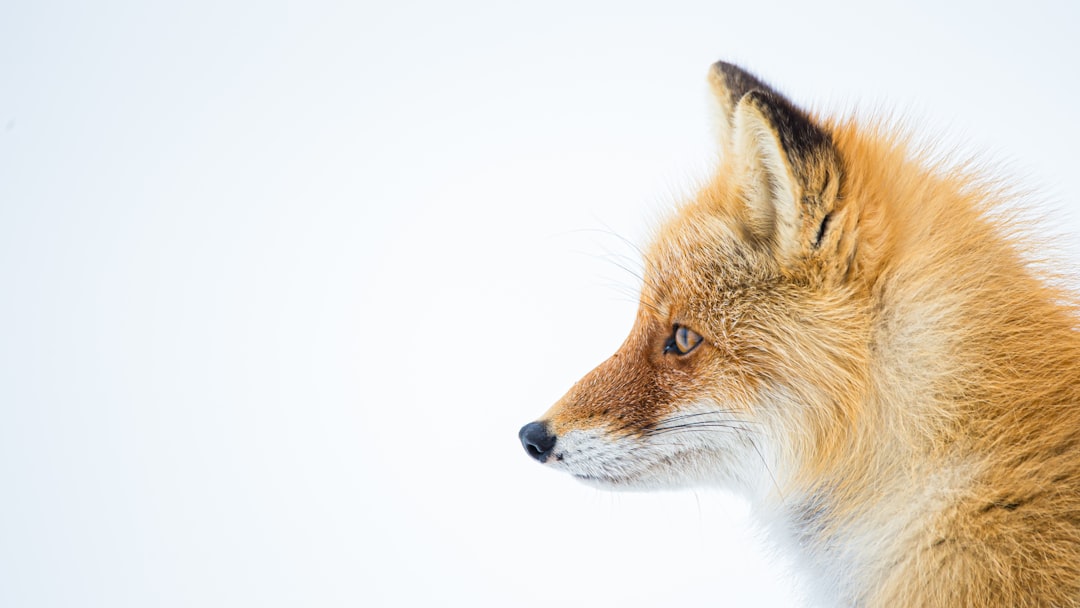
The fennec fox (Vulpes zerda) is the smallest of all the world’s foxes, yet it is one of the most instantly recognizable. With ears that seem far too large for its tiny face and a coat the color of pale sand, this nocturnal canid has become an icon of desert survival. Native to the Sahara and the arid regions of North Africa, the fennec fox is a masterclass in how a small mammal can thrive in one of the harshest environments on the planet.
A Body Built for the Desert
Everything about the fennec fox reflects the pressures of life in the desert. Adults are remarkably small, typically weighing only a couple of pounds and standing just a few inches tall at the shoulder. Their light, cream to sandy coat provides camouflage against the dunes and reflects sunlight during the day, while also trapping body heat during the cold desert nights.
The most famous feature, of course, is the pair of oversized ears. These can grow to a substantial fraction of the animal’s body length and serve two crucial purposes. First, they radiate excess body heat, helping the fox stay cool when temperatures soar. The large surface area is packed with blood vessels, allowing warmth to dissipate into the air. Second, the ears grant extraordinary hearing, letting the fox detect the faint movements of insects and small prey beneath the sand.
Even the fennec’s feet are adapted to the environment. The soles are covered in thick fur, which insulates the pads from scorching sand and improves traction on loose, shifting surfaces. In effect, the fennec walks on built-in sand shoes.
Surviving Extreme Heat and Scarce Water
Deserts present two enormous challenges: intense heat and a chronic shortage of water. The fennec fox meets both with a suite of behavioral and physiological adaptations.
To avoid the worst of the daytime heat, the fennec is primarily nocturnal. During the day it retreats into elaborate burrows dug into the sand, where temperatures are far cooler and more stable than on the surface. These dens can be surprisingly extensive, with multiple entrances and tunnels that may connect to those of neighboring foxes.
Water is even more precious. Free-standing water is rare in the Sahara, so the fennec has evolved to extract most of the moisture it needs directly from its food. Its kidneys are highly efficient at conserving water and concentrating urine, and the animal can go for long periods without drinking. When plants and prey are available, the fennec obtains hydration from them rather than relying on open water sources.
Diet and Hunting
The fennec fox is an opportunistic omnivore. Its diet includes insects, small rodents, birds and their eggs, reptiles, and a variety of plant matter such as roots, fruits, and leaves. This flexibility is another key to its success, since food availability in the desert can vary dramatically from season to season.
Hunting relies heavily on those famous ears. The fox will stand motionless, rotate its ears toward the ground, and listen for the tiny sounds of prey moving beneath the surface. Once it pinpoints a target, it digs rapidly to seize the animal. This ability to hunt by sound rather than sight is a major advantage in the dark, where vision alone would be insufficient.
Social Life and Reproduction
Unlike some solitary desert animals, fennec foxes are quite social. They often live in small family groups, and their burrow systems may house several individuals. They communicate through a wide range of vocalizations, including barks, chatters, whimpers, and purring sounds, which helps maintain bonds within the group.
Fennecs typically form pair bonds, and a mated pair will raise their young together. After a gestation period of roughly seven to eight weeks, the female gives birth to a small litter of pups inside the safety of the den. The pups are born helpless, with eyes closed, and depend entirely on their parents in the early weeks. The male often guards the den and provides food for the female while she nurses.
Fennec Fox Compared to Other Foxes
The fennec’s desert specialization sets it apart from its relatives. The table below highlights some general contrasts among well-known foxes.
| Trait | Fennec Fox | Red Fox | Arctic Fox |
|---|---|---|---|
| Size | Smallest fox | Largest true fox | Small to medium |
| Habitat | Hot desert | Wide range, temperate | Cold tundra |
| Ear size | Very large | Moderate | Small, rounded |
| Coat color | Pale sandy | Reddish | White or brown seasonally |
| Key adaptation | Heat loss and water conservation | Versatility | Heat retention |
The contrast between the fennec and the Arctic fox is especially striking. Both live in extreme climates, but their adaptations run in opposite directions. The fennec maximizes heat loss with large, thin ears and open features, while the Arctic fox minimizes heat loss with small ears, a compact body, and dense insulating fur. Together they illustrate how the same family of animals can solve very different environmental problems.
Fennec Foxes and People
Because of their small size and appealing appearance, fennec foxes are sometimes kept as exotic pets. However, they are wild animals with specialized needs. They are highly active, dig constantly, are most awake at night, and require specific diets and space. Laws regarding their ownership vary widely by region, and in many places keeping one is restricted or prohibited.
Prospective owners should understand that a fennec is not a domesticated animal like a dog or cat and does not adapt easily to typical household life.
In the wild, fennec foxes are not currently considered globally threatened, though they face pressures from habitat disturbance and capture for the pet trade in some areas. Their remote desert range offers them a degree of natural protection from human activity.
Coping With Cold Nights
While the fennec fox is famous for surviving desert heat, it also has to contend with the surprising cold of desert nights. Deserts can swing from scorching days to chilly nights because sand and open ground lose heat rapidly once the sun sets. The fennec is well prepared for both extremes.
Its thick, insulating coat traps body warmth during cold hours, and its burrow provides a sheltered, temperature-stable refuge. The same fur that helps reflect sunlight and shade the skin by day also helps retain heat by night.
This dual adaptation to heat and cold reflects the true challenge of desert life. Survival is not only about enduring the blazing sun but about coping with dramatic daily temperature swings. The fennec’s combination of behavioral choices, such as sheltering in burrows and being active at cooler times, and physical traits, such as its coat and heat-shedding ears, allows it to remain comfortable across the full range of desert conditions.
Why the Fennec Fascinates Us
The fennec fox endures because it demonstrates how life adapts to extremes. Every feature, from the giant ears to the furred feet to the water-thrifty kidneys, tells a story of evolution shaped by heat, sand, and scarcity. It is a reminder that survival in the harshest places on Earth often comes down to elegant, finely tuned solutions rather than brute strength. Small, quiet, and perfectly suited to its world, the fennec fox remains one of the desert’s most remarkable residents.
Frequently Asked Questions
Why do fennec foxes have such big ears?
The fennec fox’s large ears serve two main purposes. They radiate excess body heat, helping the fox stay cool in the hot desert since the thin ears are full of blood vessels that release warmth into the air. They also provide extremely sensitive hearing, allowing the fox to detect prey moving beneath the sand. This combination of cooling and acute hearing makes the ears one of the animal’s most important survival tools.
How does the fennec fox get water in the desert?
Fennec foxes rarely have access to standing water, so they obtain most of their moisture from their food. Insects, small prey, and plant material all contain water that the fox absorbs during digestion. Their kidneys are also highly efficient at conserving water and producing concentrated urine. As a result, a fennec can survive for long stretches without drinking.
Are fennec foxes good pets?
Although fennec foxes are small and appealing, they are wild animals with specialized needs. They are nocturnal, extremely active, dig constantly, and require specific diets and enclosures. Laws about owning them vary widely and many places restrict or ban private ownership. They do not adapt to household life the way a domesticated dog or cat does, so they are challenging and often unsuitable as pets.
How big is a fennec fox?
The fennec fox is the smallest fox species in the world. Adults typically weigh only a couple of pounds and stand just a few inches tall at the shoulder, roughly the size of a small house cat or smaller. Their oversized ears can make up a large portion of their body length. This compact size helps them navigate burrows and conserve resources in the desert.