
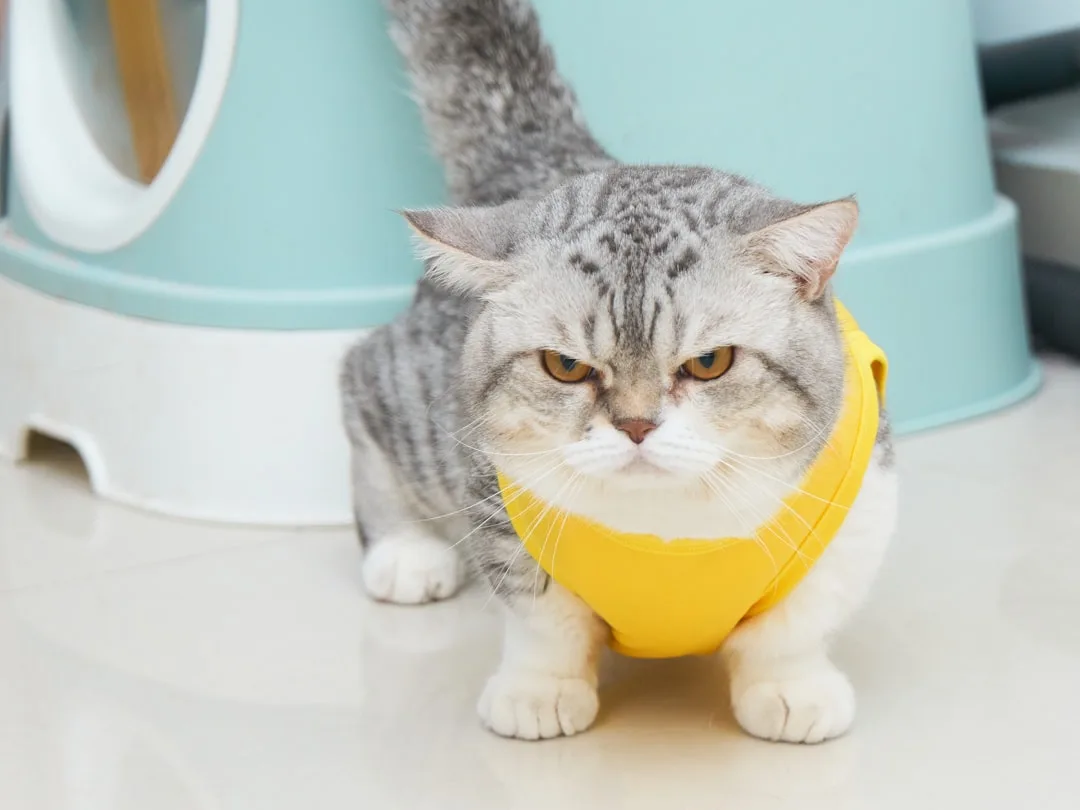
Most kittens learn litter box use naturally from their mothers and need only to be placed in the box at key times, after meals and after waking, to reinforce the habit. Kittens raised without a mother can be litter trained starting at 3 to 4 weeks of age using a shallow box with unscented clumping litter. The process is typically complete within days to two weeks, unlike puppies, which require considerably longer housetraining efforts.
At What Age Can You Litter Train a Kitten?
Kittens can begin using a litter box as early as 3 to 4 weeks of age, when they transition from the maternal stimulation of elimination (the mother licks the anogenital region to trigger urination and defecation in neonates) to spontaneous elimination that they control. Before 3 weeks, kittens do not independently eliminate; they require external stimulation from the mother or, for orphaned kittens, from a caregiver using a warm damp cloth.
Most kittens adopted from responsible breeders or rescue organizations are already litter-trained before they leave their mother, as the queen naturally leads them to the litter box and they learn by observing and following her. In this common situation, the new owner's job is simply to show the kitten where the box is in its new home and ensure the setup meets the kitten's needs.
Kittens raised without a mother, orphaned or rejected neonates, can be introduced to a shallow litter box at 3 to 4 weeks. Instinctive substrate preference (kittens naturally seek granular substrates to dig and bury in) makes the process relatively quick.
What Equipment Do You Need?
The litter box should be approximately 1.5 times the kitten's body length, large enough to turn around comfortably. For small kittens, a standard covered box may be too large and intimidating; starting with a low-sided, uncovered tray allows easy entry and exit and visibility, which reduces anxiety. As the kitten grows, transitioning to a larger box maintains appropriate fit.
The number of boxes matters. The established veterinary recommendation is one box per cat plus one extra, a two-cat household needs three boxes. For a single kitten, two boxes in different locations ensures that the kitten always has ready access and reduces the risk that a dirty box in a distant location leads to an inappropriate elimination accident.
Placement should be quiet, accessible, away from food and water, and easily reachable at all times. Placing the box in a high-traffic area, next to noisy appliances, or at the end of a long journey across the house all reduce use rates. For kittens specifically, placing a box on each level of a multi-story home is recommended until the kitten has reliably established its habits.
"The most common reason cats avoid their litter boxes is something the owner can change: the box is too small, too dirty, poorly located, or the litter type is aversive to that individual cat. The vast majority of litter box avoidance problems resolve when the environmental parameters are corrected." Buffington, C. A. T., Westropp, J. L., & Chew, D. J., Journal of Feline Medicine and Surgery, 2006
What Type of Litter Should You Use?
Most cats, including kittens, prefer unscented, fine-grained clumping clay litter. Multiple studies and large-scale preference surveys confirm this finding consistently. Scented litters are designed for human preferences; they mask odors for the owner, but many cats find the perfumes aversive and will reduce box use or seek alternatives when scented litter is used.
Fine-grained clumping litter mimics the sandy or loose-soil substrates that wild cats naturally use for elimination. It provides easy digging, effective odor trapping (through clumping of urine), and comfortable footing. Coarse or pelletized litters may be less comfortable for soft kitten paws.
Crystal litters should be avoided for kittens under 12 weeks because of ingestion risk, kittens will mouth and potentially swallow litter granules, and silica crystals can cause significant gastrointestinal obstruction. Clumping clay carries a lower but non-zero ingestion risk; if a kitten is observed eating litter (which can signal nutritional deficiency or pica), the veterinarian should be consulted.
The depth of litter matters: 5 to 7 cm (2 to 3 inches) is generally recommended. Too little doesn't allow covering behavior; too deep can be unstable underfoot, particularly for kittens.
Litter Box Setup Reference Table
| Parameter | Recommended | Avoid |
|---|---|---|
| Box size | 1.5x cat body length | Too small to turn around |
| Box style | Low-sided, uncovered for kittens | Covered until kitten is comfortable |
| Number of boxes | 1 per cat + 1 extra | Single box for multiple cats |
| Litter type | Unscented clumping clay | Scented, crystal (for kittens), coarse pellets |
| Litter depth | 5-7 cm (2-3 inches) | Less than 3 cm or more than 10 cm |
| Location | Quiet, private, easily accessible | Near food/water, noisy appliances, difficult to reach |
| Cleaning schedule | Daily scoop, full change weekly | Allowing waste to accumulate |
| Number of floors | One box per floor of home | Box on one floor only in multi-story home |
How to Introduce a Kitten to the Litter Box
Place the kitten in the litter box after each meal, after waking from a nap, and after any active play session, the times when elimination is most likely. Gently scratch at the litter with the kitten's front paw to introduce the digging sensation. Most kittens will get the idea within a few sessions and begin digging and using the box spontaneously.
Do not place the kitten in the box forcefully or hold them in it, if the experience becomes frightening, the association between box and negative emotion can create long-term avoidance. The process should be completely calm and positive: place, let the kitten investigate, leave if it exits, try again at the next likely elimination time.
Positive reinforcement is appropriate and effective. Quiet verbal praise or a small treat immediately following successful litter box use reinforces the behavior, particularly for young kittens still learning the association. The reward should be delivered immediately after exit from the box, not during elimination (which disrupts the behavior).
"Litter training kittens is one of the most naturally reinforced behaviors in domestic cat management, the substrate and location preferences align with the cat's innate elimination inclinations. When training fails, the problem is almost always with the setup, not the kitten." Herron, M. E., Veterinary Clinics of North America: Small Animal Practice, 2010
What to Do When a Kitten Has an Accident
Never punish a kitten for eliminating outside the box. Punishment does not teach the kitten to use the box; it teaches the kitten to fear the owner and to avoid eliminating in the owner's presence, which makes subsequent training more difficult. Clean accidents thoroughly with an enzymatic cleaner designed for pet waste, which breaks down the odor molecules that, if left residually, can attract repeat use of the same spot.
If the accident occurs repeatedly in the same location, consider whether that location might actually be preferable to the kitten, perhaps it is quieter, closer to where the kitten spends time, or less traffic-exposed than the current box location. Placing a box temporarily in or near the accident location, then gradually moving it to a more convenient spot over several days, is often more effective than repeatedly cleaning the accident site.
Accidents in kittens who were previously using the box correctly warrant veterinary evaluation, particularly if accompanied by straining, blood in urine, crying when urinating, or frequent trips to the box with little output. Urinary tract infections and feline idiopathic cystitis can occur in kittens and cause them to associate the discomfort of urination with the litter box, leading to avoidance.
Covered vs. Uncovered Litter Boxes
Preference for covered versus uncovered boxes varies by individual cat. Some cats prefer the privacy and reduced visibility of a covered box; others find the confined space, the accumulation of odors inside the cover, and the reduced exit options aversive, and may avoid covered boxes entirely.
For initial kitten litter training, an uncovered box allows the kitten to observe the box easily, enter without navigating a flap, and not feel trapped. If the kitten uses the box reliably without a cover, there is no need to add one. If the owner prefers a covered box for aesthetic reasons or to contain litter scatter, transitioning to a covered box gradually after reliable box use is established is less disruptive than beginning with a covered box.
Self-cleaning litter boxes that mechanically remove clumps on a timed schedule can work well for cats accustomed to them but are often avoided by kittens, who may find the mechanical noise and movement alarming during the socialization period.
What Litter Box Avoidance Signals
Litter box avoidance, a cat that previously used the box correctly and begins eliminating outside it, is one of the most common reasons owners bring cats to veterinary behaviorists. The causes divide into medical and behavioral categories.
Medical causes must be ruled out first and include urinary tract infection, urinary crystals or stones, feline idiopathic cystitis, kidney disease (which increases urination frequency and urgency), arthritis (which makes stepping into the box painful), and constipation or colitis causing painful defecation that becomes associated with the box location.
Behavioral and environmental causes include a dirty box (the most common non-medical cause, many cats require daily scooping and will choose alternatives if the box is not cleaned frequently enough), a box that has become associated with a stressful event, a new household stressor such as another cat or a change in resident humans, a change in litter type, or a box that has become too small for the cat's current adult size.
For further reading on related topics, see Signs of a Healthy Cat, How Long Do Cats Live?, Why Do Cats Knead?, Why Do Cats Meow?, and Why Do Cats Purr?.
References
Buffington, C. A. T., Westropp, J. L., & Chew, D. J. (2006). From FUS to Pandora syndrome, where are we, how did we get here, and where to go now? Journal of Feline Medicine and Surgery, 8(6), 385-394. https://doi.org/10.1016/j.jfms.2006.07.002
Herron, M. E. (2010). Advances in understanding and treatment of feline inappropriate elimination. Veterinary Clinics of North America: Small Animal Practice, 40(2), 271-290. https://doi.org/10.1016/j.cvsm.2009.11.001
Neilson, J. C. (2004). Feline house soiling: Evaluation and treatment. Veterinary Clinics of North America: Small Animal Practice, 34(1), 165-179. https://doi.org/10.1016/j.cvsm.2003.09.011
Bradshaw, J. W. S. (2013). Cat Sense: How the New Feline Science Can Make You a Better Friend to Your Pet. Basic Books. ISBN 978-0465031016
Sung, W., & Crowell-Davis, S. L. (2006). Elimination behavior patterns of domestic cats (Felis catus) with and without elimination behavior problems. American Journal of Veterinary Research, 67(9), 1500-1504. https://doi.org/10.2460/ajvr.67.9.1500
American Association of Feline Practitioners. (2020). AAFP Litter Box Guidelines for Clients. https://catvets.com/guidelines/client-brochures
Frequently Asked Questions
How do you litter train a kitten?
Place the kitten in the litter box after meals, naps, and play. Gently scratch the litter with the kitten’s paw to introduce the digging instinct. Most kittens learn within days. Never punish accidents, clean thoroughly with enzymatic cleaner.
What litter is best for kittens?
Unscented, fine-grained clumping clay litter is preferred by most cats and kittens. Avoid scented litters (most cats find the perfume aversive) and crystal litters for kittens under 12 weeks due to ingestion risk.
How many litter boxes does a kitten need?
At least two for a single kitten: the standard rule is one box per cat plus one extra. For kittens in multi-story homes, place at least one box on each floor.
Where should I put the litter box?
Place litter boxes in quiet, accessible locations away from food, water, and noisy appliances. The kitten should be able to reach the box quickly at all times. Poorly placed boxes are a leading cause of litter box avoidance.
What does it mean if a kitten stops using the litter box?
Sudden litter box avoidance in a previously trained kitten usually has a medical or environmental cause. Medical causes include UTI, urinary crystals, and cystitis. Environmental causes include a dirty box, wrong litter type, stressful events, or a box that has become too small.
Should I use a covered or uncovered litter box?
For kittens, start with an uncovered box for ease of entry and reduced anxiety. Some cats prefer the privacy of a covered box; others find the enclosed space and odor accumulation aversive. Individual preference varies widely.