
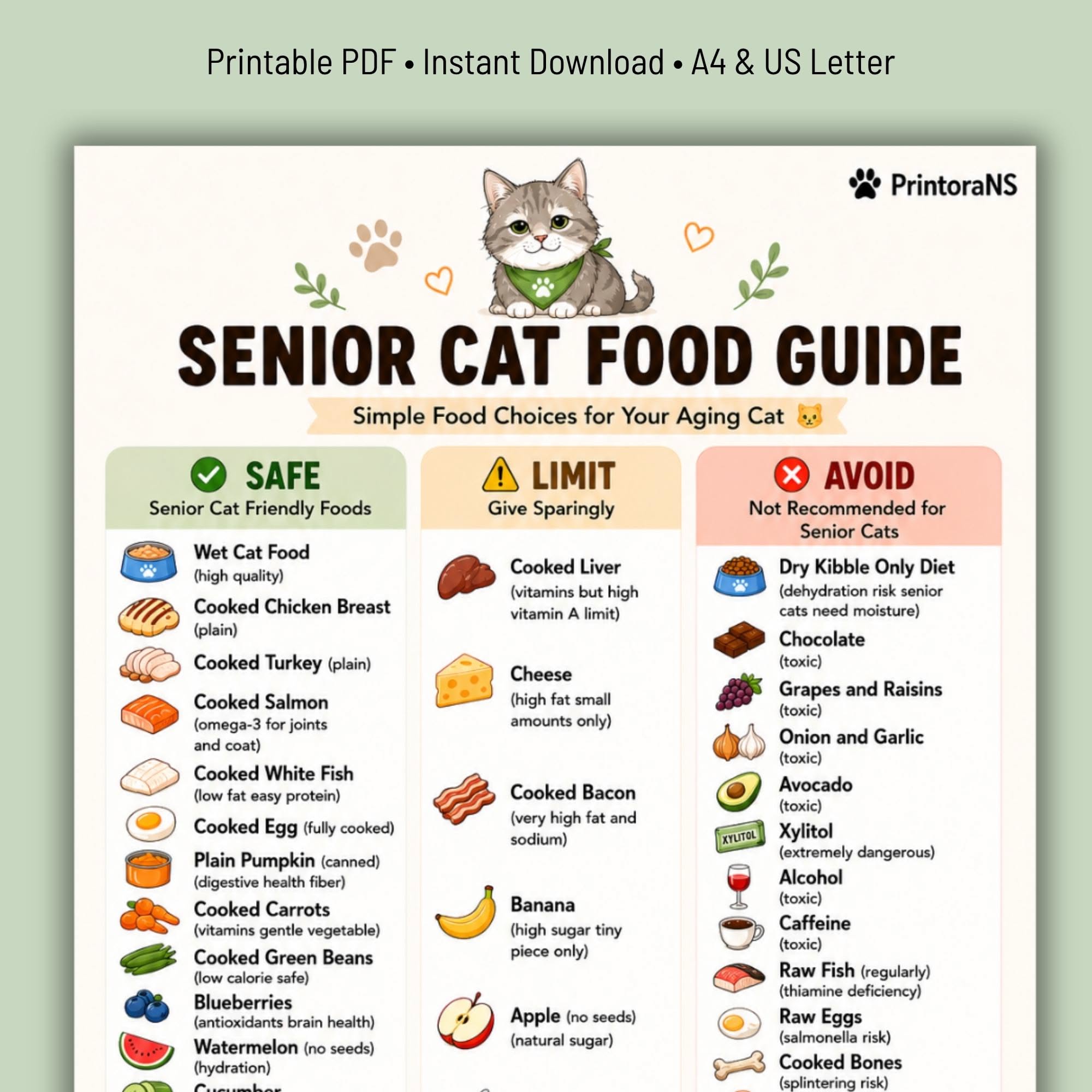
Cats age differently from most mammals. A cat at seven years old looks and behaves much like a cat at two. A cat at thirteen may show no obvious signs of the complex physiological changes occurring inside its body. This deceptive vitality is part of what makes senior cat nutrition so challenging: the conditions that most threaten an older cat's health, chronic kidney disease, hyperthyroidism, diabetes, and dental disease, are often invisible until they have progressed significantly.
Veterinary medicine has developed detailed frameworks for feline ageing. Understanding these frameworks, and what they mean for food choices and feeding practices, is the best tool an owner has for extending a senior cat's healthy, comfortable life.
Feline Life Stage Classification
The Association of American Feline Practitioners (AAFP) and the International Society of Feline Medicine (ISFM) use a standardised life stage classification for cats:
- Kitten: Birth to 6 months
- Junior: 7 months to 2 years
- Prime: 3-6 years
- Mature: 7-10 years
- Senior: 11-14 years
- Geriatric: 15+ years
This classification reflects documented physiological differences at each stage. A 7-year-old cat is not yet "senior" in the clinical sense; it is mature, with a slowly increasing risk of age-related conditions. True senior status begins at 11, and geriatric at 15.
The AAFP recommends twice-yearly wellness examinations beginning at age 7 (mature stage), given the pace at which feline health can change and the tendency for cats to mask illness.
Physiological Changes That Affect Nutrition in Senior Cats
Reduced digestive efficiency. Protein and fat digestibility decrease measurably in cats over 12 years old. Unlike the situation in younger cats, where the same amount of food provides predictable nutrition, older cats may absorb a smaller fraction of the protein they consume. The practical implication is that senior cats often need higher total dietary protein, not less, to maintain muscle mass.
Muscle mass loss (sarcopenia). Sarcopenia is the age-related loss of skeletal muscle mass and is one of the most important nutritional concerns in senior cats. Studies measuring body composition in cats aged 7-18 have found that lean body mass begins declining at about age 7-8, with an accelerating decline after age 12. This muscle loss is not simply the result of reduced food intake; it reflects metabolic changes in protein synthesis and breakdown.
Critically, sarcopenia in cats is best addressed with increased dietary protein, not reduced protein. This is contrary to older guidance that recommended protein restriction for all senior cats. That recommendation has been substantially revised.
Reduced kidney function. Glomerular filtration rate (GFR) declines with normal ageing, as in all mammals. In cats, this is particularly important because chronic kidney disease (CKD) is extraordinarily prevalent. An estimated 30-40% of cats over 10 years old have evidence of CKD, and it is the most common cause of death in cats in that age group.
The IRIS (International Renal Interest Society) staging system grades CKD from Stage 1 (very early, kidneys functioning adequately) to Stage 4 (severe renal failure).
Reduced thirst response. Senior cats have a reduced thirst response compared to younger cats, compounding the already low voluntary water intake characteristic of the species. Combined with reduced kidney concentrating capacity, this creates a significant dehydration risk in older cats fed dry food.
Dental disease. Periodontal disease is almost universal in cats over 10 years old. It causes chronic pain that reduces food intake, and the associated chronic oral infection has systemic inflammatory consequences. Many senior cats have dental pain that their owners do not recognise, because cats are expert at concealing discomfort.
Chronic Kidney Disease in Senior Cats
CKD is the most nutritionally significant disease in senior cats. Its prevalence, the quality of the nutritional evidence supporting its management, and the complexity of its dietary requirements make it worth addressing in detail.
Why is CKD so common in cats? Cats are obligate carnivores with kidneys evolved to concentrate urine from a high-protein, low-moisture diet. Domestic cats fed dry food are in a state of chronic mild dehydration relative to wild cats that obtain most moisture from prey. Over years, this increases the concentration of potential nephrotoxins in renal tubular filtrate.
Additional hypothesised contributing factors include high lifetime protein intake, exposure to nephrotoxic substances, and possibly certain commercial food ingredients, though no specific causative ingredient has been confirmed.
Nutritional management of feline CKD:
Phosphorus restriction: This is the best-evidenced nutritional intervention in feline CKD. Phosphorus accumulates when kidney filtration is reduced, and elevated phosphate directly accelerates renal damage through tubular injury, soft tissue mineralisation, and secondary hyperparathyroidism. Restricting dietary phosphorus consistently slows CKD progression.
Prescription renal diets (Royal Canin Renal, Hill's Prescription Diet k/d, Purina Pro Plan Veterinary NF) achieve phosphorus levels far below standard cat foods.
Protein management: Protein restriction in CKD cats reduces the production of urea and other nitrogenous waste products that the damaged kidneys cannot filter adequately. However, excessive protein restriction causes muscle mass loss and malnutrition. Current IRIS guidelines recommend mild protein restriction in IRIS Stage 3-4 CKD, with caution in early stages. The goal is adequate protein of high digestibility, not minimal protein.
Increased moisture: Wet food and increased water intake reduce urine concentration and help flush solutes through damaged kidneys. For CKD cats, wet food is strongly preferred over dry food, and additional water sources (pet fountains, flavoured water, diluted tuna water) are encouraged.
Omega-3 supplementation: EPA and DHA from fish oil have anti-inflammatory effects on renal tissue and may slow CKD progression. Both Hill's k/d and Royal Canin Renal incorporate omega-3 enrichment.
"The primary dietary goals for cats with CKD are to minimise signs of uraemia, avoid protein malnutrition, and slow the rate of progression of renal disease through phosphorus restriction." IRIS Treatment Recommendations for CKD in Cats, 2023
Hyperthyroidism: The Second Most Common Senior Cat Disease
Feline hyperthyroidism is caused by functional adenomas of the thyroid gland, producing excess thyroid hormone (T4). It is the most common endocrine disorder in cats and predominantly affects cats over 10 years old. Clinical signs include weight loss (despite increased appetite), increased thirst and urination, restlessness, and sometimes vomiting and diarrhoea.
The weight loss associated with hyperthyroidism occurs despite increased food intake because elevated T4 dramatically increases metabolic rate. Affected cats cannot maintain body condition no matter how much they eat.
Nutritional management of hyperthyroidism focuses on:
- Treatment of the underlying condition (radioactive iodine, medication with methimazole/carbimazole, or surgical thyroidectomy)
- Once treated, monitoring caloric intake because the previously elevated metabolic rate normalises, these cats may gain weight rapidly after treatment
- Ensuring protein adequacy, as hyperthyroidism causes significant muscle catabolism
An alternative treatment approach, iodine-restricted diet (Hill's Prescription Diet y/d), works by limiting available iodine for thyroid hormone synthesis. It requires strict dietary management (no other food or treats) and produces slower T4 normalisation than medication, but some owners prefer it to lifelong medication.
Senior Cat Nutritional Needs by Life Stage
| Life Stage | Age | Key Nutritional Concerns | Primary Dietary Goal |
|---|---|---|---|
| Mature | 7-10 years | Early CKD risk, weight management, dental health | High-quality protein; adequate moisture; phosphorus monitoring |
| Senior | 11-14 years | CKD, hyperthyroidism, sarcopenia, dental disease | Increased protein to combat muscle loss; phosphorus restriction if CKD; wet food |
| Geriatric | 15+ years | Severe CKD, diabetes, extreme weight loss/gain, cognitive changes | Highly digestible protein; frequent small meals; palliative care approach |
The Protein Requirement Paradox in Senior Cats
This is the most important and most commonly misunderstood aspect of senior feline nutrition. Many cat owners and some veterinary resources recommend reducing protein for senior cats as a blanket measure to protect kidneys. This recommendation is based on an oversimplification and can cause significant harm.
For cats without CKD: Senior cats need MORE protein, not less. Studies by Laflamme and Gunn-Moore have documented that cats over 12 years old on normal adult protein intakes show progressive muscle loss that can be substantially reduced by increasing dietary protein above standard adult levels.
The recommended protein level for senior cats without kidney disease is higher than the adult maintenance minimum, approximately 30-35% metabolisable energy from protein rather than the 25-30% typical of maintenance formulations.
For cats WITH CKD: Moderate protein restriction (in IRIS Stage 3-4) is appropriate, but even here, the goal is adequacy at a restricted level, not severe restriction. Cats with CKD who are not eating adequately due to protein restriction develop malnutrition and poor quality of life.
The practical decision tree is:
- Has your cat been diagnosed with CKD (by blood work and urinalysis)? If yes, consult your veterinarian about a prescription renal diet and IRIS staging.
- If no CKD: prioritise high-quality, high-protein food appropriate for senior cats.
"An increase in dietary protein may help maintain lean body mass in older cats, even in the absence of other health conditions." Laflamme DP, Journal of Nutrition, 2006
Diabetes Mellitus in Senior Cats
Diabetes mellitus is more common in middle-aged to older cats, and there is a strong association with obesity and male sex. Diabetic cats have reduced insulin production or insulin resistance and cannot regulate blood glucose normally.
Nutritional management is a central pillar of feline diabetes treatment:
Low-carbohydrate diet: Unlike canine diabetes, where fibre-rich moderate-carbohydrate diets are standard, feline diabetes is best managed with very low carbohydrate intake. High-carbohydrate kibble exacerbates postprandial blood glucose elevation in cats. Wet food with less than 10% calories from carbohydrate is the standard recommendation.
Consistent meal timing: Regular meal timing helps synchronise food intake with insulin injection timing. Free-choice feeding is generally unsuitable for diabetic cats on insulin.
Weight management: Many diabetic cats are overweight, and weight loss can improve insulin sensitivity dramatically. Some cats achieve diabetic remission with weight loss and dietary carbohydrate restriction alone.
Practical Feeding Tips for Senior Cats
Feed wet food as the primary diet. Moisture is essential for kidney health, urinary tract health, and compensating for the reduced thirst response in older cats.
Assess body condition regularly. Use the 9-point body condition score. Muscle condition score is equally important, a cat can appear adequately heavy due to fat while having significant muscle loss. A cat with a protruding spine and reduced muscle over the hindquarters has significant sarcopenia regardless of weight.
Warm food gently before serving. Senior cats, particularly those with dental disease, nasal congestion, or reduced olfactory function, may be more willing to eat food warmed to approximately body temperature (38°C), which releases aroma.
Multiple small meals. Senior cats with reduced appetite, dental pain, or GI sensitivity often do better with 3-4 small meals per day rather than 2 large ones.
Schedule twice-yearly veterinary check-ups. Annual blood work (including kidney values, thyroid levels, and glucose) should begin at age 7-8. Early detection of CKD, hyperthyroidism, and diabetes allows dietary intervention before significant damage occurs.
Cross-Links and Related Articles
- Raw Diet for Cats: Pros and Cons
- What Can Cats Eat: Safe and Unsafe Foods
- Kitten Feeding Schedule by Age
- Wet vs Dry Cat Food: Which Is Better
- How Long Do Cats Live
References
Laflamme DP. "Nutrition for aging cats and dogs and the importance of body condition." Veterinary Clinics of North America: Small Animal Practice. 2005;35(3):713-742. doi:10.1016/j.cvsm.2004.12.011
Polzin DJ. "Chronic kidney disease in small animals." Veterinary Clinics of North America: Small Animal Practice. 2011;41(1):15-30. doi:10.1016/j.cvsm.2010.09.004
IRIS (International Renal Interest Society). "Treatment Recommendations for Cats with CKD." IRIS Staging Guidelines, 2023. iris-kidney.com
Gunn-Moore D. "Cognitive dysfunction in cats: clinical assessment and management." Topics in Companion Animal Medicine. 2011;26(1):17-24. doi:10.1053/j.tcam.2011.01.005
Panciera DL, Thomas CB, Eicker SW, Atkins CE. "Epizootiologic patterns of diabetes mellitus in cats: 333 cases (1980-1986)." Journal of the American Veterinary Medical Association. 1990;197(11):1504-1508. PMID:2262081
Peterson ME. "Hyperthyroidism in cats: what's causing this epidemic of thyroid disease and can we prevent it?" Journal of Feline Medicine and Surgery. 2012;14(11):804-818. doi:10.1177/1098612X12464462
Frequently Asked Questions
What should I feed my senior cat?
Senior cats without kidney disease need high-quality, high-protein wet food as their primary diet. Wet food provides essential moisture to support kidney and urinary tract health. Senior cats need more protein than adult cats to combat sarcopenia (age-related muscle loss), not less. If your cat has been diagnosed with CKD, hyperthyroidism, or diabetes, specific prescription diets are indicated, consult your veterinarian.
Do senior cats need low-protein food?
No, for cats without kidney disease, protein restriction is counterproductive. Senior cats over 12 years old have reduced protein digestibility and need more dietary protein to maintain muscle mass. Studies show that increasing protein above standard maintenance levels reduces sarcopenia in older cats.
Only cats diagnosed with moderate to advanced CKD (IRIS Stage 3-4) benefit from moderate protein restriction, and even then, the goal is adequacy at a restricted level, not minimal protein.
What is the best food for a cat with kidney disease?
Prescription renal diets (Hill’s Prescription Diet k/d, Royal Canin Renal Support, Purina Pro Plan Veterinary NF) are formulated with restricted phosphorus, omega-3 fatty acids, and moderate protein for cats with diagnosed CKD. Phosphorus restriction is the most important dietary intervention; it slows CKD progression by reducing tubular injury and secondary hyperparathyroidism. Wet versions of these diets provide essential moisture.
What are signs that my senior cat needs a diet change?
Signs that may indicate a senior cat needs nutritional adjustment include: unexplained weight loss (hyperthyroidism, CKD, diabetes, cancer), muscle wasting despite adequate body weight, increased thirst and urination (CKD, diabetes, hyperthyroidism), reduced appetite (dental pain, nausea from CKD, illness), and difficulty eating (dental disease). Annual blood work beginning at age 7-8 detects most of these conditions before visible symptoms appear.
Why is wet food important for senior cats?
Senior cats have a reduced thirst response compared to younger cats and are already prone to low voluntary water intake. Wet food provides approximately 70-80% moisture compared to 8-10% in dry kibble. For a cat with declining kidney function, nearly universal in cats over 10, adequate moisture helps flush solutes through the kidneys and reduces urine concentration.
Feeding a senior cat primarily dry food significantly increases the risk of dehydration and urinary complications.
What is feline sarcopenia and how is it prevented?
Sarcopenia is the progressive age-related loss of skeletal muscle mass. In cats, lean body mass begins declining around age 7-8 and accelerates after 12. Unlike weight loss from illness, sarcopenia can occur even in cats with adequate or excessive total body weight. It is identified by reduced muscle bulk over the spine, shoulders, and hindquarters.
Prevention focuses on high-protein diet with highly digestible animal protein sources, gentle exercise, and regular veterinary monitoring of muscle condition score.