
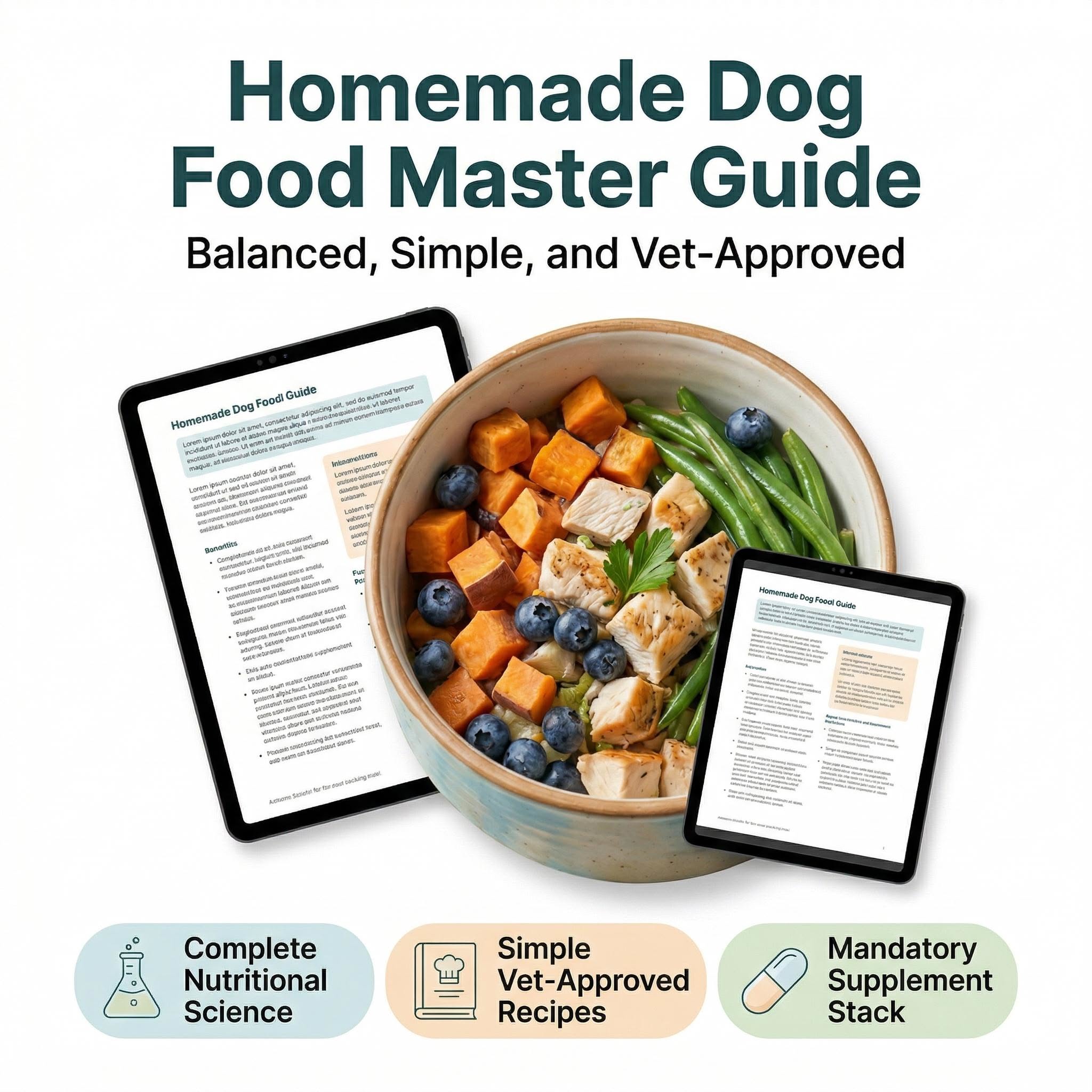
Dogs are natural scavengers, and their digestive systems can tolerate a wider range of foods than many other domestic animals. However, "wider range" does not mean "anything a human eats." Several common human foods are genuinely dangerous to dogs, some can cause acute kidney failure, neurological collapse, or death within hours. Understanding exactly which foods are safe, which carry risks, and why those risks exist is one of the most important things any dog owner can know.
This guide covers every major food category with mechanisms of toxicity, risk levels, and what to do in an emergency. Keep the ASPCA Animal Poison Control Center number saved in your phone: 888-426-4435 (available 24 hours a day, 7 days a week).
Which Foods Are Safe for Dogs?
The safest approach to feeding dogs human food is to stick to whole, minimally processed foods that are fed plain and unseasoned. Many vegetables, fruits, lean proteins, and grains are not only safe but nutritionally beneficial as supplemental treats.
Lean meats (cooked, unseasoned): Chicken, turkey, beef, and pork are all safe for dogs when fully cooked, boneless, and free of seasonings, sauces, and marinades. Protein from animal sources is biologically appropriate and highly digestible for dogs. Avoid processed meats like deli ham, sausage, or bacon, high salt and fat content can cause pancreatitis.
Cooked salmon: Cooked salmon is an excellent source of omega-3 fatty acids, which support coat health, joint function, and cognitive performance. Raw salmon carries a significant risk: it can harbor Neorickettsia helminthoeca, the bacterium responsible for salmon poisoning disease, which is potentially fatal in dogs. Always cook salmon fully before feeding.
Eggs (cooked): Cooked eggs are a highly bioavailable protein source and safe for regular consumption. Raw eggs are more controversial, raw egg whites contain avidin, which blocks biotin absorption when fed in large quantities over time. Cooked eggs neutralize avidin and are consistently recommended by veterinary nutritionists.
Carrots: Raw or cooked carrots are one of the best dog-safe vegetables. They are low in calories, high in fiber and beta-carotene, and the crunchy texture provides some mechanical tooth-cleaning benefit. Frozen carrots are often used as teething aids for puppies.
Blueberries: Blueberries are safe and provide antioxidants, vitamins C and K, and fiber. They are low in sugar compared to many fruits and are widely recommended as training treats for small-to-medium breeds.
Apples (flesh only, no seeds or core): Apple flesh is safe and provides vitamins A and C plus dietary fiber. The seeds must be removed; they contain amygdalin, a cyanogenic glycoside that releases hydrogen cyanide when metabolized. The core presents a choking hazard.
Watermelon (no rind or seeds): The flesh of watermelon is safe and hydrating, watermelon is approximately 92% water and can be a useful treat on hot days. The seeds can cause intestinal blockage, and the rind is difficult to digest.
Green beans: Plain cooked or raw green beans are safe and nutritious. They provide vitamins K, C, and manganese and are sometimes incorporated into weight management plans for overweight dogs due to their low caloric density.
Pumpkin (plain, cooked): Plain cooked pumpkin, not pumpkin pie filling, which contains xylitol, spices, and sugar, is a veterinary-recommended food for digestive issues. The high soluble fiber content helps regulate both diarrhea and constipation.
Plain cooked rice: White rice is easily digestible and is a standard recommendation for dogs with upset stomachs. It provides quick carbohydrate energy and is gentle on irritated gastrointestinal tissue.
Peanut butter (xylitol-free): Plain peanut butter is a beloved and generally safe treat that provides healthy fats and protein. The critical caveat: always verify that the product contains no xylitol. Several popular brands and many "natural" or "low-sugar" varieties use xylitol as a sweetener, and a single lick of a high-concentration product can cause severe hypoglycemia.
Which Foods Are Dangerous or Toxic to Dogs?
The following foods range from mildly harmful (causing gastrointestinal upset at small doses) to life-threatening (capable of causing organ failure or death). Any suspected ingestion should prompt immediate contact with a veterinarian or the ASPCA Animal Poison Control Center.
Chocolate: Chocolate contains theobromine and caffeine, both of which are methylxanthines that dogs metabolize far more slowly than humans. Theobromine interferes with adenosine receptors and causes increased heart rate, muscle tremors, seizures, and in severe cases, cardiac arrest.
The concentration of theobromine varies dramatically by type: baking chocolate contains approximately 450 mg per ounce, dark chocolate 130-160 mg per ounce, milk chocolate 44-58 mg per ounce, and white chocolate negligible amounts. The toxic dose of theobromine in dogs is approximately 100-200 mg per kg for severe symptoms, but symptoms can appear at lower doses, particularly in small breeds.
Grapes and raisins: Grapes and raisins can cause acute kidney failure in dogs, and the mechanism of toxicity remains incompletely understood as of 2025. Both seedless and seeded varieties, red and white, and organic and conventional grapes have all been implicated. Raisins are more concentrated and therefore more dangerous per gram.
The ASPCA Animal Poison Control Center treats all grape and raisin exposures as emergencies regardless of quantity. Reported toxic doses vary enormously between individual dogs, some dogs have experienced kidney failure after a single grape, while others have had no apparent reaction to small quantities, but this unpredictability makes any dose potentially dangerous.
Xylitol: Xylitol is a sugar alcohol used as a sweetener in hundreds of products including sugar-free gum, certain peanut butter brands, vitamins, dental products, baked goods, and candy. In dogs, xylitol triggers a massive release of insulin from the pancreas, causing severe hypoglycemia within 30 to 60 minutes of ingestion. At higher doses, xylitol can cause acute hepatic necrosis (liver failure).
Signs of xylitol poisoning include vomiting, weakness, incoordination, seizures, and collapse. This is a true veterinary emergency requiring immediate treatment.
Onions and garlic: All members of the Allium genus, onions, garlic, leeks, chives, shallots, and scallions, are toxic to dogs. They contain organosulfur compounds (N-propyl disulfide in onions; thiosulfate compounds in garlic) that damage the iron-containing proteins in red blood cells, causing Heinz body hemolytic anemia. The red blood cells rupture, reducing oxygen-carrying capacity.
Garlic is approximately five times more concentrated in these compounds than onion. Both cooked and raw forms are toxic, and powdered forms are more concentrated and therefore more dangerous per gram. Signs include lethargy, weakness, pale gums, reduced appetite, and dark or reddish urine.
Macadamia nuts: Macadamia nuts cause a distinctive syndrome in dogs characterized by weakness (particularly of the hind limbs), vomiting, tremors, and hyperthermia. Onset typically occurs within 12 hours of ingestion and most dogs recover within 48 hours with supportive care, but the toxin involved has not been identified. Even small amounts relative to body weight can cause symptoms.
Avocado: The flesh, skin, pit, and leaves of avocado contain persin, a fungicidal toxin. In dogs, persin causes primarily gastrointestinal symptoms, vomiting and diarrhea. The avocado pit also poses a choking and intestinal obstruction hazard. Dogs are less sensitive to persin than birds or rabbits, but avocado is still consistently advised against by veterinary toxicologists.
Alcohol: Dogs have no tolerance to ethanol. Even small amounts cause central nervous system depression, vomiting, loss of coordination, dangerously low blood sugar, and in sufficient quantities, respiratory failure. Beer, wine, spirits, and foods made with alcohol (fruitcake, rum cake, certain sauces) should be entirely inaccessible.
Caffeine: Coffee, tea, energy drinks, caffeine supplements, and certain medications contain caffeine, which, like theobromine, is a methylxanthine that dogs cannot metabolize efficiently. Caffeine toxicity causes hyperactivity, restlessness, rapid heart rate, elevated blood pressure, tremors, and seizures.
Cooked bones: While raw meaty bones are fed by some dog owners under veterinary guidance, cooked bones of any kind are dangerous. Cooking makes bones brittle, causing them to splinter into sharp fragments that can lacerate the esophagus, stomach, or intestines, cause intestinal obstruction, or become lodged in the throat. Chicken bones, especially cooked, are a particularly common cause of emergency veterinary visits.
Raw yeast dough: Unbaked yeast dough poses two risks: the yeast continues to ferment in the warm, moist environment of the stomach, producing ethanol (causing alcohol toxicity) and carbon dioxide (causing dangerous gastric bloat and possible gastric dilatation-volvulus). Symptoms include distended abdomen, unproductive retching, weakness, and collapse.
Nutmeg: Nutmeg contains myristicin, which causes hallucinations, disorientation, increased heart rate, dry mouth, and seizures in dogs. The amount needed to cause serious symptoms is larger than typically found in a baked good, but pure nutmeg or large quantities in food can be dangerous.
Comprehensive Food Safety Reference Table
| Food | Safe/Unsafe | Risk Level | Mechanism / Notes |
|---|---|---|---|
| Cooked chicken (plain) | Safe | None | Excellent protein source; no seasoning |
| Cooked salmon | Safe | None | Remove bones; never feed raw, salmon poisoning risk |
| Cooked eggs | Safe | None | Raw whites contain avidin; cook fully |
| Carrots | Safe | None | Low calorie, high fiber; fine raw or cooked |
| Blueberries | Safe | None | Antioxidants; excellent training treat |
| Apple flesh (no seeds) | Safe | Seeds toxic | Amygdalin in seeds; remove core |
| Watermelon (no rind/seeds) | Safe | Seeds/rind | Remove seeds and rind before feeding |
| Green beans (plain) | Safe | None | Low calorie; good for weight management |
| Plain cooked pumpkin | Safe | None | Not pie filling; aids digestion |
| Plain cooked rice | Safe | None | Easily digestible; good for upset stomachs |
| Peanut butter (no xylitol) | Safe | Check label | Verify no xylitol in every product |
| Chocolate (any type) | Toxic | High | Theobromine; baking/dark most dangerous |
| Grapes and raisins | Toxic | High | Acute kidney failure; no safe dose known |
| Xylitol | Toxic | Critical | Hypoglycemia + liver failure; check all labels |
| Onions (all forms) | Toxic | High | Heinz body hemolytic anemia; cooked/raw both toxic |
| Garlic (all forms) | Toxic | High | 5x more concentrated than onion; all forms toxic |
| Macadamia nuts | Toxic | Moderate-High | Weakness, vomiting, hyperthermia; mechanism unknown |
| Avocado | Toxic | Moderate | Persin causes GI upset; pit is choking hazard |
| Alcohol (any form) | Toxic | High | CNS depression; hypoglycemia; respiratory failure |
| Caffeine | Toxic | High | Methylxanthine toxicity; heart arrhythmias |
| Cooked bones | Dangerous | High | Splintering; lacerations; obstruction |
| Raw yeast dough | Toxic | High | Ethanol production + gastric bloat |
| Nutmeg | Toxic | Moderate | Myristicin; CNS effects at higher doses |
| Salt (excess) | Toxic | Moderate | Sodium ion toxicity; neurological signs |
| Corn on the cob | Dangerous | Moderate | Intestinal obstruction; kernels alone are fine |
What to Do in a Poisoning Emergency
"If you think your pet has been poisoned, contact your veterinarian or a pet poison control hotline immediately. Do not wait for symptoms to appear, some toxins cause irreversible organ damage before any clinical signs are visible." American Veterinary Medical Association
If your dog has eaten a toxic food, the most important steps are:
- Do not induce vomiting without explicit guidance from a veterinarian or poison control. For some toxins (sharp objects, caustic substances, or if significant time has elapsed), inducing vomiting can worsen injury.
- Call immediately: ASPCA Animal Poison Control Center at 888-426-4435 (24/7 consultation service; a per-incident fee may apply) or your nearest emergency veterinary hospital.
- Note the product: Bring the packaging or photograph the label. Knowing the exact ingredient, concentration, and how much was consumed helps the veterinarian calculate risk and treatment.
- Do not give home remedies (milk, water, charcoal) unless specifically directed by a professional.
"Early decontamination, ideally within two hours of ingestion, is almost always more effective than waiting for symptoms and treating them after the fact." ASPCA Animal Poison Control Center clinical guidance
Safe Treat Frequency and Portion Guidelines
Even foods that are entirely safe for dogs should be given in moderation. The "10% rule" is a widely used veterinary guideline: treats and supplemental foods should not exceed 10% of a dog's total daily caloric intake.
| Dog Weight | Approximate Daily Calories | Max Treat Calories (10%) | Example Safe Treat |
|---|---|---|---|
| 10 lbs (4.5 kg) | 275-350 kcal | 28-35 kcal | 4-5 baby carrots |
| 25 lbs (11.3 kg) | 550-700 kcal | 55-70 kcal | Small apple slice + a few blueberries |
| 50 lbs (22.7 kg) | 900-1200 kcal | 90-120 kcal | 1 tbsp peanut butter + carrots |
| 75 lbs (34 kg) | 1300-1700 kcal | 130-170 kcal | Cooked chicken bits (1 oz) |
| 100 lbs (45.4 kg) | 1700-2100 kcal | 170-210 kcal | Mix of vegetables and lean protein |
Note: caloric needs vary significantly based on age, breed, activity level, and whether the dog is spayed/neutered. Consult your veterinarian for individualized guidance.
Foods Often Assumed Safe But Carry Hidden Risks
Several common foods require specific preparation or portions and can be misrepresented as straightforwardly safe.
Peanut butter: As noted, the xylitol problem is widespread enough that no peanut butter should be given to a dog without checking the ingredient list. The same applies to peanut butter cookies and peanut butter-flavored treats.
Fruit with seeds or pits: Cherries, peaches, plums, and apricots all have pits containing amygdalin (hydrogen cyanide precursor). The flesh is generally safe in small amounts, but the pit can also cause intestinal obstruction. Remove all stones.
Tomatoes: Ripe red tomato flesh is generally considered safe in small quantities. Green tomatoes and the tomato plant itself, stems, leaves, and unripe fruit, contain solanine and tomatine, which can cause gastrointestinal upset and, in large doses, neurological symptoms.
Dairy: Most adult dogs are lactose intolerant to varying degrees. Small amounts of plain yogurt or hard cheese are tolerated by many dogs, but milk and ice cream in significant quantities cause diarrhea and gastrointestinal distress due to insufficient lactase enzyme.
Mushrooms: Common grocery-store mushrooms (button, portobello) are generally safe. Wild mushrooms are a completely different matter, some species cause rapid liver failure and death. As a practical rule, do not give dogs any foraged or wild mushrooms.
Nutritional Benefits of Recommended Safe Foods
"Whole food treats that provide fiber, micronutrients, and water content can be a genuinely healthy supplement to a balanced commercial diet when offered in appropriate quantities." Veterinary Nutrition Textbook, Fascetti & Delaney (UC Davis)
Beyond their safety profile, the best dog-safe human foods offer specific nutritional benefits:
Blueberries provide anthocyanins, which are antioxidants with documented anti-inflammatory properties relevant to aging dogs and those with joint conditions. Cooked salmon provides EPA and DHA omega-3 fatty acids at concentrations that meaningfully support coat quality and reduce inflammatory markers. Pumpkin contains both soluble and insoluble fiber, which supports the microbiome and regulates stool consistency.
Carrots provide beta-carotene, which dogs convert to vitamin A, an essential nutrient for vision, immune function, and skin integrity.
Understanding the Difference Between Toxic and Merely Unhealthy
Not every food that is "bad" for dogs is acutely toxic. It is useful to distinguish between foods that can cause immediate medical emergencies (grapes, xylitol, chocolate, onions) and foods that are simply unhealthy in excess (processed meats, cheese, fried foods). The former demand emergency veterinary attention; the latter require dietary discretion but rarely cause acute harm.
High-fat foods deserve special mention: while not acutely toxic, high-fat foods (bacon fat, butter, chicken skin) are a recognized trigger for acute pancreatitis in dogs. Certain breeds, Miniature Schnauzers, Yorkshire Terriers, and Cocker Spaniels, are genetically predisposed to pancreatitis and should be kept especially strictly on low-fat diets.
Foods That Are Species-Dependent
Some foods are safe for humans, safe for cats, but dangerous for dogs, or vice versa. This is important in multi-pet households. Onions and garlic are toxic to both dogs and cats but affect the two species through slightly different metabolic pathways. Xylitol appears significantly more dangerous to dogs than to cats, though it is not safe for either.
Dog food fed to cats long-term is dangerous (cats require taurine that dog food does not provide in adequate quantities), and cat food fed to dogs long-term provides excessive protein and fat.
Seasonal and Holiday Food Hazards
Several times per year, veterinary emergency hospitals see spikes in toxicity cases tied to seasonal foods:
Halloween: Chocolate and xylitol-containing candies Thanksgiving: Onions and garlic in stuffing; bones from turkey or ham; grapes in fruit salads; unbaked dough Christmas/Holiday baking: Nutmeg, xylitol in sugar-free baked goods, alcohol in fruitcake and eggnog, raisins in cookies and fruitcake Easter: Chocolate eggs; xylitol in candy; lilies (fatal to cats, but worth noting)
Related Articles
- Foods Toxic to Dogs Complete List
- How Much to Feed a Dog by Weight
- Wet vs Dry Dog Food: Which Is Better
- Puppy Feeding Schedule by Age
- Senior Dog Nutrition Guide
- Labrador Retriever
References
- American Society for the Prevention of Cruelty to Animals (ASPCA) Animal Poison Control Center. (2024). Toxic and Non-Toxic Plants and Foods for Pets. ASPCA. https://www.aspca.org/pet-care/animal-poison-control
- Hovda, L. R., & Brutlag, A. G. (2016). Blackwell's Five-Minute Veterinary Consult Clinical Companion: Small Animal Toxicology (2nd ed.). Wiley-Blackwell.
- Cortinovis, C., & Caloni, F. (2016). Household food items toxic to dogs and cats. Frontiers in Veterinary Science, 3, 26. https://doi.org/10.3389/fvets.2016.00026
- Gwaltney-Brant, S. M. (2001). Chocolate intoxication. Veterinary Medicine, 96(2), 108-111.
- Volk, S. W., & Rissi, D. R. (2017). The clinical and pathologic features of grape toxicosis in dogs. Journal of Veterinary Diagnostic Investigation, 29(4), 546-550. https://doi.org/10.1177/1040638717710487
- Murphy, L. A. (2009). Xylitol toxicosis in dogs. Veterinary Medicine, 104(7), 336-340.
Frequently Asked Questions
Can dogs eat apples?
Yes, dogs can eat apple flesh safely. Remove the core and seeds before feeding, apple seeds contain amygdalin, which releases hydrogen cyanide when metabolized. A few slices make a healthy, low-calorie treat rich in fiber and vitamin C.
Can dogs eat peanut butter?
Plain peanut butter without xylitol is safe for dogs in moderate amounts. Always check the ingredient label for xylitol, an artificial sweetener that causes life-threatening hypoglycemia in dogs. Many brands of peanut butter, vitamins, and baked goods now use xylitol.
How much chocolate is toxic to dogs?
Any amount of chocolate carries risk, but severity depends on the type and the dog’s weight. Baking chocolate contains the most theobromine (~450 mg per oz), followed by dark chocolate (~130-160 mg/oz) and milk chocolate (~44-58 mg/oz). A 20 lb dog can experience serious symptoms from less than 2 oz of baking chocolate.
Can dogs eat grapes or raisins?
No. Grapes and raisins are toxic to dogs and can cause acute kidney failure even in small quantities. The exact mechanism is not fully understood, but toxicity has been documented across dozens of case studies. There is no known safe dose.
What human foods are safe for dogs?
Many whole foods are safe for dogs including cooked lean meats (unseasoned), carrots, blueberries, watermelon (no rind or seeds), cooked eggs, cooked salmon, green beans, pumpkin, plain rice, and apple slices (no seeds). Always introduce new foods in small quantities.
What should I do if my dog eats something toxic?
Call the ASPCA Animal Poison Control Center immediately at 888-426-4435. Do not induce vomiting unless specifically instructed by a veterinarian or the poison control line. Time is critical, many toxins cause irreversible organ damage within hours.