
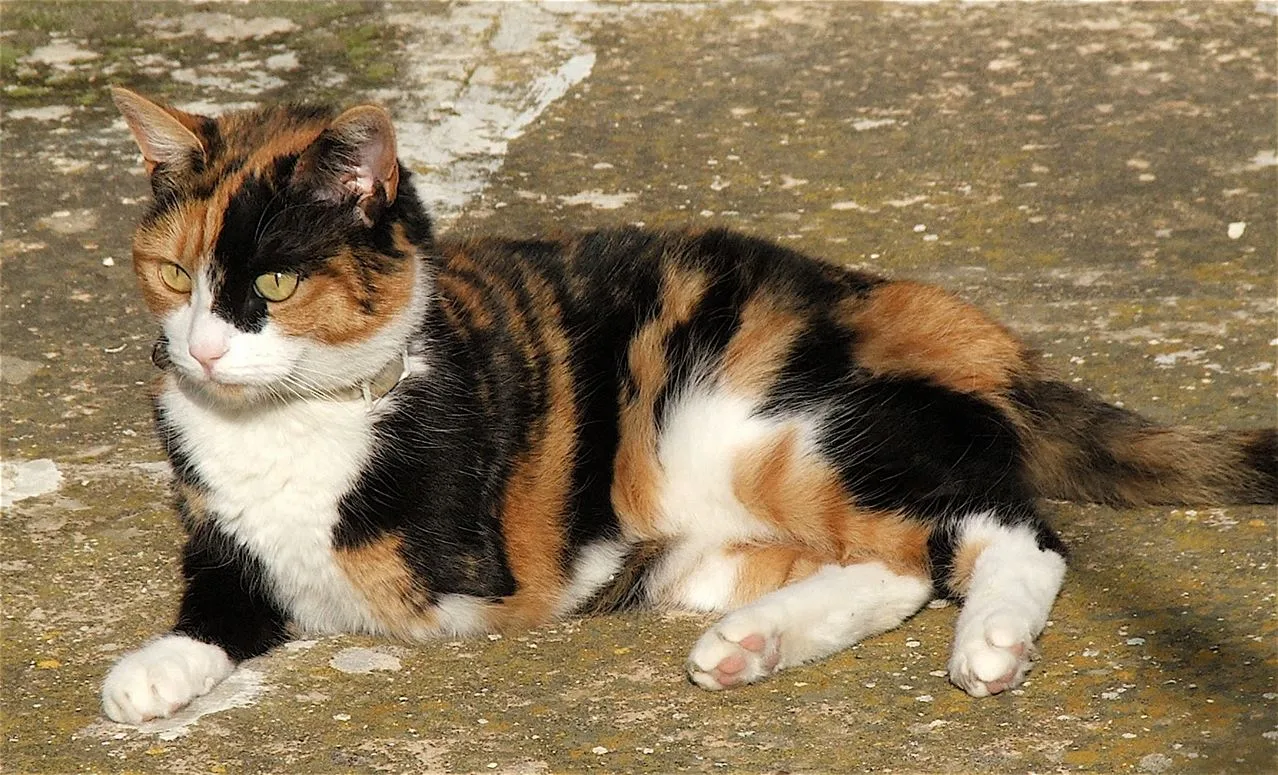
Safe cat foods and unsafe ones are best understood through a fundamental fact of feline biology: cats are obligate carnivores. Unlike dogs, which are omnivores capable of meeting many nutritional needs from plant sources, cats have evolved as strict meat-eaters.
Over millions of years of evolution as predators subsisting almost entirely on prey, cats lost the metabolic pathways necessary to synthesize several critical nutrients from non-animal sources. This biological reality shapes everything about what is safe, appropriate, and genuinely nutritious for cats to eat.
The consequences of this distinction are not theoretical. Cats fed diets deficient in taurine develop dilated cardiomyopathy, a life-threatening heart muscle disease. Cats fed raw fish regularly develop thiamine deficiency leading to neurological collapse. Cats whose diets rely on plant proteins suffer progressive deterioration because the amino acid profile of plant protein does not match their requirements.
This guide covers safe foods, dangerous foods, and the specific mechanisms that make cats uniquely sensitive to certain dietary risks.
Understanding Cats as Obligate Carnivores
Cats are obligate carnivores because their metabolic machinery requires pre-formed nutrients found only in animal tissue.
Three nutrient requirements that distinguish cats from dogs and humans are especially important:
Taurine: Dogs and humans can synthesize taurine from cysteine and methionine. Cats have extremely limited ability to do this and must obtain taurine directly from animal tissue, particularly heart and muscle meat. Taurine deficiency causes dilated cardiomyopathy (a weakening and enlargement of the heart muscle) and central retinal degeneration leading to blindness.
Arachidonic acid: Cats cannot efficiently convert linoleic acid (an omega-6 fatty acid found in plant oils) to arachidonic acid as dogs and humans do. They must consume pre-formed arachidonic acid from animal fat. Deficiency affects reproductive function, skin integrity, and immune response.
Vitamin A: Cats cannot convert beta-carotene from plant sources into vitamin A. They require pre-formed retinol from animal liver and tissue. Plant sources of vitamin A precursors are nutritionally irrelevant to cats.
"The cat is a strict carnivore and depends on a large intake of protein. The cat has a high, obligatory requirement for protein and has a limited ability to downregulate amino acid catabolism when dietary protein decreases." National Research Council, Nutrient Requirements of Cats and Dogs (2006)
These requirements are why cat food is specifically formulated with animal-based ingredients, why dog food is not a substitute for cat food, and why home-prepared diets for cats require careful veterinary nutritionist oversight.
Foods That Are Safe for Cats
The safest foods for cats are cooked, unseasoned animal proteins, the category of food their physiology is built to process.
Cooked chicken and turkey (plain, boneless): Lean poultry is nutritionally excellent for cats. It provides complete protein with all essential amino acids including taurine (in smaller amounts), arachidonic acid, and B vitamins. Feed without bones, skin, or seasoning. Chicken and turkey breast or thigh meat are appropriate.
Cooked beef and lamb: Cooked red meats are safe and nutritious. As with poultry, feed plain, fully cooked, and without sauces, onions, garlic, or salt.
Cooked fish (salmon, tuna, mackerel): Cooked fish is a safe and palatable protein source that most cats find highly appealing. Salmon provides omega-3 fatty acids. Canned tuna in water (plain, no added salt) is safe as an occasional treat but should not be the primary diet, tuna is high in polyunsaturated fatty acids that can deplete vitamin E if fed exclusively, and excessive tuna consumption has been associated with steatitis (yellow fat disease). More critically, all raw fish must be avoided.
Cooked eggs: Fully cooked eggs (scrambled, hard-boiled, no salt or butter) are a safe and nutritious treat. Eggs provide complete protein and biotin-containing nutrients. Raw eggs should be avoided: raw egg whites contain avidin, a protein that binds biotin (vitamin B7) and blocks its absorption. Regular consumption of raw egg whites can cause biotin deficiency. Raw egg yolks also carry Salmonella risk.
Cooked shrimp: Plain cooked shrimp is safe and low in calories. It provides protein and minerals including iodine, selenium, and zinc. Feed in small quantities due to high sodium content in many prepared shrimp products, use only plain, unflavored shrimp.
Small amounts of plain cooked vegetables: Cats have little biological need for vegetables and lack the digestive enzymes to efficiently process plant fiber. However, small quantities of plain cooked carrots, peas, or green beans are not harmful and can provide variety. These should be considered occasional supplements, not dietary staples.
Foods That Are Dangerous or Toxic to Cats
Several foods are more dangerous to cats than to dogs due to cats' unique metabolic profile.
Chocolate and caffeine: Chocolate contains theobromine and caffeine, both of which are methylxanthines. While the same mechanism that makes chocolate toxic to dogs applies to cats, cats are generally considered more sensitive to theobromine on a per-kilogram basis.
In practice, cats rarely voluntarily consume chocolate due to their lack of sweet taste receptors, but accidental ingestion of caffeinated products (coffee, tea, energy drinks) is possible. Symptoms include rapid heart rate, restlessness, muscle tremors, and seizures.
Onions and garlic: All Allium species, onions, garlic, leeks, chives, shallots, are toxic to cats. Cats are significantly more sensitive to the organosulfur compounds in alliums than dogs. Even small amounts of onion or garlic can cause Heinz body hemolytic anemia, where the organosulfur compounds oxidize hemoglobin, forming Heinz bodies that cause red blood cells to rupture. All forms, raw, cooked, and especially concentrated powder forms, are dangerous.
Raw fish: As explained above, raw fish contains thiaminase, an enzyme that cleaves and destroys thiamine (vitamin B1). Regular feeding of raw fish, even low-thiaminase species, creates cumulative thiamine depletion. Thiamine deficiency causes vestibular dysfunction (head tilting, loss of balance), seizures, dilated pupils, and death if untreated. This is one of the most important distinctions between cat nutrition and popular feeding advice.
Raw eggs (specifically egg whites): Avidin in raw egg whites blocks biotin absorption. Regular feeding of raw eggs can cause biotin deficiency over weeks to months, manifesting as dermatitis, hair loss, and neurological signs.
Xylitol: Xylitol is severely toxic to dogs (causing hypoglycemia and liver failure) and is not considered safe for cats either, though cats appear somewhat less acutely sensitive to the hypoglycemic effect. Given the potential risk and the complete absence of any benefit, xylitol-containing products should be kept away from cats entirely.
Grapes and raisins: Grapes and raisins cause acute kidney failure in dogs. While fewer confirmed cases exist in cats, the ASPCA Animal Poison Control Center advises treating any grape or raisin ingestion in cats as a potential emergency.
Alcohol: Cats are profoundly sensitive to ethanol. Even very small amounts can cause respiratory depression and death. Alcohol in any form, drinks, fermented products, or foods cooked in alcohol, must be completely inaccessible.
Dog food (long-term): Occasional exposure to dog food will not harm a cat, but using dog food as a cat's primary diet causes progressive and severe nutritional deficiencies. Dog food contains inadequate taurine, arachidonic acid, and vitamin A for cats' obligate carnivore requirements. Dilated cardiomyopathy from taurine deficiency is a documented and preventable consequence of cats fed primarily dog food.
Milk and dairy products: The widespread image of cats happily drinking milk is nutritionally misleading. Most adult cats are lactose intolerant. After weaning, cats lose most or all of their lactase enzyme activity. Cow's milk and cream cause gastrointestinal upset, diarrhea, bloating, cramping, in most adult cats. While small amounts of hard aged cheese (which is lower in lactose) may be tolerated, dairy is not a nutritionally appropriate food for cats.
Raw liver in excess: Liver is nutritionally dense and contains pre-formed vitamin A that cats genuinely require. However, excessive liver feeding causes vitamin A toxicity (hypervitaminosis A), a serious condition characterized by painful bony outgrowths on the spine (cervical spondylosis), reluctance to move, and eventual paralysis. Small occasional amounts of liver are fine; it should not be a dietary staple.
Essential oils: Cats lack specific liver enzymes (glucuronyl transferases) needed to metabolize many phenolic compounds found in essential oils. Tea tree oil, eucalyptus oil, citrus oils, pennyroyal, and many others are severely toxic to cats, causing liver damage, ataxia, tremors, and death. Never apply essential oil diffusers in rooms where cats spend time, and never apply any essential oil product to a cat's skin or coat.
Caffeine: All caffeinated products, coffee, tea, energy drinks, soda, caffeine tablets, are dangerous. Cats' smaller body mass means a given dose of caffeine represents a higher concentration than in most dogs or humans.
Comprehensive Food Safety Table for Cats
| Food | Safe/Unsafe | Risk Level | Mechanism / Notes |
|---|---|---|---|
| Cooked chicken (plain, boneless) | Safe | None | Core dietary protein; no seasoning |
| Cooked turkey (plain, boneless) | Safe | None | Excellent lean protein source |
| Cooked salmon (no seasoning) | Safe | None | Omega-3s; never feed raw |
| Cooked tuna (water, no salt) | Safe (limited) | Low | Exclusive feeding causes steatitis; occasional treat only |
| Cooked eggs (fully cooked) | Safe | None | Avoid raw whites (avidin blocks biotin) |
| Cooked shrimp (plain) | Safe | Low | High sodium in flavored forms; use plain only |
| Chocolate (any type) | Toxic | High | Theobromine; rarely consumed voluntarily |
| Onions (all forms) | Toxic | High | Heinz body anemia; cats very sensitive |
| Garlic (all forms) | Toxic | High | More concentrated than onion; all forms toxic |
| Raw fish | Toxic | High | Thiaminase destroys thiamine (B1) |
| Raw egg whites | Harmful | Moderate | Avidin blocks biotin; long-term risk |
| Xylitol | Toxic | High | Potential hypoglycemia; avoid all products |
| Grapes/raisins | Toxic | High | Potential kidney failure; treat as emergency |
| Alcohol | Toxic | Critical | Very small amounts can be lethal |
| Dog food (long-term) | Harmful | High | Taurine deficiency, cardiomyopathy, blindness |
| Milk/cream | Harmful | Moderate | Lactose intolerance; GI upset |
| Raw liver (excess) | Harmful | Moderate | Vitamin A toxicity; small amounts acceptable |
| Avocado | Toxic | Moderate | Persin; GI upset; pit dangerous |
| Macadamia nuts | Toxic | High | Weakness, vomiting, hyperthermia |
| Caffeine | Toxic | High | Methylxanthine toxicity |
| Essential oils | Toxic | Critical | Liver enzyme deficiency in cats |
Lilies: The Most Dangerous Common Household Plant for Cats
"True lilies (Lilium species) and day lilies (Hemerocallis species) are acutely nephrotoxic to cats. All parts of the plant are toxic, including the pollen, leaves, stem, and the water in vases containing cut flowers. Ingestion of even small amounts can result in acute kidney failure." ASPCA Animal Poison Control Center
The lily warning deserves its own section because the risk is so severe and so underappreciated. Easter lilies, tiger lilies, Asiatic lilies, stargazer lilies, and day lilies are all profoundly nephrotoxic to cats. The toxic compound has not been fully identified, but its mechanism involves destruction of renal tubular epithelial cells.
Exposure can occur in ways owners do not anticipate:
- A cat brushes against a lily and licks pollen off its fur
- A cat drinks water from a vase containing cut lilies
- A cat chews on a single leaf or petal
Clinical signs begin with vomiting, depression, and loss of appetite within 6 to 12 hours. Without treatment, acute kidney failure develops within 24 to 72 hours and can be irreversible. Even with aggressive veterinary treatment including IV fluid diuresis, some cats develop permanent kidney damage.
If a cat has had any contact with a true lily or day lily, contact the ASPCA Animal Poison Control Center (888-426-4435) or an emergency veterinarian immediately. Do not wait for symptoms.
Note: "lily of the valley" (Convallaria majalis) is a different plant and is toxic through a completely different mechanism (cardiac glycosides); it is dangerous to cats, dogs, and humans. "Peace lily" (Spathiphyllum) causes oral irritation and GI upset but does not cause kidney failure.
Foods Associated With Nutritional Deficiencies in Cats
Some foods are not acutely toxic but cause progressive nutritional disease when fed as dietary staples:
Exclusively plant-based diets: Without supplementation, plant-based diets cause taurine deficiency, vitamin A deficiency, arachidonic acid deficiency, and protein deficiency in cats. Home-prepared vegan or vegetarian diets for cats require extensive supplementation and veterinary nutritionist oversight to avoid severe health consequences.
All-tuna diets: Feeding only tuna (even cooked) long-term causes yellow fat disease (steatitis) due to the high PUFA content depleting vitamin E. It also provides an unbalanced mineral profile and lacks several nutrients cats need.
All-muscle-meat diets: Plain muscle meat without organ meat, bone, or supplementation is deficient in calcium, certain vitamins, and minerals. Cats fed only muscle meat develop secondary nutritional hyperparathyroidism as their bodies strip calcium from bones to compensate for dietary deficiency.
What Cats Can Eat From Your Kitchen
With the above context, here is a practical list of common kitchen foods that are safe to offer cats as occasional treats:
- Cooked chicken or turkey (plain): A few small pieces are fine
- Cooked fish (salmon, cod, whitefish): Small portions, no seasoning
- Cooked shrimp (plain): Two or three pieces as a treat
- Hard-boiled egg (no salt): A few small pieces
- Plain cooked beef or lamb: Small portions without seasoning
Most cats show little interest in fruits, vegetables, or grains, and these provide minimal nutritional benefit to an obligate carnivore. When in doubt about any food, consult your veterinarian before offering it.
Understanding "Complete and Balanced" Commercial Cat Food
Commercial cat foods labeled "complete and balanced" by AAFCO (Association of American Feed Control Officials) standards must contain adequate taurine, arachidonic acid, vitamin A (as retinol), and all other essential nutrients in appropriate ratios.
"AAFCO's nutrient profiles for cats reflect the obligate carnivore nature of the species, with minimum requirements for taurine, arachidonic acid, and pre-formed vitamin A that differ substantially from those of dogs." AAFCO 2024 Official Publication
This is why commercial cat food specifically formulated for cats, not dog food, not generic "pet food" is the safest foundation for a cat's diet.
Related Articles
- Foods Toxic to Cats Complete List
- How Much to Feed a Cat by Weight
- Wet vs Dry Cat Food: Which Is Better
- What Can Dogs Eat
- Cat Breeds Guide
References
- National Research Council. (2006). Nutrient Requirements of Dogs and Cats. National Academies Press. https://doi.org/10.17226/10668
- ASPCA Animal Poison Control Center. (2024). Toxic and Non-Toxic Plants for Cats. https://www.aspca.org/pet-care/animal-poison-control/toxic-and-non-toxic-plants
- Cortinovis, C., & Caloni, F. (2016). Household food items toxic to dogs and cats. Frontiers in Veterinary Science, 3, 26. https://doi.org/10.3389/fvets.2016.00026
- Fascetti, A. J., & Delaney, S. J. (Eds.). (2012). Applied Veterinary Clinical Nutrition. Wiley-Blackwell.
- Taugbol, O., & Bjonnes, I. (1993). Thiamine deficiency in cats fed raw fish. Acta Veterinaria Scandinavica, 34(2), 139-143.
- Reiter, A. M., & Gracis, M. (2018). Feline nutritional secondary hyperparathyroidism. Journal of Veterinary Dentistry, 35(2), 138-143.
Frequently Asked Questions
Can cats eat chicken?
Yes. Cooked, plain, boneless chicken is one of the safest and most nutritious foods you can give a cat. As obligate carnivores, cats thrive on animal protein. Remove all bones before feeding, and never season the meat with onion, garlic, salt, or spices.
Can cats drink milk?
Most adult cats are lactose intolerant. While kittens produce lactase to digest their mother’s milk, most cats lose this enzyme activity after weaning. Cow’s milk and cream cause gastrointestinal upset, diarrhea, vomiting, bloating, in most adult cats. Lactose-free cat milk products are available as an occasional treat.
Why is raw fish dangerous for cats?
Raw fish contains thiaminase, an enzyme that destroys thiamine (vitamin B1). Regular feeding of raw fish depletes thiamine stores, causing potentially fatal neurological disease including seizures, vestibular dysfunction, and death. Cooked fish is safe because heat destroys thiaminase.
Can cats eat dog food?
Occasionally eating a small amount of dog food will not harm a cat, but dog food fed as the primary diet long-term causes serious deficiencies. Dog food does not contain adequate taurine for cats, taurine deficiency causes dilated cardiomyopathy (heart muscle weakness) and blindness. Cats must eat food formulated specifically for their nutritional needs.
Are lilies really that dangerous to cats?
Yes, lilies are among the most dangerous plants for cats. All parts of true lilies (Lilium and Hemerocallis species) are acutely nephrotoxic. Eating even a few petals, licking pollen off fur, or drinking water from a vase containing lilies can cause acute kidney failure within 24-72 hours. Treatment must begin immediately to have any chance of preventing permanent kidney damage.
What fruits can cats safely eat?
Cats lack sweet taste receptors and have little natural interest in fruit. Small amounts of blueberries, watermelon (seedless, no rind), and cantaloupe are generally safe. Grapes and raisins are toxic. Citrus fruits cause gastrointestinal upset and should be avoided. Most fruit is unnecessary in a cat’s diet, their nutritional needs are met by animal protein.