
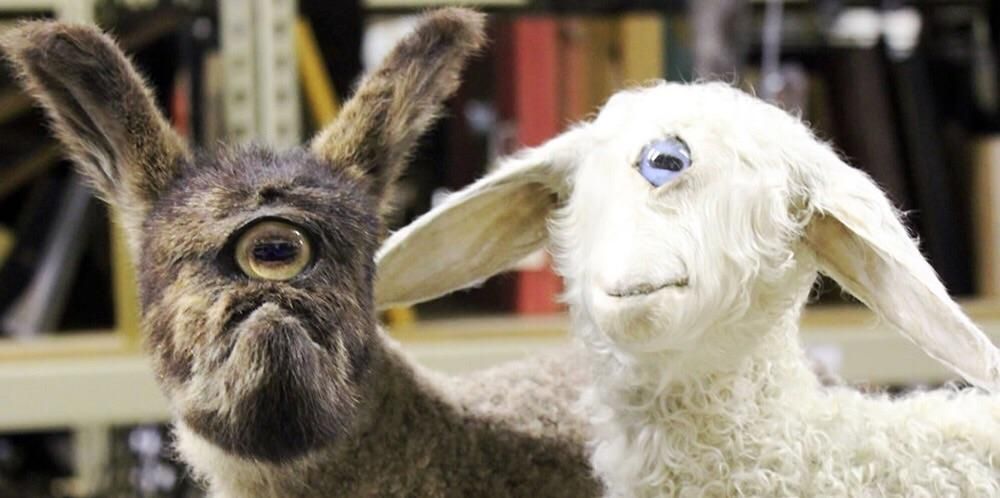
Quick Answer: Cyclopia is a rare and severe congenital disorder in animals where the embryo develops a single eye in the center of the forehead, often accompanied by other facial abnormalities. Most commonly observed in newborn kittens, lambs, and other mammals, cyclopia results from disruptions in early embryonic development, specifically affecting the division of the forebrain. The condition is almost always fatal shortly after birth due to critical malformations.
Cyclopia, sometimes called “the one-eyed kitten syndrome,” is a phenomenon that has fascinated and saddened veterinarians, breeders, and animal lovers alike. The sight of a newborn animal with a single, centrally located eye and distorted facial features is both striking and deeply concerning.
Cyclopia is not limited to domestic cats; it has been documented in a range of mammals, including sheep, horses, and even marine animals. The condition is a dramatic example of how precise and complex embryonic development must be for normal anatomy to emerge.
The disorder is rooted in the earliest stages of pregnancy, when the embryo’s brain and face are forming. Disruptions at this stage can have profound consequences, as the structures that eventually become two distinct eyes and brain hemispheres fail to separate properly.
Cyclopia is almost always incompatible with life, as the malformations typically extend beyond the visible face and affect the brain and other vital organs. Despite its rarity, cyclopia has become a symbol of severe birth defects in animals, often appearing in veterinary textbooks and scientific literature as a cautionary example of developmental failure.
While the condition is most often associated with kittens, cases in other species have contributed to our understanding of its causes and consequences. For instance, cyclopic lambs in certain regions have helped scientists trace environmental toxins that disrupt embryonic development. The condition’s dramatic presentation and high fatality rate make it a subject of ongoing research in veterinary medicine, developmental biology, and animal welfare.
The Biological Basis of Cyclopia
Cyclopia is a congenital disorder characterized by the presence of a single median eye or partially fused eyes within a single orbit, resulting from the failure of the embryonic forebrain to properly divide into two hemispheres. This condition falls under the broader category of holoprosencephaly, a spectrum of developmental anomalies affecting the brain and face.
Holoprosencephaly is defined as the incomplete separation of the prosencephalon (forebrain) during early embryogenesis, leading to a range of craniofacial defects, with cyclopia representing the most extreme manifestation.
The normal development of the vertebrate face and brain depends on a tightly regulated sequence of genetic and molecular signals. During early embryogenesis, the forebrain begins as a single structure that must split into right and left hemispheres. This division also guides the formation of two distinct eye fields.
In cyclopia, this process is disrupted, resulting in a single central eye and associated facial anomalies such as a missing nose (proboscis) or malformed upper jaw. The underlying mechanisms often involve mutations or disruptions in critical signaling pathways, including the Sonic Hedgehog (SHH) pathway, which plays a central role in patterning the midline structures of the face and brain.
Key Insight: Cyclopia exemplifies how even minor disruptions in embryonic signaling pathways can result in profound anatomical changes, highlighting the complexity and fragility of vertebrate development.
Environmental factors can also contribute to cyclopia. Certain toxins, such as cyclopamine found in the plant Veratrum californicum, have been shown to induce cyclopia in grazing animals like sheep. Cyclopamine interferes with the SHH pathway, illustrating how external agents can mimic or exacerbate genetic defects. The interplay between genetic predisposition and environmental exposure underscores the multifactorial nature of cyclopia and related birth defects.
The condition is not unique to mammals. Cyclopia has been observed in reptiles, amphibians, and even fish, indicating that the developmental processes involved are highly conserved across vertebrate evolution. This cross-species occurrence provides valuable insights into the fundamental biology of embryonic patterning and the evolutionary pressures that have shaped vertebrate anatomy.
For more on the developmental biology of cyclopia, see Britannica’s entry on holoprosencephaly and the Wikipedia article on cyclopia.
Causes and Risk Factors in Domestic Animals
The causes of cyclopia in animals are multifaceted, involving both genetic mutations and environmental influences. In domestic cats and other mammals, spontaneous genetic mutations during early embryonic development can disrupt the normal division of the forebrain. These mutations may affect genes responsible for midline patterning, such as those in the SHH signaling pathway.
In some cases, inherited genetic defects can increase the likelihood of cyclopia, especially in populations with limited genetic diversity.
Environmental teratogens, or substances that cause developmental malformations, are a significant risk factor for cyclopia. One of the most well-documented examples is the ingestion of Veratrum californicum (corn lily) by pregnant sheep. This plant contains cyclopamine, a potent inhibitor of the SHH pathway, which can induce cyclopia and related defects in the developing fetus.
Similar mechanisms may be at play in other species exposed to environmental toxins, though specific agents vary by region and species. For more information on environmental teratogens, see the University of California, Davis resource on teratology.
Maternal health and nutrition also play a role. Deficiencies in key nutrients, exposure to viral infections, or metabolic disorders during pregnancy can increase the risk of developmental anomalies, including cyclopia. However, in many cases, the exact cause remains unidentified, reflecting the complexity of embryonic development and the interplay of multiple risk factors.
Cyclopia is not considered hereditary in the strict sense, as most cases arise from de novo mutations or environmental insults rather than being passed from parent to offspring. However, certain breeds or populations with a history of inbreeding may have a higher incidence due to reduced genetic variability and increased expression of deleterious alleles. This highlights the importance of responsible breeding practices and genetic screening in domestic animals.
Clinical Presentation and Diagnosis
Animals born with cyclopia exhibit a range of striking physical abnormalities. The most characteristic feature is the presence of a single, centrally located eye or partially fused eyes within a single orbit. In many cases, the nose is absent or replaced by a non-functional, tubular structure called a proboscis, which is typically located above the eye. The upper jaw and other facial bones are often severely malformed, resulting in a distorted appearance.
The severity of these malformations varies, but the condition is almost always incompatible with life. Most affected animals are stillborn or die within hours of birth due to associated brain and organ defects. The brain itself is typically unseparated, lacking the normal division into right and left hemispheres, which leads to profound neurological impairment. Other organs, such as the heart and lungs, may also be affected, further reducing the chances of survival.
Diagnosis of cyclopia is usually straightforward based on physical examination at birth. In rare cases where the animal survives for a short period, imaging techniques such as X-rays or ultrasound can reveal the extent of internal malformations. Genetic testing may be employed in research settings to identify underlying mutations, but this is not routine in clinical practice. Veterinary pathologists often conduct post-mortem examinations to confirm the diagnosis and investigate potential causes.
Key Takeaway: Cyclopia is readily identifiable at birth due to its dramatic physical presentation, but definitive diagnosis may require detailed anatomical and genetic assessment.
Cyclopia in Kittens: The Iconic One-Eyed Cat
The term “one-eyed kitten” has become synonymous with cyclopia in the public imagination, largely due to the emotional impact of encountering such a rare and tragic birth defect in a familiar companion animal. Cyclopic kittens are typically born with a single, large eye centered on the forehead, often accompanied by a missing or malformed nose and a severely distorted mouth. These kittens rarely survive more than a few hours, as the underlying brain and organ defects are incompatible with life.
Cyclopia in kittens is not breed-specific, though cases have been reported more frequently in populations with high levels of inbreeding or genetic isolation. The condition is equally likely to occur in mixed-breed and purebred cats, reflecting its origins in early embryonic development rather than breed predisposition. Cat breeders and veterinarians occasionally encounter cyclopic kittens during routine deliveries, often as part of a litter where other kittens are healthy.
The birth of a cyclopic kitten is a distressing event for pet owners and breeders. Most are unprepared for the sight of such a severe anomaly, and the emotional impact can be significant. Veterinary professionals play a critical role in providing support and information, helping owners understand that cyclopia is a rare and unpredictable event, not the result of negligence or poor care.
Important Note: Cyclopic kittens are not viable and require humane euthanasia if born alive, as survival is impossible due to the extent of their malformations.
Cyclopia in Other Animal Species
While domestic cats are the most publicized example, cyclopia has been documented in a wide range of animal species. Sheep are particularly notable, as outbreaks of cyclopic lambs in certain regions have been linked to the ingestion of Veratrum californicum by pregnant ewes. This discovery was pivotal in identifying environmental teratogens and understanding their role in developmental biology. For more on this, refer to the Wikipedia article on Veratrum californicum.
Cases of cyclopia have also been reported in horses, cattle, pigs, and even marine mammals such as dolphins. In each species, the underlying mechanism involves disruption of early embryonic development, though the specific causes may vary. In reptiles and amphibians, cyclopia is less common but has been observed in laboratory settings following exposure to certain chemicals or genetic manipulation.
The cross-species occurrence of cyclopia underscores the universality of the developmental processes involved. It also highlights the importance of environmental monitoring and responsible management of livestock and wildlife populations. Understanding the factors that contribute to cyclopia in different species can inform conservation efforts and improve animal welfare practices.
| Species | Frequency | Known Causes | Notable Cases |
|---|---|---|---|
| Domestic Cats | Rare | Genetic mutation, unknown | One-eyed kittens |
| Sheep | Occasional | Veratrum californicum ingestion | Cyclopic lamb outbreaks |
| Horses | Very rare | Genetic, environmental | Sporadic case reports |
| Dolphins | Extremely rare | Developmental disruption | Documented in wild populations |
The Role of Genetics and Environmental Factors
The development of cyclopia is a complex interplay between genetic predisposition and environmental exposure. While most cases are sporadic, certain genetic mutations can increase susceptibility to holoprosencephaly and related defects. These mutations often affect genes involved in midline patterning, such as SHH, ZIC2, and SIX3.
However, the majority of cases in domestic animals are not linked to inherited genetic disorders but rather to spontaneous mutations or environmental insults during pregnancy.
Environmental factors play a significant role in the incidence of cyclopia. The classic example is cyclopamine-induced cyclopia in sheep, which provided the first direct evidence of environmental teratogens causing specific birth defects. Other potential environmental risk factors include exposure to viral infections, nutritional deficiencies, and metabolic disorders in the mother.
The timing of exposure is critical, as the most vulnerable period for inducing cyclopia is during the early stages of embryonic development when the forebrain and face are forming.
Key Point: The multifactorial nature of cyclopia means that prevention is challenging, as both genetic and environmental factors must be considered.
Research into the genetic and environmental causes of cyclopia has advanced our understanding of vertebrate development and the origins of congenital malformations. For a deeper exploration of holoprosencephaly genetics, consult Stanford Medicine’s Genetics Home Reference.
Implications for Animal Welfare and Breeding
The occurrence of cyclopia in domestic animals raises important questions about animal welfare, breeding practices, and the responsibilities of pet owners and breeders. Because cyclopia is almost always fatal, affected animals require prompt and humane euthanasia to prevent suffering. Veterinary professionals must be prepared to support owners through the emotional impact of such events and provide clear information about the causes and implications of the condition.
Responsible breeding practices are essential to minimize the risk of congenital defects, including cyclopia. This includes avoiding inbreeding, maintaining genetic diversity, and providing optimal care and nutrition to pregnant animals. While most cases of cyclopia are not preventable, awareness of environmental teratogens and adherence to best practices in animal husbandry can reduce the incidence of developmental anomalies.
Animal Welfare Reminder: Humane management of congenital defects is a critical component of responsible pet ownership and veterinary care.
Cyclopia in Extinct and Fossil Animals
Although cyclopia is primarily studied in modern animals, paleontological evidence suggests that similar developmental anomalies may have occurred in extinct species. Fossilized remains occasionally show signs of craniofacial malformations that resemble cyclopia, though definitive diagnosis is challenging due to the limitations of the fossil record.
These findings provide a window into the evolutionary history of vertebrate development and the persistence of congenital defects across geological time scales.
The study of cyclopia in extinct animals contributes to our understanding of the evolutionary pressures that shape embryonic development. It also highlights the universality of the mechanisms involved, as the same genetic and environmental factors that cause cyclopia today likely operated in ancient ecosystems. For more on fossil anomalies and vertebrate paleontology, see Britannica’s entry on vertebrate paleontology.
Common Misconceptions About Cyclopia
Cyclopia is often misunderstood, both in popular culture and among animal owners. One common misconception is that cyclopic animals can survive or be treated. In reality, the condition is universally fatal due to the severity of the underlying brain and organ defects. Another misconception is that cyclopia is contagious or the result of poor care, when in fact it arises from developmental errors during pregnancy and is not influenced by postnatal factors.
Some believe that cyclopia is unique to cats or a sign of supernatural phenomena. In truth, cyclopia has been documented in a wide range of vertebrates and is well understood within the framework of developmental biology. Dispelling these myths is important for promoting accurate understanding and compassionate responses to affected animals.
Clarification: Cyclopia is a developmental anomaly, not a disease, and cannot be transmitted between animals or prevented through routine veterinary care.
The Broader Significance of Cyclopia in Science
The study of cyclopia has contributed significantly to our understanding of embryonic development, teratology, and the genetic regulation of anatomical patterning. Cyclopia serves as a model for investigating the mechanisms that guide the formation of complex structures in vertebrates, particularly the face and brain. Research on cyclopia has also informed the identification and management of environmental teratogens, with direct implications for animal husbandry and wildlife conservation.
The condition highlights the delicate balance required for normal development and the profound consequences of even minor disruptions. Insights gained from studying cyclopia have broader applications in veterinary medicine, developmental genetics, and evolutionary biology. Cyclopia remains a powerful reminder of the complexity and vulnerability of life, both in the animal kingdom and across the evolutionary spectrum.
Understanding Cyclopia: A Window Into Developmental Biology
Cyclopia, while rare, offers a unique perspective on the intricacies of embryonic development and the factors that can derail it. The condition underscores the importance of genetic and environmental influences in shaping the anatomy and viability of animals. Although cyclopia is almost always fatal, its study has advanced scientific knowledge in fields ranging from genetics to animal welfare.
For veterinarians, breeders, and animal enthusiasts, awareness of cyclopia and its causes can foster more informed and compassionate responses to congenital anomalies. The condition serves as a stark illustration of the challenges and uncertainties inherent in reproduction and development. As research continues, the lessons learned from cyclopia will continue to inform our understanding of biology, evolution, and the responsibilities of animal stewardship.
Frequently Asked Questions
Can cyclopia in kittens be prevented?
Cyclopia cannot be reliably prevented, as it results from unpredictable genetic mutations or environmental factors affecting embryonic development.
Is cyclopia contagious among animals?
Cyclopia is not contagious; it is a developmental anomaly that occurs in the womb and cannot be transmitted between animals.
Are there any treatments for animals born with cyclopia?
There are no treatments for cyclopia, as the condition is universally fatal due to severe brain and organ defects.
What should breeders do if a cyclopic animal is born?
Breeders should consult a veterinarian immediately for humane euthanasia and consider reviewing breeding practices to minimize genetic risks.
Can cyclopia occur in wild animals?
Cyclopia can occur in wild animals, though it is extremely rare and usually results in stillbirth or early death.
Does cyclopia affect only cats?
Cyclopia can affect many vertebrate species, including sheep, horses, and dolphins, not just cats.