
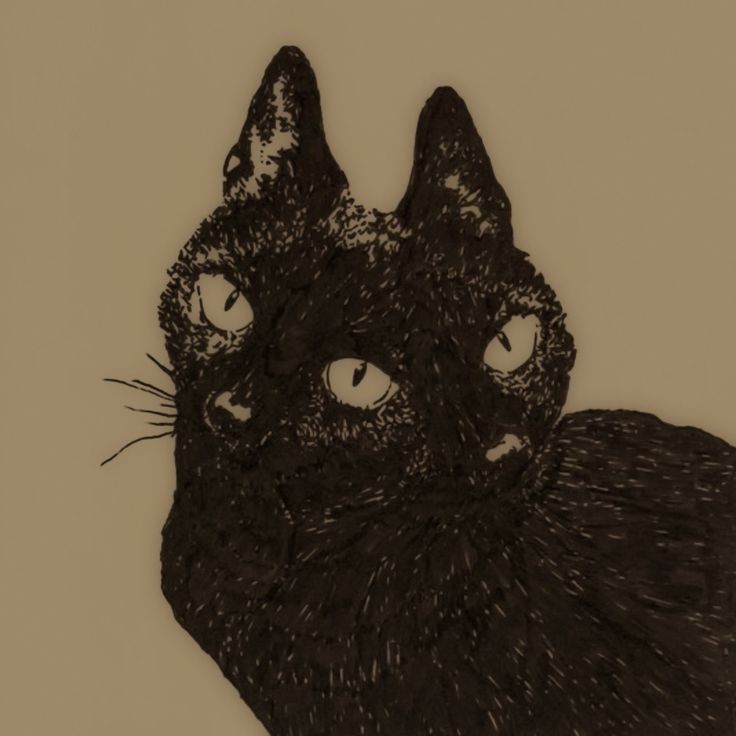
Quick Answer: Janus cats, also known as two-faced kittens, are rare felines born with a congenital condition called diprosopus, or craniofacial duplication. This anomaly results in the partial or complete duplication of facial features, often leading to two mouths, noses, or sets of eyes on a single head. While most Janus cats have limited lifespans due to associated health complications, a few have survived into adulthood, drawing significant scientific and public interest.
Janus cats have long captured the curiosity of both the scientific community and the general public. These unique felines, named after the Roman god Janus who is depicted with two faces, present a striking and sometimes unsettling appearance. The phenomenon of two-faced kittens is not limited to domestic cats, but felines are the most commonly reported among companion animals.
Most Janus cats are born as a result of a rare developmental anomaly during embryogenesis, leading to the partial duplication of facial structures. The sight of a kitten with two faces often evokes a mix of fascination, sympathy, and ethical debate regarding their care and quality of life.
The rarity of Janus cats means that each case is often documented in detail, with some individuals achieving international fame. The most famous example, a cat named Frank and Louie, lived for 15 years and was recognized by the Guinness World Records as the longest-living Janus cat.
The existence of such animals challenges our understanding of normal feline development and raises important questions about the boundaries of medical intervention, animal welfare, and public perception. For veterinarians and pet owners alike, the birth of a Janus kitten presents complex decisions regarding care, prognosis, and ethical considerations.
Understanding Diprosopus: The Science Behind Janus Cats
Diprosopus is a rare congenital disorder characterized by the duplication of facial features to varying degrees. In mammals, and particularly in domestic cats, diprosopus manifests as the presence of two mouths, noses, or sets of eyes on a single head. This condition is distinct from conjoined twinning, as diprosopus involves only the craniofacial region rather than the duplication of the entire body or major organs.
The underlying cause of diprosopus is typically linked to abnormal activity of the sonic hedgehog (SHH) protein during embryonic development. The SHH protein plays a crucial role in regulating the growth and patterning of the craniofacial region. Overexpression or misregulation of this protein can result in the partial or complete duplication of facial structures.
Such disruptions are rare, with only a handful of cases reported in domestic cats each year worldwide. The genetic and environmental factors that trigger these anomalies remain poorly understood, though research suggests that both inherited mutations and external influences during gestation may contribute.
Key Insight: Diprosopus is not exclusive to cats; it has been observed in other mammals, birds, and even humans, though it is exceptionally rare across all species.
The degree of duplication in Janus cats can vary widely. Some kittens may have only a slight widening of the face or duplication of the nose, while others exhibit two fully formed faces fused at the midline. The extent of duplication often determines the animal’s viability, with more severe cases frequently resulting in stillbirth or early neonatal death. In rare instances, as with Frank and Louie, the duplicated structures are sufficiently functional to support survival into adulthood.
The study of diprosopus in animals provides valuable insights into vertebrate embryology and the molecular mechanisms governing facial development. By examining cases of Janus cats, scientists can better understand the delicate balance of genetic signals required for normal craniofacial formation. For a more detailed overview of diprosopus and its implications in developmental biology, see the Wikipedia entry on diprosopus and the Britannica article on congenital disorders.
Historical Accounts and Cultural Significance of Two-Faced Cats
Reports of two-faced animals have appeared in human history for centuries, often shrouded in superstition or regarded as omens. In ancient and medieval times, the birth of a Janus cat or other two-faced creature was sometimes interpreted as a sign of divine intervention, good fortune, or impending disaster, depending on local beliefs. While modern science has demystified the origins of these animals, their cultural impact remains significant.
The Roman god Janus, for whom these cats are named, was associated with transitions, duality, and the passage of time. Janus was depicted with two faces looking in opposite directions, symbolizing beginnings and endings. This symbolism has influenced the way two-faced animals are perceived in Western culture, often casting them as creatures of mystery or portents of change.
In some regions, Janus cats have been the subject of folklore, with stories attributing magical powers or special destinies to these rare felines.
Cultural Note: The fascination with Janus cats extends beyond scientific circles, with many individuals drawn to their unusual appearance and the stories that surround them.
In the modern era, the rise of social media and global communication has brought increased visibility to Janus cats. Viral images and videos of two-faced kittens have sparked widespread public interest, sometimes leading to fundraising campaigns for their care or debates about their quality of life. The story of Frank and Louie, for example, captured international attention and challenged assumptions about the survivability and well-being of animals with severe congenital anomalies.
Despite their rarity, Janus cats have become emblematic of the broader conversation about animal diversity, medical ethics, and the boundaries of veterinary intervention. Their presence in popular culture serves as a reminder of the unpredictability of nature and the enduring human fascination with the extraordinary. For additional context on the cultural role of two-faced animals, see the Wikipedia article on Janus.
Clinical Presentation and Health Challenges in Janus Cats
The clinical features of Janus cats can vary dramatically depending on the extent of craniofacial duplication. Most commonly, affected kittens are born with two mouths, two noses, and sometimes two sets of eyes. The degree of functional integration between these duplicated structures determines the animal’s ability to breathe, eat, and survive beyond the neonatal period.
Craniofacial duplication in Janus cats often results in severe anatomical and physiological challenges. Many kittens are unable to nurse effectively due to malformed jaws or oral cavities, leading to malnutrition and early mortality. Respiratory complications are also common, as duplicated nasal passages and airways may not function properly. In some cases, the brain is partially duplicated or malformed, resulting in neurological deficits that further compromise survival.
Medical Fact: Most Janus cats do not survive more than a few days after birth, with only a handful of documented cases reaching adulthood.
Veterinary intervention can sometimes prolong the lives of Janus cats, but the prognosis is generally poor. Intensive supportive care, including tube feeding and management of respiratory distress, may be required. Even with such measures, the risk of complications remains high. The rare cases of long-term survival, such as Frank and Louie, are notable exceptions rather than the rule.
A table summarizing the typical health challenges faced by Janus cats:
| Challenge | Description | Impact on Survival |
|---|---|---|
| Feeding Difficulties | Malformed jaws, oral cavities, or tongues impede nursing | High risk of malnutrition |
| Respiratory Problems | Duplicated or obstructed nasal passages affect breathing | Increased mortality |
| Neurological Issues | Brain malformations can cause seizures or developmental delays | Variable, often severe |
| Infection Risk | Exposed or malformed tissues prone to bacterial infections | Elevated risk |
| Organ Malformations | Occasionally, internal organs are also affected | May be incompatible with life |
The management of Janus cats requires a multidisciplinary approach, often involving veterinarians, neurologists, and caregivers. The ethical considerations surrounding aggressive intervention versus palliative care are complex and must be weighed carefully for each individual case. For more on congenital disorders in animals, refer to the Merck Veterinary Manual.
Genetics and Developmental Mechanisms of Craniofacial Duplication
The genetic basis of diprosopus is not fully understood, but research has identified several key factors involved in craniofacial development. The sonic hedgehog (SHH) gene is central to this process, regulating the growth and patterning of facial tissues during embryogenesis. Abnormal expression of SHH can lead to a spectrum of craniofacial anomalies, including both underdevelopment (holoprosencephaly) and overdevelopment (diprosopus).
In Janus cats, overactivity or mislocalization of SHH signaling during a critical window of development results in the duplication of facial structures. This phenomenon has been replicated in laboratory models, where manipulation of SHH levels in animal embryos produces similar outcomes. However, the precise triggers for such disruptions in natural settings remain elusive.
Environmental factors, such as exposure to certain toxins or nutritional imbalances during pregnancy, may play a role, but definitive evidence is limited.
Research Note: Diprosopus is distinct from conjoined twinning, as it involves the duplication of facial features without the presence of two separate bodies.
The inheritance patterns of diprosopus are not well established, and most cases appear to be sporadic rather than familial. This suggests that a combination of genetic susceptibility and random developmental events is responsible for the condition. Ongoing research in developmental genetics aims to clarify the molecular pathways involved and to identify potential risk factors for craniofacial duplication in mammals.
The study of Janus cats and other animals with diprosopus contributes to a broader understanding of vertebrate morphogenesis and the delicate interplay between genetic and environmental influences. For a comprehensive overview of craniofacial development, see the Stanford University resource on craniofacial biology.
Case Studies: Notable Janus Cats and Their Impact
Among the small number of Janus cats born each year, a few have achieved international recognition due to their longevity or unique circumstances. The most famous example is Frank and Louie, a Janus cat born in Massachusetts in 1999. This cat lived for 15 years, far surpassing the typical lifespan of animals with diprosopus, and was featured in the Guinness World Records.
Frank and Louie had two functioning mouths, two noses, and three eyes, but only one brain and one esophagus, which contributed to his survival.
Other notable Janus cats include Duo, a kitten born in California who survived for several months with two functioning mouths and noses, and Harvey, a British Janus cat who lived for a few days under intensive veterinary care. These cases highlight the variability in outcomes and the importance of individualized management. Each case provides valuable data for veterinarians and researchers studying craniofacial anomalies in animals.
Key Example: Frank and Louie’s longevity demonstrated that, under certain anatomical conditions and with dedicated care, Janus cats can live full and relatively healthy lives.
The public response to these animals often includes a mix of fascination, empathy, and ethical debate. Media coverage of Janus cats tends to focus on their unusual appearance and the efforts made to ensure their well-being. In some instances, these stories have inspired fundraising campaigns, educational initiatives, and increased awareness of congenital disorders in animals.
A summary table of notable Janus cats:
| Name | Location | Lifespan | Unique Features |
|---|---|---|---|
| Frank and Louie | Massachusetts | 15 years | Two mouths, two noses, three eyes |
| Duo | California | 4 months | Two mouths, two noses, four eyes |
| Harvey | UK | 3 days | Two mouths, two noses, three eyes |
The documentation and study of these cases contribute to the growing body of knowledge about diprosopus and its implications for animal health and welfare. For more on the history of notable animals, see the Britannica page on famous animals.
Ethical Considerations and Veterinary Decision-Making
The birth of a Janus cat presents complex ethical dilemmas for veterinarians, breeders, and pet owners. Decisions regarding medical intervention, euthanasia, and long-term care must balance the animal’s welfare with the likelihood of survival and quality of life. In many cases, the severity of anatomical defects precludes meaningful intervention, and humane euthanasia is considered the most compassionate option.
When intervention is possible, the focus shifts to supportive care and monitoring for complications. Tube feeding, respiratory support, and infection management are common strategies. However, these measures can be physically and emotionally demanding for both the animal and the caregiver. The potential for suffering, coupled with uncertain outcomes, makes each case unique and ethically challenging.
Ethical Insight: The decision to pursue aggressive treatment for Janus cats should be guided by veterinary expertise, ethical principles, and a realistic assessment of the animal’s prospects.
Public interest in Janus cats can sometimes lead to pressure for extraordinary measures, but veterinarians emphasize that the primary concern must always be the animal’s welfare. Open communication between veterinary professionals and pet owners is essential to ensure informed decision-making. The broader ethical debate surrounding Janus cats reflects ongoing discussions about the limits of medical intervention in veterinary practice.
Survival, Care, and Quality of Life in Janus Cats
Survival rates for Janus cats are extremely low, with most kittens succumbing to complications within days of birth. For those that do survive, intensive care is required to address feeding difficulties, respiratory issues, and the risk of infection. The quality of life for surviving Janus cats depends largely on the functionality of their duplicated structures and the presence of any neurological or systemic abnormalities.
Long-term survivors, such as Frank and Louie, typically require ongoing veterinary oversight and specialized care. Adaptations may include hand-feeding, regular monitoring for respiratory distress, and prompt treatment of infections. In rare cases, Janus cats can lead relatively normal lives, interacting with humans and other animals much like typical cats. However, their unique anatomy often necessitates lifelong management and vigilance.
Practical Note: The commitment to caring for a Janus cat is substantial and should be considered carefully by any prospective caregiver.
The experiences of caregivers and veterinarians who have managed Janus cats provide valuable guidance for future cases. Their insights help inform best practices for supportive care, ethical decision-making, and public education about congenital anomalies in animals.
Janus Cats in Scientific Research and Veterinary Education
Janus cats occupy a unique place in scientific research and veterinary education. Their rarity and the complexity of their condition make them important subjects for the study of developmental biology, genetics, and animal welfare. Case reports and clinical studies of Janus cats contribute to a deeper understanding of craniofacial anomalies and the molecular mechanisms underlying facial development.
Veterinary schools and research institutions often use documented cases of Janus cats to teach students about congenital disorders, ethical decision-making, and the challenges of managing rare conditions. The visibility of Janus cats in the public sphere also provides opportunities for outreach and education, helping to dispel myths and promote informed discussions about animal health.
Educational Value: The study of Janus cats enhances veterinary training and advances knowledge in developmental biology and genetics.
Ongoing research into the causes and management of diprosopus in animals has the potential to inform human medicine as well, particularly in the fields of craniofacial surgery and congenital disorder prevention. For more information on veterinary education and congenital disorders, see the Cornell University College of Veterinary Medicine resource.
Common Misconceptions About Janus Cats
Several misconceptions persist regarding Janus cats and the nature of diprosopus. One common belief is that these animals are the result of inbreeding or poor breeding practices. In reality, most cases are sporadic and not linked to specific breeding lines. Another misconception is that Janus cats are a form of conjoined twins.
While both conditions involve developmental anomalies, diprosopus is distinct in that it affects only the craniofacial region and does not result in the duplication of the entire body.
Some people assume that all Janus cats suffer greatly or are incapable of living normal lives. While the majority face significant health challenges, rare individuals with functional duplicated structures can experience good quality of life with appropriate care. Media portrayals sometimes exaggerate the suffering or miraculous aspects of these animals, contributing to misunderstandings about their condition.
Clarification: Janus cats are not a separate species or breed, but rather domestic cats with a rare congenital anomaly affecting facial development.
Dispelling these myths is important for fostering informed discussions about animal welfare, medical ethics, and the realities of congenital disorders in companion animals.
The Broader Significance of Janus Cats in Animal Science
The study of Janus cats extends beyond the realm of veterinary medicine, offering insights into the fundamental processes of vertebrate development and the factors that can disrupt normal embryogenesis. By examining the genetic, molecular, and environmental influences that lead to diprosopus, scientists can better understand both normal and abnormal craniofacial formation.
Janus cats also serve as powerful examples in discussions of animal diversity and the ethical responsibilities of humans toward animals with congenital anomalies. Their stories highlight the importance of compassion, scientific inquiry, and public education in addressing the challenges posed by rare and complex conditions.
Scientific Perspective: The investigation of Janus cats contributes to advances in developmental biology, genetics, and veterinary care, with implications for both animal and human health.
The legacy of notable Janus cats, combined with ongoing research and public engagement, ensures that these extraordinary animals continue to play a meaningful role in the advancement of animal science and medical ethics.
Looking Ahead: The Future of Janus Cats and Veterinary Care
The future of Janus cats in both scientific research and veterinary practice will likely be shaped by advances in genetics, developmental biology, and animal welfare standards. Improved understanding of the molecular mechanisms underlying diprosopus may one day enable more effective prevention or intervention strategies, though the rarity of the condition presents challenges for large-scale studies.
Veterinary medicine continues to evolve in its approach to congenital disorders, with an emphasis on evidence-based care, ethical decision-making, and the well-being of individual animals. The experiences gained from managing Janus cats inform best practices for the treatment of rare and complex conditions in companion animals.
As public awareness and interest in Janus cats persist, ongoing education and outreach will be essential for promoting informed and compassionate responses to these remarkable animals.
The enduring fascination with Janus cats reflects broader questions about the limits of medical intervention, the diversity of life, and the responsibilities of humans toward animals with unique challenges. Their stories serve as a testament to the resilience of nature and the capacity for scientific discovery to illuminate even the most extraordinary phenomena.
Frequently Asked Questions
Can Janus cats live normal lives?
Most Janus cats have short lifespans due to health complications, but rare individuals with functional anatomy and dedicated care can live for years.
Are Janus cats a separate breed or species?
No, Janus cats are not a separate breed or species; they are domestic cats with a rare congenital condition called diprosopus.
Is diprosopus in cats caused by inbreeding?
Diprosopus in cats is not typically linked to inbreeding and most cases are sporadic, not associated with specific breeding lines.
How common are Janus cats?
Janus cats are extremely rare, with only a handful of documented cases reported in domestic cats each year worldwide.
Can Janus cats be prevented through selective breeding?
There is no known method to prevent Janus cats through selective breeding, as the condition is usually caused by unpredictable developmental factors.
Do Janus cats always have two functioning faces?
Not all Janus cats have two fully functioning faces; the degree of duplication and functionality varies widely between individuals.