
corvids
Can Crows Recognize Human Faces? The Science of Corvid Memory
Crows really do remember faces -- and hold grudges for years. Expert guide to the landmark research proving corvid facial recognition rivals primate cognition.
Eagles, parrots, penguins, owls, and hummingbirds. Expert articles on flight mechanics, migration mysteries, and the remarkable intelligence of birds.
Birds inhabit every continent on Earth, from the emperor penguins enduring Antarctic blizzards to the resplendent quetzals hidden in Central American cloud forests. With over 10,000 known species, birds display an astonishing range of adaptations: the peregrine falcon's 240-mph hunting stoop, the Arctic tern's pole-to-pole migration spanning 44,000 miles each year, and the lyrebird's ability to perfectly replicate chainsaws, camera shutters, and other birds' songs.
This collection covers avian life from every angle: raptors and predatory birds that rule the skies, parrots and corvids whose intelligence rivals that of primates, flightless birds that traded wings for other survival strategies, songbirds with complex vocal repertoires, and the physics and physiology behind flight, migration, and navigation. Every article is researched and written by wildlife specialists and ornithology enthusiasts.
What you will find: In-depth species profiles, behavioral science, habitat and conservation reporting, and the evolutionary biology that explains how a group of theropod dinosaurs became the most diverse land vertebrates on the planet.
Eagles, hawks, falcons, and the apex predators of the sky
1 articlesThe Einsteins of the bird world
1 articlesFlightless birds that conquered the cold
1 articlesSilent hunters of the night
1 articlesCrows, ravens, and the most intelligent birds alive
3 articlesNature's tiny flying machines
1 articlesWhen wings became optional
1 articlesThe musicians of the natural world
1 articlesFlamingos, herons, and the masters of wetlands
1 articlesThe longest journeys in the animal kingdom
2 articlesThe fastest and most skilled avian hunters
2 articlesLanguage, problem-solving, and avian cognition
1 articlesCrows really do remember faces -- and hold grudges for years. Expert guide to the landmark research proving corvid facial recognition rivals primate cognition.
Discover why corvids -- crows, ravens, magpies, and jays -- are considered the most intelligent birds alive. Expert-written guide covering tool use, facial recognition, mirror self-awareness, planning, and the neuroscience behind corvid cognition.
Expert analysis of corvid intelligence covering tool manufacture, future planning, facial recognition, causal reasoning, analogical reasoning, and direct comparisons to primate cognitive benchmarks. Based on peer-reviewed research.
Explore the world of flightless birds, from the 45 mph ostrich to the dagger-clawed cassowary and the extinct dodo. Expert-written guide covering ratite evolution, the Great Emu War, kiwi biology, penguin adaptations, kakapo conservation, and the de-extinction debate surrounding elephant birds and m
Explore the extraordinary world of hummingbirds. From hovering flight and 1,200 beats-per-minute heart rates to nightly torpor and iridescent plumage. Expert-written guide covering all 360+ species, migration, pollination ecology, and the biomechanics that make these the most extreme birds on Earth.
Expert ranking of the fastest birds on Earth led by the peregrine falcon stoop, with verified speed measurements, biomechanical analysis, specialized anatomy, and the aerodynamic physics that govern avian velocity limits.
How fast does a peregrine falcon dive? Expert guide to the 242 mph record, the physics of the stoop, and how the fastest animal on Earth survives its own hunting technique.
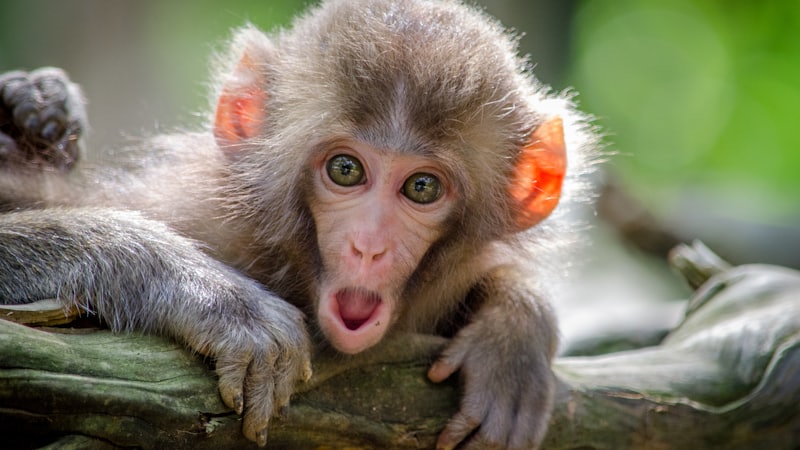
Expert guide to Alex the African grey parrot and the 30-year study that demonstrated referential language comprehension in birds. Cognitive abilities, vocabulary depth, arithmetic skills, and the Pepperberg laboratory research on avian intelligence.

Explore the science of bird migration, from the Arctic tern's 44,000-mile annual journey to the bar-tailed godwit's non-stop 7,000-mile flight. Expert-written guide covering V-formation aerodynamics, magnetic navigation, flyways, altitude records, and the threats facing migratory birds worldwide.
Expert guide to the longest animal migrations on Earth. Covers the Arctic tern, bar-tailed godwit, monarch butterfly, wildebeest, and whale shark migrations, plus the tracking technology that reveals how animals navigate thousands of kilometers.
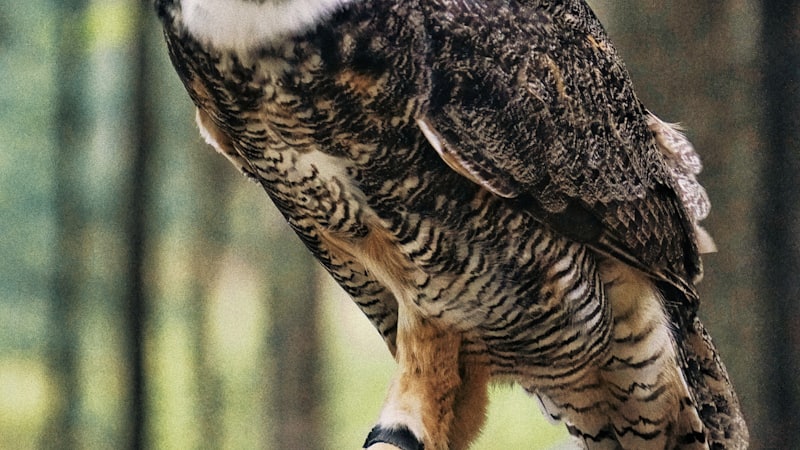
Explore the remarkable world of owls. From their silent flight adaptations and asymmetrical ears to species like the great horned owl, snowy owl, and barn owl. Expert-written guide covering anatomy, behavior, cultural significance, and conservation.
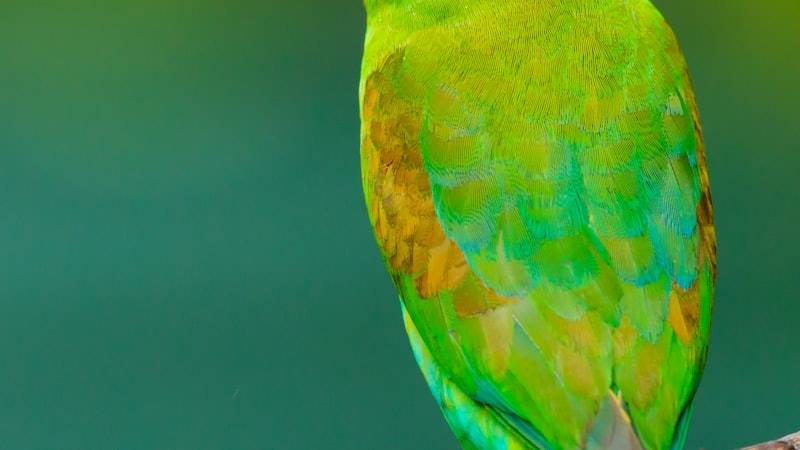
Explore the remarkable intelligence and diversity of parrots, from Alex the African Grey's groundbreaking language research to the endangered kakapo. Expert-written guide covering 400+ species, cognition, conservation, and why these birds rival primates in brainpower.
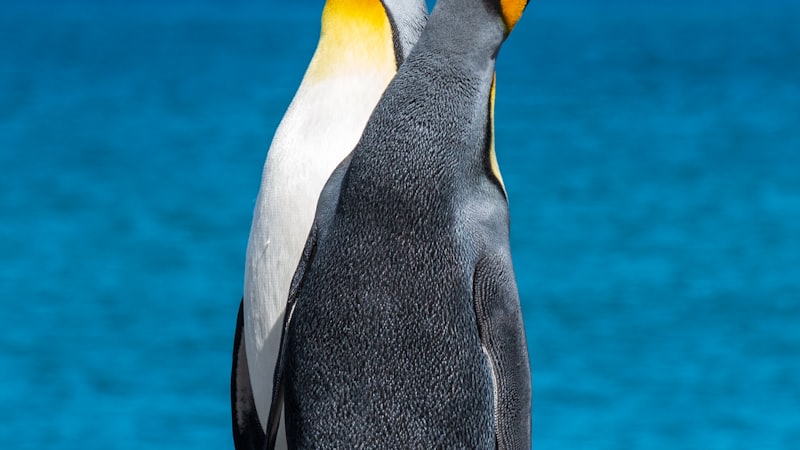
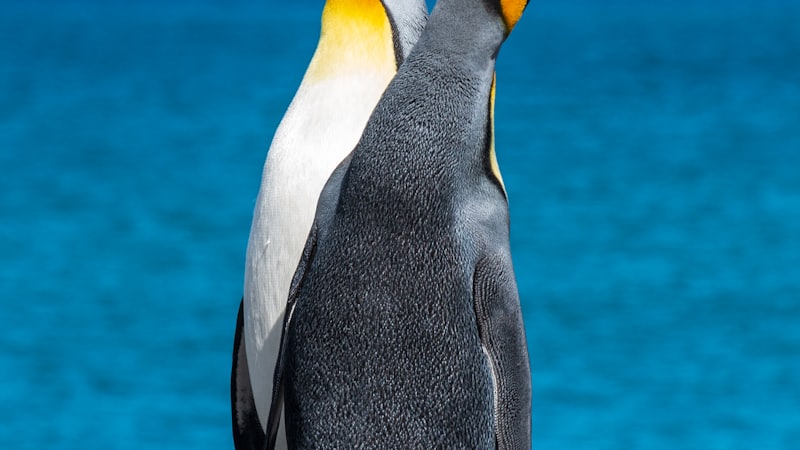
Explore the remarkable world of penguins, from emperor penguins surviving -60C Antarctic winters to Galapagos penguins thriving on the equator. Expert-written guide covering all 18 species, swimming adaptations, thermoregulation, colony behavior, and conservation threats.
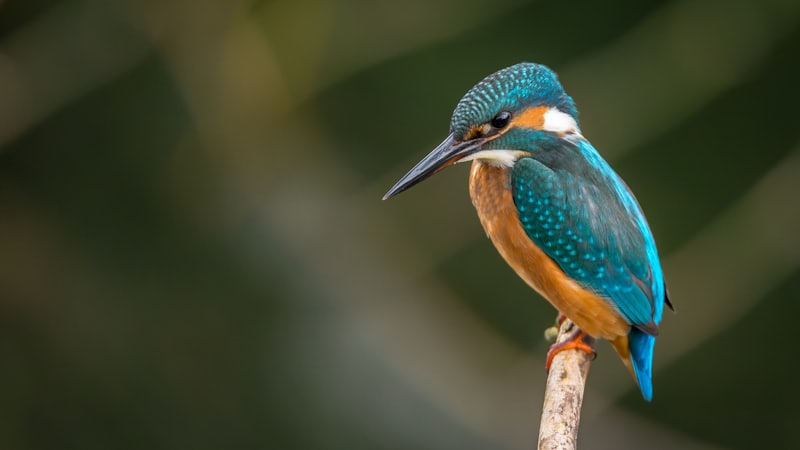
Explore the world of raptors, from the peregrine falcon's 240 mph stoop to the bald eagle's DDT recovery story. Expert-written guide covering raptor vision, falconry history, vulture ecology, and conservation challenges facing birds of prey worldwide.
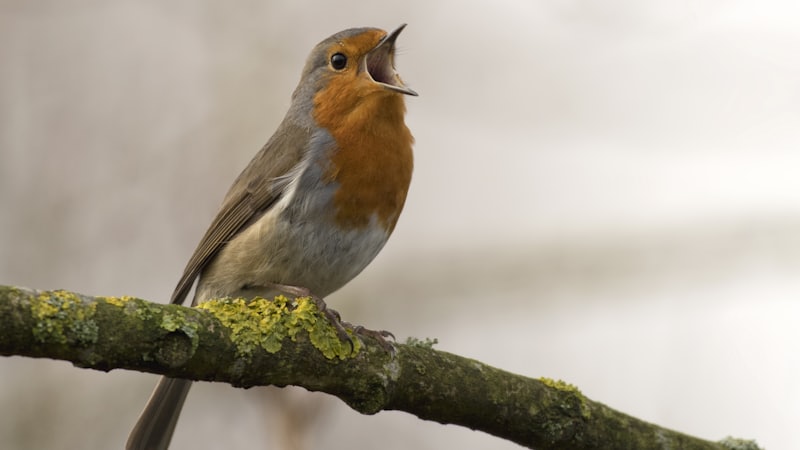
Explore the world of songbirds, from the syrinx vocal organ and dawn chorus to nightingale melodies, mockingbird mimicry, and the neuroscience of avian vocal learning across 5,000+ species.
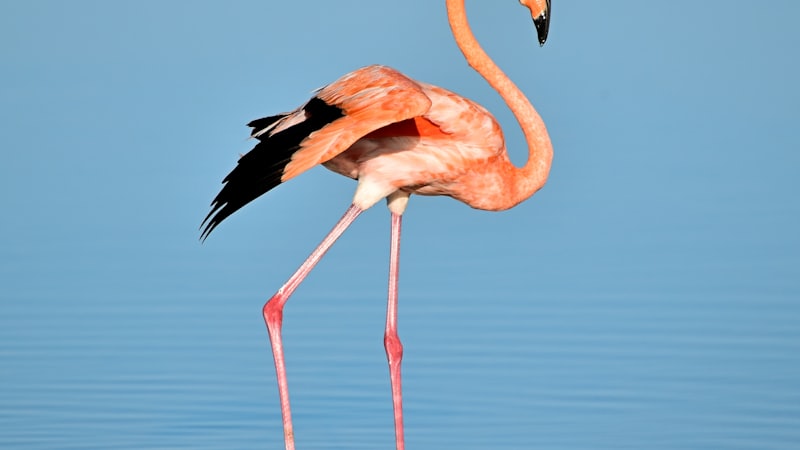
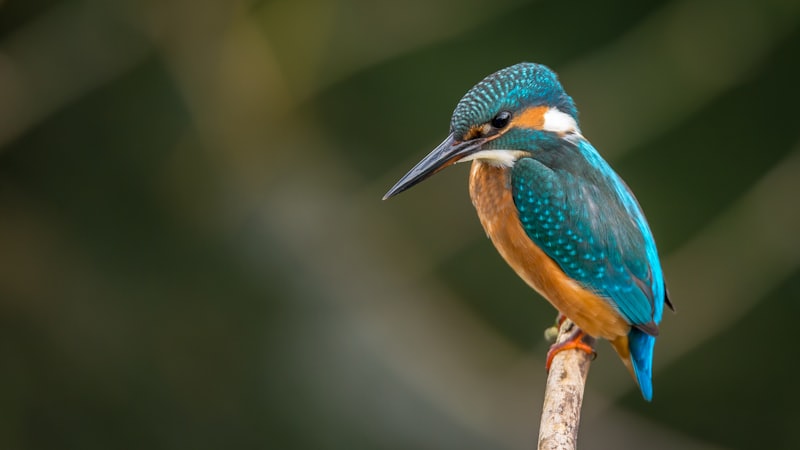
Explore the world of waterbirds, from flamingos turning pink through carotenoid-rich diets to the whooping crane's recovery from 21 birds. Expert-written guide covering herons, pelicans, storks, cranes, ibises, spoonbills, kingfishers, and the wetland ecosystems they depend on.
The peregrine falcon is the fastest bird and the fastest animal on the planet. During a hunting stoop (high-speed dive), it reaches speeds exceeding 240 mph (386 km/h). In level flight, the white-throated needletail swift holds the record at roughly 105 mph (169 km/h). The peregrine achieves its extraordinary speed through a combination of a streamlined body, stiff feathers that reduce drag, a third eyelid that protects its eyes at speed, and specialized nasal baffles that manage airflow during the dive.
Birds navigate long-distance migrations using a combination of the Earth's magnetic field, the position of the sun and stars, visual landmarks, and even smell. Many species can detect magnetic fields through specialized proteins (cryptochromes) in their eyes. Before migration, birds undergo hyperphagia, dramatically increasing body fat to fuel flights that can span thousands of miles nonstop. The bar-tailed godwit holds the record, flying over 7,000 miles from Alaska to New Zealand without stopping to eat, drink, or rest.
Penguins evolved from flying ancestors but adapted to an aquatic lifestyle over millions of years. Their wings became shorter, denser, and more rigid, functioning as powerful flippers for underwater propulsion rather than flight surfaces. A penguin's bones are solid and heavy rather than hollow like those of flying birds, providing ballast for diving. This trade-off was driven by natural selection: in the Southern Ocean, the ability to dive deep for fish and krill provided a far greater survival advantage than flight.
Corvids, particularly the New Caledonian crow and the common raven, are widely regarded as the most intelligent birds. New Caledonian crows manufacture and use tools in the wild, bending wire into hooks and crafting sticks to extract insects from bark. Ravens demonstrate planning, deception, and problem-solving comparable to great apes. African grey parrots also rank among the most intelligent, with the ability to learn and meaningfully use hundreds of human words. Kea parrots from New Zealand show advanced collaborative problem-solving in experimental settings.
Hummingbirds are the only birds that can sustain true hovering flight. They achieve this through a unique figure-eight wing stroke that generates lift on both the forward and backward strokes, unlike other birds that produce lift only on the downstroke. Their wings rotate at the shoulder joint through nearly 180 degrees, beating 50 to 80 times per second depending on the species. This requires an extraordinarily fast metabolism; a hummingbird's heart rate can exceed 1,200 beats per minute, and they consume roughly half their body weight in sugar each day.
Parrots mimic human speech because they are highly social vocal learners with thick, muscular tongues and a syrinx (vocal organ) capable of producing a wide range of sounds. In the wild, parrots learn calls from their flock to strengthen social bonds and identify group members. In captivity, they treat their human caretakers as flock members and learn human words as a form of social bonding. Research shows that parrots do not merely repeat sounds randomly; many associate words with their meanings and use them in appropriate contexts.
The largest bird that ever lived was Vorombe titan, an elephant bird from Madagascar that stood roughly 10 feet (3 meters) tall and weighed up to 1,600 pounds (730 kg). Elephant birds were flightless ratites related to ostriches and kiwis. They went extinct around 1,000 years ago, likely due to a combination of hunting by early human settlers and habitat destruction. Among flying birds, the largest known species was Argentavis magnificens, a Miocene-era raptor-like bird with a wingspan of approximately 23 feet (7 meters).