
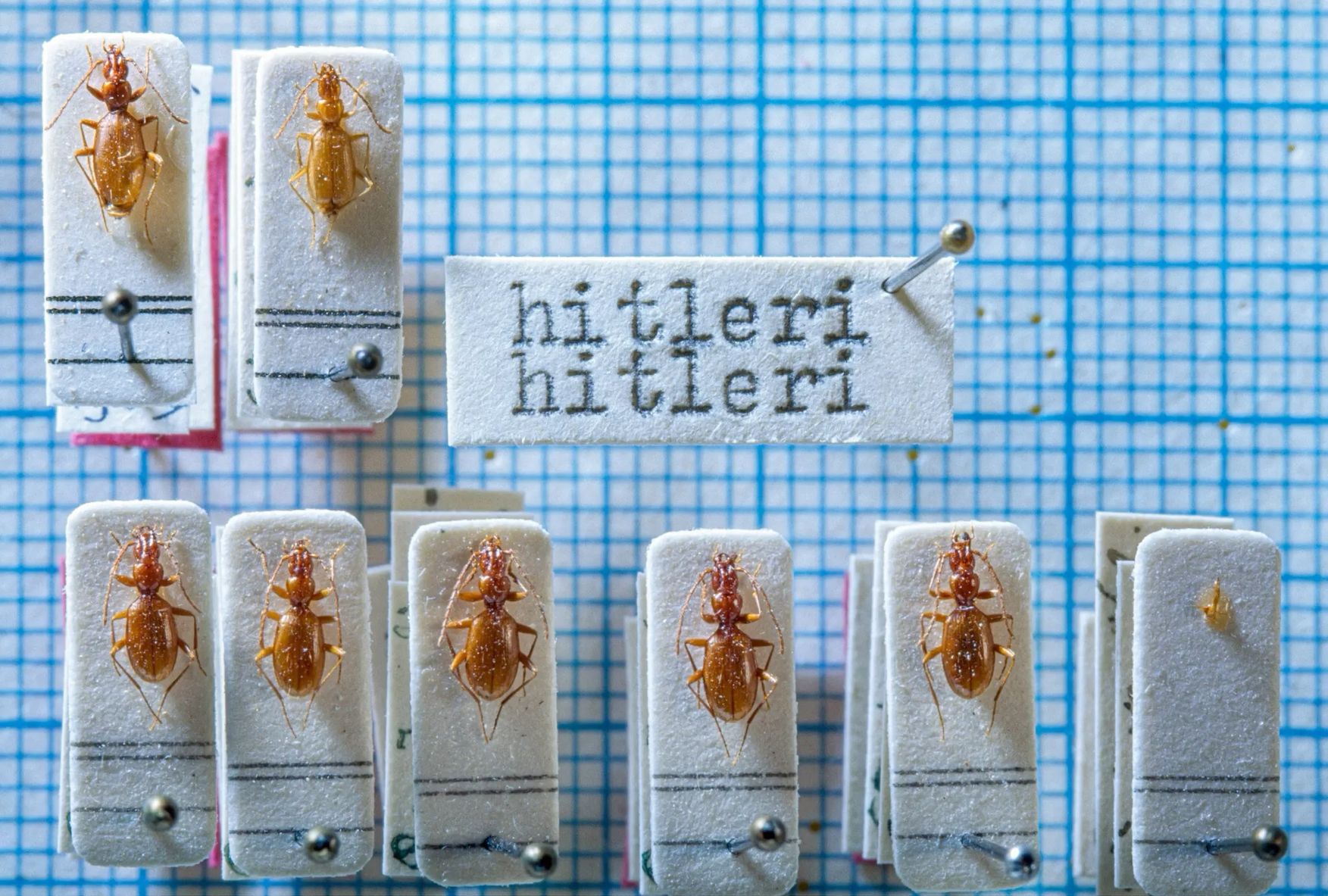
Quick Answer: Anophthalmus hitleri, commonly known as the blind cave beetle, is a rare, eyeless beetle endemic to a few limestone caves in Slovenia. This species is highly specialized for subterranean life, exhibiting adaptations such as complete blindness and depigmentation. Due to its extremely limited range and intense interest from collectors, Anophthalmus hitleri is classified as endangered and faces significant conservation challenges.
The story of Anophthalmus hitleri is one of both biological fascination and cultural controversy. Discovered in the early 20th century, this beetle is found only in a handful of caves in central Slovenia. Its name, given before World War II, has drawn notoriety, but the species itself is remarkable for its extreme adaptation to cave life and its precarious survival status.
The beetle’s unique evolutionary journey, combined with human pressures, has made it a symbol of the complex intersection between biology, history, and conservation ethics.
Living entirely underground, the blind cave beetle has evolved a suite of features that allow it to thrive in perpetual darkness. These include elongated antennae, loss of eyes, and a pale, unpigmented exoskeleton. The species occupies a fragile ecological niche, feeding on organic debris and small invertebrates within the cave system. Its limited distribution makes it especially vulnerable to environmental changes and human interference, leading to its current endangered status.
The notoriety of Anophthalmus hitleri’s name has unfortunately contributed to its decline. Collectors, driven by the beetle’s rarity and controversial nomenclature, have targeted its already small populations. This pressure, combined with habitat disturbance and the inherent risks of a restricted range, threatens the long-term survival of the species.
Conservationists face the challenge of protecting a beetle that is both biologically unique and culturally sensitive, requiring careful management and international cooperation.
Taxonomy and Discovery of Anophthalmus hitleri
Anophthalmus hitleri is a member of the Carabidae family, within the subfamily Trechinae. This group is known for its adaptation to life underground, with many species exhibiting reduced or absent eyes. The genus Anophthalmus itself is composed of several cave-dwelling beetles found in southeastern Europe, but Anophthalmus hitleri stands out due to its extreme specialization and limited range.
The species was first described in 1937 by the Austrian entomologist Oskar Scheibel. The beetle was named after Adolf Hitler, a decision reflecting the political context of the time rather than any biological characteristic. This naming has since become a source of controversy, but the original description focused on the beetle’s distinctive morphological features, such as its lack of eyes and elongated body.
The species was discovered in the caves near the town of Celje in Slovenia, an area known for its rich subterranean biodiversity.
The process of scientific naming, or taxonomy, plays a crucial role in biological classification. Once a new species is identified, it is given a binomial name that reflects its genus and species. In the case of Anophthalmus hitleri, the genus name indicates its relationship to other eyeless beetles, while the species name reflects the historical context of its discovery.
The International Code of Zoological Nomenclature governs these practices, ensuring consistency and stability in species names. For more on the rules of scientific naming, see the International Code of Zoological Nomenclature.
The naming of Anophthalmus hitleri has had unintended consequences, drawing attention from collectors and creating ethical dilemmas for conservationists.
The initial discovery of the beetle was based on specimens collected from a single cave system. Subsequent surveys have confirmed its presence in only a few nearby locations, underscoring its rarity. The beetle’s restricted range and specialized habitat have made it a subject of interest not only to scientists but also to those fascinated by unique or controversial species. This attention has shaped both the scientific study and the conservation efforts surrounding Anophthalmus hitleri.
Morphological Adaptations to Cave Life
Adaptation to subterranean environments is a hallmark of the Trechinae subfamily, and Anophthalmus hitleri exemplifies this evolutionary trend. The beetle exhibits several morphological traits that are characteristic of obligate cave dwellers, or troglobites. These adaptations are the result of generations spent in complete darkness, where vision is unnecessary and other senses become paramount.
The most striking feature of Anophthalmus hitleri is its complete lack of eyes. Unlike surface-dwelling relatives, this beetle has lost all visual organs, a process known as anophthalmy. The loss of eyes is accompanied by a reduction in pigmentation, resulting in a pale, almost translucent exoskeleton. This depigmentation is common among cave-adapted species, as coloration offers no advantage in the absence of light.
Another key adaptation is the elongation of the beetle’s antennae and legs. These structures are used to navigate the complex, uneven terrain of cave environments. The antennae are covered in sensory hairs that detect vibrations, air currents, and chemical cues, compensating for the absence of vision. The legs are similarly elongated, allowing the beetle to move efficiently through narrow crevices and over rocky surfaces.
Key Insight: Morphological adaptations in Anophthalmus hitleri, such as anophthalmy and depigmentation, are classic examples of evolutionary responses to the unique pressures of cave ecosystems.
The beetle’s body shape is slender and streamlined, reducing resistance as it moves through tight spaces. Its mandibles are adapted for feeding on small invertebrates and organic debris, reflecting the limited food resources available in cave systems. These traits, while highly effective in the beetle’s natural habitat, make it poorly suited for survival outside the cave environment.
The process of cave adaptation, or troglomorphy, is a well-studied phenomenon in evolutionary biology. It demonstrates how isolation and environmental pressures can drive dramatic changes in morphology and behavior. For more on the evolutionary mechanisms behind cave adaptation, see Britannica’s article on cave biology.
Distribution, Habitat, and Ecological Niche
The distribution of Anophthalmus hitleri is among the most restricted of any beetle species. It is endemic to a small region of central Slovenia, specifically within a handful of limestone caves near the town of Celje. Endemism, the state of being unique to a defined geographic location, is a defining characteristic of this beetle and contributes to its vulnerability.
The caves inhabited by Anophthalmus hitleri are part of a karst landscape, characterized by soluble rock formations, underground rivers, and extensive cave networks. These environments provide stable temperatures, high humidity, and a constant supply of organic material from surface runoff. The beetle occupies the deeper zones of these caves, where light never penetrates and ecological interactions are highly specialized.
Within its habitat, Anophthalmus hitleri fills the role of a detritivore and occasional predator. It feeds on decaying plant matter, fungal growths, and small invertebrates such as mites and springtails. The cave ecosystem is nutrient-poor, relying on external inputs of organic debris. The beetle’s foraging behavior is adapted to these conditions, with slow movements and a reliance on tactile and chemical cues.
The ecological niche of Anophthalmus hitleri is defined by its dependence on a stable, undisturbed cave environment and its interactions with other cave-dwelling organisms.
Table: Key Habitat Features of Anophthalmus hitleri
| Feature | Description |
|---|---|
| Geographic Range | Central Slovenia (Celje region) |
| Habitat Type | Limestone caves (karst systems) |
| Microhabitat | Deep, aphotic cave zones |
| Diet | Detritus, fungi, small invertebrates |
| Environmental Needs | High humidity, stable temperature, darkness |
The beetle’s limited distribution makes it highly susceptible to environmental disturbances. Changes in land use, pollution, or cave tourism can have outsized impacts on its populations. Conservation of the species requires a detailed understanding of its habitat requirements and the ecological dynamics of the caves it inhabits. For more on karst landscapes and their biodiversity, see Wikipedia’s article on karst.
Conservation Status and Threats
Anophthalmus hitleri is classified as endangered due to its extremely limited range and declining population. The International Union for Conservation of Nature (IUCN) recognizes the species as facing a high risk of extinction in the wild. The primary threats to its survival are habitat disturbance, illegal collection, and the inherent risks associated with small, isolated populations.
One of the most significant threats to Anophthalmus hitleri is the demand from insect collectors. The beetle’s rarity and controversial name have made it a target for collectors worldwide, leading to illegal collection and trade. This pressure has reduced already small populations, making recovery difficult. The species’ presence in only a few accessible caves exacerbates the problem, as collectors can easily locate and remove individuals.
Habitat disturbance is another major concern. Activities such as cave tourism, pollution from agricultural runoff, and land development can alter the delicate balance of the cave ecosystem. Even minor changes in humidity, temperature, or nutrient input can have cascading effects on the beetle and other cave-dwelling organisms. Conservation efforts must address both direct and indirect impacts on the species’ habitat.
Critical Warning: The combination of illegal collection and habitat disturbance places Anophthalmus hitleri at imminent risk of extinction unless effective conservation measures are implemented.
Conservation strategies for the beetle include legal protection of its habitat, restrictions on cave access, and public education to reduce demand from collectors. International cooperation is essential, as the illegal trade often crosses national borders. For more on the IUCN Red List and conservation status, see the IUCN Red List entry for Anophthalmus hitleri.
The Impact of Naming and Human Interest
The name Anophthalmus hitleri has had profound effects on the species’ fate. While the original naming followed standard taxonomic practice, the association with Adolf Hitler has drawn attention far beyond the scientific community. This notoriety has increased demand among collectors, many of whom seek the beetle for its historical or ideological significance rather than its biological uniqueness.
The ethics of scientific naming have come under scrutiny as a result. While the International Code of Zoological Nomenclature discourages name changes for established species, some have argued for exceptions in cases where the name contributes to conservation challenges. The debate highlights the intersection of science, history, and societal values, raising questions about the responsibilities of taxonomists and the broader scientific community.
The controversy surrounding the beetle’s name has complicated conservation efforts, as it attracts attention from groups with little interest in biodiversity or ecosystem health.
Public awareness campaigns have sought to shift the focus from the beetle’s name to its ecological importance and the urgent need for protection. These efforts aim to reduce demand from collectors and foster a sense of stewardship among local communities. The case of Anophthalmus hitleri illustrates how cultural and historical factors can influence the survival prospects of even the most obscure species.
For more on the ethics of species naming and its impact on conservation, see Britannica’s article on biological nomenclature.
Life Cycle and Reproductive Strategies
The life cycle of Anophthalmus hitleri is adapted to the slow-paced, resource-limited environment of caves. As with many cave-dwelling beetles, the species exhibits a prolonged developmental period, with each stage of the life cycle taking longer than in surface-dwelling relatives. This slow pace is a response to the stable but nutrient-poor conditions of the subterranean world.
Eggs are laid in protected crevices within the cave substrate, where humidity and temperature remain constant. The larvae are similarly adapted to darkness, lacking eyes and pigmentation. They feed on organic debris and small invertebrates, growing slowly over several months or even years. Pupation occurs within the cave, with the adult beetle emerging ready to continue the cycle.
Reproductive rates are low, with females producing relatively few eggs during their lifetime. This strategy reflects the limited food resources and the need to minimize competition among offspring. The beetle’s long lifespan and low reproductive output make population recovery slow, especially in the face of external pressures such as collection or habitat disturbance.
Key Takeaway: The slow life cycle and low reproductive rate of Anophthalmus hitleri make it especially vulnerable to population declines and slow to recover from disturbances.
The reproductive strategies of cave beetles like Anophthalmus hitleri are a classic example of K-selected life history traits, favoring survival and longevity over rapid reproduction. This approach is effective in stable environments but poses challenges when populations are threatened or habitats are altered.
Conservation Efforts and Future Prospects
Conservation of Anophthalmus hitleri requires a multifaceted approach that addresses both biological and social factors. Legal protection of the species and its habitat is a critical first step. In Slovenia, some of the caves inhabited by the beetle have been designated as protected areas, with restrictions on access and collection. Enforcement of these regulations is essential to prevent illegal activities.
Public education and outreach are equally important. By raising awareness of the beetle’s ecological role and the threats it faces, conservationists hope to reduce demand from collectors and foster local stewardship. Community involvement in monitoring and protecting cave habitats can provide additional safeguards against disturbance.
International cooperation is necessary to combat illegal trade, as specimens often cross borders and enter private collections worldwide. Collaboration between governments, conservation organizations, and scientific institutions can enhance enforcement and support research on the species’ biology and ecology.
Effective conservation of Anophthalmus hitleri will depend on sustained commitment from both local and international stakeholders, as well as ongoing research into its population dynamics and habitat needs.
For further reading on cave conservation and species protection, consult the Encyclopedia of Caves and related academic resources.
Comparing Anophthalmus hitleri to Other Cave Beetles
Anophthalmus hitleri is not unique in its adaptation to cave life, but it is among the most extreme examples. Other members of the Trechinae subfamily, such as Anophthalmus schmidti and Leptodirus hochenwartii, share similar traits, including loss of eyes, depigmentation, and elongated appendages. However, the combination of a highly restricted range, intense collector interest, and controversial naming sets Anophthalmus hitleri apart.
Table: Comparison of Cave Beetle Adaptations
| Species | Eye Development | Pigmentation | Range | Conservation Status |
|---|---|---|---|---|
| Anophthalmus hitleri | None | None | 4 caves (Slovenia) | Endangered |
| Leptodirus hochenwartii | None | None | Widespread (Balkans) | Least Concern |
| Anophthalmus schmidti | Reduced | Reduced | Slovenia, Austria | Vulnerable |
The evolutionary processes that drive cave adaptation are remarkably consistent across unrelated groups. Convergent evolution leads to similar morphological and behavioral traits in species that occupy similar ecological niches, regardless of their ancestry. This phenomenon is evident in cave beetles worldwide, as well as in other cave-dwelling animals such as fish and salamanders.
The extreme specialization of Anophthalmus hitleri highlights both the power of natural selection and the fragility of highly adapted species in the face of human pressures.
Studying the similarities and differences among cave beetles provides valuable insights into evolutionary biology, ecology, and conservation. For more on convergent evolution and cave adaptation, see Wikipedia’s article on convergent evolution.
The Role of Caves in Biodiversity Conservation
Caves are unique ecosystems that support a wide range of specialized organisms, many of which are found nowhere else. The isolation and stability of cave environments create opportunities for evolutionary innovation, resulting in high levels of endemism and unique adaptations. Protecting cave habitats is therefore essential for preserving biodiversity at both local and global scales.
Anophthalmus hitleri serves as a flagship species for cave conservation in Slovenia. Its plight draws attention to the broader challenges facing subterranean ecosystems, including habitat destruction, pollution, and unsustainable tourism. Conservation of cave-dwelling species requires an integrated approach that addresses both biological and human dimensions.
Caves represent some of the last refuges for highly specialized and vulnerable species, making their protection a priority for global biodiversity conservation.
Efforts to conserve cave habitats benefit not only the species that inhabit them but also the surrounding landscapes and human communities. Healthy cave ecosystems contribute to water quality, nutrient cycling, and scientific understanding of evolutionary processes. For more on the importance of caves in biodiversity, see Britannica’s overview of cave biology.
Lessons from Anophthalmus hitleri for Conservation Biology
The story of Anophthalmus hitleri offers important lessons for conservation biology. It illustrates how species with extreme specialization and limited ranges are particularly vulnerable to extinction. The case also highlights the unintended consequences of human actions, from scientific naming to collector interest, and the need for ethical considerations in biodiversity management.
Conservation strategies must account for both biological and social factors. Protecting habitat, enforcing legal protections, and engaging local communities are all essential components of effective conservation. The integration of scientific research, public policy, and education can enhance the prospects for endangered species like Anophthalmus hitleri.
The experience with Anophthalmus hitleri underscores the importance of proactive conservation, ethical decision-making, and international collaboration in preserving the world’s most vulnerable species.
By studying and protecting unique organisms such as the blind cave beetle, conservationists gain insights into the broader challenges of biodiversity loss and the complex interplay between nature and human society.
Enduring Significance of the Blind Cave Beetle
Anophthalmus hitleri remains a symbol of both the wonders and the challenges of biodiversity conservation. Its extreme adaptation to cave life, combined with the cultural weight of its name, has placed it at the center of debates about scientific responsibility and ethical stewardship. The beetle’s story serves as a reminder that even the most obscure organisms can become focal points for global conservation efforts.
Protecting Anophthalmus hitleri requires ongoing vigilance, research, and collaboration among scientists, policymakers, and the public. The species’ survival will depend on our ability to balance scientific curiosity, ethical considerations, and the imperative to preserve Earth’s unique biological heritage. As conservation biology continues to evolve, the lessons learned from the blind cave beetle will inform strategies for safeguarding countless other species at risk.
The fate of Anophthalmus hitleri is a testament to the interconnectedness of science, culture, and conservation, a call to action for all who value the diversity of life on our planet.
Frequently Asked Questions
Why is Anophthalmus hitleri considered endangered?
Anophthalmus hitleri is endangered due to its extremely limited range, illegal collection by beetle enthusiasts, and habitat disturbance within Slovenian caves.
Can Anophthalmus hitleri survive outside caves?
No, Anophthalmus hitleri is highly specialized for cave life and cannot survive outside the stable, dark, and humid cave environment.
How does the beetle’s name affect its conservation?
The controversial name increases demand from collectors, complicating conservation efforts and increasing the risk of illegal collection.
What adaptations help Anophthalmus hitleri live in caves?
Adaptations include complete blindness, lack of pigmentation, elongated antennae, and a slender body for navigating dark, narrow cave spaces.
Are there efforts to change the beetle’s name?
Although some have called for a name change, international taxonomic rules make renaming established species very rare and difficult.
Where can Anophthalmus hitleri be found?
The beetle is found exclusively in a few limestone caves near Celje, central Slovenia, making its distribution extremely limited.