
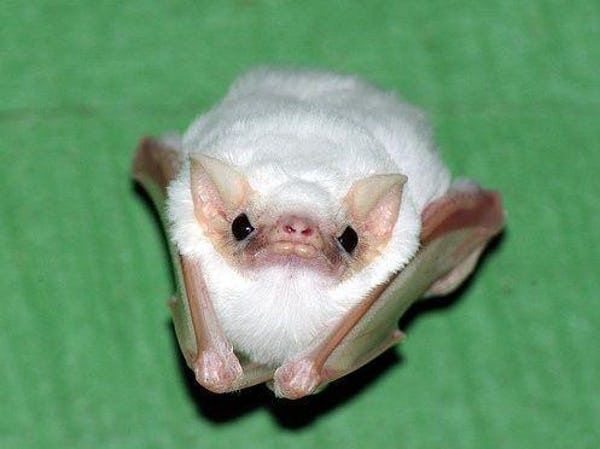
How does bat echolocation work?
Bats emit high-frequency sound pulses - typically between 20 and 200 kHz - through their mouth or nose and listen for the returning echoes. By analyzing the time delay, frequency shift, and intensity of the echo, a bat can determine the distance, size, shape, speed, and even texture of objects in complete darkness.
Of the roughly 6,400 known mammal species on Earth, only one group has achieved what evolution has otherwise reserved for birds, insects, and the extinct pterosaurs: true powered flight. Bats - order Chiroptera - are not merely gliders like flying squirrels or colugos.
They generate lift and thrust with modified forelimbs, sustaining controlled, maneuverable flight that allows them to hunt insects at speed, cross open ocean, and navigate pitch-black cave systems with precision that no human technology has fully replicated.
With more than 1,400 described species, bats constitute roughly 20 percent of all living mammal species, making Chiroptera the second-largest mammalian order after rodents.
They inhabit every continent except Antarctica, occupy ecological niches from tropical rainforest canopy to urban rooftops, and perform ecosystem services - pollination, seed dispersal, insect control - that underpin agriculture and natural habitats worldwide. Yet bats remain among the most misunderstood and unfairly maligned animals on the planet.
Understanding bats is not optional for anyone serious about wildlife conservation. Their decline signals the deterioration of ecosystems that humans depend on.
Chiroptera: Taxonomy, Diversity, and Distribution
The name Chiroptera derives from the Greek cheir (hand) and pteron (wing) - a literal description of the bat's most defining anatomical feature. Bats are traditionally divided into two suborders:
- Megachiroptera (megabats or Old World fruit bats) - approximately 200 species in the family Pteropodidae, found across Africa, Asia, Australia, and Oceania
- Microchiroptera (microbats or echolocating bats) - approximately 1,200+ species across 17 families, found on every continent except Antarctica
Recent molecular phylogenetic work has complicated this clean division. The suborder Yinpterochiroptera groups megabats with several microbat families (including horseshoe bats and false vampires), while Yangochiroptera contains the remaining microbat lineages. This reclassification suggests that echolocation either evolved once and was subsequently lost in fruit bats, or evolved independently multiple times - a question that remains actively debated among chiropterologists [1].
Bat diversity peaks in the tropics. A single hectare of lowland rainforest in Borneo may support 50 or more bat species, compared to roughly 45 species across the entire continental United States. The smallest bat - and indeed the smallest mammal by skull size - is the Kitti's hog-nosed bat (Craseonycteris thonglongyai) of Thailand and Myanmar, weighing just 2 grams.
The largest, the large flying fox (Pteropus vampyrus), has a wingspan exceeding 1.5 meters (nearly 5 feet) and weighs up to 1.1 kilograms.
Fruit Bats vs. Microbats: A Comparison
| Feature | Fruit Bats (Megabats) | Microbats |
|---|---|---|
| Number of species | ~200 | ~1,200+ |
| Size range | Medium to large (40 g to 1.1 kg) | Tiny to medium (2 g to 200 g) |
| Primary diet | Fruit, nectar, pollen | Insects, though some eat fish, frogs, blood, or fruit |
| Echolocation | Absent in most species (exception: Rousettus uses tongue clicks) | Laryngeal echolocation in most species |
| Eyes | Large, well-developed; rely heavily on vision | Typically smaller; rely primarily on echolocation |
| Nose structures | Simple | Often elaborate nose-leaves for directing sound |
| Distribution | Old World tropics and subtropics | Worldwide except Antarctica |
| Roosting | Often in tree canopies, exposed | Caves, crevices, tree hollows, buildings |
| Ecological role | Pollination and seed dispersal | Insect pest control, some pollination |
The Science of Echolocation
Echolocation - biological sonar - is arguably the most sophisticated sensory system in the mammalian world. Approximately 1,100 bat species use laryngeal echolocation, producing ultrasonic calls in the larynx and emitting them through the mouth or, in many species, through elaborately shaped nasal structures called nose-leaves that focus and direct the sound beam.
The basic mechanism works as follows: a bat emits a brief pulse of high-frequency sound, typically in the range of 20 to 200 kHz (mostly above human hearing, which tops out around 20 kHz). The sound wave travels outward, strikes an object - an insect, a tree branch, a cave wall - and a portion of the energy bounces back to the bat's ears. By processing the returning echo, the bat extracts an extraordinary amount of information:
- Distance: determined by the time delay between emission and echo return
- Size and shape: determined by the intensity and spectral characteristics of the echo
- Speed and direction of movement: determined by Doppler frequency shifts
- Surface texture: determined by the spectral pattern of echo scatter
The processing speed is staggering. During the "terminal buzz" - the final approach phase when a bat is closing on an insect - call rates can exceed 200 pulses per second, with the bat's auditory system analyzing each returning echo in real time. Research by James Simmons at Brown University demonstrated that big brown bats (Eptesicus fuscus) can discriminate between objects differing by as little as 0.3 millimeters in surface texture [2].
"Echolocation is not some crude proximity detector. It gives bats a detailed, three-dimensional acoustic image of their environment that is, in many respects, comparable to our visual world." - Brock Fenton, Bats: A World of Science and Mystery (2014)
Different species have evolved call designs optimized for their specific ecological niches. Constant frequency (CF) bats, like the greater horseshoe bat (Rhinolophus ferrumequinum), emit long tones at a single frequency, exploiting Doppler shifts to detect the wing-beat flutter of insects against cluttered backgrounds.
Frequency modulated (FM) bats, like the little brown bat (Myotis lucifugus), produce short, broadband sweeps that provide excellent range resolution for pinpointing prey location. Many species combine both strategies within a single call.
Jamming Avoidance and Counter-Strategies
When multiple bats forage in the same airspace, their echolocation calls could theoretically interfere with one another. Research has revealed that bats actively adjust their call frequencies to avoid overlap with neighbors - a behavior known as the jamming avoidance response. Mexican free-tailed bats (Tadarida brasiliensis) have been documented shifting their call frequencies by up to 8 kHz to avoid spectral overlap with nearby individuals [3].
Prey species have not been passive in this evolutionary arms race. Several families of moths - notably tiger moths (Erebidae) - have evolved tympanal organs that detect bat echolocation calls, triggering evasive flight maneuvers. Some species go further: they produce their own ultrasonic clicks that jam bat sonar or mimic the warning sounds of toxic species. This bat-moth acoustic arms race is one of the best-documented examples of coevolution in animal behavior.
Vampire Bats: Blood, Reciprocity, and Social Bonds
Of the 1,400+ bat species, exactly three feed on blood - a dietary specialization called hematophagy. All three belong to the subfamily Desmodontinae and are restricted to the Americas:
- Common vampire bat (Desmodus rotundus) - feeds primarily on mammals
- Hairy-legged vampire bat (Diphylla ecaudata) - feeds primarily on birds
- White-winged vampire bat (Diaemus youngi) - feeds primarily on birds
The common vampire bat is by far the most studied and abundant. It weighs roughly 30 to 40 grams and requires a blood meal approximately every 56 hours or it will starve - an extraordinarily narrow margin of survival that has driven the evolution of remarkable social behaviors.
Feeding Mechanics
Vampire bats locate prey - typically sleeping cattle, horses, or tapirs - using a combination of echolocation, acute hearing, and infrared-sensing pit organs on their nose leaves. These thermoreceptors, analogous to those found in pit vipers, detect the infrared radiation emitted by blood vessels close to the skin surface, allowing the bat to identify the optimal bite location.
The bat lands near or on the sleeping host, approaches on all fours with a distinctive quadrupedal gait (vampire bats are among the most agile bats on the ground), and uses its razor-sharp upper incisors to make a shallow, scoop-shaped incision roughly 7 mm wide and 8 mm deep.
The wound bleeds freely because the bat's saliva contains draculin - a glycoprotein anticoagulant so effective that it has been investigated as a potential treatment for human stroke patients. The bat does not suck blood; it laps it up with rapid tongue movements, consuming approximately one tablespoon (15-25 mL) per feeding session lasting 20 to 30 minutes.
Reciprocal Altruism
The most scientifically significant aspect of vampire bat biology is their social behavior. Gerald Wilkinson's landmark 1984 study documented that vampire bats engage in reciprocal food sharing: a bat that has fed successfully will regurgitate blood to a roostmate that failed to feed, even when the recipient is not a close genetic relative [4].
This behavior represents one of the clearest documented cases of reciprocal altruism in non-human animals. Bats maintain long-term social relationships and preferentially share with individuals who have shared with them in the past.
More recent work by Gerald Carter at Ohio State University has shown that these food-sharing relationships develop gradually through a process resembling human friendship formation - starting with low-cost social grooming and escalating over time to higher-cost blood sharing.
Bat Flight: Engineering Beyond Birds
Bat flight is fundamentally different from bird flight, and in several respects, superior. While birds fly with a relatively rigid wing structure (feathers attached to fused hand bones), bats fly with a flexible membrane stretched across elongated finger bones. This design gives bats far more degrees of freedom in wing shape control.
A bat wing consists of a double layer of skin (the patagium) stretched between four elongated fingers (digits II through V), the arm, and in most species, the hind legs and tail. The membrane is packed with elastic fibers, muscle tissue, blood vessels, and sensory nerves. Bats can independently control the tension, curvature, and angle of attack across different sections of the wing in real time - a capability no bird can match.
This flexibility translates directly into flight performance:
- Maneuverability: Bats can execute tighter turns and more abrupt changes in direction than any bird of comparable size. Brown University wind tunnel studies measured turning radii in the big brown bat that were half those of similarly sized birds [5].
- Slow flight: The ability to reshape the wing allows bats to generate lift at extremely low speeds, enabling hovering (in some nectar-feeding species) and slow, precise maneuvering in cluttered environments like dense forest understory.
- Energy efficiency: At higher speeds, bats can flatten and streamline their wings, reducing drag. Some species, such as the Brazilian free-tailed bat, have been clocked at speeds exceeding 160 km/h (100 mph) in level flight, making them the fastest horizontal-flying animals ever recorded.
The cost of this performance is metabolic. Bat flight requires a heart rate that can exceed 1,000 beats per minute during sustained flight and a metabolic rate roughly 15 to 16 times the resting rate. To support this demand, bats have evolved disproportionately large hearts (relative to body mass) and highly efficient respiratory systems.
"Bats are not failed birds. They are a completely independent evolutionary experiment in vertebrate flight, and in many ways the more successful one. Their wings are, quite simply, the most sophisticated airfoils in nature." - Merlin Tuttle, founder of Bat Conservation International
Pollination, Seed Dispersal, and Pest Control
The ecological services provided by bats are enormous in scale and economic value. These services fall into three primary categories.
Insect Pest Control
Insectivorous bats are voracious predators. A single little brown bat (Myotis lucifugus) can consume up to 1,000 mosquito-sized insects per hour. At population scale, the numbers become staggering. The Bracken Cave colony near San Antonio, Texas - home to an estimated 20 million Mexican free-tailed bats - consumes approximately 200 tons of insects per night during peak season.
These are not random insects: studies have confirmed that free-tailed bats preferentially target agricultural pest species, including corn earworm moths (Helicoverpa zea), cotton bollworms, and fall armyworms.
A widely cited 2011 study published in Science estimated that the pest-control services provided by bats save U.S. agriculture $3.7 billion annually, with some estimates reaching as high as $53 billion when indirect benefits are included [6]. The loss of bat populations to white-nose syndrome (discussed below) has already resulted in measurable increases in insecticide use in affected regions.
Pollination
Over 500 plant species in at least 67 families depend on bats for pollination, a relationship termed chiropterophily. Bat-pollinated flowers typically share a suite of traits: they open at night, are pale or white in color, produce copious nectar, and emit strong, often musky odors. Key crops that depend partially or entirely on bat pollination include:
- Agave (the source of tequila and mezcal - the entire tequila industry depends on bat pollination)
- Bananas (wild banana pollination is predominantly by bats)
- Mangoes
- Durian (Southeast Asia's most economically important fruit crop)
- Dragon fruit
- Baobab trees (a keystone species across African savannas)
Seed Dispersal
Fruit bats are among the most important seed dispersers in tropical ecosystems. Because they fly long distances and defecate in flight, they deposit seeds far from parent trees - a process critical for genetic diversity and forest regeneration. In deforested areas, bats are responsible for up to 95 percent of the initial seed rain that begins the process of forest recovery. Without bats, tropical deforestation would be effectively irreversible in many regions.
White-Nose Syndrome: An Ecological Catastrophe
In February 2006, a caver photographing hibernating bats in Howes Cave near Albany, New York, noticed an unusual white fungal growth on the muzzles of several little brown bats. Within two years, bat populations in affected caves had collapsed by 90 to 100 percent. The cause was identified as Pseudogymnoascus destructans (Pd), a cold-loving fungus almost certainly introduced from Europe, where native bat species have coevolved with it and show resistance.
White-nose syndrome (WNS) is now the most devastating wildlife disease in recorded North American history. Key facts:
- Geographic spread: As of 2024, WNS has been confirmed in 40 U.S. states and 8 Canadian provinces, spreading relentlessly westward
- Mortality: Estimated to have killed more than 6.7 million bats since 2006, with some hibernacula experiencing 100% mortality
- Mechanism: The fungus invades the wing membranes of hibernating bats, causing tissue damage that disrupts water balance and thermoregulation. Infected bats arouse from torpor too frequently, burning through fat reserves and starving before spring
- Species impact: The little brown bat - formerly the most abundant bat in eastern North America - has declined by over 90% across its range. The northern long-eared bat (Myotis septentrionalis) was listed as endangered under the U.S. Endangered Species Act in 2022, primarily due to WNS
- Treatment: No effective field treatment exists, though researchers are investigating probiotic bacteria, antifungal compounds, and UV light treatments
The downstream ecological consequences are already measurable. In WNS-affected regions, studies have documented increases in insect pest populations and corresponding increases in agricultural pesticide applications - a grim validation of the economic value estimates described above [7].
Bats and Disease: Facts, Not Fear
Bats have attracted intense public attention as potential reservoirs for zoonotic diseases, particularly following the identification of bat-origin coronaviruses. The scientific picture is nuanced and does not support the reflexive fear that often accompanies media coverage.
Rabies
Bats are a known reservoir for rabies virus in the Americas. However, the actual risk to humans is extremely low. Fewer than two people per year die from bat-associated rabies in the United States, and most cases involve direct handling of sick or downed bats.
The incidence rate among wild bat populations is itself low - typically less than 1 percent of bats tested positive for rabies, and bats submitted for testing are a biased sample (sick or behaving abnormally). The standard public health recommendation is simple: do not handle bats with bare hands, and seek medical attention if bitten.
Coronaviruses
Bats harbor a wide diversity of coronaviruses, as they do many other viral families. Horseshoe bats (genus Rhinolophus) in particular have been identified as natural reservoirs for SARS-related coronaviruses. The scientific consensus is that SARS-CoV (2003) originated in bats and passed to humans through an intermediate host (likely palm civets), and that SARS-CoV-2 (COVID-19) has close relatives in bat coronavirus lineages, though the precise pathway to humans remains under investigation.
Critically, the fact that bats harbor viruses does not make them uniquely dangerous. Rodents, primates, birds, and livestock all harbor zoonotic pathogens. What makes bats notable is their species diversity (more species means more virus diversity), their colonial roosting behavior (which facilitates viral transmission among individuals), and their evolutionary antiquity (coronaviruses have been co-evolving with bats for millions of years).
The appropriate response to bat-associated disease risk is not persecution - which would be counterproductive, as disturbing bat colonies increases viral shedding and disperses bats into new areas - but rather habitat preservation, reduced human encroachment into bat habitat, and targeted wildlife surveillance.
"The best way to prevent the next pandemic is not to kill bats. It is to stop destroying their habitat and forcing them into closer contact with humans and livestock." - Merlin Tuttle, Merlin Tuttle's Bat Conservation
Cave Ecosystems and the Role of Bats
Caves represent one of the most extreme terrestrial environments: permanently dark, nutrient-poor, and isolated from surface energy inputs. In many cave systems, bats are the primary or sole source of organic energy. Their guano - deposited in vast quantities over centuries - forms the base of an entire food web.
A mature bat guano deposit supports a complex community of invertebrates: guano beetles, mites, fly larvae, pseudoscorpions, and highly specialized cave-adapted organisms found nowhere else on Earth. In tropical caves, guano deposits can be meters deep and support ecosystems of remarkable complexity. The Gomantong Caves of Malaysian Borneo, home to millions of wrinkle-lipped bats, contain guano deposits that support an estimated 4,000 species of invertebrates.
The loss of bat colonies from caves - whether through human disturbance, WNS, or habitat destruction - causes the collapse of these dependent communities. Cave ecologists have documented cases where the disappearance of a bat colony led to the extinction of cave-endemic invertebrate species within years.
Cave environments also play a critical role in bat life cycles. Many temperate bat species depend on caves for hibernation (hibernacula), maternity colonies (where females gather to give birth and raise pups), and as staging sites for autumn swarming behavior associated with mating. Disturbance during any of these phases can have population-level consequences.
Bat Longevity: Small Mammals That Live Decades
One of the most remarkable and counterintuitive aspects of bat biology is their extraordinary lifespan. In mammals generally, longevity scales with body mass - larger animals live longer. Bats shatter this rule. The Brandt's bat (Myotis brandtii), weighing just 7 grams, has been documented living more than 41 years in the wild - a lifespan-to-body-mass ratio unmatched by any other mammal.
Researchers studying bat genomes have identified several potential mechanisms for this extreme longevity, including enhanced DNA repair mechanisms, unique telomere maintenance, and dampened inflammatory responses. These findings have attracted interest from the biomedical research community, as understanding how bats suppress age-related inflammation could have implications for human aging and disease.
Bat Conservation: Status and Strategies
The global conservation picture for bats is deeply concerning. The IUCN Red List classifies 80+ bat species as endangered or critically endangered, with many more listed as vulnerable or data-deficient (a category that, for bats, often masks genuine decline). Major threats include:
- Habitat loss: Deforestation, urbanization, and agricultural conversion destroy roosting and foraging habitat
- White-nose syndrome: Devastating populations across North America (detailed above)
- Wind energy: Bat fatalities at wind turbines are a growing conservation concern. An estimated 600,000 to over 1 million bats are killed annually at wind energy facilities in the United States and Canada, with hoary bats, eastern red bats, and silver-haired bats disproportionately affected
- Persecution: Deliberate killing of bat colonies due to fear, disease concerns, or the misguided belief that bats are pests
- Climate change: Altering the timing of insect emergence, shifting suitable habitat ranges, and increasing the frequency of extreme heat events that cause mass die-offs in flying fox colonies
Conservation strategies that have shown effectiveness include:
- Protecting critical roost sites, particularly caves used for hibernation and maternity colonies
- Installing bat-friendly gates on cave entrances that allow bats to pass while excluding human disturbance
- Curtailment protocols at wind farms - reducing turbine operation during peak bat activity periods (low-wind nights in late summer and autumn) can reduce bat mortality by 50 to 90 percent with minimal energy production loss
- Artificial roost structures (bat boxes and bat houses) to supplement natural roosting habitat in degraded landscapes
- Public education to counter fear-based attitudes and build support for bat conservation
Merlin Tuttle, who founded Bat Conservation International in 1982 and has spent over six decades advocating for bats, has argued consistently that public perception is the single greatest obstacle to bat conservation:
"More than any other factor, unfounded fear is the greatest threat to bat survival. Bats have far more to fear from us than we from them. When people learn the truth about bats, they almost invariably become enthusiastic supporters of bat conservation."
The Bracken Cave: Twenty Million Bats in a Single Colony
No discussion of bats is complete without Bracken Cave. Located in the Texas Hill Country northeast of San Antonio, Bracken Cave is home to the largest known bat colony on Earth - an estimated 20 million Mexican free-tailed bats (Tadarida brasiliensis) that occupy the cave from March through October each year.
The nightly emergence of bats from Bracken Cave is one of the most spectacular wildlife events in North America. Beginning at dusk, a continuous column of bats pours from the cave entrance in a spiraling vortex that can take three to four hours to fully emerge. The column is visible on weather radar stations up to 100 miles away and has been mistaken for storm systems by meteorologists unfamiliar with the phenomenon.
The colony consumes an estimated 200 tons of insects per night, much of it agricultural pest moths migrating northward from Mexican croplands. The economic value of this single colony to Texas agriculture is measured in the hundreds of millions of dollars. Bracken Cave was purchased by Bat Conservation International in 1992 and is now permanently protected, though encroaching suburban development from the San Antonio metropolitan area remains a persistent management challenge.
Conclusion
Bats are not the sinister creatures of folklore. They are among the most ecologically important, behaviorally sophisticated, and evolutionarily successful mammals on Earth. Their mastery of powered flight, their acoustic perception of the world through echolocation, their extraordinary longevity, and their irreplaceable roles as pollinators, seed dispersers, and pest controllers make them essential components of functional ecosystems worldwide.
The threats they face - white-nose syndrome, habitat destruction, wind energy mortality, climate change, and human persecution - are severe and in many cases accelerating. The loss of bat populations is not an abstract conservation concern. It translates directly into increased crop damage, higher pesticide use, degraded tropical forests, and collapsing cave ecosystems.
Protecting bats requires science, policy, and above all, a shift in public understanding. These animals have survived for more than 50 million years. Whether they survive the next century depends largely on whether humans can overcome unfounded fear and recognize bats for what they are: indispensable allies in maintaining the ecological systems on which all life depends.
References
[1] Teeling, E. C., et al. "A Molecular Phylogeny for Bats Illuminates Biogeography and the Fossil Record." Science, vol. 307, no. 5709, 2005, pp. 580-584.
[2] Simmons, J. A., et al. "Echo-delay Resolution in Sonar Images of the Big Brown Bat, Eptesicus fuscus." Proceedings of the National Academy of Sciences, vol. 95, no. 21, 1998, pp. 12647-12652.
[3] Gillam, E. H., Ulanovsky, N., and McCracken, G. F. "Rapid Jamming Avoidance in Biosonar." Proceedings of the Royal Society B, vol. 274, no. 1610, 2007, pp. 651-660.
[4] Wilkinson, G. S. "Reciprocal Food Sharing in the Vampire Bat." Nature, vol. 308, no. 5955, 1984, pp. 181-184.
[5] Riskin, D. K., et al. "Quantifying the Complexity of Bat Wing Kinematics." Journal of Theoretical Biology, vol. 254, no. 3, 2008, pp. 604-615.
[6] Boyles, J. G., et al. "Economic Importance of Bats in Agriculture." Science, vol. 332, no. 6025, 2011, pp. 41-42.
[7] Frick, W. F., et al. "An Emerging Disease Causes Regional Population Collapse of a Common North American Bat Species." Science, vol. 329, no. 5992, 2010, pp. 679-682.
Frequently Asked Questions
How does bat echolocation work?
Bats emit high-frequency sound pulses - typically between 20 and 200 kHz - through their mouth or nose and listen for the returning echoes. By analyzing the time delay, frequency shift, and intensity of the echo, a bat can determine the distance, size, shape, speed, and even texture of objects in complete darkness. Some species can detect objects as fine as a human hair.
The process happens at extraordinary speed, with some bats emitting up to 200 calls per second during the final phase of prey capture.
Do vampire bats really drink blood?
Yes, all three species of vampire bat (common vampire bat, hairy-legged vampire bat, and white-winged vampire bat) feed exclusively on blood, a diet called hematophagy. The common vampire bat (Desmodus rotundus) uses heat-sensing nose pits to locate blood vessels near the skin surface, makes a small incision with razor-sharp teeth, and laps up the flowing blood. An anticoagulant in their saliva called draculin prevents the blood from clotting.
A single bat consumes roughly one tablespoon of blood per feeding.
Why are bats important to ecosystems?
Bats provide critical ecosystem services worth an estimated $3.7 billion annually to U.S. agriculture alone through insect pest control. A single little brown bat can eat up to 1,000 mosquito-sized insects per hour. Fruit bats pollinate over 500 plant species, including economically vital crops like bananas, mangoes, and agave.
Bats are also essential seed dispersers in tropical forests, responsible for up to 95% of initial seed rain in cleared areas, making them indispensable for forest regeneration.