
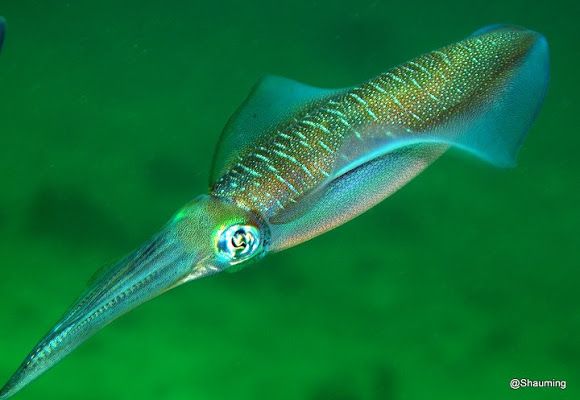
Quick Answer: The bigfin squid, belonging to the genus Magnapinna, is a rare and enigmatic deep-sea cephalopod recognized for its extraordinarily long arms and tentacles, which are held at sharp angles resembling elbows. These squids inhabit ocean depths often exceeding 2,000 meters and remain largely mysterious due to infrequent sightings and limited specimen collection. Their unique morphology and elusive lifestyle continue to intrigue marine scientists and fuel ongoing research into deep-sea biodiversity.
The bigfin squid, often referred to as the “elbow squid” due to its striking limb posture, stands out as one of the most peculiar creatures in the ocean’s abyssal zones. Unlike most squids, which have relatively short arms and tentacles, the bigfin squid’s appendages can extend up to 15–20 times the length of its mantle, creating a ghostly silhouette in the deep.
These appendages are held at sharp angles, giving the impression of elbows, a feature not seen in other cephalopods. First glimpsed in the late 20th century, bigfin squids have since been observed only a handful of times, primarily by remotely operated vehicles (ROVs) exploring the deep sea.
Their rarity, combined with their bizarre appearance, has made them a subject of fascination and speculation within the scientific community.
Encounters with bigfin squid are so infrequent that much of what is known about them comes from video footage rather than collected specimens. The deep-sea environment they inhabit is notoriously difficult to study, with crushing pressures, frigid temperatures, and perpetual darkness. Despite these challenges, each new sighting provides valuable insights into their behavior, anatomy, and ecological role.
As research technology advances, scientists hope to unravel more secrets about these elusive animals and their place in the ocean’s complex web of life.
Taxonomy and Defining Features of Bigfin Squid
Bigfin squid are members of the genus Magnapinna, a group within the order Oegopsida that encompasses many of the world’s open-ocean squids. The genus name “Magnapinna” means “large fin,” referencing the prominent fin structures on the squid’s mantle. These squids are distinguished by their extremely long arms and tentacles, which are connected to the body by a distinctive “elbow-like” joint. This configuration creates a T-shaped appearance, setting them apart from other deep-sea cephalopods.
The most notable feature of bigfin squids is their limb morphology. The arms and tentacles are not only elongated but also possess a unique structure: a narrow, thread-like distal portion extends from a thicker proximal section, with the “elbow” marking the transition between the two. This adaptation is thought to aid in feeding, allowing the squid to maximize its reach while minimizing energy expenditure.
The mantle, which houses the squid’s vital organs, is relatively small compared to the overall length of the animal, further emphasizing the disproportionate limb length.
Bigfin squids are also characterized by their large, paddle-shaped fins, which can span up to 90% of the mantle length. These fins enable the squid to maneuver gracefully through the water, despite the drag created by their long appendages. The coloration of bigfin squids tends to be pale or translucent, an adaptation to the low-light conditions of the deep sea.
Their eyes are large and well-developed, providing enhanced sensitivity to the faint bioluminescence and residual sunlight that penetrate the ocean’s depths.
Only a handful of bigfin squid specimens have been collected and described, making taxonomic classification challenging. Currently, the genus Magnapinna includes several described species, such as Magnapinna atlantica and Magnapinna pacifica, but the true diversity within the group remains uncertain.
Many sightings are difficult to assign to a specific species due to the lack of physical samples and the subtle morphological differences observable in video footage. For further taxonomic details, see the Wikipedia entry on Magnapinna.
Key Insight: The bigfin squid’s unique combination of elongated, elbowed arms and large fins distinguishes it from all other known cephalopods, highlighting the remarkable diversity of deep-sea adaptations.
Discovery and History of Bigfin Squid Observations
The discovery of the bigfin squid is a relatively recent event in marine biology. The first recognized specimen was described in the early 20th century, but it was not until the late 1990s and early 2000s that the world became aware of the full extent of this animal’s bizarre morphology. Most early encounters occurred during deep-sea exploration missions using ROVs, which allowed researchers to observe these creatures in their natural habitat without the need for physical collection.
One of the most famous early sightings took place in the Gulf of Mexico, where an ROV captured footage of a bigfin squid hovering above the seafloor, its long arms trailing behind like ribbons. This footage quickly circulated among scientists and the public, sparking widespread interest in the species. Subsequent observations have been reported from various locations, including the Atlantic, Pacific, and Indian Oceans, suggesting a cosmopolitan distribution in deep-sea environments.
Despite their global range, bigfin squids remain among the rarest of all observed deep-sea animals. Most sightings are fleeting, with the squid often disappearing into the darkness before detailed study is possible. The scarcity of physical specimens has hindered efforts to understand their biology, ecology, and evolutionary relationships. Each new observation, however, adds to the growing body of knowledge and helps refine scientific understanding of these enigmatic animals.
The use of advanced deep-sea technology has been instrumental in uncovering the existence and behavior of bigfin squids. High-definition cameras, sensitive lighting systems, and improved maneuverability of ROVs have all contributed to more frequent and higher-quality sightings.
As exploration of the deep ocean continues, it is likely that additional species within the Magnapinna genus will be discovered and described. For a comprehensive overview of deep-sea exploration techniques, refer to Britannica’s article on deep-sea exploration.
Anatomy and Morphology: The “Elbowed” Limbs
The anatomy of the bigfin squid is defined by its extraordinary limb structure. The arms and tentacles, which can reach lengths of up to 7 meters or more, are held at sharp angles to the body, creating the appearance of elbows. This posture is unique among cephalopods and has led to the common nickname “elbow squid.”
Cephalopod anatomy typically includes a mantle, a set of arms, and two longer tentacles. In bigfin squids, the arms and tentacles are nearly indistinguishable in length and thickness, with all ten appendages displaying the same elongated, thread-like morphology. The “elbow” is formed where the thicker, muscular base of the limb transitions abruptly to the slender, filamentous distal portion. This feature is not observed in any other known squid or octopus species.
The function of the elbowed limbs is not fully understood, but several hypotheses have been proposed. One leading theory suggests that the squid uses its long, trailing arms to sweep the seafloor for prey, such as small crustaceans and fish. The elbows may help the squid maintain its appendages at optimal angles for detecting and capturing food.
Another possibility is that the limbs serve a sensory function, allowing the squid to detect vibrations or chemical cues in the water column. The delicate filaments are likely highly sensitive, providing the animal with crucial information about its environment.
Bigfin squids possess a small, cylindrical mantle that houses their internal organs. The large, paddle-shaped fins attached to the mantle provide stability and maneuverability, enabling the squid to hover motionlessly or glide slowly through the water. The eyes are positioned on either side of the head, offering a wide field of vision, a valuable adaptation for detecting both prey and potential predators in the deep sea. For more on cephalopod anatomy, consult the Wikipedia page on cephalopods.
Key Takeaway: The elbowed limbs of bigfin squids are a unique evolutionary adaptation, possibly serving both feeding and sensory roles in the challenging deep-sea environment.
Deep-Sea Habitat and Global Distribution
Bigfin squids are inhabitants of the deep ocean, with most observations occurring at depths between 2,000 and 4,800 meters. These depths fall within the bathypelagic and abyssopelagic zones, regions characterized by near-freezing temperatures, high pressures, and complete darkness. The scarcity of light at these depths has driven a suite of unique adaptations in deep-sea organisms, and the bigfin squid is no exception.
The global distribution of bigfin squids is still being mapped, but confirmed sightings have been recorded in the Atlantic, Pacific, and Indian Oceans. This wide range suggests that bigfin squids are not restricted to a single ocean basin but may be present in deep waters worldwide. However, the lack of comprehensive deep-sea exploration means that many regions remain unsurveyed, and the true extent of their distribution is likely underestimated.
Environmental factors such as temperature, salinity, and food availability play critical roles in shaping the habitat preferences of bigfin squids. These animals are believed to favor areas with stable environmental conditions and abundant detritus or small prey items. The deep-sea floor, with its soft sediments and occasional hydrothermal vents, provides both shelter and feeding opportunities for a variety of organisms, including bigfin squids.
The challenges of studying deep-sea habitats have limited the ability of scientists to observe bigfin squids in situ. The use of ROVs and autonomous underwater vehicles (AUVs) has improved access to these environments, but the vastness of the ocean and the elusive nature of the squid mean that each new sighting is a significant event. For more on deep-sea zones and their inhabitants, see Britannica’s article on the deep sea.
Feeding Behavior and Ecological Role
The feeding behavior of bigfin squids remains largely speculative, owing to the absence of direct observations of predation or gut content analysis. Nevertheless, their anatomy provides important clues about their likely diet and ecological role. The elongated, filamentous arms and tentacles are thought to function as passive prey-capture devices, trailing through the water or along the seafloor to ensnare small animals.
Unlike many other squids, which actively hunt using rapid bursts of speed and powerful tentacle strikes, bigfin squids appear to employ a more energy-efficient strategy. By extending their arms and tentacles outward, they can maximize their chances of encountering drifting prey with minimal movement. This strategy is well-suited to the resource-scarce environment of the deep sea, where conserving energy is critical for survival.
Potential prey items include small crustaceans, polychaete worms, and fish larvae, organisms that are abundant in the deep-sea benthic and pelagic zones. The lack of specialized hooks or suckers on the distal portions of the arms suggests that the squid relies on sticky secretions or fine filaments to capture and hold onto prey. Once an animal is ensnared, the squid likely reels it in toward the mouth for consumption.
As a mid-level predator, the bigfin squid occupies an important ecological niche in the deep-sea food web. By preying on smaller animals and, in turn, serving as potential prey for larger predators such as deep-sea sharks and sperm whales, bigfin squids contribute to the overall energy flow and nutrient cycling within their ecosystem. For further reading on deep-sea food webs, refer to NOAA’s deep-sea ecosystem resources.
Reproduction and Life Cycle Insights
Reproductive biology is one of the least understood aspects of bigfin squid life history. No direct observations of mating or egg-laying have been documented, and only a few specimens have provided clues about their reproductive anatomy. Like other cephalopods, bigfin squids are presumed to be semelparous, meaning they reproduce once and then die.
The reproductive organs of collected specimens indicate that females produce large numbers of small eggs, which are likely released into the water column to develop independently. This strategy is common among deep-sea cephalopods, as it increases the chances of at least some offspring surviving in a challenging environment. The development of bigfin squid larvae and juveniles remains a mystery, as no early life stages have been definitively identified.
Growth rates and lifespan are also unknown, but comparisons with related species suggest that bigfin squids may have relatively slow growth and long lifespans compared to shallow-water squids. Environmental factors such as temperature and food availability likely influence these traits, as they do in other deep-sea animals. The lack of direct data on reproduction underscores the need for continued research and exploration.
Key Takeaway: The reproductive strategies of bigfin squids remain one of the great mysteries of deep-sea biology, with much still to be discovered about their life cycle and development.
Challenges of Studying Deep-Sea Squids
Studying bigfin squids presents a host of logistical and technical challenges. The extreme depths at which they live are inaccessible to traditional sampling methods, requiring the use of specialized equipment such as ROVs, AUVs, and deep-sea submersibles. These tools are expensive to operate and are often limited to specific research missions, restricting the frequency and duration of observations.
The rarity of bigfin squid encounters means that each sighting is valuable, but also that generalizations about their biology must be made cautiously. Most information comes from video footage, which provides limited detail compared to physical specimens. The delicate nature of the squid’s limbs makes them prone to damage during collection, further complicating efforts to study their anatomy and physiology.
Environmental conditions in the deep sea, such as high pressure, low temperature, and lack of light, pose additional obstacles. Equipment must be designed to withstand these extremes, and researchers must contend with limited communication and navigation capabilities. Despite these difficulties, advances in technology are gradually improving the ability of scientists to explore and document the deep ocean and its inhabitants.
Key Insight: The study of bigfin squids exemplifies the broader challenges of deep-sea research, highlighting both the limitations of current technology and the potential for new discoveries as exploration continues.
Comparison With Other Deep-Sea Cephalopods
Bigfin squids are often compared to other deep-sea cephalopods, such as the colossal squid (Mesonychoteuthis hamiltoni) and the giant squid (Architeuthis dux). While these species share some adaptations to deep-sea life, such as large eyes and bioluminescence, their morphologies and behaviors differ significantly from those of bigfin squids.
| Species | Mantle Length | Arm/Tentacle Length | Distinctive Feature | Habitat Depth |
|---|---|---|---|---|
| Bigfin squid (Magnapinna) | 20–30 cm | Up to 7 meters | Elbowed, thread-like limbs | 2,000–4,800 m |
| Giant squid (Architeuthis) | Up to 2 meters | Up to 10 meters | Large size, long tentacles | 300–1,000 m |
| Colossal squid (Mesonychoteuthis) | Up to 2.5 meters | Shorter, robust arms | Heaviest, large hooks | 1,000–2,200 m |
Unlike the giant and colossal squids, which are known for their massive size and predatory prowess, bigfin squids rely on stealth and passive feeding strategies. Their elbowed limbs are unique among cephalopods, and their overall body plan is more delicate and elongated. These differences reflect the diverse evolutionary pathways taken by deep-sea squids in adapting to their respective environments.
The comparison highlights the remarkable diversity of cephalopod forms and the range of ecological roles they occupy in the deep ocean. Each species has evolved specialized adaptations to cope with the challenges of life at depth, demonstrating the plasticity and resilience of this group of animals. For more on giant and colossal squids, see the Wikipedia article on giant squid and Britannica’s entry on colossal squid.
Conservation Status and Threats
The conservation status of bigfin squids is currently unknown, primarily due to the lack of data on population size, distribution, and life history. The International Union for Conservation of Nature (IUCN) has not assessed any species within the genus Magnapinna, reflecting the broader challenges of evaluating deep-sea organisms. The deep ocean is often considered a refuge from human impacts, but this assumption is increasingly being challenged by emerging threats.
Potential risks to bigfin squids include deep-sea mining, oil and gas exploration, and bycatch in deep-sea fisheries. These activities can disrupt habitats, introduce pollutants, and reduce prey availability, potentially affecting squid populations. Climate change poses an additional threat by altering ocean temperatures, currents, and oxygen levels, with unknown consequences for deep-sea ecosystems.
The lack of baseline data makes it difficult to assess the vulnerability of bigfin squids to these threats. Conservation efforts for deep-sea species require a precautionary approach, emphasizing habitat protection and sustainable management of human activities. Increased research and monitoring are essential for understanding the status and needs of bigfin squids and other deep-sea animals. For more on deep-sea conservation, refer to the IUCN’s deep-sea conservation resources.
The Ongoing Mystery: Unanswered Questions and Future Research
Despite advances in technology and exploration, bigfin squids remain one of the most mysterious inhabitants of the deep ocean. Many fundamental questions about their biology, behavior, and ecology remain unanswered. Key areas of future research include:
- Detailed study of feeding strategies and diet through direct observation or biochemical analysis
- Identification and description of larval and juvenile stages
- Genetic analysis to clarify species diversity and evolutionary relationships
- Assessment of population size, distribution, and migration patterns
- Investigation of sensory capabilities and communication methods
As new technologies emerge and deep-sea exploration expands, scientists are optimistic that many of these questions will eventually be answered. Each new sighting or specimen adds a piece to the puzzle, gradually revealing the hidden world of the bigfin squid. The ongoing study of these animals not only advances scientific understanding but also highlights the vastness and complexity of Earth’s oceans.
Key Takeaway: The bigfin squid exemplifies the enduring mysteries of the deep sea, reminding us of how much remains to be discovered in the planet’s most inaccessible environments.
Bigfin Squid in the Broader Context of Deep-Sea Biodiversity
The bigfin squid is just one of many extraordinary creatures that inhabit the deep ocean. The discovery and study of such animals underscore the importance of deep-sea research for understanding global biodiversity and ecosystem function. Deep-sea environments are among the least explored on Earth, yet they harbor a wealth of unique species and biological innovations.
The adaptations seen in bigfin squids, such as elongated limbs, large fins, and specialized sensory systems, reflect the intense selective pressures of the deep sea. These adaptations enable survival in conditions that would be lethal to most surface-dwelling organisms. The study of deep-sea life provides valuable insights into evolutionary processes, physiological limits, and the resilience of life in extreme environments.
Efforts to protect deep-sea habitats are gaining momentum as awareness of their ecological importance grows. The enigmatic nature of animals like the bigfin squid serves as a powerful reminder of the need to preserve these environments for future generations and to continue exploring the unknown corners of our planet.
The Enduring Allure of the Bigfin Squid
Few animals capture the imagination quite like the bigfin squid. Its ghostly appearance, elusive behavior, and mysterious lifestyle embody the spirit of exploration and discovery that drives marine science. Each new encounter with a bigfin squid offers a glimpse into a world that remains largely hidden from human eyes.
The study of bigfin squids highlights both the challenges and rewards of deep-sea research. While much remains to be learned, the progress made so far underscores the value of persistence, innovation, and international collaboration. As technology continues to advance, the secrets of the bigfin squid, and the deep ocean as a whole, will gradually come to light.
The bigfin squid stands as a testament to the extraordinary diversity of life on Earth and the enduring mysteries that await discovery beneath the waves. Its story encourages ongoing curiosity and respect for the planet’s most remote and enigmatic ecosystems.
Frequently Asked Questions
How large can a bigfin squid grow?
Bigfin squids can reach total lengths of over 7 meters, with arms and tentacles extending up to 15–20 times the length of their mantle.
Are bigfin squids dangerous to humans?
No, bigfin squids pose no known threat to humans and are rarely encountered due to their deep-sea habitat.
Why are bigfin squids so rarely seen?
Bigfin squids inhabit extreme depths, often over 2,000 meters, making them difficult to observe with conventional research methods.
What do bigfin squids eat?
They likely feed on small crustaceans, worms, and fish larvae by passively capturing prey with their long, filamentous arms.
How do scientists study bigfin squids?
Researchers use remotely operated vehicles (ROVs) and deep-sea cameras to observe bigfin squids in their natural habitat.
Are bigfin squids related to giant squids?
Both are cephalopods, but bigfin squids belong to the genus Magnapinna, while giant squids are classified as Architeuthis.