
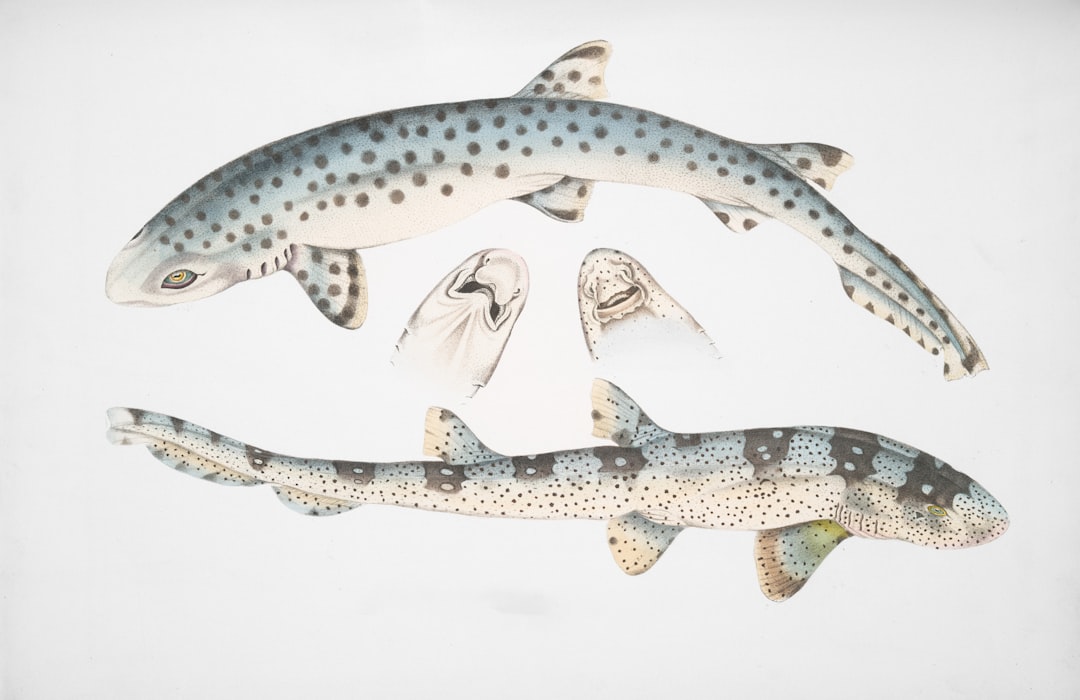
Quick Answer: The spotted handfish (Brachionichthys hirsutus) is a critically endangered, bottom-dwelling fish native to Tasmania, Australia. Renowned for its unique method of locomotion, this species “walks” on the seafloor using its hand-like pectoral fins rather than swimming conventionally. The spotted handfish’s distinctive appearance and rare behavior make it a focal point for conservation efforts and marine research.
The spotted handfish is one of the world’s most distinctive marine species, instantly recognizable by its unusual method of movement. Instead of swimming like most fish, it uses its modified pectoral fins, which resemble hands, to “walk” along the sandy seabed. This behavior, coupled with its striking pattern of dark spots on a pale background, sets it apart from nearly all other fish.
The species has become an emblem of Tasmania’s unique marine biodiversity and a symbol of the urgent need for conservation in the region.
Living exclusively in the estuaries and bays around southeastern Tasmania, the spotted handfish occupies a very limited range. Its habitat is characterized by sandy or silty bottoms with scattered shells and small invertebrates. The fish’s preference for shallow waters makes it particularly vulnerable to environmental changes and human activities.
As a result, the spotted handfish has suffered dramatic population declines, leading to its listing as Critically Endangered by the International Union for Conservation of Nature (IUCN).
The spotted handfish’s plight has attracted international attention, not only because of its rarity but also due to its evolutionary significance. As a member of the family Brachionichthyidae, it represents a unique evolutionary branch of anglerfishes, with adaptations that allow it to thrive in a specific ecological niche.
Conservationists and scientists are working intensively to understand its biology, protect its habitat, and restore its populations, making the spotted handfish a flagship species for marine conservation in Australia.
Anatomy and Adaptations of the Spotted Handfish
The spotted handfish is a small, benthic fish distinguished by its hand-like pectoral fins, which it uses for locomotion along the seafloor. These fins are highly modified, with elongated rays that give the appearance of fingers, enabling the fish to “walk” rather than swim. The body is typically cream to yellowish in color, adorned with irregular dark brown or black spots, providing camouflage against the sandy substrate.
Brachionichthys hirsutus exhibits several anatomical adaptations that support its unique lifestyle. The pelvic and pectoral fins are positioned ventrally, allowing the fish to prop itself up and move in a manner reminiscent of a walking amphibian. The dorsal fin is small and located far back on the body, while the tail is short and rounded. These features reduce swimming efficiency but enhance the fish’s ability to maneuver precisely along the bottom.
A notable adaptation is the presence of a small, fleshy lure (illicium) on the snout, similar to that of anglerfish. However, in the spotted handfish, this structure is less pronounced and its function remains a subject of scientific debate. Some researchers suggest it may play a role in attracting prey, while others believe it is vestigial. The mouth is relatively large, suited for capturing small invertebrates hiding in the sediment.
The skin of the spotted handfish is covered with tiny, rough scales that provide protection from abrasion and parasites. The species’ coloration and patterning are highly variable, even among individuals from the same population. This variability may help reduce predation by making it difficult for predators to recognize individual fish.
The combination of morphological and behavioral traits makes the spotted handfish a remarkable example of evolutionary specialization within the order Lophiiformes.
Key Insight: The spotted handfish’s hand-like fins and walking behavior are unique among marine fishes, reflecting a rare evolutionary pathway that has persisted in isolation around Tasmania.
Walking on Fins: Locomotion and Behavior
The most distinctive feature of the spotted handfish is its method of locomotion. Instead of relying on body undulation and tail propulsion like most fishes, it uses its pectoral and pelvic fins to “walk” along the substrate. This movement is achieved by alternately placing the fins forward and pushing against the sand, much like a terrestrial animal using limbs.
This walking behavior offers several advantages in the handfish’s shallow, complex habitat. It allows the fish to move slowly and deliberately, minimizing disturbance to the sediment and reducing the likelihood of startling prey or attracting predators. The ability to remain motionless or move with precision is particularly useful for ambush predation and for avoiding detection.
Observations of spotted handfish in the wild reveal a repertoire of behaviors centered around their unique locomotion. These include short bursts of walking to pursue prey, sudden stops to blend into the background, and even the use of fins to dig or manipulate objects on the seafloor. The fish rarely swims in the conventional sense, reserving rapid tail beats for escape responses or when traversing open areas.
| Locomotion Type | Fins Used | Typical Speed | Purpose |
|---|---|---|---|
| Walking | Pectoral/Pelvic | Very slow | Foraging, camouflage |
| Swimming | Caudal | Rapid (short) | Escape, crossing gaps |
| Stationary | All | None | Ambush, resting |
The handfish’s reliance on walking rather than swimming is a rare trait among marine fishes, shared only with a few closely related species in the Brachionichthyidae family. This specialization is believed to have evolved in response to the stable, structured environments of Tasmania’s estuaries, where maneuverability and stealth are more advantageous than speed.
The spotted handfish’s walking behavior is a key adaptation that enables it to exploit food resources and avoid predators in its specific habitat.
Habitat and Distribution in Tasmania
The habitat of the spotted handfish is restricted to the estuaries and bays of southeastern Tasmania, making it one of the most geographically limited marine species in the world. The fish is typically found at depths of 2 to 30 meters, favoring sandy or silty bottoms with scattered shells, seagrass, and small invertebrates.
Within this narrow range, the spotted handfish occupies microhabitats that provide both food and shelter. The presence of shell debris and small rocks offers hiding places from predators, while the abundance of benthic invertebrates supports the fish’s diet. The species is most commonly observed in the Derwent Estuary and surrounding areas, though its distribution has contracted significantly in recent decades.
Environmental stability is critical for the survival of the spotted handfish. The species is highly sensitive to changes in water quality, sedimentation, and habitat structure. Human activities such as dredging, pollution, and the introduction of invasive species have had a profound impact on its habitat. The spread of the Northern Pacific seastar (Asterias amurensis), an invasive predator, has been particularly detrimental, as it preys on the handfish’s eggs and competes for food resources.
Conservation efforts are focused on protecting and restoring the remaining habitats, with particular attention to water quality management and the control of invasive species. The spotted handfish’s limited distribution and specialized habitat requirements make it especially vulnerable to extinction, underscoring the importance of targeted conservation strategies.
For more detailed information on the species’ conservation status, see the IUCN Red List entry for Brachionichthys hirsutus.
Feeding Ecology and Diet
The feeding ecology of the spotted handfish is closely tied to its benthic lifestyle and unique locomotion. The fish is a carnivorous ambush predator, feeding primarily on small invertebrates that inhabit the sandy or silty substrate. Its diet includes polychaete worms, amphipods, small crustaceans, and occasionally mollusks.
The handfish uses its keen eyesight and slow, deliberate movements to approach prey without detection. Once within striking distance, it rapidly extends its mouth to create suction, drawing the prey item into its jaws. This feeding strategy is highly effective in the complex, debris-strewn environment of Tasmania’s estuaries, where prey can be difficult to locate and capture.
Occasionally, the spotted handfish has been observed using its pectoral fins to probe the substrate or manipulate objects, possibly to uncover hidden prey. The fish’s sedentary habits mean that it does not expend significant energy searching for food, relying instead on patience and stealth. This energy-efficient approach is well-suited to the resource-limited environments it inhabits.
Key Insight: The spotted handfish’s feeding behavior exemplifies the close relationship between anatomical adaptation and ecological niche, demonstrating how evolutionary pressures shape both form and function in marine species.
Reproduction and Life Cycle
Reproductive behavior in the spotted handfish is unique among marine fishes. Spawning occurs in late winter to early spring, when females lay clusters of large, adhesive eggs on solid objects such as shells, rocks, or artificial substrates. The eggs are attached by stalks and are guarded by the female until hatching, a rare form of parental care in fish.
Each clutch contains between 80 and 250 eggs, which are relatively large compared to those of other fish species. The incubation period lasts several weeks, during which the female remains nearby, fanning the eggs with her fins to ensure adequate oxygenation and protect them from predators. This investment in offspring increases the chances of survival but also limits the number of eggs produced each season.
After hatching, the larvae are benthic from the outset, bypassing the pelagic larval stage common in many marine fishes. This direct development reduces dispersal but ensures that juveniles remain in suitable habitat. The young handfish grow slowly and reach sexual maturity at around two to three years of age.
Reproductive success is highly dependent on the availability of suitable egg-laying substrates. The loss of shell debris and the presence of invasive species have reduced reproductive opportunities, contributing to population declines. Conservation programs have experimented with artificial spawning substrates to enhance recruitment and support population recovery.
Conservation Status and Threats
The spotted handfish is classified as Critically Endangered by the IUCN, with fewer than a few thousand individuals estimated to remain in the wild. The primary threats to its survival include habitat degradation, pollution, invasive species, and limited reproductive success. The introduction of the Northern Pacific seastar has been particularly devastating, as it preys on eggs and competes for food.
Efforts to conserve the species are multifaceted, involving habitat protection, invasive species management, and captive breeding programs. The Australian government and conservation organizations have implemented action plans aimed at stabilizing and increasing handfish populations. These include habitat restoration, the deployment of artificial spawning substrates, and the removal of invasive seastars from key breeding sites.
Public awareness campaigns and scientific research are also critical components of conservation. The spotted handfish has become a symbol of marine conservation in Tasmania, helping to mobilize support for broader environmental protection initiatives. Ongoing monitoring and adaptive management are essential to ensure the long-term survival of the species.
For a comprehensive overview of conservation strategies, refer to the Australian Government’s Department of Climate Change, Energy, the Environment and Water and the Handfish Conservation Project.
Evolutionary Significance and Relatives
The spotted handfish belongs to the family Brachionichthyidae, a group of anglerfishes known for their limb-like fins and bottom-dwelling habits. This family is endemic to the waters of southern Australia and Tasmania, with only a handful of species described to date. The handfishes represent an ancient lineage that diverged from other anglerfishes millions of years ago, retaining primitive features and unique adaptations.
The evolutionary significance of the spotted handfish lies in its status as a living example of morphological innovation. The development of hand-like fins for walking is a rare evolutionary event among fishes, providing insight into the diversity of locomotor strategies in vertebrates. Comparative studies with other handfish species, such as the red handfish (Thymichthys politus) and the pink handfish (Brachiopsilus dianthus), reveal both shared and unique traits within the family.
| Species Name | Range | Conservation Status |
|---|---|---|
| Spotted handfish | SE Tasmania | Critically Endangered |
| Red handfish | SE Tasmania | Critically Endangered |
| Pink handfish | SE Tasmania | Data Deficient |
| Ziebell’s handfish | SE Tasmania | Critically Endangered |
The handfishes’ evolutionary isolation has made them vulnerable to environmental change, as they lack the dispersal abilities and genetic diversity of more widespread species. Their specialized adaptations, while advantageous in stable habitats, limit their capacity to respond to rapid shifts in ecosystem conditions. The study of handfishes contributes to our understanding of evolutionary processes, adaptation, and the consequences of ecological specialization.
For more on evolutionary relationships among anglerfishes, see Britannica’s article on anglerfish and the Wikipedia entry for Handfish.
Unique Role in Marine Research and Conservation
The spotted handfish serves as a flagship species for marine conservation in Australia, drawing attention to the challenges faced by endemic and highly specialized organisms. Its rarity and distinctive biology make it an ideal subject for research into evolutionary adaptation, reproductive strategies, and the impacts of human activity on marine ecosystems.
Research on the spotted handfish has informed broader conservation practices, including habitat restoration and invasive species management. The species’ dependence on specific habitat features has highlighted the importance of protecting microhabitats and maintaining ecosystem complexity. Conservationists have used the handfish as a case study to demonstrate the effectiveness of targeted interventions, such as artificial spawning substrates and community engagement.
The handfish’s story also underscores the interconnectedness of marine conservation and public policy. Efforts to save the species have led to increased regulation of coastal development, improved water quality standards, and greater investment in scientific monitoring. The lessons learned from handfish conservation are being applied to other threatened marine species, contributing to a more holistic approach to biodiversity protection.
Key Takeaway: The spotted handfish exemplifies how the conservation of a single, highly specialized species can drive innovation and progress in marine research and environmental management.
Common Misconceptions About the Spotted Handfish
Despite its growing fame, several misconceptions persist regarding the spotted handfish. One common myth is that the species is capable of leaving the water and walking on land, likely inspired by its limb-like fins. In reality, the handfish is strictly aquatic and cannot survive outside its marine environment. Its walking behavior is limited to the seafloor, where the fins provide stability and maneuverability rather than terrestrial locomotion.
Another misconception is that the spotted handfish is closely related to amphibians or represents an evolutionary link between fish and land animals. While its mode of movement is superficially similar to that of early tetrapods, the handfish is firmly rooted within the anglerfish lineage and shares no direct ancestry with terrestrial vertebrates. Its adaptations are the result of convergent evolution, not a transitional stage.
Some people believe that the species’ rarity is due to natural causes or historical population fluctuations. However, scientific evidence points to recent human-induced changes, such as habitat destruction and the introduction of invasive species, as the primary drivers of decline. Understanding these misconceptions is essential for effective conservation messaging and public engagement.
The Spotted Handfish’s Future: Challenges and Opportunities
The future of the spotted handfish remains uncertain, but ongoing conservation efforts offer hope for recovery. Key challenges include maintaining and restoring critical habitats, controlling invasive species, and ensuring sufficient reproductive success. Climate change poses additional risks, potentially altering water temperature, salinity, and ecosystem dynamics in ways that could further threaten the species.
Opportunities for the handfish’s survival lie in continued scientific research, community involvement, and adaptive management. Captive breeding programs and the use of artificial spawning substrates have shown promise in boosting recruitment and stabilizing populations. Collaboration between government agencies, scientists, and local stakeholders is essential to address the complex threats facing the species.
The spotted handfish serves as a powerful reminder of the fragility and resilience of marine life. Its story illustrates the importance of proactive conservation and the need to value even the most unusual and specialized members of our planet’s biodiversity. The lessons learned from handfish conservation will inform future efforts to protect other threatened species and habitats.
The Enduring Legacy of the Spotted Handfish
The spotted handfish stands as a testament to the extraordinary diversity of life in the world’s oceans. Its unique anatomy, behavior, and ecological role have made it a subject of fascination for scientists and the public alike. The species’ struggle for survival has galvanized conservation action and inspired new approaches to marine ecosystem management.
Preserving the spotted handfish is not only about saving a single species; it is about safeguarding the intricate web of life that supports countless organisms in Tasmania’s estuaries. The handfish’s continued existence depends on our ability to balance human activities with the needs of vulnerable wildlife. By championing the cause of the spotted handfish, we contribute to a broader legacy of environmental stewardship and scientific discovery.
The spotted handfish’s journey from obscurity to conservation icon highlights the power of curiosity, research, and collective action in shaping the future of our natural world.
Frequently Asked Questions
Why is the spotted handfish considered critically endangered?
The spotted handfish is critically endangered due to habitat loss, pollution, invasive species, and low reproductive rates, resulting in a rapid population decline.
Can the spotted handfish survive outside of Tasmania?
No, the spotted handfish is endemic to southeastern Tasmania and cannot survive outside its specific habitat due to specialized ecological requirements.
What do spotted handfish eat in the wild?
Spotted handfish feed on small invertebrates such as worms, amphipods, and crustaceans found in the sandy or silty substrate of their habitat.
How do spotted handfish reproduce?
Spotted handfish lay adhesive eggs on solid objects and the female guards them until they hatch, providing rare parental care among fish.
Are there other fish that walk on their fins?
Yes, other handfish species in the family Brachionichthyidae also walk on their fins, but the spotted handfish is the most well-known example.
What is being done to save the spotted handfish?
Conservation efforts include habitat protection, invasive species control, artificial spawning substrates, and captive breeding programs to support population recovery.