
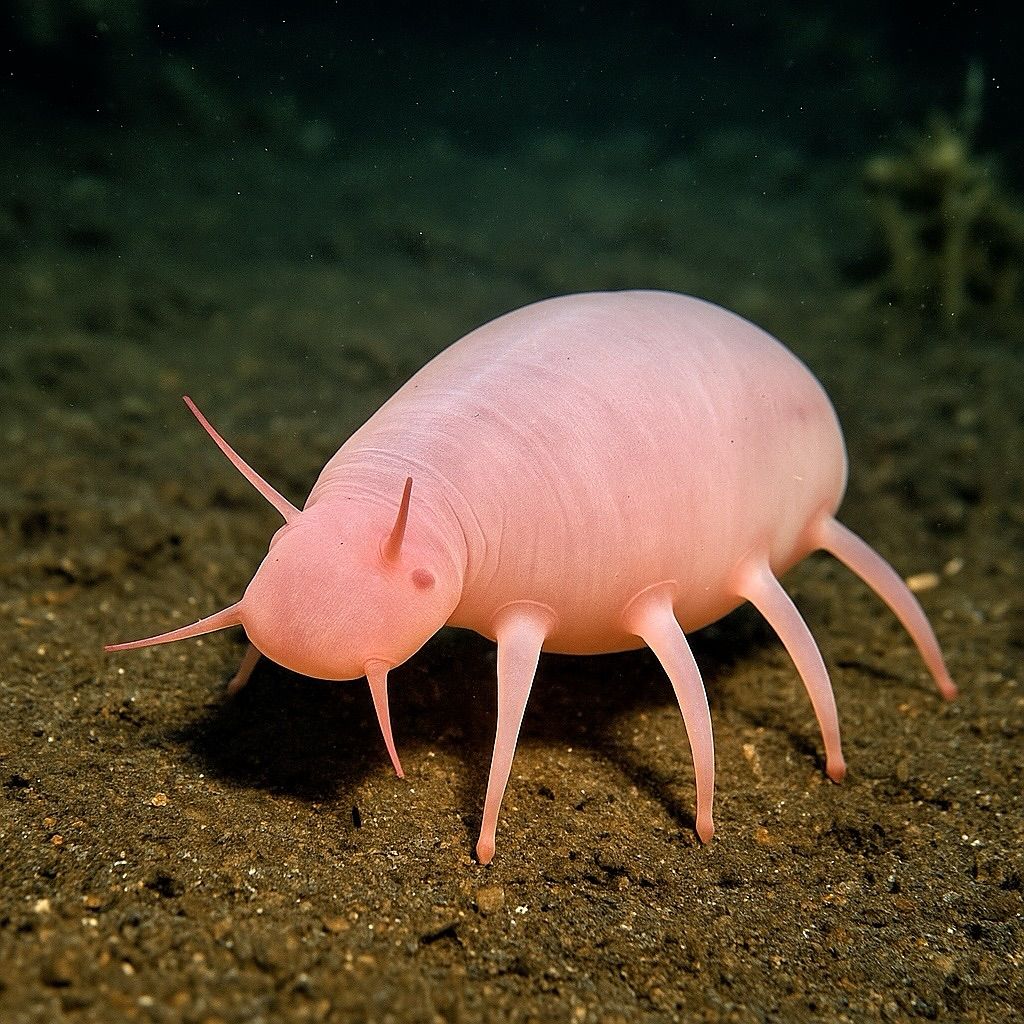
Quick Answer: The sea pig, belonging to the genus Scotoplanes, is a deep-sea holothurian (sea cucumber) found on abyssal plains worldwide. These unique echinoderms are recognized for their translucent, plump bodies and distinctive leg-like tube feet, which they use to “walk” across the ocean floor. Sea pigs play a vital role in deep-sea ecosystems by consuming organic matter and recycling nutrients, making them essential to benthic food webs.
The enigmatic sea pig, a member of the genus Scotoplanes, has captured the fascination of deep-sea biologists and enthusiasts alike. Dwelling at depths often exceeding 1,000 meters, these holothurians are rarely encountered by humans except through deep-sea exploration vehicles.
Their pale, almost ghostly appearance, combined with their slow, deliberate movement across the abyssal plain, has led to their reputation as one of the ocean’s most peculiar inhabitants. Unlike the more familiar shallow-water sea cucumbers, sea pigs have evolved a suite of adaptations that allow them to thrive in the extreme conditions of the deep sea.
Sea pigs are not only visually distinctive but also ecologically significant. Their presence on the seafloor is an indicator of healthy benthic environments, as they contribute to the breakdown and recycling of detritus that settles from the upper ocean layers.
The study of sea pigs provides valuable insights into the functioning of deep-sea ecosystems, which remain some of the least understood habitats on Earth. Their resilience and unique biology highlight the extraordinary diversity of life in the deep ocean.
Taxonomy and Defining Features of Sea Pigs
Sea pigs are deep-sea echinoderms in the genus Scotoplanes, classified within the class Holothuroidea and the family Elpidiidae. This group is characterized by a soft, gelatinous body, typically pale pink or white, and a set of enlarged tube feet that resemble legs. The most commonly encountered species include Scotoplanes globosa, Scotoplanes angelicus, and Scotoplanes mutabilis.
These species can reach lengths of 10 to 15 centimeters, although some individuals may be slightly larger or smaller depending on environmental conditions.
The defining feature of sea pigs is their highly modified tube feet, which are arranged in three pairs and extend downward from the body, giving the appearance of walking legs. Unlike most sea cucumbers, which use their tube feet primarily for anchoring or subtle movement, sea pigs rely on these appendages for locomotion across soft sediment.
Their bodies are semi-transparent, allowing internal organs to be faintly visible, and they lack the spiny armor found in many other echinoderms. The mouth is located on the underside, surrounded by a ring of tentacles used for feeding.
Key Insight: The unique morphology of sea pigs, especially their leg-like tube feet, distinguishes them from other deep-sea holothurians and enables efficient movement on the abyssal plain.
Sea pigs are also notable for their ability to inflate and deflate their bodies by regulating water within their tissues. This adaptation provides buoyancy control and may help them avoid sinking into the fine sediments of their habitat. The skin is thin and permeable, facilitating gas exchange in the oxygen-poor environment of the deep ocean. Unlike many shallow-water relatives, sea pigs do not possess respiratory trees; instead, they rely on diffusion through their body wall for respiration.
The classification of sea pigs within the broader context of echinoderm diversity places them among the most specialized holothurians. Their evolutionary lineage is believed to have diverged from other sea cucumbers as a response to the unique challenges of deep-sea living. For more on echinoderm taxonomy, see Britannica’s entry on echinoderms.
Distribution and Habitat on the Abyssal Plain
Sea pigs are found on abyssal plains across all major oceans, typically at depths ranging from 1,000 to over 6,000 meters. These vast, flat expanses of the seafloor are characterized by low temperatures, high pressures, and minimal light. The abyssal plain is one of the largest habitats on Earth, covering more than half of the planet’s surface, yet it remains among the least explored.
The preferred habitat of sea pigs is soft, muddy sediment, where they can easily move and feed. They are most abundant in areas with high rates of organic matter deposition, such as beneath regions of productive surface waters or near the margins of continental shelves. In these environments, sea pigs may occur in dense aggregations, sometimes numbering hundreds per square meter.
Such gatherings are often associated with the arrival of large food falls, like decaying fish or whale carcasses, which provide a temporary abundance of nutrients.
Key Takeaway: Sea pigs are particularly sensitive to changes in food availability, and their populations can fluctuate dramatically in response to episodic inputs of organic matter.
The distribution of sea pigs is influenced by ocean currents, sediment composition, and the availability of detrital food sources. While they are globally distributed, certain species exhibit more localized ranges, often restricted by water temperature and depth.
The presence of sea pigs is considered a sign of a healthy abyssal ecosystem, as they play a crucial role in bioturbation and nutrient cycling. For further detail on abyssal plain ecosystems, consult the Wikipedia article on abyssal plains.
Anatomy and Physiology: Adaptations to Deep-Sea Life
The anatomy of sea pigs reflects a suite of adaptations to the extreme conditions of the deep sea. Their bodies are composed primarily of water and collagen, resulting in a soft, pliable texture that helps withstand immense hydrostatic pressure. The absence of rigid skeletal structures allows sea pigs to compress and expand as needed, an essential trait for survival at depths where pressures can exceed 600 atmospheres.
Holothurian is the scientific term for sea cucumbers, a class of echinoderms that includes sea pigs. Holothurians exhibit remarkable physiological flexibility, and sea pigs are no exception. Their tube feet are muscular and extendable, providing both locomotion and sensory input. These appendages can be retracted or extended depending on the substrate and movement requirements.
The nervous system is decentralized, with a nerve ring encircling the mouth and radial nerves extending throughout the body.
Respiration in sea pigs occurs primarily through the skin, as the thin, permeable body wall facilitates direct gas exchange with the surrounding water. This adaptation is critical in the oxygen-poor conditions of the deep sea, where traditional respiratory structures would be less effective.
The digestive system is relatively simple, consisting of a straight gut that processes ingested sediment and extracts organic nutrients. Waste is expelled through the anus, which is often located at the posterior end of the animal.
Sea pigs possess a range of sensory structures, including papillae and tentacles, which detect chemical cues and vibrations in the water. These senses help them locate food and avoid potential threats. The lack of eyes is typical for deep-sea holothurians, as light is virtually absent at their preferred depths.
Instead, reliance on tactile and chemical information is paramount for survival. For a comprehensive overview of holothurian physiology, see the Encyclopedia of Life entry on Holothuroidea.
Feeding Behavior and Ecological Role
Sea pigs are detritivores, meaning they feed on decaying organic matter that settles on the ocean floor. Their diet consists primarily of marine snow, a continuous shower of fine particles composed of dead plankton, fecal pellets, and other organic debris. By ingesting sediment and extracting nutrients, sea pigs play a vital role in recycling carbon and other elements within deep-sea ecosystems.
The feeding process involves extending the tentacles around the mouth to gather sediment, which is then ingested and processed in the gut. Sea pigs are capable of consuming large quantities of sediment relative to their body size, and their digestive efficiency ensures that little usable material escapes their attention. This activity not only provides sustenance for the sea pigs but also helps aerate the sediment and redistribute nutrients, benefiting other benthic organisms.
Key Takeaway: The ecological importance of sea pigs lies in their role as nutrient recyclers and sediment bioturbators, supporting the productivity of deep-sea communities.
In some regions, sea pigs are considered keystone species due to their influence on sediment structure and nutrient dynamics. Their presence can affect the abundance and diversity of other benthic fauna, as they modify the physical and chemical properties of the substrate. The removal of sea pigs from an ecosystem could lead to significant changes in community composition and function. For more on detritivore roles in marine ecosystems, refer to Britannica’s overview of detritivores.
Reproduction and Life Cycle
The reproductive biology of sea pigs remains only partially understood, owing to the challenges of observing these animals in their natural habitat. Like many holothurians, sea pigs are believed to reproduce sexually, with separate male and female individuals releasing gametes into the water column. Fertilization occurs externally, and the resulting larvae are planktonic, drifting with ocean currents before settling on the seafloor.
The life cycle of a sea pig includes several distinct stages: fertilized egg, free-swimming larva, and benthic juvenile and adult. Larval development is influenced by temperature, food availability, and oceanic currents, which can disperse individuals over great distances. Once settled, juveniles grow rapidly, reaching adult size within a few months to a year. The lifespan of sea pigs is not well documented, but it is likely to be several years, given the slow pace of life in the deep sea.
Reproductive output may be closely tied to episodic food availability, with population booms following large-scale detrital inputs. This strategy allows sea pigs to take advantage of transient resource pulses in an otherwise nutrient-poor environment. The study of sea pig reproduction provides insights into the broader patterns of deep-sea population dynamics and resilience.
Movement and Locomotion: How Sea Pigs “Walk”
One of the most distinctive behaviors of sea pigs is their mode of locomotion. Unlike most sea cucumbers, which rely on subtle peristaltic movements or crawling, sea pigs use their enlarged tube feet to “walk” across the seafloor. These appendages function much like legs, lifting the body above the sediment and providing stability on soft substrates.
The movement is slow and deliberate, with each pair of tube feet coordinating to propel the animal forward. This gait allows sea pigs to traverse uneven terrain and avoid becoming stuck in fine sediment. The tube feet are equipped with sensory cells that detect chemical and tactile cues, helping the animal navigate its environment. Locomotion is energy-efficient, an essential adaptation for survival in the food-scarce deep sea.
Key Insight: The walking behavior of sea pigs is a rare example of leg-like locomotion among echinoderms and illustrates the diversity of movement strategies in deep-sea animals.
Sea pigs may also use their tube feet to anchor themselves during feeding or to avoid being displaced by currents. In some cases, they have been observed inflating their bodies to become more buoyant, possibly as a means of repositioning or escaping predators. The combination of walking and buoyancy control provides sea pigs with remarkable versatility in their movement.
Predators, Threats, and Defense Mechanisms
Despite their remote habitat, sea pigs face a variety of natural threats. Predators include deep-sea fish, crabs, and occasionally larger invertebrates such as sea stars. The soft, unprotected body of the sea pig makes it vulnerable to attack, but several adaptations help mitigate these risks.
Sea pigs can secrete toxic compounds from their skin, deterring some would-be predators. Their gelatinous bodies are difficult to grasp and may discourage predation by making handling awkward. In addition, the ability to inflate or deflate the body may allow rapid escape from burrowing predators or sudden environmental changes.
Human-induced threats to sea pigs are less direct but potentially significant. Deep-sea trawling and mining can disrupt sediment habitats, leading to declines in sea pig populations. The removal of large organic falls, such as whale carcasses, also reduces available food resources. Conservation of deep-sea environments is critical for the continued survival of these unique animals. For a broader perspective on deep-sea threats, see the IUCN Red List’s deep-sea species assessments.
Sea Pigs in Deep-Sea Research and Exploration
Sea pigs have become iconic subjects in deep-sea exploration, frequently appearing in footage from remotely operated vehicles (ROVs) and submersibles. Their abundance and distinctive appearance make them ideal for studying benthic community structure and ecosystem function. Researchers use sea pigs as model organisms to investigate nutrient cycling, population dynamics, and the impacts of environmental change on abyssal ecosystems.
The presence of sea pigs is often used as an indicator of ecosystem health, as their populations respond rapidly to changes in food supply and habitat quality. Advances in deep-sea imaging and sampling technologies have allowed scientists to monitor sea pig populations over time, revealing patterns of boom and bust linked to episodic food falls. These studies contribute to a growing understanding of how deep-sea communities function and respond to disturbance.
Key Takeaway: The study of sea pigs provides a window into the hidden world of the deep ocean and underscores the importance of conserving these fragile ecosystems.
Sea pigs also play a role in public engagement with deep-sea science, as their unusual appearance and behaviors capture the imagination of audiences worldwide. Documentaries, museum exhibits, and educational programs often feature sea pigs as ambassadors for the biodiversity of the deep sea. For more on deep-sea research, visit the Monterey Bay Aquarium Research Institute’s deep-sea biology pages.
Evolutionary Origins and Phylogenetic Relationships
The evolutionary history of sea pigs is closely tied to the adaptive radiation of holothurians in deep-sea environments. Molecular studies suggest that the family Elpidiidae, to which sea pigs belong, diverged from other holothurians during periods of increased deep-sea colonization. This divergence is marked by the development of specialized features such as enlarged tube feet and reduced skeletal elements.
Phylogenetic analyses indicate that sea pigs share common ancestry with other deep-sea cucumbers, but their unique morphology sets them apart as a distinct lineage. The selective pressures of the abyssal plain, scarce food, high pressure, and soft sediments, have driven the evolution of traits that maximize survival and reproductive success in this challenging environment.
The fossil record for deep-sea holothurians is sparse, but genetic data provide valuable clues to their origins and diversification.
The study of sea pig evolution offers insights into the broader patterns of adaptation and speciation in the deep sea. Comparative research with other echinoderms, such as sea stars and brittle stars, helps elucidate the mechanisms underlying morphological innovation and ecological specialization. For a detailed discussion of echinoderm evolution, see the Wikipedia article on Echinodermata.
Common Misconceptions and Curiosities
Sea pigs are often mistaken for other gelatinous deep-sea creatures, such as sea slugs or jellyfish, due to their soft bodies and unusual appearance. However, their classification as echinoderms places them closer to sea stars and sea urchins than to mollusks or cnidarians. The term “sea pig” is a colloquialism inspired by their plump shape and slow movement, rather than any true resemblance to terrestrial pigs.
Another common misconception is that sea pigs are rare or endangered. In fact, they are among the most abundant large animals on many abyssal plains, although their populations can fluctuate in response to environmental changes. Their apparent scarcity is a result of the inaccessibility of their habitat, rather than low numbers. The study of sea pigs continues to reveal new species and behaviors, highlighting the ongoing discovery in deep-sea biology.
Key Insight: Sea pigs exemplify the extraordinary diversity and adaptability of life in the deep ocean, challenging assumptions about what forms and functions are possible in extreme environments.
The Enduring Mystery and Importance of Sea Pigs
Sea pigs stand as a testament to the resilience and inventiveness of life in the deep sea. Their unique adaptations, leg-like tube feet, gelatinous bodies, and specialized feeding strategies, enable them to thrive where few other animals can survive. As nutrient recyclers and ecosystem engineers, sea pigs are indispensable to the health of abyssal communities.
The continued study of sea pigs not only enriches our understanding of deep-sea biology but also underscores the importance of conserving these remote habitats. As human activities increasingly encroach on the deep ocean, the need to protect its inhabitants becomes ever more urgent. Sea pigs, with their strange beauty and ecological significance, serve as ambassadors for the hidden world beneath the waves.
The enduring mystery of sea pigs invites further exploration and discovery. Each new observation deepens our appreciation for the complexity and interconnectedness of life on Earth, reminding us that even the most alien creatures have a vital role to play in the planet’s ecosystems.
Frequently Asked Questions
How do sea pigs survive in such high-pressure environments?
Sea pigs survive deep-sea pressure by having soft, water-rich bodies and lacking rigid skeletons, allowing them to withstand compression at great depths.
Are sea pigs related to actual pigs?
No, sea pigs are echinoderms and not related to terrestrial pigs; their name comes from their plump shape and slow movement.
What do sea pigs eat on the ocean floor?
Sea pigs feed on detritus, mainly marine snow and decaying organic matter that settles on the seafloor.
Can sea pigs be found in shallow waters?
Sea pigs are only found in deep-sea habitats, typically at depths greater than 1,000 meters, and are absent from shallow coastal areas.
Do sea pigs have any natural predators?
Yes, natural predators of sea pigs include deep-sea fish, crabs, and sometimes larger invertebrates such as sea stars.
How do sea pigs contribute to the ecosystem?
Sea pigs recycle nutrients and aerate sediment, supporting the productivity and health of deep-sea benthic communities.
Are sea pigs endangered?
Sea pigs are not currently considered endangered, but their populations can be affected by deep-sea mining and trawling.
How do scientists study sea pigs?
Scientists study sea pigs using remotely operated vehicles (ROVs) and submersibles to observe and sample them in their deep-sea habitats.