
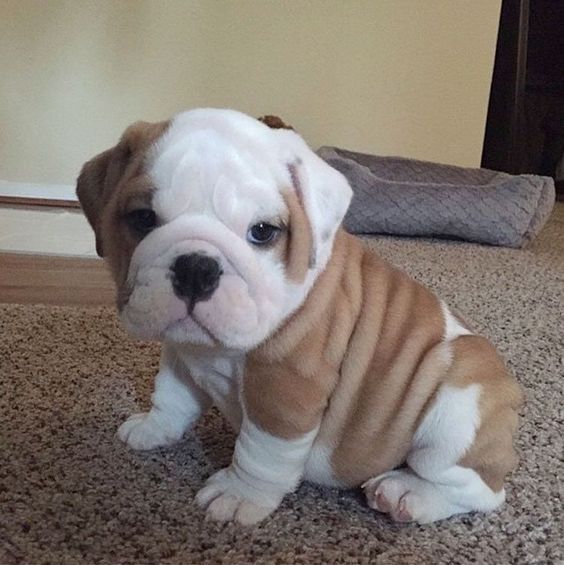
The English Bulldog, known in the United States simply as the Bulldog, is one of the most recognisable dog breeds in the world and one of the most medically troubled. Ranked consistently among the top fifteen most popular AKC breeds, the Bulldog carries a physical profile shaped by more than 180 years of selective breeding toward an aesthetic that has moved progressively further from functional anatomy.
The breed's signature features - the massive flat head, compressed face, heavy wrinkled skin, and compact low-slung body - are the same features responsible for a catalogue of respiratory, orthopaedic, reproductive, dermatological, and ocular disorders that have prompted multiple veterinary and government bodies to call for fundamental reform of the breed standard.
Understanding the English Bulldog means understanding both the appeal that has made it a national symbol of Britain and a perennial favourite in American households, and the welfare cost embedded in the body that creates that appeal.
Historical Origin: From Baiting to Companion
The Bulldog's name reflects its original purpose. Bull-baiting - a practice in which dogs were set against a tethered bull in a spectacle combining entertainment and the supposed tenderising of beef - was a common practice in England for centuries before Parliament banned it in 1835 under the Cruelty to Animals Act.
The dogs bred for baiting were low-slung and heavy-fronted to approach a bull's nose without being tossed, with wide jaws designed to grip and hold, and loose skin that would slide rather than tear when the bull's horns raked across them.
When the ban was enacted, the baiting Bulldog faced rapid extinction. Fanciers who wished to preserve the type redirected breeding entirely toward conformation and temperament, selecting aggressively against the aggression that had made the breed valuable in the pit and toward the docile, people-oriented companion that exists today. This temperament transformation, achieved in roughly a generation of selective breeding, is one of the most dramatic documented shifts in any breed.
The AKC recognised the Bulldog in 1886. By the 20th century the breed had become a cultural icon, adopted as a mascot by universities, military regiments, and national identity in Britain, and popularised in the United States through advertising, film, and sports team branding. Physical standards drifted progressively toward more extreme conformation across the 20th century, pushing the skull flatter, the muzzle shorter, and the body broader with each decade.
Physical Characteristics
The English Bulldog is a medium-to-large breed by weight but is built close to the ground, giving a compact and powerful impression. The head is the breed's defining feature: massive in proportion to body size, with a very broad skull, a very short muzzle pushed almost level with the plane of the forehead, wide-set round eyes, a heavily wrinkled brow, and loose skin hanging in folds around the face, neck, and shoulders.
| Characteristic | Male | Female |
|---|---|---|
| Height | 31-40 cm | 31-38 cm |
| Weight | 22-25 kg | 18-22 kg |
| Lifespan | 8-10 years | 8-10 years |
| AKC Breed Group | Non-Sporting | Non-Sporting |
| Litter size (average) | 3-4 puppies | 3-4 puppies |
| Delivery method | Caesarean section (almost all litters) | Caesarean section (almost all litters) |
The coat is short, dense, and smooth. Accepted colours include red, fawn, white, brindle, and combinations thereof. The tail is naturally short, either straight or screw-shaped, and is carried low. The body is broad and deep-chested, with heavy muscled forequarters and comparatively lighter hindquarters, contributing to a characteristic rolling gait.
Brachycephalic Obstructive Airway Syndrome
The English Bulldog is among the most severely affected breeds by Brachycephalic Obstructive Airway Syndrome (BOAS). The combination of a very short muzzle, extremely compressed nasal passages, a thick elongated soft palate, a hypoplastic trachea, and abundant soft tissue crammed into a shortened skull produces airway restriction at multiple levels simultaneously.
"The Bulldog is an extreme example of a brachycephalic breed that has been bred to such a degree of exaggeration that many individuals cannot perform the basic functions of breathing, exercise, and thermoregulation without medical intervention." - British Veterinary Association, Position Statement on Brachycephalic Breeds, 2016
Clinical BOAS in English Bulldogs often presents more severely than in French Bulldogs because of the greater degree of skull compression in the breed standard. Dogs may be heard struggling to breathe even at rest. Exercise tolerance is typically very low. In hot or humid weather the risk of respiratory distress and heat stroke escalates sharply.
BOAS correction surgery - nares widening, soft palate trimming, and saccule removal - is frequently recommended for English Bulldogs in their first year of life, before the chronic effort of breathing against resistance causes progressive damage to the larynx and trachea. Without surgical correction, many English Bulldogs progress to Grade 3 BOAS with significant quality-of-life impairment.
A 2018 study by Njie et al. in the Veterinary Record found that English Bulldogs had the highest proportion of BOAS-related clinical signs among the three most common brachycephalic breeds studied, exceeding both French Bulldogs and Pugs in severity scores.
Orthopaedic Problems: Hip and Elbow Dysplasia
The Orthopedic Foundation for Animals (OFA) maintains a publicly searchable database of hip and elbow screening results submitted by breeders. Among all breeds with sufficient data for analysis, the English Bulldog consistently ranks at the top of the hip dysplasia prevalence table.
OFA data covering decades of submissions shows hip dysplasia rates in English Bulldogs at approximately 74%, the highest recorded prevalence of any breed in the database. For comparison, German Shepherds, a breed frequently associated with hip problems, show rates of approximately 20% in OFA data. Elbow dysplasia in English Bulldogs is also significantly elevated.
The biomechanical reasons are structural. The very broad chest, the wide-set front legs, and the short heavy body place unusual loads on both hip and elbow joints. The breed's characteristic rolling gait reflects the joint geometry as much as muscular development. Hip dysplasia causes progressive joint laxity, cartilage erosion, and osteoarthritis. Severely affected dogs may require femoral head osteotomy, total hip replacement, or lifelong pain management.
| Joint Condition | English Bulldog OFA Rate | German Shepherd OFA Rate |
|---|---|---|
| Hip dysplasia | ~74% | ~20% |
| Elbow dysplasia | Significantly elevated | ~19% |
Reproductive Abnormalities
English Bulldogs share with French Bulldogs an almost complete dependence on caesarean section for reproduction. The combination of very large puppy heads and narrow maternal pelvic canals makes natural birth dangerous in the vast majority of cases. Veterinary consensus is that attempting natural delivery in English Bulldogs carries substantial risk of dystocia, uterine rupture, and the death of both puppies and dam.
Most English Bulldog females undergo planned caesarean section timed to foetal development based on progesterone testing. This represents a recurring surgical intervention across every pregnancy. Veterinary guidance typically recommends no more than three or four litters per female, both for welfare reasons and because repeated abdominal surgery creates cumulative scar tissue and anaesthetic risk.
The breed's dependence on surgical delivery, artificial insemination, and intensive veterinary management of whelping means that it cannot reproduce without human assistance. This has led the RSPCA and several veterinary school faculties in the United Kingdom and Netherlands to state that the breed, in its current form, represents an animal welfare concern of systemic proportions.
Skin, Eye, and Dental Problems
The characteristic skin folds of the English Bulldog are among its most recognised visual features and among its most common sources of medical problems.
Skin fold dermatitis develops in the moist, poorly ventilated creases around the face, muzzle, tail, and vulva. Bacteria and yeast proliferate in these environments, causing chronic infection, odour, and discomfort. Management requires regular cleaning with appropriate antiseptic solutions and, in severe cases, surgical excision of redundant folds.
The tail pocket, formed by skin surrounding the compressed screw tail, is particularly prone to deep infection and may require surgical removal of the tail in extreme cases.
"Skin fold dermatitis is one of the most common presentations in English Bulldogs presenting to primary care veterinary practices and represents a chronic, recurring welfare problem rather than a treatable condition." - British Small Animal Veterinary Association, Clinical Review, 2019
Cherry eye (nictitating membrane prolapse) is common and requires surgical replacement and tacking of the gland to preserve tear function. Entropion (inward-rolling eyelid) causes the eyelashes to contact the cornea and requires surgical correction. Corneal ulcers occur at elevated rates due to shallow orbits that leave more of the eye exposed.
Dental crowding is a predictable consequence of cramming normal numbers of teeth into a shortened jaw. Teeth erupt in abnormal positions, overlap, and create pockets where plaque accumulates. Dental disease in English Bulldogs tends to progress more rapidly than in breeds with normal jaw length, and professional dental cleaning under anaesthesia is typically needed more frequently. See the Dog Dental Care Complete Guide for detailed guidance.
Temperament
The thoroughness of the temperament transformation that occurred in English Bulldogs after bull-baiting was banned is remarkable. Modern English Bulldogs are consistently described by owners and temperament researchers as gentle, calm, loyal, and affectionate with family members. They are typically tolerant of children and other pets when properly socialised.
"The modern English Bulldog's temperament is a genuine product of over a century of deliberate selection for docility. The breed now ranks among the least aggressive toward people of any large domestic dog, a testament to what selective pressure can achieve." - James Serpell, Professor of Animal Ethics and Welfare, University of Pennsylvania, The Domestic Dog, 2nd edition, 2017
English Bulldogs are not high-energy dogs. They are content with short walks and indoor rest. Their calm nature makes them well suited to households that cannot provide extensive exercise, though this compatibility must be understood in the context of their limited exercise tolerance driven by airway problems rather than personality alone.
They can be stubborn, which makes training require consistency and patience. Positive reinforcement methods work well. The breed is not typically noted for high trainability compared to working or herding breeds, but basic obedience is achievable. For information on spaying and neutering decisions specific to Bulldogs see Spaying and Neutering Dogs Explained.
The Veterinary and Welfare Debate
The English Bulldog is at the centre of an ongoing and intensifying debate in veterinary medicine and animal welfare policy. The Royal Veterinary College (RVC), the British Veterinary Association (BVA), the RSPCA, the Royal College of Veterinary Surgeons (RCVS), and veterinary faculties in Denmark, the Netherlands, and Germany have all published statements calling for fundamental reform of Bulldog breeding standards.
A 2016 study published in Canine Genetics and Epidemiology by O'Neill et al., drawing on the VetCompass database of primary-care veterinary records in England, found that:
- 77.3% of English Bulldogs in the study population had at least one recorded health disorder per year
- Skin condition, eye disorder, and upper respiratory tract disease were the three most common categories
- English Bulldogs were significantly more likely to receive veterinary care for respiratory conditions, locomotor conditions, and reproductive conditions than all-breed average dogs of comparable age
The Netherlands in 2019 enacted regulations prohibiting the breeding of dogs with a snout-to-skull ratio below 50%, effectively requiring structural change in French and English Bulldog breeding programs. Similar legislation is under discussion in Germany and the UK.
For comparison with the related French Bulldog, which shares many of the same concerns at somewhat reduced severity, see French Bulldog. For detailed medical information on Bulldog-specific conditions see Bulldog Health Problems. Full care guidance is covered in the Bulldog Care Guide.
Choosing a Bulldog Responsibly
Prospective English Bulldog owners should approach the breed with full awareness of likely veterinary costs and medical demands. Lifetime veterinary expenses for an English Bulldog substantially exceed those for most other breeds of comparable size. Pet insurance premiums for Bulldogs reflect this reality and are among the highest for any recognised breed.
Specific health-testing questions to ask any breeder include:
- Hip scoring of both parents using the OFA or BVA/KC scheme
- BOAS evaluation by a veterinary specialist for both parents
- Confirmation of the health history of previous litters
- Details of the dam's obstetric history and any complications
Adoption from Bulldog-specific rescue organisations is a meaningful option. Bulldogs are frequently surrendered due to veterinary costs that owners did not anticipate, and rescue populations are consistently available in both the United States and United Kingdom.
References
O'Neill DG, Church DB, McGreevy PD, Thomson PC, Brodbelt DC. Prevalence of disorders recorded in dogs attending primary-care veterinary practices in England. PLOS ONE. 2014;9(3):e90501. https://doi.org/10.1371/journal.pone.0090501
Liu N-C, Troconis EL, Kalmar L, et al. Conformational risk factors of brachycephalic obstructive airway syndrome (BOAS) in pugs, French bulldogs, and bulldogs. PLOS ONE. 2017;12(8):e0181928. https://doi.org/10.1371/journal.pone.0181928
Orthopedic Foundation for Animals. Hip Dysplasia Statistics by Breed. https://www.ofa.org/diseases/hip-dysplasia/statistics/
Packer RMA, O'Neill DG, Fletcher F, Farnworth MJ. Great Expectations, Inconvenient Truths, and the Paradoxes of the Dog-Owner Relationship for Owners of Brachycephalic Dogs. PLOS ONE. 2019;14(7):e0219918. https://doi.org/10.1371/journal.pone.0219918
British Veterinary Association. BVA Position on the Health and Welfare of Brachycephalic Breeds. 2016. https://www.bva.co.uk/resources-support/policies-and-policies/brachycephalic-breeds/
Teng KT, McGreevy PD, Toribio JLML, Dhand NK. Trends in popularity of some morphological traits of purebred dogs in Australia. Canine Genetics and Epidemiology. 2016;3:2. https://doi.org/10.1186/s40575-016-0032-7
Frequently Asked Questions
Are English Bulldogs aggressive?
No. The modern English Bulldog is one of the most thoroughly temperament-reformed breeds in history. After bull-baiting was banned in England in 1835, breeders deliberately selected against aggression over subsequent generations, producing the calm, gentle, people-oriented companion that exists today. Bulldogs consistently score among the least people-aggressive of any recognised breed.
The American Temperament Test Society data shows Bulldogs performing comparably to or better than many breeds not associated with aggression concerns.
Why do English Bulldogs have so many health problems?
English Bulldog health problems stem directly from the extreme physical conformation that was progressively selected through the 20th century. The very flat face causes Brachycephalic Obstructive Airway Syndrome, affecting the majority of individuals. The broad chest and wide-set limbs contribute to hip dysplasia rates of approximately 74% per OFA data, the highest of any breed.
The large puppy heads and narrow pelvic canals make natural birth nearly impossible. The skin folds cause chronic infections. All of these issues trace back to selective pressure toward an aesthetic that prioritises appearance over health.
How long do English Bulldogs live?
The typical English Bulldog lifespan is 8-10 years, which is shorter than the average for dogs as a group and significantly shorter than many breeds of similar body weight. The reduced lifespan reflects the cumulative burden of respiratory, orthopaedic, and other health conditions the breed carries. A 2004 survey by the UK Kennel Club found the median age at death for English Bulldogs was 6.25 years.
More recent data suggests improvements in veterinary care have extended this somewhat, but the breed remains at the short end of longevity among registered breeds.
Can English Bulldogs exercise normally?
English Bulldogs have significantly limited exercise tolerance compared to most breeds of similar body size, primarily because their brachycephalic airways cannot deliver enough oxygen to support sustained physical activity. They tire quickly and are at elevated risk of respiratory distress, overheating, and heat stroke during exercise. Short walks of 20-30 minutes in cool conditions are typically safe.
Exercise in warm or humid weather should be very limited or avoided. The combination of high body mass and poor heat dissipation makes Bulldogs one of the highest-risk breeds for exercise-induced hyperthermia.
What was bull-baiting and how did it shape the Bulldog?
Bull-baiting was a practice in England in which dogs were set against a tethered bull for entertainment and gambling. Dogs bred for baiting required a low centre of gravity to avoid being tossed, wide powerful jaws to grip the bull’s nose, and loose skin that would shift rather than tear when grasped by the bull. These functional requirements shaped the original Bulldog body.
After Parliament banned bull-baiting in 1835, fanciers preserved the physical type but completely reformed the temperament through selective breeding, replacing aggression with the docile companionability of the modern breed.
Should English Bulldogs be bred differently?
Multiple veterinary and animal welfare organisations argue yes. The British Veterinary Association, RSPCA, Royal Veterinary College, and veterinary authorities in the Netherlands and Germany have called for fundamental reform of Bulldog breed standards to reduce extreme conformation and improve health outcomes.
The Netherlands enacted regulations in 2019 prohibiting breeding dogs with snout-to-skull ratios below 50%, effectively requiring structural change. Some breeders are actively working to produce healthier conformations, but progress is slow given the popularity of the current extreme type.