
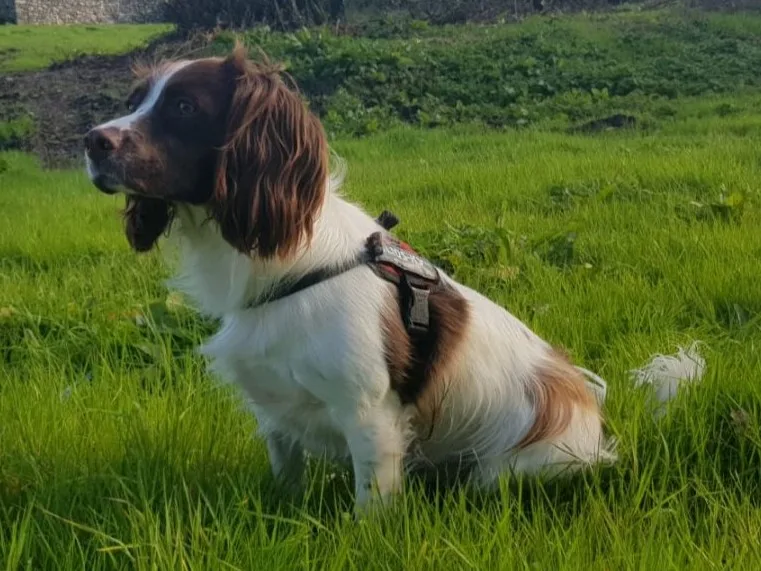
The English Springer Spaniel is one of the most versatile and enduringly popular sporting dogs in the world. Energetic, affectionate, and possessed of an extraordinary nose, the Springer has served as a working gun dog for centuries while simultaneously earning its place as a warm and lively family companion.
Understanding the breed fully requires grasping the significant divergence between Field and Show lines, two populations that have become so different in purpose and appearance that many professionals treat them as distinct types.
Origins and Development
The Springer Spaniel's history is inseparable from the history of bird hunting in England. Spaniels were documented in England as far back as the 14th century, used to flush game from cover for falconers and, later, for hunters with firearms. The word "spaniel" is traditionally derived from the Old French "espagneul," suggesting a possible Spanish origin for the broader spaniel family, though this etymology remains debated by historians.
For much of canine history, the term "spaniel" encompassed many size varieties of field dog that were classified by function rather than formal breed. Large spaniels that "sprung" flushed and retrieved, game birds were distinguished from smaller spaniels used for woodcock.
As kennel clubs developed formal breed registries in the 19th century, the English Springer Spaniel was established as a distinct breed. The Kennel Club in the UK recognized it formally in 1902, and the American Kennel Club followed in 1910.
From the early 20th century, a split began to emerge between dogs bred for show competition and dogs bred for working field trial competition. Show-line breeders selected for appearance, a more substantial, refined dog with a longer, more heavily feathered coat and calmer demeanor. Field-line breeders selected purely for performance, speed, stamina, drive, and scenting ability.
After several generations, the divergence became pronounced enough that Field-type and Show-type Springers look and behave substantially differently, even though they are registered under the same breed name.
Physical Characteristics
The English Springer Spaniel is a medium-sized dog of balanced, sturdy construction. It carries the characteristic spaniel features, long, pendulous ears, soft expressive eyes, and a silky coat with feathering, though the specific proportions differ between Field and Show types.
| Physical Characteristic | Show Type | Field Type |
|---|---|---|
| Height | 48-56 cm (19-22 in) | 46-51 cm (18-20 in) |
| Weight | 20-25 kg (44-55 lbs) | 18-22 kg (40-48 lbs) |
| Build | Heavier, substantial | Leaner, more athletic |
| Coat | Long, silky, heavily feathered | Shorter, less feathering |
| Ears | Long and heavily fringed | Shorter, less hair |
| Eyes | Soft, rounded, dark | Alert, more intense |
| Energy level | Moderate-high | Very high |
| Lifespan | 12-14 years | 12-14 years |
Show-type Springers typically have a fuller coat with abundant feathering on the ears, chest, belly, and legs. Field-type Springers are built for endurance and speed, with a leaner frame, higher drive, and less coat maintenance required. A person seeking a family companion should look for Show-type lines; a person seeking a working hunt partner would look to Field lines.
Temperament and Character
The English Springer Spaniel has a naturally enthusiastic, affectionate character. Show-line dogs in particular are valued for their cheerful, people-oriented temperament; they are lively without being frantic, sociable with strangers, and deeply attached to their families. Field-line dogs share the affectionate nature but carry significantly more energy and drive, requiring substantial daily exercise and mental stimulation to remain settled.
Springers are typically excellent with children and with other dogs. They are active enough to keep up with energetic families but gentle enough not to overwhelm small children with excessive exuberance once past puppyhood. Their sporting heritage means they retain strong instincts to follow scent trails, and owners should be cautious about off-lead exercise near roads, a Springer following an interesting smell can cover ground very quickly.
"English Springer Spaniels represent one of the clearest examples of selection divergence within a single breed registry. Field-line dogs have been selected so intensively for working ability over several generations that behavioral and morphological differences from Show-line dogs are now substantial, affecting everything from drive and stamina to coat length and head shape." Dr. Raymond Coppinger, Hampshire College, from Genetics and the Social Behavior of the Dog (2001)
The breed is known for its responsive, trainable nature. Springers are eager to please and highly food-motivated, which makes them well-suited to obedience training, agility, flyball, and hunt training. For detailed training guidance see English Springer Spaniel Training Guide.
The Field-Show Split: Practical Implications
The divergence between Field and Show Springers matters practically to anyone selecting a puppy. The two types have significantly different behavioral profiles:
Field-type English Springer Spaniels have been bred for generations to hunt for 6-8 hours per day in demanding terrain. Even as pets, they carry that drive. A Field-type Springer in a suburban household without regular, vigorous exercise for two or more hours per day is likely to become destructive, anxious, and difficult to live with. These dogs thrive with active owners who hunt, run, or commit to serious daily exercise.
Show-type English Springer Spaniels are substantially calmer in the home while still being an active breed. They need a solid 60-90 minutes of exercise per day, enjoy games and play, and settle well indoors when their needs are met. For most families seeking a companion dog, Show-type lines from a reputable breeder are more manageable.
Cross-type breeding (Field x Show) is now uncommon among serious breeders in either camp, though it does occur. The resulting puppies can combine traits in unpredictable ways.
Health: Hip Dysplasia and Orthopedic Concerns
Hip dysplasia, malformation of the hip joint leading to instability, pain, and arthritis, is present in English Springer Spaniels at a rate of approximately 13-14% in OFA screening data. This is moderate relative to many large breeds but significant enough to warrant screening.
Prospective owners should ask breeders for OFA or BVA hip scores on both parents. Dogs with Excellent, Good, or Fair hip ratings should be preferred in a breeding program. In affected individuals, management ranges from anti-inflammatory medications and weight management for mild cases to surgical intervention (femoral head ostectomy, triple pelvic osteotomy, or total hip replacement) for severe cases.
| Health Condition | Prevalence | Screening Available |
|---|---|---|
| Hip dysplasia | ~13% (OFA) | OFA/BVA X-ray |
| Progressive Retinal Atrophy (PRA) | Significant | DNA test (PRCD) |
| Phosphofructokinase deficiency | Present in breed | DNA test |
| Springer Rage Syndrome | Rare, controversial | No |
| Ear infections (otitis) | Very common | N/A |
| Elbow dysplasia | Moderate | OFA X-ray |
Health: Progressive Retinal Atrophy
Progressive Retinal Atrophy (PRA) is a hereditary eye disease causing progressive degeneration of the retinal photoreceptors. In English Springer Spaniels, the PRCD (progressive rod-cone degeneration) form is the primary concern. Affected dogs develop night blindness first, followed by progressive loss of daytime vision, ultimately leading to complete blindness.
PRA in the English Springer Spaniel is an autosomal recessive condition, both parents must carry the mutation for a puppy to be affected. A DNA test is commercially available (from OptiGen and other providers) that identifies affected dogs, carriers, and clear dogs. Responsible breeders test all breeding stock and avoid pairing two carriers, which prevents the production of affected puppies. See English Springer Spaniel Health Problems for comprehensive health monitoring guidance.
Health: Phosphofructokinase Deficiency
Phosphofructokinase (PFK) deficiency is an inherited enzyme deficiency that affects English Springer Spaniels and Cocker Spaniels. The enzyme phosphofructokinase is essential for glycolysis, the metabolic pathway cells use to generate energy from glucose. In its absence, red blood cells and muscle cells cannot generate energy normally, leading to two related problems: hemolytic anemia (red blood cell destruction) and exercise-induced muscle disease.
Affected dogs may show exercise intolerance, muscle weakness, pale gums, dark urine after exercise, and episodes of hemolytic crisis. The condition is caused by an autosomal recessive mutation, and a DNA test is available. Breeders should screen all breeding stock; mating two carriers must be avoided to prevent producing affected puppies.
Health: Springer Rage Syndrome
Springer Rage Syndrome is among the most controversial topics in canine behavior. The condition is described as sudden, unprovoked, explosive aggression from an apparently calm dog, followed by an equally rapid return to normal behavior. The dog appears unaware of the episode. It was documented particularly in Show-line English Springer Spaniels and, separately, in Cocker Spaniels during the height of their popularity in the 1970s-1980s.
The etiology remains disputed. Some veterinary neurologists have proposed a dominance-linked epileptiform disorder; others argue it reflects the behavioral consequences of irresponsible breeding during periods of extreme popularity rather than a defined neurological syndrome. Cases authentic to the original description, sudden explosive aggression with apparent amnesia afterward, are rare in dogs from reputable, health-screened lines today.
"The entity known as Rage Syndrome has been described in Cocker Spaniels, Springer Spaniels, and a small number of other breeds. Careful documentation of trigger context, duration, and post-episode behavior is essential to distinguish genuine idiopathic aggression from more common presentations. The vast majority of dogs displaying aggression do not have Rage Syndrome." Dr. Andrew Luescher, DVM, Purdue University Animal Behavior Clinic
Owners observing sudden, apparently unprovoked aggression in any dog should seek evaluation from a board-certified veterinary behaviorist to distinguish potential medical causes from training and behavioral factors.
Grooming Requirements
The English Springer Spaniel requires regular grooming, though the extent depends on whether the dog is Show or Field type. Show-type dogs have substantial feathering on the ears, chest, abdomen, and legs that requires brushing several times weekly to prevent matting. Field-type dogs have shorter, more manageable coats.
For pet owners, professional grooming every 8-10 weeks combined with regular at-home brushing maintains coat condition. Key attention areas include behind the ears (a common matting site), under the armpits, and the feathering on the legs. The long ears require weekly cleaning to reduce the risk of otitis externa (ear infections), to which Spaniels are prone due to the anatomy of their pendulous, hair-covered ear canals.
Exercise and Training
The English Springer Spaniel has genuine high energy requirements. Show-type dogs need a minimum of 60-90 minutes of active exercise daily; Field-type dogs need substantially more, two or more hours, with significant mental stimulation through nose work, retrieving, or hunting activities.
Training the English Springer Spaniel is generally rewarding. They are among the more trainable sporting dogs, responsive to positive reinforcement, quick to learn, and eager to engage with their owners. Early socialization with varied people, animals, and environments builds confidence and reduces the likelihood of anxiety. For broader exercise guidance see Exercise Needs by Dog Breed and for early training see How to Train a Puppy.
"Springer Spaniels consistently rank among the most responsive and trainable dogs in field trial competition, and their trainability in companion settings mirrors this aptitude. Their drive to work with a human handler, rather than independently, is a defining feature of the breed." British Field Sports Society, Gundog Breeds and Their Characteristics (2018)
The breed performs well in competitive obedience, agility, flyball, and tracking, in addition to its traditional role in hunt tests and field trials.
Living Conditions
English Springer Spaniels are adaptable dogs but are best suited to homes with access to outdoor space where they can run and play. They are not ideal dogs for very small apartments without nearby parks or exercise areas. They settle well indoors when their exercise needs are met and enjoy family life, including sleeping near or with their people.
Field-type Springers are not well-suited to quiet or sedentary households. Show-type Springers are more flexible and can manage in a variety of living situations provided daily exercise is consistent. They do not tolerate long periods of isolation well; like most sporting spaniels, they are social animals that need company.
For related breed comparisons, see Cocker Spaniel.
Summary
The English Springer Spaniel is a breed of genuine excellence, athletic, affectionate, and highly trainable, but it is not a breed for owners seeking a low-energy or low-maintenance companion. Field-Show divergence means that choosing between types is essential before selecting a puppy. Health screening for hip dysplasia, PRA, and PFK deficiency by breeders significantly reduces the risk of preventable disease.
In a household that meets its substantial exercise and social needs, the Springer is a wonderfully rewarding companion and working partner.
References
Giger, U., Harvey, J.W., Yamaguchi, R.A., et al. (1985). Inherited phosphofructokinase deficiency in dogs with hyperventilation-induced hemolysis. Blood, 65(2), 345-351. https://doi.org/10.1182/blood.V65.2.345.345
Petersen-Jones, S.M. (1998). A review of research to elucidate the causes of the generalized progressive retinal atrophies. Veterinary Journal, 155(1), 5-18. https://doi.org/10.1016/S1090-0233(98)80025-3
Orthopedic Foundation for Animals. (2023). Hip dysplasia statistics by breed. https://www.ofa.org/diseases/hip-dysplasia/statistics/
Reisner, I.R., Mann, J.J., Stanley, M., et al. (1996). Comparison of cerebrospinal fluid monoamine metabolite levels in dominant-aggressive and non-aggressive dogs. Brain Research, 714(1-2), 57-64. https://doi.org/10.1016/0006-8993(95)01464-0
American Kennel Club. (2023). English Springer Spaniel breed information. https://www.akc.org/dog-breeds/english-springer-spaniel/
Coppinger, R., & Coppinger, L. (2001). Dogs: A New Understanding of Canine Origin, Behavior and Evolution. University of Chicago Press.
Frequently Asked Questions
What is the difference between a Field and Show English Springer Spaniel?
Field-type Springer Spaniels are bred for working performance; they are leaner, faster, higher-drive, and need significantly more daily exercise than Show-type dogs. Show-type Springers are heavier-boned, have longer, more feathered coats, and are calmer in the home. Families seeking a companion should look for Show-line breeders; hunters or very active owners may prefer Field lines.
What is Phosphofructokinase (PFK) deficiency in Springer Spaniels?
PFK deficiency is an inherited enzyme deficiency that impairs the ability of red blood cells and muscle cells to generate energy. Affected dogs can suffer hemolytic anemia and exercise intolerance. A DNA test is available. Responsible breeders screen breeding stock and avoid pairing two carriers to prevent producing affected puppies.
Do English Springer Spaniels have Rage Syndrome?
Springer Rage Syndrome is a controversial and rare condition characterized by sudden unprovoked aggression followed by apparent amnesia. It was documented in some lines during periods of irresponsible mass breeding. Well-bred dogs from reputable breeders today rarely exhibit this behavior. Any sudden aggression should be evaluated by a veterinary behaviorist to rule out medical and behavioral causes.
How much exercise does an English Springer Spaniel need?
Show-type English Springer Spaniels need a minimum of 60-90 minutes of exercise daily. Field-type dogs need two or more hours daily with significant mental stimulation. Without adequate exercise, Springers become restless and can develop destructive behaviors.
Are English Springer Spaniels prone to ear infections?
Yes. Like all spaniels with long, pendulous ears, English Springer Spaniels are prone to otitis externa. Their ear anatomy restricts airflow, creating a warm, moist environment favorable to yeast and bacterial growth. Weekly ear cleaning and prompt treatment of infections are important preventive measures.
What health tests should English Springer Spaniel breeders perform?
Responsible English Springer Spaniel breeders should perform DNA testing for PFK deficiency and PRCD-PRA on all breeding stock, as well as OFA or BVA hip scoring. Eye examinations through the BVA/KC/ISDS scheme are also recommended. Buyers should ask to see certificates for all relevant tests.