
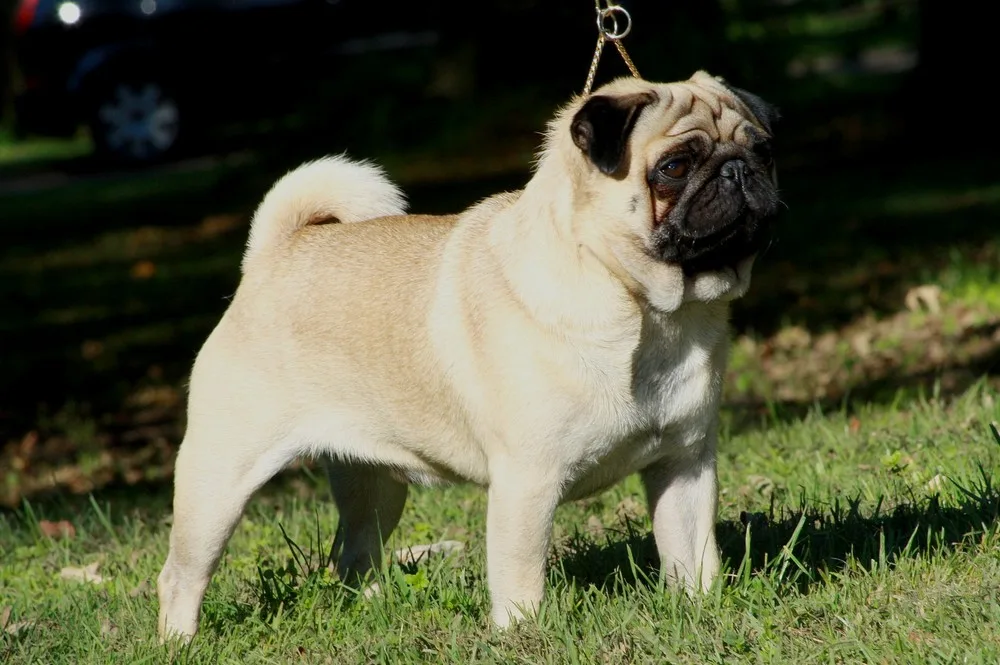
The Pug is one of the most recognizable dogs in the world, wrinkled, compact, big-eyed, and possessed of a goofy charm that has won it legions of admirers across centuries and continents. From the courts of ancient Chinese emperors to the laps of European royalty to the Instagram feeds of millions of modern owners, the Pug's distinctive appearance has made it culturally iconic.
However, beneath that lovable exterior lies a genuinely serious set of health challenges, and any honest guide to the Pug must place those challenges front and center alongside the breed's undeniable appeal.
Origins: Ancient China and European Royalty
The Pug is one of the oldest dog breeds in recorded history. Its origins lie in ancient China, where small, flat-faced dogs resembling the modern Pug were kept as companions by emperors of the Han Dynasty (206 BCE to 200 CE). These dogs, known as Lo-Sze, were treated as precious luxuries, guarded by soldiers and given to foreign rulers as diplomatic gifts rather than sold.
The extreme flat face that defines the Pug today was a deliberate selection by Chinese breeders who prized this characteristic as aesthetically appealing.
Pugs reached Europe through Dutch traders of the Dutch East India Company in the 16th century. The breed rapidly became a favorite of European aristocracy. William III of Orange is said to have had his life saved by his Pug Pompey, who alerted him to the approach of Spanish assassins in 1572. Pugs became the official dog of the House of Orange. Later, they were favorites of Napoleon's wife Josephine, Queen Victoria, and many other European monarchs and nobles.
The breed was recognized by the AKC in 1885. The pug's motto, according to the Latin phrase adopted by the breed, "multum in parvo" means "a lot in a little," a sentiment that captures the breed's outsized personality in a compact body.
Physical Characteristics
The Pug's distinctive appearance is defined by several characteristics: the extremely flat, wrinkled face; the large, round, prominent eyes; the tightly curled tail; the compact, muscular body; and the fine, soft coat. These features are beloved by Pug enthusiasts and deeply concerning to veterinary professionals who have documented the health consequences they create.
| Physical Characteristic | Measurement |
|---|---|
| Height | 25-33 cm (10-13 in) |
| Weight | 6-8 kg (14-18 lbs) |
| Build | Compact, muscular, square |
| Head | Large and round with many wrinkles; extremely flat face |
| Eyes | Large, round, prominent, at risk of proptosis |
| Nose | Extremely flat (brachycephalic); narrow nostrils (stenotic nares) |
| Tail | Tightly curled, double curl preferred in show ring |
| Coat | Short, smooth, soft |
| Coat colors | Fawn (most common) and black |
| Lifespan | 12-15 years |
Brachycephalic Obstructive Airway Syndrome (BOAS)
Brachycephalic Obstructive Airway Syndrome is the most serious and most prevalent health condition in Pugs. It is not a single problem but a complex of anatomical abnormalities that collectively restrict airflow:
- Stenotic nares: Abnormally narrow nostrils that reduce airflow through the nasal passages
- Elongated soft palate: Excess tissue in the soft palate that partially blocks the trachea
- Hypoplastic trachea: A trachea that is narrower than normal for the dog's size
- Everted laryngeal saccules: Tissue pouches that protrude into the airway as a consequence of chronic negative pressure from labored breathing
Collectively, these features mean that the majority of Pugs experience some degree of respiratory compromise. The severity ranges from mild snoring and exercise intolerance to genuine distress and life-threatening respiratory crises. Heat and humidity severely worsen BOAS, Pugs can die from heat stroke in conditions that a healthy dog of another breed would manage comfortably.
"Brachycephalic dogs have been selectively bred to have skulls that are so compressed that normal respiratory anatomy is fundamentally disrupted. In the most severely affected breeds, including the Pug, normal breathing, in the anatomical sense, is not possible. These breeds require the veterinary and breeding communities to confront what acceptable health standards mean for dogs." Royal Veterinary College, London, Breed Health Research Group (2016)
Surgical intervention (widening stenotic nares, shortening the elongated soft palate) can significantly improve quality of life for affected dogs and should be evaluated early in a Pug's life.
Eye Conditions: Proptosis and Corneal Ulceration
The Pug's large, prominent eyes are among its most endearing features and among its most dangerous vulnerabilities. Because the eyes protrude significantly from shallow sockets, they are at risk of:
Proptosis: The eyeball can be completely displaced from the socket with relatively minor trauma, a hard knock to the head, a rough play session, or even an overly tight grip around the head. Proptosis is an emergency requiring immediate veterinary care to attempt to replace the globe and save vision.
Corneal ulceration and exposure keratitis: The prominent corneas are less protected by eyelids than in breeds with deeper-set eyes. Reduced blink reflex, incomplete eyelid closure during sleep, and direct environmental exposure lead to corneal dryness, ulceration, and scarring.
Pigmentary keratitis: Progressive pigmentation (browning) of the cornea occurs in many Pugs over time, directly impairing vision. This is a consequence of chronic corneal irritation from the breed's anatomy.
Regular eye monitoring and veterinary examination are essential for Pug owners. See When to See a Vet for Your Dog for guidance on recognizing eye emergencies.
| Health Condition | Severity | Notes |
|---|---|---|
| BOAS | Severe, affects most Pugs | Surgical correction available |
| Proptosis | Emergency, can lose eye | Avoid rough play around head |
| Corneal ulceration | Significant | Regular eye checks essential |
| Pug Dog Encephalitis (PDE) | Fatal, breed-specific | DNA test available |
| Hip dysplasia | ~70% (OFA, very high) | OFA evaluation |
| Hemivertebrae | Common in spinal column | Radiographic evaluation |
| Skin fold infections | Common | Regular cleaning required |
| Obesity | Very common tendency | Weight management critical |
Pug Dog Encephalitis (PDE)
Pug Dog Encephalitis is a fatal inflammatory brain disease unique to the Pug breed. Also known as necrotizing meningoencephalitis (NME), PDE causes progressive inflammation and necrosis (death) of brain tissue, leading to seizures, behavioral changes, progressive neurological deterioration, and death. There is no cure; treatment focuses on managing symptoms and quality of life.
PDE typically affects young to middle-aged dogs (6 months to 7 years, with most cases in the 2-3 year range). A DNA test has been developed that identifies dogs at higher genetic risk, though the test predicts susceptibility rather than certainty, not all genetically at-risk dogs develop the condition. Breeders should use the test as part of their selection process.
"Necrotizing meningoencephalitis in the Pug represents a uniquely tragic condition, a breed-specific inflammatory disease with no effective treatment and a fatal outcome that strikes dogs in the prime of life. Genetic risk screening is an important tool in reducing its incidence in future generations." Pedersen, N.C., et al. (2012). Journal of Neuroimmunology
Hip Dysplasia: The Highest Rate in Common Breeds
The Pug has one of the highest documented hip dysplasia rates in OFA screening data, approximately 70%, placing it at the extreme end of prevalence. This extraordinary figure reflects both a genuine predisposition and the anatomy of the breed, the compact, muscular body with hindquarters that must support a heavy frame.
Given this prevalence, prospective Pug owners should be aware that hip dysplasia is effectively the norm rather than the exception in this breed. Management through weight control (preventing obesity, which the breed is prone to, is essential to managing musculoskeletal stress), appropriate exercise, and anti-inflammatory medications as needed is typically required.
Obesity and Metabolic Health
Pugs are strongly predisposed to obesity. Their enthusiastic food motivation combined with reduced exercise capacity from respiratory compromise creates a dangerous feedback loop: BOAS limits exercise, reduced exercise increases obesity risk, and obesity worsens respiratory compromise and joint stress. Weight management is not optional for Pugs; it is a critical health intervention.
Owners should feed Pugs measured portions of appropriate dog food, avoid free feeding, minimize calorie-dense treats, and provide as much exercise as the individual dog's respiratory status allows. See Common Dog Illnesses Explained for further context.
Breed Reform and Ethical Debate
The Pug is at the center of an ongoing, significant debate about breeding ethics and canine welfare. The British Veterinary Association (BVA), the Royal Veterinary College, and numerous other veterinary bodies have called publicly for substantial reform of the Pug breed standard, arguing that the current extreme phenotype (ultra-flat face, extremely prominent eyes, compressed anatomy) is incompatible with normal health and welfare.
Some breeding programs in Europe and North America have begun working toward "retro Pugs" dogs with slightly less extreme facial compression that retain the Pug's character while having functional respiratory anatomy. This remains controversial within traditional breed circles.
For comparison with other brachycephalic breeds see French Bulldog and Bulldog. For health considerations see Pug Health Problems.
Temperament and Family Suitability
Despite its health challenges, the Pug's temperament is genuinely appealing. These are even-tempered, sociable, affectionate dogs that love human company and get along well with other dogs, cats, and children. They are playful but not hyperactive, curious but not destructive, and charming in a way that is difficult to resist.
They do not have strong working or hunting drives and are content with moderate activity levels, making them suitable companions for urban living and older or less active owners, provided that respiratory health is properly managed.
Summary
The Pug is a breed of enormous charm and deeply serious health concerns. BOAS, proptosis, PDE, and a 70% hip dysplasia rate mean that Pug ownership carries significant veterinary responsibilities. Buyers should seek breeders who health-screen for PDE risk and have their dogs evaluated for BOAS severity before breeding. The ongoing veterinary conversation about breed reform deserves the serious attention of anyone involved with Pugs.
References
Liu, N.C., Troconis, E.L., Kalmar, L., et al. (2017). Conformational risk factors of brachycephalic obstructive airway syndrome (BOAS) in pugs, French bulldogs, and bulldogs. PLOS ONE, 12(8), e0181928. https://doi.org/10.1371/journal.pone.0181928
Pedersen, N.C., Liu, H., McLaughlin, B., & Meyers, K.M. (2012). Genetic characterization of healthy and severely affected Pugs with necrotizing meningoencephalitis. Journal of Neuroimmunology, 249(1-2), 16-21. https://doi.org/10.1016/j.jneuroim.2012.04.003
Orthopedic Foundation for Animals. (2023). Pug hip dysplasia statistics. https://www.ofa.org/diseases/hip-dysplasia/statistics/
Royal Veterinary College. (2016). Conformational health challenges in brachycephalic breeds. https://www.rvc.ac.uk/vetcompass/
British Veterinary Association. (2022). BVA position on brachycephalic breeds. https://www.bva.co.uk/take-action/our-policies/brachycephalic-breeds/
American Kennel Club. (2023). Pug breed information. https://www.akc.org/dog-breeds/pug/
Frequently Asked Questions
What is BOAS in Pugs?
Brachycephalic Obstructive Airway Syndrome (BOAS) is a complex of anatomical abnormalities, including stenotic nares, elongated soft palate, hypoplastic trachea, and everted laryngeal saccules, that collectively restrict airflow in flat-faced dogs. The majority of Pugs have some degree of BOAS. Severity ranges from mild snoring to life-threatening respiratory crises. Surgical correction can significantly improve quality of life.
What is Pug Dog Encephalitis?
Pug Dog Encephalitis (PDE), or necrotizing meningoencephalitis, is a fatal inflammatory brain disease unique to the Pug breed. It causes progressive seizures, behavioral changes, neurological deterioration, and death, typically in dogs aged 2-3 years. There is no cure. A DNA test identifying genetic susceptibility is available and should be used in breeding programs.
Can a Pug's eye actually pop out?
Yes. The Pug’s large, prominent eyes sit in relatively shallow sockets, making the eyeballs susceptible to proptosis, complete displacement from the socket, with relatively minor head trauma. This is a veterinary emergency. Owners should avoid rough play around a Pug’s head and seek immediate veterinary care if proptosis occurs.
Are Pugs healthy dogs?
No. Pugs have significant, well-documented health problems that are directly caused by their extreme physical conformation. BOAS affects most Pugs, the hip dysplasia rate is approximately 70%, Pug Dog Encephalitis is a breed-specific fatal disease, and the prominent eyes are vulnerable to proptosis and corneal damage. Veterinary bodies including the BVA and RVC have called for substantial breed reform.
How do I care for a Pug's skin folds?
The deep facial wrinkles of the Pug must be cleaned regularly to prevent moisture accumulation, bacterial growth, and skin fold dermatitis. Wrinkles should be gently wiped out with a soft damp cloth or unscented baby wipe at least several times weekly, then dried thoroughly. Any redness, odor, or discharge should be evaluated by a veterinarian.
What is the Pug's history in China?
Pugs were kept as companion dogs by emperors of the Han Dynasty (206 BCE to 200 CE) in China, where they were prized luxuries guarded by soldiers. The flat-faced Lo-Sze dogs of ancient China are considered the predecessors of the modern Pug. The breed reached Europe through Dutch traders in the 16th century and quickly became a favorite of European royalty.