
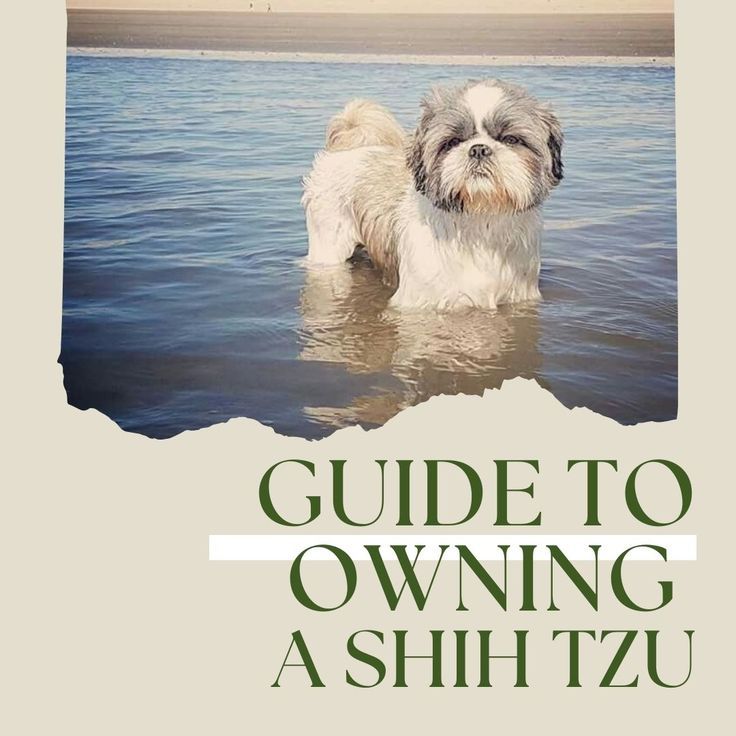
The Shih Tzu is one of the oldest companion dog breeds in the world, refined over centuries in Tibetan monasteries and the imperial courts of China to serve a single purpose: to be the perfect indoor companion for human beings.
The breed's name translates from Mandarin as "lion dog" a reference to its resemblance, when kept in full show coat with the hair on the face swept upward, to the stylised Buddhist lions (foo dogs) that guard temple entrances across East Asia.
Everything about the Shih Tzu, its temperament, its coat, its robust adaptability to indoor living, reflects centuries of careful selection for companionship above all other functions.
The breed's arrival in the Western world occurred only after World War II, but it rapidly became one of the most popular dog breeds globally.
Today, the Shih Tzu consistently ranks among the top 20 most registered breeds with the American Kennel Club and commands a devoted following among apartment dwellers, single owners, families with gentle children, and anyone seeking a compact, personable, and long-lived companion.
This guide covers the Shih Tzu completely: its ancient origins, physical characteristics, temperament, health profile with documented data, grooming requirements, training, exercise, and feeding.
Origins and History
The Shih Tzu's ancestry is rooted in Tibet, where Tibetan monks maintained a line of small, lion-like dogs in the monasteries of the Himalayan plateau for centuries. These dogs, believed to be related to the Lhasa Apso, were considered sacred and were occasionally presented as tribute gifts to the Chinese imperial court by Tibetan monks.
The dogs given to the Chinese emperors were then developed further within the Chinese imperial breeding program, where they were refined into the distinctive type that most closely resembles the modern Shih Tzu.
The breed flourished under imperial patronage during the Tang Dynasty (618-907 AD) and reached particular prominence during the Ming (1368-1644) and Qing (1644-1912) Dynasties. Imperial kennel records describe small lion dogs of exceptional beauty kept by the Dowager Empress Cixi during the late Qing period.
These dogs were so highly valued that their care was entrusted to palace eunuchs, and the breeding program was a closely guarded state secret. Members of the imperial family and foreign dignitaries were occasionally gifted Shih Tzu; commoners were prohibited from owning them under penalty of law.
The fall of the Qing Dynasty in 1912 disrupted the imperial breeding program. A small number of dogs were preserved by Chinese and Tibetan breeders, and it was from these surviving animals that the modern breed was developed. Lady Brownrigg, a British military official's wife stationed in China, brought Shih Tzu to Britain in 1930, the first documented importation to the West.
The dogs were initially classified with the Lhasa Apso by The Kennel Club in London until their separate breed status was recognised in 1940.
American servicemen and servicewomen stationed in Europe after World War II brought Shih Tzu back to the United States, establishing the breed in North America. The American Kennel Club recognised the Shih Tzu in 1969. The American Shih Tzu Club was established in 1963, before AKC recognition, and provided the breed standards that supported the eventual recognition.
Physical Characteristics
The Shih Tzu is a small, sturdy toy breed with a compact body and the distinctive double coat that is its most recognised feature.
| Measurement | Standard |
|---|---|
| Height at withers | 23-28 cm (9-11 in) |
| Weight | 4-7.25 kg (9-16 lb) |
| Body | Compact, slightly longer than tall |
| Build | Sturdy and solid for a toy breed |
| Head | Round, broad, with large, wide-set dark eyes |
The head is distinctive: large and round with a short, square muzzle and a pronounced stop (the angle between the muzzle and the skull). The eyes are large, dark, and wide-set, a characteristic that contributes to the breed's appeal but also creates vulnerability to corneal injury and ulceration, as the prominent eyes are exposed and easily damaged. The bite is typically undershot (lower jaw projecting slightly beyond the upper), which is a breed standard feature.
The Shih Tzu's coat is a long, flowing double coat, a soft, dense undercoat beneath a longer, silky outer coat. The coat grows continuously and, if left untrimmed, will reach floor length. The hair on the top of the head is typically tied up in a topknot (a breed-characteristic feature seen in both show dogs and well-groomed pets).
Colour is highly variable: the breed occurs in virtually all colours and combinations, including gold, silver, black, white, liver, blue, and combinations thereof. No colour preference is specified in the breed standard.
Most pet owners maintain the coat in a "puppy cut" trimmed to approximately 2 to 5 centimetres across the body, which dramatically reduces grooming time while preserving the breed's characteristic rounded appearance.
Temperament
The Shih Tzu's temperament reflects its centuries-long selection for companionship. The breed is outgoing, affectionate, trusting, and socially confident, characteristics that make it unusually adaptable and consistently good-natured across a wide range of owners and households.
Unlike many toy breeds, which can be anxious, high-strung, or intensely bonded to a single person, the Shih Tzu tends toward broad social warmth. They typically enjoy meeting strangers, get along well with other dogs and cats when introduced appropriately, and adapt to the rhythm of their household, whether that is a quiet single-person flat or a lively family with children.
They are not working dogs, have no prey drive to speak of, and are not naturally territorial or alert-barking in the way of many small breeds.
The Shih Tzu can be playful and has a spark of mischief that owners find charming. But the play style is gentle, brief bursts of running and toy engagement rather than the sustained high-energy play of working breeds, and the breed is equally content to spend hours on a comfortable sofa beside its owner.
"The Shih Tzu is among the most socially flexible of all toy breeds. Its historical role as a court companion created a dog that is fundamentally comfortable in proximity to humans, any humans, and that adapts well to changes in routine and social environment. This makes it one of the more reliable toy breeds for novice owners." American Shih Tzu Club, Breed Standard and Temperament Notes, 2022.
The breed's stubbornness is a recognised trait: Shih Tzu are not as automatically responsive to commands as retriever breeds, and housetraining in particular can require patience and consistency beyond what some owners expect. But the stubbornness is mild, more an expression of independent thinking than defiance, and responds well to positive reinforcement.
Health: Key Conditions and Statistics
The Shih Tzu's health profile reflects its brachycephalic (short-faced) structure and the specific vulnerabilities associated with its prominent eyes, compact body, and the physiology of a small breed. Lifespan ranges widely, from 10 to 18 years, one of the widest lifespan ranges of any breed, with individuals receiving attentive care frequently reaching 14 to 16 years.
| Health Condition | Prevalence / Notes | Source |
|---|---|---|
| Brachycephalic obstructive airway syndrome (BOAS) | Present to varying degree in all brachycephalic breeds | RCVS / Veterinary surgical literature |
| Hip dysplasia | ~18.5% of evaluated dogs | OFA breed statistics |
| Patellar luxation | Common in toy breeds | OFA small breed statistics |
| Corneal ulceration / eye injuries | Elevated risk from prominent eyes | Veterinary ophthalmology literature |
| Hypothyroidism | Elevated breed prevalence | Multiple veterinary surveys |
| Renal dysplasia | Present in some lines | Breed-specific health surveys |
| Dental disease | Very common, small jaw crowding | American Veterinary Dental College |
Brachycephalic Obstructive Airway Syndrome (BOAS): The Shih Tzu's compressed facial structure can cause narrowed nostrils (stenotic nares), an elongated soft palate that extends into the airway, and a narrowed trachea.
The combined effect restricts airflow, causing the characteristic snoring and snuffling sounds associated with the breed, and in more severely affected dogs, causing exercise intolerance, sleep apnea, and cyanosis (blue-tinged gums from lack of oxygen) in hot weather or during exertion.
The Shih Tzu is less severely brachycephalic than the English Bulldog or Pekingese, and many individual Shih Tzu live their entire lives with brachycephalic anatomy as a cosmetic concern rather than a medical one. However, severely affected dogs; those with very narrow nostrils, obvious laboured breathing at rest, or exercise intolerance, benefit significantly from surgical correction.
BOAS surgery (widening the nostrils, shortening the soft palate, and removing laryngeal saccules if everted) is most effective when performed on young dogs before secondary airway changes develop.
Eye conditions: The prominent, wide-set eyes of the Shih Tzu are vulnerable to corneal exposure and injury. Corneal ulcers, scratches or erosions of the corneal surface, are a common veterinary presentation in the breed.
They can result from hair contact (particularly from the topknot if tied too tightly or left with hair touching the eye surface), environmental debris, self-trauma, or dry eye (keratoconjunctivitis sicca). Corneal ulcers are painful, visible to the owner as cloudiness or the dog pawing at the eye, and require prompt veterinary treatment. Untreated corneal ulcers can progress to deep ulceration and risk permanent vision loss.
"In brachycephalic breeds with prominent globes, the risk of corneal injury and exposure keratopathy is substantially elevated compared to mesocephalic breeds. Owners of Shih Tzu and similar breeds should be alert to any cloudiness, discharge, or eye-rubbing behaviour and seek prompt veterinary evaluation, as corneal ulcers progress rapidly." Williams, D. L., & Kim, J. Y. (2009). Feline corneal sequestra: a review. Journal of Feline Medicine and Surgery, 11(5), 347-354. [Comparative context for brachycephalic eye disease]
Hip dysplasia at approximately 18.5 percent (OFA data) is notable for a toy breed, this rate is higher than many people expect in a small dog, reflecting the Shih Tzu's unique physiology. Renal dysplasia, malformation of kidney tissue, leading to progressive renal failure, has been identified in some breeding lines. DNA screening for renal dysplasia is available through some laboratories, and prospective buyers should ask breeders about kidney disease history in their lines.
See Shih Tzu Health Problems for the complete condition reference.
Grooming
The Shih Tzu is a high-maintenance grooming breed, and this is the most significant commitment for prospective owners to assess honestly before acquiring one. The long, flowing double coat requires either daily care (if kept long) or regular professional trimming (if kept in a puppy cut).
Puppy cut (pet trim): The coat is trimmed to a uniform 2 to 5 centimetres across the body. This style requires professional grooming every 6 to 8 weeks and daily brushing with a soft slicker brush between grooms to prevent matting in the undercoat. Even at this length, the fine coat tangles quickly if not brushed regularly.
Full coat (show trim): The coat is maintained at its natural grown-out length, which reaches the floor on a properly maintained adult Shih Tzu. This requires daily brushing and combing of the full length, application of coat conditioner, careful topknot management, and wrapping of the coat in tissue to prevent mechanical damage. This level of maintenance is a major time commitment appropriate only for owners who have specifically chosen it.
Bathing: Every 2 to 4 weeks. The double coat requires complete drying after each bath; incomplete drying creates moisture trapped against the skin that leads to skin fold dermatitis and hotspot formation.
Face and eye area: Daily cleaning of the area around the eyes is important to remove accumulated discharge and prevent tear staining. The skin folds around the muzzle should be cleaned and dried to prevent skin fold dermatitis.
Topknot: The traditional topknot should be tied gently and positioned so that hair does not contact the eye surface. Hair contacting the eye is a leading cause of corneal ulcers in the breed.
Ear care: Weekly inspection and cleaning. The pendant ear flaps reduce airflow and create conditions for otitis externa.
Dental care: Daily brushing is essential. The small jaw creates the same tooth-crowding dental disease risk seen in Yorkshire Terriers. See Dog Dental Care Complete Guide for detailed protocol.
See Shih Tzu Grooming Guide for step-by-step instructions by coat length.
Training
Shih Tzu are intelligent but have a mild stubborn streak that can make training feel inconsistent. They are not as naturally motivated by social approval as retriever breeds, and their small size sometimes encourages owners to excuse behaviours they would not permit in a larger dog, which is a training approach that reliably produces a poorly behaved adult dog regardless of breed.
Positive reinforcement training with food rewards is effective. Training sessions should be kept short (5 to 10 minutes) and positive. The Shih Tzu's intelligence means it learns quickly, both the behaviours the owner wants and the approaches that successfully achieve the dog's own objectives.
Housetraining: Shih Tzu can take longer to fully housetrain than some breeds, and they are somewhat prone to regression during changes in routine. A consistent schedule, outside every 2 to 3 hours for puppies, with generous positive reinforcement for outdoor elimination, achieves reliable housetraining over time. Indoor toileting solutions (grass pads, training pads) are sometimes used successfully with this breed by owners who cannot always access outdoor spaces promptly.
Key commands: Sit, stay, come, down, and off are the practical foundations. The Shih Tzu's tolerance for strangers and lack of territorial drive means recall typically develops more reliably than in scent hound or sighthound breeds.
See also: Best Dogs for First-Time Owners and Best Dogs for Apartments for how the Shih Tzu compares to other suitable breeds.
Exercise
Shih Tzu have low to moderate exercise requirements, making them well-suited to apartment living and owners with limited mobility or time for extended outdoor activities. An adult Shih Tzu typically needs 20 to 30 minutes of active exercise daily, which can be accomplished through two short walks and indoor play.
The Shih Tzu's brachycephalic airway structure makes heat and humidity significant exercise limiters. In warm weather (above 20-22°C), outdoor exercise should be scheduled during cooler parts of the day. Signs of respiratory distress during exercise, heavy laboured breathing, open-mouth breathing in a dog not exercising strenuously, cyanotic gums, require immediate cessation of activity, cooling, and veterinary assessment.
Mental stimulation is as important as physical exercise for this intelligent breed. Short training sessions, puzzle feeders, and interactive toys provide engagement that a walk cannot replicate. A Shih Tzu that receives adequate mental engagement in addition to its modest physical exercise requirements is typically calm, content, and well-behaved.
Feeding
The Shih Tzu should be fed a diet formulated for small breeds, with kibble sized appropriately for the small mouth and jaw.
| Life Stage | Approximate Daily Calories |
|---|---|
| Puppy (8-16 weeks) | 250-350 kcal/day in 3-4 meals |
| Adult Shih Tzu (5.5 kg, moderate activity) | 300-400 kcal/day |
| Senior Shih Tzu (reduced activity) | 250-330 kcal/day |
Shih Tzu can be prone to weight gain in older age or in sedentary households. Obesity in a brachycephalic breed creates compounding problems: excess weight increases the respiratory effort already present in BOAS-affected dogs, worsens the work of the heart in dogs with underlying cardiac conditions, and accelerates hip and joint deterioration. Body condition scoring and portion discipline are important throughout the dog's life.
The breed's documented predisposition to hypothyroidism (underactive thyroid, which typically presents as weight gain, lethargy, and coat changes) should be considered if weight management becomes persistently difficult despite appropriate feeding.
References
Liu, N. C., Adams, V. J., Kalmar, L., Ladlow, J. F., & Sargan, D. R. (2016). Whole-body barometric plethysmography characterizes upper airway obstruction in 3 brachycephalic breeds of dogs. Journal of Veterinary Internal Medicine, 30(3), 853-865. https://doi.org/10.1111/jvim.13933
Orthopedic Foundation for Animals. (2023). Shih Tzu Hip Dysplasia Statistics. Retrieved from https://ofa.org
American Shih Tzu Club. (2022). Breed Health Committee Resources. Retrieved from https://www.americanshihtzuclub.org/health
Williams, D. L., & Kim, J. Y. (2009). Feline corneal sequestra: a review of publication relating to brachycephalic eye disease context. Journal of Feline Medicine and Surgery, 11(5), 347-354.
Gough, A., Thomas, A., & O'Neill, D. (2018). Breed Predispositions to Disease in Dogs and Cats (3rd ed.). Wiley-Blackwell. [Shih Tzu renal dysplasia and breed conditions overview]
Packer, R. M. A., Hendricks, A., & Burn, C. C. (2012). Do dog owners perceive the clinical signs related to conformational inherited disorders as 'normal' for the breed? Veterinary Record, 171(23), 589. https://doi.org/10.1136/vr.100569
Frequently Asked Questions
Are Shih Tzu easy to maintain?
The Shih Tzu’s temperament, exercise needs, and household adaptability make it one of the easier toy breeds to live with. However, its grooming requirements are high. The long, flowing double coat requires either daily brushing and combing (if kept at full length) or professional trimming every 6 to 8 weeks (if kept in a puppy cut). Even in a puppy cut, daily brushing is needed to prevent matting.
Owners who underestimate grooming requirements often end up with a matted dog requiring a complete coat removal under sedation, an uncomfortable and preventable experience. Beyond grooming, the Shih Tzu is genuinely easy: low exercise needs, highly adaptable, and excellent with most household members.
Do Shih Tzu have breathing problems?
Shih Tzu are a brachycephalic (short-faced) breed, meaning their compressed facial anatomy can create varying degrees of airway restriction, a condition called brachycephalic obstructive airway syndrome (BOAS). The breed is less severely affected than English Bulldogs or Pekingese, and many individual Shih Tzu breathe well throughout their lives with no intervention required.
However, dogs with visibly narrow nostrils, laboured breathing at rest, sleep apnea-like symptoms, or exercise intolerance in mild conditions should be evaluated by a veterinary surgeon with BOAS experience. Surgical correction, widening the nostrils and shortening the soft palate, is effective when performed on young dogs.
How long do Shih Tzu live?
Shih Tzu have one of the widest lifespan ranges of any breed: 10 to 18 years, with 13 to 16 being a common outcome for well-cared-for individuals. The wide range reflects the significant influence of preventive care: dental disease (which accumulates rapidly in the small jaw) can significantly shorten lifespan if untreated, as can unmanaged BOAS, obesity, and renal disease.
Shih Tzu that receive regular professional dental cleanings, are maintained at a healthy weight, and are monitored for kidney function as they age commonly reach 14 to 16 years in good health.
Are Shih Tzu good for apartments?
Shih Tzu are excellent apartment dogs. Their small size, low to moderate exercise needs (20 to 30 minutes of active walking daily is sufficient), tolerance for indoor living, and adaptable temperament make them one of the best breeds for apartment and urban environments. Unlike many terriers and working breeds, Shih Tzu are not intensely vocal, are not high-strung in confined spaces, and do not require large outdoor areas.
The main apartment-related consideration is air quality and temperature, as a brachycephalic breed, Shih Tzu do better in air-conditioned environments during hot weather, and tobacco smoke or strong airborne irritants can aggravate their airway.
Why do Shih Tzu eyes water so much?
Shih Tzu produce significant eye discharge due to the anatomy of their prominent, wide-set eyes. The large eye surface is exposed and more vulnerable to environmental irritants, dust, and hair contact. The drainage system for tears (the nasolacrimal duct) in brachycephalic breeds is compressed, reducing tear drainage efficiency and allowing overflow onto the face.
The resulting moisture creates the reddish-brown tear staining visible below the eyes of many Shih Tzu. Daily cleaning of the eye area removes discharge before it stains the coat. Excessive discharge, cloudiness of the eye, or the dog pawing at its eye warrant veterinary evaluation, as these can indicate corneal ulcers or blocked tear ducts.
Are Shih Tzu good with other pets?
Shih Tzu are among the most compatible toy breeds for multi-pet households. They typically have very low prey drive, which means they do not instinctively chase cats or small animals. They are generally non-territorial and non-aggressive with other dogs when introduced appropriately.
Their trust and social warmth toward other animals is a direct product of their centuries of selection as court companions, dogs bred to coexist harmoniously with other animals and people in close palace quarters. Standard introduction protocols (neutral territory, supervised initial meetings, gradual unsupervised access) apply, but Shih Tzu are typically among the smoothest breeds to integrate into households with resident cats or other dogs.