
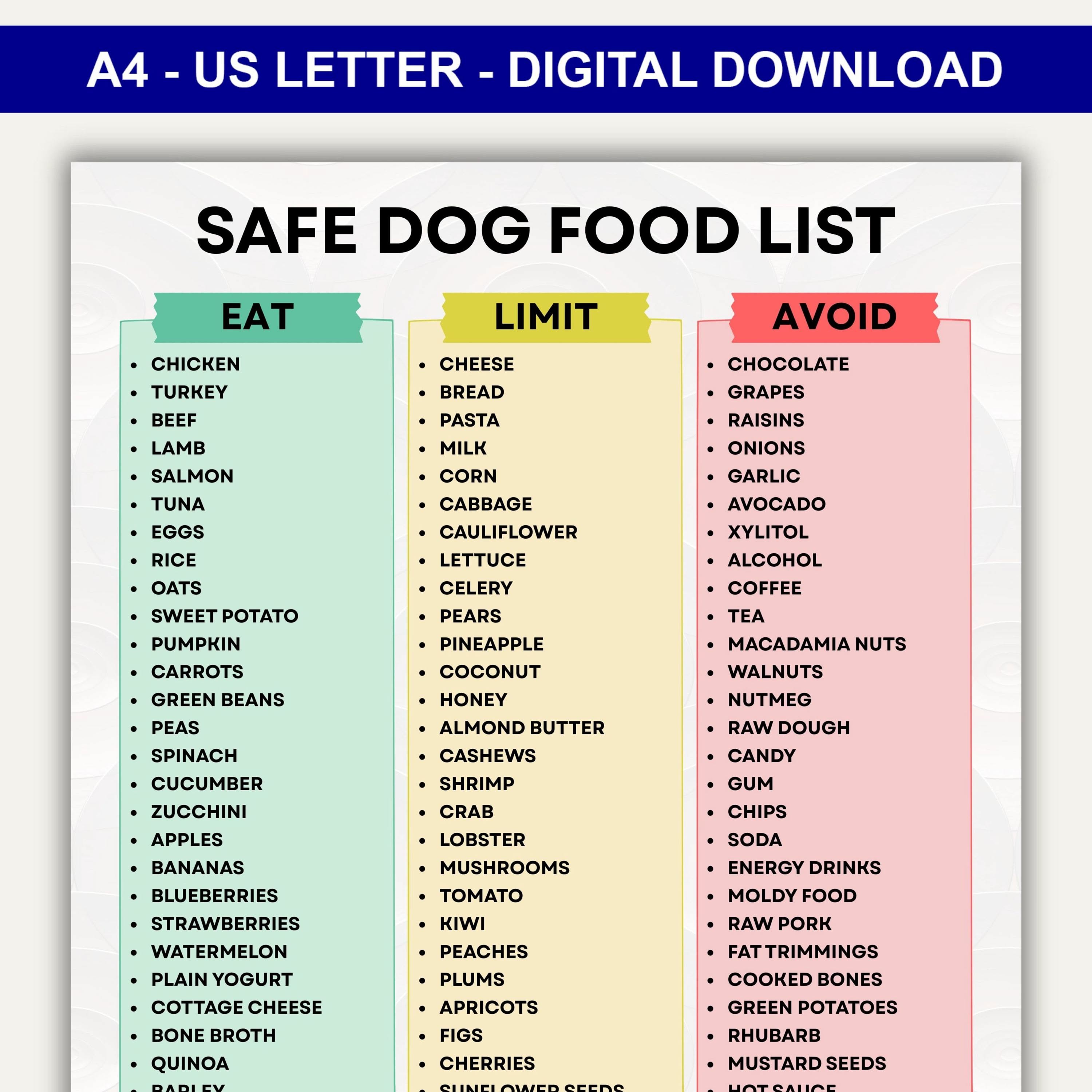
Foods toxic to dogs can kill before symptoms appear. Emergency contacts, save these now:
- ASPCA Animal Poison Control Center: 888-426-4435 (24 hours a day, 7 days a week; per-incident fee may apply)
- Pet Poison Helpline: 855-764-7661 (24/7; fee may apply)
- Your local emergency veterinary hospital (find it before an emergency)
Foods toxic to dogs require an immediate call to one of these numbers if your dog has eaten any substance on this list. Do not wait for symptoms to appear. Many toxins cause irreversible organ damage well before clinical signs are visible.
How to Use This Guide
This article is an authoritative reference listing every documented food and household substance that is toxic to dogs, organized by toxicity level. For each substance, we provide the mechanism of toxicity, typical toxic dose where known, symptom onset time, and recommended action.
The three toxicity levels used here:
- Critical: Life-threatening; immediate emergency veterinary care required even for small doses
- Serious: Significant organ damage possible; veterinary contact required
- Mild-Moderate: Primarily gastrointestinal effects at typical exposures; monitor closely; call vet if symptoms appear
Critical Toxins: Life-Threatening at Small Doses
Xylitol
Found in: Sugar-free gum (most brands), some peanut butter and nut butter brands, sugar-free candies and mints, children's vitamins and adult vitamins, some diabetes medications, dental care products (toothpaste, mouthwash), certain baked goods labeled "sugar-free" or "diabetic-friendly"
Mechanism: In dogs, xylitol triggers a massive release of insulin from pancreatic beta cells, causing severe and rapid hypoglycemia (low blood sugar). At higher doses, xylitol causes acute hepatic necrosis (liver cell death) through a separate mechanism not yet fully characterized.
Toxic dose: As little as 0.1 g/kg causes hypoglycemia. Liver failure can occur at 0.5 g/kg or above. A single piece of xylitol-sweetened gum may contain 0.2-1.0 g xylitol, enough to cause hypoglycemia in a small dog.
Symptom onset: Hypoglycemia within 30-60 minutes. Liver failure signs (jaundice, vomiting, clotting abnormalities) within 24-72 hours.
Symptoms: Vomiting, weakness, incoordination, collapse, seizures, jaundice, abnormal bleeding
Action: Emergency veterinary care immediately. IV glucose supplementation and liver-protective treatment required.
Grapes and Raisins
Found in: Fresh grapes, raisins, currants, grape juice, raisin-containing baked goods (fruitcake, oatmeal raisin cookies, raisin bread), trail mix, grape-flavored products
Mechanism: Unknown. Despite dozens of documented cases and over two decades of research, the specific nephrotoxic compound in grapes and raisins has not been definitively identified as of 2025. Tartaric acid has been proposed as a candidate. Toxicity is not dose-predictable, some dogs experience kidney failure after a single grape; others appear to tolerate small amounts with no reaction. This unpredictability means all exposures must be treated as emergencies.
Toxic dose: No safe dose established. The ASPCA Animal Poison Control Center advises treating any exposure as potentially serious regardless of quantity.
Symptom onset: Vomiting and lethargy within hours; kidney failure markers develop over 24-72 hours.
Symptoms: Vomiting, diarrhea, lethargy, abdominal pain, decreased urination or anuria, azotemia
Action: Contact ASPCA APCC (888-426-4435) immediately for any exposure. Aggressive IV fluid support initiated within the first few hours significantly improves outcome.
Sago Palm (Cycas revoluta) and Other Cycad Palms
Found in: Popular ornamental houseplant and landscaping plant in warm climates; all parts are toxic but the seeds are most concentrated
Mechanism: Cycasin (methylazoxymethanol glucoside) causes acute liver failure. Secondary neurological effects follow.
Toxic dose: 1-2 seeds from the sago palm can be fatal to a medium-sized dog.
Symptom onset: Vomiting within 15 minutes to 3 hours; liver failure within 2-3 days.
Symptoms: Vomiting, diarrhea, lethargy, jaundice, seizures, liver failure, death
Action: Emergency veterinary care immediately. Prognosis is poor even with aggressive treatment.
Macadamia Nuts
Mechanism: Unknown. The specific compound responsible for macadamia nut toxicity has not been identified. The toxin affects the locomotor system preferentially.
Toxic dose: As few as 2.4 g/kg of body weight causes symptoms. A 10 lb dog could show symptoms from as little as 2-3 macadamia nuts.
Symptom onset: 12 hours after ingestion.
Symptoms: Hind limb weakness or paralysis (characteristically cannot stand), vomiting, tremors, hyperthermia (elevated body temperature), lethargy
Action: Contact ASPCA APCC. Most dogs recover with supportive care within 24-48 hours, but veterinary monitoring is recommended.
Serious Toxins: Significant Organ Damage Possible
Chocolate (Theobromine and Caffeine)
Mechanism: Theobromine and caffeine are methylxanthines that inhibit adenosine receptors and phosphodiesterase, causing excessive stimulation of the central nervous and cardiovascular systems. Dogs metabolize theobromine approximately 10 times more slowly than humans, allowing it to accumulate to toxic levels.
Theobromine content by type:
- Baking/unsweetened chocolate: ~450 mg per oz, highest risk
- Dark chocolate (70-85%): ~130-160 mg per oz
- Dark chocolate (45-60%): ~100 mg per oz
- Milk chocolate: ~44-58 mg per oz
- White chocolate: negligible amounts (~0.1 mg per oz)
- Cocoa powder: ~400-737 mg per oz (varies by processing)
Toxic dose: GI signs occur at ~20 mg/kg theobromine. Cardiac effects at ~40-50 mg/kg. Seizures at ~60 mg/kg. A 20 lb dog would experience cardiac effects from approximately 2 oz of baking chocolate or 4 oz of dark chocolate.
Symptom onset: 6-12 hours after ingestion.
Symptoms: Vomiting, diarrhea, restlessness, increased urination, muscle rigidity, increased heart rate, arrhythmias, hyperthermia, seizures
Action: Calculate approximate theobromine dose using dog's weight and chocolate type. Contact APCC or emergency vet. Decontamination (induced vomiting, activated charcoal) most effective within 2 hours.
Onions, Garlic, Leeks, Chives (All Allium Species)
Mechanism: Organosulfur compounds (including N-propyl disulfide from onions and thiosulfate compounds from garlic) cause oxidative damage to hemoglobin within red blood cells, forming Heinz bodies. These damaged cells are recognized and destroyed by the spleen, causing hemolytic anemia.
Comparative toxicity: Garlic contains approximately 5 times more organosulfur compounds per gram than onion. Powdered forms are more concentrated than fresh, onion powder is approximately 5x more potent than fresh onion on a per-gram basis.
Toxic dose: 15-30 g/kg of onion (approximately 100g for a 20 lb dog) causes measurable changes in blood parameters. Lower doses fed repeatedly are also dangerous.
Symptom onset: Anemia may not manifest for 3-5 days after ingestion.
Symptoms: Lethargy, weakness, pale or yellowish gums, reduced appetite, vomiting, reddish-brown urine, exercise intolerance
Action: For large ingestions, decontamination within 2 hours. All forms, raw, cooked, powdered, are toxic. Chronic small exposures are cumulative.
Alcohol (Ethanol)
Mechanism: Ethanol is rapidly absorbed and causes CNS depression, respiratory depression, hypothermia, metabolic acidosis, and cardiovascular depression. Dogs metabolize ethanol far less efficiently than humans.
Sources: Beer, wine, spirits, vodka; foods made with alcohol; unbaked yeast dough (yeast fermentation produces ethanol in the stomach); hand sanitizer; certain mouthwashes
Toxic dose: 5.5 g/kg of absolute ethanol can be fatal. Beer is 4-6% ethanol; 1 standard drink can cause serious signs in a small dog.
Symptom onset: Within 30-60 minutes.
Symptoms: Disorientation, vomiting, collapse, hypothermia, hypoglycemia, seizures, respiratory arrest
Action: Emergency veterinary care. Supportive treatment (IV fluids, temperature management, dextrose for hypoglycemia).
Caffeine
Sources: Coffee (grounds are highly concentrated), tea, energy drinks, caffeine tablets, pre-workout supplements, certain sodas, some weight-loss supplements, dark chocolate
Mechanism: Same as theobromine, methylxanthine toxicity via adenosine receptor blockade and phosphodiesterase inhibition.
Toxic dose: 140 mg/kg is the lethal dose 50 (LD50) in dogs, but symptoms appear at much lower doses. A tablespoon of coffee grounds contains approximately 60-80 mg caffeine. A 10 lb dog would be at risk from a small amount of concentrated coffee product.
Symptoms: Hyperactivity, restlessness, rapid breathing, rapid heart rate, tremors, arrhythmias, seizures
Action: Contact ASPCA APCC. Decontamination if within 2 hours.
Raw Yeast Dough
Mechanism: Two distinct risks: (1) yeast fermentation in the warm stomach produces ethanol, causing alcohol toxicity; (2) expanding gas causes gastric dilation that can progress to gastric dilatation-volvulus (GDV), a surgical emergency.
Symptom onset: 1-3 hours.
Symptoms: Abdominal distension, unproductive retching, drooling, disorientation (from alcohol), weakness, cardiovascular shock if GDV develops
Action: Emergency veterinary care. GDV is fatal without immediate surgical correction.
Avocado
Mechanism: Persin, a fungicidal toxin found throughout the avocado plant (flesh, skin, pit, leaves), causes vomiting, diarrhea, and in large amounts, myocardial damage and respiratory distress. The Guatemalan variety, which includes most commercially available avocados, contains the highest persin concentrations.
Symptoms: Vomiting, diarrhea, inability to defecate, labored breathing (in large exposures)
Action: Monitor and contact vet if symptoms develop. The pit poses a separate choking/obstruction risk.
Ibuprofen and Other NSAIDs (Non-Food Toxin Included Due to Common Exposure)
Sources: Ibuprofen (Advil, Motrin), naproxen (Aleve), aspirin; these are medications, not foods, but are included because accidental ingestion is extremely common
Mechanism: Dogs cannot safely metabolize NSAIDs. Even therapeutic doses in humans cause gastrointestinal ulceration, renal vasoconstriction leading to kidney failure, and potentially liver damage in dogs.
Toxic dose for ibuprofen: As little as 25 mg/kg causes GI signs; 175 mg/kg causes kidney failure; >600 mg/kg causes neurological signs. A single 200 mg tablet is dangerous for a 10 lb dog.
Symptoms: Vomiting (possibly bloody), diarrhea, abdominal pain, decreased urination, kidney failure
Action: Emergency veterinary care immediately. Early decontamination is critical.
Acetaminophen (Tylenol), Non-Food Toxin Commonly Ingested
Mechanism: Dogs have limited glucuronyl transferase activity for metabolizing acetaminophen. Toxic metabolites accumulate, causing liver cell necrosis and methemoglobinemia (inability of hemoglobin to carry oxygen). At high doses, methemoglobinemia produces characteristic muddy brown discoloration of gums.
Toxic dose: ~100-150 mg/kg causes liver damage; lower doses cause methemoglobinemia.
Symptoms: Vomiting, lethargy, abdominal pain, dark brown gums, rapid breathing, liver failure
Action: Emergency veterinary care immediately.
Mild-to-Moderate Toxins: GI Effects Primarily
Nutmeg
Mechanism: Myristicin and elemicin cause CNS effects. Large doses are needed for serious symptoms.
Symptoms: Disorientation, hallucination-like behavior, rapid heart rate, dry mouth; serious symptoms require ingestion of large amounts
Action: Call vet if more than a small amount consumed or if symptoms appear.
Macadamia Nuts (repeated at moderate for context)
Covered above under Critical due to potential severity, but many cases resolve with supportive care.
Salt (Sodium Chloride) in Excess
Mechanism: Sodium ion toxicity causes osmotic shifts, cerebral edema, and electrolyte imbalance.
Sources: Heavily salted snacks, saltwater, rock salt/ice melt products, salt dough ornaments (extremely concentrated)
Symptoms: Excessive thirst, vomiting, diarrhea, incoordination, tremors, seizures, death in severe cases
Action: Do not give additional water rapidly to a dog that has consumed large amounts of salt (rapid rehydration can cause cerebral edema). Seek veterinary guidance.
Corn on the Cob
Risk: Not toxic, but the cob itself causes intestinal obstruction requiring surgery. The kernels alone are not harmful.
Symptoms of obstruction: Vomiting, lethargy, abdominal pain, constipation
Raw/Green Tomatoes and Tomato Plants
Mechanism: Solanine and tomatine in green tomatoes and the plant itself (leaves, stems, unripe fruit) cause GI upset and, in large quantities, neurological signs.
Note: Ripe red tomato flesh is generally safe in small amounts.
Symptoms: Gastrointestinal upset, weakness, drooling (from large plant ingestion)
Cherries, Peaches, Plums, Apricots, Apples (Pits and Seeds)
Mechanism: The pits, seeds, and stems of these fruits contain amygdalin, a cyanogenic glycoside that metabolizes to hydrogen cyanide. The flesh is safe. Danger requires ingestion of multiple seeds or pits.
Symptoms from significant cyanide exposure: Bright red gums, rapid breathing, dilated pupils, collapse
Action: One or two cherry pits is unlikely to cause serious cyanide toxicity but can cause intestinal obstruction.
Comprehensive A-Z Toxic Foods Reference Table
| Substance | Toxicity Level | Mechanism | Symptoms Onset | Toxic Dose (approximate) |
|---|---|---|---|---|
| Alcohol | Serious | CNS/respiratory depression | 30-60 min | 5.5 g/kg ethanol |
| Avocado | Serious | Persin; GI + cardiac | 24-48 hrs | Large amounts |
| Caffeine | Serious | Methylxanthine | 1-3 hrs | 140 mg/kg LD50; symptoms lower |
| Chocolate (dark) | Serious | Theobromine | 6-12 hrs | ~40 mg/kg theobromine for cardiac effects |
| Corn on the cob | Moderate | Obstruction | Variable | Any whole cob |
| Garlic | Serious | Heinz body anemia | 3-5 days | ~15-30 g/kg raw onion equivalent |
| Grapes/raisins | Critical | Nephrotoxic (unknown) | 6-24 hrs | No safe dose established |
| Ibuprofen | Serious-Critical | GI ulceration; renal failure | 2-6 hrs | 25 mg/kg GI; 175 mg/kg renal |
| Macadamia nuts | Serious | Unknown neuromotor | 12 hrs | ~2.4 g/kg |
| Nutmeg | Moderate | Myristicin; CNS | 3-6 hrs | Large amounts only |
| Onions (all forms) | Serious | Heinz body anemia | 3-5 days | 15-30 g/kg fresh; less powdered |
| Pit fruits (seeds) | Moderate-Serious | Cyanogenic glycoside | Variable | Multiple pits |
| Raw yeast dough | Critical | Ethanol + GDV | 1-3 hrs | Any amount |
| Sago palm (seeds) | Critical | Cycasin; liver failure | 15 min-3 hrs | 1-2 seeds can be fatal |
| Salt (excess) | Serious | Sodium ion toxicity | 2-6 hrs | ~4 g/kg |
| Xylitol | Critical | Hypoglycemia; liver failure | 30-60 min | 0.1 g/kg hypoglycemia |
Emergency Response Protocol
"Pet owners should not attempt to manage potential poisonings at home without professional guidance. The clinical picture can change rapidly, and early decontamination by a veterinarian is almost always more effective than home management." American Veterinary Medical Association Emergency Care Guidelines
When your dog has potentially eaten something toxic:
1. Stay calm and assess. Note what was consumed, approximately how much, and when. Look for the packaging.
2. Call immediately, do not wait for symptoms. ASPCA APCC: 888-426-4435 Pet Poison Helpline: 855-764-7661 Or your emergency vet directly.
3. Do not induce vomiting unless directed. Certain toxins, caustic substances, and situations where vomiting was already induced contraindicate further emesis. Professionals will advise.
4. Do not feed milk, water in excess, or home remedies. Unless specifically directed by the professional you speak with.
5. Bring all packaging to the vet. If the call directs you to an emergency hospital, bring the packaging or a photograph of the label. Exact product names, ingredient lists, and concentrations allow veterinarians to calculate the actual toxic dose and prioritize treatment.
Related Articles
- What Can Dogs Eat
- How Much to Feed a Dog by Weight
- Wet vs Dry Dog Food: Which Is Better
- Foods Toxic to Cats Complete List
- Puppy Feeding Schedule by Age
- Labrador Retriever
References
- ASPCA Animal Poison Control Center. (2024). Animal Poison Control Center Alerts and Resources. https://www.aspca.org/pet-care/animal-poison-control
- Gwaltney-Brant, S. M., Holding, J. K., Donaldson, C. W., Eubig, P. A., & Khan, S. A. (2001). Renal failure associated with ingestion of grapes or raisins in dogs. Journal of the American Veterinary Medical Association, 218(10), 1555-1556. https://doi.org/10.2460/javma.2001.218.1555
- Murphy, L. A. (2009). Xylitol toxicosis in dogs. Veterinary Medicine, 104(7), 336-340.
- Brutlag, A. G., & Hovda, L. R. (2011). Chocolate: overview of toxicology and clinical management. Veterinary Clinics of North America: Small Animal Practice, 41(2), 263-280.
- Cortinovis, C., & Caloni, F. (2016). Household food items toxic to dogs and cats. Frontiers in Veterinary Science, 3, 26. https://doi.org/10.3389/fvets.2016.00026
- Richardson, J. A. (2000). Management of acetaminophen and ibuprofen toxicoses in dogs and cats. Journal of Veterinary Emergency and Critical Care, 10(4), 285-291.
Frequently Asked Questions
What is the most toxic food for dogs?
Xylitol is considered by many toxicologists to be the most dangerous common food additive for dogs because of how rapidly it acts (hypoglycemia within 30-60 minutes) and how widely it appears in everyday products, sugar-free gum, certain peanut butter brands, vitamins, dental products, and baked goods. Grapes/raisins and dark chocolate are also life-threatening with small doses.
How quickly do toxic foods affect dogs?
Onset varies by toxin. Xylitol causes hypoglycemia within 30-60 minutes. Chocolate symptoms appear within 6-12 hours. Grape/raisin-induced kidney failure develops over 24-72 hours but irreversible damage begins earlier. Onion/garlic-induced anemia may take 3-5 days to manifest. Timing underscores why calling poison control immediately, without waiting for symptoms, is critical.
Can dogs die from eating onions?
Yes. Onions cause Heinz body hemolytic anemia by damaging red blood cells. Large single doses and chronic small doses are both dangerous. Powdered forms are more concentrated and more dangerous per gram than fresh onion. Symptoms include lethargy, pale gums, weakness, and collapse. Veterinary treatment is required.
Is ibuprofen toxic to dogs?
Yes, ibuprofen is severely toxic to dogs. Dogs cannot metabolize NSAIDs (non-steroidal anti-inflammatory drugs) safely. Even one regular-strength ibuprofen tablet (200 mg) can cause gastrointestinal ulceration and kidney failure in a small dog. Acetaminophen (Tylenol) is also highly toxic and causes liver failure in dogs.
What household items can poison a dog?
Many common household items are toxic to dogs beyond food: ibuprofen and acetaminophen, grapes and raisins, xylitol-containing products (gum, candy, mouthwash, vitamins), antifreeze (ethylene glycol, sweet taste attracts dogs), rodenticide baits, certain houseplants (sago palm, oleander, autumn crocus), and some mushrooms. Keep all medications stored securely.
Should I induce vomiting if my dog eats something toxic?
Never induce vomiting without explicit guidance from a veterinarian or poison control. For some toxins, especially if the dog has already vomited, if the substance is caustic, or if neurological symptoms are present, inducing vomiting can cause additional harm. Always call ASPCA Animal Poison Control (888-426-4435) or an emergency vet first.