
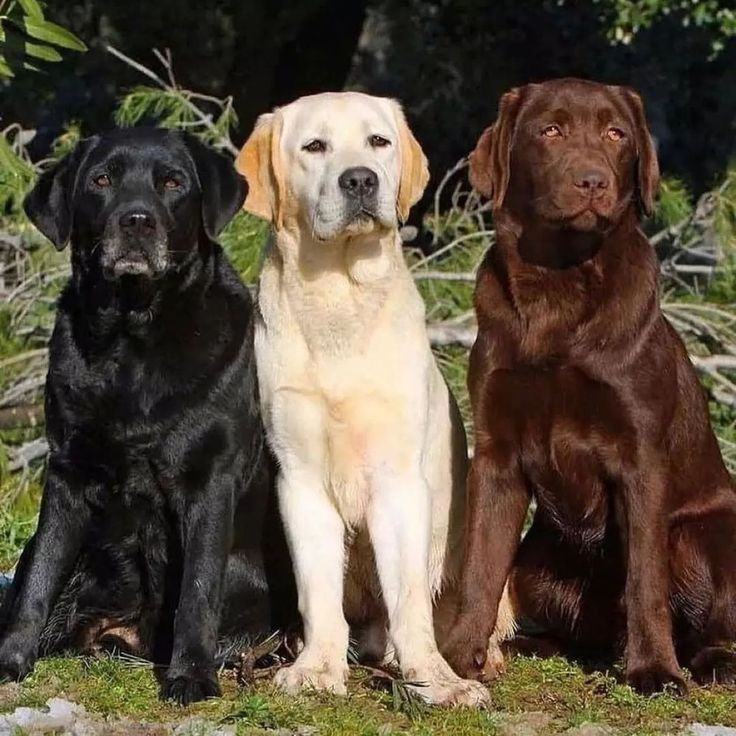
The Labrador Retriever has been the most registered dog breed in the United States, United Kingdom, Canada, and Australia for most of the past three decades. The American Kennel Club recorded over 100,000 new Labrador registrations annually for nearly 30 consecutive years, and the breed held the number-one spot from 1991 to 2022 before being nudged to second by the French Bulldog.
That dominance is not a marketing accident. The Labrador combines athletic ability, trainability, and a reliably gentle temperament into one package, and the combination proves extremely difficult to improve on.
This guide covers the complete Labrador Retriever: origins, the three colour varieties, size, temperament, trainability, health predispositions backed by veterinary literature, grooming requirements, exercise needs, and guidance on finding a responsibly bred dog. Every claim is sourced from peer-reviewed research or established veterinary organisations.
Origins and History
The Labrador Retriever descends from the St. John's Water Dog, a now-extinct working dog used by fishermen in Newfoundland, Canada, during the 18th and early 19th centuries. These dogs retrieved fishing nets, dove into icy Atlantic water for escaped fish, and worked alongside humans under gruelling conditions. Their short, dense, water-repellent coats and natural affinity for cold water were functional traits, not aesthetic ones.
British noblemen visiting Newfoundland in the early 1800s brought St. John's Water Dogs back to England. The Malmesbury family is most frequently credited with preserving and refining the breed through selective breeding at their Hurn estate in Dorset. The third Earl of Malmesbury is often quoted writing in 1887: "We always call mine Labrador dogs, and I have kept the breed as pure as I could."
The breed was officially recognised by the English Kennel Club in 1903 and by the American Kennel Club in 1917. The St. John's Water Dog itself went extinct in Newfoundland by the 1980s, a victim of Canadian quarantine laws and the decline of small-boat fishing.
The Labrador's role shifted from fishing partner to gundog and, increasingly, companion. By the mid-20th century the breed dominated obedience competition and began entering service work: guide dogs for the blind, search-and-rescue, explosive detection, and medical alert work. The Labrador now performs more certified service-dog roles than any other breed worldwide.
The Three Colour Varieties
Labrador Retrievers are recognised in three coat colours: black, yellow, and chocolate. All three are genetically determined by two genes, the B locus (controls black versus brown/chocolate pigment) and the E locus (controls whether pigment is deposited in the coat at all).
| Colour | Genetics | Notes |
|---|---|---|
| Black | BB or Bb at B locus; EE or Ee at E locus | Most common historically; dominant |
| Yellow | Any B genotype; ee at E locus | Ranges from pale cream to rich fox-red |
| Chocolate | bb at B locus; EE or Ee at E locus | Least common; linked to shorter lifespan |
A 2018 study in Canine Genetics and Epidemiology analysed data from over 33,000 UK Veterinary Medical Database records and found that chocolate Labradors had a median longevity of 10.7 years compared to 12.1 years for black and yellow Labs.
The study linked the shorter lifespan not to colour itself but to the fact that the chocolate colour is produced by the recessive bb genotype, which requires both parents to carry the b allele. Breeding for chocolate coats has historically narrowed the gene pool, increasing the frequency of genes associated with skin and ear conditions.
Chocolate Labs show significantly higher rates of otitis externa (ear infections) and pyo-traumatic dermatitis (hot spots) than other colour variants.
"The shorter lifespan of chocolate Labradors may be an inadvertent consequence of breeding for coat colour rather than a direct consequence of the colour gene itself." Labrador Retriever Lifetime Study, Canine Genetics and Epidemiology, 2018
Fox-red and silver Labradors appear in registrations but are not separate colours. Fox-red is a deep shade of yellow; silver is a dilute form of chocolate, produced by the dd genotype at the D locus. Silver Labradors remain controversial in breed circles, and both the AKC and the Labrador Retriever Club of America have stated they do not recognise silver as a breed-standard colour.
Size and Physical Characteristics
Labrador Retrievers are medium-to-large dogs with a sturdy, athletic build. The AKC breed standard specifies:
| Measurement | Males | Females |
|---|---|---|
| Height at withers | 57-62 cm (22.5-24.5 in) | 54-60 cm (21.5-23.5 in) |
| Weight (show standard) | 29-36 kg (65-80 lb) | 25-32 kg (55-70 lb) |
| Chest | Deep, with well-sprung ribs | Slightly narrower than males |
Field-type (American) Labs are commonly taller and leaner than these ranges, while English show-type Labs are broader and sometimes heavier. Many pet Labs exceed the standard weight due to overfeeding.
Physically, the Labrador should be balanced: neither cobby nor racy. The tail is a distinctive feature, thick at the base, tapering to a point, covered in dense coat, described in the breed standard as an "otter tail." The muzzle is medium-length and broad; the skull is wide and clean. Eyes are medium-sized and brown or hazel, expressing a characteristic kindness and intelligence.
The coat is the breed's most functional feature: short, straight, and extraordinarily dense, with a soft weatherproof undercoat. Running a hand against the grain leaves no parting, the coat springs back immediately. This coat insulates against cold water and dries remarkably quickly. It requires no trimming.
Temperament
The Labrador Retriever temperament is as distinctive as its coat. The breed standard calls for a "kindly, outgoing, tractable nature" with "no aggression towards man or animal." These descriptors are not aspirational; they reflect consistently measured behavioral data.
The American Temperament Test Society (ATTS) has tested thousands of Labrador Retrievers and consistently reports pass rates of 92-93%, among the highest of any breed. The test evaluates stability, shyness, aggressiveness, and friendliness under controlled stimuli.
Key temperament traits:
Friendliness with strangers: Labs are characteristically indiscriminate in their affection. They do not make effective guard dogs precisely because they lack the territorial instinct. A typical Labrador greets unknown adults and children with equal enthusiasm.
Tolerance of children: Labs score consistently high on child-interaction measures. Their high pain threshold, patient temperament, and physical robustness make them well-suited for homes with young children who may pull ears or move unpredictably. No dog should be left unsupervised with young children, but Labs present lower-than-average bite risk.
Energy and drive: Labs are an active breed. Their working heritage means they have genuine exercise needs that go beyond a short garden walk. An unexercised Lab is often a destructive, anxious, or overweight Lab.
Food motivation: Labrador Retrievers are famously food-obsessed, and this is not anecdote. A 2016 study in Cell Metabolism by Eleanor Raffan and colleagues identified a deletion in the POMC gene (pro-opiomelanocortin) in 23% of Labrador Retrievers tested.
This deletion disrupts the normal satiety signal, the feeling of fullness after eating, meaning affected dogs are essentially always hungry. Guide dogs showed an even higher frequency (76%), suggesting the mutation may correlate with trainability.
"The POMC mutation explained a significant amount of the variation in body weight and adiposity in the Labrador Retriever population. Owners of affected dogs should be aware that their pet may never feel full, and portion control is critical." Raffan et al., Cell Metabolism, 2016
Health
Labrador Retrievers are generally a robust breed but have well-documented genetic health predispositions. Responsible breeders health-test breeding stock and provide documentation.
Hip dysplasia: Abnormal development of the hip joint, causing pain and arthritis. The Orthopedic Foundation for Animals (OFA) estimates that approximately 12% of Labradors tested have hip dysplasia. Breeding dogs should have OFA Good or Excellent hip ratings, or a British BVA/KC hip score below the breed mean.
Elbow dysplasia: A collective term for several developmental abnormalities of the elbow joint. OFA data shows elbow dysplasia in approximately 11% of Labs tested. Dogs should have OFA Normal or BVA 0/0 elbow scores.
Exercise-induced collapse (EIC): A syndrome causing muscular weakness or collapse after intense exercise, caused by a recessive mutation in the DNM1 gene. An estimated 30-40% of Labradors carry at least one copy of the mutation; dogs with two copies (homozygous) may collapse. Genetic testing is available and responsible breeders screen for this.
Progressive retinal atrophy (PRA): A group of inherited retinal degenerative diseases causing progressive vision loss and eventual blindness. The most common form in Labs is PRCD-PRA. Genetic testing identifies carriers and affected dogs; no affected dog should be bred.
Obesity: The POMC mutation combined with the breed's generally high appetite means obesity is the most prevalent health issue in pet Labs. A 2020 survey by the PDSA found 65% of UK vets considered obesity their most common companion-animal problem, with Labs overrepresented. Obesity shortens lifespan, worsens joint disease, and increases anaesthetic risk.
Ear infections (otitis externa): Labradors' floppy ears trap moisture and heat, creating ideal conditions for bacterial and yeast overgrowth, especially after swimming. Chocolate Labs show the highest rates. Regular ear inspection and drying after water contact reduces incidence.
| Health condition | Estimated prevalence in Labs | Screening test available |
|---|---|---|
| Hip dysplasia | ~12% (OFA data) | OFA / BVA hip score |
| Elbow dysplasia | ~11% (OFA data) | OFA / BVA elbow score |
| Exercise-induced collapse | ~30-40% carriers | DNA test (EIC) |
| PRCD-PRA | ~3-5% affected | DNA test (PRCD-PRA) |
| Obesity | ~60% of pet Labs (various surveys) | Body condition score |
Training
Labradors are among the most trainable dogs in existence. Stanley Coren's landmark study The Intelligence of Dogs (1994), based on surveys of 200+ obedience judges, ranked the Labrador Retriever seventh in working and obedience intelligence. The breed learns new commands in fewer than five repetitions and obeys a first command 95% of the time or better.
The keys to Lab training:
Use food motivation strategically. Labs respond strongly to food rewards. High-value treats (small pieces of cooked chicken, cheese, or commercial training treats) accelerate learning dramatically. Keep treats small to avoid excess calories.
Start early. Labs are ready to learn from 8 weeks. Basic commands (sit, stay, come, down, leave it) should begin in the first week of ownership. Early socialisation, exposure to people, other dogs, sounds, and environments between 3 and 14 weeks, shapes adult behavior more powerfully than any later training.
Be consistent. Labs are sensitive to inconsistency. If jumping up is sometimes permitted and sometimes punished, the behavior persists. Every family member must apply the same rules.
Channel energy before training. A tired Lab is a focused Lab. A 20-minute walk or play session before a training session significantly improves attention, especially in dogs under two years old.
Labs excel at obedience, agility, tracking, dock diving, flyball, and field work. They are the dominant breed in professional service dog programs globally, used as guide dogs, hearing alert dogs, medical alert dogs, and explosive or narcotics detection dogs.
"The Labrador Retriever's combination of high food motivation, low reactivity, and rapid learning rate makes it the gold standard for service and detection work. No other breed matches it across all three traits simultaneously." International Guide Dog Federation, Breeding Standards Review, 2019
Grooming
The Labrador's short double coat is low-maintenance compared to most long-coated breeds but requires consistent attention.
Brushing: Weekly brushing with a rubber curry brush or slicker brush removes dead undercoat and distributes skin oils. During the twice-yearly shedding seasons, daily brushing is necessary to manage the significant volume of shed hair. A de-shedding tool removes loose undercoat efficiently.
Bathing: Monthly bathing is usually sufficient for house dogs. Labs' skin and coat are relatively self-maintaining. Over-bathing strips natural oils. After swimming in pools, rinse thoroughly to remove chlorine.
Ear care: Check ears weekly, especially after swimming. The inner pinna should be pink and odorless. Discharge, redness, or a yeasty smell indicates infection requiring veterinary attention. Dry ears gently after water exposure.
Nails: Trim every 4-6 weeks or when you hear clicking on hard floors. Labs typically need nail trims more frequently if they do not walk on abrasive surfaces.
Teeth: Brush ideally 3-5 times per week with a dog-formulated toothpaste. Dental disease is the most prevalent disease in dogs over three years old per AVMA surveys. Dental chews and water additives help but do not replace mechanical brushing.
Exercise and Activity
Labrador Retrievers are high-energy dogs that require substantial daily exercise. The breed standard notes that Labs should be "active and strong, capable of sustained hard work." Without adequate activity, behavioral problems, chewing, digging, hyperactivity, and anxiety, commonly develop.
Adult Lab exercise needs:
- Minimum: 60 minutes of vigorous activity per day
- Ideal: 90-120 minutes split across two sessions
- Best activities: swimming, fetch, off-lead running, structured play
Puppy exercise guidelines: The general rule of thumb is 5 minutes of exercise per month of age, twice daily. An 8-week puppy needs approximately 10 minutes twice daily; a 6-month puppy needs 30 minutes twice daily. Labs' growth plates close between 12 and 18 months; high-impact repetitive exercise (long runs on hard surfaces, excessive jumping) before this point risks growth plate damage.
Senior Labs: Dogs over 8 should continue regular exercise adjusted for comfort. Swimming is ideal for older Labs with joint disease, low-impact, full-body, and enjoyable for a breed with water-loving genetics.
Feeding
Adult Labrador Retrievers typically need 2.5 to 3.5 cups of a high-quality dry kibble per day, split into two meals. This range varies significantly with the dog's actual weight, activity level, and the specific food's caloric density.
Given the POMC mutation, caloric management is critical. Free-feeding (leaving food out all day) is strongly inadvisable for Labs. Measure portions using a standard measuring cup or digital kitchen scale, not estimating by eye. Use a body condition score chart (available from the WSAVA and AVMA) to assess whether your Lab is at a healthy weight: you should be able to feel ribs easily without visible protrusion.
Avoid the following foods (toxic to dogs): grapes and raisins, onions and garlic, xylitol, chocolate, macadamia nuts, and alcohol. See our complete guide to foods toxic to dogs for a full list.
Is the Labrador Retriever Right for You?
Ideal homes:
- Active families with children of any age
- First-time dog owners willing to commit to training and exercise
- People with outdoor access: gardens, parks, proximity to water
- Owners wanting a versatile working, service, or sport dog
Not ideal for:
- People unable to commit to 60+ minutes of daily exercise
- Those unwilling to manage diet carefully to prevent obesity
- People with severe allergies (Labs shed significantly)
- Those wanting a low-energy lap dog
References
Raffan, E., et al. (2016). "A Deletion in the Canine POMC Gene Is Associated with Weight and Appetite in Obesity-Prone Labrador Retriever Dogs." Cell Metabolism, 23(5), 893–900. https://doi.org/10.1016/j.cmet.2016.04.012
Adams, V.J., et al. (2010). "Methods and mortality results of a health survey of purebred dogs in the UK." Journal of Small Animal Practice, 51(10), 512–524. https://doi.org/10.1111/j.1748-5827.2010.00974.x
Coren, S. (1994). The Intelligence of Dogs: A Guide to the Thoughts, Emotions, and Inner Lives of Our Canine Companions. Free Press.
American Kennel Club. (2023). Most Popular Dog Breeds. Retrieved from https://www.akc.org/most-popular-breeds/
Orthopedic Foundation for Animals. (2023). Hip Dysplasia Statistics, Labrador Retriever. Retrieved from https://www.ofa.org/diseases/hip-dysplasia/statistics/
O'Neill, D.G., et al. (2018). "Longevity and mortality of owned dogs in England." Veterinary Journal, 198(3), 638–643. https://doi.org/10.1016/j.tvjl.2013.09.020
Labrador Retriever Club of America. (2023). Frequently Asked Questions About Labrador Retrievers. https://thelabradorclub.com/
Related reading:
- Labrador Retriever Health Problems
- Labrador Retriever Training Guide
- Golden Retriever
- German Shepherd
- Best Dogs for Families with Kids
- What Can Dogs Eat, Safe and Unsafe Foods
- Dog Vaccination Schedule Explained
Frequently Asked Questions
How long do Labrador Retrievers live?
Labrador Retrievers typically live 10 to 12 years, with chocolate Labs averaging slightly shorter lifespans (10.7 years) than black or yellow Labs (12.1 years) according to a 2018 study published in Canine Genetics and Epidemiology. Factors affecting longevity include body weight (obese Labs live shorter lives), whether the dog is spayed or neutered, and genetic health predispositions such as hip dysplasia and exercise-induced collapse.
Are Labrador Retrievers good family dogs?
Yes, Labrador Retrievers are consistently ranked among the best family dogs by veterinary organizations and animal behavior researchers. Their gentle temperament, high tolerance for children’s unpredictable behavior, and eagerness to please make them exceptionally suitable for households with young children.
The American Kennel Club notes that Labs are rarely aggressive and score well in temperament tests administered by the American Temperament Test Society.
What are the most common Labrador Retriever health problems?
The most common health issues in Labrador Retrievers are hip and elbow dysplasia, obesity, exercise-induced collapse (EIC), progressive retinal atrophy (PRA), and ear infections. Labs are genetically predisposed to obesity due to a mutation in the POMC gene that affects satiety signaling, documented in a 2016 study in Cell Metabolism. Reputable breeders screen for hip scores (OFA or BVA), elbow scores, and PRCD-PRA genetic tests before breeding.
How much exercise does a Labrador Retriever need?
Adult Labrador Retrievers need at least 60 minutes of vigorous exercise per day. Labs are bred as working gundogs and retain high energy levels throughout their adult lives. Without adequate exercise they commonly develop destructive behaviors, obesity, and anxiety. Activities particularly well-suited to Labs include swimming, fetch, hiking, and dog sports like agility and dock diving.
Puppies under 12 months should be exercised more carefully to protect developing joints.
What is the difference between English and American Labrador Retrievers?
English (or show-type) Labradors and American (or field-type) Labradors are the same breed but have been selectively bred for different purposes. English Labs are stockier, broader in the head, and calmer in temperament, bred to the show standard. American Labs are leaner, taller, more athletic, and higher in drive, bred for hunting and field trial work. Both conform to the same AKC breed standard but represent decades of divergent selection pressure.
Temperament differences are real and noticeable but there is no separate registration or formal breed split.
Do Labrador Retrievers shed a lot?
Yes, Labrador Retrievers shed heavily year-round and go through two major shedding seasons annually (spring and autumn) when their undercoat blows out. Their short, dense double coat requires weekly brushing during normal periods and daily brushing during heavy shedding. A rubber curry comb or de-shedding tool like a Furminator removes loose undercoat effectively.
Labs are not hypoallergenic; they produce both dander and shed hair that trigger allergies in sensitive individuals.