
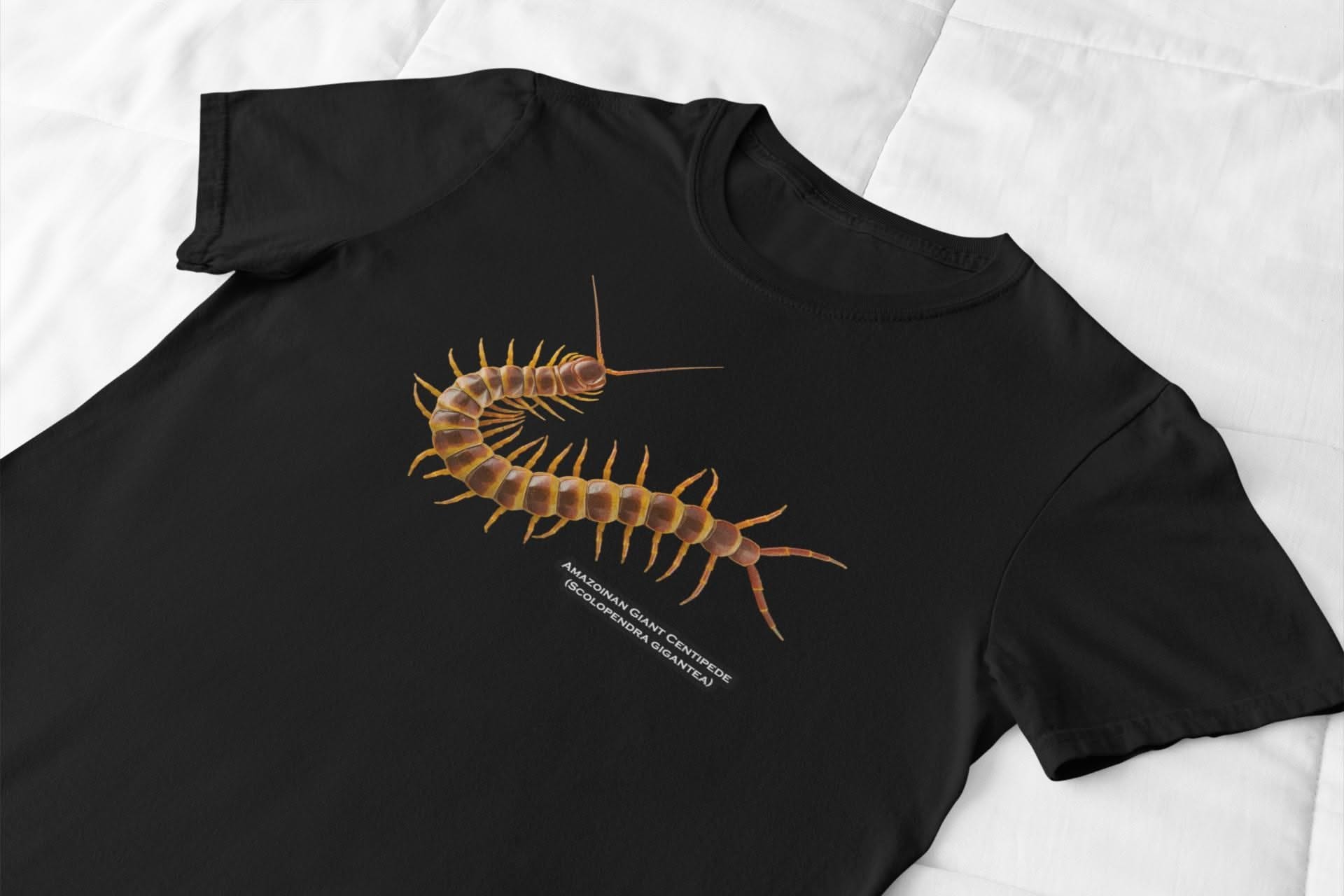
Quick Answer: The Amazonian giant centipede (Scolopendra gigantea) is the world’s largest centipede, native to the rainforests of South America. This formidable arthropod can exceed 30 centimeters in length and preys on a wide range of animals, including insects, amphibians, reptiles, and even small mammals. Its potent venom, delivered through modified front legs called forcipules, enables it to subdue prey much larger than itself, making it a top invertebrate predator in its ecosystem.
The Amazonian giant centipede commands both fascination and caution in the animal kingdom. Known scientifically as Scolopendra gigantea, this species stands out not only for its impressive size but also for its predatory prowess and adaptability. Found primarily in the humid forests of northern South America, it is a striking example of evolutionary specialization among arthropods.
Its elongated, segmented body and vibrant coloration allow it to blend into the leaf litter and undergrowth, while its speed and agility make it a formidable hunter.
Encounters with this centipede often leave a lasting impression due to its size and the threat of its venomous bite. While rarely fatal to humans, the venom is powerful enough to immobilize prey much larger than typical centipede victims. The Amazonian giant centipede’s role in its ecosystem is multifaceted: it is both predator and prey, contributing to the balance of rainforest food webs.
Its unique adaptations have made it a subject of scientific study and public intrigue, highlighting the complexity and diversity of tropical arthropods.
Despite its fearsome reputation, the Amazonian giant centipede is an essential part of its environment, controlling populations of various small animals and serving as food for larger predators. Its biology, behavior, and ecological significance offer insights into the evolutionary arms race that shapes life in the Amazon. Understanding this species sheds light on broader patterns of adaptation, predation, and survival in one of the world’s most biodiverse regions.
Taxonomy and Physical Description
Scolopendra gigantea is the scientific name for the Amazonian giant centipede, a member of the order Scolopendromorpha and the family Scolopendridae. This centipede is recognized as the largest living centipede species, with some individuals reaching lengths of over 30 centimeters (about 12 inches). Its body is composed of 21 to 23 segments, each bearing a pair of robust, articulated legs, totaling up to 46 legs in mature specimens.
The coloration of Scolopendra gigantea varies, but most individuals display a reddish-brown or dark green body with yellow or orange legs. This coloration provides camouflage among the leaf litter and fallen logs of its rainforest habitat. The head is equipped with long, sensitive antennae that detect vibrations and chemical cues in the environment, aiding in navigation and prey detection.
A defining feature of this species is its modified first pair of legs, called forcipules. These appendages are adapted into venom-injecting fangs, capable of delivering a potent neurotoxic venom to subdue prey. The forcipules are not true mouthparts but are highly specialized for predation. The centipede’s exoskeleton is tough and flexible, allowing it to squeeze through narrow crevices and burrow into soil or leaf litter.
Key Insight: Scolopendra gigantea’s size and venomous capabilities distinguish it from other centipede species, making it a dominant invertebrate predator in its range.
The Amazonian giant centipede’s morphology is a product of evolutionary pressures favoring speed, strength, and sensory acuity. Its legs are adapted for rapid movement, and its body segments can undulate independently, granting agility when pursuing prey or escaping threats.
The centipede’s respiratory system consists of spiracles along the sides of its body, facilitating efficient gas exchange in humid environments. For more detailed anatomical information, see the Wikipedia entry on Scolopendra gigantea.
Geographic Range and Habitat Preferences
The Amazonian giant centipede is native to northern South America, with its distribution centered in the Amazon Basin. Populations are found in countries such as Venezuela, Brazil, Colombia, Trinidad, and Aruba. This species thrives in tropical rainforests, where high humidity and dense vegetation provide ideal conditions for its survival.
Habitats favored by Scolopendra gigantea include:
- Leaf litter and decomposing wood on the forest floor
- Under rocks and fallen logs
- Burrows in moist soil
- Crevices in tree bark
The centipede’s preference for microhabitats with high moisture levels is essential for preventing desiccation, as its exoskeleton is not completely waterproof. During the day, the centipede remains hidden to avoid predators and conserve moisture, emerging at night to hunt. This nocturnal behavior reduces competition with diurnal predators and prey.
Observation: The Amazonian giant centipede’s range overlaps with some of the world’s most biodiverse ecosystems, contributing to the complexity of rainforest food webs.
While primarily associated with lowland rainforests, Scolopendra gigantea can also be found in secondary forests, plantations, and occasionally in human-altered landscapes. Its adaptability to different microhabitats has facilitated its persistence despite habitat fragmentation in some regions. For a broader overview of centipede habitats, consult Britannica’s centipede article.
Feeding Behavior and Prey Selection
The Amazonian giant centipede is an apex invertebrate predator, exhibiting a diverse and opportunistic diet. Its primary hunting strategy involves ambushing or actively pursuing prey, using its antennae to detect vibrations and chemical signals. Once prey is located, the centipede rapidly lunges, grasping the victim with its forcipules and injecting venom to immobilize it.
Feeding behavior in Scolopendra gigantea is characterized by:
- Swift, decisive attacks on prey
- Use of venom to paralyze and pre-digest tissues
- Consumption of prey head-first, minimizing escape risk
The centipede’s diet includes:
| Prey Type | Examples |
|---|---|
| Insects | Beetles, cockroaches, crickets |
| Arachnids | Spiders, scorpions |
| Amphibians | Frogs, toads |
| Reptiles | Small lizards, snakes |
| Mammals | Mice, bats |
| Birds (rare cases) | Nestlings |
Notable Case: Scolopendra gigantea has been observed climbing cave ceilings to capture and consume bats, demonstrating remarkable predatory versatility.
The venom of the Amazonian giant centipede contains a complex mixture of toxins that disrupt nerve function, leading to rapid paralysis. This adaptation allows the centipede to subdue animals much larger than itself, including small vertebrates. After envenomation, the centipede uses its mandibles to tear apart the prey and ingest liquefied tissues. The feeding process can last several minutes to over an hour, depending on the size and resistance of the prey.
Venom Composition and Effects
The Amazonian giant centipede’s venom is a potent cocktail of proteins, enzymes, and neurotoxins. These compounds work synergistically to immobilize prey, disrupt cellular processes, and facilitate digestion. The venom is delivered through the forcipules, which penetrate the prey’s exoskeleton or skin.
Venom composition includes:
- Neurotoxins that block nerve transmission
- Cytolytic enzymes that break down cell membranes
- Proteases that degrade proteins
- Cardiotoxins affecting heart function in vertebrate prey
For humans, a bite from Scolopendra gigantea can cause intense pain, swelling, redness, and occasionally systemic symptoms such as fever, nausea, and muscle weakness. While fatalities are extremely rare, medical attention is recommended for severe reactions. The venom’s effects on small animals are far more pronounced, often resulting in rapid paralysis and death.
Warning: The bite of the Amazonian giant centipede is not typically life-threatening to humans but can cause significant discomfort and secondary infections if untreated.
Research into centipede venom has revealed potential applications in pharmacology, particularly for pain management and antimicrobial agents. The specificity and potency of the toxins make them valuable for studying nerve function and developing new drugs. For more on centipede venom, see the Wikipedia article on centipede venom and Britannica’s entry on venomous animals.
Reproductive Biology and Lifecycle
Reproduction in Scolopendra gigantea involves complex courtship behaviors and parental investment. Mating typically occurs during the rainy season, when humidity levels are optimal for egg development. The male deposits a spermatophore, which the female collects to fertilize her eggs.
Lifecycle stages:
- Eggs: Females lay clutches of 20-60 eggs in concealed, moist locations. The mother often coils around the eggs, guarding them from predators and maintaining humidity.
- Larvae: Upon hatching, larvae resemble miniature adults but lack the full complement of legs. They undergo several molts, gradually acquiring more segments and legs.
- Juveniles: Young centipedes are independent hunters, feeding on small invertebrates. Growth continues through successive molts.
- Adults: Sexual maturity is reached after several years, with adults capable of reproduction and full predatory behavior.
Parental Care: Female Amazonian giant centipedes exhibit maternal care, a relatively rare trait among arthropods, increasing offspring survival rates.
The reproductive strategy of Scolopendra gigantea balances high egg production with active defense of the brood, reducing losses to predation and environmental hazards. The lifecycle from egg to adult can span several years, depending on food availability and environmental conditions. This extended development period contributes to the species’ relatively low population density compared to smaller centipedes.
Ecological Role and Interactions
The Amazonian giant centipede occupies a critical niche as both predator and prey within the Amazon ecosystem. Its predation on a wide variety of animals helps regulate populations of insects, amphibians, and small vertebrates, contributing to ecological balance.
Ecological interactions include:
- Predation on pest species, aiding in natural pest control
- Serving as prey for larger animals such as birds, mammals, and reptiles
- Competition with other invertebrate predators for food resources
Ecosystem Impact: The presence of Scolopendra gigantea influences the structure of food webs, affecting species diversity and abundance at multiple trophic levels.
The centipede’s role as both predator and prey highlights the interconnectedness of rainforest communities. Its removal from the ecosystem could lead to cascading effects, altering the abundance of both its prey and its predators. The Amazonian giant centipede exemplifies the complex interactions that sustain tropical biodiversity. For more on ecological roles, see the IUCN Red List entry for Scolopendra gigantea.
Defense Mechanisms and Predators
Despite its formidable size and venom, Scolopendra gigantea faces threats from a range of predators. Birds such as owls and seriemas, mammals like coatis and opossums, and large reptiles may prey on adult centipedes. Juveniles are particularly vulnerable to predation by ants, spiders, and other arthropods.
Defense mechanisms employed by the Amazonian giant centipede include:
- Rapid escape through burrowing or running
- Secretion of noxious chemicals from defensive glands
- Autotomy (shedding of legs) to escape grasping predators
- Display of warning coloration to deter attacks
Survival Strategy: The centipede’s combination of speed, venom, and chemical defenses reduces predation risk, but does not eliminate it entirely.
Predators that specialize in hunting centipedes often possess adaptations to counteract venom or bypass defensive behaviors. The evolutionary arms race between Scolopendra gigantea and its predators drives ongoing adaptation and diversification within the ecosystem. The centipede’s defensive strategies are a testament to the selective pressures present in tropical environments.
Human Interactions and Cultural Significance
Human encounters with the Amazonian giant centipede are relatively uncommon due to its secretive, nocturnal habits. However, when contact does occur, it is often memorable. In some indigenous cultures, the centipede is regarded with a mix of fear and respect, sometimes featuring in folklore as a symbol of danger or resilience.
Human interactions include:
- Accidental bites during agricultural or forestry work
- Occasional presence in homes near forest edges
- Use in traditional medicine or rituals in some communities
Cultural Note: Scolopendra gigantea’s reputation as a dangerous animal has led to exaggerated stories, but actual attacks on humans are rare and rarely life-threatening.
The centipede’s role in local cultures reflects broader attitudes toward venomous animals in the Amazon. While some people kill centipedes on sight, others recognize their ecological value and avoid unnecessary harm. Scientific interest in the species has grown, with researchers studying its venom for potential medical applications and its behavior for insights into arthropod evolution.
Conservation Status and Threats
The Amazonian giant centipede is not currently listed as endangered, but its populations face pressures from habitat loss, deforestation, and collection for the exotic pet trade. The species’ reliance on moist, undisturbed habitats makes it vulnerable to environmental changes.
Major threats:
- Deforestation for agriculture and logging
- Habitat fragmentation reducing available territory
- Overcollection for the pet and curiosity trade
Conservation Perspective: Protecting rainforest habitats is essential for the long-term survival of Scolopendra gigantea and countless other specialized species.
Conservation efforts focus on preserving large tracts of primary forest and regulating trade in wild-caught specimens. The centipede’s role as an indicator species highlights the broader impacts of environmental degradation on Amazonian biodiversity. For more on conservation, refer to the IUCN Red List and Britannica’s conservation overview.
The Amazonian Giant Centipede in Scientific Research
Scolopendra gigantea has become a subject of scientific interest due to its unique adaptations, venom composition, and ecological role. Research on this species contributes to understanding arthropod evolution, predator-prey dynamics, and the pharmacological potential of invertebrate toxins.
Key research areas:
- Venom biochemistry and potential medical applications
- Behavioral ecology and hunting strategies
- Physiological adaptations to rainforest environments
- Evolutionary relationships within Scolopendridae
Research Value: Studies of Scolopendra gigantea provide insights into the evolution of predatory behavior and the development of complex venom systems in arthropods.
The centipede’s ability to subdue large prey and resist predation has inspired investigations into its nervous system, musculature, and chemical defenses. Ongoing research aims to identify novel compounds in its venom that could lead to new treatments for pain, infection, or neurological disorders. For an overview of centipede research, see Wikipedia’s centipede page and academic articles in journals of zoology and toxinology.
Appreciating the Amazonian Giant Centipede’s Place in Nature
The Amazonian giant centipede exemplifies the extraordinary diversity and adaptability of rainforest life. Its combination of size, speed, and venom has enabled it to thrive in one of the world’s most competitive environments. As both predator and prey, it plays a vital role in maintaining ecological balance and supporting the rich tapestry of Amazonian biodiversity.
Understanding the biology and ecology of Scolopendra gigantea deepens appreciation for the complexity of tropical ecosystems. The centipede’s interactions with other species, its evolutionary history, and its potential contributions to science underscore the importance of conserving its habitat. Protecting the Amazon rainforest ensures the survival of remarkable species like the Amazonian giant centipede and preserves the intricate relationships that sustain life on Earth.
Final Thought: The Amazonian giant centipede is more than a symbol of danger or curiosity; it is a testament to the ingenuity of evolution and the resilience of rainforest life.
Frequently Asked Questions
How dangerous is the Amazonian giant centipede to humans?
The Amazonian giant centipede’s bite is extremely painful but rarely life-threatening to humans; medical attention is advised for severe reactions.
What does the Amazonian giant centipede eat?
It preys on insects, spiders, amphibians, reptiles, small mammals, and occasionally birds, using venom to subdue its prey.
Where can Scolopendra gigantea be found?
Scolopendra gigantea is native to the Amazon Basin and surrounding regions in northern South America, including Venezuela, Brazil, and Trinidad.
Can the Amazonian giant centipede be kept as a pet?
While sometimes kept by experienced hobbyists, its venomous bite and aggressive nature make it unsuitable for most pet owners.
How does the Amazonian giant centipede defend itself?
It uses rapid movement, venomous bites, chemical secretions, and can shed legs to escape predators.
Is the Amazonian giant centipede endangered?
It is not currently endangered, but habitat loss and collection for the pet trade pose localized threats.
How large can Scolopendra gigantea grow?
Scolopendra gigantea can exceed 30 centimeters (about 12 inches) in length, making it the largest known centipede.