
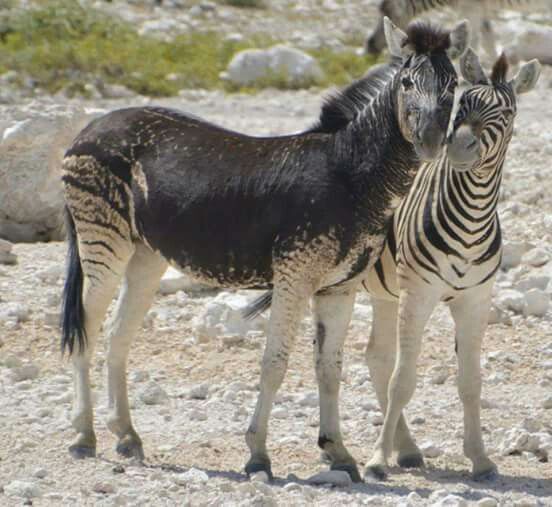
Quick Answer: A zebroid is a hybrid equine resulting from the crossbreeding of a zebra with another member of the horse family, such as a horse or donkey. These hybrids, including zorses (zebra-horse) and zonkeys (zebra-donkey), display a combination of physical and behavioral traits from both parents. Zebroids are generally sterile, exhibit unique striping patterns, and are bred primarily for novelty, research, or specific work purposes rather than in the wild.
Zebroids have long captured human curiosity, standing as living examples of the boundaries and possibilities within the animal kingdom. The striking appearance of a zebroid, often characterized by the bold stripes of a zebra overlaying the body shape of a horse or donkey, immediately signals its hybrid origins. These animals are not found naturally in the wild but are the result of intentional breeding efforts by humans, usually for scientific study, novelty, or specialized work roles.
The concept of hybridization in equines is not new. For centuries, humans have experimented with crossing different members of the horse family to produce animals with desired characteristics. Zebroids, however, are particularly notable due to the dramatic contrast between their parent species.
The resulting hybrids can vary widely in appearance and temperament, depending on the specific cross and which parent is the zebra. Their existence raises important questions about genetics, species boundaries, and the ethical considerations of hybrid breeding.
Despite their visual appeal, zebroids are relatively rare. The challenges of breeding across species lines, combined with the sterility of most hybrids, mean that zebroids are not commonly seen outside of zoos, research institutions, or private collections. Their unique status as hybrids makes them valuable subjects for genetic and evolutionary studies, offering insights into heredity, adaptation, and the mechanisms that maintain species integrity in nature.
Defining the Zebroid and Its Equine Hybrids
Zebroid refers to any hybrid offspring produced by mating a zebra with another equine species, such as a horse or a donkey. The most common types of zebroids include the zorse (zebra-horse hybrid) and the zonkey (zebra-donkey hybrid). Less frequently, zebras have been crossed with ponies or other wild equines, resulting in hybrids like the zedonk or zebmule.
The process of creating a zebroid typically involves using a male zebra (stallion) and a female horse or donkey (mare or jenny). This direction is favored because female zebras are less likely to be successfully impregnated by non-zebra males. The resulting offspring inherit a mix of physical and behavioral traits from both parents, with striping patterns being the most visually distinctive feature.
However, the degree and placement of stripes can vary significantly, sometimes appearing only on parts of the body such as the legs or neck.
Hybridization in the equine family is possible due to the close genetic relationship among zebras, horses, and donkeys. All three belong to the genus Equus, which facilitates the formation of viable, though usually sterile, offspring. The sterility of zebroids is a result of differences in chromosome numbers between the parent species, which disrupts normal reproductive processes in the hybrids.
For example, zebras typically have between 32 and 46 chromosomes, horses have 64, and donkeys have 62, leading to mismatched chromosome pairs in the hybrid.
Key Insight: The term “zebroid” encompasses all zebra hybrids, but specific names like “zorse” or “zonkey” provide clarity about the non-zebra parent involved.
Hybrid equines have been bred for a variety of reasons, including curiosity, research, and practical applications. While zebroids are not recognized as a natural species, their existence is well-documented in zoological and genetic literature. More information on equine hybrids can be found in the Wikipedia article on zebroids and related resources.
Genetics and Inheritance in Zebroids
The genetics of zebroids are complex, shaped by the interplay between the differing chromosome numbers and genetic traits of their parent species. When a zebra and another equine mate, the resulting hybrid receives one set of chromosomes from each parent. However, because these sets do not match perfectly, the hybrid’s cells face challenges during meiosis, the process that produces reproductive cells. This mismatch typically results in sterility, as the hybrids cannot produce viable gametes.
Striping patterns in zebroids are determined by the zebra parent’s genes, which are dominant for this trait. However, the expression of stripes can be highly variable, influenced by the genetic background of the non-zebra parent. In zorses, for example, stripes may be bold and cover much of the body, or they may be faint and restricted to the legs. The base color of the non-zebra parent often modifies the appearance of the stripes, leading to a wide range of phenotypes.
The inheritance of behavioral traits is less predictable. Zebroids may inherit the wariness and strong flight response of zebras, making them more challenging to handle than domestic horses or donkeys. At the same time, some hybrids display the docility of their non-zebra parent, especially if that parent is a well-socialized horse. The unpredictability of temperament is one reason why zebroids are not widely used as riding or working animals, despite their strength and stamina.
A table below summarizes key genetic differences among the parent species and their hybrids:
| Parent Species | Chromosome Number | Hybrid Name | Hybrid Chromosome Number | Fertility |
|---|---|---|---|---|
| Zebra | 32-46 | Zorse | 54-62 | Sterile |
| Horse | 64 | |||
| Donkey | 62 | Zonkey | 53-58 | Sterile |
Genetic research on zebroids has contributed to a better understanding of hybridization barriers and the evolutionary processes that maintain species boundaries. For further reading on equine genetics, see the Britannica entry on Equidae and academic resources on mammalian hybridization.
Types of Zebroids: Zorse, Zonkey, and Beyond
Zebroids are classified based on the specific equine species involved in their creation. The two most well-known types are the zorse and the zonkey, but other combinations exist, each with distinct characteristics.
Zorse (Zebra-Horse Hybrid)
A zorse is produced by mating a zebra stallion with a horse mare. Zorses typically display the body shape and size of a horse, with striping patterns inherited from the zebra parent. The stripes may cover the entire body or be limited to certain areas. Zorses are generally larger and more robust than zonkeys, making them suitable for certain types of work, though their unpredictable temperament can be a limitation.
Zonkey (Zebra-Donkey Hybrid)
A zonkey results from the cross between a zebra stallion and a donkey jenny. Zonkeys are usually smaller than zorses and have a more donkey-like build. Their stripes are often less pronounced, sometimes appearing only on the legs or neck. Zonkeys may inherit the stubbornness of donkeys combined with the agility of zebras, making them unique among equine hybrids.
Other Hybrids
Less common hybrids include the zedonk (zebra-donkey cross, regardless of which parent is the zebra), the zebmule (zebra-mule hybrid), and the zonny (zebra-pony hybrid). These animals are rare and usually bred for specific research or exhibition purposes. Each combination results in a different blend of physical and behavioral traits, influenced by the genetic contributions of both parents.
Key Takeaway: The diversity of zebroid types demonstrates the genetic compatibility within the genus Equus, but also highlights the limits imposed by chromosome differences.
For more on the variety of equine hybrids, consult the Wikipedia page on equine hybrids and related zoological literature.
Physical and Behavioral Traits of Zebroids
The appearance of a zebroid is a striking blend of its parents’ features. Most zebroids have the general body shape of the non-zebra parent, whether horse or donkey, but with the addition of distinctive zebra stripes. The pattern, intensity, and location of these stripes can vary widely, even among siblings from the same parents. Some zebroids display stripes only on the legs, while others may have stripes across the neck, torso, or even the entire body.
Zebroids often have a mane that stands erect like a zebra’s, though the length and texture may be influenced by the non-zebra parent. Their tails, ears, and facial features also reflect a combination of parental traits. In terms of size, zorses are generally larger and more muscular than zonkeys, reflecting the size difference between horses and donkeys. The hooves, teeth, and other anatomical features of zebroids are usually intermediate between those of their parents.
Behaviorally, zebroids can be challenging to manage. Many inherit the alertness, strong flight response, and occasional aggression of zebras, making them less predictable than domestic horses or donkeys. Some zebroids are more docile, particularly if the non-zebra parent is calm and well-trained. However, the variability in temperament means that zebroids are not widely used for riding or as working animals, except in specialized circumstances.
Key Fact: Zebroids are generally more resistant to certain diseases and parasites than horses or donkeys, due to the hardiness of the zebra parent. This trait has occasionally been exploited in regions where equine diseases are prevalent.
The unique combination of physical and behavioral characteristics in zebroids makes them valuable subjects for studies on genetics, adaptation, and animal behavior. For further information on equine behavior, see the Britannica article on horses and related scientific publications.
History and Purposes of Zebroid Breeding
The deliberate breeding of zebroids dates back to at least the 19th century, when colonial administrators in Africa experimented with zebra hybrids as potential work animals. The goal was to produce animals with the strength and trainability of horses or donkeys, combined with the disease resistance and hardiness of zebras. In some regions, zebroids were used for pulling carts or carrying loads, particularly in areas where diseases like trypanosomiasis made it difficult to keep horses alive.
Despite these efforts, zebroids never became widely adopted as working animals. Their unpredictable temperament, tendency toward aggression, and sterility limited their usefulness. In modern times, zebroid breeding is primarily carried out for scientific research, educational purposes, or as a novelty in zoos and private collections. Zebroids have also appeared in circuses and exhibitions, where their unusual appearance attracts public interest.
A summary of the main purposes for breeding zebroids includes:
- Research on genetics and hybridization
- Disease resistance studies
- Educational exhibits in zoos
- Novelty animals for private collections
- Occasional use as work animals in challenging environments
Historical Note: Zebroids were once considered as possible cavalry mounts in Africa, but their unpredictable behavior and sterility made them unsuitable for widespread use.
The history of zebroid breeding reflects broader human interests in animal domestication, hybridization, and the pursuit of unique or useful traits. For a historical overview of animal hybrids, see the Wikipedia article on animal hybrids.
Health, Welfare, and Ethical Considerations
The breeding and care of zebroids raise important questions about animal welfare and ethics. Because zebroids are usually sterile, each individual must be produced by crossing a zebra with another equine, which can be stressful for the animals involved. The differences in gestation periods, size, and behavior between zebras and other equines can lead to complications during pregnancy and birth.
Health issues in zebroids are generally similar to those of their parent species, but hybrids may face unique challenges. For example, mismatches in size between the parents can cause difficulties during gestation or delivery. Additionally, the hybrid’s immune system may be affected by the combination of genes, though zebroids often benefit from the disease resistance of zebras.
Behavioral issues, such as aggression or anxiety, may also impact the welfare of zebroids, especially if they are not handled properly from a young age.
Ethical considerations center on the purpose and methods of breeding zebroids. Critics argue that creating hybrids primarily for novelty or exhibition does not justify the potential risks to animal welfare. Supporters contend that zebroids can contribute to scientific understanding and may offer practical benefits in specific contexts. The debate reflects broader concerns about the limits of human intervention in animal breeding and the responsibilities of those who care for hybrid animals.
Ethical Insight: Responsible breeding and care practices are essential to ensure the health and welfare of zebroids, especially given the challenges associated with hybridization.
For more on animal welfare and hybridization ethics, consult resources from animal welfare organizations and academic discussions on the topic.
Zebroids in Popular Culture and Scientific Research
Zebroids have captured the public imagination, appearing in literature, film, and art as symbols of hybridity, uniqueness, and the blending of boundaries. Their striking appearance makes them popular subjects for photography and illustration, and they are sometimes featured in educational materials to illustrate concepts in genetics and evolution.
In scientific research, zebroids have been used to study the mechanisms of hybridization, genetic inheritance, and the barriers that maintain species boundaries. Their sterility provides a clear example of postzygotic reproductive isolation, a key concept in evolutionary biology. Zebroids also offer insights into the expression of dominant and recessive traits, particularly in relation to striping patterns and other physical characteristics.
A few notable appearances of zebroids in culture and science include:
- Depictions in children’s books and educational media
- Appearances in films and documentaries about wildlife and genetics
- Use as teaching examples in biology classes
- Research subjects in studies of chromosome pairing and hybrid sterility
Scientific Note: Zebroids are frequently cited in discussions of speciation and the genetic mechanisms that prevent or allow hybridization between closely related species.
For further reading on the role of hybrids in evolution, see the Wikipedia page on hybrid speciation and academic resources on evolutionary biology.
Conservation Implications and the Role of Hybrids
While zebroids themselves are not a conservation priority, their existence raises important questions about the management of wild and domestic animal populations. Hybridization can occur naturally in some cases, especially when human activities disrupt habitats and bring previously isolated species into contact. However, deliberate breeding of hybrids like zebroids is generally confined to controlled environments.
From a conservation perspective, the creation of hybrids can pose risks to the genetic integrity of endangered species. For example, if wild zebras were to hybridize extensively with domestic horses or donkeys, the unique genetic adaptations of zebras could be diluted. This is particularly relevant for rare or threatened zebra species, such as the Grevy’s zebra, which is listed as endangered by the IUCN Red List.
On the other hand, research on hybrids can inform conservation strategies by shedding light on the genetic and ecological factors that maintain species boundaries. Understanding the limits of hybridization helps conservationists develop policies to protect the distinctiveness of wild populations. In some cases, hybrids may even play a role in restoring genetic diversity or resilience, though this is a controversial and carefully managed approach.
Conservation Perspective: Maintaining clear species boundaries is essential for preserving biodiversity, but studying hybrids like zebroids can provide valuable insights for conservation science.
For more on zebra conservation and hybridization, consult the IUCN Red List entry for zebras and conservation biology literature.
The Future of Zebroids: Research, Regulation, and Public Interest
The future of zebroids will likely be shaped by advances in genetics, evolving ethical standards, and changing public attitudes toward animal breeding. As genetic technologies improve, researchers may gain greater control over the traits expressed in hybrids, potentially addressing some of the challenges associated with sterility or health issues. However, the fundamental barriers imposed by chromosome differences are unlikely to be overcome without resorting to complex genetic engineering.
Regulation of hybrid breeding varies by country and region. Some jurisdictions require permits or oversight for the breeding and keeping of exotic hybrids, including zebroids. These regulations are intended to protect animal welfare, prevent the escape of hybrids into the wild, and ensure public safety. The novelty and rarity of zebroids mean that they are often subject to additional scrutiny compared to more common domestic animals.
Public interest in zebroids is likely to remain high, driven by their unusual appearance and the broader fascination with hybrids. Educational programs, documentaries, and exhibitions can help inform the public about the science and ethics of hybridization, fostering a more nuanced understanding of these remarkable animals.
Looking Ahead: The study and management of zebroids will continue to reflect the intersection of science, ethics, and public curiosity, highlighting the complexities of hybridization in the animal kingdom.
Understanding Zebroids in the Context of Animal Hybridization
Zebroids occupy a unique position within the broader phenomenon of animal hybridization. Their existence illustrates both the possibilities and the limitations of crossing species boundaries, especially among closely related animals. While zebroids are not found in the wild, their creation in controlled environments provides valuable lessons about genetics, adaptation, and the processes that drive evolution.
Animal hybrids have been produced for a variety of reasons, from practical applications to scientific research and sheer curiosity. The case of the zebroid demonstrates that hybridization can yield animals with novel traits, but also that such crosses are rarely straightforward or without challenges. Issues of sterility, health, behavior, and welfare must all be considered when evaluating the merits and risks of hybrid breeding.
The ongoing study of zebroids and other animal hybrids contributes to our understanding of biological diversity, the mechanisms of speciation, and the ethical responsibilities of those who work with animals. As science advances and public attitudes evolve, the role of hybrids in research, conservation, and society will continue to be an important topic of discussion.
Frequently Asked Questions
Are zebroids fertile or sterile?
Zebroids are almost always sterile due to mismatched chromosome numbers between their zebra and non-zebra parents, preventing successful reproduction.
Can zebroids survive in the wild?
Zebroids are not naturally found in the wild and are usually bred in captivity; their mixed traits may not suit survival in natural environments.
Why are zebroids bred if they are sterile?
Zebroids are bred mainly for research, educational exhibits, or novelty, not for reproduction or population establishment.
Do zebroids have health problems?
Zebroids may face health or behavioral challenges due to hybridization, but often benefit from the disease resistance of their zebra parent.
What do zebroids eat?
Zebroids eat a diet similar to horses and donkeys, primarily consisting of grasses, hay, and grains.
Are zebroids legal to own?
Ownership of zebroids is regulated in many regions, often requiring permits or compliance with exotic animal laws.
How long do zebroids live?
Zebroids typically live 20-30 years in captivity, similar to horses and donkeys, depending on care and health.