
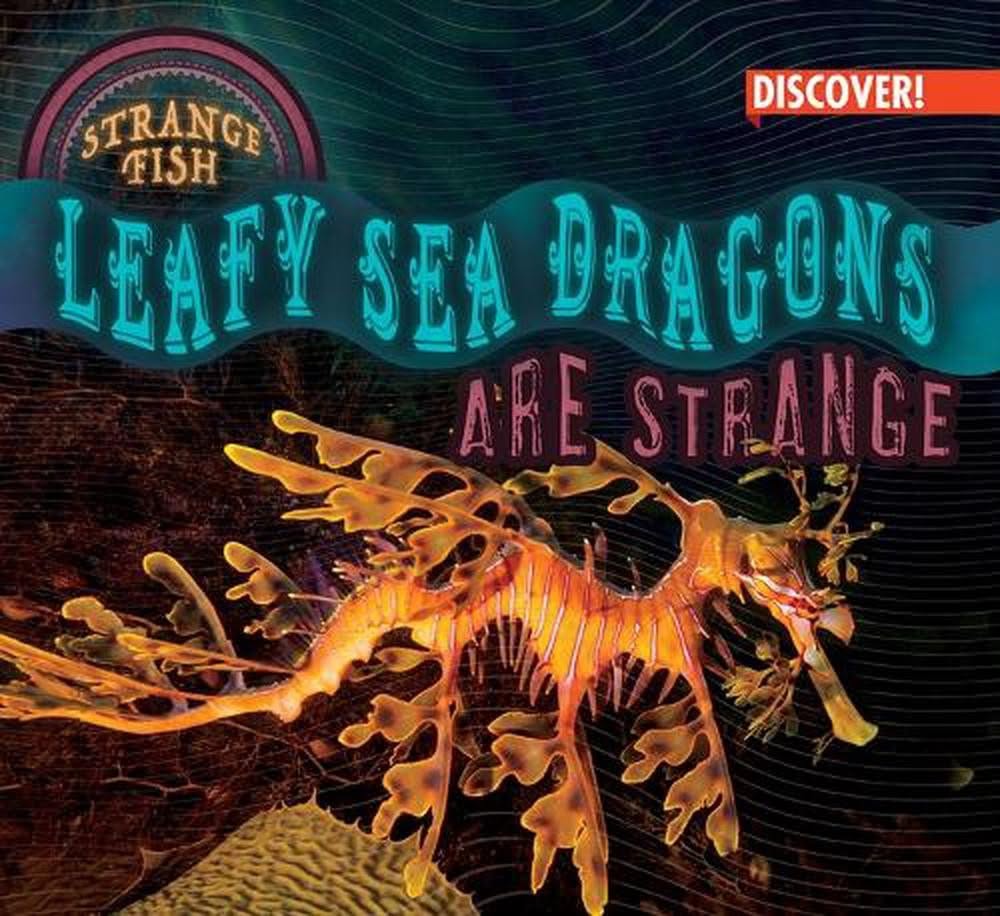
Quick Answer: The leafy sea dragon (Phycodurus eques) is a marine fish native to southern Australian waters, renowned for its elaborate leaf-like appendages that provide exceptional camouflage among seaweed and kelp. Closely related to seahorses and pipefish, this species is recognized for its unique appearance, slow movements, and specialized adaptations for survival in temperate reefs. Leafy sea dragons are protected and considered near threatened due to habitat loss and collection pressures.
Leafy sea dragons are among the most visually striking marine creatures, instantly recognizable by their ornate, leaf-shaped protrusions that mimic the surrounding seaweed. These appendages are not used for propulsion but serve as highly effective camouflage, allowing the fish to blend seamlessly into kelp forests and seagrass meadows.
This adaptation is essential for avoiding predators in the dynamic coastal environments of southern and western Australia, where these animals are exclusively found.
Despite their dramatic appearance, leafy sea dragons are slow, deliberate swimmers. Their movement is powered by small, nearly transparent fins that undulate gently, further enhancing their disguise. Observers often mistake them for floating pieces of seaweed, a testament to the effectiveness of their evolutionary adaptations.
The species’ reliance on camouflage rather than speed or aggression highlights a fascinating survival strategy within the Syngnathidae family, which also includes seahorses and pipefish.
The leafy sea dragon’s specialized biology extends beyond its appearance. Its feeding habits, reproductive strategies, and vulnerability to environmental change make it a subject of ongoing scientific interest. As a flagship species for marine conservation in Australia, the leafy sea dragon embodies the intricate relationships between form, function, and habitat in the natural world.
Taxonomy and Evolutionary Relationships
The leafy sea dragon is scientifically known as Phycodurus eques, a member of the family Syngnathidae, which also includes seahorses and pipefish. This family is characterized by elongated bodies, tubular snouts, and unique reproductive adaptations. The genus Phycodurus is monotypic, containing only the leafy sea dragon, which sets it apart from its closest relative, the weedy sea dragon (Phyllopteryx taeniolatus).
Syngnathidae is a family of small, bony fishes distinguished by their fused jaws, armored bodies, and specialized brooding behaviors. Unlike seahorses, which typically have prehensile tails and curl around objects, leafy sea dragons lack this adaptation, resulting in a more rigid, elongated form. The evolutionary divergence between leafy and weedy sea dragons is reflected in their morphology, with the leafy sea dragon exhibiting more elaborate appendages for camouflage.
Fossil records and molecular studies suggest that the Syngnathidae family originated in the Tethys Sea during the Late Cretaceous period, with modern representatives evolving to fill a variety of ecological niches in shallow, temperate waters. The unique body plan of the leafy sea dragon is believed to have evolved as a response to predation pressures and the need for effective concealment in complex marine habitats.
The species’ close relationship with seahorses is evident in their shared reproductive strategies, such as male parental care, but the leafy sea dragon’s adaptations are singular in their complexity and effectiveness.
The distribution of the leafy sea dragon is restricted to the southern and western coasts of Australia, where it inhabits rocky reefs, seagrass beds, and kelp forests. This limited range, combined with its specialized habitat requirements, underscores the species’ vulnerability to environmental change.
The evolutionary history of the leafy sea dragon illustrates the dynamic interplay between adaptation, speciation, and ecological specialization in marine environments. For additional context on Syngnathidae evolution, see the Wikipedia entry on Syngnathidae and the Britannica overview of seahorses.
Key Insight: The leafy sea dragon’s evolutionary lineage highlights the importance of camouflage and specialized morphology in the survival of marine fish within the Syngnathidae family.
Physical Description and Unique Adaptations
Leafy sea dragons are renowned for their spectacular appearance, which features long, leaf-like appendages extending from the head, body, and tail. These structures are not used for movement but serve as highly effective camouflage, making the fish nearly indistinguishable from drifting seaweed. Adult leafy sea dragons typically reach lengths of 20 to 35 centimeters, with some individuals growing slightly larger under optimal conditions.
The body of the leafy sea dragon is elongated and laterally compressed, covered in bony plates that offer protection from predators. The coloration varies from pale yellow to greenish-brown, often with subtle patterns that mimic the dappled light and shadows of their kelp and seagrass habitats. The appendages, which resemble fronds or leaves, are flexible and move with the current, enhancing the illusion of plant material.
Locomotion is achieved through the use of small, nearly transparent pectoral and dorsal fins. These fins undulate rapidly, propelling the fish forward in a slow, graceful manner. This method of movement minimizes water disturbance, reducing the likelihood of detection by predators. The leafy sea dragon’s eyes are positioned to provide a wide field of vision, aiding in the detection of both prey and threats.
A notable adaptation is the tubular snout, which allows the leafy sea dragon to suck up small crustaceans, plankton, and mysid shrimp from the water column or substrate. This feeding mechanism is highly efficient, enabling the fish to exploit food sources that are abundant in their habitat. The lack of teeth and a true stomach means that the leafy sea dragon must feed frequently to meet its metabolic needs.
| Feature | Description | Function |
|---|---|---|
| Leaf-like appendages | Flexible, plant-like structures | Camouflage |
| Elongated body | Laterally compressed, armored with bony plates | Protection, streamlining |
| Tubular snout | Long, straw-like mouth | Suction feeding |
| Transparent fins | Small dorsal and pectoral fins | Slow, stealthy movement |
| Wide-set eyes | Positioned for broad field of vision | Predator and prey detection |
Takeaway: The extraordinary adaptations of the leafy sea dragon are a direct response to the challenges of survival in complex marine environments, where camouflage and stealth are paramount.
Camouflage Strategies and Predator Avoidance
Camouflage is the defining feature of the leafy sea dragon’s survival strategy. The intricate, leaf-like appendages not only mimic the appearance of seaweed but also move in synchrony with ocean currents, further enhancing the illusion. This form of protective mimicry is among the most advanced in the animal kingdom, allowing the leafy sea dragon to avoid detection by both predators and prey.
The effectiveness of this camouflage is heightened by the fish’s coloration, which closely matches the hues and patterns of its environment. In kelp forests and seagrass beds, the interplay of light and shadow creates a dynamic backdrop, and the leafy sea dragon’s mottled appearance blends seamlessly into this setting. The animal’s slow, deliberate movements contribute to the deception, as sudden or erratic motion would betray its presence.
Predators of the leafy sea dragon include larger fish, such as snapper and morwong, as well as cephalopods like octopuses. However, predation events are rarely observed, suggesting that the camouflage is highly effective. When threatened, the leafy sea dragon relies on stillness and subtle swaying to avoid detection rather than fleeing.
This strategy is supported by the lack of a prehensile tail, which limits the fish’s ability to anchor itself but enhances its resemblance to free-floating seaweed.
Camouflage is not only a defense against predators but also an aid in ambushing prey. By remaining inconspicuous, the leafy sea dragon can approach small crustaceans and plankton without alarming them. This dual function underscores the evolutionary advantage of its unique morphology. For more on animal camouflage, see Britannica’s article on camouflage and the Wikipedia page on camouflage.
Key Takeaway: The leafy sea dragon’s camouflage is so effective that it is often overlooked by divers and researchers, making direct observation in the wild a rare and rewarding experience.
Habitat and Geographic Distribution
The natural range of the leafy sea dragon is limited to the temperate coastal waters of southern and western Australia. Populations are most commonly found from Wilson’s Promontory in Victoria, along the South Australian coast, and westward to Shark Bay in Western Australia. These regions are characterized by cool, nutrient-rich waters and extensive beds of seagrass and kelp.
Leafy sea dragons inhabit depths ranging from 3 to 50 meters, although they are most frequently observed at depths of 5 to 20 meters where sunlight penetrates and supports dense plant growth. The preferred habitats include rocky reefs, sandy patches interspersed with seagrass, and areas with abundant macroalgae. These environments provide both food and shelter, as well as the complex visual backgrounds necessary for effective camouflage.
The distribution of leafy sea dragons is patchy, with populations often isolated by unsuitable habitat or oceanographic barriers. This fragmentation increases the species’ vulnerability to local disturbances, such as pollution, coastal development, and climate change. The health of seagrass beds and kelp forests is directly linked to the survival of leafy sea dragons, as these habitats support their feeding and reproductive activities.
Conservation efforts in Australia have focused on protecting critical habitats and regulating activities that threaten the species. Marine reserves and no-take zones have been established in key areas to safeguard leafy sea dragon populations. The species is listed as Near Threatened on the IUCN Red List, reflecting ongoing concerns about habitat degradation and collection for the aquarium trade.
Feeding Behavior and Diet
Leafy sea dragons are specialized carnivores, feeding primarily on small crustaceans such as mysid shrimp, amphipods, and copepods. The tubular snout acts as a highly efficient suction device, allowing the sea dragon to draw in prey with remarkable speed and precision. This feeding strategy is well-suited to the dense, vegetated environments where the species resides.
Unlike many fish, leafy sea dragons lack teeth and a true stomach. Instead, food passes rapidly through the digestive system, necessitating frequent feeding to maintain energy levels. The absence of a stomach means that only small, easily digestible prey can be consumed. The fish often spends much of the day foraging among seagrass and kelp, using its camouflage to approach prey undetected.
Feeding is typically a solitary activity, with individuals moving slowly through their territory and pausing to suck up prey items as they encounter them. The reliance on small, abundant crustaceans makes the leafy sea dragon sensitive to changes in prey availability, which can be affected by water quality, temperature, and habitat health.
The feeding behavior of the leafy sea dragon exemplifies the close relationship between form and function in marine animals. The combination of stealth, specialized morphology, and dietary specialization enables the species to thrive in a competitive environment, but also leaves it vulnerable to ecological disruptions that impact food supply.
Reproduction and Life Cycle
Reproduction in the leafy sea dragon is notable for its reversal of traditional parental roles. Males are responsible for brooding the eggs, a trait shared with other members of the Syngnathidae family. During the breeding season, which typically occurs in late spring and early summer, females deposit up to 250 bright pink eggs onto a specialized brood patch located on the underside of the male’s tail.
The male fertilizes the eggs externally and carries them for four to six weeks, providing oxygen and protection until they hatch. The brood patch is richly supplied with blood vessels, facilitating gas exchange and supporting embryonic development. Upon hatching, the tiny, fully formed sea dragons are independent and receive no further parental care.
Juvenile leafy sea dragons are miniature replicas of adults, complete with leaf-like appendages for camouflage. Mortality rates are high in the early stages due to predation and environmental hazards, but survivors grow rapidly and reach maturity within two to three years. The reproductive strategy of male brooding reduces the risk of egg predation and increases the likelihood of successful hatching.
Key Fact: Male parental care in leafy sea dragons is a rare adaptation among fish, reflecting the evolutionary pressures that shape reproductive strategies in the Syngnathidae family.
Conservation Status and Threats
The leafy sea dragon is classified as Near Threatened by the International Union for Conservation of Nature (IUCN), primarily due to habitat loss, pollution, and collection for the aquarium trade. The species’ limited distribution and specialized habitat requirements make it particularly susceptible to environmental disturbances.
Habitat degradation is the most significant threat, with coastal development, dredging, and agricultural runoff impacting the health of seagrass beds and kelp forests. Pollution from urban and industrial sources can reduce water quality, affecting both the leafy sea dragon and its prey. Climate change poses additional risks, including rising sea temperatures and ocean acidification, which can alter the distribution of key habitats.
Collection for the aquarium trade, although now strictly regulated in Australia, has historically contributed to population declines. The species is protected under Australian law, and permits are required for any collection or trade. Public awareness campaigns and community-based monitoring programs have been established to promote conservation and reduce human impacts.
International collaboration is essential for the long-term survival of the leafy sea dragon, as global environmental changes can have far-reaching effects on local populations. Conservation measures must address both direct threats and broader ecosystem health to ensure the persistence of this iconic species.
Leafy Sea Dragon in Culture and Scientific Research
The leafy sea dragon holds a special place in Australian culture, serving as a symbol of marine biodiversity and environmental stewardship. It is the official marine emblem of South Australia and features prominently in public art, educational programs, and conservation campaigns. The species’ unique appearance and gentle nature have made it a favorite among divers, photographers, and marine enthusiasts worldwide.
Scientific research on the leafy sea dragon has focused on its biology, ecology, and evolutionary relationships. Studies have explored topics such as camouflage mechanisms, reproductive strategies, and genetic diversity within and between populations. The species’ sensitivity to environmental change has made it a valuable indicator for monitoring the health of temperate marine ecosystems.
The leafy sea dragon’s popularity has also contributed to ecotourism in southern Australia, with guided dives and educational tours supporting local economies and raising awareness of marine conservation issues. Responsible tourism practices are essential to minimize disturbance and ensure the continued survival of wild populations.
Cultural Note: The leafy sea dragon’s status as a marine emblem reflects its importance not only as a biological curiosity but also as a symbol of the need to protect Australia’s unique marine heritage.
Ongoing Research and Conservation Initiatives
Current research efforts aim to better understand the population dynamics, genetic diversity, and habitat requirements of the leafy sea dragon. Advances in molecular genetics have enabled scientists to assess the connectivity between populations and identify potential barriers to gene flow. This information is critical for designing effective conservation strategies and managing marine protected areas.
Community-based monitoring programs, often involving citizen scientists and recreational divers, have contributed valuable data on the distribution and abundance of leafy sea dragons. These initiatives help track population trends and detect early signs of decline or habitat degradation. Collaborative projects between government agencies, research institutions, and non-governmental organizations have strengthened conservation outcomes and fostered public engagement.
Innovative approaches, such as habitat restoration and artificial reef construction, are being explored to enhance the resilience of leafy sea dragon populations. These efforts aim to mitigate the impacts of habitat loss and support the recovery of degraded ecosystems. Ongoing research also seeks to understand the potential effects of climate change on the species’ distribution and reproductive success.
| Conservation Action | Description |
|---|---|
| Marine protected areas | Designated zones to safeguard critical habitat |
| Habitat restoration | Replanting seagrass and kelp, artificial reefs |
| Regulation of trade | Permitting system for collection and export |
| Public education | Awareness campaigns, community involvement |
| Scientific monitoring | Population surveys, genetic studies |
The Leafy Sea Dragon’s Role in Marine Ecosystems
Leafy sea dragons occupy a unique ecological niche as both predators and prey within temperate reef ecosystems. By feeding on small crustaceans, they help regulate the populations of these organisms, contributing to the overall balance of the food web. Their presence also supports the health of seagrass and kelp habitats by influencing the dynamics of associated species.
As a flagship species, the leafy sea dragon draws attention to the importance of marine conservation and the interconnectedness of coastal ecosystems. The health of leafy sea dragon populations is often used as an indicator of broader environmental conditions, reflecting the impacts of human activities and natural processes on marine biodiversity.
The loss of leafy sea dragons from an ecosystem could have cascading effects, disrupting predator-prey relationships and reducing the resilience of affected habitats. Protecting this species, therefore, has implications beyond its own survival, highlighting the need for integrated conservation approaches that address multiple levels of ecological organization.
Ecosystem Insight: The leafy sea dragon’s role as both predator and indicator species underscores its importance in maintaining the structure and function of temperate marine ecosystems.
Looking Ahead: Ensuring the Future of the Leafy Sea Dragon
Safeguarding the future of the leafy sea dragon requires a multifaceted approach that combines habitat protection, scientific research, and public engagement. The species’ vulnerability to environmental change and human activities underscores the urgency of proactive conservation measures. Continued investment in marine protected areas and habitat restoration will be essential for maintaining healthy populations.
Public education and community involvement are key components of successful conservation. By fostering a sense of stewardship and promoting responsible behaviors, individuals and organizations can contribute to the protection of the leafy sea dragon and its habitat. Ecotourism, when managed sustainably, offers opportunities to support conservation efforts while providing economic benefits to local communities.
The ongoing study of the leafy sea dragon’s biology and ecology will enhance our understanding of the challenges facing this and other marine species. By integrating scientific knowledge with practical conservation actions, it is possible to ensure that the leafy sea dragon continues to thrive in Australia’s coastal waters for generations to come.
Frequently Asked Questions
How long do leafy sea dragons live in the wild?
Leafy sea dragons typically live for five to ten years in the wild, depending on environmental conditions and predation rates.
Can leafy sea dragons change color to blend in?
Leafy sea dragons cannot actively change color, but their natural coloration provides excellent camouflage among seaweed and kelp.
Are leafy sea dragons endangered?
Leafy sea dragons are classified as Near Threatened, not endangered, due to habitat loss and collection pressures.
What do leafy sea dragons eat?
Leafy sea dragons eat small crustaceans such as mysid shrimp, amphipods, and copepods, which they suck up using their tubular snouts.
Where can you see leafy sea dragons in the wild?
Leafy sea dragons are found along the southern and western coasts of Australia, especially in seagrass beds and kelp forests.
How do leafy sea dragons reproduce?
Female leafy sea dragons deposit eggs onto the male’s tail, where the male broods them until they hatch.
Can you keep a leafy sea dragon as a pet?
Keeping leafy sea dragons as pets is highly regulated and generally not permitted, as they require specialized care and are protected by law.