
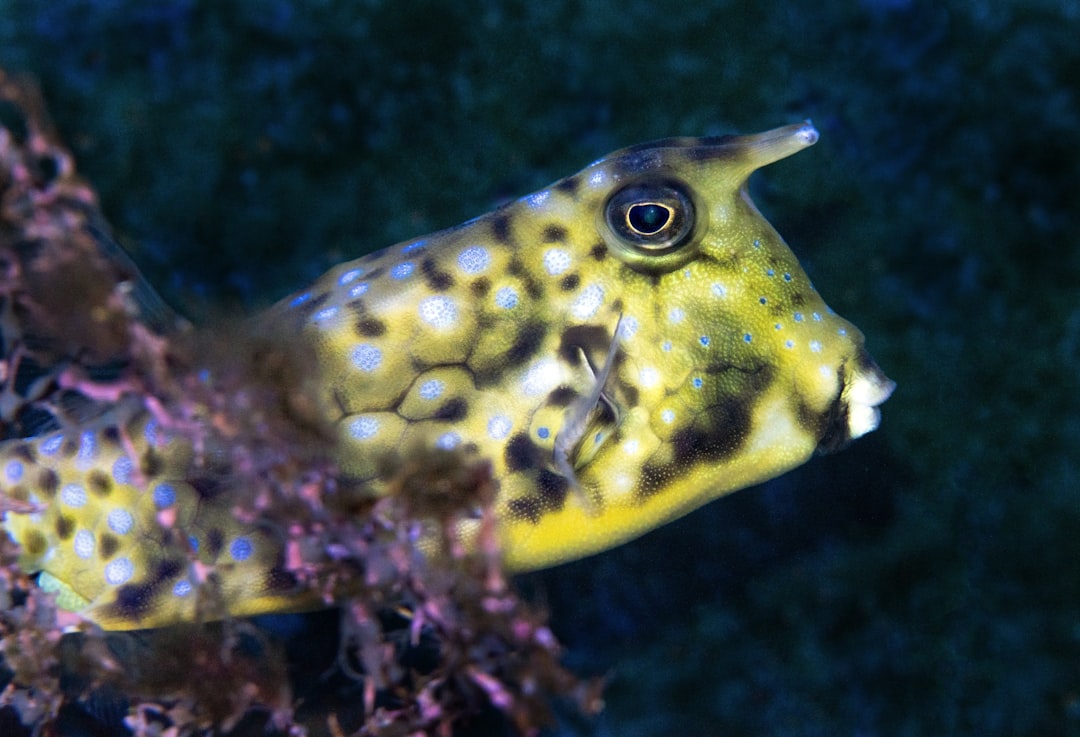
Quick Answer: The yellow boxfish (Ostracion cubicus) is a distinctive, cube-shaped reef fish found throughout the Indo-Pacific. Notable for its bright yellow coloration and box-like body, this species uses chemical defenses, including ostracitoxin, to deter predators. Its unique morphology aids in maneuverability and protection, making the yellow boxfish a fascinating subject in marine biology and a recognizable inhabitant of coral reefs worldwide.
The yellow boxfish stands out among reef fish due to its unmistakable geometric form and vivid coloration. These fish are often seen gliding through coral reefs, their rigid, boxy bodies moving with surprising agility. The combination of their bright yellow hue and black spots serves both as camouflage among corals and as a warning to potential predators.
This striking appearance has made them a favorite among divers and marine enthusiasts, as well as a subject of scientific study for their unusual adaptations.
Their presence in the Indo-Pacific region is a testament to the diversity and complexity of coral reef ecosystems. The yellow boxfish not only contributes to the visual tapestry of the reef but also plays a role in the delicate balance of marine life.
Observing their behaviors, from solitary foraging to their unique swimming mechanics, provides insight into evolutionary solutions to predation and environmental challenges. The cube-shaped form, while seemingly cumbersome, allows for precise movements and offers significant protection against many would-be predators.
The species’ ability to secrete ostracitoxin, a potent chemical deterrent, adds another layer to its survival strategy. This adaptation, coupled with its physical defenses, highlights the intricate interplay between morphology, behavior, and chemistry in reef fish evolution. The yellow boxfish exemplifies how specialized adaptations can lead to both ecological success and scientific intrigue.
Distinctive Morphology and Adaptations
The most defining feature of the yellow boxfish is its rigid, cube-like body. Ostracion cubicus possesses a carapace formed by fused bony plates, creating a hard, box-shaped structure that protects its internal organs. This morphology is unique among reef fish and provides significant defense against predation, as the hard shell makes it difficult for most predators to consume or injure the fish.
The body shape also influences the fish’s swimming style, resulting in a slow but highly maneuverable movement pattern that is both energy-efficient and effective for navigating complex reef environments.
The coloration of the yellow boxfish is another adaptation with ecological significance. Juveniles display a bright yellow body with scattered black spots, a pattern that serves as a warning to potential predators of their chemical defenses. As the fish matures, the intensity of the yellow may fade, and additional blue or gray hues can appear, particularly in males. This ontogenetic color change is thought to reflect shifts in habitat use and social behavior as the fish ages.
The fins of the yellow boxfish are set well back on the body, with the dorsal and anal fins positioned close to the tail. This arrangement, combined with the rigid body, allows for precise, almost hovering movements. The pectoral fins are used for fine control, while the caudal fin provides propulsion.
The absence of pelvic fins is compensated by the fish’s ability to rotate and pivot with remarkable agility, despite its seemingly awkward shape. This unique mode of locomotion has even inspired research into bio-inspired robotics, as engineers study the mechanics of boxfish swimming to develop more efficient underwater vehicles.
Key Insight: The rigid, box-like carapace of Ostracion cubicus not only provides physical protection but also shapes the fish’s distinctive swimming behavior, allowing for precise maneuvering in coral reef habitats.
The combination of physical and chemical defenses, along with specialized locomotion, underscores the evolutionary success of the yellow boxfish within its ecological niche. Its adaptations offer a compelling example of how form and function are intertwined in the natural world.
Habitat and Geographic Distribution
Ostracion cubicus is widely distributed across the warm waters of the Indo-Pacific region. This includes the Red Sea, the east coast of Africa, the Indian Ocean, and extends through Southeast Asia to the western Pacific, including the Great Barrier Reef and Japan. The species is typically associated with coral reefs, lagoons, and sheltered coastal areas, where it can find both food and protection.
Yellow boxfish are most commonly found at depths ranging from 1 to 50 meters, although they may occasionally venture deeper. Juveniles often inhabit shallow, sheltered reef flats or lagoons, taking advantage of dense coral cover for protection. Adults are more likely to be seen on outer reef slopes or among scattered coral heads, where their coloration and shape help them blend into the complex reef structure.
The preference for coral-rich environments reflects the species’ reliance on the reef for both food and shelter. The intricate architecture of coral reefs provides numerous hiding places from predators and access to a diverse array of invertebrate prey. The distribution of yellow boxfish is closely tied to the health and availability of coral habitats, making them sensitive indicators of reef ecosystem health.
Ecological Note: The presence of Ostracion cubicus in a reef system can signal a healthy, biodiverse environment, as these fish depend on intact coral structures for survival.
The broad geographic range of the yellow boxfish highlights its adaptability to various reef conditions, but also underscores the importance of coral conservation for the persistence of this and other specialized reef species. For more on their distribution, see the IUCN Red List entry for Ostracion cubicus.
Diet and Feeding Behavior
The feeding habits of the yellow boxfish are as specialized as its morphology. This species is an omnivore, consuming a varied diet that includes algae, sponges, mollusks, crustaceans, and small invertebrates. The fish uses its protrusible mouth and strong, beak-like jaws to pick food items from crevices and scrape algae from hard surfaces. This feeding strategy allows the yellow boxfish to exploit a wide range of food resources within the reef ecosystem.
The structure of the mouth and jaws is adapted for precision feeding. The fish can extend its mouth forward to reach into narrow spaces between coral branches or rocks, extracting prey that is inaccessible to many other reef fish. The teeth are fused into a plate-like structure, enabling the fish to crush hard-shelled prey such as snails and crustaceans.
This versatility in feeding mechanics supports the fish’s omnivorous diet and contributes to its ecological role as both a grazer and a predator of small invertebrates.
Feeding activity is typically solitary, with individuals foraging alone rather than in groups. This behavior reduces competition for food and minimizes the risk of attracting predators. The yellow boxfish is diurnal, feeding primarily during daylight hours when visibility is highest and prey is most active. At night, the fish seeks shelter within the reef to avoid nocturnal predators.
Feeding Adaptation: The ability to extract and process a variety of food types allows Ostracion cubicus to thrive in changing reef environments, even when certain prey items become scarce.
The dietary flexibility of the yellow boxfish is a key factor in its success across a wide geographic range. Its role as both a grazer and a predator helps maintain the balance of reef communities by controlling populations of algae and invertebrates.
Chemical Defenses: Ostracitoxin and Predator Deterrence
One of the most remarkable adaptations of the yellow boxfish is its ability to produce and secrete a potent toxin known as ostracitoxin. This chemical defense is released from specialized skin glands when the fish is stressed or threatened, particularly during attacks by predators.
Ostracitoxin is a unique ichthyotoxin that can cause hemolysis (destruction of red blood cells) in other fish, and in high concentrations, it can be lethal to potential predators as well as to the boxfish itself if confined in a small space.
The presence of ostracitoxin serves as an effective deterrent against predation. Predators that attempt to consume or attack the yellow boxfish may experience immediate adverse effects, including disorientation or death. This defense mechanism is so effective that few natural predators target adult boxfish, although juveniles may still fall prey to larger fish before their toxin-producing glands are fully developed.
The ecological implications of ostracitoxin extend beyond individual survival. In aquarium settings, the release of this toxin can result in the death of other tank inhabitants, making the yellow boxfish a challenging species to keep in captivity. The toxin is not harmful to humans through casual contact, but ingestion or exposure to high concentrations should be avoided.
Warning: The secretion of ostracitoxin by Ostracion cubicus is a powerful anti-predator adaptation that can have significant effects on surrounding marine life, especially in enclosed environments.
The evolution of chemical defenses in the yellow boxfish illustrates the complex arms race between prey and predators in coral reef ecosystems. For more on chemical defenses in fish, see Britannica’s entry on animal toxins.
Life Cycle and Reproductive Strategies
The reproductive biology of the yellow boxfish is closely linked to its solitary lifestyle and reef habitat. Spawning typically occurs in pairs or small groups, with males displaying territorial behavior during the breeding season. Courtship involves elaborate displays, including color changes and synchronized swimming, as the male attempts to attract a receptive female.
Fertilization is external, with eggs and sperm released into the water column. The eggs are pelagic, drifting with currents until they hatch into planktonic larvae. This dispersal strategy increases the likelihood of offspring colonizing new reef habitats, promoting genetic diversity across the species’ range. Larvae undergo several developmental stages before settling onto the reef as juveniles, where they adopt the characteristic bright yellow coloration and begin their solitary existence.
Growth rates are influenced by environmental conditions, food availability, and predation pressure. Juveniles are particularly vulnerable during the planktonic and early benthic stages, but survival rates increase significantly once individuals develop the protective carapace and chemical defenses. The lifespan of the yellow boxfish in the wild is not precisely known but is estimated to be several years, with some individuals living longer in protected environments.
Reproductive Insight: The external fertilization and pelagic larval stage of Ostracion cubicus facilitate wide dispersal and colonization of new reef habitats, contributing to the species’ broad distribution.
The life cycle of the yellow boxfish reflects a balance between vulnerability during early development and increasing protection as individuals mature. This strategy supports the persistence of the species across diverse and dynamic reef systems.
Ecological Role in Coral Reef Systems
The yellow boxfish occupies a unique ecological niche within coral reef communities. As both a grazer of algae and a predator of small invertebrates, it helps regulate the abundance of these organisms, contributing to the overall health and stability of the reef. By controlling algal growth, the boxfish supports coral health, as excessive algae can outcompete corals for space and resources.
The species’ solitary foraging behavior minimizes competition with other reef fish, allowing it to exploit food resources that might otherwise go unused. Its chemical defenses reduce predation pressure, enabling the boxfish to occupy exposed areas of the reef that are inaccessible to more vulnerable species. This combination of traits makes the yellow boxfish an important component of reef biodiversity.
Ecosystem Impact: The presence of Ostracion cubicus can influence community structure within coral reefs by altering the abundance of algae and invertebrates, thereby supporting coral growth and resilience.
The ecological role of the yellow boxfish is further enhanced by its interactions with other reef organisms. For example, its feeding activities can create microhabitats for smaller invertebrates, while its chemical defenses may indirectly protect nearby species from predation. The complex web of interactions underscores the importance of maintaining healthy boxfish populations for the overall functioning of reef ecosystems. For more on coral reef ecology, see Britannica’s coral reef overview.
Threats and Conservation Status
Despite its wide distribution, the yellow boxfish faces several threats linked to habitat degradation and human activities. The primary concern is the loss of coral reef habitats due to climate change, ocean acidification, pollution, and destructive fishing practices. As a species dependent on healthy reefs, Ostracion cubicus is vulnerable to declines in coral cover and reef complexity.
Collection for the aquarium trade poses an additional threat, as the bright coloration and unique appearance of the yellow boxfish make it a sought-after species. Unsustainable harvesting can reduce local populations and disrupt ecological balance. However, the species is not currently listed as threatened or endangered, due in part to its broad range and adaptability.
The IUCN Red List categorizes Ostracion cubicus as Least Concern, but ongoing monitoring is necessary to detect potential declines.
Conservation efforts focus on protecting coral reef habitats, regulating the aquarium trade, and promoting sustainable fishing practices. Marine protected areas and reef restoration projects can help safeguard boxfish populations and the ecosystems they inhabit. Public education about the ecological importance of reef fish like the yellow boxfish is also crucial for fostering support for conservation initiatives.
Conservation Note: The continued survival of Ostracion cubicus depends on the preservation of healthy coral reefs and responsible management of human activities that impact marine environments.
Boxfish in Science, Culture, and Technology
The yellow boxfish has inspired scientific research beyond marine biology, particularly in the fields of biomechanics and robotics. The fish’s unique body shape and swimming mechanics have been studied to inform the design of underwater vehicles and robots.
Researchers have found that the boxfish’s rigid carapace, combined with flexible fin movements, allows for exceptional stability and maneuverability, traits desirable in aquatic technology. For a detailed discussion, see the Wikipedia entry on boxfish.
In popular culture, the yellow boxfish is often featured in documentaries, aquariums, and art due to its striking appearance. Its image is used to promote reef conservation and marine biodiversity, symbolizing the beauty and uniqueness of coral reef life. The fish’s role in traditional knowledge and local folklore varies across its range, reflecting the deep connections between people and reef environments.
The challenges of keeping yellow boxfish in captivity highlight the importance of understanding their natural behaviors and ecological needs. The release of ostracitoxin in aquariums can lead to significant losses, underscoring the need for specialized care and ethical considerations in the aquarium trade. The species serves as a reminder of the complexities involved in balancing human interests with the well-being of marine organisms.
Comparing Boxfish to Other Reef Fish
The yellow boxfish differs markedly from other reef fish in both form and function. While most reef fish possess streamlined bodies for rapid swimming, the boxfish’s rigid, angular shape prioritizes protection and maneuverability over speed. This trade-off allows the boxfish to occupy niches that are less accessible to more agile but less armored species.
| Feature | Yellow Boxfish | Typical Reef Fish | Pufferfish |
|---|---|---|---|
| Body Shape | Cube-like, rigid | Streamlined, flexible | Rounded, inflatable |
| Defense | Hard carapace, toxin | Schooling, agility | Inflation, toxin |
| Swimming Style | Precise, slow | Fast, agile | Slow, maneuverable |
| Diet | Omnivorous | Varied | Omnivorous |
| Habitat | Coral reefs | Coral reefs | Coral reefs, lagoons |
The table above illustrates the distinctive adaptations of the yellow boxfish compared to typical reef fish and pufferfish, another group known for chemical defenses. While all three occupy similar habitats, their survival strategies differ, reflecting the diversity of evolutionary solutions to common challenges in reef environments.
Comparison Insight: The unique combination of physical and chemical defenses in Ostracion cubicus sets it apart from other reef fish, enabling it to thrive in niches where speed and agility are less advantageous than protection and deterrence.
Future Research and Unanswered Questions
Despite extensive study, several aspects of yellow boxfish biology remain poorly understood. Questions about the genetic basis of its coloration, the full ecological impact of ostracitoxin, and the long-term effects of environmental change on its populations are active areas of research. Advances in molecular biology and ecological monitoring promise to shed light on these topics in the coming years.
The potential applications of boxfish-inspired robotics continue to drive interdisciplinary collaboration between biologists and engineers. Understanding the precise mechanics of boxfish locomotion could lead to the development of more efficient underwater vehicles for exploration and research. Additionally, the study of chemical defenses in boxfish may inform biomedical research, particularly in the search for novel compounds with pharmaceutical applications.
Research Outlook: Continued investigation into Ostracion cubicus will enhance our understanding of adaptation, resilience, and innovation in both natural and engineered systems.
The Enduring Appeal of the Yellow Boxfish
The yellow boxfish remains one of the most recognizable and intriguing inhabitants of coral reefs. Its geometric form, vivid coloration, and remarkable adaptations offer a window into the complexities of marine evolution. For scientists, the species provides valuable insights into the interplay of morphology, behavior, and chemical ecology. For the public, it serves as a symbol of the beauty and diversity of ocean life.
Protecting the habitats that support Ostracion cubicus is essential for preserving the rich tapestry of life found in coral reefs. The challenges faced by the yellow boxfish mirror those confronting many reef species, highlighting the urgent need for conservation efforts that address habitat loss, climate change, and unsustainable exploitation. By appreciating and safeguarding these unique fish, we contribute to the resilience and vitality of marine ecosystems worldwide.
The story of the yellow boxfish underscores the importance of curiosity, observation, and stewardship in our relationship with the natural world. Its enduring appeal invites further exploration and inspires a deeper commitment to understanding and protecting the oceans.
Frequently Asked Questions
Can yellow boxfish be kept in home aquariums safely?
Yellow boxfish can release ostracitoxin when stressed, which may kill other tank inhabitants, so they require specialized care and are not recommended for typical home aquariums.
What predators threaten yellow boxfish in the wild?
Adult yellow boxfish have few natural predators due to their hard carapace and toxin, but juveniles are vulnerable to larger reef fish before their defenses fully develop.
How does ostracitoxin affect other fish?
Ostracitoxin is a potent ichthyotoxin that can cause hemolysis and death in other fish, especially in enclosed environments like aquariums.
Why are yellow boxfish important to coral reef ecosystems?
Yellow boxfish help control algae and invertebrate populations, supporting coral health and contributing to reef biodiversity.
Do yellow boxfish change color as they age?
Yes, juveniles are bright yellow with black spots, while adults may develop blue or gray hues, especially in males.
Is the yellow boxfish endangered?
The yellow boxfish is listed as Least Concern by the IUCN, but habitat loss and overcollection pose localized risks.