
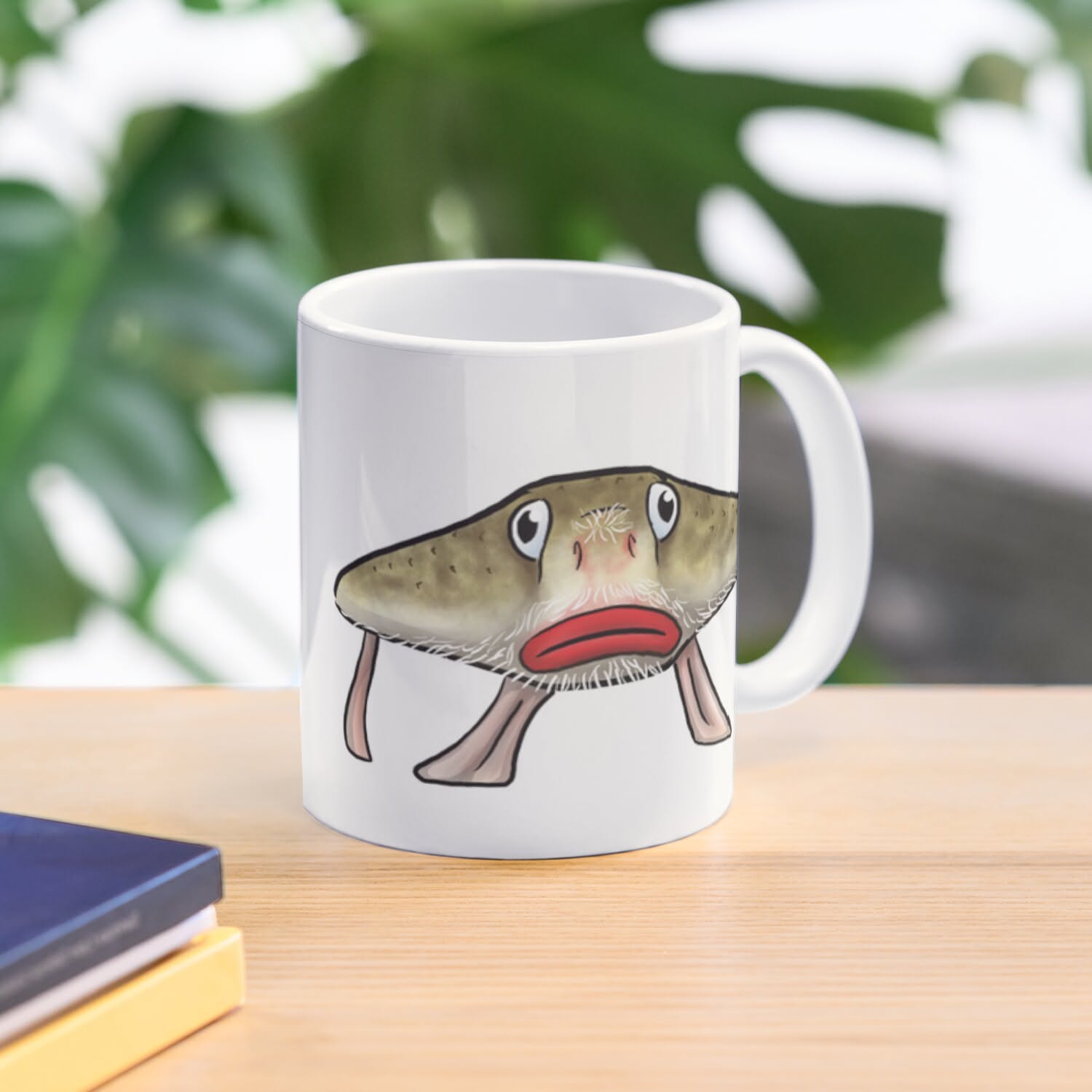
Quick Answer: The red-lipped batfish (Ogcocephalus darwini) is a unique species found primarily around the Galapagos Islands. Recognized for its vivid red lips and unusual body shape, this bottom-dwelling fish is adapted for walking on the seafloor using its modified fins. The red-lipped batfish is not only a visual oddity but also an example of evolutionary adaptation in isolated marine environments.
The Galapagos Islands are home to some of the world’s most extraordinary marine life, but few creatures are as instantly recognizable as the red-lipped batfish. With its bright, almost artificial-looking red lips and flattened, triangular body, this species stands out even among the archipelago’s famously odd fauna.
The distinctive appearance of the red-lipped batfish has made it a subject of fascination for marine biologists and divers alike, and its presence is often cited as evidence of the Galapagos’ unparalleled biodiversity.
Unlike most fish, the red-lipped batfish spends its life on the ocean floor, using its pectoral fins like legs to “walk” rather than swim. This adaptation allows it to move across sandy or rocky substrates in search of food, a behavior that sets it apart from more typical pelagic fish.
The fish’s unique morphology and behavior are direct responses to the ecological pressures of its environment, illustrating the remarkable ways in which evolution shapes life in isolated habitats such as the Galapagos.
The red-lipped batfish is not just a curiosity for tourists and divers; it also plays a role in the broader scientific understanding of adaptation and speciation. Its specialized features, from its locomotion to its coloration, provide insight into how species can diverge and thrive in specific ecological niches.
For those interested in evolutionary biology, the red-lipped batfish serves as a living example of the principles that have made the Galapagos Islands a cornerstone of scientific discovery.
Defining the Red-Lipped Batfish
Red-lipped batfish (Ogcocephalus darwini) is a species of anglerfish native to the waters surrounding the Galapagos Islands and, to a lesser extent, the coast of Peru. This fish is characterized by its flattened body, elongated snout, and, most notably, its bright red lips.
The red-lipped batfish belongs to the family Ogcocephalidae, a group known for their highly specialized bottom-dwelling habits and unusual body shapes. The species is sometimes referred to as the “walking fish” due to its unique mode of locomotion.
The vivid red coloration of the batfish’s lips is not merely decorative. Scientists believe this feature plays a role in species recognition and possibly in mating displays, helping individuals identify one another in the dimly lit depths where they live. The rest of the batfish’s body is typically a mottled brown or gray, providing camouflage against the ocean floor.
This combination of striking facial coloration and cryptic body patterning is rare among marine fishes and contributes to the species’ notoriety.
Key Insight: The red-lipped batfish’s most distinctive trait, its bright red lips, serves a functional purpose in addition to being visually striking, likely aiding in communication and reproduction.
Unlike many fish that rely on swimming, the red-lipped batfish has evolved pectoral, pelvic, and anal fins that function more like limbs than traditional fins. This adaptation allows the fish to “walk” along the seafloor, a behavior that is uncommon among marine species. The batfish’s mouth is positioned on the underside of its head, enabling it to feed efficiently while moving across the substrate.
The red-lipped batfish’s unique adaptations have made it a subject of interest for evolutionary biologists. Its combination of morphological and behavioral traits exemplifies the diversity of life that can arise in isolated ecosystems such as the Galapagos. For more on evolutionary adaptations in isolated environments, see Britannica’s entry on evolution.
Habitat and Distribution: The Galapagos Connection
The red-lipped batfish is most commonly found in the Pacific Ocean around the Galapagos Islands, though its range extends to the waters off northern Peru. This species inhabits depths ranging from 3 to 76 meters, but it is most frequently observed between 10 and 30 meters, where sandy and rocky substrates provide ample feeding opportunities. The Galapagos marine environment, with its nutrient-rich currents and diverse habitats, offers ideal conditions for the batfish’s specialized lifestyle.
The unique geography of the Galapagos Islands has fostered the development of many endemic species, and the red-lipped batfish is a prime example of this phenomenon. The isolation of the archipelago has allowed the batfish to evolve distinct traits that are rarely seen in related species elsewhere. The fish’s preference for shallow, coastal waters makes it accessible to divers and researchers, contributing to its reputation as one of the Galapagos’ most iconic marine inhabitants.
Key Takeaway: The red-lipped batfish’s restricted distribution highlights the importance of the Galapagos Islands as a hotspot for evolutionary innovation and endemism.
Environmental factors such as water temperature, substrate type, and food availability all influence the batfish’s distribution. The species is typically found on sandy or rubble-strewn bottoms, where it can blend in with the environment and hunt for prey. Occasional sightings outside the Galapagos are rare and usually involve individuals that have strayed from their typical range.
The presence of the red-lipped batfish in the Galapagos underscores the archipelago’s role as a living laboratory for the study of evolution and adaptation. For further reading on the unique marine life of the region, visit the Galapagos Conservancy.
Anatomy and Physical Adaptations
The anatomy of the red-lipped batfish is a study in evolutionary specialization. Its body is dorsoventrally flattened, giving it a bat-like appearance when viewed from above. The head is large and triangular, with a pronounced snout and a small, downturned mouth. The most eye-catching feature, of course, is the fish’s bright red lips, which stand out starkly against the muted tones of the rest of its body.
One of the most remarkable adaptations of the red-lipped batfish is its modified fins. The pectoral and pelvic fins are positioned in such a way that they function almost like limbs, allowing the fish to walk along the ocean floor. This form of locomotion is highly unusual among fish and is thought to provide several advantages, including increased maneuverability in complex habitats and the ability to ambush prey.
The batfish also possesses a small, horn-like structure called an illicium on its head, which is a vestigial remnant of the lure used by other anglerfish to attract prey. In the red-lipped batfish, this structure is reduced and not used for active hunting, but its presence links the species to its anglerfish relatives. The fish’s eyes are positioned on top of its head, giving it a wide field of vision to detect predators and prey.
| Feature | Description | Function |
|---|---|---|
| Red lips | Bright, vivid coloration | Species recognition, mating |
| Flattened body | Dorsoventral compression | Camouflage, substrate movement |
| Modified fins | Pectoral and pelvic fins act as limbs | Walking on seafloor |
| Illicium | Small, horn-like structure on head | Vestigial, not used for luring |
| Downturned mouth | Positioned under head | Feeding on benthic prey |
The combination of these features makes the red-lipped batfish one of the most distinctive fish in the world. Its adaptations are a direct response to the demands of life on the ocean floor, where stealth, camouflage, and specialized movement are essential for survival. For a broader look at fish anatomy and adaptation, see Wikipedia’s article on fish anatomy.
Feeding Behavior and Diet
The red-lipped batfish is a carnivorous predator that feeds primarily on small invertebrates and fish found on or near the ocean floor. Its diet includes crustaceans, polychaete worms, mollusks, and occasionally small fish. The batfish employs a sit-and-wait strategy, using its camouflage to remain undetected until prey comes within striking distance.
Unlike many other anglerfish, the red-lipped batfish does not use its illicium as a lure. Instead, it relies on stealth and the ability to move quietly across the substrate. The fish’s mouth is adapted for suction feeding, allowing it to quickly engulf prey items. This method is highly effective in the batfish’s preferred habitats, where prey is often hidden among rocks or buried in sand.
Key Insight: The red-lipped batfish’s feeding strategy is a blend of ambush predation and opportunistic foraging, optimized for the complex environments of the Galapagos seafloor.
Feeding typically occurs at night or in low-light conditions, when the batfish can take advantage of reduced visibility to approach prey. The species’ diet reflects the abundance and diversity of invertebrates in the Galapagos marine ecosystem. The batfish’s role as a predator helps maintain the balance of benthic communities, illustrating the interconnectedness of species within this unique environment.
For those interested in the broader ecological role of benthic predators, the Encyclopedia of Life provides additional context on the subject.
Reproduction and Life Cycle
Little is known about the reproductive habits of the red-lipped batfish, largely due to the challenges of observing these fish in their natural habitat. However, like other members of the Ogcocephalidae family, the species is believed to be oviparous, with females laying eggs that develop and hatch outside the body. The bright red lips of the batfish are thought to play a role in courtship and mate selection, serving as a visual signal to potential partners.
Spawning is likely to occur during specific seasons when environmental conditions are optimal for the survival of eggs and larvae. After hatching, the larvae are planktonic, drifting with the currents until they settle on the ocean floor and begin their transformation into the adult form. This life cycle is typical of many marine fish, but the details of the batfish’s reproductive behavior remain an area of active research.
The limited information available suggests that the red-lipped batfish has a relatively slow rate of reproduction, which may make the species vulnerable to environmental changes and human impacts. Conservation efforts in the Galapagos are therefore important for ensuring the continued survival of this and other endemic species. For more on marine reproductive strategies, see the University of California Museum of Paleontology’s overview.
Evolutionary Significance and Adaptation
The red-lipped batfish is a compelling example of how isolation and environmental pressures can drive the evolution of unique traits. The Galapagos Islands, with their isolated location and diverse habitats, have long been recognized as a crucible for evolutionary experimentation. The batfish’s adaptations, its walking fins, cryptic coloration, and striking lips, are direct responses to the challenges of its environment.
Key Takeaway: The red-lipped batfish illustrates the principle that evolutionary innovation often arises in response to specific ecological challenges, leading to the development of traits that may seem bizarre but are highly functional.
The species’ closest relatives are other batfish found in the Atlantic and Pacific Oceans, but none exhibit the same combination of features seen in Ogcocephalus darwini. This divergence is a classic example of adaptive radiation, a process by which species evolve different traits to exploit distinct ecological niches. The red-lipped batfish’s specialization for life on the seafloor has set it apart from its relatives and allowed it to thrive in the unique conditions of the Galapagos.
For a comprehensive discussion of adaptive radiation and speciation, see Wikipedia’s entry on adaptive radiation.
Human Interaction and Conservation Status
Encounters between humans and the red-lipped batfish are relatively rare, given the species’ preference for deeper waters and its cryptic lifestyle. However, the fish is occasionally observed by divers and researchers, and its unusual appearance has made it a favorite subject for underwater photography. The red-lipped batfish is not targeted by commercial fisheries, and there is currently no evidence to suggest that it is under significant threat from human activities.
Nevertheless, the species’ restricted range and specialized habitat make it potentially vulnerable to environmental changes, such as ocean warming, pollution, and habitat degradation. Conservation efforts in the Galapagos, including marine protected areas and sustainable tourism practices, are essential for safeguarding the region’s biodiversity. The red-lipped batfish serves as a symbol of the need to preserve unique and fragile ecosystems.
Conservation Note: Protecting the red-lipped batfish and its habitat is crucial for maintaining the ecological integrity of the Galapagos marine environment.
For more on marine conservation in the Galapagos, visit the Galapagos National Park Directorate.
The Red-Lipped Batfish in Popular Culture and Science
The red-lipped batfish’s striking appearance has made it a subject of fascination beyond the scientific community. It frequently appears in documentaries, nature guides, and online lists of the world’s strangest animals. The fish’s “lipstick” look has even inspired comparisons to human cosmetics, further cementing its status as an icon of the Galapagos.
In scientific circles, the batfish is often cited as an example of extreme adaptation and the power of natural selection. Its unique features are used to illustrate key concepts in evolutionary biology, such as adaptive radiation and niche specialization. The species’ role as a teaching tool underscores the importance of preserving biodiversity and supporting ongoing research in the Galapagos and similar environments.
The popularity of the red-lipped batfish has also contributed to increased awareness of the need for marine conservation. By capturing the public’s imagination, this unusual fish helps draw attention to the broader challenges facing ocean ecosystems worldwide.
Beyond the Red Lips: Broader Lessons from the Batfish
The story of the red-lipped batfish is more than a tale of evolutionary oddity. It is a reminder of the complexity and diversity of life that can arise in isolated environments, and of the delicate balance that sustains unique species. The batfish’s adaptations, from its walking fins to its vivid lips, are testaments to the creative power of evolution and the importance of ecological context.
For those interested in exploring related topics, our and provide additional insights into the processes that shape life in the ocean. You can also to test your knowledge of evolutionary principles.
Final Thought: The red-lipped batfish stands as a living symbol of the Galapagos’ role in advancing scientific understanding and inspiring curiosity about the natural world.
Continued research and conservation efforts are essential for ensuring that species like the red-lipped batfish remain a part of our planet’s rich tapestry of life. By appreciating the unique stories of such creatures, we gain a deeper understanding of the forces that have shaped, and continue to shape, the diversity of life on Earth.
Frequently Asked Questions
Why does the red-lipped batfish have such bright red lips?
The bright red lips are believed to help in species recognition and mating displays, making it easier for individuals to identify each other.
Can the red-lipped batfish swim like other fish?
The red-lipped batfish is a poor swimmer and primarily walks on the ocean floor using its modified fins.
Is the red-lipped batfish endangered?
The red-lipped batfish is not currently classified as endangered, but its limited range makes it vulnerable to environmental changes.
Where can I see a red-lipped batfish in the wild?
Red-lipped batfish are most commonly found around the Galapagos Islands, typically at depths of 10 to 30 meters.
What does the red-lipped batfish eat?
Its diet consists mainly of small invertebrates and fish found on or near the ocean floor, such as crustaceans and worms.
Are red-lipped batfish related to anglerfish?
Yes, the red-lipped batfish is a type of anglerfish, sharing ancestry with other bottom-dwelling species in the Ogcocephalidae family.