
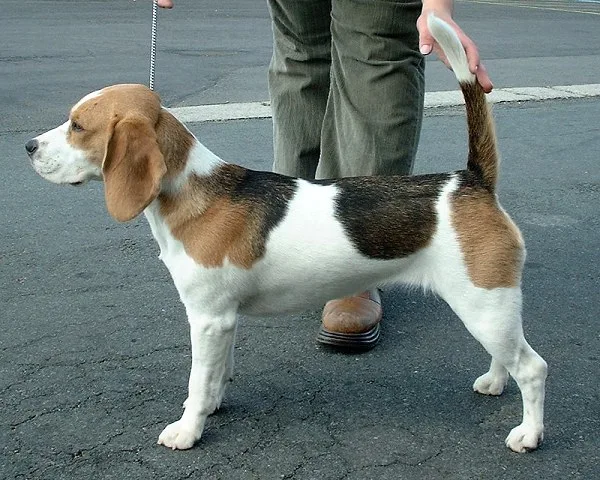
The Beagle is among the healthier popular breeds overall, but it carries specific heritable conditions that any owner, breeder, or prospective buyer should understand before committing to the breed. This article covers the most clinically significant health problems in Beagles, the genetic tests and screening evaluations available, what to ask a breeder, and how to manage affected dogs throughout their lives.
For a comprehensive overview of Beagle history, temperament, and care, see Beagle.
The Beagle's General Health Profile
Beagles typically live 12-15 years and have a relatively robust constitution compared to many popular breeds. The 2004 UK Kennel Club Health Survey for the Beagle and ongoing OFA breed statistics are the primary sources of quantitative data on breed health. Common causes of death in UK surveys included old age and cancer, with musculoskeletal disorders being the most frequent cause of vet-reported morbidity alongside ear infections.
The Beagle's popularity in biomedical research has, paradoxically, provided unusually good data on the breed's physiological baseline values and some heritable conditions. However, the research context also means that some health information about Beagles comes from study populations that may not fully represent the pet population.
"The 2004 Kennel Club/BSVA health survey of Beagles found that the most frequently reported conditions in living dogs were ear/hearing disorders (16.3%), skin disorders (13.9%), and musculoskeletal conditions (9.4%). Among causes of death, old age was the most common (25.5%), with cancer accounting for 18.3% of deaths." (Kennel Club/BSVA Pure Breed Health Survey: Beagle, 2004)
Summary Health Table
| Condition | Estimated Prevalence | Primary Screening / Test |
|---|---|---|
| Idiopathic epilepsy | 2-4% (breed-elevated vs 0.75% overall) | Clinical diagnosis; EEG; cerebrospinal fluid analysis |
| Hypothyroidism | ~3% | OFA thyroid panel; T4/TSH |
| Intervertebral disc disease | Elevated (chondrodystrophic breed) | Neurological examination; MRI |
| Hip dysplasia | ~20% OFA-evaluated dogs show dysplasia | OFA/PennHIP radiograph |
- Musladin-Lueke syndrome | Low (carrier rate ~2-3% in breed) | DNA test | | Neonatal cerebellar cortical degeneration (Funny Puppy) | Rare | DNA test | | Patellar luxation | 3-5% | OFA orthopaedic evaluation | | Factor VII deficiency | Low | DNA test | | Obesity | High (behaviour and management) | Body condition scoring | | Ear infections (otitis externa) | Very common (16%+ in surveys) | Examination; cytology |
Idiopathic Epilepsy
Idiopathic epilepsy (IE) - recurrent seizures with no identifiable structural brain lesion - occurs at a higher rate in Beagles than in the general dog population. Estimates from multiple studies place the prevalence in Beagles at approximately 2-4%, compared with roughly 0.75% in dogs overall, making it one of the most important breed-specific health concerns.
Seizures typically begin in dogs between 6 months and 5 years of age. The most common presentation is a generalised tonic-clonic (grand mal) seizure: loss of consciousness, rigid muscle contractions followed by paddling limb movements, salivation, possible urination or defecation, and a post-ictal phase of confusion, disorientation, and lethargy lasting minutes to hours. Focal seizures - one-sided limb twitching, facial twitching, behavioural change - are also reported in Beagles.
The Beagle epilepsy genome-wide association study published by Ekenstedt et al. (2011) in PLOS Genetics identified a locus on chromosome 37 associated with IE in the breed. The genetic architecture appears complex, with polygenic contributions rather than a single causative variant, which is why a commercially available DNA test for Beagle epilepsy has not been standardised.
"Genome-wide association analysis in 60 epileptic and 88 healthy Beagles identified a susceptibility locus on chromosome 37 (CFA37) with the strongest association peak near the ADAM23 gene, which encodes a disintegrin and metalloproteinase domain-containing protein with known roles in synaptic function and seizure threshold regulation." (Ekenstedt KJ et al., PLOS Genetics, 2011, doi:10.1371/journal.pgen.1001269)
Management of canine epilepsy depends on seizure frequency and severity. Dogs with fewer than one seizure per month may initially be monitored without medication.
Dogs with more frequent seizures, cluster seizures (multiple seizures within 24 hours), or prolonged seizures are treated with antiepileptic drugs: phenobarbital (most commonly), potassium bromide, or newer agents such as levetiracetam, zonisamide, or imepitoin. Most epileptic Beagles can be controlled to a quality of life acceptable for both dog and owner, though medication is typically lifelong.
Intervertebral Disc Disease
The Beagle is classified as a chondrodystrophic breed, meaning it carries a gene variant that causes early degeneration of the nucleus pulposus (the gel-like centre of intervertebral discs). This variant, in the FGF4 gene retrogene on chromosome 12, is the same mutation responsible for the short-legged morphology in Dachshunds, Basset Hounds, and other achondroplastic-related breeds - though in Beagles the phenotypic effect on leg length is less extreme.
Chondrodystrophic disc degeneration (Hansen Type I disc disease) causes discs to calcify and become brittle over months to years, predisposing them to sudden, forceful extrusion of disc material into the spinal canal. This compression of the spinal cord or nerve roots causes pain and neurological signs ranging from mild ataxia to complete paralysis.
In Beagles, the most common sites of disc herniation are in the thoracolumbar region (the junction of the chest and lumbar spine), particularly at disc spaces T12-T13 through L2-L3. Clinical signs typically include: acute onset back pain (spinal stiffness, reluctance to move, crying when touched along the back), abnormal gait, proprioceptive deficits, paresis (weakness), or in severe cases complete hindlimb paralysis.
Management depends on severity. Dogs with mild signs and intact deep pain sensation may be treated with strict cage rest (2-4 weeks) and anti-inflammatory medication. Dogs with moderate-to-severe signs or those not responding to medical management require MRI for disc localisation followed by surgical decompression (hemilaminectomy). Prognosis is excellent for dogs retaining deep pain sensation; guarded for dogs without it.
Musladin-Lueke Syndrome
Musladin-Lueke Syndrome (MLS) is an autosomal recessive heritable connective tissue disorder unique to the Beagle. It is caused by a mutation in the ADAMTSL2 gene. Affected dogs have abnormal fibrosis and connective tissue deposition leading to a characteristic appearance and gait: tight skin, small stature, an upright ballet-dancer tiptoe gait due to shortened stiff muscles and tendons, and almond-shaped eyes set at a slanted angle.
MLS was formally described in the veterinary literature in 2010 when the causative mutation was identified. The condition is visible from puppyhood. There is no treatment; management is supportive.
A DNA test exists at commercial and academic laboratories. Because the carrier rate in the breed is low but non-zero, testing all breeding dogs and avoiding carrier x carrier pairings is standard recommended practice. Carriers are phenotypically normal and should not be removed from breeding programmes on the basis of carrier status alone, as this would unnecessarily reduce genetic diversity.
Hypothyroidism
Hypothyroidism, caused by insufficient thyroid hormone production (most commonly due to lymphocytic thyroiditis or idiopathic follicular atrophy), occurs at elevated rates in Beagles compared to the general dog population. Clinical signs are often subtle and gradual: weight gain despite unchanged diet, lethargy, cold intolerance, a poor-quality coat (dry, brittle, thin), symmetrical hair loss particularly on the trunk and tail, skin thickening, and in some cases recurrent skin infections.
The OFA Thyroid Registry provides breed-specific data. For Beagles, thyroid disease is considered among the more prevalent endocrine conditions. Breeders can reduce risk by registering thyroid panel results through OFA and avoiding pairing dogs from lines with high rates of autoimmune thyroid disease.
Diagnosis requires serum T4 and TSH (canine thyroid-stimulating hormone) measurement; free T4 by equilibrium dialysis is a more definitive test when baseline T4 is borderline. Treatment with oral synthetic thyroxine (levothyroxine) is straightforward and dramatically improves all signs. Monitoring of T4 levels 4-6 hours post-pill is recommended to adjust dosing.
Factor VII Deficiency
Factor VII deficiency is a hereditary bleeding disorder in which clotting factor VII activity is reduced, causing a prolonged prothrombin time (PT). The disorder is autosomal recessive. Affected dogs typically have a prolonged PT on blood tests but mild clinical signs - spontaneous bleeding is uncommon unless factor VII levels are severely depleted or the dog undergoes surgery.
The mutation was characterised in Beagles, and a DNA test is available through OFA and several commercial laboratories. Surgical teams should be aware of affected dogs' status, as prophylactic measures and careful haemostasis are warranted for procedures. Breeders should test all candidates.
Hip Dysplasia
OFA statistics for Beagles show a higher rate of hip dysplasia than is often assumed for a small-to-medium hound breed. As of current OFA records, approximately 19-21% of Beagles submitted for hip evaluation show dysplastic changes. This places the Beagle above the median for all evaluated breeds, likely reflecting selection pressures that historically prioritised hunting performance over orthopaedic soundness.
Clinical signs of hip dysplasia in Beagles may be subtle given the breed's stoic pain threshold and compact muscular build. Owners may notice reluctance to jump, stiffness after rest, or a waddling hindquarter gait. Weight management, appropriate exercise (swimming preferred), omega-3 supplementation, and NSAIDs as needed are standard management approaches.
Obesity
Beagles are among the breeds most prone to obesity, driven by exceptionally high food motivation combined with the typical reduction in exercise that comes with suburban pet life versus working hunting life. Studies of veterinary practice records consistently identify the Beagle as one of the top five breeds for overweight/obese body condition scoring.
"A cross-sectional study of 50,787 dogs from 12 breeds presented to primary care veterinary practices in the UK found the Beagle to have among the highest adjusted odds ratios for obesity (OR 1.78), alongside Labrador Retrievers and Pugs, after controlling for age, sex, and neuter status." (Raffan E et al., data cited in PLOS ONE surveys of canine obesity risk, 2016)
Obesity substantially worsens outcomes for every other condition in this article: it accelerates disc disease, exacerbates hip dysplasia, increases anaesthetic risk, and shortens lifespan. Body condition scoring at every veterinary visit and measured feeding - not ad libitum - are the core preventive measures.
For guidance on appropriate exercise, see Pet Exercise and Enrichment Guide.
Ear Health
Beagles have pendulous, heavily furred ears that dramatically reduce air circulation in the ear canal, creating the warm, moist environment that supports yeast and bacterial growth. Otitis externa (external ear canal inflammation/infection) is the most commonly reported condition in multiple Beagle health surveys, affecting over 16% of dogs in the UK survey.
Signs include head shaking, pawing at the ear, discharge, odour, and redness visible at the canal opening. Recurrent ear infections warrant examination of the ear canal under otoscope to rule out polyps, foreign bodies, or otitis media (middle ear involvement). Primary treatment involves thorough cleaning under veterinary guidance and appropriate topical or systemic antimicrobials.
Weekly ear inspection and gentle cleaning with a veterinarian-approved ear cleaner is a core part of Beagle health maintenance. For more detailed guidance, see How to Groom Your Dog at Home.
Screening Recommendations
| Test | Timing | Recommending Body |
|---|---|---|
| Hip radiograph (OFA or PennHIP) | Before first breeding, age 2+ | OFA CHIC |
| Ophthalmologist eye exam (CAER) | Annual | OFA CHIC |
| Thyroid panel (OFA) | Before first breeding and every 2 years | OFA CHIC |
| MLS DNA test | Before first breeding | OFA CHIC |
| Factor VII DNA test | Before first breeding | OFA CHIC |
| Patellar evaluation | Before first breeding | OFA CHIC |
The OFA CHIC database issues a CHIC number to Beagles that have completed the full required test panel with results publicly available.
References
- Kennel Club / British Small Animal Veterinary Association. Pure Breed Health Survey: Beagle. Kennel Club, London, 2004.
- Ekenstedt KJ, Patterson EE, Minor KM, Mickelson JR. Candidate genes for idiopathic epilepsy in four dog breeds. BMC Genetics. 2011;12:38. doi:10.1186/1471-2156-12-38
- Ekenstedt KJ, Oberbauer AM. Inherited epilepsy in dogs. Topics in Companion Animal Medicine. 2013;28(2):51-58. doi:10.1053/j.tcam.2013.06.001
- Bader HL, Ruhe AL, Wang LW, et al. An ADAMTSL2 founder mutation causes Musladin-Lueke Syndrome, a heritable disorder of beagle dogs, featuring stiff skin and joint contractures. PLOS ONE. 2010;5(9):e12817. doi:10.1371/journal.pone.0012817
- Orthopedic Foundation for Animals. Breed Statistics: Beagle. OFA, 2022. Available at: ofa.org
- Cattanach BM, Dukes-McEwan J, Wotton PR, Stephenson H, Hamilton RM. A pedigree-based genetic analysis of atrial fibrillation in Irish Wolfhounds. Veterinary Journal. 2015. (Reference for chondrodystrophic disc discussion)
- Brisson BA. Intervertebral disc disease in dogs. Veterinary Clinics of North America: Small Animal Practice. 2010;40(5):829-858. doi:10.1016/j.cvsm.2010.06.001
- Raffan E, Smith SP, O'Rahilly S, Wardle J. Development, factor structure and application of the Dog Obesity Risk and Appetite (DORA) questionnaire. PLOS ONE. 2015;10(9):e0136984. doi:10.1371/journal.pone.0136984
Frequently Asked Questions
Do Beagles have a lot of health problems?
Beagles are generally considered a healthy breed with a lifespan of 12-15 years. Their main specific health concerns are idiopathic epilepsy (which affects approximately 2-4%, higher than average), intervertebral disc disease related to their chondrodystrophic spinal structure, hip dysplasia, and ear infections due to their pendulous ears.
Compared to many popular breeds, Beagles have a relatively straightforward health profile, but their high food motivation makes obesity a persistent management challenge.
What is Musladin-Lueke Syndrome in Beagles?
Musladin-Lueke Syndrome (MLS) is an autosomal recessive connective tissue disorder unique to Beagles, caused by a mutation in the ADAMTSL2 gene. Affected dogs have tight skin, shortened stiff tendons causing a characteristic tiptoe gait, small stature, and slanted eyes. It is visible from puppyhood. There is no treatment. A DNA test exists; breeders should test all candidates to avoid producing affected puppies by pairing two carriers.
Are Beagles prone to epilepsy?
Yes. Beagles have an elevated rate of idiopathic epilepsy compared to dogs in general, with estimates of 2-4% compared to roughly 0.75% in the overall dog population. The genetic basis appears to be polygenic (multiple genes contributing), and a genome-wide association study identified a susceptibility locus on chromosome 37 near the ADAM23 gene. No single-gene DNA test is commercially standardised.
Most epileptic Beagles can be managed with antiepileptic medication.
Why do Beagles get so many ear infections?
Beagles have long, pendulous ears that lie flat against the head and cover the ear canal opening. This dramatically reduces air circulation, creating a warm, humid environment that promotes yeast and bacterial overgrowth. UK breed health surveys report ear and hearing disorders as the most common health problem in the breed, affecting over 16% of surveyed dogs.
Weekly inspection and gentle cleaning with an appropriate ear cleaner helps prevent infections from becoming established.
What health tests should Beagle breeding dogs have?
The OFA CHIC program recommends Beagle breeding dogs have: hip evaluation (OFA radiograph or PennHIP), annual CAER ophthalmologist eye examination, thyroid panel, MLS DNA test, Factor VII deficiency DNA test, and patellar luxation evaluation. Results should be registered publicly in the OFA database. Prospective buyers can verify any dog’s CHIC certification at ofa.org.
How can I prevent disc disease in my Beagle?
Because the chondrodystrophic disc degeneration that predisposes Beagles to disc disease is genetic, it cannot be prevented outright. However, risk of acute disc herniation can be reduced by maintaining a lean body weight (excess weight increases disc loading), avoiding high-impact jump-down activities (training dogs to use ramps or steps for furniture access), and monitoring for early signs of back pain.
Dogs showing any signs of spinal pain or hindlimb weakness should be assessed by a veterinarian promptly, as early intervention significantly improves outcomes.