
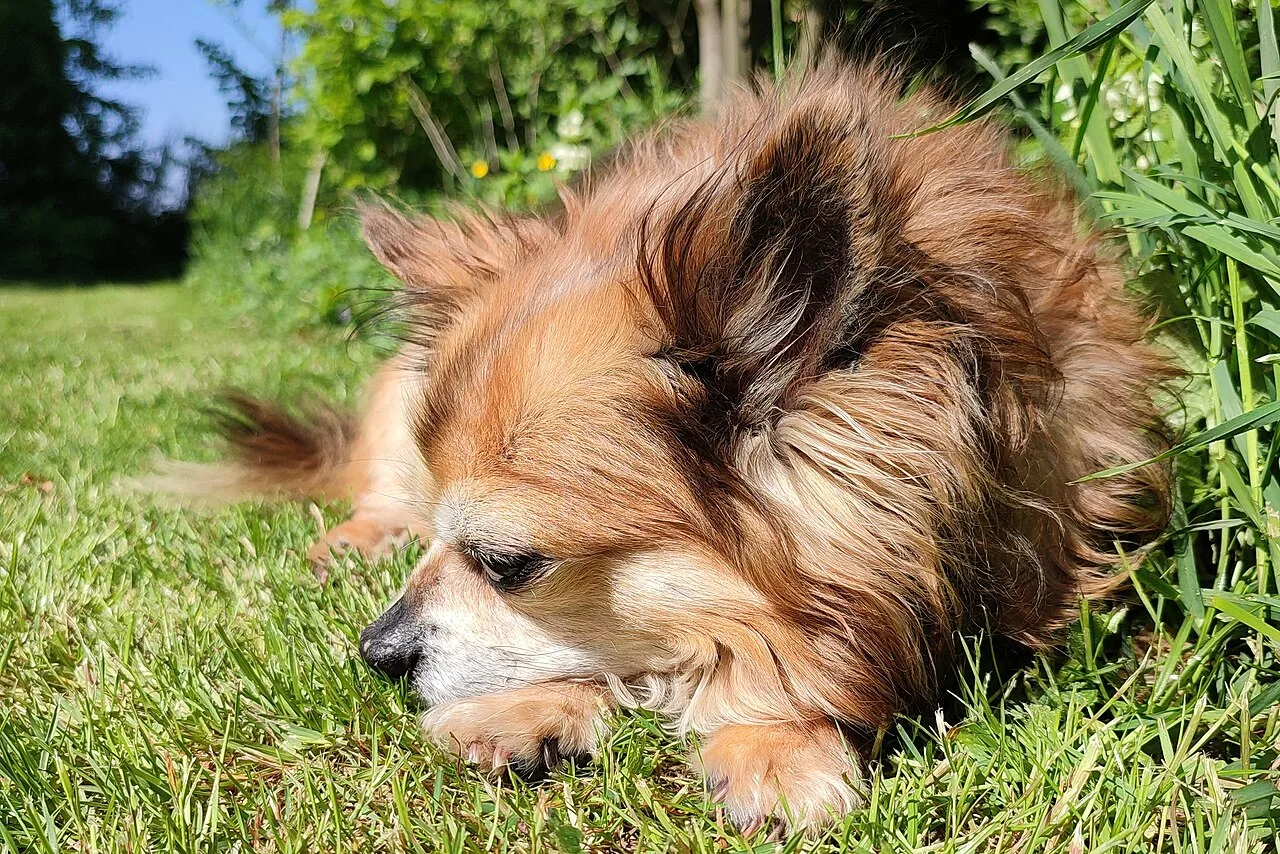
The Chihuahua is the smallest recognized dog breed in the world, yet it carries within its tiny frame one of the most assertive, confident, and memorable personalities in all of dogdom.
Bold enough to challenge dogs ten times its size, loyal enough to bond with its chosen person with singular devotion, and long-lived enough to be a companion for nearly two decades, the Chihuahua rewards attentive owners with a relationship unlike almost any other.
Understanding the breed fully means understanding not just its size, but its ancient origins, its distinctive health profile, and its complex, high-spirited temperament.
Origins: Mexico and the Ancient Toltec
The Chihuahua is the only dog breed known to have originated in Mexico, and its roots extend back at least a thousand years, possibly much further. The breed is believed to descend from the Techichi, a small companion dog kept by the Toltec civilization that flourished in central Mexico from the 9th to 12th centuries.
Toltec carvings depicting small dogs resembling the modern Chihuahua have been found at archaeological sites including the Pyramids of Cholula, and similar depictions appear in Aztec art following the absorption of the Toltec culture.
The Techichi was a larger, heavier dog than the modern Chihuahua; it is speculated that breeding with a small hairless Asian dog introduced by migrants across the Bering land bridge during the last Ice Age may have contributed to the miniaturization seen in the modern breed. This hypothesis is supported by ancient skull specimens discovered in the Mexican state of Chihuahua, the state after which the breed is named, that show anatomical features consistent with the modern dog.
Spanish conquistadors and later European colonizers found these small dogs in Mexico; by the mid-19th century, American visitors to the Mexican state of Chihuahua were acquiring the dogs as curiosities and companions. Commercial breeding in the United States began in the late 19th century, and the American Kennel Club recorded its first Chihuahua registration in 1904.
Physical Characteristics
The Chihuahua is defined above all by its diminutive size, the smallest breed in both the AKC and FCI registries. Despite this, the breed standard emphasizes a well-proportioned, balanced structure rather than simply maximum smallness. The breed comes in two coat varieties, smooth coat (short, close-lying, glossy) and long coat (soft, flat or slightly wavy, with feathering on the ears, neck, legs, and tail), which are considered the same breed by most kennel clubs.
| Physical Characteristic | Measurement |
|---|---|
| Height | 15-23 cm (6-9 in) |
| Weight | 1.8-2.7 kg (4-6 lbs); breed standard specifies "not to exceed 6 lbs" |
| Build | Compact, well-proportioned |
| Head | Round, "apple-domed" skull; large in proportion to body |
| Eyes | Large, round, luminous; dark to ruby |
| Ears | Large, erect, flaring at 45-degree angle |
| Coat varieties | Smooth coat (short) and long coat |
| Coat colors | Any color or combination, solid, marked, or splashed |
| Tail | Moderately long, carried up or over back in a sickle curve |
| Lifespan | 14-17 years |
The "apple head" (rounded, domed skull) is the standard type recognized by the AKC; a "deer head" type (longer muzzle, flat skull) also exists but does not conform to the breed standard and is not eligible for show competition in most registries. The distinction matters in practice: deer-head Chihuahuas often have fewer health issues related to the brachycephalic conformation.
The Molera: Understanding the Soft Spot
One of the most distinctive and often misunderstood features of the Chihuahua is the molera, an opening in the skull analogous to the fontanelle (soft spot) of a human infant. Many Chihuahua puppies are born with a molera, an incompletely ossified area in the skull, typically at the top (as part of the junction of the frontal and parietal bones).
In most Chihuahuas, the molera closes or significantly reduces as the dog matures. However, in some individuals, estimated at up to 80% of Chihuahuas, a patent (open) molera persists into adulthood. The Chihuahua Club of America notes that the molera itself is not a defect but a characteristic of the breed.
A large or persistent molera may be associated with hydrocephalus (excess cerebrospinal fluid accumulation in the brain), and veterinarians examining young Chihuahuas will typically assess molera size as part of a neurological screening. A small, stable molera in an otherwise healthy dog requires no specific intervention beyond commonsense protection of the head from trauma.
Temperament: The Big Dog in a Small Body
The Chihuahua's temperament is the subject of consistent and informed commentary: these are dogs with genuinely large-dog personalities contained in the world's smallest canine body. Bold, alert, fiercely loyal to their chosen person, and possessed of an instinct to boss other animals and even larger humans that their stature alone cannot justify, Chihuahuas are simultaneously charming, demanding, and endlessly entertaining.
Their loyalty to their primary owner or small family group can become intense, to the point that many Chihuahuas bond closely with one or two people and remain aloof with or actively suspicious of others. This is not aggression in the clinical sense but wariness and territorial behavior that is a fundamental characteristic of the breed.
"The Chihuahua's behavioral profile reflects traits that were likely very functional in its ancestral role as a close companion and alert dog in Mesoamerican households. The alertness, vocality, and fierce territorial attachment we see today are not accidental; they were selected for over many generations in a cultural context where these traits were valued." Dr. Adam Boyko, Cornell University College of Veterinary Medicine, canine genetics research (2012)
Chihuahuas can be excellent companions for adults, seniors, and families with older children who understand how to interact gently with a small dog. They are generally not recommended for families with very young children due to their small size (injury risk from rough handling) and their tendency to snap if startled or handled roughly.
Health: Patellar Luxation
Patellar luxation is by far the most common orthopedic problem in Chihuahuas and one of the most prevalent conditions in small dog breeds generally. The kneecap (patella) normally tracks within a groove (trochlear groove) on the lower femur. In patellar luxation, the groove is too shallow or the limb alignment pulls the patella out of its normal path, causing it to dislocate, usually to the inner (medial) side in small breeds.
Affected dogs typically show an intermittent, characteristic "skip" in their gait, the dog will carry the affected leg for a few steps, then kick it out to relocate the patella, and resume normal gait. Grade I-II luxation is often managed conservatively with weight management and exercise modification. Grade III-IV typically requires surgery.
| Health Condition | Prevalence/Notes | Screening |
|---|---|---|
| Patellar luxation | Very common in breed | OFA examination |
| Dental disease | Extremely common | Regular dental exams |
| Hydrocephalus | Associated with large molera | Neurological/MRI |
| Tracheal collapse | Common in toy breeds | Radiographs |
| Hypoglycemia | Common in puppies/very small adults | Blood glucose monitoring |
| Heart disease (mitral valve) | Common in older small breeds | Cardiac auscultation |
Health: Dental Disease
Dental disease is among the most significant and commonly underestimated health concerns in Chihuahuas. The issue stems from the fundamental mismatch between a toy breed's tiny jaw and the full complement of adult teeth, 42 teeth in every dog regardless of body size. In a jaw as small as a Chihuahua's, teeth are crowded together at abnormal angles, creating pockets where food, bacteria, and tartar accumulate rapidly.
Without regular dental care, Chihuahuas develop significant periodontal disease (gum and bone infection around the teeth) early in life, many by 2-3 years of age. Severe periodontal disease causes chronic pain, tooth loss, and systemic infection. For comprehensive dental care guidance see Dog Dental Care Complete Guide.
Prevention requires daily tooth brushing, regular professional dental cleaning under anesthesia, and appropriate dental chews. Many Chihuahuas require annual or biannual dental cleanings throughout their lives.
Health: Tracheal Collapse and Hypoglycemia
Tracheal collapse, weakening of the cartilage rings that maintain the trachea's circular shape, occurs in Chihuahuas and many other toy breeds. The trachea flattens, narrowing the airway and causing a characteristic "honking" cough, especially with excitement, eating, or pulling on a collar. Using a harness rather than a collar for leash walking reduces tracheal pressure significantly. Severe cases may require medication or surgical management.
Hypoglycemia (low blood sugar) is a significant concern in Chihuahua puppies and in small, underweight adults. Very small dogs have limited glycogen stores and can experience dangerous drops in blood glucose with missed meals, stress, or illness. Chihuahua puppies should be fed multiple small meals daily; signs of hypoglycemia (weakness, trembling, seizures, loss of consciousness) require immediate veterinary attention.
"Hypoglycemia in toy breed puppies is a genuine medical emergency. Chihuahua breeders and owners should be educated to recognize early signs, lethargy, loss of coordination, vacant staring, and to have corn syrup or glucose gel available for immediate application to the gums while emergency veterinary care is sought." Dr. Wendy Brooks, DVM, DABVP, Veterinary Partner (VIN)
Longevity: The Oldest Dog Breed Category
The Chihuahua is among the longest-lived of all recognized dog breeds. The typical lifespan of 14-17 years significantly exceeds that of most breeds, and Chihuahuas living to 18, 19, or even 20 years are not exceptional. This longevity is generally attributed to the inverse relationship between body size and lifespan that is well-documented in dogs, small dogs live longer than large dogs, and the Chihuahua, being the smallest, enjoys some of the longest lifespans.
The implications of this longevity for potential owners are significant: acquiring a Chihuahua is potentially a 15-20 year commitment. The breed suits apartments and smaller living spaces extremely well, see Best Dogs for Apartments for a broader guide.
Training and Socialization
The Chihuahua's reputation for stubbornness and difficulty in training is partly earned and partly a reflection of owner behavior rather than breed limitation. Chihuahuas are intelligent and capable of learning; the problem is often that owners of small dogs tolerate behaviors they would never accept in larger dogs, leading to undertrained animals that exhibit problematic behaviors.
Early socialization, exposure to diverse people, handling, environments, and other dogs, is particularly important for Chihuahuas, which can default to fearfulness and reactivity when insufficiently socialized. Positive reinforcement training works well; these dogs do not respond to harsh methods. Consistent early training produces confident, well-mannered Chihuahuas that are a genuine pleasure to live with.
For related small breed profiles see Yorkshire Terrier and Pomeranian. For health guidance see Chihuahua Health Problems.
Summary
The Chihuahua is an extraordinary breed, the world's smallest dog, one of its oldest, and one of its longest-lived. Its outsized personality, fierce loyalty, and ancient Mexican heritage make it genuinely fascinating. Prospective owners must understand the breed's specific health challenges: patellar luxation, dental disease, tracheal collapse, and hypoglycemia.
The Chihuahua thrives in attentive households that provide consistent training, appropriate dental care, and the devoted companionship it both craves and deserves.
References
Valadez, R., & Mestre, G. (1999). Late prehistoric dog types in Mexico. Instituto Nacional de Antropologia e Historia, 20, 3-18.
Boyko, A.R., Quignon, P., Li, L., et al. (2010). A simple genetic architecture underlies morphological variation in dogs. PLOS Biology, 8(8), e1000451. https://doi.org/10.1371/journal.pbio.1000451
Englar, R.E. (2019). Patellar luxation in dogs. Today's Veterinary Practice, 9(3), 44-52.
Reiter, A.M., & Gracis, M. (2018). BSAVA Manual of Canine and Feline Dentistry and Oral Surgery (4th ed.). British Small Animal Veterinary Association.
American Kennel Club. (2023). Chihuahua breed information. https://www.akc.org/dog-breeds/chihuahua/
Chihuahua Club of America. (2022). Breed health information and molera guidance. https://chihuahuaclubofamerica.com/health/
Frequently Asked Questions
What is the molera in a Chihuahua?
The molera is an incompletely ossified area in a Chihuahua’s skull, similar to the fontanelle (soft spot) in human infants. It is a characteristic of the breed rather than a defect. Most moleras reduce or close as the dog matures, though some persist in adults. A large or persistent molera may be associated with hydrocephalus and should be evaluated by a veterinarian.
How long do Chihuahuas live?
Chihuahuas are among the longest-lived dog breeds, with a typical lifespan of 14-17 years. Ages of 18-20 years are not unusual. Their exceptional longevity reflects the well-documented inverse relationship between body size and lifespan in dogs, the world’s smallest breed enjoys some of the longest lives.
Are Chihuahuas good apartment dogs?
Yes. Chihuahuas are excellent apartment dogs. Their tiny size requires minimal space, their exercise needs can be met with indoor play and short walks, and they are content in small living environments. Their tendency toward vocalization (alerting to sounds) should be managed with training to avoid nuisance barking.
What is the difference between apple head and deer head Chihuahuas?
Apple head Chihuahuas have the rounded, domed skull specified in the breed standard and are the type shown in AKC competition. Deer head Chihuahuas have a longer muzzle and flatter skull similar to a deer’s profile. Deer heads do not meet the breed standard for show purposes but are common as pets and often have fewer health issues related to brachycephalic conformation.
Are Chihuahuas good with children?
Chihuahuas are generally better suited to households with older children who understand how to handle a small dog gently. Their small size makes them vulnerable to injury from rough handling or accidental drops, and they may snap if startled or hurt. With respectful, careful children, they can be wonderful companions.
Why is dental care so important for Chihuahuas?
Chihuahuas have the same 42 adult teeth as all dogs compressed into an extremely small jaw, leading to overcrowding, abnormal tooth angles, and rapid tartar buildup. Periodontal disease develops early and severely without regular care. Daily brushing, dental chews, and regular professional dental cleanings are essential components of Chihuahua health maintenance.