
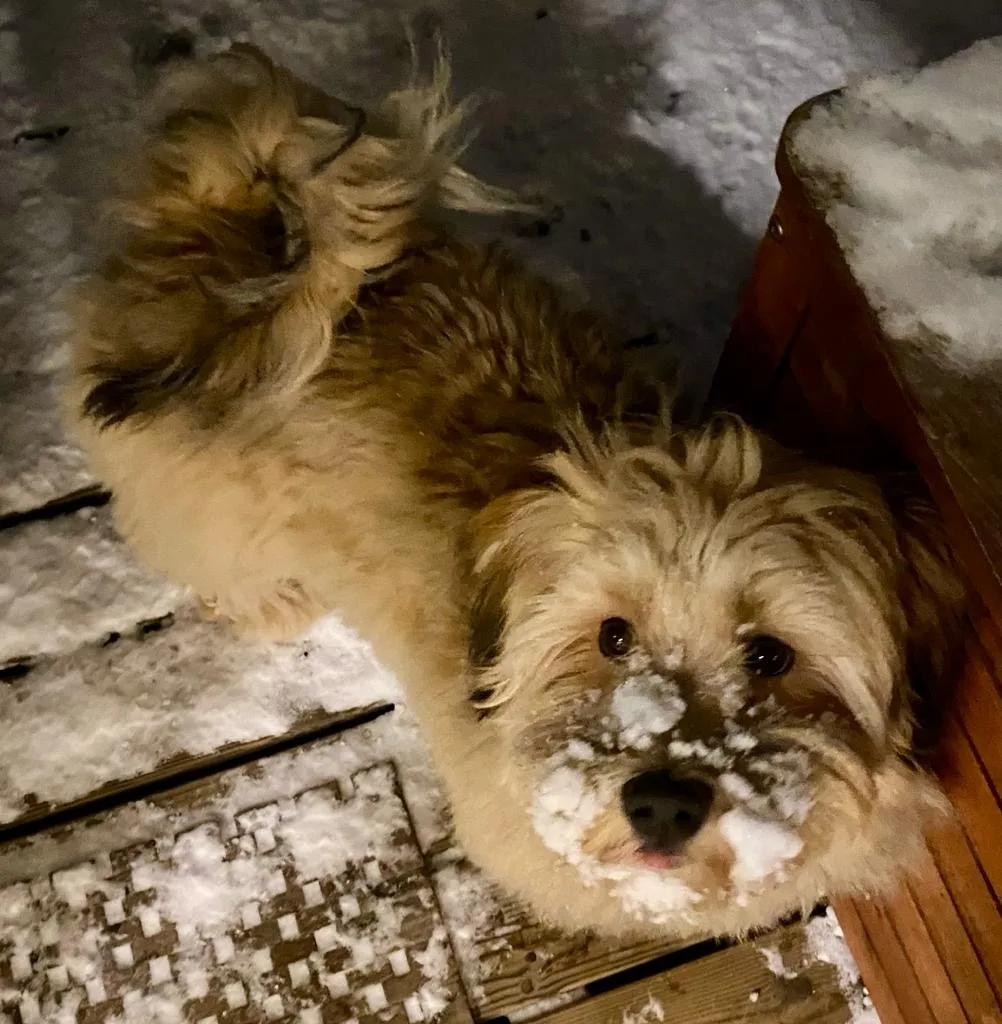
The Havanese is Cuba's only native dog breed and one of the most cheerful, sociable, and deeply people-oriented small dogs in existence.
Descended from Bichon-type dogs brought by Spanish settlers to Cuba centuries ago, the Havanese nearly vanished from history following the Cuban Revolution of 1959 but was rebuilt from a tiny foundation population by Cuban refugees who brought their beloved dogs with them to the United States.
Today the breed is thriving worldwide, celebrated for its silky low-shedding coat, adaptable size, playful temperament, and close bond with its owners.
Cuba's National Dog: Origins and Near-Extinction
The Havanese's story begins with the Spanish colonization of Cuba, which began in earnest following Columbus's voyages in the late 15th century. Spanish settlers brought Bichon-type dogs with them, small, companion dogs of Mediterranean origin that were popular throughout Spain and Italy.
In the isolated environment of Cuba, these dogs developed over generations into a distinct type adapted to the Cuban climate and society, eventually becoming known as the Blanquito de la Habana (the little white dog of Havana).
The breed became popular among the Cuban aristocracy and upper classes during the 18th and 19th centuries, and its reputation spread to Europe through trading connections. By the Victorian era, Havanese-type dogs were fashionable in England, France, and Spain, appearing in paintings and being mentioned in popular literature. Queen Victoria and Charles Dickens are both reported to have owned Havanese.
The Cuban Revolution of 1959, which brought Fidel Castro to power and prompted approximately one million Cubans to flee to the United States, nearly destroyed the breed. Most of the remaining dogs were left behind when families fled, and the social disruption made organized breeding impossible. A small number of Havanese, approximately 11 dogs, were brought to the United States by Cuban refugee families, mostly in the Miami area.
These 11 dogs, and the descendants of a few further dogs sourced from European lines, formed the entire genetic foundation of the modern Havanese breed. American breeders, recognizing the breed's qualities, began a careful reconstruction program. The Havanese Club of America was founded in 1979, and the AKC formally recognized the Havanese in 1996, placing it in the Toy Group.
The breed has grown steadily in popularity since then and is now consistently ranked among the top 25 most registered breeds in the United States.
Physical Characteristics
The Havanese is a small but sturdy dog with a relatively long, low body and a distinctive springy, lively gait that reflects the breed's cheerful character. The head is broad and slightly rounded, with large, dark, almond-shaped eyes and drop ears of medium length covered in long hair.
| Physical Characteristic | Measurement |
|---|---|
| Height | 23-27 cm (9-10.5 inches) |
| Weight | 3-6 kg (7-13 lbs) |
| Body type | Long relative to height, sturdy |
| Coat type | Silky, soft, wavy or straight double coat |
| Shedding | Low |
| Coat colors | All colors accepted (white, black, chocolate, blue, silver, parti, sable, etc.) |
| Ears | Moderately pointed, folding forward; feathered |
| Tail | Carried over the back, plumed |
| Lifespan | 14-16 years |
The Havanese coat is one of the breed's most remarkable features. Unlike most dogs, the Havanese double coat is silky throughout, both the outer coat and the undercoat are soft. The coat does not have the harsh, weather-resistant outer texture of many double-coated breeds. This unique coat texture is associated with low shedding and relatively low dander production, making the Havanese one of the more suitable breeds for allergy-sensitive households.
A distinctive and unusual variant is the corded coat: some Havanese owners allow the coat to cord naturally over two to more years, forming long, rope-like cords similar to those of the Puli or Komondor. A corded Havanese requires specific grooming care to maintain healthy cords and prevent matting. Most Havanese are kept in a long natural coat or a shorter pet clip.
Temperament: The Velcro Dog
The Havanese is frequently described as a "velcro dog" a small dog that follows its owner everywhere, from room to room through the house, eager to be involved in whatever activity is taking place. This characteristic closeness is not merely affection; it reflects the breed's development as a companion animal over many generations, which has produced a dog with a genuine need for human company and social interaction.
Havanese are playful, cheerful, and endlessly entertaining. They retain a puppy-like playfulness well into adult life and have a talent for amusing their owners with creative, inventive behavior. They are social with strangers when properly socialized from puppyhood, rather than being reserved or timid, a well-socialized Havanese will greet new people with interested curiosity and warmth.
"The Havanese represents one of the clearest examples of a breed that has been selected specifically for social behavior directed toward humans. Their tendency to seek contact, follow owners, and engage in social play is extreme even compared to other companion breeds, reflecting the intensity and duration of artificial selection for these traits over centuries of companion breeding." Dr. Adam Miklosi, Eotvos Lorand University, Budapest, Department of Ethology
The breed's close bonding tendency also means Havanese can be prone to separation anxiety. They are not dogs that do well when left alone for extended periods. Owners should either ensure someone is home for most of the day or gradually train the dog to accept alone time from puppyhood through desensitization protocols.
The Havanese Coat: Low-Shedding and Allergy Considerations
The Havanese is frequently recommended for households with mild dog allergies. While no dog breed is truly hypoallergenic (all dogs produce the allergen Can f 1 in their saliva, dander, and urine), the Havanese's combination of low shedding, silky rather than coarse coat texture, and relatively low dander production means that some allergy sufferers tolerate the breed better than heavy-shedding alternatives.
The scientific evidence for breed-specific allergy reduction is mixed, individual allergen levels vary considerably among dogs of the same breed, and individual human sensitivity varies enormously. However, the Havanese is consistently among the breeds recommended by allergists as a starting point for allergy-sensitive prospective dog owners. For a full comparative discussion see Best Dogs for Allergy Sufferers.
The coat's low-shedding nature does not mean low maintenance. Havanese coats require regular brushing, a minimum of every other day for dogs kept in full coat, and daily during seasonal changes, to prevent tangling and matting. Many pet owners choose to keep their Havanese in a shorter, more manageable "puppy clip" that reduces brushing frequency. This does not harm the dog in any way.
For detailed grooming guidance see Havanese Grooming Guide.
Health Conditions
The Havanese is generally a healthy breed with a long lifespan of 14-16 years, reflecting the longevity advantage of small size and the genetic diversity achieved through the careful breeding program that rebuilt the breed. However, several health conditions are present in the breed and should be screened for.
Chondrodysplasia: A structural abnormality of limb development causing shortened, potentially bowed limbs. Affected dogs may have reduced activity tolerance and develop secondary orthopedic problems. The condition is heritable and dogs with significant chondrodysplasia should not be used for breeding.
Deafness: Hereditary deafness, particularly affecting dogs with predominantly white coats, has been documented in Havanese. The association between white coat color and deafness is seen in many breeds and relates to the absence of pigment-producing cells in the inner ear, which are necessary for normal hearing development.
BAER (Brainstem Auditory Evoked Response) testing is recommended for all Havanese used in breeding, and all white or mostly-white puppies should ideally be tested before placement.
Hip dysplasia: Approximately 13% of Havanese evaluated by the OFA have hip dysplasia. While less prevalent than in many larger breeds, it remains a significant concern and hip evaluation of breeding stock is recommended.
Patellar luxation: As in most toy and small breeds, patellar luxation (kneecap dislocation) occurs in Havanese at significant rates. Severity grades I-IV, with grade III and IV typically requiring surgical correction.
Eye conditions: Cataracts, both hereditary and age-related, occur in Havanese. DNA testing for some forms of hereditary cataract is available. Progressive retinal atrophy (PRCD form) also affects some Havanese lines; DNA testing is available and recommended for breeding dogs.
Cardiac disease: Mitral valve disease and other cardiac conditions are documented in the breed. Regular cardiac auscultation from middle age onward is advisable, particularly for older dogs.
| Health Condition | DNA Test | Recommendation |
|---|---|---|
| PRCD-PRA (retinal atrophy) | Yes | Test all breeding dogs |
| Hereditary cataract | Limited | Ophthalmological exam; DNA test where available |
| Chondrodysplasia | No | Veterinary assessment; do not breed affected dogs |
| Deafness | No (BAER test) | BAER test all white dogs and breeding stock |
| Hip dysplasia | OFA X-ray | Screen all breeding dogs (~13% OFA) |
| Patellar luxation | Veterinary exam | Screen breeding dogs |
For complete health guidance see Havanese Health Problems.
Exercise and Living Requirements
The Havanese is admirably well-suited to apartment living. Its compact size, moderate exercise requirements, low-shedding coat, and adaptable temperament make it one of the most apartment-friendly of all dog breeds. For a comparison with other suitable apartment breeds see Best Dogs for Apartments.
Daily exercise needs are moderate: two 20-30 minute walks plus play sessions are typically sufficient for most Havanese. They enjoy outdoor exploration and interactive play, but they are not demanding of extreme exercise. Their energy level is described as moderate-high in puppyhood, settling to a more moderate level in adulthood.
Mental stimulation is important for the breed's intelligence and social nature. Training sessions, puzzle feeders, and interactive games provide valuable cognitive engagement. Havanese are intelligent enough to learn tricks and basic obedience with ease, and many owners find their Havanese has a talent for clowning, performing behaviors spontaneously to entertain or elicit attention from their humans.
The Havanese and Related Breeds
The Havanese is closely related to other Bichon-type breeds, all of which share the Mediterranean companion dog ancestry. The closest relatives include the Bichon Frise (France/Belgium), the Maltese (Malta), the Bolognese (Italy), and the Coton de Tulear (Madagascar). These breeds share the small size, white or lightly colored coat, and companion temperament typical of the Bichon group, but each developed distinct characteristics in their respective regions of origin.
For comparison with the most closely related popular breed in this group see Bichon Frise.
Summary
The Havanese is a breed of remarkable cheerfulness, deep human attachment, and impressive longevity. Its Cuban origins give it a unique historical story; its near-extinction following the Cuban Revolution and subsequent rebuilding from 11 dogs make its current flourishing all the more remarkable.
For households seeking a small, playful, affectionate dog that forms deep bonds with its family, sheds minimally, and can thrive in apartment living, the Havanese is an outstanding choice. Health screening for heritable eye conditions, hip dysplasia, deafness, and patellar luxation from responsible breeders ensures the best foundation for a long, healthy life.
References
Rice, D.M. (2001). The Havanese. TFH Publications. ISBN 9780793804924.
Strain, G.M. (2011). Deafness in Dogs and Cats. CABI Publishing. https://doi.org/10.1079/9781845937041.0000
Miklosi, A. (2007). Dog Behaviour, Evolution, and Cognition. Oxford University Press. https://doi.org/10.1093/acprof:oso/9780199295852.001.0001
Orthopedic Foundation for Animals. (2023). Hip dysplasia statistics, Havanese. https://www.ofa.org/diseases/hip-dysplasia/statistics/
American Kennel Club. (2023). Havanese breed standard and history. https://www.akc.org/dog-breeds/havanese/
Frequently Asked Questions
Why is the Havanese called a velcro dog?
The term velcro dog describes the Havanese’s tendency to follow its owner everywhere, from room to room, constantly seeking proximity and involvement in human activity. This is an innate characteristic of the breed developed through centuries of selection as a companion animal. It is endearing to most owners but means the breed does not suit households where the dog must be alone for long periods.
Is the Havanese truly hypoallergenic?
No dog is fully hypoallergenic. However, the Havanese is one of the more suitable breeds for allergy-sensitive households due to its low-shedding coat and relatively low dander production. Some individuals with mild dog allergies tolerate Havanese better than heavy-shedding breeds. Spending time with the individual dog before committing is always advisable for allergy sufferers.
How did the Havanese nearly become extinct?
The Cuban Revolution of 1959 caused approximately one million Cubans to flee to the United States. Most dogs were left behind in the upheaval. Only approximately 11 Havanese were brought to the US by Cuban refugee families. These 11 dogs, supplemented with some European lines, form the entire genetic foundation of the modern breed.
What is a corded Havanese coat?
Some Havanese owners allow the coat to cord naturally over two or more years, forming long rope-like cords similar to those of the Puli. A corded coat is a recognized variant but requires specific maintenance to develop healthy cords and prevent matting. It is less common than the natural flat or wavy coat. Once corded, the coat cannot be easily reverted.
Are Havanese good with children?
Yes. Havanese are sociable, gentle, and playful with children. They enjoy interactive play and form warm relationships with children in their household. They are sturdy enough for moderate handling. As with all small dogs, supervision with very young children is advisable to protect the dog from accidental rough handling.
How much grooming does a Havanese need?
Havanese in full coat require brushing every other day to prevent tangling, plus professional grooming every 6-8 weeks. Many pet owners choose a shorter puppy clip to reduce home maintenance requirements. The coat is low-shedding but not low-maintenance, regular care is essential regardless of coat length.