
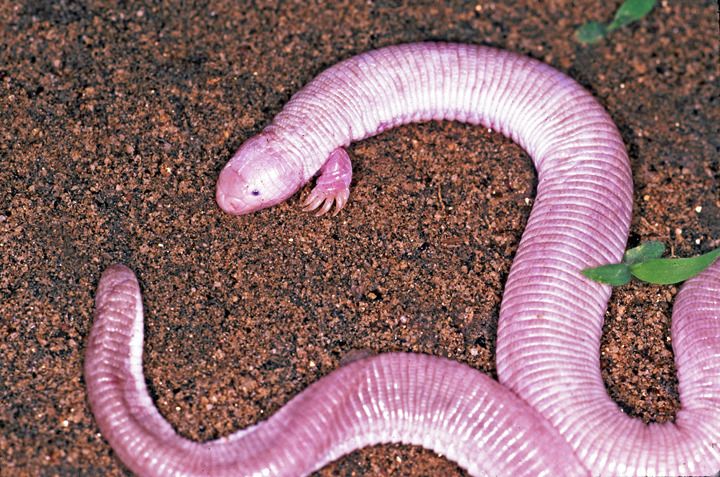
Quick Answer: The Mexican mole lizard, or ajolote (Bipes biporus), is a unique, burrowing reptile native to the Baja California Peninsula in Mexico. Distinguished by its elongated, pink, worm-like body and two small forelimbs, this species belongs to the amphisbaenians, a group of legless, burrowing lizards. The ajolote spends most of its life underground, feeding on insects and invertebrates, and is notable for its specialized adaptations for subterranean life.
The Mexican mole lizard, known locally as the ajolote, is one of the most distinctive reptiles in the world. Its appearance is immediately striking: a long, segmented body reminiscent of an earthworm, but with a pair of tiny, clawed forelimbs near the head. This animal is endemic to the Baja California Peninsula, where it inhabits sandy soils and coastal scrub. Its elusive, subterranean lifestyle has made it a subject of fascination and mystery among herpetologists and naturalists alike.
Unlike most lizards, the ajolote spends the vast majority of its life beneath the surface, rarely venturing above ground except after heavy rains or when disturbed. Its pinkish coloration and smooth, scale-covered skin are adaptations for life in the dark, moist tunnels it creates. The ajolote’s unique morphology and behavior provide a window into the evolutionary history of burrowing reptiles, highlighting the incredible diversity within the order Squamata.
The ajolote is not to be confused with the axolotl (Ambystoma mexicanum), an aquatic salamander from central Mexico. While their names are similar, these two animals are unrelated and occupy entirely different ecological niches. The Mexican mole lizard’s story is one of specialization, survival, and adaptation to a hidden world just beneath our feet.
Taxonomy and Evolutionary Origins
The Mexican mole lizard (Bipes biporus) is a member of the family Bipedidae, which is part of the larger group known as amphisbaenians. Amphisbaenians are a clade of burrowing, mostly legless reptiles within the order Squamata, which also includes snakes and lizards. The family Bipedidae is unique among amphisbaenians for retaining forelimbs, a trait lost in nearly all other members of this group.
Amphisbaenians are characterized by their elongated bodies, reduced or absent limbs, and adaptations for a subterranean lifestyle. The Mexican mole lizard is the only species in its genus with two functional forelimbs, while its relatives Bipes canaliculatus and Bipes tridactylus also possess forelimbs but differ in digit number and distribution.
The evolutionary history of Bipes suggests a divergence from other amphisbaenians millions of years ago, with forelimb retention likely providing a selective advantage in certain soil types.
The fossil record for amphisbaenians is sparse, but molecular studies indicate that they represent an ancient lineage within squamates. The retention of forelimbs in Bipes is considered a derived trait, as most amphisbaenians have lost their limbs entirely. This unique evolutionary pathway has resulted in a highly specialized animal, perfectly adapted for its ecological niche.
Key Insight: The Mexican mole lizard is the only living amphisbaenian with two well-developed forelimbs, a feature that sets it apart from nearly all of its relatives.
Recent phylogenetic analyses have placed Bipes within the broader context of squamate evolution, revealing intriguing relationships with other burrowing reptiles. The persistence of limb structures in Bipes provides valuable insight into the evolutionary pressures shaping limb reduction and loss in subterranean vertebrates. For more on the evolutionary background of amphisbaenians, see the Wikipedia entry on Amphisbaenia.
Physical Characteristics and Adaptations
The Mexican mole lizard exhibits a suite of physical adaptations that enable its subterranean lifestyle. Its body is elongated, cylindrical, and segmented, with a length typically ranging from 18 to 24 centimeters. The skin is smooth and covered in ring-like segments called annuli, which aid in locomotion through loose soil.
The most distinctive feature of Bipes biporus is its pair of small, paddle-like forelimbs, each equipped with strong claws. These limbs are used for digging and maneuvering through the substrate, while the hind limbs are completely absent. The head is blunt and wedge-shaped, allowing the animal to push through soil efficiently. The eyes are tiny and covered by skin, reflecting the reduced importance of vision underground.
| Feature | Description | Function |
|---|---|---|
| Body Length | 18–24 cm | Streamlined for burrowing |
| Forelimbs | Two, paddle-shaped, with claws | Digging and movement |
| Hind Limbs | Absent | Reduced for burrowing |
| Skin | Smooth, segmented (annuli) | Flexibility, soil movement |
| Eyes | Tiny, covered by skin | Protection underground |
| Coloration | Pink or pale | Camouflage in soil |
The coloration of the ajolote is typically pale pink or flesh-toned, which provides camouflage in sandy soils. The tail is short and can be autotomized (shed) as a defense mechanism, though it does not regenerate as in some other lizards. The mouth is small but equipped with sharp teeth for capturing prey.
Key Takeaway: The combination of a worm-like body, powerful forelimbs, and reduced eyes makes the Mexican mole lizard one of the most specialized burrowing reptiles on Earth.
These adaptations not only facilitate movement underground but also minimize water loss and protect the animal from predators. The segmented skin allows for accordion-like motion, enabling the ajolote to push and pull itself through tunnels with remarkable efficiency. For a detailed overview of amphisbaenian morphology, consult Britannica’s entry on amphisbaenians.
Distribution and Habitat
The Mexican mole lizard is endemic to the Baja California Peninsula in northwestern Mexico. Its range extends from the southern tip of the peninsula northward to the vicinity of San Quintín, primarily along the Pacific coastal plain. The species is most commonly found in sandy soils, coastal dunes, and scrubby desert habitats.
Bipes biporus prefers loose, well-drained soils that are easy to excavate. These environments provide both protection from predators and access to abundant invertebrate prey. The ajolote is rarely seen above ground, emerging only after heavy rains or when its burrows are disturbed by human activity or natural events.
Key Fact: The Mexican mole lizard’s distribution is limited to a narrow geographic region, making it vulnerable to habitat disturbance and environmental changes.
Within its range, the ajolote occupies a variety of microhabitats, including:
- Coastal sand dunes
- Arid scrublands
- Agricultural fields (when soils are undisturbed)
- Edges of dry riverbeds
The animal’s burrowing activity helps aerate the soil and may play a role in local ecosystem dynamics. The presence of Bipes biporus is often an indicator of healthy, undisturbed habitats, as the species is sensitive to soil compaction and habitat fragmentation. For more information on the species’ distribution, see the IUCN Red List entry for Bipes biporus.
Behavior and Burrowing Lifestyle
The ajolote’s behavior is shaped by its subterranean existence. It spends nearly all of its life underground, constructing elaborate tunnel systems that can extend several meters in length. These tunnels are used for hunting, shelter, and protection from extreme temperatures and predators.
Bipes biporus is primarily nocturnal, becoming most active during the cooler hours of the night or after rain has softened the soil. The animal uses its powerful forelimbs and wedge-shaped head to dig, while the flexible body moves in an accordion-like fashion. Movement through the substrate is silent and efficient, making the ajolote difficult to detect.
Feeding occurs within the tunnels, where the ajolote preys on insects, larvae, earthworms, and other small invertebrates. The animal uses chemosensory cues to locate prey, as vision is of limited use underground. When threatened, the ajolote can rapidly retreat into its burrow or shed its tail to distract predators.
The Mexican mole lizard’s burrowing activity contributes to soil health by aerating the ground and controlling populations of soil-dwelling invertebrates.
Social interactions are minimal, as individuals are generally solitary except during the breeding season. The ajolote’s reclusive habits and specialized habitat requirements have made direct observation in the wild challenging, contributing to the species’ enigmatic reputation among researchers.
Diet and Feeding Strategies
The diet of the Mexican mole lizard consists primarily of soft-bodied invertebrates. Earthworms, beetle larvae, termites, ants, and other soil-dwelling insects form the bulk of its food intake. The animal is an opportunistic feeder, consuming whatever prey is available within its subterranean environment.
Prey detection relies heavily on chemoreception, as the ajolote’s reduced eyes are of little use in the darkness of its tunnels. The animal’s tongue and vomeronasal organ (Jacobson’s organ) are highly developed, allowing it to sense chemical cues left by potential prey. Once detected, the ajolote uses its sharp teeth and powerful jaws to seize and subdue its meal.
Feeding typically occurs within the safety of the burrow, minimizing exposure to predators. The ajolote’s digestive system is adapted for a protein-rich diet, with a relatively short gut and rapid digestion times. Occasional surface foraging may occur after rain, but this behavior is rare and usually brief.
| Prey Type | Frequency in Diet | Detection Method |
|---|---|---|
| Earthworms | High | Chemoreception |
| Beetle larvae | Moderate | Chemoreception |
| Termites/ants | Moderate | Chemoreception |
| Small insects | Variable | Chemoreception |
The ajolote’s role as a predator of soil invertebrates helps regulate these populations, contributing to the ecological balance of its habitat. Its feeding strategies are a testament to the remarkable adaptability of subterranean reptiles.
Reproduction and Life Cycle
Reproductive behavior in the Mexican mole lizard is poorly understood, owing to the animal’s secretive lifestyle. Mating is believed to occur underground during the spring and early summer months. Females lay a small clutch of eggs, typically two to four, in a specially constructed chamber within the burrow.
The eggs are elongated and have leathery shells, which are well-suited to the humid conditions of the underground nest. Incubation lasts several weeks, after which the young hatch fully formed and are immediately capable of independent movement. Parental care is minimal or absent, as is typical for most reptiles.
Key Insight: The ajolote’s reproductive strategy emphasizes low clutch size and high offspring survival, a common pattern among specialized burrowing reptiles.
Juvenile mole lizards resemble adults in appearance and behavior, though they are smaller and may be more vulnerable to predation. Growth is relatively slow, with individuals reaching maturity after several years. Longevity in the wild is not well documented, but captive individuals have been known to live for over a decade.
Conservation Status and Threats
The Mexican mole lizard is currently listed as Least Concern on the IUCN Red List, reflecting its relatively stable population within its limited range. However, the species faces several threats that could impact its long-term survival.
Habitat destruction is the primary concern, particularly from urbanization, agriculture, and infrastructure development. Soil compaction from vehicles and livestock can render habitats unsuitable for burrowing. The use of pesticides and other chemicals in agriculture may reduce prey availability or directly harm the ajolote.
The species is occasionally collected for the pet trade, though this is not currently a major threat. Climate change poses a potential risk by altering precipitation patterns and soil moisture, which could affect the species’ ability to maintain suitable burrows.
The Mexican mole lizard’s restricted range and specialized habitat requirements make it particularly sensitive to environmental changes and human activities.
Conservation efforts focus on habitat preservation, public education, and monitoring of population trends. Continued research is needed to better understand the species’ ecology and inform management strategies. For more on reptile conservation, see Britannica’s overview of reptile conservation.
The Mexican Mole Lizard in Culture and Research
The ajolote has long captured the imagination of people living in Baja California. Local folklore often portrays the animal as mysterious or even magical, owing to its unusual appearance and secretive habits. In some communities, the mole lizard is believed to bring good luck or serve as a symbol of fertility due to its subterranean lifestyle.
In scientific circles, Bipes biporus is valued as a model organism for studying limb evolution, burrowing adaptations, and convergent evolution among reptiles. The species’ unique combination of traits has made it the subject of numerous anatomical and genetic studies. Its ability to retain forelimbs while losing hind limbs offers insight into the developmental pathways that shape vertebrate morphology.
The ajolote is also occasionally featured in popular media, natural history documentaries, and educational materials. Its bizarre appearance and elusive nature make it a favorite among herpetology enthusiasts and wildlife photographers. For a comprehensive overview of the species, see the Wikipedia entry on Bipes biporus.
Common Misconceptions and Scientific Mysteries
Despite its growing popularity, the Mexican mole lizard is often misunderstood. One common misconception is that it is related to the axolotl, a salamander species from central Mexico. In reality, the two animals belong to entirely different classes (reptiles and amphibians, respectively) and share no close evolutionary relationship.
Another misconception is that the ajolote is a type of snake or worm. While its appearance may resemble these animals, Bipes biporus is a true lizard, as evidenced by its scales, skull structure, and reproductive mode. The presence of forelimbs further distinguishes it from snakes and most other amphisbaenians.
Several scientific questions about the ajolote remain unanswered. The full extent of its range, population size, and reproductive biology are still subjects of ongoing research. The mechanisms underlying limb retention in Bipes, as opposed to limb loss in other amphisbaenians, are of particular interest to evolutionary biologists.
Key Takeaway: The Mexican mole lizard exemplifies how convergent evolution and specialized adaptation can produce animals that defy easy classification or comparison.
The Future of Bipes biporus: Research and Conservation Priorities
Looking ahead, the Mexican mole lizard presents both challenges and opportunities for conservation and scientific inquiry. Protecting its habitat is essential to ensuring the species’ continued survival, especially given its limited distribution and specialized needs. Conservationists emphasize the importance of preserving sandy soils and coastal scrublands, which support not only Bipes biporus but also a host of other endemic species.
Research priorities include:
- Mapping the full distribution and population density of the species
- Studying reproductive behavior and developmental biology
- Investigating the genetic basis of limb retention and loss
- Assessing the impacts of climate change and habitat alteration
Collaborative efforts between local communities, researchers, and conservation organizations are vital for the long-term protection of the ajolote. Public education campaigns can help dispel myths and promote appreciation for this remarkable reptile. Continued funding for field studies and habitat management will be crucial in the years to come.
Understanding the Ajolote’s Place in the Natural World
The Mexican mole lizard stands as a testament to the power of evolution and adaptation. Its unique combination of features, forelimbs, worm-like body, subterranean habits, illustrates the diverse strategies animals employ to survive in challenging environments. As research continues, Bipes biporus will undoubtedly yield further insights into the processes that shape life beneath the surface.
By studying the ajolote, scientists gain a deeper understanding of limb evolution, burrowing specialization, and the ecological roles of subterranean reptiles. The species’ story underscores the importance of conserving not only charismatic megafauna but also the lesser-known creatures that contribute to ecosystem health and biodiversity.
The ajolote’s hidden existence reminds us that some of the most fascinating animals are those we rarely see, yet whose lives are intricately woven into the fabric of their environments.
Frequently Asked Questions
How does the Mexican mole lizard differ from the axolotl?
The Mexican mole lizard is a burrowing reptile with forelimbs, while the axolotl is an aquatic salamander; they are unrelated species from different animal classes.
Is the Mexican mole lizard dangerous to humans?
No, the Mexican mole lizard is harmless to humans and poses no threat; it is a shy, reclusive animal that avoids contact.
Can the Mexican mole lizard regenerate its tail?
The Mexican mole lizard can shed its tail as a defense, but unlike some lizards, its tail does not regenerate after being lost.
Where can the Mexican mole lizard be found in the wild?
It is found only on the Baja California Peninsula in Mexico, mainly in sandy soils and coastal scrub habitats.
What does the Mexican mole lizard eat?
Its diet consists of earthworms, insect larvae, termites, ants, and other soil-dwelling invertebrates found underground.
How does the Mexican mole lizard dig tunnels?
It uses its strong, paddle-shaped forelimbs and wedge-shaped head to burrow efficiently through loose soil.
Is the Mexican mole lizard endangered?
Currently, the Mexican mole lizard is classified as Least Concern by the IUCN, but its habitat is vulnerable to disturbance.