
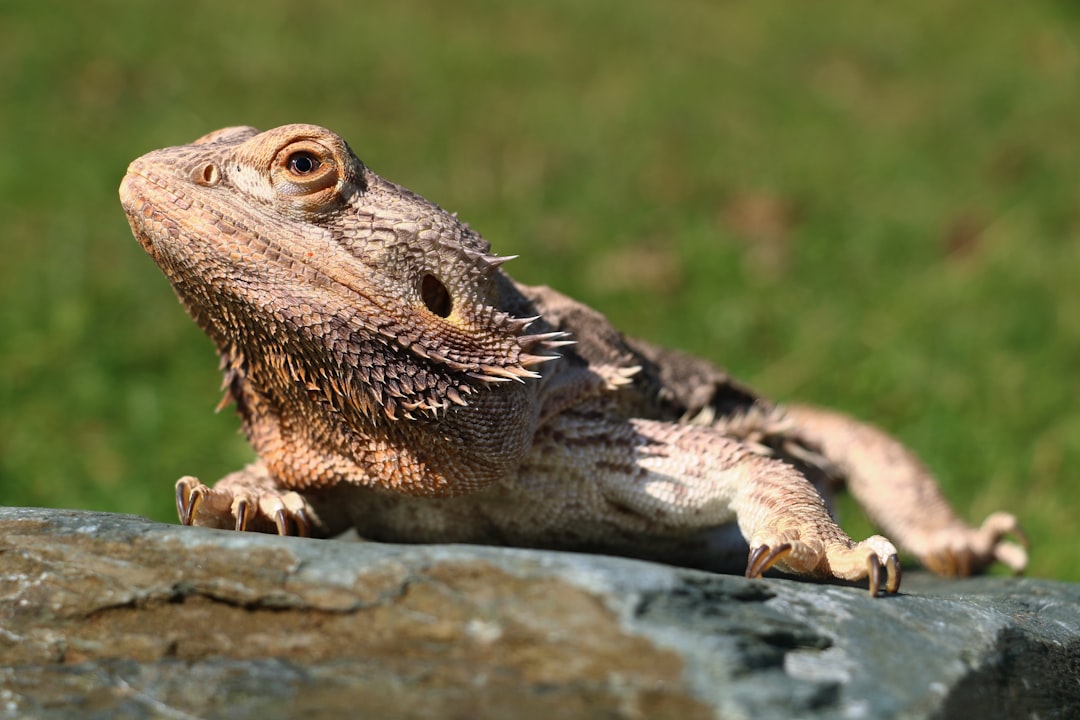
Quick Answer: The thorny dragon (Moloch horridus), also known as the thorny devil, is a small Australian lizard renowned for its unique ability to harvest water through its skin. Covered in spines and adapted to arid desert environments, this reptile channels moisture from rainfall, dew, or damp sand directly to its mouth via specialized grooves in its scales. Its remarkable adaptations make it a fascinating subject of study in desert survival and animal physiology.
The thorny dragon stands as one of the most visually striking reptiles inhabiting the deserts of Australia. Its body is covered with sharp, conical spines, serving both as a defense mechanism and as a means of collecting water in one of the world’s harshest environments. This lizard’s ability to survive in arid regions where water is scarce has made it a subject of fascination among biologists and naturalists alike.
The thorny dragon’s appearance is not just for show; every scale and groove plays a critical role in its daily survival.
Adapted to a life on the move, the thorny dragon spends much of its time foraging for ants, its primary food source, while avoiding predators and extreme temperatures. Its coloration, which ranges from pale yellows to deep browns, allows it to blend seamlessly with the sandy and rocky terrain.
Despite its formidable appearance, the thorny dragon is a gentle creature, relying on camouflage and stillness rather than aggression. Its unique water-harvesting abilities are a testament to the evolutionary pressures of the Australian outback, where every drop of moisture is precious.
The study of the thorny dragon offers valuable insights into the complex interplay between anatomy, behavior, and environment. Researchers have uncovered a suite of physiological and behavioral adaptations that enable this lizard to thrive where few others can. From its specialized skin to its dietary habits, the thorny dragon exemplifies the ingenuity of evolution in action. Its story is not only one of survival but also of the intricate relationships that define life in extreme habitats.
Anatomy and Physical Characteristics
The thorny dragon is a small, slow-moving lizard, typically reaching lengths of 15 to 20 centimeters. Its most distinctive feature is the dense array of sharp, rigid spines that cover its entire body, including its head, back, and tail. These spines are not only a formidable deterrent to predators but also play a crucial role in water collection.
The lizard’s coloration varies with environmental conditions, shifting from lighter tones during hot periods to darker hues in cooler weather, a phenomenon known as physiological color change. This adaptive coloration enhances camouflage, making the thorny dragon nearly invisible against the desert substrate.
One of the most remarkable anatomical features of the thorny dragon is the presence of a ‘false head’ located on the back of its neck. When threatened, the lizard lowers its real head and presents this decoy, confusing predators and increasing its chances of escape. The real head is wedge-shaped, with a small mouth perfectly adapted for consuming ants. The limbs are strong and well-suited for digging, while the tail is thick and spiny, used for balance and additional defense.
The scales of the thorny dragon are highly specialized. Each scale is ridged and interconnected by minute channels that form a complex network across the lizard’s body. These channels are essential for the animal’s unique method of water harvesting, allowing moisture to be drawn from the surface to the mouth. The overall body structure is robust, enabling the lizard to withstand the physical challenges of its harsh environment.
The thorny dragon’s eyes are positioned to provide a wide field of vision, crucial for spotting both prey and potential threats. Its gait is distinctive, often described as a jerky, rocking motion, which may help deter predators by mimicking the movement of inanimate objects. The combination of morphological and behavioral adaptations makes the thorny dragon a master of desert survival.
The thorny dragon’s spiny armor and adaptive coloration are key to its survival in the arid Australian outback, providing both protection from predators and effective camouflage.
Distribution and Habitat Preferences
The thorny dragon is endemic to Australia, with its range encompassing much of the continent’s arid and semi-arid interior. It is most commonly found in sandy deserts, spinifex grasslands, and scrublands, where it can blend into the landscape and avoid detection. The lizard’s distribution is closely tied to the availability of its primary food source, ants, and to the presence of loose, sandy soils that facilitate burrowing and thermoregulation.
Within its range, the thorny dragon exhibits a preference for habitats that offer both shelter and access to food. It often occupies areas with sparse vegetation, using shrubs and grasses for cover during the hottest parts of the day. The lizard is most active during the cooler hours of morning and late afternoon, retreating to burrows or shaded spots when temperatures soar. This behavioral pattern minimizes water loss and reduces the risk of overheating.
Seasonal movements are common, with individuals shifting locations in response to rainfall and changes in ant activity. During periods of drought, thorny dragons may travel considerable distances in search of food and moisture. Their ability to survive in areas with minimal surface water is a direct result of their specialized water-harvesting adaptations. The species’ resilience to environmental extremes has allowed it to persist across a vast and often inhospitable landscape.
According to the IUCN Red List, the thorny dragon is currently classified as a species of Least Concern, reflecting its wide distribution and stable population. However, habitat degradation and climate change pose potential threats to its long-term survival. Conservation efforts focus on preserving the integrity of arid ecosystems and monitoring changes in land use that could impact this unique lizard.
Water Harvesting Skin: Mechanism and Function
The most extraordinary adaptation of the thorny dragon is its ability to collect and transport water using its skin. This process, known as capillary action, relies on a network of microscopic grooves between the scales. When the lizard comes into contact with moisture, whether from rain, dew, or damp sand, water is drawn into these grooves and channeled toward the mouth.
Water harvesting skin is a term describing the specialized integumentary system that enables certain reptiles, like the thorny dragon, to absorb and direct water across their bodies. In the thorny dragon, the grooves between scales act as capillary channels, allowing even the smallest droplets to be captured and utilized. This adaptation is particularly valuable in arid environments, where standing water is rare and rainfall is unpredictable.
The mechanism operates with remarkable efficiency. As water accumulates on the lizard’s skin, it travels along the interconnected channels, bypassing obstacles such as spines and ridges. The process continues until the water reaches the corners of the mouth, where it can be ingested without the need for licking or drinking from a pool.
This method allows the thorny dragon to exploit multiple sources of moisture, including dew that forms overnight and water absorbed from the substrate after rainfall.
The thorny dragon’s water-harvesting skin enables survival in environments where liquid water is virtually absent, showcasing one of the most sophisticated adaptations among desert reptiles.
Research published in Nature has detailed the microstructure of the thorny dragon’s skin, revealing the intricate network responsible for capillary transport. This adaptation has inspired biomimetic designs in engineering, where similar principles are applied to develop efficient water collection systems for arid regions.
Feeding Habits and Dietary Specialization
The thorny dragon is an obligate myrmecophage, meaning its diet consists almost exclusively of ants. A single individual may consume thousands of ants in a single day, relying on this abundant but nutritionally modest food source. The lizard’s tongue is short and sticky, perfectly adapted for capturing ants as they traverse the ground.
Feeding typically occurs during periods of peak ant activity, which often coincide with cooler temperatures and increased humidity. The thorny dragon uses its keen eyesight to locate ant trails, positioning itself strategically to intercept passing prey. Once in position, the lizard remains motionless, striking rapidly to capture ants with minimal effort. This sit-and-wait strategy conserves energy and reduces exposure to predators.
The nutritional content of ants is relatively low, requiring the thorny dragon to feed frequently and in large quantities. This dietary specialization has shaped many aspects of the lizard’s physiology and behavior. For example, the digestive system is adapted to process large volumes of small prey, while the metabolic rate is tuned to balance energy intake with the demands of desert life.
Occasionally, the thorny dragon may supplement its diet with other small invertebrates, but such instances are rare. The reliance on ants as a primary food source makes the species vulnerable to fluctuations in ant populations, which can be influenced by environmental changes and human activities. Understanding the feeding ecology of the thorny dragon is essential for assessing its conservation status and predicting responses to habitat alteration.
Behavioral Adaptations for Desert Survival
Surviving in the Australian desert requires more than just physical adaptations; the thorny dragon exhibits a range of behaviors that enhance its ability to cope with extreme conditions. One of the most notable is its thermoregulatory behavior, which involves adjusting activity patterns to avoid the hottest parts of the day. By being active during cooler periods and seeking shelter during peak heat, the lizard minimizes water loss through evaporation.
Camouflage plays a central role in predator avoidance. The thorny dragon’s coloration closely matches the surrounding environment, and its motionless posture makes it difficult for predators to detect. When threatened, the lizard may employ a defensive display, puffing up its body and presenting its spines to appear larger and more intimidating. The use of the false head further confuses attackers, providing a critical window for escape.
Another remarkable behavior is the lizard’s ability to absorb water by pressing its body against moist surfaces. After rainfall, thorny dragons have been observed flattening themselves on wet sand, maximizing contact and facilitating water uptake through their specialized skin. This behavior is particularly important during periods of drought, when alternative water sources are scarce.
Behavioral adaptations such as thermoregulation, camouflage, and water absorption are essential for the thorny dragon’s survival in unpredictable and resource-limited environments.
Social interactions are minimal, with individuals maintaining solitary territories except during the breeding season. Aggressive encounters are rare, and most conflicts are resolved through displays rather than physical combat. These behavioral strategies reduce the risk of injury and conserve valuable energy.
Reproduction and Life Cycle
Reproduction in the thorny dragon is closely tied to seasonal cycles and environmental conditions. Mating typically occurs in the spring, following periods of increased rainfall that stimulate ant activity and improve food availability. Males compete for access to females, engaging in ritualized displays that showcase their size and vigor.
Females lay clutches of 3 to 10 eggs in shallow burrows dug into sandy soil. The eggs are incubated by the warmth of the sun, with hatching occurring after several months. Hatchlings are fully independent from birth, equipped with the same spiny armor and water-harvesting adaptations as adults. Survival rates are low, with predation and environmental hazards posing significant threats to young lizards.
The life span of the thorny dragon in the wild is estimated to be 10 to 20 years, although few individuals reach the upper limits due to the rigors of desert life. Growth is relatively slow, with sexual maturity attained after two to three years. The timing of reproductive events is influenced by rainfall patterns, which affect both food availability and the suitability of nesting sites.
Parental care is absent, with females abandoning the nest after egg-laying. This strategy is common among desert reptiles, where the costs of prolonged parental investment outweigh the potential benefits. The high mortality rate among juveniles is offset by the production of multiple eggs per clutch and the ability to reproduce annually under favorable conditions.
Predators, Threats, and Defense Mechanisms
Despite its formidable appearance, the thorny dragon faces a range of natural predators, including birds of prey, snakes, and larger reptiles. The spiny armor provides a significant deterrent, making the lizard difficult to swallow and potentially injurious to attackers. The false head is an additional defense, diverting strikes away from vital areas.
Predation pressure is highest during the juvenile stage, when individuals are smaller and less well-armored. Camouflage and stillness are the primary means of avoiding detection, with active defense reserved for situations where escape is not possible. The lizard’s slow movement and reliance on concealment make it vulnerable to habitat disturbances that reduce available cover.
Human activities, such as land clearing, agriculture, and the introduction of invasive species, pose additional threats to thorny dragon populations. Habitat fragmentation can isolate populations and reduce genetic diversity, while changes in fire regimes may alter the structure of desert ecosystems. Climate change is an emerging concern, with shifts in temperature and precipitation patterns potentially affecting both food resources and reproductive success.
The thorny dragon’s combination of physical and behavioral defenses illustrates the complex strategies employed by desert reptiles to survive in predator-rich environments.
Conservation measures focus on habitat protection and the mitigation of human impacts. The species’ resilience is notable, but ongoing monitoring is necessary to ensure its continued survival in the face of environmental change. For more information on the ecological role of desert reptiles, see Britannica’s entry on lizard adaptations.
Evolutionary Origins and Phylogenetic Relationships
The thorny dragon belongs to the family Agamidae, a diverse group of lizards found across Africa, Asia, and Australia. Within this family, the thorny dragon is unique in both appearance and ecological specialization. Phylogenetic analyses suggest that the species diverged from other agamids in response to the aridification of the Australian continent, evolving traits that facilitated survival in desert habitats.
Comparative studies with related species have highlighted the convergent evolution of water-harvesting adaptations in unrelated desert reptiles. For example, the Namibian desert lizard (Phrynosoma) exhibits similar skin structures, despite being only distantly related. This phenomenon underscores the powerful selective pressures exerted by arid environments, driving the independent emergence of analogous traits.
The fossil record for agamid lizards in Australia is limited, but molecular data provide insights into the timing and sequence of evolutionary events. Genetic studies indicate that the thorny dragon’s lineage has been present in Australia for millions of years, with diversification linked to climatic fluctuations and habitat shifts. The species’ current distribution reflects both historical and contemporary ecological factors.
Evolutionary adaptations such as water-harvesting skin and spiny armor have enabled the thorny dragon to exploit ecological niches unavailable to less specialized reptiles.
For further reading on the evolutionary history of agamid lizards, refer to the Wikipedia article on Agamidae.
The Thorny Dragon in Culture and Scientific Research
The thorny dragon occupies a prominent place in Australian folklore and natural history, often featured in educational materials and wildlife documentaries. Its distinctive appearance and remarkable adaptations have made it a symbol of desert resilience and ingenuity. The species is frequently used as an example in discussions of biomimicry, where biological systems inspire technological innovation.
Scientific research on the thorny dragon has contributed to a broader understanding of desert ecology, physiological adaptation, and animal behavior. Studies of its water-harvesting skin have informed the design of artificial surfaces for water collection, with potential applications in agriculture and resource management. The lizard’s dietary specialization and reproductive strategies offer insights into the challenges of life in extreme environments.
The thorny dragon is also a subject of public fascination, attracting attention from tourists, photographers, and wildlife enthusiasts. Its role as an ambassador for Australia’s unique biodiversity highlights the importance of conserving arid ecosystems and promoting awareness of the challenges faced by desert species. Educational programs often feature the thorny dragon to illustrate concepts such as adaptation, survival, and ecological balance.
The thorny dragon’s influence extends beyond biology, shaping cultural perceptions of the Australian outback and inspiring innovations in science and technology.
Future Challenges and Conservation Perspectives
While the thorny dragon remains widespread and relatively abundant, future challenges loom on the horizon. Climate change, habitat loss, and the introduction of invasive species threaten to disrupt the delicate balance of desert ecosystems. Changes in temperature and rainfall patterns could alter the distribution of ants, the lizard’s primary food source, with cascading effects on population dynamics.
Conservation strategies must prioritize habitat protection, the maintenance of ecological connectivity, and the monitoring of population trends. Research into the species’ physiological limits and adaptive capacity will inform management decisions and enhance the effectiveness of conservation efforts. Public education and community engagement are also critical, fostering a sense of stewardship for Australia’s unique wildlife.
International collaboration among researchers, conservationists, and policymakers is essential for addressing the complex challenges facing desert reptiles. The thorny dragon serves as a flagship species, drawing attention to broader issues of biodiversity loss and ecosystem resilience. By safeguarding its future, we contribute to the preservation of an irreplaceable component of Australia’s natural heritage.
Appreciating the Thorny Dragon’s Place in the Desert
The thorny dragon’s story is one of adaptation, resilience, and the intricate relationships that define life in extreme environments. Its unique combination of physical and behavioral traits enables survival in conditions that would prove fatal to most other animals. From its spiny armor to its water-harvesting skin, every aspect of its biology reflects the demands of the Australian desert.
Studying the thorny dragon deepens our understanding of evolutionary processes and the ways in which organisms respond to environmental challenges. The species stands as a testament to the power of natural selection and the creativity of life in the face of adversity. Its continued survival depends on the preservation of the ecosystems that sustain it and the commitment of people to protect the natural world.
The thorny dragon embodies the spirit of the Australian outback, reminding us of the beauty and complexity of life in even the harshest landscapes. Its adaptations inspire awe and offer valuable lessons for science, conservation, and our appreciation of biodiversity.
Frequently Asked Questions
How does the thorny dragon collect water in the desert?
The thorny dragon uses grooves between its scales to channel water from rain, dew, or damp sand directly to its mouth by capillary action.
What do thorny dragons eat besides ants?
Thorny dragons feed almost exclusively on ants, but may rarely consume other small invertebrates if available.
Are thorny dragons dangerous to humans?
No, thorny dragons are harmless to humans and rely on camouflage and spines for protection rather than aggression.
How long do thorny dragons live in the wild?
Thorny dragons can live up to 10–20 years in the wild, though many do not reach maximum age due to predation and environmental hazards.
Can thorny dragons survive without drinking water?
Yes, thorny dragons rarely drink standing water, instead absorbing moisture from their environment through specialized skin adaptations.
What are the main threats to thorny dragon populations?
Habitat loss, climate change, and invasive species are primary threats, though the species remains widespread and is currently of Least Concern.