
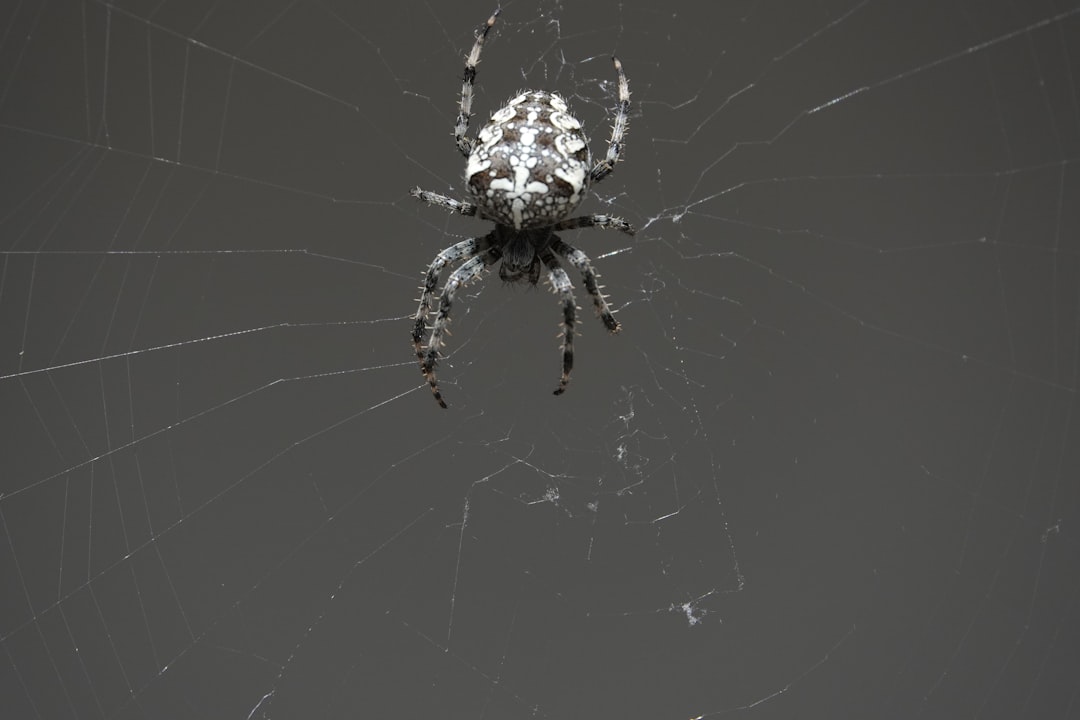
Quick Answer: Mirror spiders, belonging to the genus Thwaitesia, are small orb-weaving spiders renowned for their striking reflective patches that resemble tiny mirrors or sequins. These unique arachnids use specialized guanine crystals in their abdominal cells to create silvery, metallic patterns that can change in size and intensity. Mirror spiders are distributed across Asia and Australia, where their reflective appearance serves both as camouflage and a defense mechanism against predators.
The mirror spider, often called the sequined spider or silver spider, captivates naturalists and arachnologists with its dazzling, reflective abdomen. The genus Thwaitesia encompasses several species, each displaying remarkable adaptations that set them apart from other orb-weaving spiders.
Their reflective patches, which can appear as shining silver, gold, or even rainbow hues, are not just a visual spectacle but also serve vital ecological functions. These spiders are typically small, with body lengths ranging from 3 to 5 millimeters, yet their appearance makes them stand out among other web-builders.
Their ability to alter the size and brightness of their reflective spots provides a fascinating example of dynamic camouflage in the animal kingdom.
The discovery and study of mirror spiders have contributed to a deeper understanding of arachnid diversity and adaptation. Unlike many spiders that rely solely on cryptic coloration, Thwaitesia species employ a combination of transparency and reflectivity to evade detection.
This adaptation has sparked interest in fields ranging from evolutionary biology to materials science, as researchers seek to understand and replicate the spider’s natural engineering. Mirror spiders are harmless to humans and are primarily insectivorous, playing a role in controlling pest populations within their habitats.
Their intricate webs and shimmering bodies continue to inspire both scientific research and artistic representation, underscoring the complexity and beauty of spider evolution.
Taxonomy and Classification of Mirror Spiders
Thwaitesia is a genus within the family Theridiidae, commonly known as the comb-footed or cobweb spiders. The genus was first described in the 19th century and currently includes over 20 recognized species, distributed primarily in Asia and Australia. The most famous member, Thwaitesia argentiopunctata, is often cited in scientific literature and popular media for its spectacular appearance.
Other notable species include Thwaitesia margaritifera and Thwaitesia nigronodosa, each with distinct reflective patterns and coloration.
The family Theridiidae is characterized by its members’ construction of irregular, tangled webs and the presence of a comb of serrated bristles on the fourth pair of legs, used to manipulate silk. Within this family, Thwaitesia stands out due to its unique reflective adaptations.
Genus is a taxonomic rank used in the biological classification of living and fossil organisms, grouping together species that are structurally similar or phylogenetically related. In the case of Thwaitesia, shared morphological traits and genetic markers distinguish these spiders from other theridiids.
Mirror spiders are classified as araneomorphs, a suborder of spiders that includes the majority of known species. Araneomorph spiders possess fangs that cross in a pinching action, in contrast to the parallel fangs of mygalomorphs like tarantulas. This anatomical feature, combined with their distinctive abdominal reflectivity, makes Thwaitesia an intriguing subject for evolutionary studies.
The genus is closely related to other visually striking spiders, such as the peacock spiders (Maratus), but is unique in its use of guanine crystals for reflectivity.
Key Insight: Mirror spiders are among the few arachnids that have evolved dynamic, light-reflecting adaptations, setting them apart from the majority of cryptically colored spiders.
The classification of Thwaitesia has been refined through both morphological analysis and molecular phylogenetics. Recent advances in genetic sequencing have allowed researchers to clarify relationships within Theridiidae and confirm the monophyly of Thwaitesia. These findings are supported by comparative studies of web structure, reproductive behavior, and abdominal morphology. For a comprehensive overview of the genus, the Wikipedia entry on Thwaitesia provides a detailed taxonomic breakdown.
Anatomy and Reflective Adaptations
The most distinctive feature of mirror spiders is their reflective abdominal patches, which can appear as metallic silver, gold, or iridescent spots. These patches are created by specialized cells that contain layers of guanine crystals, a type of purine compound also found in fish scales and some reptiles. The arrangement and density of these crystals determine the intensity and hue of the reflectivity, allowing the spider to modulate its appearance in response to environmental conditions.
Guanine crystals are responsible for the mirror-like effect seen on the abdomen of Thwaitesia species. These crystals are organized in platelets within the epidermal cells, reflecting light in a way that produces a shiny, mirror-like surface. The spider can expand or contract the underlying cells, effectively increasing or decreasing the size of the reflective patches.
This dynamic control is thought to be mediated by changes in hemolymph pressure and muscle contraction, although the exact physiological mechanisms remain a topic of ongoing research.
The rest of the spider’s body is typically translucent or lightly pigmented, providing a stark contrast to the dazzling abdominal spots. This combination of transparency and reflectivity creates a form of disruptive camouflage, making it difficult for predators to discern the spider’s outline against the background. The legs are slender and often semi-transparent, further enhancing the spider’s ability to blend into its surroundings.
| Feature | Description | Function |
|---|---|---|
| Reflective Patches | Guanine crystal platelets in abdominal cells | Camouflage, predator evasion |
| Translucent Body | Lightly pigmented exoskeleton | Background blending |
| Slender Legs | Semi-transparent, long relative to body size | Web navigation, camouflage |
Key Takeaway: The ability to dynamically alter the size and brightness of reflective spots provides mirror spiders with an advanced form of adaptive camouflage rarely seen in arachnids.
The anatomical adaptations of Thwaitesia have inspired biomimetic research, particularly in the fields of optics and materials science. Scientists are investigating the structure and function of guanine crystals in these spiders to develop new reflective materials for use in technology and engineering. For more on guanine’s role in biological reflectivity, see the Britannica entry on guanine.
Distribution and Habitat
Mirror spiders are found primarily in tropical and subtropical regions of Asia and Australia. Their distribution ranges from India and Southeast Asia to the eastern and northern parts of Australia, with several species endemic to specific regions. Thwaitesia argentiopunctata, for example, is commonly observed in Queensland and New South Wales, while other species have been recorded in Malaysia, Indonesia, and China.
These spiders prefer habitats with abundant vegetation, such as forests, woodlands, and gardens. They are often found on the undersides of leaves, where their webs are constructed close to the substrate. The choice of microhabitat is influenced by factors such as humidity, temperature, and the availability of prey. Mirror spiders are typically more active during the wet season, when insect populations are at their peak.
Key Insight: The reflective camouflage of mirror spiders is especially effective in dappled light environments, where shifting sunlight and shadow patterns help obscure their presence.
Unlike many orb-weavers that build large, conspicuous webs, Thwaitesia species construct small, irregular webs that are often difficult to detect. This web-building strategy, combined with their reflective adaptations, reduces the likelihood of predation by birds and other visual hunters. The microhabitat preferences of mirror spiders have been studied in detail by arachnologists, with findings published in journals such as the Australian Journal of Zoology.
Behavior and Life Cycle
Mirror spiders exhibit behaviors typical of small orb-weavers, including web construction, prey capture, and periodic molting. The life cycle begins with the female laying eggs in a silken sac, which is typically attached to the underside of a leaf or hidden within vegetation. Spiderlings emerge after several weeks and disperse by ballooning, a process in which they release silk threads to catch the wind and travel to new locations.
Juvenile Thwaitesia spiders undergo several molts as they grow, gradually developing the characteristic reflective patches. The intensity and pattern of these patches can change with age, diet, and environmental conditions. Adult spiders are solitary and territorial, rarely interacting with others except during mating. Courtship involves a series of vibrational signals transmitted through the web, allowing males to approach females without being mistaken for prey.
Mirror spiders are primarily nocturnal, hunting at night and retreating to the shelter of their webs during the day. Their diet consists mainly of small insects, which are ensnared in the sticky strands of their webs. The spiders immobilize prey with venom before consuming it, using digestive enzymes to liquefy the internal tissues. Predators of mirror spiders include birds, lizards, and larger spiders, but the reflective camouflage provides significant protection.
Behavioral Note: The ability to adjust reflective patterns in response to threats suggests a high degree of behavioral plasticity in Thwaitesia species.
Camouflage and Predator Avoidance
The reflective patches of mirror spiders serve as a sophisticated form of camouflage, disrupting the spider’s outline and making it difficult for predators to detect or recognize them as prey. This adaptation is particularly effective in environments with variable lighting, such as forest canopies or sun-dappled undergrowth. The metallic spots can mimic dew drops, insect eggs, or other natural elements, further confusing potential predators.
Research indicates that the dynamic control of reflectivity allows Thwaitesia spiders to respond to immediate threats by increasing the size and brightness of their mirror spots. This sudden flash of reflectivity can startle or distract predators, providing the spider with a crucial moment to escape. The underlying mechanism involves rapid changes in the arrangement of guanine crystals within the abdominal cells, a process that can occur within seconds.
| Predator | Camouflage Strategy | Effectiveness |
|---|---|---|
| Birds | Disruptive reflectivity | High in dappled light |
| Lizards | Transparency and reflectivity | Moderate |
| Insects | Web placement, background matching | High |
Key Takeaway: Mirror spiders exemplify the principle of disruptive coloration, using both transparency and reflectivity to evade a diverse array of predators.
The study of spider camouflage has broader implications for understanding the evolution of anti-predator adaptations in arthropods. For more on animal camouflage strategies, the Wikipedia article on camouflage provides a useful overview.
Diet and Ecological Role
Mirror spiders are insectivores, feeding primarily on small flying insects such as gnats, flies, and aphids. Their webs are designed to capture prey efficiently, with sticky silk strands arranged to maximize the chances of interception. Once an insect is ensnared, the spider quickly immobilizes it with venom and begins the process of external digestion.
This feeding strategy is common among orb-weavers, but the small size and cryptic webs of Thwaitesia species require precise targeting and rapid response.
The ecological role of mirror spiders extends beyond their function as predators. By regulating populations of pest insects, they contribute to the health and balance of their ecosystems. Their presence in gardens and agricultural areas is often beneficial, as they help control species that can damage crops or spread disease. The reflective camouflage of Thwaitesia allows them to hunt in exposed locations without attracting unwanted attention from larger predators.
Ecological Note: The role of mirror spiders as both predator and prey highlights the complex interdependencies within terrestrial ecosystems.
In addition to their direct impact on insect populations, mirror spiders serve as prey for a variety of animals, including birds, reptiles, and other arthropods. Their reflective adaptations represent a fascinating example of evolutionary arms races, where predator and prey continually adapt to each other’s strategies. For a broader perspective on spider ecology, the Britannica entry on spiders offers a comprehensive overview.
Reproduction and Development
Reproductive strategies in mirror spiders are similar to those of other small orb-weavers. Females produce egg sacs containing dozens of eggs, which are carefully concealed within the web or attached to vegetation. The eggs are protected by layers of silk, which provide insulation and deter parasites. After hatching, spiderlings remain near the egg sac for a short period before dispersing to establish their own territories.
The development of reflective patches is a gradual process, with spiderlings initially lacking the characteristic mirror spots. As they molt and grow, the guanine crystals begin to accumulate in the abdominal cells, eventually producing the distinctive metallic appearance. The timing and pattern of this development can vary between species and individuals, influenced by genetic and environmental factors.
Mating behavior in Thwaitesia involves complex courtship rituals, with males using vibrational signals to communicate their presence and intentions. Successful mating is followed by the production of one or more egg sacs, ensuring the continuation of the species. The reproductive output of mirror spiders is relatively high, compensating for the risks associated with their small size and exposed habitats.
Species Diversity within Thwaitesia
The genus Thwaitesia includes over 20 described species, each exhibiting unique patterns of reflectivity and coloration. While Thwaitesia argentiopunctata is the most well-known, other species such as Thwaitesia margaritifera, Thwaitesia nigronodosa, and Thwaitesia affinis display a range of mirror spot arrangements and body shapes. Some species have large, contiguous reflective patches, while others feature smaller, scattered spots.
| Species | Distribution | Reflective Pattern |
|---|---|---|
| Thwaitesia argentiopunctata | Australia | Large, silver spots |
| Thwaitesia margaritifera | Southeast Asia | Small, scattered spots |
| Thwaitesia nigronodosa | India, Southeast Asia | Gold and silver patches |
| Thwaitesia affinis | Australia, New Guinea | Iridescent, rainbow-like spots |
The diversity within Thwaitesia reflects adaptation to different ecological niches and environmental pressures. Ongoing taxonomic research continues to uncover new species and clarify the relationships between existing ones. Detailed descriptions and identification keys can be found in scientific publications and online databases such as the World Spider Catalog.
Human Perception and Cultural Significance
Mirror spiders have captured the imagination of both scientists and the general public, thanks to their jewel-like appearance and unique adaptations. They are frequently featured in nature documentaries, photography exhibitions, and educational materials, serving as ambassadors for the diversity and complexity of the arachnid world. The aesthetic appeal of Thwaitesia has inspired artists, designers, and even engineers seeking to replicate their reflective properties in human-made materials.
In some cultures, spiders are associated with creativity, patience, and transformation. The mirror spider’s ability to change its appearance has been interpreted as a symbol of adaptability and resilience. While not as widely recognized as other iconic spiders, Thwaitesia species are increasingly appreciated for their ecological and scientific value. Public interest in these spiders has led to greater awareness of the importance of habitat conservation and biodiversity.
Cultural Note: The fascination with mirror spiders highlights the intersection of science, art, and cultural symbolism in our understanding of the natural world.
Conservation Status and Research Directions
Most species of mirror spiders are not currently considered threatened, but their specialized habitats make them vulnerable to environmental changes such as deforestation, urbanization, and climate change. Habitat loss can lead to declines in local populations, particularly for species with restricted distributions. Conservation efforts aimed at preserving forests and native vegetation indirectly benefit Thwaitesia and other small, cryptic spiders.
Scientific research on mirror spiders continues to advance our understanding of their biology, ecology, and evolutionary history. Areas of active investigation include the genetic basis of reflectivity, the physiological mechanisms of dynamic camouflage, and the ecological interactions between Thwaitesia and other organisms.
Collaborative studies between biologists and materials scientists are exploring the potential applications of spider-inspired reflective materials in technology and industry.
For up-to-date information on the conservation status of spider species, the IUCN Red List provides comprehensive assessments and resources.
The Enduring Allure of the Mirror Spider
The mirror spider stands as a testament to the ingenuity of evolution, combining beauty and function in a way that continues to fascinate scientists and nature enthusiasts alike. Its shimmering, ever-changing appearance is more than a mere curiosity; it represents a sophisticated survival strategy honed over millions of years.
The study of Thwaitesia offers insights not only into the world of spiders but also into broader questions of adaptation, camouflage, and the interplay between form and function in nature.
As research progresses, the mirror spider’s unique adaptations may inspire new technologies and deepen our appreciation for the diversity of life on Earth. The enduring allure of these “living jewels” ensures that they will remain a subject of fascination and inquiry for generations to come.
Frequently Asked Questions
How do mirror spiders create their reflective patches?
Mirror spiders produce reflective patches using guanine crystals in their abdominal cells, which reflect light to create a mirror-like appearance.
Are mirror spiders dangerous to humans?
Mirror spiders are harmless to humans and pose no medical risk, as their venom is only effective against small insect prey.
Where can mirror spiders be found in the wild?
Mirror spiders are found in tropical and subtropical regions of Asia and Australia, often in forests, gardens, and woodlands.
What is the ecological role of mirror spiders?
Mirror spiders help control insect populations by preying on small flying insects, contributing to ecosystem balance.
Can the reflective spots of mirror spiders change size?
Yes, mirror spiders can expand or contract their reflective spots by altering the arrangement of guanine crystals in their cells.
Do all Thwaitesia species have the same reflective pattern?
No, different Thwaitesia species display unique patterns and colors of reflectivity, ranging from large silver patches to small iridescent spots.
What threats do mirror spiders face?
Mirror spiders are threatened by habitat loss, deforestation, and climate change, which can reduce their populations in sensitive regions.
How do mirror spiders avoid predators?
Mirror spiders use dynamic reflective camouflage to disrupt their outline and blend into their environment, making them harder for predators to detect.