
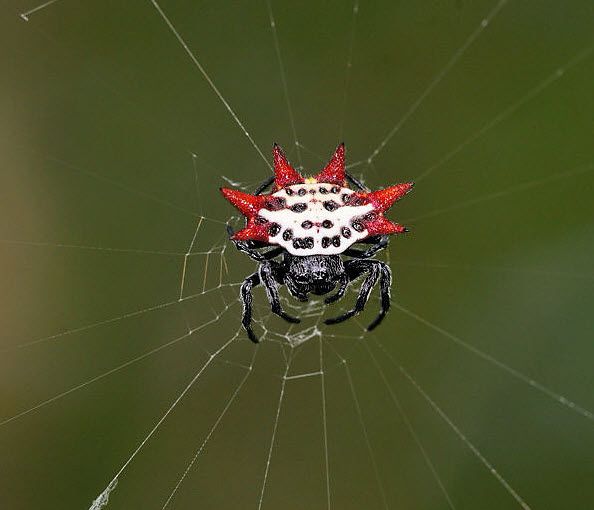
Quick Answer: The star spider, also known as the spiny orb-weaver or Gasteracantha, is a genus of brightly colored, spiny-backed spiders found worldwide in tropical and subtropical regions. Recognized for their unique, star-shaped abdomens with prominent spines, these spiders build classic orb webs and play a vital role in controlling insect populations. Their striking appearance and ecological significance make them a subject of fascination in arachnology.
The star spider, commonly referred to as the spiny orb-weaver, is among the most visually distinctive arachnids encountered in gardens, forests, and urban green spaces across tropical and subtropical zones.
Their vivid colors, ranging from white and yellow to red and black, combined with the prominent spines radiating from their abdomens, make them instantly recognizable and frequently mistaken for dangerous species. However, these spiders are harmless to humans and are more beneficial than most realize.
Star spiders are members of the genus Gasteracantha, a group that includes dozens of species distributed across Asia, Africa, Australia, and the Americas. The genus is especially well known for its elaborate abdominal spines, which serve both defensive and signaling functions. Despite their intimidating appearance, star spiders are not venomous to humans and rarely bite.
Their primary role in ecosystems is as efficient insect predators, helping to maintain the balance of local arthropod populations.
The fascination with star spiders extends beyond their appearance. Their intricate orb webs, daily behaviors, and evolutionary adaptations have made them a subject of scientific study and public curiosity. The following sections explore the biology, ecology, and evolutionary significance of these remarkable spiders, offering a comprehensive look at their place in the natural world.
Taxonomy and Classification of Gasteracantha
Gasteracantha is a genus within the family Araneidae, commonly known as orb-weaver spiders. The genus was first described in the 18th century and now encompasses more than 70 recognized species, each exhibiting unique spine arrangements and color patterns. The distinctive feature uniting all Gasteracantha species is the presence of hard, sclerotized abdomens adorned with prominent lateral and dorsal spines.
Unlike many spider genera, Gasteracantha displays remarkable morphological diversity, particularly in the number and shape of abdominal spines. Some species, such as Gasteracantha cancriformis (the North American star spider), possess six robust spines, while others may have fewer or more, depending on their evolutionary lineage.
This diversity has led to ongoing debates among arachnologists about the boundaries and relationships within the genus, as well as with closely related genera like Macracantha and Micrathena.
The family Araneidae is one of the largest and most ecologically significant spider families, with members found on every continent except Antarctica. Within this family, Gasteracantha stands out for its extreme abdominal modifications and bright coloration. These features have evolved independently in other orb-weaver genera but reach their most elaborate expression in Gasteracantha, making the genus a model for studies of arachnid morphological evolution.
Key Insight: The genus Gasteracantha is globally distributed, with species diversity peaking in Southeast Asia and the Indo-Pacific region.
Taxonomic research on Gasteracantha has relied on both morphological and molecular data, with recent advances in genetic analysis helping to clarify relationships previously obscured by convergent evolution. According to the World Spider Catalog, the genus continues to be revised as new species are described and existing classifications are updated.
| Genus | Family | Common Names | Distribution |
|---|---|---|---|
| Gasteracantha | Araneidae | Star spider, spiny orb-weaver | Tropical & subtropical |
| Macracantha | Araneidae | Long-spined orb-weaver | Asia |
| Micrathena | Araneidae | Arrow-shaped orb-weaver | Americas |
Physical Characteristics and Identification
The most striking feature of the star spider is its star-shaped abdomen, which is typically broad, flat, and adorned with several rigid spines projecting from the sides and rear. These spines vary in length, thickness, and orientation depending on the species, but their primary function is believed to be deterrence against predators. The abdomen is often covered in bright colors and bold patterns, which may serve as aposematic signals to warn potential threats.
Adult females are significantly larger and more conspicuous than males, a common trait among orb-weaver spiders. Female Gasteracantha can reach up to 10 millimeters in width, including the spines, while males are usually less than half that size and lack the prominent abdominal ornamentation. This pronounced sexual dimorphism is thought to be related to reproductive roles and web-building behaviors.
Coloration in Gasteracantha species is highly variable, with some individuals displaying vivid yellow, orange, or red backgrounds with contrasting black or white spots. Others may be predominantly white or cream-colored with black spines and markings. The combination of color and spine arrangement allows for reliable species identification in the field, although some overlap occurs, especially in regions where multiple species coexist.
Key Takeaway: Star spiders are often mistaken for dangerous species due to their bold appearance, but they are harmless to humans and beneficial as insect predators.
The legs of star spiders are relatively short compared to other orb-weavers and are typically dark or banded. The cephalothorax (the fused head and thorax) is small and less conspicuous, often hidden beneath the broad abdomen. The overall body plan is adapted for stationary web-building rather than active hunting, with most movement occurring within the confines of the web.
Table: Common Gasteracantha Species and Their Features
| Species | Region | Spine Count | Coloration |
|---|---|---|---|
| Gasteracantha cancriformis | Americas | 6 | White/yellow/red/black |
| Gasteracantha kuhli | Southeast Asia | 6 | Yellow/black |
| Gasteracantha hasselti | Australia/Asia | 6 | Red/black |
| Gasteracantha falcicornis | Africa | 8 | White/yellow |
Web Construction and Hunting Behavior
Star spiders are classic orb-weavers, constructing circular webs that can span up to 60 centimeters in diameter. These webs are typically built in open spaces between vegetation, where flying insects are most likely to be intercepted. The architecture of the web is highly regular, with radiating spokes and a spiral capture thread that is sticky to trap prey. The spider usually positions itself at the center of the web, head down, waiting for vibrations that signal the arrival of an insect.
The process of web construction is methodical and follows a predictable sequence: laying down non-sticky frame lines, adding radial threads, and finally spinning the sticky spiral that captures prey. Star spiders often rebuild their webs daily, consuming the old silk to recycle proteins and maintain web efficiency. This behavior is not only energetically efficient but also reduces the risk of web damage from environmental factors such as wind or rain.
Prey capture is passive; the spider relies on the web to ensnare flying insects such as flies, moths, beetles, and small wasps. Once an insect is trapped, the spider quickly immobilizes it with silk and delivers a venomous bite to subdue the prey. The venom is effective against small arthropods but poses no threat to humans. After feeding, the spider discards the remains, often hanging them at the web’s periphery to deter other predators or scavengers.
Key Insight: The efficiency of orb webs in capturing prey has made Gasteracantha a successful genus across diverse habitats, from rainforests to suburban gardens.
Some species incorporate stabilimenta, zigzag silk decorations, into their webs, possibly to increase visibility to birds and prevent accidental destruction. The presence and form of stabilimenta vary among individuals and may also play a role in attracting prey or signaling the spider’s presence to potential mates.
Defense Mechanisms and Predation
The elaborate spines and vivid coloration of star spiders serve as primary defenses against predators. The spines make the spiders difficult to swallow, particularly for birds and small mammals, while the bright colors may function as aposematic signals indicating unpalatability or the presence of toxins. Although Gasteracantha spiders are not toxic to vertebrates, their appearance effectively deters many would-be predators.
Predation pressure on star spiders comes from a variety of sources, including birds, lizards, and predatory insects such as wasps. Some parasitoid wasps are known to target spider eggs or juveniles, laying their own eggs inside the spider’s egg sacs. In response, female star spiders often guard their egg sacs and choose concealed sites for oviposition to minimize the risk of parasitism.
Camouflage is less important for Gasteracantha than for other orb-weavers, given their reliance on physical and visual deterrence. However, the placement of webs in dense vegetation or shaded areas can provide additional protection from visually oriented predators. The combination of behavioral and morphological defenses allows star spiders to occupy exposed positions in the landscape without incurring excessive predation risk.
Key Takeaway: The evolution of spines and warning coloration in Gasteracantha illustrates the complex interplay between predator avoidance and reproductive success in spiders.
Natural selection has favored individuals with more pronounced spines and brighter colors in regions with higher predation rates, leading to geographic variation in appearance. This phenomenon, known as polymorphism, is well documented in Gasteracantha cancriformis populations across the Americas.
Reproduction and Life Cycle
Reproductive strategies in star spiders are shaped by their sedentary lifestyle and pronounced sexual dimorphism. Males are much smaller and less conspicuous than females, often lacking the characteristic abdominal spines. Courtship involves the male cautiously approaching the female’s web, signaling with vibrations to avoid being mistaken for prey. Mating is brief, after which the male typically departs or, in some cases, is consumed by the female, a behavior known as sexual cannibalism.
Females produce one or more egg sacs, each containing dozens to hundreds of eggs. The sacs are constructed from dense silk and are often attached to vegetation near the web. Females may guard the sacs for a period, but most do not exhibit prolonged parental care. Spiderlings emerge after several weeks, dispersing by ballooning, using silk threads to catch the wind and travel to new locations.
This dispersal strategy reduces competition among siblings and increases the likelihood of colonizing suitable habitats.
The life cycle of Gasteracantha species is typically annual, with individuals maturing, reproducing, and dying within a single year. In tropical regions, overlapping generations may occur, while in temperate zones, star spiders are most abundant during the warm months. Environmental factors such as temperature, humidity, and prey availability influence development rates and reproductive output.
Key Insight: Sexual dimorphism in Gasteracantha is among the most extreme in orb-weaver spiders, with females often more than twice the size of males and exhibiting elaborate ornamentation.
Ecological Role and Importance
Star spiders play a significant role as insect predators in terrestrial ecosystems. By capturing and consuming large numbers of flying insects, they help regulate populations of pest species and contribute to the overall health of their habitats. Their webs serve as microhabitats for other organisms, including kleptoparasitic spiders that steal prey and various commensal insects that exploit the web structure.
The presence of Gasteracantha in a given area can indicate a healthy, biodiverse environment with abundant insect prey and suitable vegetation for web construction. In agricultural landscapes, star spiders and other orb-weavers provide natural pest control, reducing the need for chemical insecticides. Their ecological importance extends to serving as prey for higher trophic levels, thus integrating them into complex food webs.
Key Takeaway: The ecological services provided by star spiders underscore their value in both natural and human-modified environments.
The study of Gasteracantha and related orb-weavers has informed broader ecological theories about predator-prey dynamics, habitat selection, and the evolution of defensive traits. Their conspicuous webs and daily activity patterns make them accessible subjects for educational programs and citizen science initiatives.
For more on their ecological role, see the Britannica entry on orb-weaver spiders and the Araneidae family overview.
Geographic Distribution and Habitat Preferences
Gasteracantha species are distributed throughout the tropics and subtropics, with the highest diversity in Southeast Asia, Australia, and the Indo-Pacific islands. Some species, such as Gasteracantha cancriformis, have expanded their range into the southern United States, the Caribbean, and Central and South America. Other species are endemic to specific islands or regions, reflecting patterns of historical dispersal and speciation.
Preferred habitats for star spiders include forest edges, secondary growth, gardens, and open woodlands where suitable web sites are abundant. They are less common in dense, closed-canopy forests or arid environments lacking sufficient vegetation. Urban and suburban areas with ornamental shrubs and trees can support thriving populations, making star spiders a familiar sight in parks and residential yards.
Key Insight: The adaptability of Gasteracantha to diverse habitats has contributed to their widespread success and frequent encounters with humans.
Habitat selection is influenced by factors such as prey availability, web site stability, and microclimatic conditions. Star spiders are often among the first colonizers of disturbed habitats, taking advantage of increased sunlight and insect abundance in regenerating landscapes.
Evolutionary Adaptations and Significance
The evolution of spines and bright coloration in Gasteracantha is a classic example of antipredator adaptation. The development of rigid, sclerotized spines provides a physical barrier against predators, while aposematic coloration serves as a visual warning. These traits have evolved in parallel with similar features in unrelated orb-weaver genera, illustrating the concept of convergent evolution.
Molecular studies have revealed that the genetic mechanisms underlying spine development and pigmentation are complex, involving multiple regulatory genes and developmental pathways. The repeated evolution of similar traits in different lineages highlights the strong selective pressures imposed by predation and the limited number of effective defensive strategies available to web-building spiders.
Key Takeaway: The study of Gasteracantha has advanced our understanding of evolutionary processes such as sexual selection, polymorphism, and the trade-offs between defense and reproduction.
Comparative research with other orb-weavers, such as Micrathena and Macracantha, has provided insights into the evolutionary origins of abdominal ornamentation and the ecological contexts in which these traits arise. For more on spider evolution, see the Wikipedia page on spider evolution.
Human Interactions and Cultural Significance
Despite their intimidating appearance, star spiders are harmless to humans and are often appreciated for their beauty and ecological role. In some cultures, they are considered symbols of good fortune or natural artistry, while in others, they are mistakenly feared as venomous or dangerous. Educational outreach and public engagement have helped dispel myths and promote a better understanding of these beneficial arachnids.
Star spiders are occasionally kept in educational displays or studied in laboratory settings to investigate web-building behavior, sexual dimorphism, and antipredator adaptations. Their presence in gardens and parks provides opportunities for nature observation and citizen science, fostering appreciation for urban biodiversity.
Key Insight: Public perceptions of star spiders are shaped by their appearance, but accurate information reveals their importance as harmless, beneficial predators.
Misconceptions about spider bites and venom are common, but documented cases of Gasteracantha envenomation are virtually nonexistent. When bites do occur, symptoms are mild and self-limiting. Promoting accurate knowledge about star spiders contributes to conservation efforts and reduces unnecessary fear.
Conservation Status and Threats
Most Gasteracantha species are not considered threatened, owing to their wide distribution and adaptability. However, habitat loss, pesticide use, and urban development can impact local populations, particularly for species with restricted ranges. The International Union for Conservation of Nature (IUCN) has not assessed most Gasteracantha species individually, but habitat conservation efforts benefit these and other invertebrates.
Conservation priorities for star spiders align with broader initiatives to preserve biodiversity in tropical and subtropical ecosystems. Protecting native vegetation, reducing chemical inputs, and maintaining habitat connectivity support healthy spider populations and the ecological services they provide. In regions where star spiders are rare or declining, targeted research and monitoring are needed to assess population trends and inform management strategies.
Key Takeaway: The resilience of Gasteracantha highlights the importance of habitat conservation for sustaining invertebrate diversity and ecosystem function.
For more information on spider conservation, consult resources from the IUCN Red List and academic publications on invertebrate biodiversity.
Appreciating the Star Spider’s Role in Nature
The star spider, with its vivid colors and dramatic spines, stands as a testament to the diversity and adaptability of orb-weaver spiders. Its presence in gardens, forests, and urban landscapes reflects both ecological health and the intricate relationships that sustain terrestrial ecosystems. Observing a Gasteracantha in its web offers a window into the complex world of arthropod interactions, predator-prey dynamics, and evolutionary innovation.
Encounters with star spiders often inspire curiosity or caution, but understanding their biology reveals a story of adaptation, resilience, and ecological value. These spiders are not just passive inhabitants of their environments; they are active participants in shaping the balance of insect populations and maintaining the integrity of food webs. Their webs, behaviors, and defensive adaptations provide rich material for scientific study and public education.
Key Takeaway: Recognizing the importance of star spiders encourages respect for invertebrate life and highlights the need to protect the habitats that support them.
By fostering appreciation for Gasteracantha and other orb-weavers, we contribute to a broader culture of biodiversity awareness and conservation. Whether encountered in a tropical forest or a backyard garden, the star spider remains a symbol of nature’s creativity and the enduring value of even the smallest creatures.
Frequently Asked Questions
Are star spiders dangerous to humans?
No, star spiders are harmless to humans and their venom is only effective against small arthropods.
How can you identify a spiny orb-weaver?
Spiny orb-weavers are identified by their star-shaped, spiny abdomens and bright coloration, especially in females.
What do star spiders eat?
Star spiders primarily eat flying insects such as flies, moths, and beetles that are caught in their orb webs.
Where are Gasteracantha spiders most commonly found?
Gasteracantha spiders are most common in tropical and subtropical regions, especially in Southeast Asia and the Americas.
Do star spiders help control pests?
Yes, star spiders help control pest populations by preying on a variety of insects in gardens and natural habitats.
Why do star spiders have spines?
The spines on star spiders deter predators by making them difficult to swallow and may also serve as warning signals.
How long do spiny orb-weavers live?
Most spiny orb-weavers live for about one year, with their life cycle completed within a single season.