
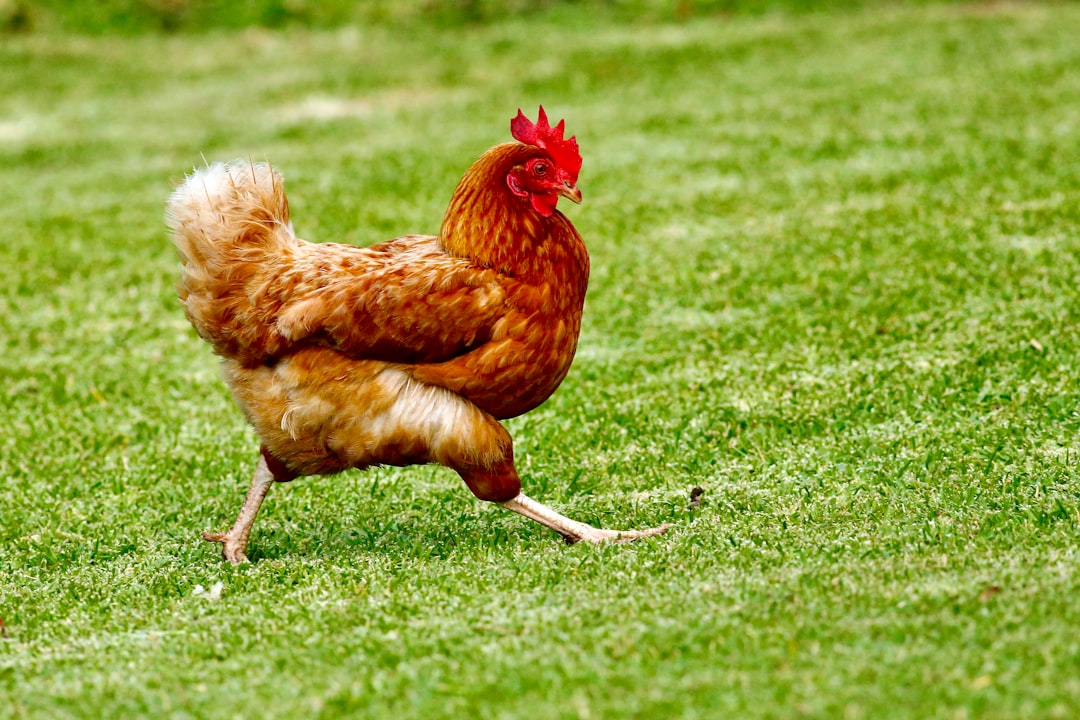
Quick Answer: Hypnotizing a chicken involves inducing a temporary, trance-like state known as tonic immobility by gently restraining the bird and drawing a line in front of its beak. This natural response, also called animal hypnosis or fear paralysis, is a defensive mechanism observed in chickens and many other animals. Tonic immobility can last from several seconds to minutes and is widely used in animal behavior research to study fear and stress responses.
Chickens, like many prey animals, have evolved a fascinating set of behaviors to cope with threats in their environment.
One of the most intriguing is their ability to enter a trance-like state when gently restrained, a phenomenon often referred to as “chicken hypnosis.” This behavior, which has captivated farmers, scientists, and curious observers for centuries, is not unique to chickens but is particularly easy to demonstrate in them due to their temperament and physiology.
The process of inducing this state is simple, yet the biological mechanisms behind it are complex and deeply rooted in evolutionary survival strategies.
When a chicken is placed on its side or back and a straight line is drawn outward from its beak, the bird often becomes motionless, appearing to be hypnotized. This state, known as tonic immobility, can last from a few seconds to several minutes. While it may appear as if the chicken is under a magical spell, the phenomenon is a well-documented response to fear or restraint.
The ease with which chickens can be placed into tonic immobility has made them a model species for studying animal fear and stress responses in laboratory settings.
The practice of hypnotizing chickens is not merely a rural curiosity; it has practical applications in animal welfare and scientific research. Understanding tonic immobility helps researchers assess fearfulness, stress, and coping mechanisms in poultry, which can inform better handling and husbandry practices. Additionally, the study of this behavior sheds light on the broader phenomenon of thanatosis, or “playing dead,” observed across the animal kingdom.
The Science Behind Tonic Immobility
Tonic immobility is a natural, reversible state of profound motor inhibition that occurs in animals, including chickens, when they are exposed to intense fear or physical restraint. This state is characterized by a marked reduction in muscle tone and voluntary movement, often accompanied by a fixed gaze and shallow breathing. Tonic immobility is sometimes referred to as “animal hypnosis,” “fear paralysis,” or “thanatosis.”
The underlying mechanism of tonic immobility involves the activation of neural circuits in the brainstem and midbrain, which suppress voluntary motor activity in response to extreme stress. This response is thought to have evolved as an anti-predator adaptation, allowing prey animals to avoid detection or discourage further attack by appearing dead or unresponsive.
In chickens, tonic immobility can be triggered by gentle restraint and visual cues, such as drawing a line from the beak outward, which may overload the bird’s sensory processing and induce the immobile state.
Tonic immobility is not unique to chickens; it has been documented in a wide range of vertebrates, including reptiles, amphibians, mammals, and fish. The duration and intensity of the response can vary widely between species and individuals, reflecting differences in temperament, prior experience, and genetic factors.
In laboratory settings, tonic immobility is used as a standardized test to assess fearfulness and stress in poultry and other animals, providing valuable insights into animal welfare and behavior.
Key Insight: Tonic immobility in chickens is a well-established behavioral response that serves as a model for understanding fear and stress in animals. This phenomenon has been extensively studied in ethology and comparative psychology, with applications ranging from animal welfare assessment to the study of evolutionary adaptations.
For a comprehensive overview of tonic immobility and its role in animal behavior, see the Wikipedia entry on tonic immobility and the Britannica article on animal behavior.
How to Hypnotize a Chicken: Step-by-Step Method
The process of hypnotizing a chicken is straightforward, but it requires patience and gentle handling to avoid causing distress to the animal. The most common method involves placing the chicken on its side or back and drawing a straight line outward from its beak with a stick, finger, or piece of chalk. This visual stimulus, combined with gentle restraint, can induce tonic immobility in many chickens.
Here is a step-by-step guide to hypnotizing a chicken:
- Choose a calm chicken: Select a bird that is accustomed to being handled, as overly nervous or agitated chickens may struggle and resist restraint.
- Gently lay the chicken on its side or back: Hold the bird securely but gently, ensuring that its wings are tucked against its body to prevent flapping.
- Draw a line from the beak outward: Using a stick, finger, or chalk, slowly draw a straight line on the ground or surface, starting at the tip of the chicken’s beak and extending outward for 30-60 centimeters.
- Release restraint and observe: Gradually release your hold while watching the chicken’s behavior. If tonic immobility is induced, the bird will remain motionless, often with its eyes fixed on the line.
- Allow the chicken to recover: After several seconds to a few minutes, the chicken will spontaneously recover and return to normal activity.
Important Note: Not all chickens will enter tonic immobility using this method, and repeated attempts may reduce the effectiveness due to habituation.
The table below summarizes common methods and their effectiveness:
| Method | Description | Typical Duration | Success Rate |
|---|---|---|---|
| Line Drawing | Draw line from beak outward | 10 sec–3 min | High |
| Gentle Restraint | Hold chicken on side or back | 5 sec–2 min | Moderate |
| Inverted Holding | Hold chicken upside down by legs | 5–30 sec | Low |
| Covering Head | Place cloth over chicken’s head | 10–60 sec | Variable |
While the line-drawing technique is the most popular, other methods such as gently covering the chicken’s head or inverting the bird can also induce tonic immobility, though these are less reliable and may cause more stress. Always prioritize the animal’s welfare and avoid excessive handling.
Biological Purpose of Tonic Immobility in Chickens
Tonic immobility serves as a last-resort defense mechanism in chickens and many other animals. When escape is impossible, entering a state of immobility may reduce the likelihood of further attack by predators. This behavior, known as thanatosis or “playing dead,” is widespread in the animal kingdom and is thought to exploit predator instincts that favor live, moving prey over unresponsive targets.
In chickens, tonic immobility is most likely to be triggered when the animal perceives imminent danger but cannot flee. The sudden onset of immobility may confuse or deter predators, giving the chicken a chance to escape if the predator loses interest. This anti-predator strategy is particularly effective against predators that rely on movement to identify and capture prey.
Key Takeaway: Tonic immobility is not a sign of submission or weakness, but an adaptive survival strategy that has evolved in response to predation pressure.
Comparative studies have shown that the duration and frequency of tonic immobility can vary among chicken breeds and individuals, reflecting genetic and environmental influences. For example, more fearful or less socialized birds may enter tonic immobility more readily and remain immobile for longer periods. This variation provides a valuable tool for researchers studying animal temperament and welfare.
The biological significance of tonic immobility extends beyond chickens. Similar behaviors are observed in mammals such as opossums, reptiles like snakes, and even certain fish species. For more on the evolutionary context, see the Encyclopedia Britannica entry on thanatosis and the Wikipedia article on thanatosis.
Animal Hypnosis and Fear Paralysis Across Species
The phenomenon of “animal hypnosis” is not exclusive to chickens. Many animals display tonic immobility or similar states of fear paralysis when confronted with extreme stress or physical restraint. These responses are collectively known as thanatosis and have been documented in a wide array of taxa, from insects to mammals.
In mammals, classic examples include the “playing dead” behavior of opossums and certain rodents. Reptiles such as snakes and lizards may also enter a state of immobility when threatened, often accompanied by reduced breathing and muscle tone. Amphibians, fish, and even some invertebrates exhibit comparable behaviors, highlighting the widespread evolutionary origins of tonic immobility.
The table below compares tonic immobility across selected animal groups:
| Animal Group | Common Example | Duration Range | Adaptive Function |
|---|---|---|---|
| Birds | Chicken | Seconds–minutes | Avoid predation |
| Mammals | Opossum | Minutes–hours | Deterrence, escape |
| Reptiles | Snake | Seconds–minutes | Predator confusion |
| Insects | Beetle | Seconds–minutes | Predator avoidance |
| Fish | Carp | Seconds–minutes | Reduce detection |
Key Insight: Tonic immobility is a convergent adaptation that has arisen independently in multiple animal lineages as a response to predation risk.
Although the outward appearance of animal hypnosis may be similar across species, the underlying neural and physiological mechanisms can differ. In birds, the response is mediated primarily by brainstem circuits, whereas in mammals, more complex neural pathways may be involved.
The study of tonic immobility thus provides a window into the evolution of fear and defensive behaviors across the animal kingdom. For a broader perspective, consult the Stanford Encyclopedia of Philosophy entry on animal consciousness.
Practical Applications and Ethical Considerations
The ability to induce tonic immobility in chickens has practical applications in both scientific research and animal husbandry. In laboratory settings, tonic immobility tests are used to assess fearfulness, stress, and coping strategies in poultry. These tests provide valuable data for breeding programs, welfare assessments, and the development of humane handling practices.
However, the use of tonic immobility as a tool for entertainment or demonstration raises important ethical questions. While the procedure is generally considered harmless when performed correctly, repeated or rough handling can cause distress and may compromise animal welfare. Researchers and animal handlers must adhere to strict guidelines to minimize stress and ensure the well-being of the animals involved.
Ethical Reminder: Tonic immobility should never be used as a form of amusement or to frighten animals unnecessarily. Responsible handling and respect for animal welfare are paramount.
In commercial poultry production, understanding fear responses and stress management is essential for improving animal welfare and productivity. By selecting for less fearful birds and refining handling techniques, producers can reduce the incidence of tonic immobility and associated stress-related problems. For further reading on animal welfare standards, see the American Veterinary Medical Association’s guidelines and the World Organisation for Animal Health.
Common Misconceptions About Chicken Hypnosis
Despite its long history in rural folklore, several misconceptions persist about chicken hypnosis and tonic immobility. One widespread myth is that the process involves mystical or supernatural forces. In reality, the behavior is a natural, involuntary response rooted in the animal’s nervous system and evolutionary history.
Another common misunderstanding is that tonic immobility is a sign of submission or low intelligence. In fact, the response is an adaptive survival mechanism that has evolved independently in many animal groups. Chickens that enter tonic immobility are not “hypnotized” in the human sense, nor are they consciously choosing to remain still.
Clarification: The trance-like state observed in chickens is not true hypnosis, but a form of fear-induced paralysis that serves an important biological function.
Some people believe that tonic immobility can be used as a reliable method for calming chickens during handling or transport. While the response may temporarily reduce movement, it is not a humane or effective long-term strategy for managing stress. Prolonged or repeated induction of tonic immobility can increase anxiety and negatively impact animal welfare.
Research and Measurement of Tonic Immobility
Tonic immobility is widely used as a behavioral assay in animal research, particularly in studies of fear, stress, and temperament in poultry. The standard test involves inducing tonic immobility using the line-drawing or restraint method and recording the duration of immobility as a measure of fearfulness.
Researchers have developed protocols to standardize the induction and measurement of tonic immobility, allowing for comparisons across breeds, ages, and experimental conditions. Variables such as the number of attempts required to induce immobility, the duration of the response, and the bird’s recovery time are recorded and analyzed.
Key Finding: Longer durations of tonic immobility are generally interpreted as indicators of higher fearfulness or stress sensitivity in chickens.
Tonic immobility tests have contributed to advances in animal welfare science, genetics, and neurobiology. By identifying genetic lines with lower fear responses, breeders can select for calmer, less stressed animals, improving both welfare and productivity. For a detailed overview of behavioral research methods in animals, see the University of Cambridge’s animal behavior research resources.
Thanatosis and Survival Strategies in the Animal Kingdom
Thanatosis, or “playing dead,” is one of several defensive strategies employed by animals to avoid predation. Alongside tonic immobility, animals may use camouflage, fleeing, aggression, or mimicry to survive encounters with predators. The choice of strategy depends on species, context, and the nature of the threat.
In some cases, thanatosis is combined with other behaviors, such as the release of foul-smelling chemicals or the display of warning coloration. For example, certain beetles feign death while emitting defensive secretions, and some snakes remain motionless with their mouths open to mimic the appearance of a dead animal. These complex behaviors illustrate the diversity and sophistication of anti-predator adaptations in nature.
Evolutionary Perspective: Thanatosis and tonic immobility highlight the dynamic interplay between predator and prey, driving the evolution of increasingly effective survival strategies.
The study of thanatosis contributes to our understanding of animal cognition, emotion, and the neural basis of behavior. It also informs conservation efforts by highlighting the importance of behavioral diversity in maintaining healthy ecosystems. For more on the ecological significance of anti-predator behaviors, consult the Britannica entry on animal behavior.
The Limits and Risks of Inducing Tonic Immobility
While tonic immobility is generally considered a harmless, reversible state, there are important limitations and risks associated with its induction. Prolonged or repeated exposure to tonic immobility can cause distress, disrupt normal behavior, and increase susceptibility to illness in chickens. Young, old, or sick birds may be particularly vulnerable to the negative effects of stress.
Handlers should avoid using tonic immobility as a routine management tool or as a form of entertainment. The response is intended as a last-resort defense, not a means of calming or controlling animals. Ethical guidelines recommend minimizing the use of tonic immobility in both research and husbandry settings, prioritizing animal welfare at all times.
Critical Warning: Inducing tonic immobility should be reserved for legitimate scientific or welfare purposes and performed only by trained individuals.
Understanding the limits of tonic immobility helps prevent misuse and ensures that chickens and other animals are treated with respect and care. For more information on animal handling and welfare, see the American Veterinary Medical Association’s resources.
Putting Chicken Hypnosis in Perspective
The ability to hypnotize a chicken is a striking example of how animal behavior can be shaped by evolutionary pressures and environmental challenges. While the phenomenon may appear mysterious or amusing, it reflects a complex interplay of neural, physiological, and ecological factors that have profound implications for animal welfare, research, and our understanding of the natural world.
Recognizing tonic immobility as a natural response rather than a parlor trick encourages a deeper appreciation for the adaptive strategies employed by animals. It also underscores the importance of ethical handling and respect for the creatures in our care. By studying and respecting these behaviors, we gain valuable insights into the lives of animals and the evolutionary forces that have shaped them.
For those interested in exploring related topics, further reading on animal consciousness, fear responses, and anti-predator adaptations can deepen our understanding of the remarkable diversity of life on Earth.
Frequently Asked Questions
Is chicken hypnosis harmful to the bird?
Chicken hypnosis, when performed gently and infrequently, is generally not harmful, but repeated or rough handling can cause stress or injury.
How long does tonic immobility last in chickens?
Tonic immobility in chickens usually lasts from a few seconds to several minutes, depending on the individual bird and method used.
Can other birds be hypnotized like chickens?
Yes, many bird species can enter tonic immobility, but chickens are especially responsive and commonly used in demonstrations.
Why do some chickens not become hypnotized?
Some chickens are less susceptible to tonic immobility due to genetics, temperament, or prior experience with handling.
Is tonic immobility the same as playing dead?
Tonic immobility is a form of thanatosis, or playing dead, but the duration and triggers can vary between species.
Does tonic immobility indicate fear or stress in chickens?
Yes, tonic immobility is a natural response to fear or stress and is used in research to assess these traits in poultry.