
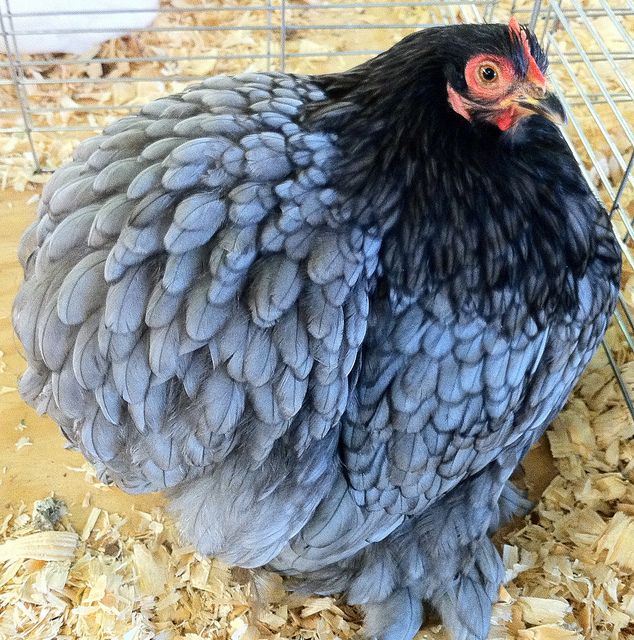
Quick Answer: Strange chicken breeds are domesticated poultry varieties with unique physical traits, feather types, or coloration that set them apart from standard chickens. Examples include the Silkie, known for its fluffy plumage; the Ayam Cemani, famous for its all-black appearance; and the Frizzle, which displays outward-curling feathers. These breeds often have distinct histories, cultural significance, and specialized care requirements, making them popular among enthusiasts and poultry keepers.
Strange and unusual chicken breeds captivate both poultry enthusiasts and casual observers with their remarkable appearances and fascinating histories.
While most people are familiar with the classic image of a barnyard chicken, the world of poultry includes breeds that defy expectations, some with feathers resembling fur, others with skin colors rarely seen in the animal kingdom, and some with crests or frills that seem almost ornamental.
These chickens are not only visually striking but also represent centuries of selective breeding, adaptation, and cultural tradition.
The diversity among chicken breeds is a testament to the adaptability and genetic plasticity of Gallus gallus domesticus, the domestic chicken. Selective breeding has produced a wide array of forms, from the compact and fluffy to the tall and slender, each with its own set of characteristics and quirks.
Many of these breeds originated in specific regions, shaped by local preferences, environmental conditions, and the needs of their keepers. As a result, some breeds have become symbols of national identity or cultural heritage, while others remain rare curiosities prized by collectors and breeders.
For those interested in avian biology, genetics, or animal husbandry, strange chicken breeds offer a window into the processes that drive domestication and diversity. Their unusual features often come with unique challenges and care requirements, making them both rewarding and demanding to keep. Exploring these breeds provides insight into the interplay between human culture, animal genetics, and the natural world, highlighting the remarkable variety that can arise from a single species.
The Silkie: Fluffy Feathers and Ancient Origins
The Silkie is a breed of chicken renowned for its extraordinary plumage, which feels more like fur than feathers. Unlike typical feathers, Silkie feathers lack functioning barbicels, resulting in a loose, fluffy appearance reminiscent of silk or satin. This unique structure prevents the feathers from locking together, giving the bird its characteristic “powder puff” look and making it especially appealing as an ornamental breed.
Silkies are believed to have originated in ancient China, with references to their existence appearing in early Chinese texts. Over centuries, they spread along trade routes to other parts of Asia and eventually Europe. Their distinctive appearance and gentle temperament quickly made them favorites among poultry keepers and aristocrats alike. The breed’s history is intertwined with legends and folklore, sometimes being attributed with mystical or medicinal properties in traditional cultures.
One of the most remarkable features of the Silkie is its black skin and bones, a trait known as fibromelanosis. This genetic mutation causes hyperpigmentation throughout the bird’s body, resulting in black or dark blue flesh, skin, and even organs.
The combination of fluffy white feathers and dark skin is especially striking, though Silkies also come in a variety of colors, including black, blue, buff, and partridge. Their turquoise earlobes and five toes (most chickens have four) further distinguish them from other breeds.
Silkies are valued for their calm and friendly nature, making them ideal pets and excellent brooders for hatching eggs of other breeds. However, their feather structure means they are less water-resistant and more susceptible to cold and wet conditions, requiring attentive care.
According to Britannica, Silkies are among the most popular ornamental chickens worldwide, prized for their unique appearance and docile personality. The breed’s enduring appeal lies in its combination of visual novelty, historical significance, and gentle temperament.
Key Insight: The Silkie’s fluffy plumage and black skin are the result of centuries of selective breeding, making it one of the most distinctive and recognizable chicken breeds in the world.
Ayam Cemani: The All-Black Chicken
The Ayam Cemani is perhaps the most visually striking of all chicken breeds, famous for its entirely black appearance. Originating from Indonesia, this breed exhibits a rare condition called fibromelanosis, which causes hyperpigmentation of the skin, feathers, beak, tongue, comb, wattles, meat, bones, and even internal organs. The result is a bird that appears jet-black both inside and out, a feature that has fascinated breeders and scientists alike.
Ayam Cemani chickens have a slender, upright stature and a graceful, almost regal bearing. Their feathers shimmer with a greenish or purplish iridescence in sunlight, adding to their mysterious allure. The breed is relatively rare outside its native Indonesia, where it has been associated with mystical and spiritual practices. In some cultures, Ayam Cemani chickens are believed to bring good fortune or possess supernatural powers, leading to their use in traditional rituals and ceremonies.
Despite their dramatic appearance, Ayam Cemani chickens are generally calm and hardy, adapting well to a variety of environments. They are not prolific layers, producing a modest number of cream-colored eggs each year, but their value lies primarily in their novelty and rarity. The breed has become highly sought after by collectors and enthusiasts, often commanding high prices in the international market.
The genetic basis for the Ayam Cemani’s coloration has been the subject of scientific study, with researchers identifying mutations in the EDN3 gene as a key factor in fibromelanosis. This condition is shared with a few other breeds, such as the Silkie, but is most pronounced in the Ayam Cemani. For more information on the breed’s genetics and cultural significance, see the Wikipedia page on Ayam Cemani and related scientific literature.
Key Takeaway: The Ayam Cemani’s all-black coloration is a rare genetic phenomenon, making it one of the most unusual and coveted chicken breeds globally.
Polish Chickens: Crests, Colors, and Curiosity
Polish chickens are instantly recognizable by their large, feathered crests that often obscure their vision. This breed’s extravagant head plumage gives it a comical or even aristocratic appearance, with feathers forming a rounded “pom-pom” atop the head. The Polish is not native to Poland, despite its name; its origins are somewhat unclear, but it likely developed in the Netherlands and was later popularized in Central and Eastern Europe.
The breed comes in a wide range of colors and feather patterns, including white, black, golden, silver, and buff laced varieties. Both bearded and non-bearded forms exist, with some individuals displaying additional feathering around the face and neck. The Polish chicken’s crest is caused by a genetic mutation that affects feather growth on the skull, resulting in an enlarged cranial protuberance where the feathers emerge.
Polish chickens are primarily kept for ornamental purposes, though they are also capable of laying a moderate number of white eggs. Their docile and sometimes skittish nature makes them well-suited for exhibition and backyard flocks, but their limited vision can make them more vulnerable to predators and environmental hazards. Regular trimming of the crest feathers is often necessary to maintain their health and awareness.
The breed’s unique appearance has made it a favorite in poultry shows and among hobbyists. According to Britannica, the Polish chicken is one of the most popular exhibition breeds, valued for its striking looks and gentle disposition. The combination of visual novelty and manageable care requirements ensures the Polish remains a staple of ornamental poultry collections.
| Polish Chicken Varieties | Crest Type | Primary Use |
|---|---|---|
| White-crested Black | Large | Exhibition |
| Golden Laced | Large | Ornamental |
| Silver Laced | Large | Ornamental |
| Buff Laced | Large | Exhibition |
| Bearded White | Bearded | Ornamental |
Frizzle Chickens: Outward-Curling Feathers
Frizzle chickens are defined by their distinctive feather structure, where each feather curls outward and away from the body rather than lying flat. This unusual trait gives the bird a ruffled, almost windblown appearance, which has made the Frizzle a popular choice for poultry shows and ornamental flocks. The frizzling gene can appear in several breeds, but the term “Frizzle” is often used to describe chickens where this trait is the breed standard.
The frizzling effect is caused by a dominant gene that alters the structure of the feather shaft, resulting in feathers that do not align with the body. While visually striking, this feather type can make Frizzle chickens more susceptible to weather extremes, particularly cold and wet conditions. As a result, they require more attentive care and shelter compared to smooth-feathered breeds.
Frizzle chickens are typically friendly and active, making them suitable for backyard flocks and as pets. They come in a variety of colors and can be found in both standard and bantam sizes. The breed is not known for high egg production, but its primary appeal lies in its ornamental value. According to the Encyclopedia of Life, Frizzle chickens are recognized in many countries as a distinct breed, though in some regions the frizzling trait is simply a feather type found within other breeds.
Notable Fact: The Frizzle’s unique feather structure is the result of a single dominant gene, making it a classic example of how simple genetic changes can produce dramatic physical differences in domesticated animals.
Naked Neck (Turken): Half Chicken, Half Turkey?
The Naked Neck, often called the “Turken,” is a breed of chicken characterized by its featherless neck and vent area. Despite its nickname, the Naked Neck is not a hybrid between a chicken and a turkey; it is a true chicken breed with a naturally occurring genetic mutation that reduces feather coverage. This trait gives the bird a distinctive, somewhat reptilian appearance that many find either fascinating or off-putting.
Naked Neck chickens are hardy and adaptable, thriving in a range of climates but particularly well-suited to hot environments. The reduced feathering helps dissipate heat more efficiently, making them popular in regions with high temperatures. They are also known for their good egg-laying ability and robust health, with less susceptibility to certain parasites due to their exposed skin.
The breed is recognized in both standard and bantam sizes and comes in a variety of colors, including black, white, buff, and red. Naked Necks are generally calm and easy to handle, making them suitable for backyard flocks and small farms. According to Wikipedia, the breed has been widely used in commercial and small-scale poultry production, especially where heat tolerance is a priority.
Key Takeaway: The Naked Neck’s unique appearance is the result of a simple genetic mutation, demonstrating how targeted selection can produce practical as well as aesthetic changes in domesticated animals.
Other Unusual Chicken Breeds Worth Noting
Beyond the well-known breeds already discussed, the world of poultry includes many other chickens with unusual features or histories. Some of these breeds are rare, while others are more common but still possess traits that set them apart from standard chickens. Exploring these breeds provides a broader perspective on the diversity and adaptability of domesticated poultry.
- Dong Tao: Native to Vietnam, this breed is known for its extremely thick legs and feet, which can reach the size of a human wrist. Dong Tao chickens are prized for their meat, which is considered a delicacy in Vietnamese cuisine.
- Onagadori: Originating in Japan, the Onagadori is famous for its exceptionally long tail feathers, which can grow several meters in length. The breed is maintained primarily for ornamental purposes and requires specialized care to preserve its tail feathers.
- La Fleche: Recognized by its V-shaped comb, the La Fleche is a French breed with a distinctive appearance and a reputation for high-quality meat.
- Sultan: This Turkish breed is notable for its full crest, beard, muffs, feathered shanks, and vulture hocks, giving it a highly ornamental look. Sultans are primarily kept as exhibition birds.
- Modern Game: Bred for exhibition rather than fighting, Modern Game chickens have an upright, slender build and long legs, resembling miniature dinosaurs.
Each of these breeds highlights a different aspect of chicken diversity, from extreme feather growth to unique body shapes and coloration. For more on rare and unusual poultry, see the Britannica entry on poultry breeds and specialized poultry breeding resources.
Genetics and Mechanisms Behind Unusual Traits
The remarkable diversity among strange chicken breeds is rooted in the genetic variability of Gallus gallus domesticus. Selective breeding for specific traits, whether for ornamental value, utility, or adaptation to local conditions, has amplified rare genetic mutations and fixed them within certain populations. Understanding the genetic mechanisms behind these traits provides insight into both the science of domestication and the art of animal breeding.
Many unusual features in chickens, such as the Silkie’s fluffy feathers or the Ayam Cemani’s black pigmentation, are the result of single-gene mutations with visible effects. For example, the frizzling gene in Frizzle chickens is dominant, meaning that only one copy is needed to produce the outward-curling feathers. Similarly, the fibromelanosis gene responsible for hyperpigmentation in Silkies and Ayam Cemani is a rare but heritable mutation.
Other traits, such as crest formation in Polish chickens or the featherless neck of the Naked Neck, are also controlled by specific genetic factors. In some cases, these mutations can have pleiotropic effects, influencing multiple aspects of the bird’s physiology or behavior.
The study of these genetic mechanisms has contributed to broader understanding in fields such as developmental biology and evolutionary genetics. For a scientific overview of chicken genetics, the University of Edinburgh’s Roslin Institute offers detailed resources.
Key Insight: The diversity seen in strange chicken breeds is a direct result of targeted selection for rare genetic mutations, illustrating the power of domestication to shape animal form and function.
Cultural Significance and Symbolism
Strange chicken breeds often hold special significance in the cultures where they originated. In Indonesia, the Ayam Cemani is associated with spiritual rituals and is considered a symbol of wealth and power. The Silkie has been revered in Chinese folklore for its supposed medicinal properties and is sometimes used in traditional dishes believed to promote health and vitality.
In Japan, the Onagadori is a living cultural treasure, protected and celebrated for its extraordinary tail feathers. European breeds such as the Polish and Sultan have long been featured in royal courts and aristocratic collections, valued for their ornamental beauty and rarity. The symbolism attached to these breeds reflects broader themes of status, tradition, and the human desire to cultivate the extraordinary.
The role of strange chicken breeds in cultural practices often extends beyond aesthetics. They may be used in religious ceremonies, given as gifts to mark important occasions, or featured in festivals and exhibitions. Their continued popularity highlights the enduring connection between humans and domesticated animals, as well as the ways in which animal breeding can intersect with art, religion, and social identity.
Practical Considerations for Keeping Unusual Chickens
Keeping strange chicken breeds requires careful attention to their unique needs and vulnerabilities. Many ornamental breeds, such as Silkies and Frizzles, have feathers that offer less protection against the elements, making them more susceptible to cold, wet, or windy conditions. Providing adequate shelter, dry bedding, and temperature control is essential for their health and well-being.
Feeding requirements for unusual breeds are generally similar to those of standard chickens, but some breeds may benefit from dietary supplements to support feather growth or pigmentation. Regular health checks are important, as certain breeds are more prone to specific conditions, such as eye infections in crested breeds or skin issues in Naked Necks. Preventing bullying in mixed flocks is also crucial, as visually distinctive birds may be targeted by more aggressive flockmates.
Breeding strange chicken breeds can be rewarding but challenging, especially when maintaining rare traits or conforming to exhibition standards. Careful selection of breeding stock, attention to genetic diversity, and knowledge of breed-specific health issues are all important factors for success. For more on poultry husbandry and breed care, the Poultry Club of Great Britain provides comprehensive resources.
The Enduring Appeal of Unusual Poultry
The fascination with strange chicken breeds endures across cultures and generations. Whether kept for exhibition, companionship, or simply the joy of observing their unique features, these birds represent the remarkable outcomes of domestication and selective breeding. Their diversity is a living record of human ingenuity and the close relationship between people and animals.
For many keepers, the rewards of raising unusual chickens go beyond aesthetics. These breeds often display gentle temperaments, adaptability, and a capacity to inspire curiosity and wonder. Their presence in backyard flocks and poultry shows helps preserve genetic diversity and cultural heritage, ensuring that rare and distinctive breeds continue to thrive.
Final Thought: The world of strange chicken breeds is a testament to the creativity of breeders and the endless potential of animal genetics. Exploring these breeds offers not only visual delight but also insight into the history, science, and culture of domesticated animals.
Frequently Asked Questions
Are strange chicken breeds harder to care for than regular breeds?
Many unusual chicken breeds require extra care due to unique feathers or sensitivities, but with proper shelter and attention, most can thrive like standard chickens.
Can unusual chicken breeds be kept with regular chickens?
Yes, most strange breeds can mix with standard chickens, but it’s important to monitor for bullying or health issues due to their distinctive traits.
Do all strange chicken breeds lay eggs?
All chicken breeds are capable of laying eggs, but ornamental or rare breeds often produce fewer eggs than commercial layers.
What makes a chicken breed 'strange' or 'bizarre'?
A breed is considered strange if it has unusual features like unique feathers, coloration, or body shape not commonly seen in standard chickens.
Are all-black Ayam Cemani chickens safe to eat?
Yes, Ayam Cemani chickens are edible, but their black flesh and bones are considered a delicacy in some cultures and may be surprising to some people.
Why do some chickens have featherless necks?
Featherless necks in chickens result from a genetic mutation, as seen in the Naked Neck breed, which helps with heat tolerance in hot climates.
Can I breed my own frizzle chickens at home?
Yes, breeding frizzle chickens is possible by selecting birds with the frizzling gene, but careful planning is needed to avoid health or feather issues.
Are strange chicken breeds recognized by poultry organizations?
Many unusual breeds are officially recognized by poultry associations and can be shown in exhibitions, though standards may vary by country.