
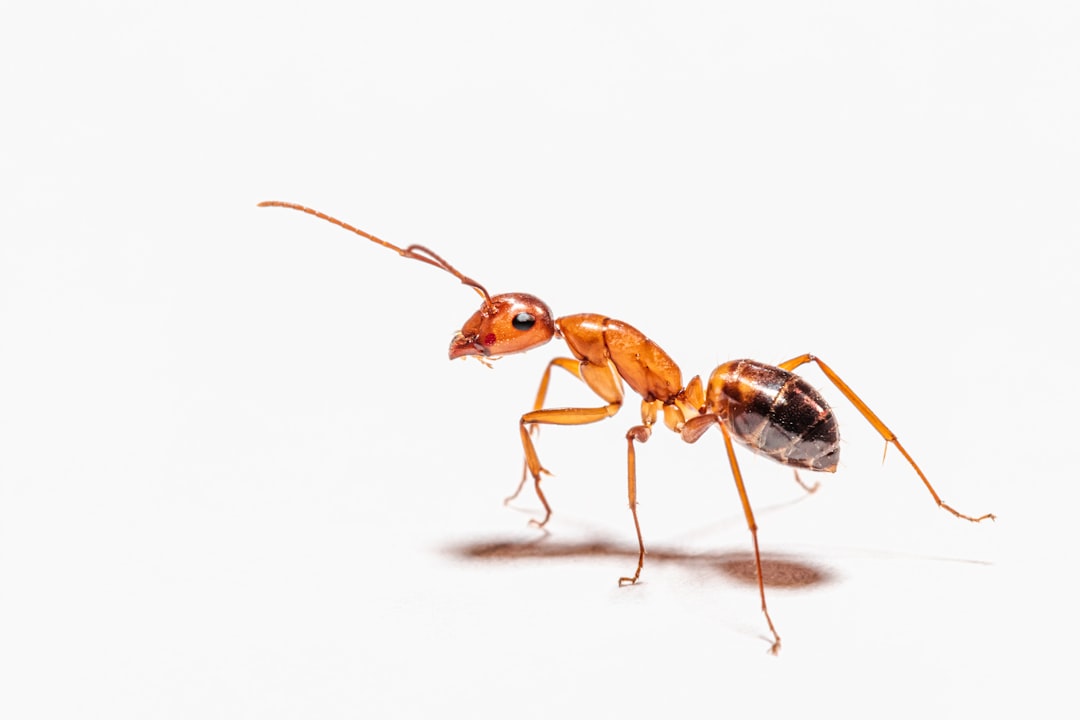
Quick Answer: Honeypot ants are specialized desert ants known for their unique adaptation: certain workers, called repletes, store large amounts of liquid food in their swollen abdomens, acting as living larders for the colony. This adaptation allows honeypot ants to survive in arid environments by providing a reserve of nourishment during periods of scarcity. The most well-known honeypot ants belong to the genus Myrmecocystus, found primarily in North America and Australia.
Honeypot ants have fascinated scientists and naturalists for centuries due to their remarkable ability to store food within the bodies of specialized workers. These ants are a striking example of evolutionary ingenuity, thriving in some of the planet’s harshest environments where food and water are often in short supply. Their unique biology and social structure make them a subject of ongoing research and curiosity, especially as climate change and habitat loss impact desert ecosystems globally.
The phenomenon of living storage is not only a marvel of adaptation but also a critical survival strategy. In deserts, where unpredictable rainfall and sparse vegetation create long periods of drought, the ability to store and redistribute resources can mean the difference between colony survival and collapse.
Honeypot ants have developed a complex social system that ensures the efficient collection, storage, and sharing of food, making them a keystone species in their native habitats. Their presence also influences the behavior of other desert animals, including predators and human populations that have historically harvested them as a food source.
The story of honeypot ants is one of cooperation, specialization, and resilience. From the intricate architecture of their underground nests to the physiological adaptations of the repletes, every aspect of their biology is tuned to maximize survival in environments where most life struggles to persist.
The study of these ants not only sheds light on the evolution of social insects but also offers insights into the broader dynamics of desert ecosystems and the challenges faced by organisms living on the edge of survival.
The Biology of Honeypot Ants and the Role of Repletes
Honeypot ants are social insects belonging primarily to the genus Myrmecocystus, which is native to arid and semi-arid regions of North America, as well as several other genera found in Australia and Africa. These ants are distinguished by their unique adaptation: some workers, known as repletes, act as living storage vessels for the colony.
Repletes are specialized individuals whose abdomens can swell dramatically as they store nectar, honeydew, and other liquid foods collected by foragers. This adaptation is rare among ants and is a defining characteristic of honeypot ant species.
The process of becoming a replete involves both genetic predisposition and environmental cues within the colony. Not all workers are destined to become repletes; instead, certain individuals are selected based on age, size, and the needs of the colony. Once chosen, these ants are fed by their nestmates until their gasters (abdomens) become engorged with stored liquid.
In some species, a replete’s abdomen can swell to the size of a small grape, making them immobile and dependent on other workers for care and protection.
Repletes serve as a vital food reserve, regurgitating stored liquids to feed the colony during times of scarcity. This process, known as trophallaxis, allows honeypot ant colonies to survive prolonged droughts or food shortages. The stored liquids can include nectar from flowers, honeydew from aphids, and even water, making repletes a versatile resource for the entire colony. The efficiency of this system is a key factor in the success of honeypot ants in desert environments.
Key Insight: The division of labor and physiological specialization in honeypot ants exemplifies the complexity of social insect societies, where individual roles are finely tuned to environmental challenges.
The phenomenon of living storage has attracted significant scientific interest, particularly in the fields of entomology and evolutionary biology. The ability of repletes to expand and contract their abdomens without apparent harm is a subject of ongoing research, with implications for understanding insect physiology and the evolution of cooperative behavior. For more on the biology of ants, see the Britannica entry on ants.
Evolutionary Origins and Global Diversity
The evolutionary history of honeypot ants provides a window into how extreme environments drive the development of novel survival strategies. The genus Myrmecocystus is most diverse in the deserts of North America, particularly the southwestern United States and Mexico. However, similar adaptations have evolved independently in other ant genera, such as Camponotus inflatus in Australia and Plagiolepis in Africa, demonstrating convergent evolution.
Convergent evolution occurs when unrelated species develop similar traits in response to comparable environmental pressures. In the case of honeypot ants, the need to survive in arid landscapes with unpredictable food and water supplies has led to the repeated emergence of living storage adaptations. This phenomenon highlights the power of natural selection in shaping complex social behaviors and physiological traits across unrelated lineages.
Honeypot ants are not a single taxonomic group but rather a functional category encompassing multiple genera and species. The table below summarizes some of the best-known honeypot ant species and their regions:
| Genus/Species | Region | Notable Adaptation |
|---|---|---|
| Myrmecocystus mexicanus | North America | Large repletes, deep nests |
| Camponotus inflatus | Australia | Extreme abdominal swelling |
| Plagiolepis spp. | Africa, Mediterranean | Small repletes, shallow nests |
| Melophorus bagoti | Australia | Rapid foraging, repletes |
The diversity of honeypot ants across continents underscores the ecological importance of this adaptation. Each species has evolved unique strategies for collecting, storing, and distributing resources, reflecting the specific challenges of their native habitats. For example, Australian honeypot ants often build shallower nests due to different soil conditions, while North American species may dig deep underground to escape surface heat.
Key Takeaway: The repeated evolution of living larders in unrelated ant lineages demonstrates how similar environmental pressures can lead to analogous solutions in nature.
For more information on ant diversity and evolution, consult the Wikipedia page on honeypot ants.
Life Cycle and Social Structure of Honeypot Ant Colonies
The social organization of honeypot ant colonies is a model of efficiency and cooperation. Colonies typically consist of a single queen, numerous workers, soldiers, and a variable number of repletes. The queen’s primary role is reproduction, while workers are responsible for foraging, nest maintenance, and caring for brood. The repletes, as discussed, serve as living storage units.
Colony founding begins when a fertilized queen establishes a new nest, often in a protected location beneath rocks or within sandy soil. The queen raises the first generation of workers, which then take over foraging and nest construction. As the colony grows, the division of labor becomes more pronounced, with older workers often transitioning to roles as repletes or soldiers.
The life cycle of a honeypot ant colony is closely tied to seasonal changes in the desert environment. Foraging activity peaks during periods of rainfall and plant bloom, when nectar and honeydew are abundant. During dry spells, foraging ceases, and the colony relies on the stored reserves within the repletes. This cyclical pattern ensures that the colony can persist through harsh conditions that would otherwise be fatal to less-adapted species.
Social communication within the colony is facilitated by chemical signals, or pheromones, which coordinate activities such as foraging, defense, and care of repletes. The ability to rapidly shift roles and responsibilities in response to environmental cues is a hallmark of honeypot ant societies. This flexibility allows colonies to optimize resource use and maintain stability in the face of unpredictable challenges.
The intricate division of labor in honeypot ant colonies exemplifies how social insects achieve resilience through cooperation and specialization.
For further details on ant colony structure and social behavior, refer to the Encyclopedia Britannica entry on ant colonies.
Foraging Behavior and Resource Collection
Foraging is a critical activity for honeypot ants, as the success of the colony depends on the ability to locate and collect sufficient resources to sustain both active workers and repletes. Foragers venture out from the nest, often traveling considerable distances across the desert landscape in search of nectar, honeydew, and other liquid foods. The efficiency of their foraging strategies is enhanced by sophisticated navigation skills, including the use of visual landmarks and chemical trails.
Honeypot ants display remarkable adaptability in their foraging behavior. During periods of abundance, foragers work tirelessly to gather as much food as possible, quickly filling the repletes’ abdomens. In contrast, during droughts or food shortages, foraging activity is sharply reduced to conserve energy and minimize risk. The colony’s ability to dynamically adjust foraging intensity is a key factor in its long-term survival.
The relationship between honeypot ants and other desert organisms is complex and often mutually beneficial. For example, ants frequently harvest honeydew from aphids and scale insects, which in turn benefit from the ants’ protective presence. This mutualism extends the range of available food sources and reinforces the ants’ role as ecosystem engineers in arid habitats.
- Key foraging adaptations include:
- Use of pheromone trails to mark food sources
- Recruitment of additional workers to rich food patches
- Nocturnal or crepuscular activity to avoid extreme heat
- Rapid transport of liquid food back to the nest
The ability to exploit a wide range of resources, combined with efficient storage and distribution systems, makes honeypot ants exceptionally well-suited to desert life. Their foraging strategies are an active area of research, with implications for understanding the resilience of social insects in changing climates.
The Physiology of Living Larders: How Repletes Store and Share Food
The transformation of a regular worker into a replete involves profound physiological changes. As a replete, the ant’s abdomen becomes highly distensible, capable of expanding many times its original size. This is achieved through the flexibility of the cuticle and the rearrangement of internal organs to accommodate the expanding storage space. The stored liquid, primarily composed of sugars and water, is retained in the crop, a specialized part of the digestive tract.
Repletes are fed by other workers through a process called trophallaxis, in which liquid food is transferred mouth-to-mouth. Once engorged, repletes become largely immobile, hanging from the ceilings of underground chambers in clusters. Their role is passive but essential: when food is scarce, hungry workers stimulate the replete to regurgitate stored liquid, which is then distributed throughout the colony.
This system of living storage is highly efficient, minimizing waste and ensuring that resources are available when most needed. The physiological adaptations that enable repletes to expand and contract repeatedly without damage are of particular interest to biologists studying insect exoskeletons and elasticity. These adaptations are not without cost, however; repletes are vulnerable to predation and physical injury, making their protection a priority for the colony.
The evolution of living larders in honeypot ants represents a remarkable convergence of physiology and social behavior, enabling survival in some of the planet’s harshest environments.
For a detailed discussion of insect physiology and adaptations, see the University of California Museum of Paleontology’s resource on ants.
Ecological Role and Interactions with Other Species
Honeypot ants play a significant ecological role in desert ecosystems. By collecting and storing large quantities of nectar and honeydew, they influence the distribution of resources among other organisms. Their nests provide microhabitats for a variety of invertebrates, and their foraging activities can affect plant pollination and the population dynamics of sap-feeding insects.
Predators such as birds, lizards, and mammals have evolved strategies to exploit honeypot ant colonies, often targeting the immobile repletes for their rich stores of sugar and water. In some regions, indigenous peoples have traditionally harvested honeypot ants as a food source, valuing them for their sweet, energy-rich contents. This practice highlights the ants’ importance not only to the ecosystem but also to human cultures adapted to desert life.
The presence of honeypot ants can also influence the behavior and distribution of other ant species, leading to complex patterns of competition and coexistence. Their role as ecosystem engineers extends beyond resource storage, affecting soil structure, nutrient cycling, and the broader web of desert life.
- Major ecological interactions include:
- Mutualism with sap-feeding insects
- Predation by vertebrates and invertebrates
- Competition with other ant species
- Human exploitation as a food resource
Key Takeaway: The ecological impact of honeypot ants extends far beyond their own survival, shaping the structure and function of entire desert communities.
For more on the ecological roles of ants, see the Wikipedia entry on ants.
Threats, Conservation, and Human Impact
Despite their remarkable adaptations, honeypot ants face a range of threats in the modern world. Habitat loss due to urbanization, agriculture, and mining can disrupt their nesting sites and reduce the availability of food sources. Climate change poses additional challenges, altering rainfall patterns and increasing the frequency of extreme weather events in desert regions.
Some honeypot ant species are considered at risk, though comprehensive conservation assessments are limited. The International Union for Conservation of Nature (IUCN) has not evaluated most honeypot ant species, reflecting a broader gap in the conservation status of many invertebrates. Protecting desert habitats and promoting sustainable land use are critical steps in ensuring the survival of these unique ants and the ecosystems they support.
Human activities can have both positive and negative effects on honeypot ant populations. While traditional harvesting by indigenous peoples is typically sustainable, large-scale habitat alteration and pesticide use can have devastating consequences. Raising awareness of the ecological importance of honeypot ants is essential for promoting their conservation and the preservation of desert biodiversity.
The survival of honeypot ants is closely linked to the health of desert ecosystems, making them important indicators of environmental change and resilience.
For more on conservation issues affecting insects, consult the IUCN Red List.
Myths, Misconceptions, and Cultural Significance
Honeypot ants have long captured the imagination of people living in desert regions. Their swollen, honey-filled abdomens have led to a variety of myths and misconceptions, including the belief that they are a distinct species rather than a specialized caste within the colony. In reality, repletes are ordinary workers that have undergone physiological changes in response to the colony’s needs.
One common misconception is that honeypot ants are always easy to find and harvest. In fact, locating a colony requires detailed knowledge of the landscape and the ants’ seasonal cycles. Overharvesting by untrained collectors can damage colonies and disrupt local ecosystems, highlighting the importance of traditional ecological knowledge in sustainable use.
The cultural significance of honeypot ants is especially pronounced among Indigenous Australian peoples, who have incorporated them into their diet and mythology for thousands of years. These ants are often featured in stories and ceremonies, symbolizing abundance, cooperation, and the interconnectedness of life in the desert. Their role as a food source is celebrated, but always within the context of respect for the land and its resources.
- Common myths about honeypot ants:
- They are a separate species (they are a caste within the colony)
- They can survive indefinitely without food (they require replenishment)
- Harvesting them is always sustainable (depends on method and frequency)
Key Insight: Understanding the true biology and cultural context of honeypot ants helps dispel myths and promotes responsible stewardship of desert ecosystems.
Future Directions in Honeypot Ant Research
Scientific interest in honeypot ants continues to grow, driven by advances in genetics, physiology, and ecology. Researchers are exploring the molecular mechanisms that enable repletes to expand their abdomens, as well as the genetic basis for caste determination within colonies. These studies have potential applications beyond entomology, including insights into elasticity, storage, and cooperative behavior in other organisms.
Emerging research is also examining the impact of climate change on honeypot ant populations and their role as bioindicators of ecosystem health. By monitoring changes in colony behavior, distribution, and survival, scientists can gain valuable information about the broader effects of environmental stressors on desert biota.
The integration of traditional ecological knowledge with modern scientific methods offers promising avenues for conservation and sustainable management. Collaborative efforts between researchers, indigenous communities, and conservation organizations are essential for preserving both the biological and cultural heritage associated with honeypot ants.
The study of honeypot ants bridges the gap between basic science and applied conservation, highlighting the value of interdisciplinary approaches to understanding and protecting biodiversity.
Lessons from the Living Larders: Adaptation and Survival in Extreme Environments
The story of honeypot ants is a testament to the power of adaptation and cooperation in the face of adversity. Their unique strategy of living storage, embodied by the repletes, allows them to thrive where few other species can. This adaptation is not merely a biological curiosity but a vital lesson in resilience, resourcefulness, and the importance of social organization.
Honeypot ants remind us that survival in extreme environments often depends on the ability to work together, share resources, and respond flexibly to changing conditions. Their success is a product of millions of years of evolution, shaped by the relentless pressures of desert life. As we confront the challenges of environmental change and biodiversity loss, the lessons of the living larders offer valuable insights into the mechanisms that sustain life on Earth.
The living larders of the desert exemplify nature’s capacity for innovation, cooperation, and endurance, offering inspiration for both science and society.
Frequently Asked Questions
How do honeypot ants survive long periods without food?
Honeypot ants survive food shortages by relying on repletes, which store liquid food in their abdomens and share it with the colony during scarcity.
Are honeypot ants found outside deserts?
While most honeypot ants inhabit arid regions, some species also occur in semi-arid and Mediterranean environments with similar resource challenges.
Can honeypot ants be kept in captivity?
Yes, honeypot ants can be kept in captivity but require specialized care, including controlled humidity, temperature, and access to suitable liquid foods.
What predators eat honeypot ants?
Predators such as birds, lizards, and mammals target honeypot ants, especially the immobile repletes, for their nutrient-rich stored liquids.
Do all ant species have repletes?
No, only certain ant genera like Myrmecocystus and Camponotus have evolved repletes as a specialized adaptation for food storage.
How do humans use honeypot ants?
Indigenous peoples, especially in Australia, traditionally harvest honeypot ants as a sweet, energy-rich food source.