
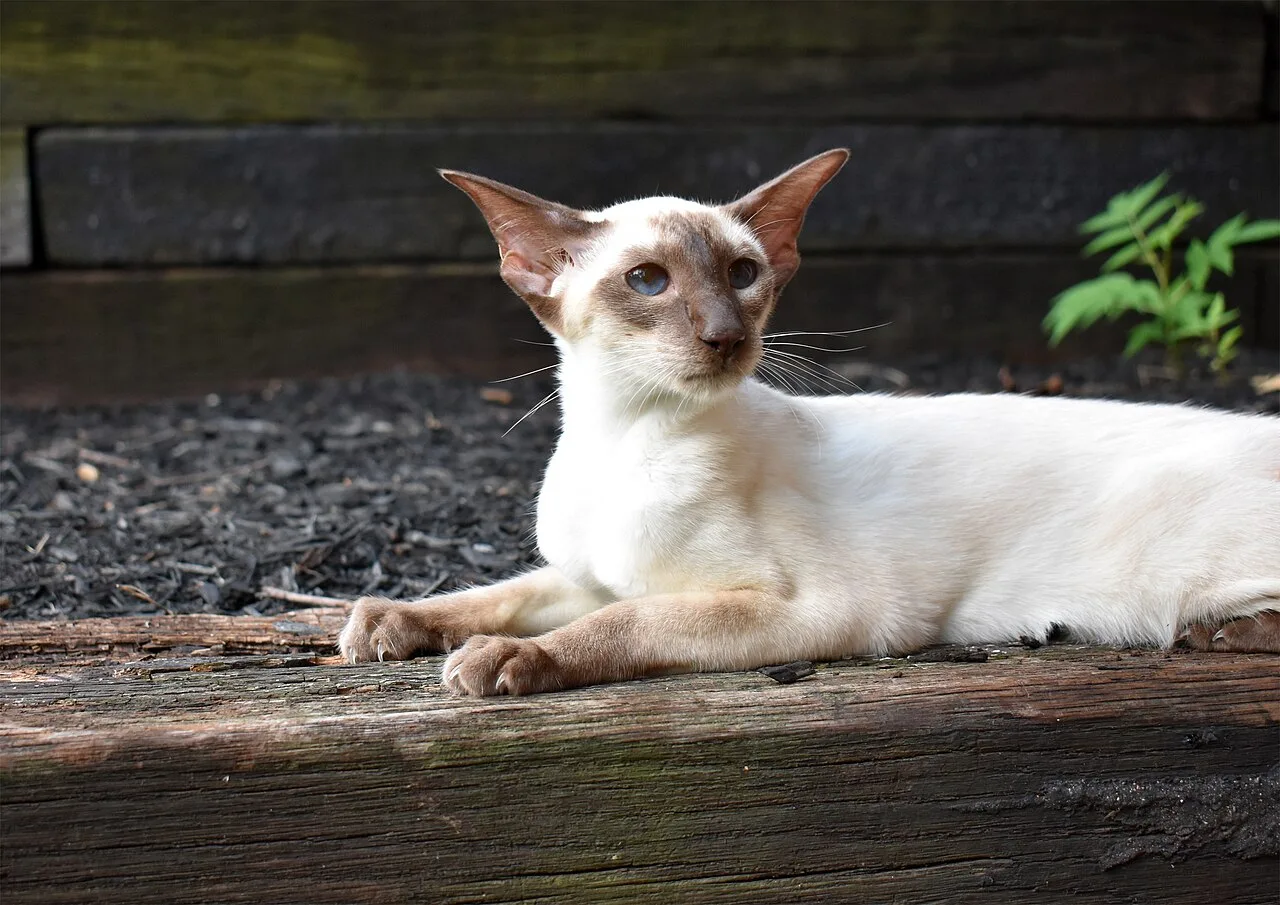
Siamese cat care begins with an old and distinctive breed, one of the most recognisable in the world, distinguished by its striking colour-pointed coat, vivid blue eyes, and extraordinarily vocal personality. Siamese cats are highly social, intelligent, and demanding of attention.
Their short, close-lying coat requires minimal grooming compared to longhaired breeds, but their social and mental needs are among the highest of any domestic cat breed. Understanding these needs is essential to providing a healthy, fulfilling environment.
For a complete overview of the Siamese breed's history, patterns, and temperament, see the Siamese cat breed profile.
Daily and Weekly Care Requirements
Siamese cats are not suited to households where they will be left alone for long periods. They are vocal, communicative, and form intense bonds with their owners. A bored or lonely Siamese will express its dissatisfaction loudly and persistently.
Daily Care Tasks
- Social interaction: Provide at least 30 to 45 minutes of active engagement per day, beyond passive presence. Siamese cats notice when owners are physically present but unresponsive and will escalate vocalisations to demand attention.
- Fresh water: Change water daily. A running water fountain is often preferred by Siamese.
- Feeding: Two structured meals. Siamese cats tend toward smaller frames and can be prone to weight loss as well as obesity depending on the individual; monitor body condition weekly.
- Play session: At minimum two sessions of 15 to 20 minutes. Siamese are hunters; simulate prey behaviour with wand toys.
- Coat check: A quick hand-over is sufficient, the short coat rarely mats, but you may detect parasites, lumps, or skin changes.
Weekly Care Tasks
- Brushing: Once per week is sufficient for the short coat. Use a fine-tooth metal comb or rubber grooming mitt.
- Ear inspection: Check weekly for dark debris or odour. Clean gently if needed.
- Nail trim: Every two weeks.
- Dental care: Brush two to three times per week. Siamese are predisposed to periodontal disease. See cat dental care guide for guidance.
Grooming Specifics for the Siamese Cat
The Siamese has a short, fine, close-lying coat with minimal undercoat. This is one of the easiest coats to maintain of any pedigree breed. The colour-pointed pattern, darker at the extremities (face, ears, paws, tail) and lighter on the body, is temperature-sensitive and not affected by grooming practices.
"Short-coated cats still benefit from regular grooming sessions, not primarily for coat maintenance but for the opportunities grooming provides: parasite detection, skin assessment, early identification of lumps and swellings, and maintenance of a cat's tolerance for handling." American Animal Hospital Association, Feline Preventive Healthcare Guidelines, 2020
Coat Care
- A rubber grooming mitt or fine-tooth comb once per week removes dead hair and stimulates the skin.
- Siamese shed less than many other breeds, but regular grooming reduces the amount of loose hair on furniture and clothing.
- Bathing is only necessary when the cat is visibly dirty or before a show. The short coat dries quickly.
Shedding
Siamese cats have a single-layer coat and shed considerably less than double-coated breeds. Seasonal changes may bring a slight increase in shedding, but it is rarely dramatic.
Dental Health
Dental disease is among the most significant health concerns for Siamese cats. Their narrow jaw structure can lead to crowding and early tartar accumulation. Begin dental brushing at kittenhood to establish tolerance. Professional cleaning under anaesthesia may be required from three to five years of age in some individuals.
Eye and Ear Care
Siamese cats can have mild eye discharge, particularly at the inner corner. Wipe gently with a soft damp cloth once or twice per week. Do not use the same cloth for both eyes. Check ears weekly for wax accumulation or odour.
Feeding Recommendations
The Siamese is a medium-sized breed. Adult males typically weigh between 3.5 and 5 kilograms; females slightly less. The breed has a lean, athletic body type (referred to as "oriental" type) and requires a diet that supports muscle mass without excess weight gain.
Nutritional Requirements
High-protein diets are appropriate for the active Siamese. Look for foods with a named protein source (chicken, turkey, fish) as the first ingredient. Siamese cats benefit from taurine-rich foods to support cardiac health.
Portion Guidance
| Life Stage | Daily Caloric Intake (Approximate) | Feeding Schedule |
|---|---|---|
| Kitten (under 12 months) | 160-220 kcal | 3-4 times per day |
| Adult (1-8 years) | 160-220 kcal | 2 times per day |
| Senior (8+ years) | 140-200 kcal | 2 times per day |
Siamese cats can develop hyperthyroidism and other metabolic conditions that alter weight. If weight loss occurs in a cat that is eating normally or more than usual, seek veterinary evaluation promptly. See how much to feed a cat by weight for calibration guidance.
Wet Food Benefits
Wet food provides hydration essential for urinary tract health and kidney function. Siamese are prone to urinary issues and benefit significantly from moisture in the diet. A combination of wet food at least once daily and controlled dry food portions is a practical approach. See wet vs dry cat food: which is better.
Sensitive Digestion
Some Siamese cats have sensitive digestive systems and may react to sudden food changes with loose stools. Always transition between foods over seven to ten days, mixing the new food with the old in increasing proportions.
Exercise and Enrichment Needs
Siamese are among the most active, athletic, and mentally demanding of all domestic cat breeds. Insufficient stimulation is one of the most common sources of problem behaviour in Siamese.
Physical Activity
Siamese cats need vigorous play every day. Two to three sessions of 20 minutes each is a suitable target. Use wand toys that simulate bird or mouse movement, with quick directional changes to challenge the cat's reflexes. Puzzle feeders and laser pointers (always ending on a tangible toy) are effective supplements.
Enrichment Overview
| Enrichment Type | Recommended Frequency | Effectiveness for Siamese |
|---|---|---|
| Wand toy play | Daily | Very high |
| Fetch (Siamese often retrieve) | Several times per week | High |
| Puzzle feeders | Daily | High |
| Cat trees and climbing structures | Permanent fixture | High; Siamese love height |
| TV or bird videos | When alone | Moderate |
| Clicker training | Daily or every other day | Very high; excellent for this breed |
Training
Siamese are one of the most trainable cat breeds. They can learn to sit, come when called, walk on a leash, and perform a range of learned behaviours using positive reinforcement. Clicker training provides mental stimulation and strengthens the human-cat bond. Start with simple behaviours (sit, target touch) and build from there.
Leash Walking
Many Siamese adapt well to harness and leash training. Begin harness introduction at kittenhood. This provides safe outdoor enrichment and additional physical activity.
For comprehensive indoor enrichment strategies, see pet exercise and enrichment guide.
Health Monitoring
Siamese cats are generally hardy, but certain breed-specific conditions require owner awareness.
Weekly Home Checks
- Weight: Weigh monthly. Siamese weight changes can be rapid; weight loss in older cats is a red flag for hyperthyroidism or kidney disease.
- Mouth: Check for red or inflamed gums, which indicate dental disease.
- Eyes: The Siamese blue eye should be clear and bright. Cloudiness can indicate infection or cataracts.
- Behaviour changes: Siamese communicate extensively; a suddenly quiet cat may be in pain. A significant increase in vocalisation beyond the breed norm may indicate hyperthyroidism or cognitive changes.
- Breathing: Any respiratory distress warrants immediate veterinary attention.
Common Breed-Specific Health Concerns
"Respiratory diseases, including lower respiratory tract conditions such as bronchial asthma, occur at higher frequencies in Siamese cats compared to the general cat population. Long-term management with bronchodilators and corticosteroids can be highly effective when the condition is diagnosed early." Padrid, P.A., Veterinary Clinics of North America: Small Animal Practice, 2000
Feline Asthma and Bronchial Disease
Siamese cats are significantly overrepresented among cats diagnosed with feline asthma and bronchial disease. Signs include coughing (often misidentified as hairball attempts), wheezing, and episodes of laboured breathing. Diagnosis requires radiographs and bronchoscopy in some cases. Management involves corticosteroids (inhaled or injectable) and avoidance of environmental triggers: cigarette smoke, dusty cat litter, aerosol sprays, and candles.
Amyloidosis
Siamese cats are predisposed to hepatic amyloidosis, a condition where amyloid protein deposits accumulate in the liver, impairing its function. Signs include weight loss, lethargy, and abdominal enlargement. There is no specific treatment; management is supportive. Genetic basis is suspected but not fully characterised.
Progressive Retinal Atrophy (PRA)
A form of PRA specific to Siamese cats (rdAc mutation) causes progressive vision loss. Cats typically adapt well to gradual vision loss. Genetic testing is available.
Dental Disease
As noted, Siamese cats have a higher-than-average rate of periodontal disease linked to jaw structure and genetics. Daily or near-daily brushing is one of the most effective preventive measures.
Mediastinal Lymphoma
Siamese cats have an elevated risk of mediastinal (chest-cavity) lymphoma compared to other breeds. Young Siamese cats (under five years) can develop this condition. Signs include rapid breathing, weight loss, and reduced exercise tolerance. Early detection via veterinary examination significantly improves treatment outcomes.
Environmental Needs
Space and Vertical Territory
Siamese are active and inquisitive. They need vertical space, tall cat trees, shelves, or wall-mounted climbing structures. A multi-room environment enriched with climbing and hiding opportunities is ideal.
Temperature
Siamese cats have a single-layer coat with minimal insulation. They are more cold-sensitive than double-coated breeds. In cooler climates, heated beds and indoor warmth are important for comfort, particularly in older or thinner cats.
Colour-Pointed Coat and Temperature
The colour-point pattern of the Siamese is determined by a temperature-sensitive enzyme (tyrosinase). Cooler areas of the body (extremities) produce more pigment, while warmer areas (the body core) produce less. This means a cat kept in a very warm environment will appear lighter, and one kept in a very cool environment may darken. This is a cosmetic phenomenon only and does not affect health.
Companionship
Due to their extreme sociability, many Siamese benefit from a feline companion, particularly if owners are away during the day. A second cat of a compatible temperament provides social stimulation and reduces anxiety-related behaviours.
Vet Visit Schedule
"Annual wellness visits allow veterinarians to detect subtle changes in body weight, coat condition, and organ function that owners may not notice between visits. In Siamese cats, early identification of dental disease, respiratory conditions, and metabolic changes is especially valuable." Cornell Feline Health Center, Preventive Care for Cats, 2023
| Age | Visit Frequency | Key Focus Areas |
|---|---|---|
| 0-6 months | Every 3-4 weeks | Vaccinations, deworming, dental development assessment |
| 6-12 months | Once | Spay/neuter, booster vaccines, dental baseline |
| 1-8 years | Annually | Full physical, dental exam, weight, respiratory assessment |
| 8+ years | Every 6 months | Bloodwork, thyroid panel, kidney function, dental cleaning |
Request a thyroid panel (T4) annually from age seven onwards, as hyperthyroidism is more common in older Siamese. Monitor dental health closely and arrange professional cleaning as needed.
Summary
Siamese cats are intensely rewarding companions for owners who can match their energy, social needs, and intelligence. Their coat care is minimal, but their mental and social requirements are among the highest of any breed. Key health concerns, feline asthma, dental disease, amyloidosis, and lymphoma, are best managed through regular veterinary monitoring and a clean, low-stress home environment. Siamese cats typically live 12 to 15 years, with many reaching 20 years in excellent health.
References
- Padrid, P.A. (2000). Feline asthma: Diagnosis and treatment. Veterinary Clinics of North America: Small Animal Practice, 30(5), 1279-1293. https://doi.org/10.1016/S0195-5616(00)50014-5
- American Animal Hospital Association. (2020). AAHA/AVMA Feline Preventive Healthcare Guidelines. https://www.aaha.org/aaha-guidelines/feline-preventive-healthcare/
- Godfrey, D.R. (1997). Hepatic amyloidosis in Siamese cats. Veterinary Record, 140(7), 185-186. https://doi.org/10.1136/vr.140.7.185
- Narfstrom, K. (1999). Hereditary and congenital ocular disease in the cat. Journal of Feline Medicine and Surgery, 1(3), 135-141. https://doi.org/10.1016/S1098-612X(99)90199-7
- Cornell Feline Health Center. (2023). Preventive care for cats. Cornell University College of Veterinary Medicine.
- Zwingenberger, A., et al. (2014). Association between the signalment and the diagnosis of primary lung lobe torsion in cats. Journal of Feline Medicine and Surgery, 16(5), 462-466. https://doi.org/10.1177/1098612X13514561
Frequently Asked Questions
Why does my Siamese cat meow so much?
Siamese cats are genetically predisposed to high vocality. They communicate extensively through a range of calls, from low murmurs to loud, persistent demands. Increased or changed vocalisation in an older cat may signal hyperthyroidism, pain, or cognitive changes and should be discussed with a veterinarian.
Do Siamese cats need a lot of exercise?
Yes. Siamese are among the most active domestic breeds. They need a minimum of two play sessions per day lasting 15 to 20 minutes each, plus access to climbing structures and puzzle enrichment. Without adequate stimulation they can develop destructive behaviours and anxiety.
What does feline asthma look like in Siamese cats?
Feline asthma typically appears as episodes of crouching low with an extended neck, accompanied by coughing, wheezing, or laboured breathing. It is often mistaken for hairball attempts. Siamese are significantly overrepresented in feline asthma diagnoses. Seek veterinary assessment for any cat showing repeated coughing or breathing difficulty.
Are Siamese cats good with other animals?
Siamese generally do well with other cats, particularly if introduced gradually. They can also coexist with dogs that have a calm temperament. Siamese cats often benefit from a feline companion to reduce loneliness when owners are away.
How long do Siamese cats live?
The typical lifespan for Siamese cats is 12 to 15 years, though many individuals reach 18 to 20 years with proper care. Key longevity factors include regular dental care, early detection of thyroid or kidney disease, and management of respiratory conditions.
Why does my Siamese cat have a crossed eye or kinked tail?
Crossed eyes (strabismus) and kinked tails are historic traits linked to the early Siamese gene pool. Modern show-type Siamese are bred away from these traits, but they still appear in traditional (applehead) Siamese lines. Both are cosmetic and do not affect quality of life.