
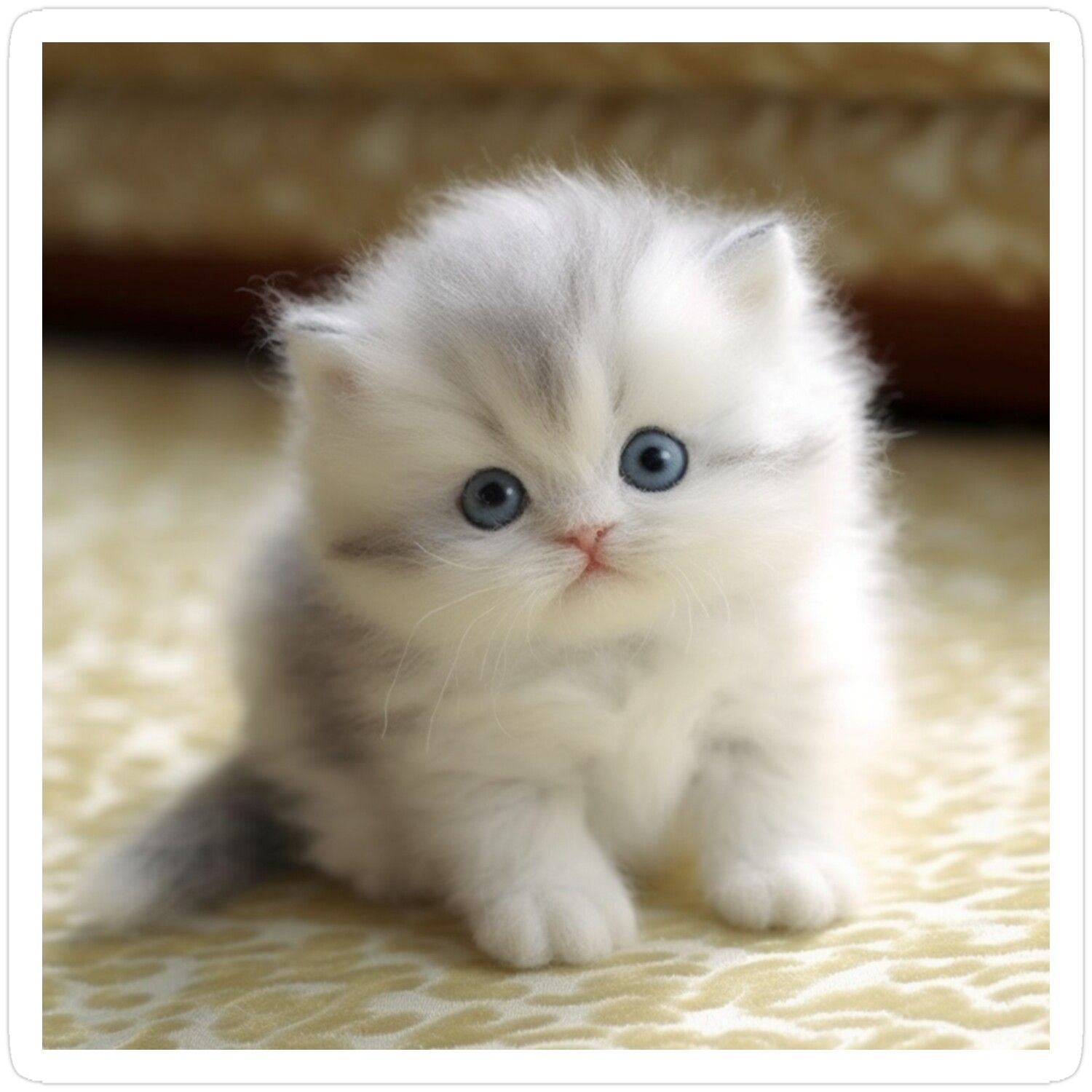
The Persian cat is one of the most recognisable breeds in the world, prized for its long, flowing coat, flat facial structure, and calm temperament. However, their beauty comes with significant care demands. Persians require more intensive grooming than almost any other domestic breed, and their flat (brachycephalic) face creates specific health considerations that every owner must understand. This guide covers every aspect of caring for a Persian cat throughout their life.
For a full overview of the breed's history, temperament, and physical characteristics, see the Persian cat breed profile.
Daily and Weekly Care Requirements
Persian cats are low-energy, gentle animals that prefer calm environments. Their care routine is more intensive than most breeds, primarily because of their coat and facial anatomy.
Daily Care Tasks
- Facial cleaning: The flat face and deep facial folds accumulate tear staining and debris around the eyes and nose every day. Wipe the face gently with a damp cloth or veterinarian-approved eye wipe each morning.
- Eye discharge removal: Persians commonly have watery eyes due to their compressed tear ducts. Use a soft cloth or cotton pad to remove discharge. Chronic staining may require daily application of a stain-reducing solution designed for cats.
- Coat inspection: Run your hands over the entire coat, including the belly and armpits. Mats can form overnight in cats that are not brushed regularly.
- Fresh water: Provide fresh water daily. Persians can be prone to kidney issues; hydration is important. A shallow, wide bowl is preferred by many Persians as it does not press against their flat face.
- Feeding: Divide meals into at least two portions per day. Because of their shortened jaw structure, Persians often do better with round or flat kibble shapes rather than standard elongated pieces.
Weekly Care Tasks
- Full coat brushing: At minimum three to four times per week; daily is preferable.
- Ear cleaning: Persian cats are prone to wax buildup. Check weekly and clean with a veterinarian-approved solution when needed.
- Nail trimming: Every two weeks.
- Dental care: Brush teeth two to three times per week. Persian cats have an increased risk of dental overcrowding due to jaw compression. See the cat dental care guide for proper technique.
Grooming Specifics for the Persian Cat
The Persian coat is long, dense, and silky. Unlike the Maine Coon's weather-resistant coat, Persian fur tangles easily because of its fine texture and lack of layering. This breed's grooming needs are among the highest of any domestic cat.
"Grooming for Persian cats should begin at kittenhood to ensure the cat accepts regular handling. Cats that resist grooming are at significantly greater risk of developing pain-causing matted coats, which in severe cases must be shaved under sedation." International Cat Care, Breed-Specific Care Guides, 2020
Coat Brushing Technique
Use a wide-tooth metal comb first, working section by section from the skin outward. Follow with a soft bristle brush or slicker brush to smooth the coat. Never pull through tangles; work them apart with your fingers or a detangling spray formulated for cats.
Mat Management
Mats are the primary grooming challenge for Persians. They form most rapidly behind the ears, under the armpits, in the groin area, and at the collar line. Check these areas every day. If a mat has tightened, do not attempt to cut it out with scissors, the skin beneath can be very close. Use a mat splitter or seek professional grooming assistance.
Bathing
Most grooming professionals recommend bathing Persian cats every four to six weeks. A clean coat mats less readily than a dirty one. Use a moisturising, coat-specific shampoo followed by a conditioner. Dry thoroughly with a dryer on a low heat setting, as Persians can develop fungal skin infections if left damp. Their dense coat traps moisture.
See how to groom your cat at home for a full step-by-step guide to home bathing and drying.
Facial Hygiene
The folds and creases around the nose and inner eye corners must be cleaned daily. Bacteria and yeast can proliferate in skin folds, causing dermatitis. Use a separate cloth or cotton pad for each eye to prevent cross-contamination.
Coat Length Maintenance
Some owners opt for a "lion cut" shaving the body coat to approximately 2.5 cm length, especially during summer or if grooming has become unmanageable. This is not harmful and the coat regrows. However, the cat may need a coat or indoor warmth during colder months after clipping.
Feeding Recommendations
Persian cats are a medium-to-large breed, with adults typically weighing between 3.5 and 5.5 kilograms. They are not as large as Maine Coons, but they have specific dietary considerations linked to their anatomy and health predispositions.
Jaw and Food Shape
The Persian's brachycephalic jaw means they may have difficulty picking up and chewing standard-sized kibble. Look for "flat face" or "brachycephalic" specific dry foods, which are formulated with specially shaped pieces. Wet food may be easier for some Persians to manage and also provides additional hydration.
Protein and Calorie Requirements
| Life Stage | Daily Caloric Intake (Approximate) | Notes |
|---|---|---|
| Kitten (under 12 months) | 180-250 kcal | High protein needed for growth |
| Adult (1-7 years) | 180-240 kcal | Adjust for activity; Persians are sedentary |
| Senior (7+ years) | 160-220 kcal | Monitor kidney function; adjust protein if indicated |
Persians are a relatively sedentary breed. Overfeeding is a common problem. Measure portions carefully and do not free-feed. See how much to feed a cat by weight for precise calculations.
Hairball Prevention
The Persian's long coat means the cat ingests more hair when self-grooming. A diet containing added fibre (psyllium or beet pulp) or specifically formulated "hairball control" food can reduce the frequency and severity of hairballs. Alternatively, a hairball lubricant paste can be given once or twice per week.
Kidney Health and Hydration
Persians are genetically predisposed to polycystic kidney disease (PKD). Maintaining good hydration is a key preventive measure. Wet food as the primary diet provides significantly more moisture than dry food. See wet vs dry cat food: which is better for a balanced comparison.
Exercise and Enrichment Needs
Persian cats are among the least active of all domestic breeds. They are not typically inclined toward energetic play, but this does not mean they need no enrichment. Under-stimulated Persians can develop anxiety, overeating, and compulsive grooming behaviours.
Physical Activity
Gentle, short play sessions of 10 to 15 minutes once or twice per day are appropriate. Persians tend to prefer toys they can bat at while lying down (crinkle balls, feather clusters) rather than toys that require running and jumping. Wand toys used at a slow pace are usually more successful than fast-moving laser pointers.
Mental Stimulation
| Enrichment Type | Suitable for Persians | Notes |
|---|---|---|
| Puzzle feeders | Yes | Use food-dispensing balls or flat maze trays |
| Wand toys | Yes | Use at slow to moderate pace |
| Cat trees | Yes | Lower, wider trees preferred; jumping high is less natural |
| Window perches | Yes | High value enrichment; visual stimulation |
| Outdoor access | Limited | Catios suitable; unsupervised outdoor time not recommended |
Indoor Living
Persian cats are well suited to apartment living. Their calm temperament means they do not require large amounts of space, but they do need a quiet environment. Loud households with young children or very active dogs can cause chronic stress in Persians.
For comprehensive indoor enrichment ideas, see how to keep your cat indoors safely.
Health Monitoring
Due to the Persian's brachycephalic anatomy and genetic predispositions, regular health monitoring is especially important.
Signs to Watch Daily
- Breathing: Persian cats can be prone to noisy, laboured breathing. A change from baseline (louder, more effortful, open-mouth breathing) warrants prompt veterinary attention.
- Eye and nose discharge: Some daily discharge is normal; a sudden increase in volume, change in colour (green, yellow), or crusty buildup warrants a vet consultation.
- Eating and drinking: Changes in appetite or water intake are among the earliest signs of kidney disease.
- Litter box: Monitor for changes in urination output. Reduced output or straining can indicate urinary blockage, a life-threatening emergency.
Common Breed-Specific Health Concerns
"Polycystic kidney disease in Persian cats is caused by an autosomal dominant mutation. A single copy of the defective gene is sufficient to cause the disease. Genetic testing of breeding cats has substantially reduced prevalence but has not eliminated it." Lyons, L.A., Journal of Feline Medicine and Surgery, 2012
Polycystic Kidney Disease (PKD)
PKD causes fluid-filled cysts to develop in the kidneys from birth, gradually impairing kidney function. Symptoms often do not appear until middle age (3 to 10 years), when kidney function has declined significantly. Diagnosis is by ultrasound or genetic testing. There is no cure, but dietary management, hydration support, and medications can slow progression. Ask your breeder for PKD-negative certification.
Brachycephalic Obstructive Airway Syndrome (BOAS)
The flat facial structure of Persians compresses the airway, causing breathing difficulties. This ranges from mild snoring to severe respiratory distress requiring surgery. Avoid stressful situations, high temperatures, and strenuous exercise. In severe cases, surgical widening of the nostrils (rhinoplasty) and soft palate correction can significantly improve quality of life.
Dental Malocclusion
Jaw compression causes the teeth to be crowded, misaligned, or overlapping. This increases tartar buildup and risk of periodontal disease. Professional dental cleaning under anaesthesia may be needed from three to four years of age. Daily brushing is the best preventive measure.
Progressive Retinal Atrophy (PRA)
Some Persian lines carry genes for PRA, a degenerative retinal condition that can lead to blindness. Genetic testing is available. There is no treatment, but affected cats adapt well to blindness in familiar environments.
Hypertrophic Cardiomyopathy (HCM)
Persians also have an elevated risk of HCM. Cardiac echocardiography is recommended annually or biannually from age two.
Environmental Needs
Temperature Sensitivity
Persians are sensitive to heat. Their compromised airways make cooling by panting less effective than in other animals. Keep the home at a comfortable temperature, especially in summer. Air conditioning is beneficial in warm climates. Do not leave Persian cats in enclosed spaces without ventilation.
Calm Household
Persians are stress-sensitive. Routine changes, loud noises, and unfamiliar visitors can cause anxiety. Provide quiet retreats, a covered bed or a room with reduced traffic.
Litter Box
Use unscented, fine-grained litter. Persians can inhale dust when digging in scented or coarse litter, which is problematic given their already compromised airways. Keep litter boxes scrupulously clean; Persians are fastidious and may refuse to use a box that does not meet their standards.
Vet Visit Schedule
"Cats should be seen at least annually for a wellness examination, but brachycephalic breeds with known genetic conditions benefit from more frequent monitoring. Early intervention in kidney disease can add years of quality life." American Veterinary Medical Association, Feline Preventive Care Guidelines, 2021
| Age | Visit Frequency | Key Focus Areas |
|---|---|---|
| 0-6 months | Every 3-4 weeks | Vaccinations, PKD genetic test, dental development |
| 6-12 months | Once | Spay/neuter, first dental check, airway assessment |
| 1-7 years | Annually | Physical exam, dental cleaning if needed, kidney ultrasound |
| 7+ years | Every 6 months | Bloodwork, kidney function, blood pressure, cardiac screening |
Arrange a PKD ultrasound or genetic test before 12 months. Have an airway assessment performed at the first adult veterinary visit to establish a baseline breathing assessment.
Summary
Persian cats are rewarding companions for patient, attentive owners who are prepared for an intensive grooming routine and proactive health management. Their flat faces require daily cleaning and careful monitoring for respiratory and dental issues. Their genetic predisposition to PKD makes early screening essential. With appropriate care, Persians are affectionate, gentle cats that can live 12 to 17 years.
References
- Lyons, L.A. (2012). Feline genetics: Clinical applications and genetic testing. Journal of Feline Medicine and Surgery, 14(1), 10-19. https://doi.org/10.1177/1098612X11432426
- International Cat Care. (2020). Breed-specific care guides: Persian. https://icatcare.org/advice/cat-breeds/persian/
- Bonnet, B.N., et al. (2017). Mortality in over 350,000 insured Swedish dogs from 1995-2000: I. Breed-, gender-, age- and cause-specific rates. Acta Veterinaria Scandinavica, 59(1), 53. https://doi.org/10.1186/s13028-017-0320-3
- Malik, R., et al. (2009). Brachycephalic obstructive airway disease in cats. Journal of Feline Medicine and Surgery, 11(3), 165-177. https://doi.org/10.1016/j.jfms.2009.01.003
- Helps, C.R., et al. (2010). Feline PKD1 polycystic kidney disease. Journal of Heredity, 101(4), 534-539. https://doi.org/10.1093/jhered/esq027
- American Veterinary Medical Association. (2021). Feline preventive care guidelines. https://www.avma.org/resources-tools/avmf/feline-preventive-healthcare
Frequently Asked Questions
How often do Persian cats need to be groomed?
Daily brushing is ideal, but a minimum of three to four thorough sessions per week is required to prevent matting. Bathing every four to six weeks also helps keep the coat manageable and reduces mat formation.
What is PKD and should I test my Persian for it?
Polycystic kidney disease (PKD) is a genetic condition where fluid-filled cysts develop in the kidneys from birth, gradually reducing kidney function. All Persian cats should be genetically tested or have a kidney ultrasound before 12 months of age. Reputable breeders provide PKD-negative certification.
Why do Persian cats have eye discharge every day?
The compressed facial structure of Persian cats narrows or blocks the nasolacrimal ducts that normally drain tears. This causes overflow tearing that collects in the facial folds. Daily wiping with a damp cloth prevents staining and bacterial or yeast skin infections.
Are Persian cats good for apartments?
Yes. Persians are calm, sedentary cats that adapt very well to apartment living. They do not require large spaces but do need a quiet environment, as they are more stress-sensitive than many other breeds.
What food shape is best for Persian cats?
Due to their compressed jaw, many Persians struggle with standard-shaped dry kibble. Look for foods marketed for flat-faced or brachycephalic cats, which use rounder, wider kibble shapes. Wet food is also easier to manage and improves daily hydration.
How do I know if my Persian cat has breathing problems?
All Persians have some degree of airway compression. Signs that suggest a problem beyond normal are open-mouth breathing at rest, blue-tinged gums, gasping, or a significant change from their usual breathing pattern. These are veterinary emergencies. Routine snoring and slightly audible breathing are common in the breed.